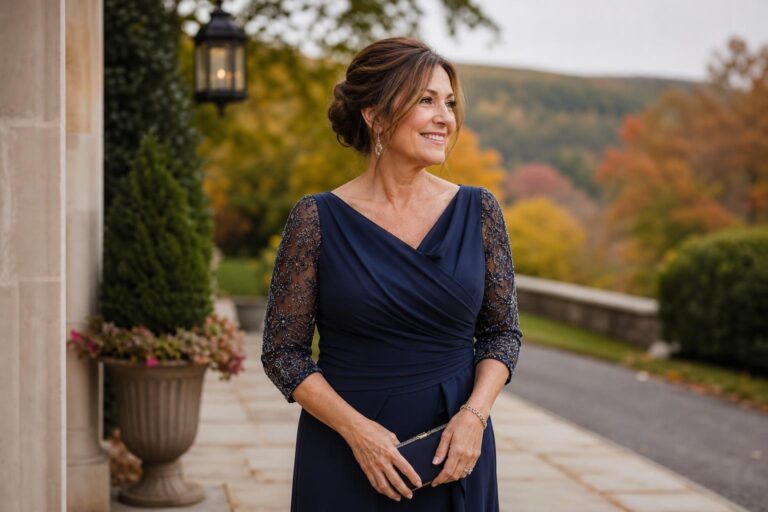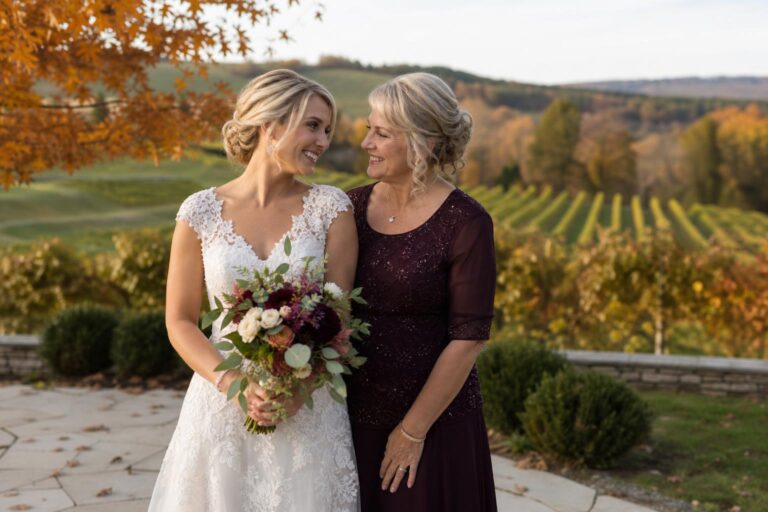
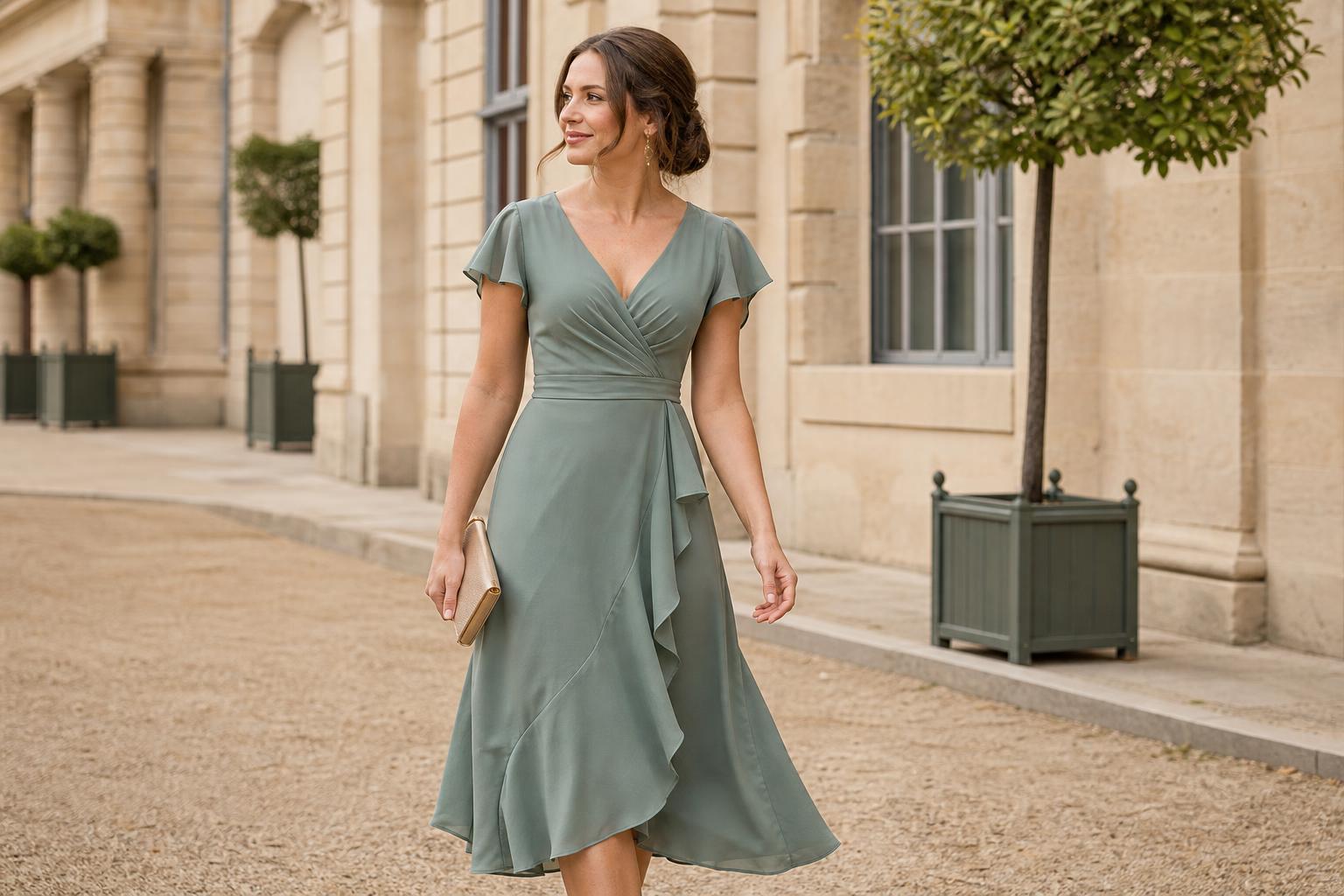
Cocktail Dresses for Wedding Guests That Feel Polished
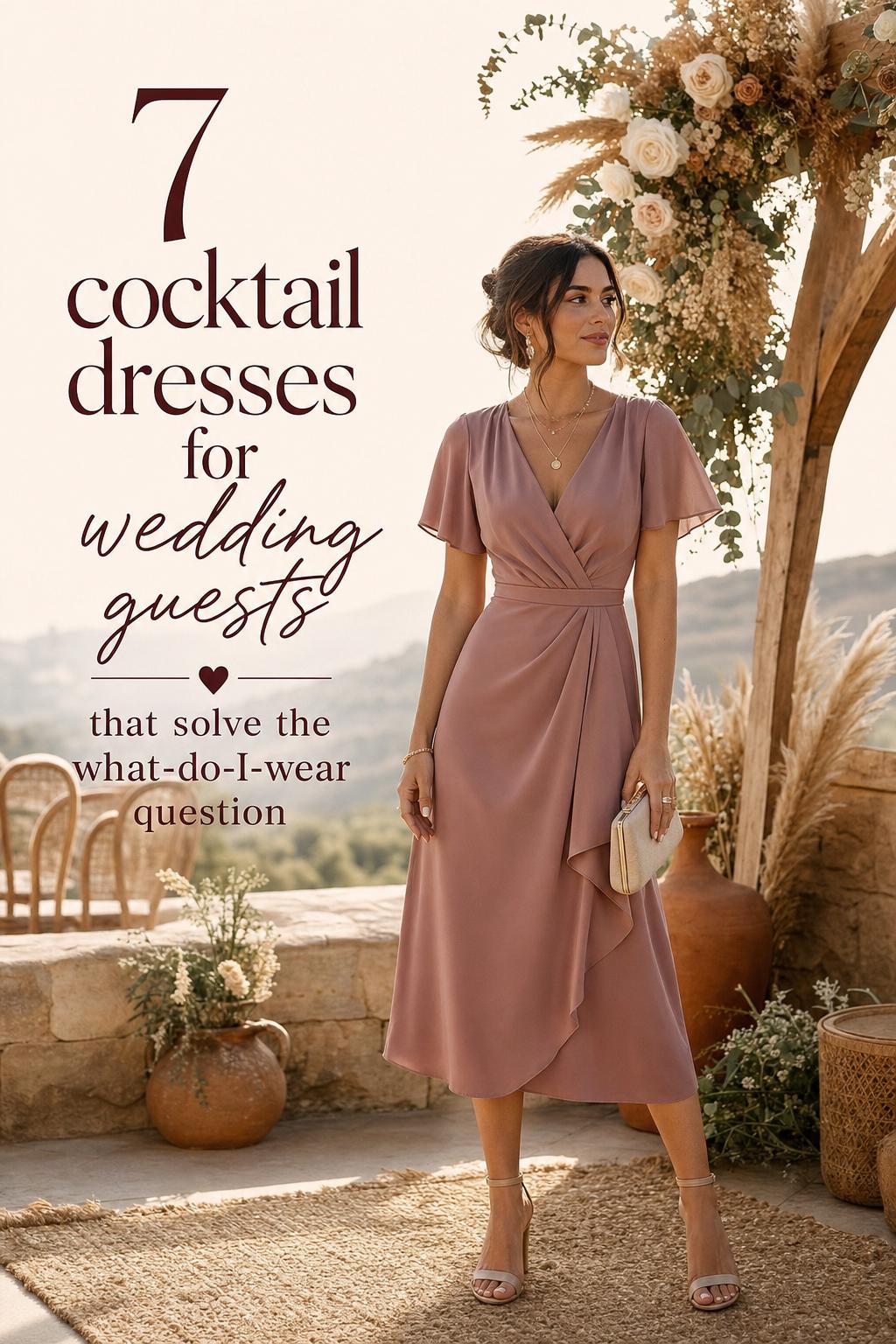
A wedding invitation that calls for cocktail attire sounds straightforward until you begin shopping. In practice, cocktail dresses for wedding guests sit at the intersection of etiquette, personal style, venue expectations, and the quiet realities of comfort: walking across a lawn in heels, sitting through a ceremony, moving from daylight to a candlelit reception, and choosing a silhouette that feels polished without looking overly formal.
That is why cocktail dressing is so often discussed alongside other wedding guest categories like midi occasionwear, formal-cocktail looks, and classic party dresses. The lines overlap. A satin slip can feel minimal and modern at a rooftop celebration, while a lace fit-and-flare reads softer and more traditional at a church ceremony. The most successful choice is rarely about one trend alone; it is about how silhouette, fabric, color, and venue work together.
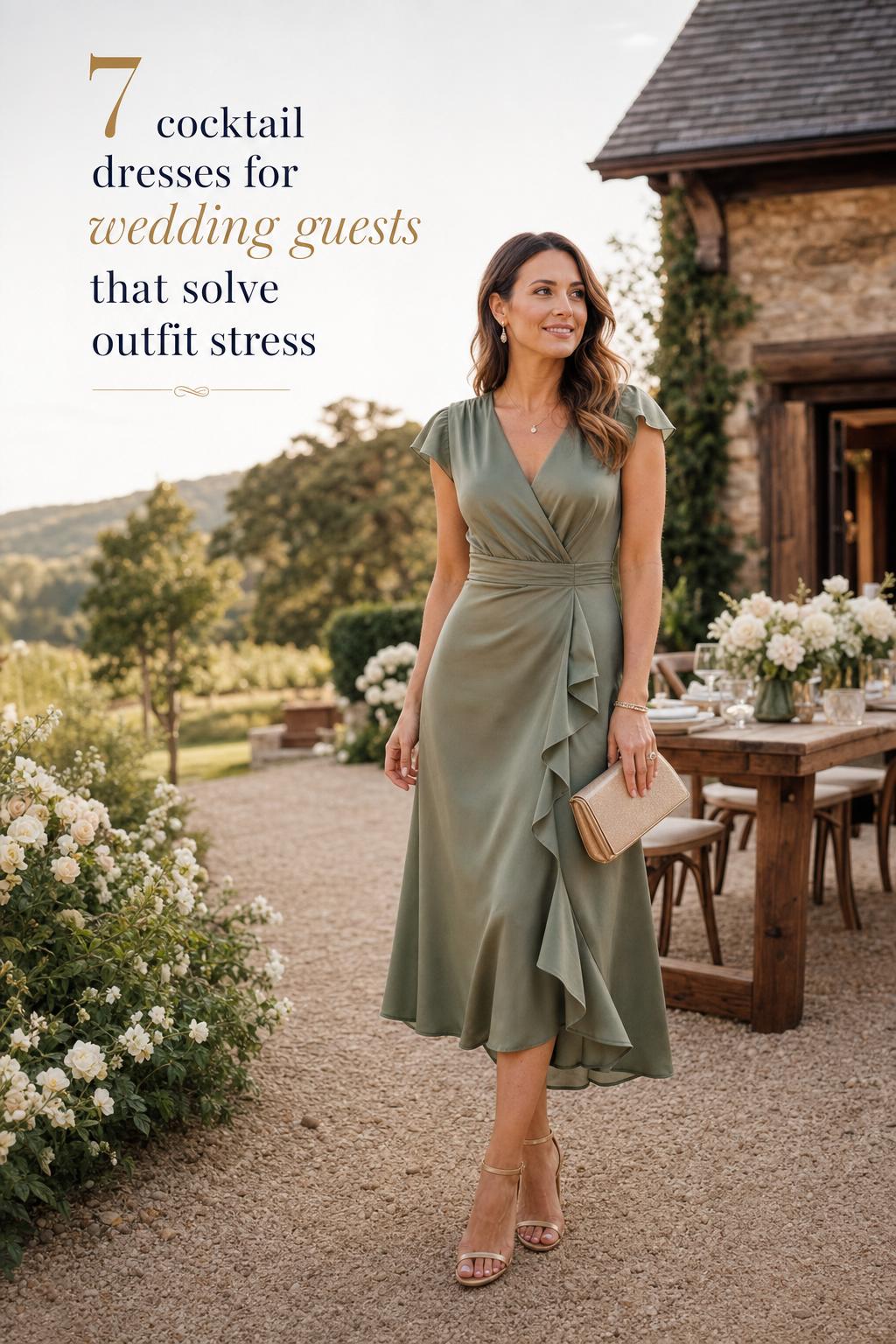
This comparison-driven guide breaks down the main style approaches within wedding guest cocktail dressing, from structured satin to romantic lace, from midi silhouettes to knee-length shapes, and from garden-ready softness to evening occasionwear. Along the way, it also compares where leading names such as The Knot, Bloomingdale’s, Azazie, Nadine Merabi, Anthropologie, Lady Black Tie, Beginning Boutique, and Karen Millen tend to position these looks, helping you understand not just what to wear, but why one interpretation works better than another.
What cocktail attire means at a wedding
Cocktail attire for weddings generally occupies the middle ground between casual celebration dressing and full evening formality. It usually points toward dresses with a refined finish, thoughtful fabric choice, and a hemline that often falls around the knee or midi range. That does not mean every wedding guest should dress the same way. Cocktail attire shifts depending on season, venue, and the atmosphere of the event.
Your wedding look is only the beginning.
Keep your guest list, vendors, timeline, and every important detail together with Zarellea — so your day feels as considered as your style.
At a ballroom reception, cocktail can lean richer, sharper, and more elevated, with satin, embellishment, or a sleek sheath silhouette. At a garden or winery wedding, the same dress code may invite softer movement through chiffon, lace, or a fit-and-flare shape. The code is consistent in spirit, but visually it changes with context.
This is where many guests get caught between styles. They may wonder whether a knee-length dress is more appropriate than a midi, whether satin feels too evening-focused for a daytime ceremony, or whether a color like green or a jewel tone suits the season. Understanding the main style families within cocktail attire makes those decisions much easier.
Two core style directions in cocktail dresses for wedding guests
Most wedding guest cocktail looks fall into two broad style directions. The first is the romantic cocktail approach, built around softness, movement, and a gentle sense of occasion. The second is the polished occasionwear approach, defined by cleaner lines, more structure, and a stronger evening presence. Both are appropriate. The difference lies in how they interpret celebration dressing.
Style overview: romantic cocktail dressing
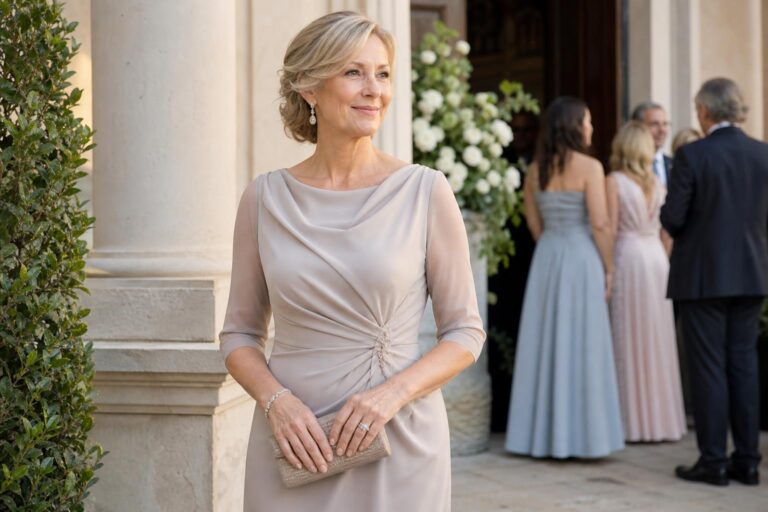
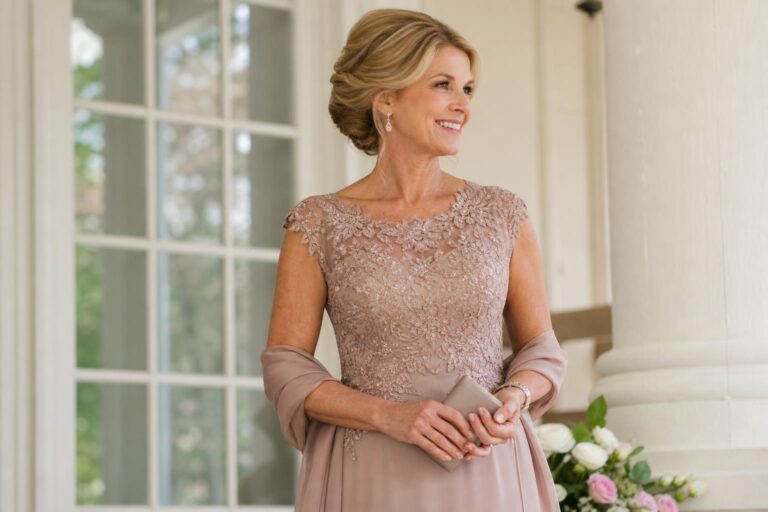
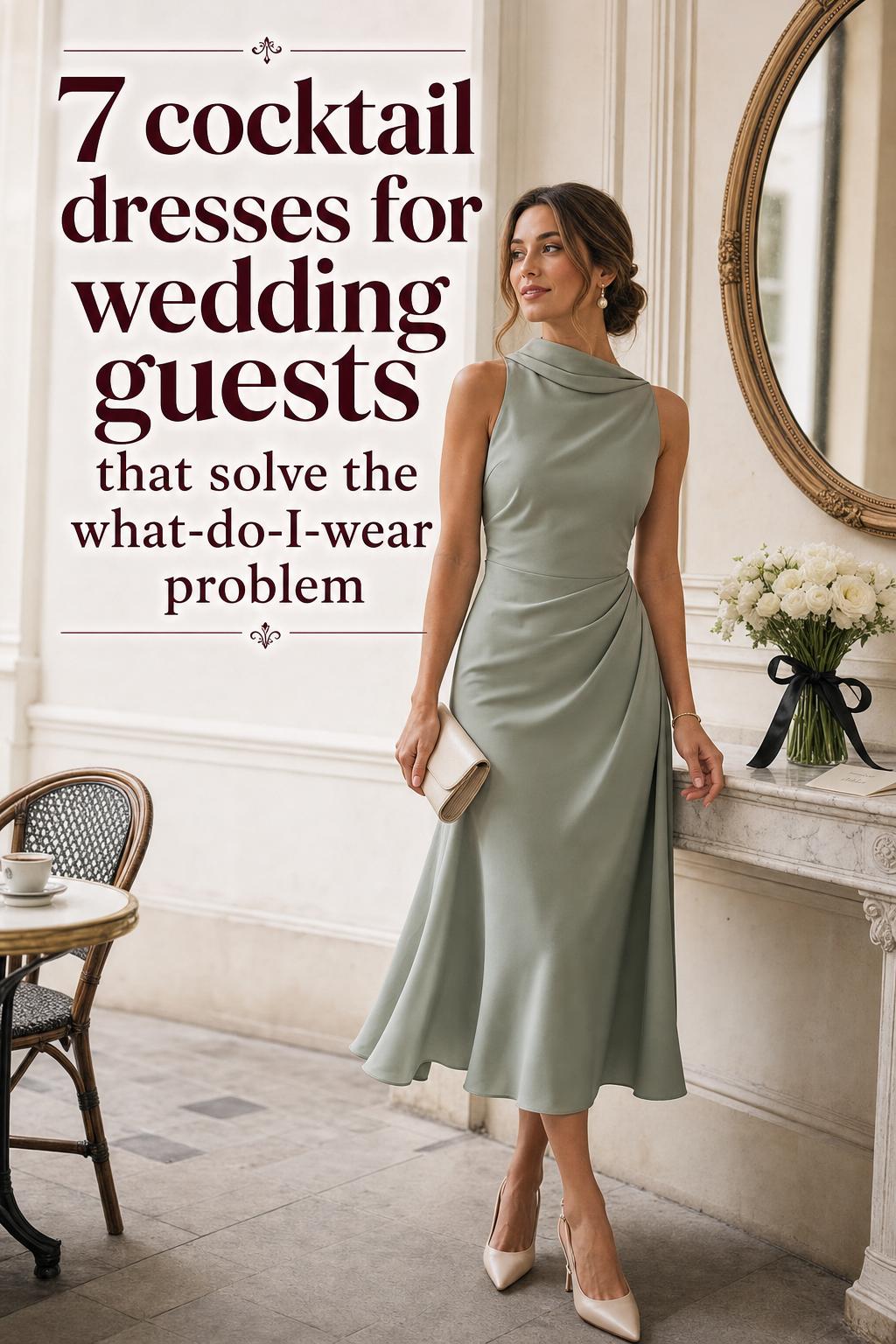
Romantic cocktail dressing often centers on lace, chiffon, soft satin, and silhouettes that move easily through the day. Think fit-and-flare dresses, midi lengths with fluid drape, delicate sleeve details, and color palettes that feel graceful rather than dramatic. The overall mood is light, polished, and wedding-aware, especially for garden venues, daytime ceremonies, and settings where softness feels more natural than sharp glamour.
Visually, this style tends to favor balanced proportions rather than body-conscious structure. Prints, pastel tones, and softer jewel shades can all sit comfortably here, provided the dress still reads cocktail rather than casual. Anthropologie’s wedding guest styling often aligns with this more editorial, trend-aware mood, while The Knot frequently frames similar looks through etiquette and occasion guidance.
Style overview: polished occasionwear cocktail dressing
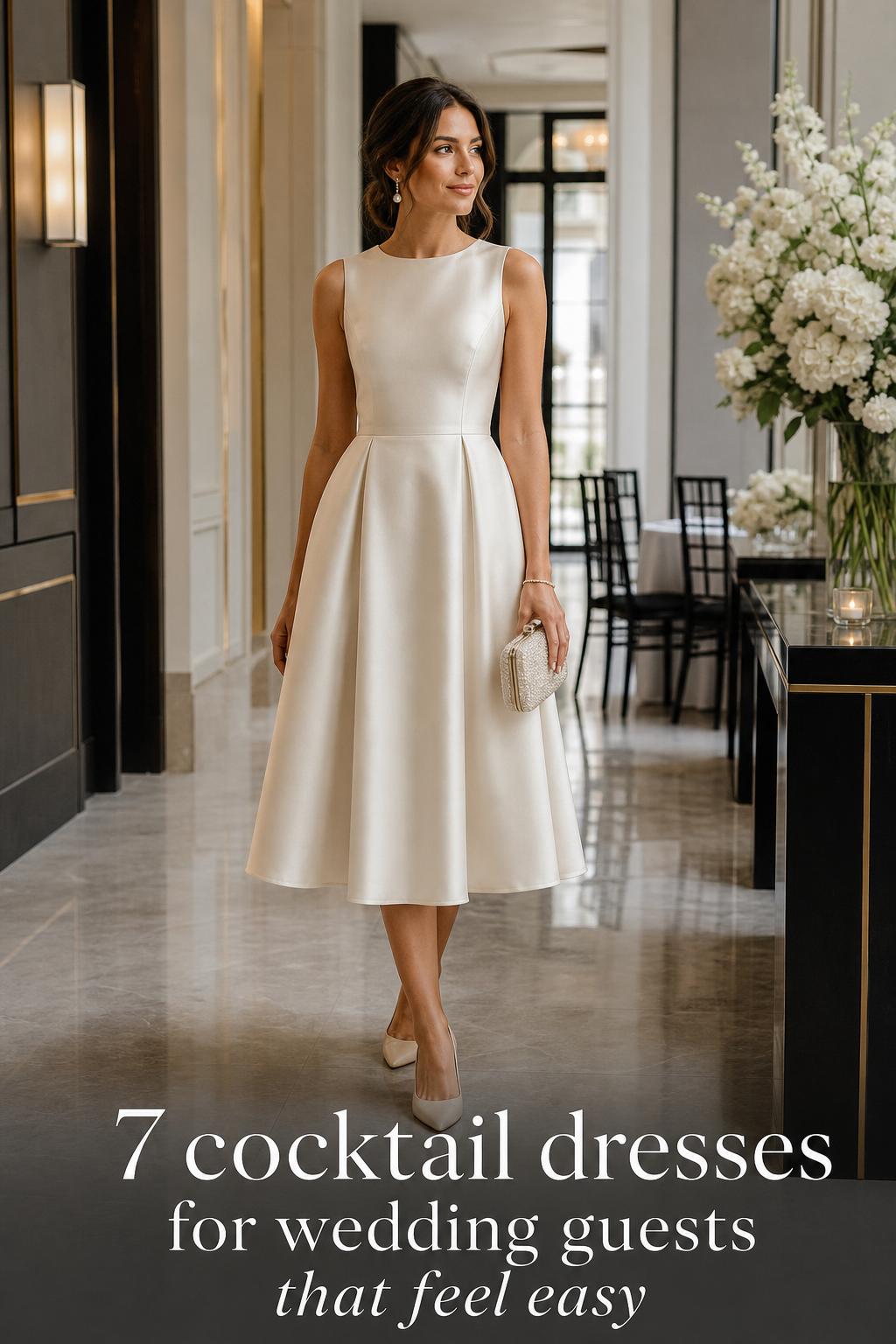
Polished occasionwear cocktail dressing is more architectural. It leans toward satin, crepe, embellishment, sheath shapes, and cleaner midi or knee-length lines. Rather than relying on softness, it creates impact through fabric finish, silhouette precision, and a more formal-cocktail attitude. This is the style family that works beautifully for city weddings, evening receptions, rooftop celebrations, and candlelit venues where a sharper line feels at home.
Brands such as Karen Millen and Nadine Merabi often sit closer to this interpretation, especially when cocktail dressing overlaps with occasionwear and evening influence. Bloomingdale’s also reflects this polished range by grouping multiple designers and silhouettes together, allowing guests to compare sleek satin looks with more embellished alternatives.
Before comparing them directly: the silhouette categories that matter most
Within both style directions, silhouette remains one of the clearest deciding factors. Wedding guests often focus on color first, but the line of the dress usually determines how formal, comfortable, and venue-appropriate the look feels in real life.
Midi dresses
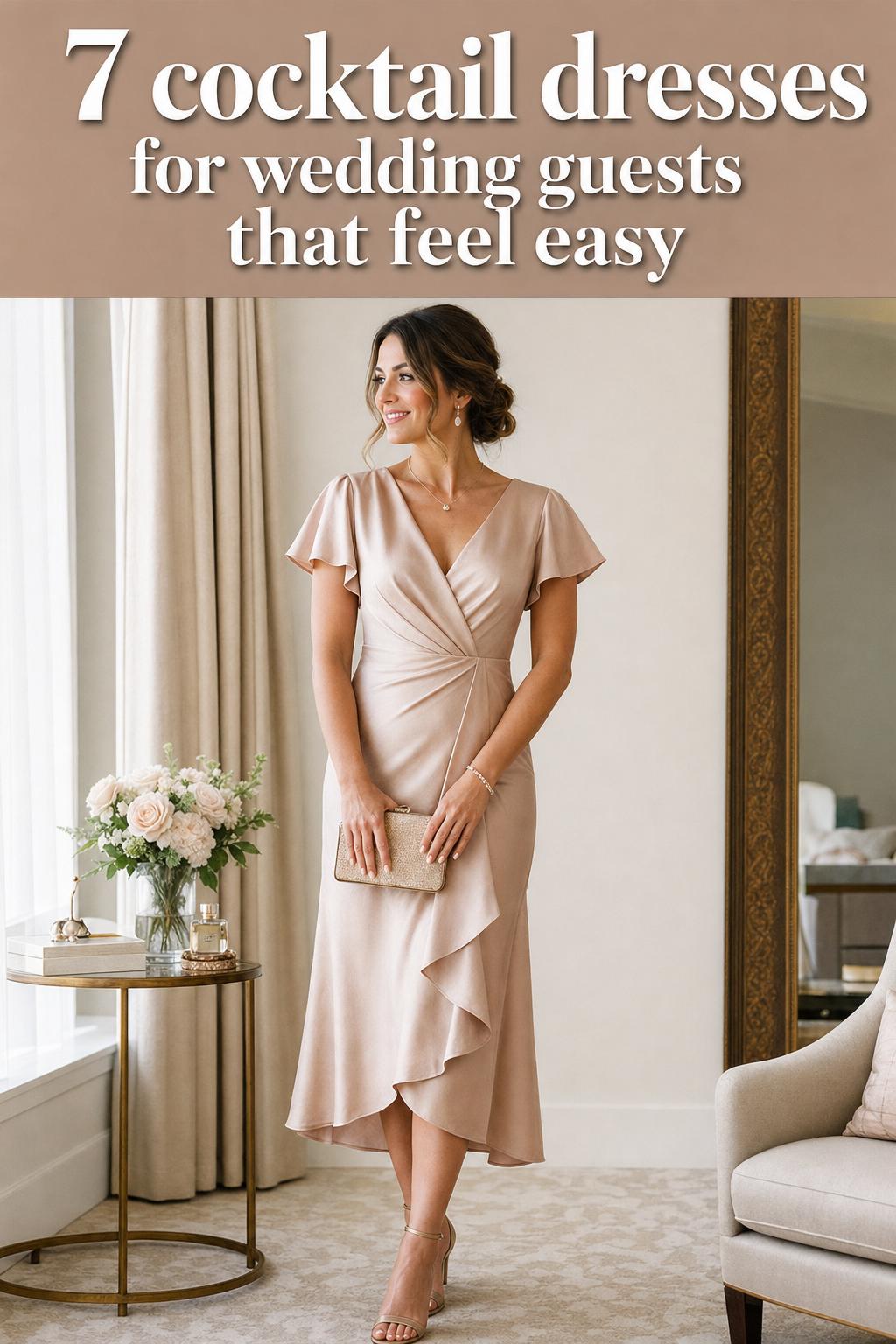
The midi cocktail dress is one of the most versatile options for weddings because it can move between daytime and evening with very little effort. In romantic versions, it may appear in chiffon, lace, or soft satin with fluid movement. In polished versions, it may take the form of a sleek sheath or a structured slip-inspired silhouette. The midi length feels especially useful when the event includes both a ceremony and a more formal reception, because it retains elegance in both settings.
Knee-length dresses
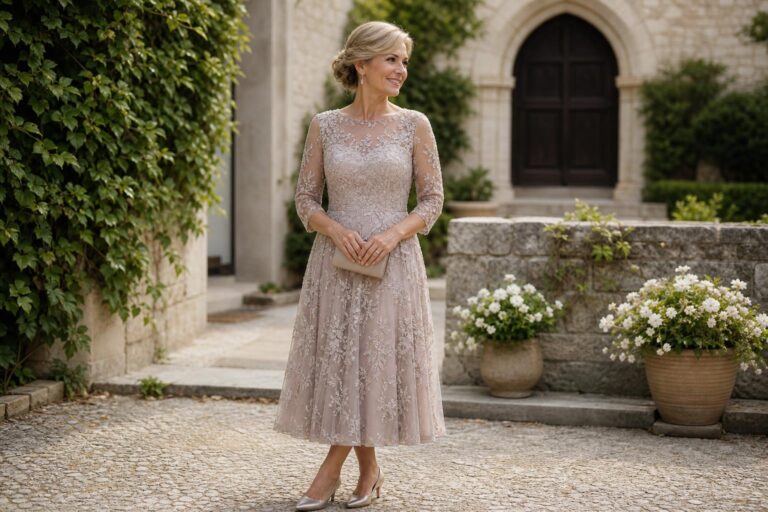
Knee-length cocktail dresses often read classic and direct. They can feel slightly more traditional, particularly for church weddings or conservative venue settings. A lace knee-length dress with subtle shape tends toward the romantic side, while a fitted satin or crepe knee-length silhouette can read sharper and more urban. This length is practical, easy to move in, and dependable when the dress code is cocktail but not heavily trend-driven.
Sheath and fit-and-flare shapes
The sheath and the fit-and-flare create very different impressions even when made from similar fabrics. A sheath is streamlined, composed, and often more evening-leaning. A fit-and-flare introduces softness and shape through movement, making it particularly suited to daytime weddings and romantic venues. Both can work beautifully; the distinction is less about appropriateness and more about mood.
Where the styles separate: the key differences
Silhouette and structure
Romantic cocktail dressing usually relies on movement and gentler shaping. A dress may skim rather than sculpt, float rather than contour. The polished occasionwear approach prefers cleaner lines and a more intentional structure, whether through a sheath silhouette, a precise midi cut, or a fabric like crepe or satin that holds visual definition.
If you are dressing for a long wedding day with a ceremony, cocktail hour, and reception, that difference matters. The softer style often feels forgiving and easy over many hours, while the structured style can feel more elevated but may require more attention to fit and tailoring.
Color palette
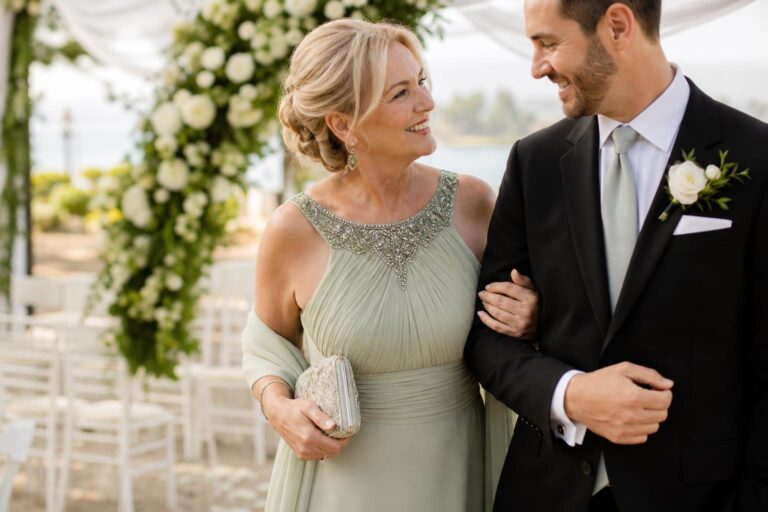
Color is another dividing line. Romantic cocktail looks often sit comfortably in soft tones, subtle prints, and graceful shades that mirror a garden or daytime setting. Polished occasionwear tends to shine in jewel tones, emerald variations, richer solids, and deeper evening-friendly hues. Azazie’s green cocktail dresses for weddings show how one color family can bridge both worlds: a soft green can feel fresh and daytime-appropriate, while emerald can shift toward a more dramatic reception look.
One of the most practical etiquette considerations is avoiding white-adjacent confusion. A pale tone may feel beautiful on the hanger, but in bright ceremony light it can photograph differently. Wedding guest dressing benefits from clarity, especially when the event has a defined dress code and visual atmosphere.
Fabric and texture
Lace, chiffon, and softer fabric stories naturally support the romantic end of cocktail dressing. Satin can live in either category, but its finish changes the impression. In a softly draped midi, satin feels fluid and graceful. In a sharper cut, it immediately becomes more polished and evening-led. Crepe and embellishment often push a look further toward occasionwear, especially under evening lighting.
Level of formality
Neither style is inherently more correct for wedding guests. The difference is how each handles formality. Romantic cocktail dressing interprets cocktail attire through softness and subtlety. Polished occasionwear interprets it through precision and impact. For a countryside ceremony followed by an outdoor reception, the softer option often feels more integrated with the setting. For a formal-cocktail city wedding, the cleaner and richer option frequently looks more intentional.
How these styles look in real wedding settings
It helps to move beyond the dress itself and imagine the setting. The same cocktail dress can read very differently in golden-hour sunlight than it does in a candlelit ballroom. Wedding styling is always relational: dress, venue, season, and movement all inform the final impression.
Garden ceremony and vineyard reception
In a garden or vineyard setting, romantic cocktail dressing often looks most natural. A flowing chiffon midi or a lace fit-and-flare feels aligned with the softness of the surroundings. The visual balance is gentle, especially when paired with understated accessories and footwear that can handle grass or gravel. A heavily structured satin sheath may still work, but it creates a more striking contrast against a relaxed natural backdrop.
Church wedding with a classic reception
For a church ceremony, knee-length and midi silhouettes tend to carry the strongest sense of ease and appropriateness. A romantic lace dress feels timeless here, while a polished sheath in satin or crepe can look beautiful if the line remains refined rather than overly dramatic. This is one of the clearest examples of why cocktail dressing is not just about trend. It is also about reading the tone of the event.
Rooftop, ballroom, or evening celebration
Evening venues often invite the polished occasionwear approach. Satin catches low light beautifully, embellishment feels intentional rather than excessive, and a cleaner silhouette can hold its own against a more formal backdrop. Nadine Merabi and Karen Millen both reflect this kind of evening confidence, while Bloomingdale’s broader designer mix makes it easier to compare sleek and embellished interpretations side by side.
Visual style breakdown: accessories, proportion, and finish
Two wedding guest outfits can share the same hemline and still belong to entirely different style families once accessories enter the picture. Styling is where cocktail attire becomes personal, and it is also where many looks become either beautifully cohesive or slightly off-balance.
Layering approach
Romantic cocktail dressing tends to use layering lightly. If an outer layer is needed for ceremony coverage or evening temperature changes, the ideal effect is still soft and unobtrusive. The polished occasionwear approach can handle a more deliberate outer layer because its structure already supports a sharper finish. For weddings that move from day into night, this distinction matters; your extra layer should preserve the tone of the dress rather than interrupt it.
Garment proportions
Soft styles usually depend on proportion through movement: a fit-and-flare skirt, a fluid midi hem, or a dress that creates shape without looking rigid. Polished occasionwear is more likely to rely on line and contour. That means fit becomes especially important. A sleek sheath that is slightly off through the waist or hem looks far less effortless than a draped midi with a bit of ease.
Accessories and footwear
Accessories should support the dress code rather than compete with it. Romantic cocktail looks generally pair best with a restrained finish: delicate jewelry, a simple clutch, and shoes that feel elegant but manageable for walking and standing through a long celebration. Polished occasionwear can carry a more defined accessory story, especially if the venue is formal and the reception extends into the evening.
Footwear is one of the most practical parts of wedding guest dressing, and often the most overlooked. A dramatic shoe may look striking in a product photo, but a wedding day involves surfaces, timing, and hours of wear. Comfort does not make a look less refined; it usually makes it more convincing.
Outfit comparisons that make the difference clear
Daytime summer wedding
The romantic interpretation might be a chiffon or lace midi in a soft palette, chosen for breathability and movement during an outdoor ceremony. The styling logic is simple: daylight and warm weather tend to favor lighter visual weight, so the dress feels graceful without straining toward evening formality.
The polished occasionwear interpretation of that same dress code would likely use satin or crepe in a clean midi silhouette, perhaps in a richer color such as green or a jewel tone. It works best when the venue itself is more modern or the couple’s celebration has a sleek, urban atmosphere. The look is still cocktail, but visually more composed than airy.
Autumn winery celebration
A romantic approach here may lean into lace, soft satin, or a fit-and-flare silhouette that feels seasonal without becoming heavy. The dress benefits from texture because autumn light tends to flatter depth and detail, especially in outdoor settings that transition into evening.
The polished version would emphasize a structured midi or sheath, likely in a deeper tone and a fabric with more surface richness. The difference is not only visual but atmospheric. One approach harmonizes with the setting; the other creates a refined contrast against it. Both can be beautiful, but they tell different style stories.
Formal-cocktail evening reception
For an evening reception, the romantic version might choose a lace dress with a streamlined shape rather than volume, preserving softness while respecting the elevated mood. This is often the point where romantic styling narrows and becomes more refined.
The polished occasionwear version would likely choose satin, embellishment, or a sharply defined silhouette with strong line and clear finish. This is the space where designer collections from Nadine Merabi, Lady Black Tie, and Karen Millen often resonate, because the visual language of occasionwear is already built into the collection itself.
Where major brands and retailers tend to fit within these style categories
Shopping becomes easier when you understand the tone each destination often reflects. Not every retailer speaks to the same wedding guest, even when all of them sell cocktail dresses for weddings.
- The Knot is most helpful when you need context: what cocktail attire means, how venue and etiquette shape the choice, and how color and fabric fit into wedding guest dressing.
- Bloomingdale’s is useful for comparison shopping because it brings multiple designers, price ranges, and silhouettes into one place, making style differences easier to read.
- Azazie stands out when color families matter, especially if you are specifically drawn to green cocktail dresses for weddings.
- Nadine Merabi leans toward designer-led occasionwear with a stronger evening and formal-cocktail perspective.
- Lady Black Tie centers cocktail wedding guest dresses through style, color, and length, often appealing to guests who want a clear occasionwear lens.
- Anthropologie often blends editorial styling with trend context, which suits guests drawn to romantic or fashion-forward wedding guest looks.
- Beginning Boutique frames wedding guest dresses through dress code and length, making it easier to compare cocktail, midi, and knee-length options.
- Karen Millen generally sits in the more polished, structured occasionwear category, especially for guests who prefer sleek silhouettes.
This does not mean each retailer carries only one kind of dress. It means their presentation style tends to favor certain visual directions, which can save time if you already know whether you are searching for soft romance or sharp occasionwear.
Venue-first dressing: the most useful way to choose between styles
Many guests begin with color or trend, but venue is often the clearest starting point. It helps translate an abstract dress code into practical decisions about fabric, length, and finish.
For church and traditional venues
Choose silhouettes that feel composed from every angle, especially during the ceremony. Knee-length and midi dresses tend to work especially well here. Romantic lace and refined satin both fit, but the strongest looks avoid anything that feels too extreme in cut or too casual in construction.
For garden, countryside, and winery settings
Soft silhouettes, breathable fabrics, and elegant movement usually make the most sense. Chiffon, lace, and fluid midi hems often feel natural in daylight and outdoor spaces. This is where romantic cocktail dressing has a particular advantage, because it mirrors the atmosphere rather than fighting it.
For rooftop and ballroom weddings
A sleeker cocktail dress often holds the setting better. Satin, crepe, and a sheath or structured midi can look especially striking once evening light takes over. If the invitation suggests formal-cocktail or the reception is clearly elevated, polished occasionwear usually feels more precise than a softer daytime interpretation.
Tips that make cocktail dressing easier in real life
The most polished wedding guest outfits usually come from practical decision-making rather than impulse shopping. A dress may look beautiful online, but weddings are lived in, not just photographed.
- Choose the venue before choosing the trend. A satin evening silhouette can feel out of place at a relaxed daytime ceremony, while an airy chiffon look may feel too light for a formal ballroom reception.
- Use length as a guide when you are unsure. Midi and knee-length cocktail dresses are the most dependable ranges for wedding guest attire.
- Let fabric do part of the work. Lace and chiffon soften a look; satin and crepe sharpen it.
- Be careful with pale tones. If a color seems white-adjacent in bright light, move toward a clearer shade.
- Think about movement. Sitting, walking, dancing, and shifting from ceremony to reception should all feel manageable in the dress you choose.
A useful rule of thumb is that if you keep adjusting the neckline, hem, or fit while trying on a dress, it may not be the right choice for a long celebration. Wedding guest confidence usually comes from ease as much as style.
Size, fit, and the difference between a good dress and the right dress
Among all the style comparisons, fit is the factor that most directly affects whether a dress reads elegant or distracting. A sheath silhouette demands precision because its line is clean and uninterrupted. A fit-and-flare or softly draped midi gives more flexibility, which is one reason many guests find romantic cocktail silhouettes easier to wear across different venues and body shapes.
This is also where inclusive sizing, petite or tall needs, and clearer size guidance become especially important. The same hemline can land very differently depending on height, and the same cocktail dress can feel either balanced or awkward depending on proportion. Tailoring and alterations matter most with polished occasionwear, but they can improve almost any wedding guest dress.
For shopping across large retailers and brand collections, compare not only size labels but also the intended silhouette. A close-fitting midi from Karen Millen or Nadine Merabi may require a different fit strategy than a more fluid style from Anthropologie or a softer occasion option found through Bloomingdale’s. Knowing the dress category helps set realistic expectations before purchase.
A note on seasonal color and fabric choices
Seasonality does not change the cocktail dress code, but it does change how a dress is best expressed. Summer weddings tend to favor breathable fabrics, lighter visual weight, and silhouettes that move comfortably through warm weather. Autumn and winter weddings can support richer texture, stronger color, and more defined structure. The key is not to overcorrect. A winter cocktail dress still needs wedding guest elegance, and a summer cocktail dress still needs enough refinement to honor the event.
Green remains one of the most adaptable color directions because it can shift from fresh and understated to rich and evening-ready. Jewel tones also suit more formal receptions, while softer tones align naturally with daytime ceremonies and romantic venues. Prints can work within cocktail attire, but they generally look best when the silhouette and fabrication still feel polished.
How to decide which cocktail style is truly yours
If you are still choosing between romantic cocktail dressing and polished occasionwear, begin with the mood you want to project. Do you want your outfit to feel soft, graceful, and integrated with the setting? Or do you want it to feel sleek, defined, and slightly more formal? Neither answer is better. It is simply a matter of alignment.
Guests who value ease, movement, and a lighter visual presence often gravitate toward lace, chiffon, fit-and-flare silhouettes, and softer midi styles. Guests who prefer a cleaner line, richer finish, and city-leaning elegance often feel most at home in satin, crepe, sheath silhouettes, and more structured cocktail dresses.
Many of the best wedding guest outfits borrow from both. A romantic silhouette in a polished fabric can create balance. A sleek midi softened by delicate accessories can feel perfectly wedding-appropriate. The strongest style choices rarely sit at the extreme ends. They live in the thoughtful middle, where dress code, venue, and personality all meet.
FAQ
What counts as a cocktail dress for a wedding guest?
A cocktail dress for a wedding guest is usually a polished dress in a knee-length or midi silhouette, made from fabrics such as lace, satin, chiffon, or crepe, and styled to suit the venue and tone of the celebration. It should feel refined and occasion-appropriate without reaching full evening-gown formality.
Is a midi dress appropriate for cocktail attire at a wedding?
Yes, a midi dress is one of the most versatile options for cocktail attire at a wedding. It works especially well because it can adapt to daytime ceremonies, church settings, garden venues, and evening receptions depending on the fabric, color, and accessories.
What is the difference between a romantic cocktail dress and a polished occasionwear dress?
A romantic cocktail dress usually emphasizes softness through fabrics like lace or chiffon and silhouettes such as fit-and-flare or fluid midi shapes. A polished occasionwear dress tends to use cleaner lines, more structure, and fabrics like satin or crepe for a sharper, more evening-oriented effect.
Can I wear satin to a daytime wedding?
Yes, satin can work for a daytime wedding if the silhouette and styling keep it balanced. A softly draped satin midi often feels appropriate for daytime, while a highly structured or very dramatic satin look may feel better suited to an evening reception or a more formal-cocktail venue.
Are knee-length dresses still appropriate for wedding guest cocktail attire?
Absolutely. Knee-length dresses remain a classic and practical choice for wedding guest cocktail attire, especially for church weddings, traditional venues, and events where you want a polished but straightforward interpretation of the dress code.
What colors work best for cocktail dresses for wedding guests?
The best color depends on the season, venue, and time of day. Soft tones and lighter palettes often suit daytime or garden weddings, while jewel tones, emerald shades, and deeper solids tend to feel especially strong for evening receptions and more formal settings.
Should I avoid white or very pale shades?
Yes, it is wise to be cautious with white-adjacent shades. Even if a dress appears clearly colored in person, very pale tones can read differently in bright ceremony light or photography, so choosing a more distinct shade is usually the safer and more considerate option.
Which retailers are useful for shopping wedding guest cocktail dresses?
It depends on the style direction you prefer. The Knot is helpful for etiquette and styling context, Bloomingdale’s is strong for comparing designers and silhouettes, Azazie is useful for color-focused shopping like green cocktail dresses, and brands such as Nadine Merabi, Lady Black Tie, Anthropologie, Beginning Boutique, and Karen Millen each offer their own take on cocktail wedding guest dressing.
How do I choose between a sheath and a fit-and-flare silhouette?
A sheath creates a cleaner, more streamlined line and often feels more polished or evening-leaning. A fit-and-flare offers more movement and softness, which can feel especially appropriate for daytime weddings, garden venues, and guests who want comfort without losing refinement.
What matters most when choosing a wedding guest cocktail dress?
The most important factors are dress code, venue, season, silhouette, and fit. A beautiful dress only truly works when it matches the atmosphere of the wedding and feels comfortable enough to wear from the ceremony through the reception.