Wedding Outfit Ideas: A Checklist for Any Dress Code
The easiest way to choose a wedding outfit is to start with the invitation, not the shopping rack. Find the dress code first, then use the ceremony time, venue, weather, and your own comfort needs to narrow the options. That order helps you avoid two familiar problems: a beautiful look that feels out of place, or a technically appropriate outfit that you cannot wait to change out of.
These wedding outfit ideas use a short checklist and flexible formulas for dresses, suits, jumpsuits, and separates. Treat the examples as starting points. The couple’s request, cultural customs, and the event itself have the final say, especially when an invitation uses a creative or unfamiliar dress code.
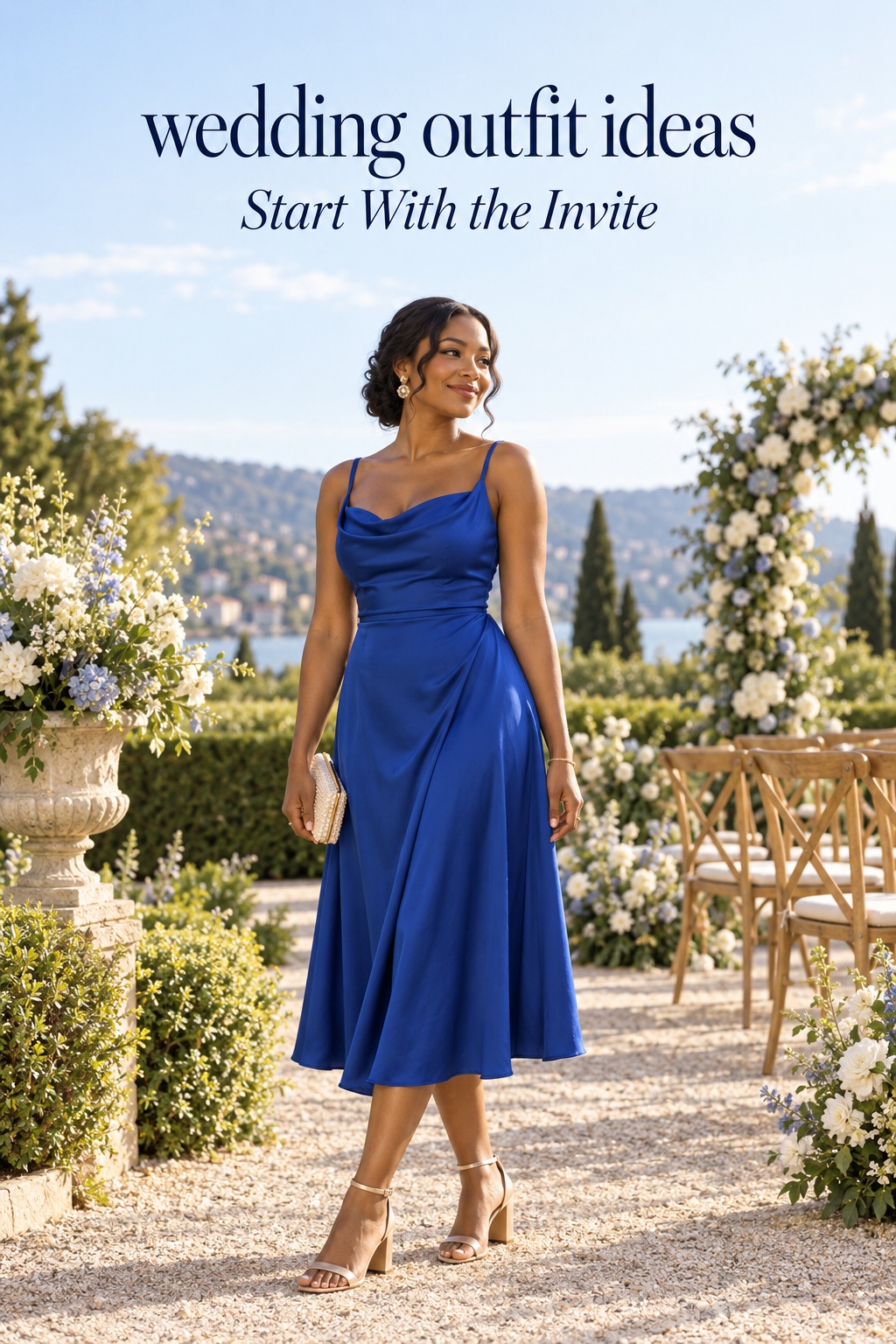
Start With the Invitation, Then the Venue
Read the full invitation and wedding website before deciding what to wear. A named dress code is the clearest direction: black tie, formal, cocktail, semi-formal, dressy casual, or casual. If the couple gives a palette, cultural guidance, or a practical note about footwear, treat it as part of the invitation rather than an optional styling suggestion.
Next, look at the schedule and location. A ceremony followed by dinner and dancing asks more of an outfit than a short afternoon service. A garden, beach, barn, city restaurant, and hotel ballroom all affect what will feel comfortable underfoot and in the weather. They do not erase the dress code, but they can help you select between several looks at the same level of formality.
Your wedding look is only the beginning.
Keep your guest list, vendors, timeline, and every important detail together with Zarellea — so your day feels as considered as your style.
If the invitation does not name a code, do not guess based on one detail such as “outdoor” or “small.” Check the venue, start time, wedding website, and any description from the couple. Emily Post’s wedding guest guidance also points readers to the invitation and time, while noting that the service, local custom, and religious or cultural practices may affect attire. For a specific question, ask the couple or planner politely and well before the wedding.
A useful message can be brief: “I want to be sure I understand the dress code. Would a tailored jumpsuit be appropriate for the ceremony and reception?” If you are asking about a custom or a venue expectation, say exactly what you need to know. It is easier for the hosts to answer one practical question than to interpret a photo of several possible outfits.
When dress code language is imaginative, such as “garden party” or “coastal cocktail,” look for a conventional code nearby or ask for a plain-language description. Use the creative phrase for color and atmosphere after you understand the formality. This keeps the outfit aligned without making you decode a theme as if it were a strict uniform.
Run the Five-Point Outfit Check
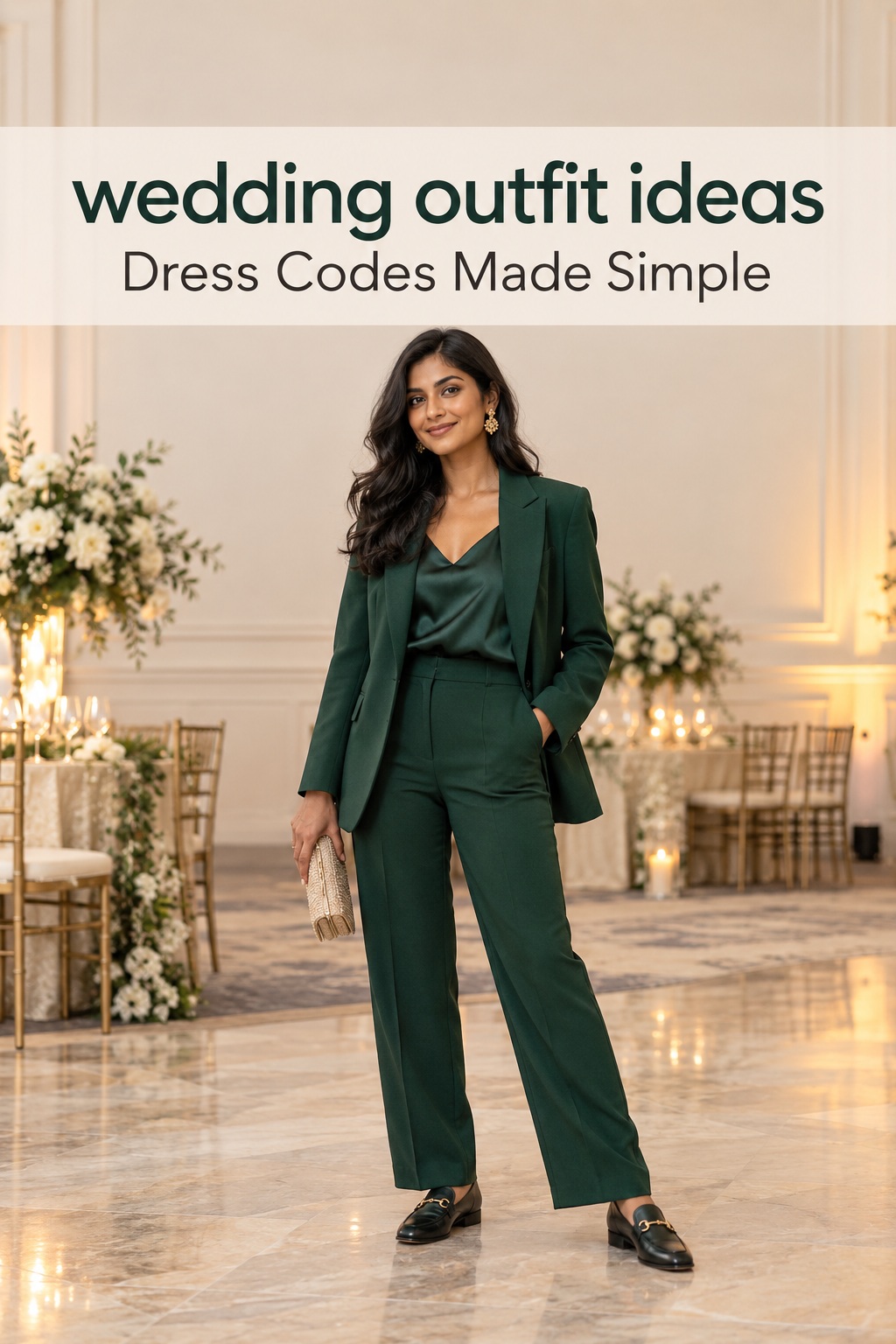
Before shopping, write down five decisions. First, note the requested formality. Second, choose the garment type you actually want to wear. Third, check the forecast and indoor temperature. Fourth, consider how much walking, sitting, dancing, or travel the day includes. Fifth, decide what finishing pieces make the outfit feel complete. Solving these in order can reduce impulse purchases and last-minute outfit changes.
For formality, ask whether the look reads as polished from head to toe, not only whether one item is dressy. A satin dress with a casual beach tote may feel less intentional than a simple dress with considered shoes and a small bag. In a formal setting, fabric, fit, tailoring, and finishing details all contribute. No single hemline or color substitutes for the requested dress code.
For garment preference, begin with something you can move in. That might be a midi dress, a suit, a skirt and blouse, a jumpsuit, or a coordinated trouser set. If you prefer a particular fit, neckline, sleeve length, or coverage, use that preference to narrow the search. You should not have to tolerate an outfit that needs constant adjusting just because it appears in a wedding guest roundup.
For comfort, test the whole combination together. Sit down, raise your arms, walk a flight of stairs, and practice getting in and out of a car. Check whether a jacket stays put, a jumpsuit is easy to manage, a slit feels comfortable when seated, and shoes remain stable on the actual surface. If the venue has grass, sand, gravel, or stairs, choose footwear for the ground instead of for a studio photo.
Finally, think about the transition between locations. A light wrap, jacket, or second pair of shoes can make an outfit work from an outdoor ceremony to a cool reception room. A compact bag can hold a few useful items without disrupting the look. These additions are most helpful when they solve a real part of your day, not when they are added simply to follow a trend.
Wedding Outfit Ideas by Dress Code
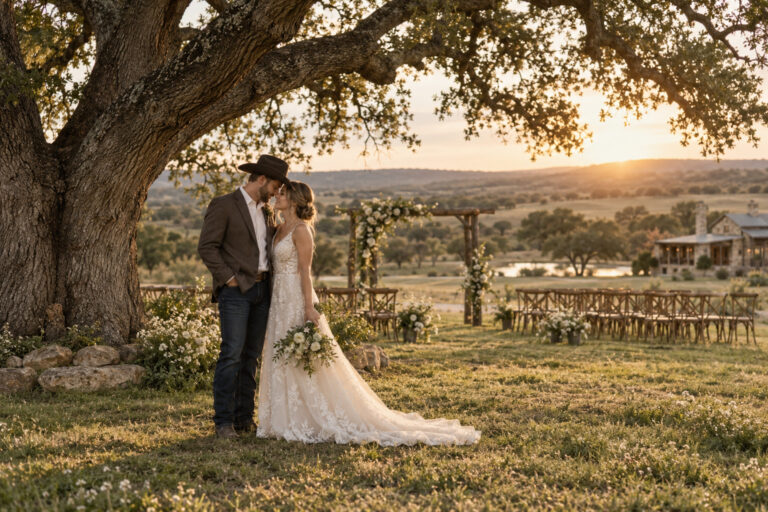
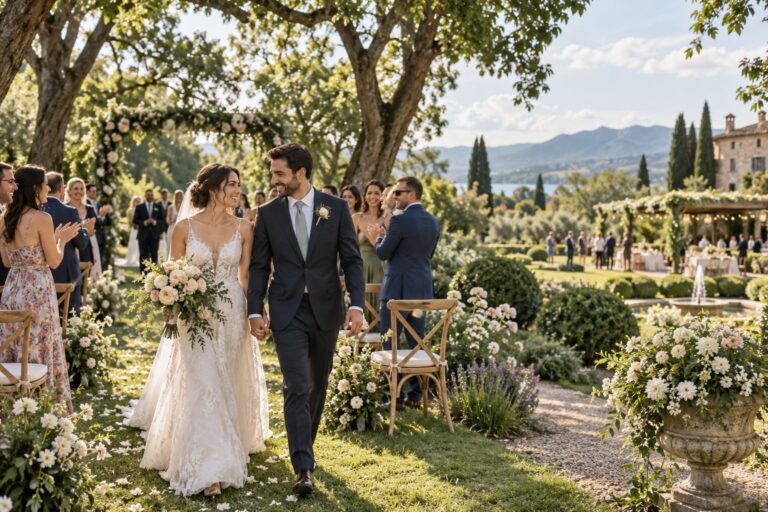
For a garden or daytime semi-formal wedding, try a printed midi dress with a light jacket, a soft-color suit with a breathable shirt, or a skirt and blouse in a textured fabric. A block heel, dressy flat, or polished loafer is often more practical on grass than a narrow heel. Keep the outfit tidy and occasion-ready even if the setting looks relaxed.
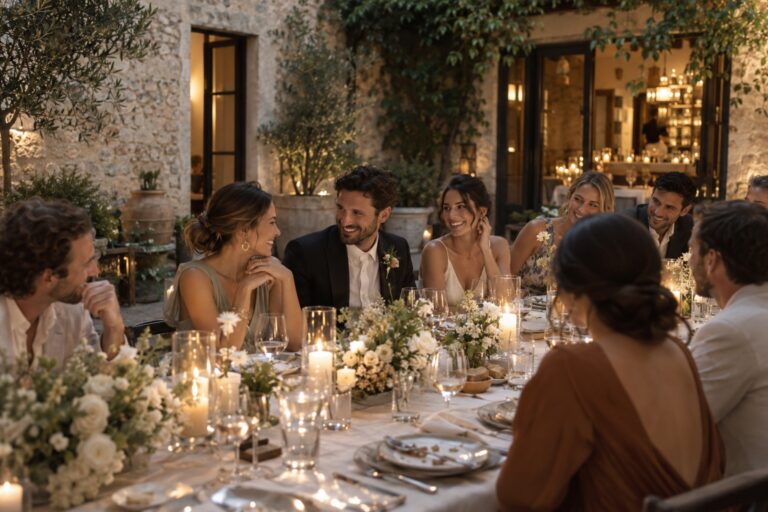
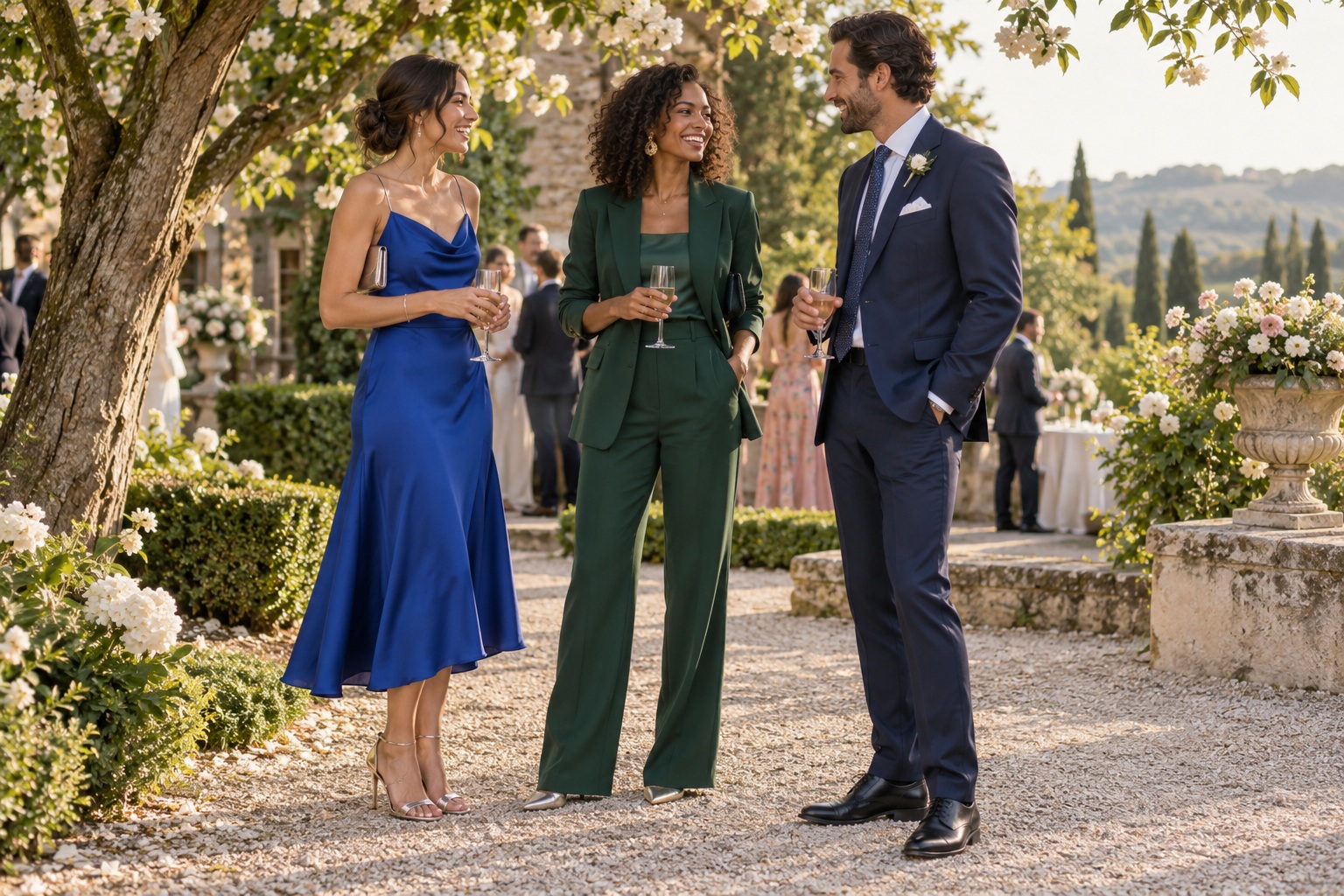
For cocktail attire, choose a clear evening signal: a refined knee-length or midi dress, a sleek jumpsuit with a defined waist, or a tailored suit with an elevated shirt or top. Crepe, satin, lace, and velvet can all work depending on the season and venue. A clean silhouette and one strong accessory often look more polished than piling on decorative details.
For formal or black-tie optional, build a look with enough finish for an evening celebration. A long dress is one option, but a well-cut formal suit, tuxedo-inspired set, or elegant jumpsuit may also suit the invitation and your style. Choose fabric and accessories that feel intentional together. If the couple specifies black tie, respect that request rather than interpreting the optional part of a different code as permission to dress casually.
For black tie, follow the stated level of formality and choose eveningwear that lets you participate comfortably. A floor-length gown is a familiar choice; a formal tuxedo or dinner suit is another. Look for secure closures, a comfortable shoe height, and outerwear that suits the travel between venue and car. If you wear a suit, make sure the shirt, tie or bow tie, shoes, and jacket all match the requested formality.
For a beach or destination wedding, prioritize the actual conditions while keeping the code in view. A breathable dress, linen suit, or light coordinated set can feel appropriate for a warm ceremony. Choose shoes that handle sand or uneven paths, and pack a layer if the evening may be breezy. A maxi dress with a long hem can catch on sand, so test the length with the shoes you plan to wear.
For a cold-weather celebration, use a warm base layer, a coat that works with the outfit, and shoes suited to rain, ice, or snow. Keep a dressy indoor shoe available if outdoor footwear is needed for travel. Wedding Look’s separate winter wedding outfit guide covers cold-weather dressing in more detail, so use this checklist for the dress-code decisions and that seasonal guide for specific layering options.
These are formulas, not prescriptions. Change the colors, silhouettes, and accessories to fit what you own and what you feel good wearing. The goal is to look as though you understood the invitation and dressed with care, not to reproduce a particular photo reference exactly.
Options Beyond a Dress
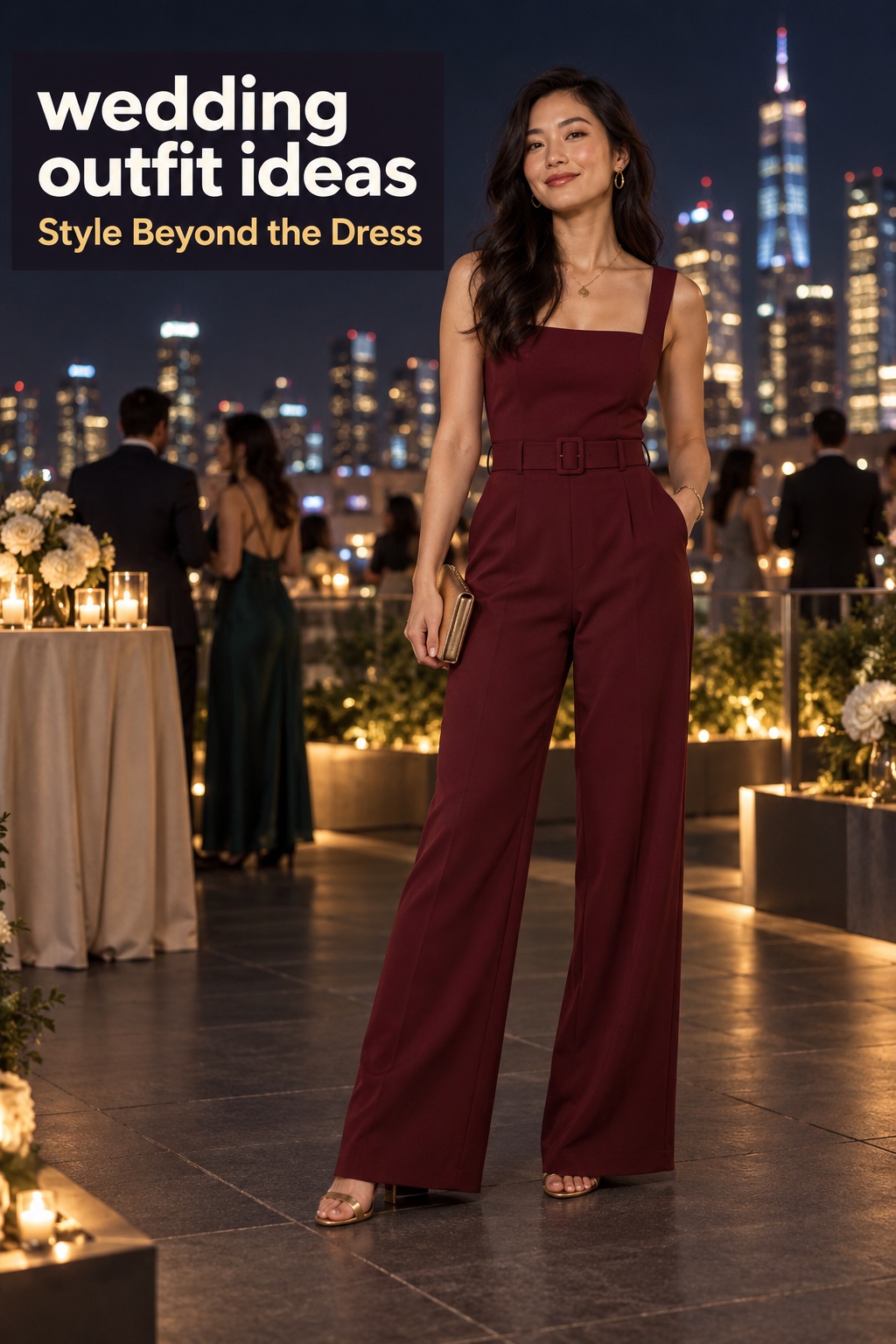
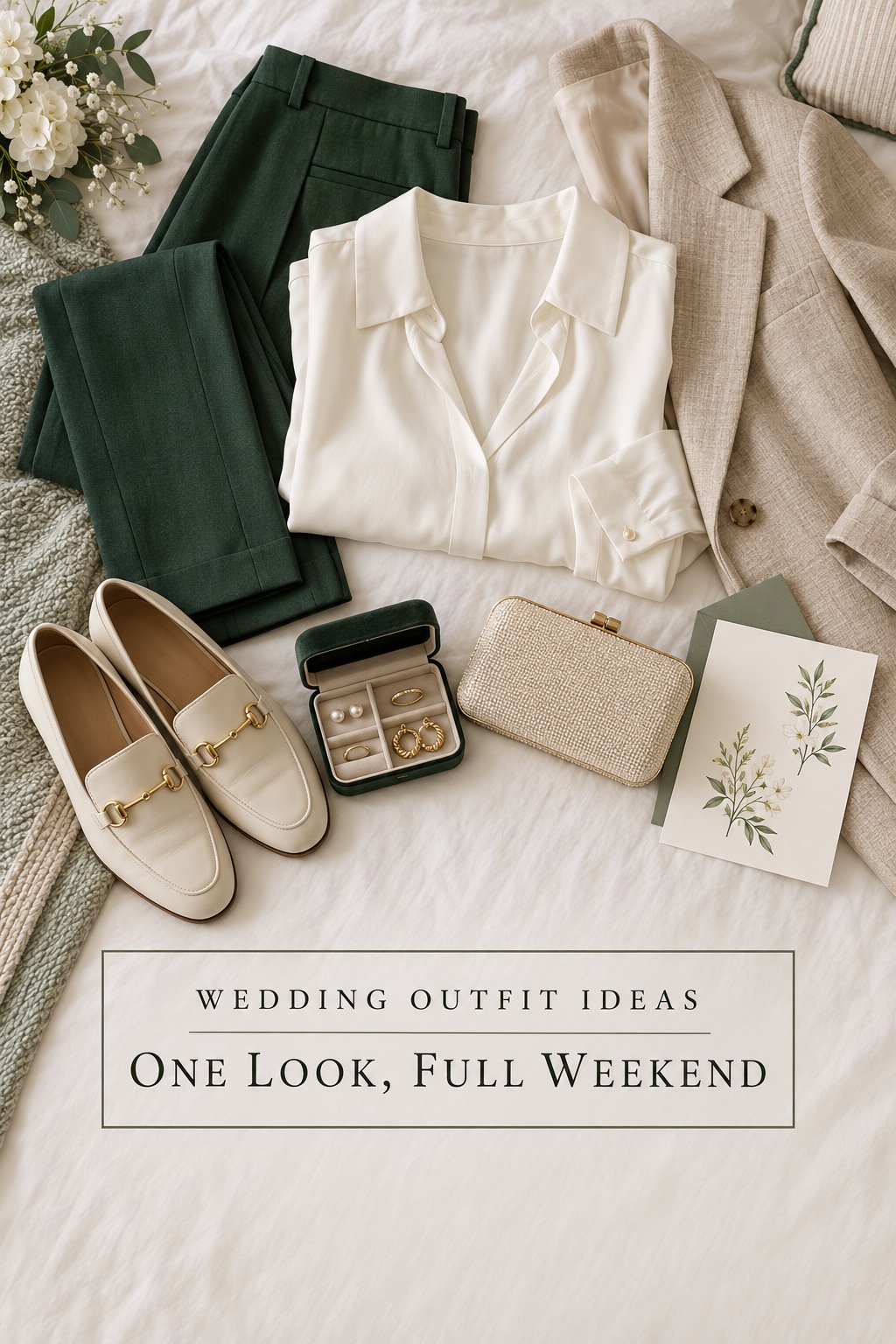
A dress is only one route to a polished wedding guest outfit. A jumpsuit can be comfortable for moving between spaces and dancing, especially when the length works with your shoes. A trouser suit creates a defined, formal look and can be reworn as separates. A matching two-piece set reads intentional while allowing the top and trousers to have a life beyond the wedding.
For a skirt-based look, pair a structured skirt with a blouse or fine knit, then adjust the fabric and accessories to the code. A long skirt with a dressy top can feel formal; a printed midi with a light jacket may suit an outdoor daytime event. Check the proportion while sitting and walking, not only while standing in front of a mirror.
If tailoring is your preference, make the fit the focal point. A suit in a seasonal color, a tuxedo-style jacket, or a well-cut blazer and matching trousers can feel celebratory without a dress. Pay attention to sleeve and trouser length, shirt comfort, and whether you need a tie or another finishing piece for the stated code. If you are between sizes, a small alteration can help familiar clothing look event-ready.
Guests wearing cultural or traditional clothing should feel welcome to do so when it is part of their own practice or requested by the couple. If you have been invited to wear something unfamiliar, ask the hosts for guidance and give yourself enough time to learn how it should be worn respectfully. Do not assume that a style belongs to every guest from a particular background or that one accessory explains a whole culture.
For an inclusive wardrobe, describe the pieces rather than sorting every option by gender. “A dark suit with a dress shirt,” “a polished jumpsuit,” and “a long evening look” give guests useful direction while leaving room for personal expression. If you are hosting and your dress code is creative, tell guests what level of formality you mean and whether there are practical details such as walking outdoors or a cultural custom to consider.
Sets, jumpsuits, skirts, and suits are practical alternatives to a dress, not lesser substitutes. Treat any fashion inspiration as optional rather than a shopping list. A color or silhouette is useful only if it respects the invitation, suits the setting, and feels like something you will wear again.
Make Comfort Part of the Look
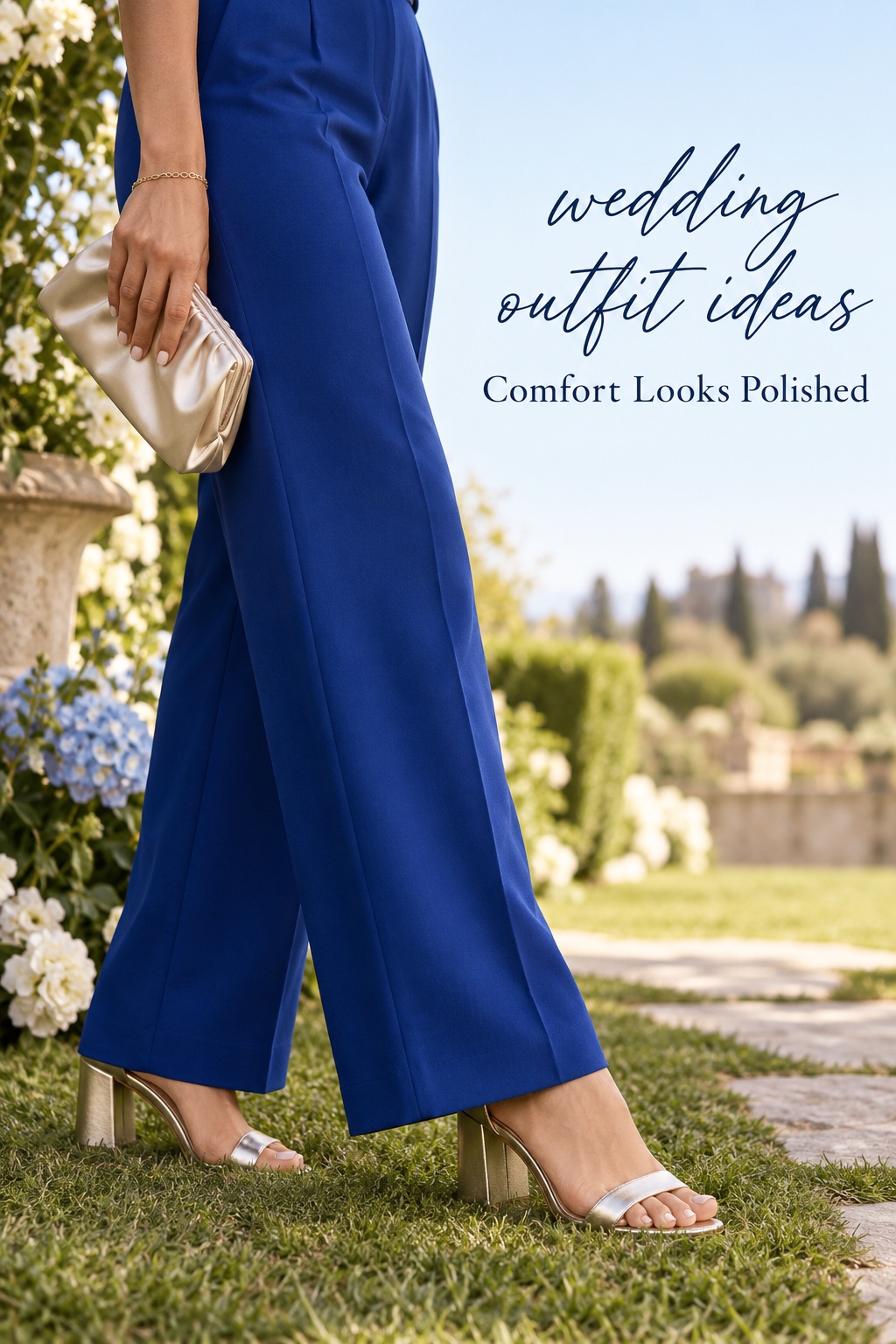
Comfort is not a separate category from style. Shoes that stay stable, sleeves that move, and a layer that fits the venue can make the entire outfit look more at ease. If you plan to wear heels, try them on the surface you expect to encounter or bring a second pair for walking. A block heel, wedge, dressy flat, or polished boot may suit the ground better than a stiletto.
Check the weather at both the ceremony and reception times. A daytime forecast may not describe a late evening outdoors. In warm weather, breathable fabrics and a manageable lining help. In cold weather, test your coat over the full outfit and make sure it still allows you to sit comfortably. For air-conditioned rooms, a light wrap can be more useful than a bulky layer you have nowhere to put.
If you are traveling for a wedding weekend, plan the rehearsal dinner or welcome-party outfit separately from the main wedding look. The event invitation may indicate whether it is casual, formal, or activity-based. You can repeat shoes or a jacket and change one main piece to create a distinct outfit without packing a full extra wardrobe. Leave space for weather changes and any requested attire.
Use accessories to finish the outfit, not to rescue it. A bag that holds what you need, a tie or jewelry that complements the clothes, and a layer you can carry comfortably are practical choices. If the outfit only works with uncomfortable shapewear, a shoe you cannot walk in, or constant adjustments, keep looking. A simpler option that lets you enjoy the event is usually a better investment.
Think ahead about small logistics. Does the garment wrinkle easily in a suitcase? Is there a safe place to store a coat? Can you sit without holding the outfit in place? If you are wearing a jumpsuit, is the restroom situation manageable? These are ordinary questions, but answering them before the day can prevent a lot of distraction.
Do a Final Mirror and Schedule Review
Try the full look together at least several days before the wedding. Include underlayers, outerwear, shoes, bag, and any accessories. Take a photo in indoor light and, if possible, outdoor light. The test is not whether the outfit is perfect in every picture. It is whether the overall look fits the invitation and whether you feel comfortable enough to focus on the celebration.
Check these details before you put everything away:
- The outfit meets the stated dress code and any clear request from the couple.
- The colors and cultural references feel considerate in this specific setting.
- The fit allows you to sit, walk, eat, and move through the day.
- The shoes suit the ceremony and reception surfaces.
- You have a layer or weather plan for the full schedule.
- All garments are clean, pressed, and easy to transport.
- You have a backup for a missing button, heel issue, or minor spill.
If one detail feels uncertain, solve that one detail instead of replacing the whole outfit. Ask the couple about a color concern, switch to shoes with a wider heel, or add an outer layer for the trip between venues. A concise final check keeps wedding outfit ideas practical: respect the invitation, dress in a way that feels like you, and make room to enjoy the day.
FAQ
What should I wear to a wedding if there is no dress code?
Use the venue, time, schedule, and wedding website for clues. If you still cannot tell the expected formality, ask the couple or planner a brief, specific question before choosing an outfit.
Can I wear a jumpsuit to a wedding?
Usually a polished jumpsuit can work when its fabric, tailoring, and accessories match the dress code. Check the invitation and make sure the cut and fit feel comfortable for the full event.
What colors are safe for a wedding guest outfit?
Choose a color that suits the setting and does not conflict with a request from the couple. White and ivory are commonly avoided by guests, but if the couple has specified a palette or all-white theme, follow their instructions.
What shoes should I wear to an outdoor wedding?
Match the shoe to the ground. Block heels, wedges, dressy flats, and polished boots can be more stable on grass, sand, gravel, or uneven paths than a narrow heel. Check the venue details if you are unsure.
How can I dress for a wedding without wearing a dress?
Try a tailored suit, formal separates, a jumpsuit, or a coordinated trouser set. Match the fabric and finishing details to the code, and test the fit while sitting and moving.
How many outfits should I pack for a wedding weekend?
Pack for each event with its own invitation or schedule in mind. You may be able to repeat shoes, a jacket, or accessories and change one main piece for the welcome event, ceremony, and brunch.