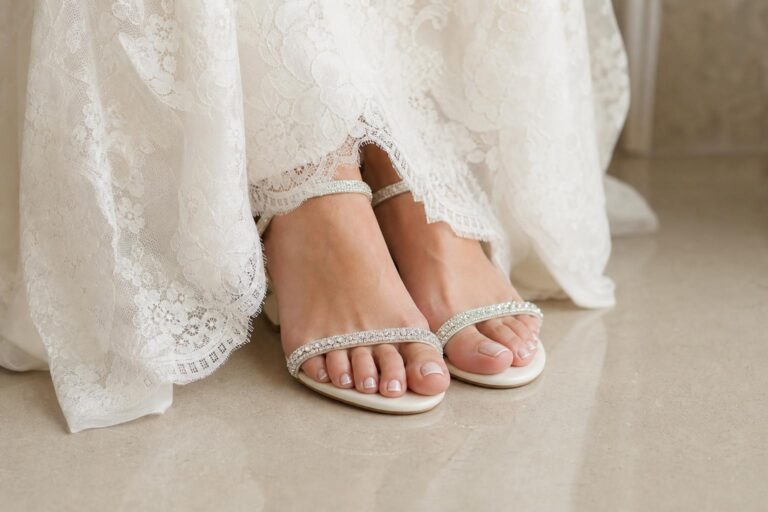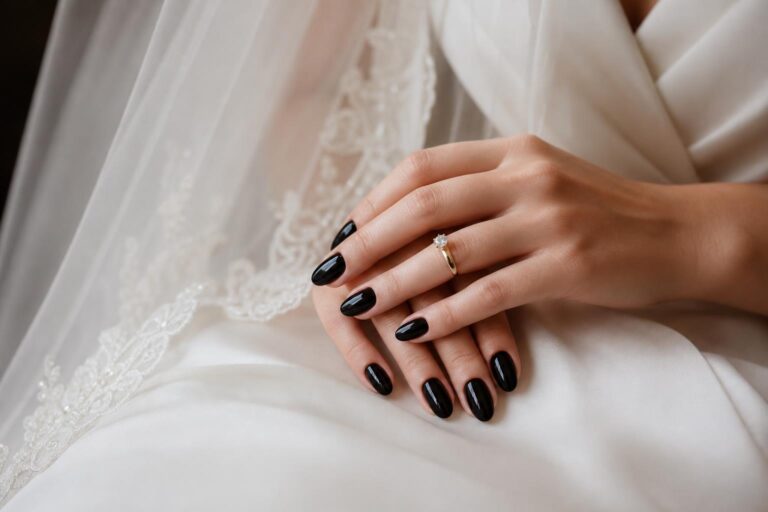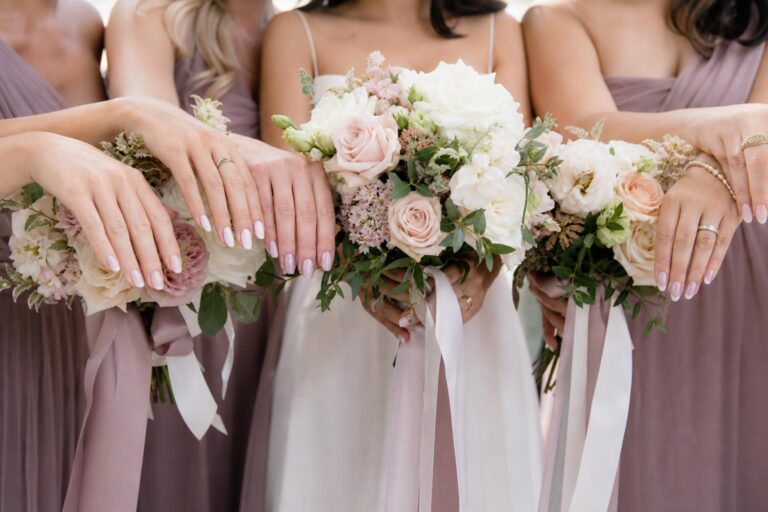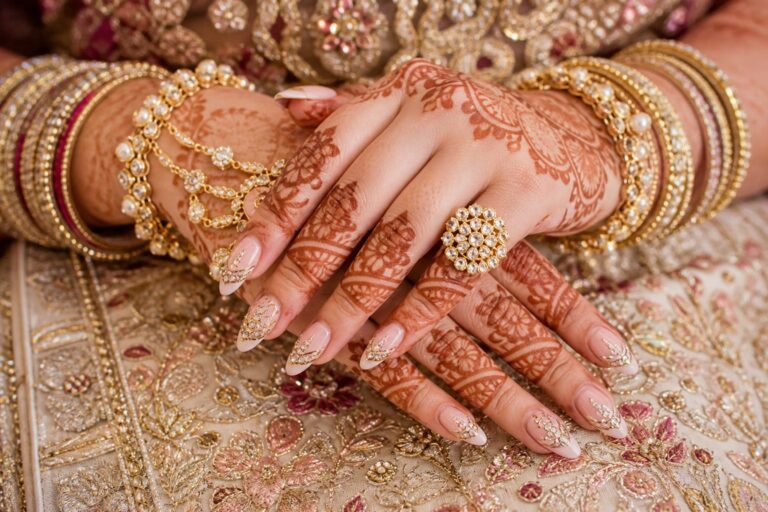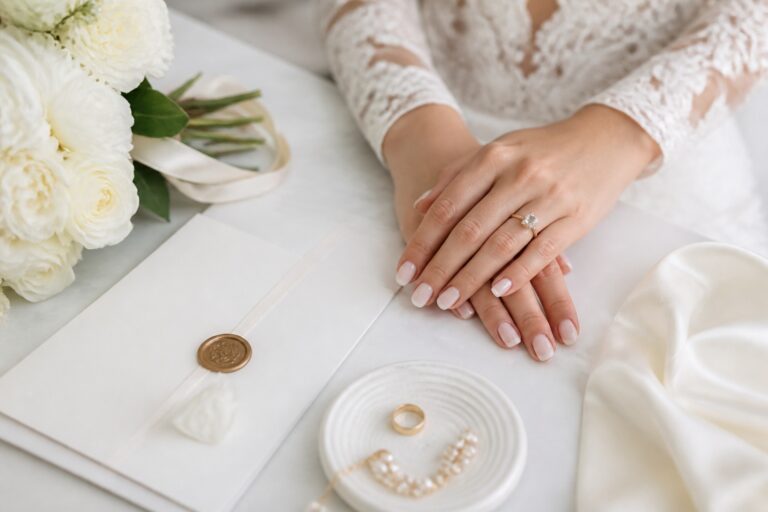
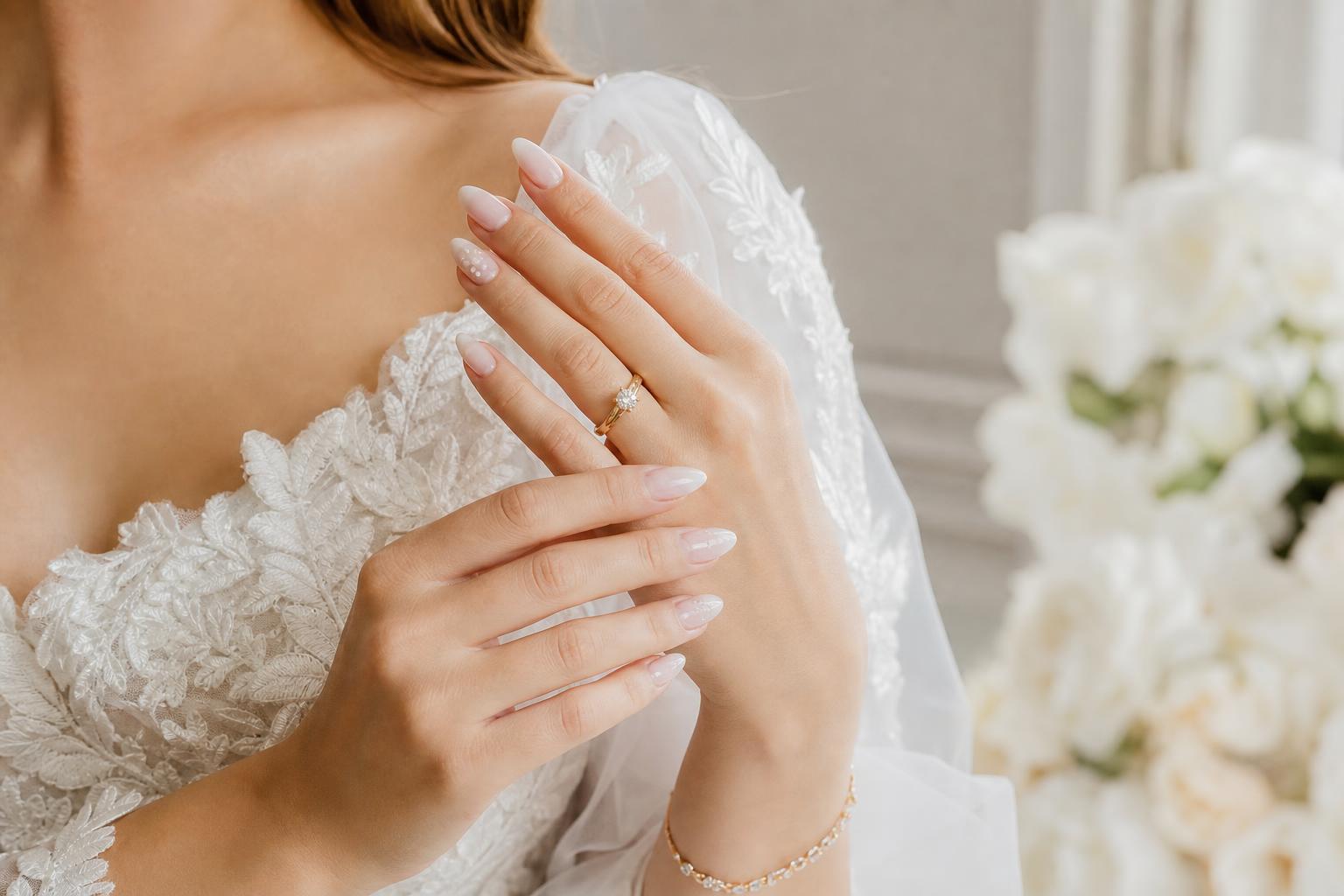
Elegant Wedding Nails for Bride With a Modern Romantic Feel
The bridal manicure often becomes a surprisingly important style decision somewhere between the final dress fitting and the wedding morning. It appears in ring photos, bouquet close-ups, candlelit toasts, and every quiet gesture that a photographer notices. That is why elegant wedding nails for bride are rarely just about color alone. They sit at the intersection of personal style, dress texture, jewelry finish, and the atmosphere of the venue itself.
Many brides find themselves choosing between aesthetics that seem similar at first glance: timeless neutrals and subtle glam, classic French tips and modern minimal nail art, soft florals and polished negative space. These approaches are often discussed together because they all aim for refinement, but they create very different effects once placed against satin, lace, pearls, or a sharply tailored bridal look. Understanding those differences makes the manicure feel intentional rather than incidental.
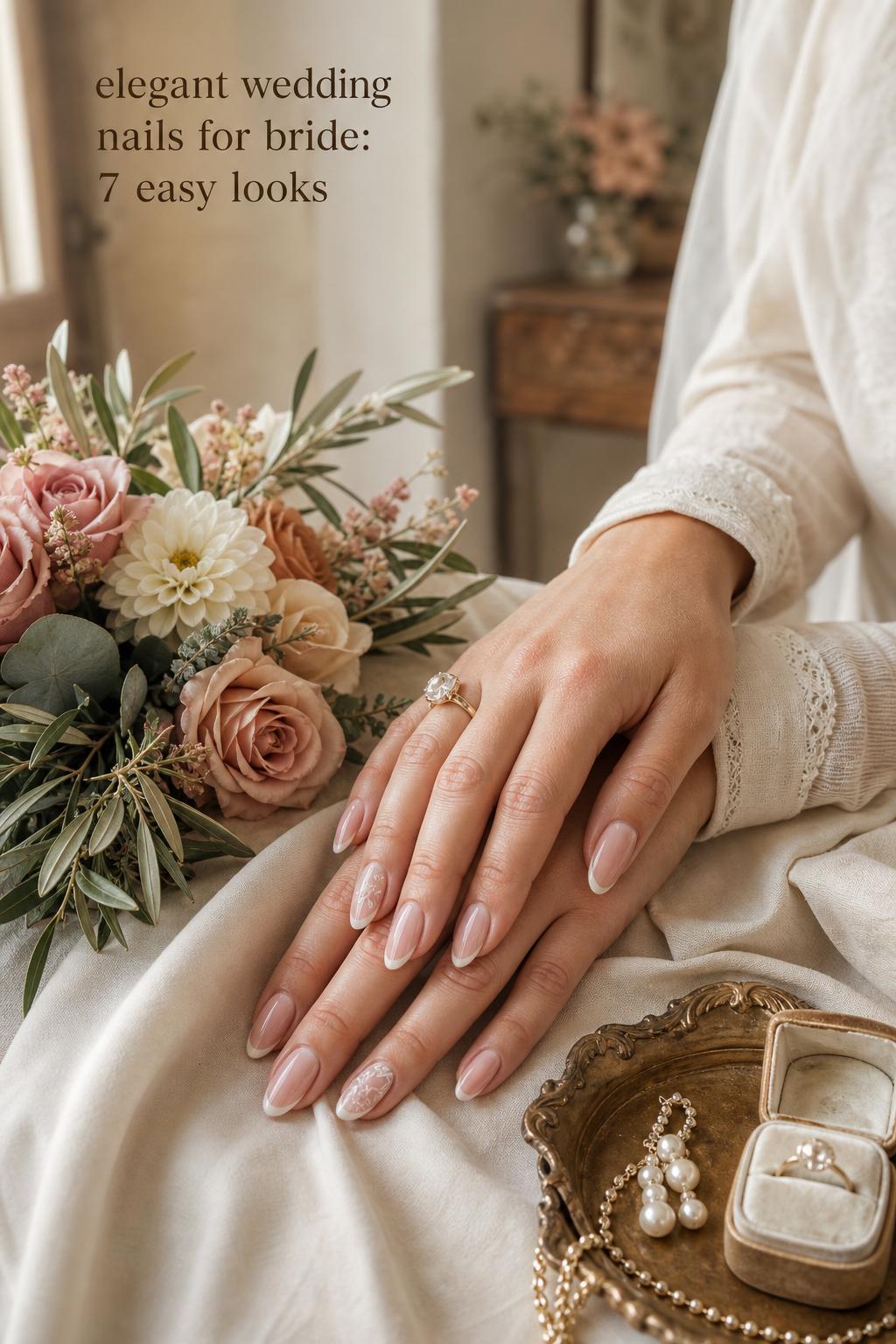
This comparison breaks down the leading bridal nail styles in a practical, visual way. You will see how color palette, shape, finish, and embellishment change the mood of a manicure, how natural nails compare with acrylic and gel options, and when each style works best for a garden ceremony, a coastal celebration, or a ballroom evening reception.
The bridal nail styles most often compared
In bridal beauty, a few manicure directions appear again and again because they align so well with the broader wedding aesthetic: timeless, elegant, photogenic, and wearable beyond one day. The most common comparisons happen between classic bridal nails and modern bridal nails, then between minimal bridal nails and romantic embellished nails. All of them can feel elevated, but they communicate elegance in different languages.
Your wedding look is only the beginning.
Keep your guest list, vendors, timeline, and every important detail together with Zarellea — so your day feels as considered as your style.
The classic bride usually leans toward French manicure variations, sheer pinks, ivory-toned neutrals, and glossy finishes. The modern bride often reaches for glassy nails, soft chrome, fine lines, or negative space details. Romantic bridal styling draws in floral accents, lace-inspired motifs, pearls, and delicate gems. Meanwhile, the minimal bride strips everything back to nude polish, clean shapes, and immaculate shine. The overlap is what causes confusion; the distinction lies in how much visual information the nail design carries.
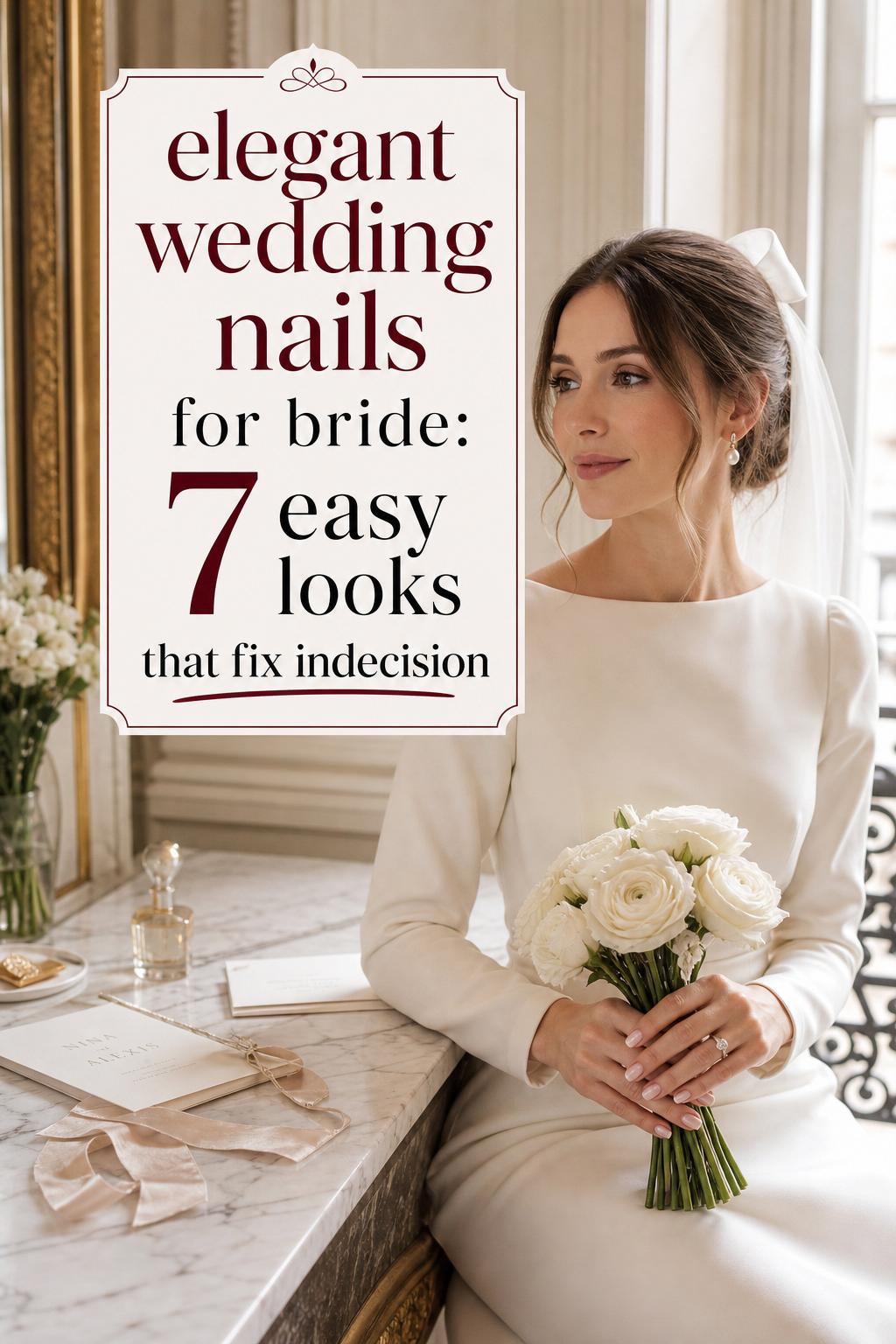
Style overview: timeless classic bridal nails
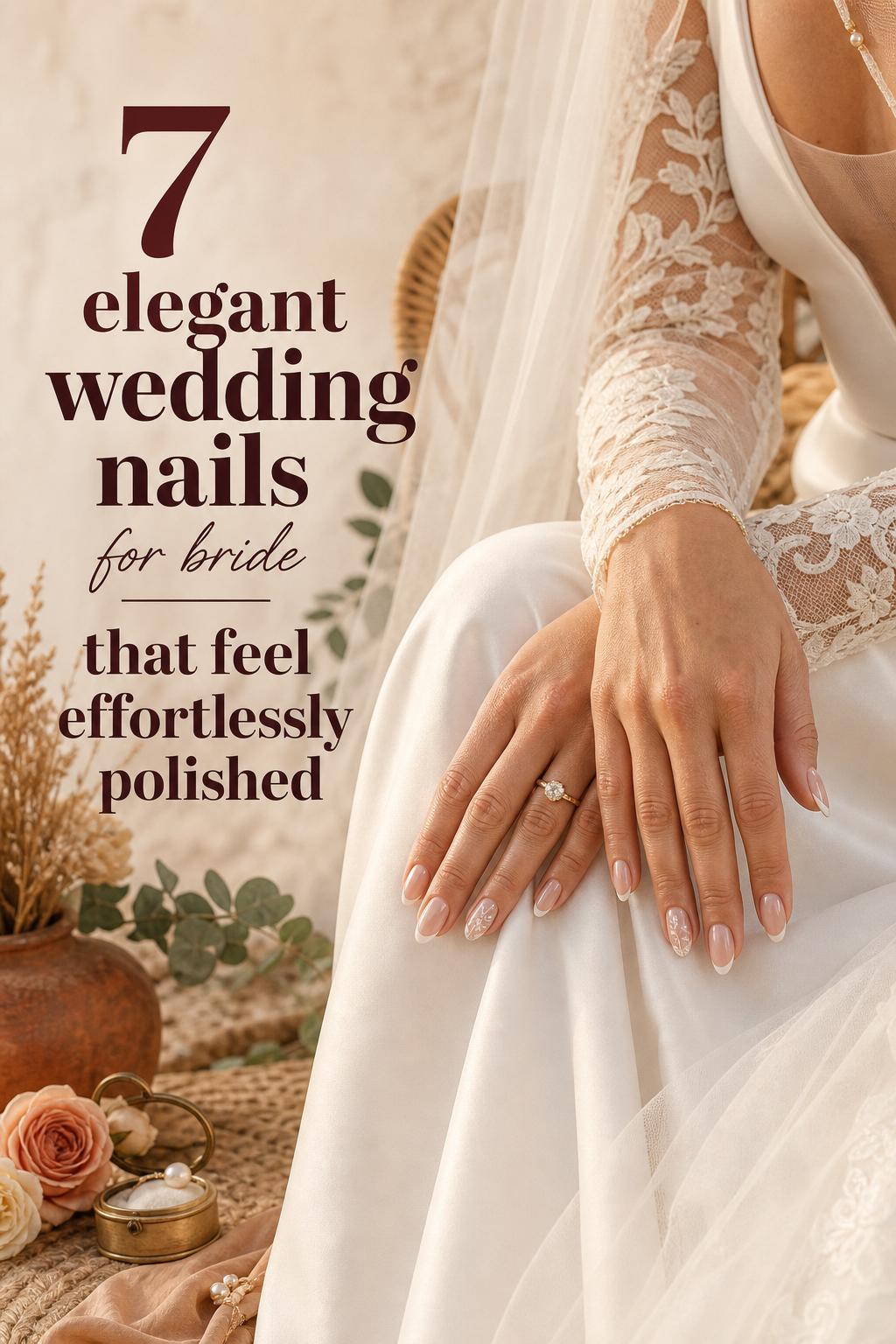
Timeless classic bridal nails are defined by restraint and polish. The look centers on nudes, soft pinks, ivory, and the enduring appeal of French tips. Shapes tend to be almond, oval, or softly squared rather than dramatic. The mood is graceful and familiar, which is why it remains one of the strongest bridal manicure categories across magazine and wedding editorial coverage.
Visually, this style works especially well with traditional bridal elements: veils, white gowns, satin finishes, heirloom jewelry, and formal portrait photography. In a church ceremony, a white-tie ballroom, or a candlelit reception, classic nails do not compete with the dress. They extend it. The manicure becomes punctuation rather than the main sentence, echoing the minimalist perspective associated with nail artist Tom Bachik.
Style overview: subtle glam bridal nails
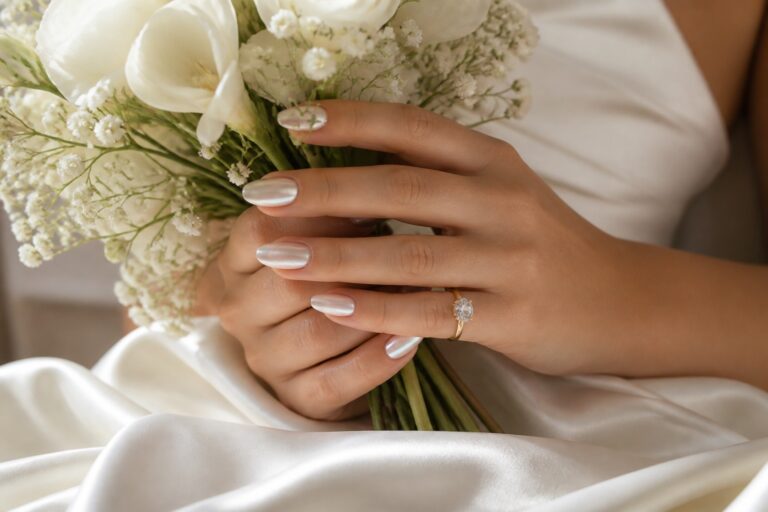
Subtle glam bridal nails start from the same polished foundation but introduce light-reflective finishes and small accents. Think sheer glitter over a neutral base, glassy shine, soft chrome, or a restrained pearl detail tucked into an otherwise minimal manicure. The color palette remains bridal, but the finish becomes part of the statement.
This style feels especially at home at evening receptions, contemporary venues, and fashion-forward celebrations where the bride wants a little more luminosity in photographs. Under indoor lighting, subtle glam can catch the eye beautifully without overwhelming the overall look. It is still elegant, but it is less traditional than a plain nude or classic French mani.
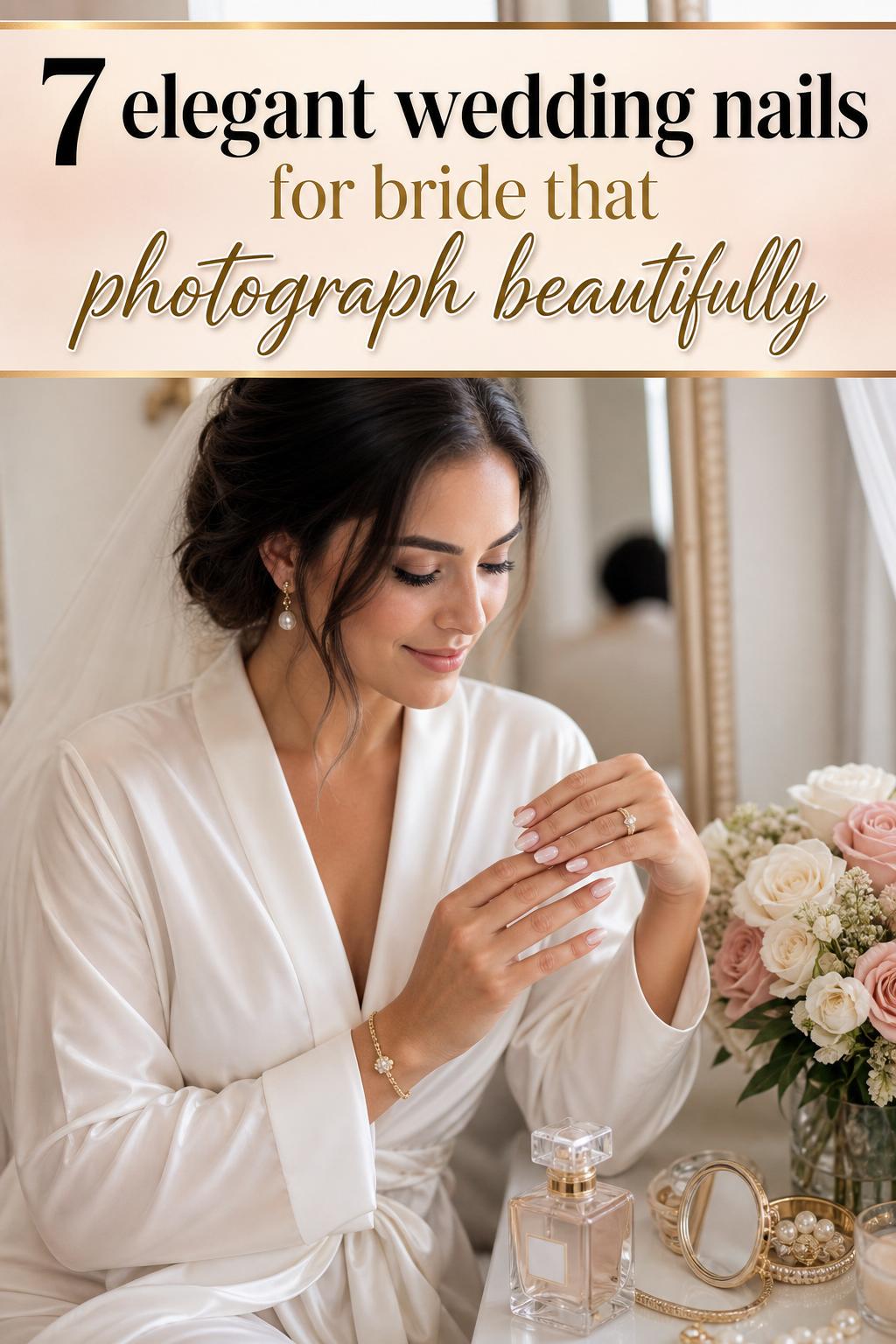
Style overview: romantic detail-led bridal nails
Romantic detail-led bridal nails lean into motifs rather than finish alone. Tiny florals, lace patterns, pearl accents, and delicate gems create a manicure that feels connected to bridal textiles and jewelry. The overall effect can still be understated if the base remains sheer or neutral, but the design carries more decorative intention than a minimal or classic manicure.
This is the style that often suits lace gowns, embroidered veils, floral-heavy ceremonies, and soft romantic settings such as vineyard weddings or garden celebrations at golden hour. It can be exquisite in close-up imagery, especially when the details echo something already present in the bridal look, such as pearl earrings or lace edging on the dress.
Style overview: modern minimal bridal nails
Modern minimal bridal nails are pared back but not plain. They usually rely on nude or pale pink bases, clean almond or oval shapes, and one refined design feature such as fine lines, negative space, or an ultra-glossy finish. This approach shares the simplicity of classic bridal nails, yet it feels more directional and less rooted in tradition.
The overall mood is crisp, contemporary, and quietly confident. At a city wedding in New York or Los Angeles, in a gallery-style venue, or at a sleek rooftop reception, modern minimal nails complement tailored bridal fashion especially well. They pair naturally with clean gown silhouettes, architectural jewelry, and understated beauty.
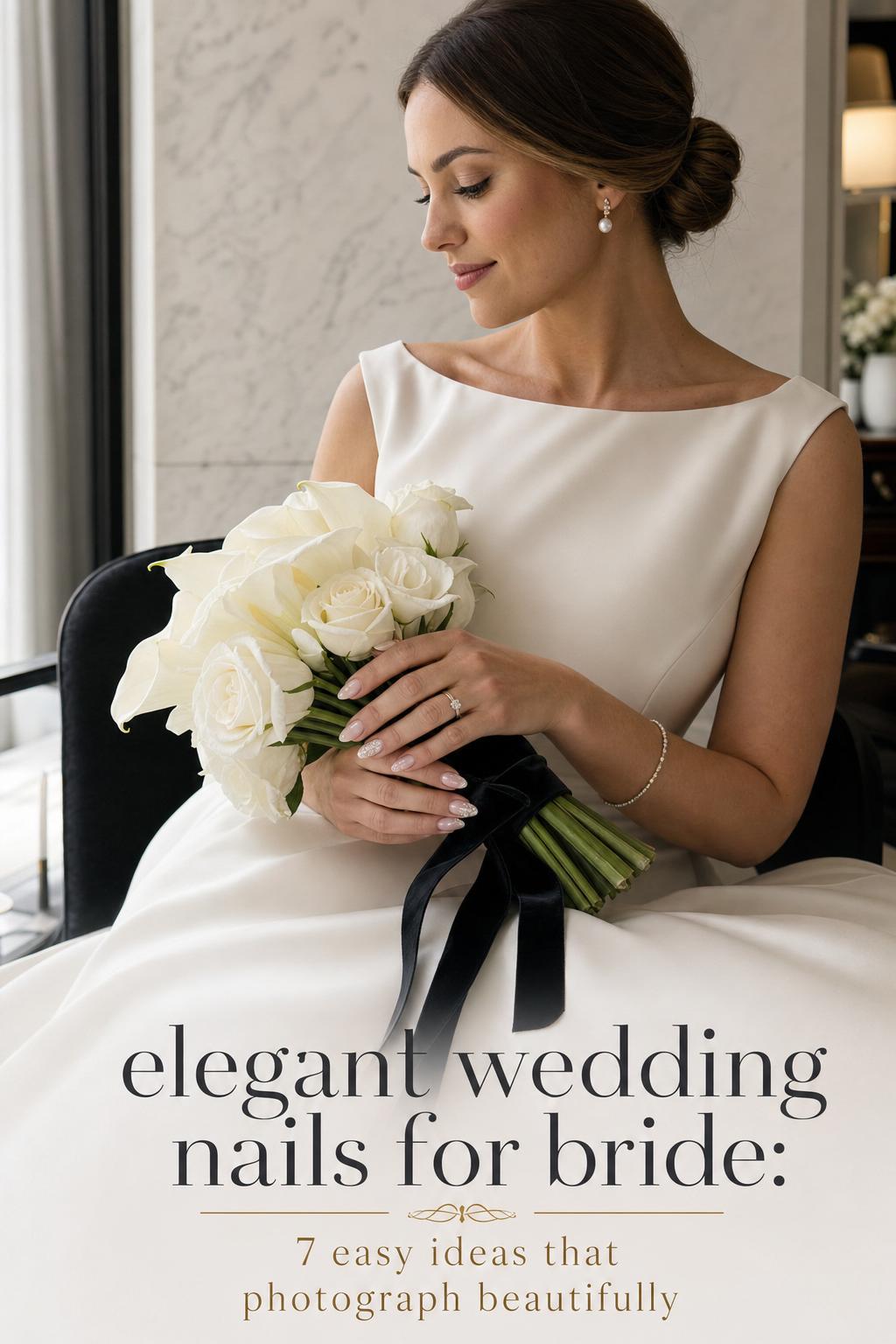
Where the differences really show
Color palette
Classic bridal nails stay closest to sheer pink, nude, ivory, and white-tipped combinations. Romantic nails use the same family of shades but layer in decorative motifs. Modern minimal keeps the palette neutral yet often pushes it toward cleaner, milkier, or glassier finishes. Subtle glam uses neutral tones too, but introduces light play through chrome, shimmer, or pearl effects. In other words, the shades may be similar across all four styles, but the finish and design intensity create the distinction.
Silhouette and structure
Shape matters more than many brides expect. Almond and oval nails are the most universally elegant because they elongate the fingers and photograph softly. Soft coffin can work for a more fashion-led bride, especially within subtle glam or modern minimal styling, but it carries a slightly more pronounced presence. Classic bridal styling generally prefers shapes that feel timeless rather than trend-driven, while detail-led or glam manicures can accommodate a stronger silhouette.
Formality and visual volume
Classic and modern minimal styles are usually lower in visual volume. They read as formal through neatness, balance, and finish rather than embellishment. Romantic and subtle glam styles can feel more ceremonial because they introduce sparkle, motif, or texture. That is not a question of better or worse; it simply changes how much attention the manicure asks for in the total bridal composition.
Styling philosophy
The classic bride aims for timelessness. The modern minimal bride values precision. The subtle glam bride wants reflection and softness. The romantic bride wants harmony between manicure and decorative bridal details. Knowing your styling philosophy is often more useful than choosing from a trend list, because it anchors every small decision, from pearl accents to French tip width.
The timeless palette: nude, ivory, and soft pink compared
Neutral bridal nails are often grouped together, but nude, ivory, and soft pink each produce a different effect. Nude nails are the most adaptable. They create a seamless, lengthening look and suit brides who want their dress, bouquet, or ring to carry the visual emphasis. Soft pink introduces a hint of warmth and romance, making it especially flattering for traditional bridal imagery. Ivory sits closer to the language of the gown itself and can feel refined, though it requires careful balance so it does not appear too stark against the skin.
For a beach ceremony or a coastal setting, soft pinks and sheer nudes often feel lighter and more natural in daylight. For a ballroom evening or formal indoor venue, ivory-based neutrals and classic French finishes can look especially elegant under artificial lighting. Brides choosing between these shades are not only selecting a color; they are choosing how visible they want the manicure to be in photographs.
- Nude reads the most understated and wearable.
- Soft pink feels romantic and traditionally bridal.
- Ivory feels polished and formal, especially with classic styling.
French tips versus modern neutrals
French tip wedding nails remain one of the clearest markers of classic bridal beauty. The white tip provides structure, crispness, and a familiar sense of occasion. It suits brides who want a manicure that feels ceremonial and unmistakably bridal. A French mani also works beautifully with formal gowns, especially in satin or mikado-inspired styling, where clean lines are already part of the look.
Modern neutrals, by contrast, often replace the stronger white tip with sheer color, glassy shine, or barely-there design. The effect is less defined but more fluid. This is ideal for brides who wear slip silhouettes, minimalist crepe gowns, or sleek contemporary tailoring and want the manicure to feel integrated rather than outlined. The difference is subtle in theory but obvious in close-up wedding photography.
A useful way to choose is to ask whether you want your nails to frame the hand or simply refine it. French tips frame. Modern neutrals refine.
Subtle glam versus romantic embellishment
Brides are often drawn to both subtle glam and romantic embellishment because each adds dimension to a neutral manicure. The key difference is where that dimension comes from. Subtle glam relies on finish: chrome, glossy top coats, sheer glitter, or glass-like shine. Romantic embellishment relies on motif: florals, lace, pearls, crystals, and jewelry-inspired placement.
In a candlelit reception, subtle glam has a luminous quality that feels especially polished. Light bounces from the surface without creating a busy design. Romantic embellishment is more narrative. It can echo lace sleeves, pearl veils, or floral appliqué and therefore becomes part of the bridal storytelling. One is atmospheric, the other referential.
This distinction matters when the dress already carries substantial detail. If the gown has strong lace, embroidery, or pearl work, a finish-led manicure often creates better balance. If the dress is clean and minimal, small florals or pearl touches on the nails can provide softness without overcomplicating the look.
Visual breakdown: how these bridal nail styles read in real life
In daylight ceremonies
Under natural light, sheer pinks, nudes, and classic French tips usually appear crisp and flattering. Garden weddings and outdoor ceremonies reveal every detail gently, which is why soft neutrals and delicate floral accents often feel right in these settings. Glassy finishes also perform well, but heavier chrome can look more fashion-forward than traditional if the rest of the bridal styling is very soft.
In indoor evening receptions
Indoor lighting changes the mood of a manicure. A subtle glitter wash, pearl accent, or glossy top coat can bring a quiet radiance that reads beautifully in ballroom portraits and reception candids. This is where subtle glam often outperforms plain neutral polish, especially if the bride wants the nails to feel visible but still elegant.
Against lace, satin, and jewelry
Lace gowns tend to pair naturally with lace-inspired nail art, florals, or pearls, but there is a line between harmony and repetition. The manicure should echo, not imitate too literally. Satin and clean structured fabrics usually work best with French tips, soft pink gloss, or modern minimal fine lines. Jewelry matters too: pearl accents sit easily beside pearl earrings and veils, while glassy or chrome finishes align more comfortably with sleek contemporary accessories.
Outfit-style comparisons for the wedding setting
Ballroom bride: classic versus subtle glam
Picture a formal evening reception with candlelight, polished floors, and a structured gown. The classic version of this bridal manicure would be a soft pink base with a refined French tip in almond shape. It feels formal, composed, and consistent with a white-tie mood. The subtle glam version would keep the same shape but replace the strong tip with a glossy nude and a whisper of chrome or pearl sheen. Both are elegant, but the first is tradition-forward while the second feels slightly more contemporary and editorial.
Garden ceremony: minimal versus romantic
At a garden wedding, where flowers, soft movement, and daylight dominate the setting, modern minimal nails might appear as sheer nude oval nails with negative space or fine line detailing. The romantic interpretation would use a similar neutral base but add tiny florals or lace-inspired motifs. The minimal version keeps the focus on freshness and clean beauty. The romantic version creates continuity with the venue’s softness and the floral atmosphere.
Coastal wedding: timeless neutral versus glassy modern
For a beach or coastal celebration, the timeless approach leans toward sheer pink or nude polish with a softly rounded shape that feels effortless in bright natural light. The modern version would maintain that understated palette but heighten the finish with a glassy top coat or barely-there chrome effect. The logic is similar, yet the first feels organic and classic, while the second feels polished in a more trend-aware way.
Choosing between natural nails, gel, and acrylic
The style decision is only half of the bridal manicure conversation. The structure underneath the look matters too, especially when there are engagement events, fittings, travel, and a full wedding day to consider. Many brides compare natural nails, gel options, and acrylics not because one is inherently superior, but because each affects durability, shape, and finish differently.
Natural nails suit brides who already have healthy length and want the least constructed look. They often pair beautifully with classic neutrals and modern minimal styles, where the manicure depends more on refinement than build. Gel can offer a polished finish with good longevity, making it appealing for brides who want subtle glam, glassy shine, or a smooth sheer pink result. Acrylics can be useful when shape consistency or added strength is a priority, particularly for brides drawn to a precise almond or soft coffin silhouette.
- Natural nails feel the most organic but may offer less structural support if your nails are prone to breakage.
- Gel is often chosen for shine and a polished, bridal finish.
- Acrylic can help create uniform shape and stronger visual structure.
The practical choice depends on your starting point, not only your inspiration photos. A very minimal manicure on uneven nails will still look less polished than a carefully structured set with the same color. Brides often focus on the art and forget that silhouette is what creates elegance first.
What many brides overlook: the manicure timeline
A bridal nail look may be subtle, but the planning around it should be deliberate. The manicure sits close to ring photography, final beauty timing, and often to travel logistics as well. A thoughtful timeline reduces the risk of last-minute changes and helps the chosen style perform the way it should in photos.
A trial run can be especially helpful if you are deciding between French tips and soft chrome, between nude and ivory, or between floral accents and a cleaner finish. Designs that seem nearly identical on a screen can look very different once they are placed against your skin tone, dress fabric, and jewelry. The trial also clarifies whether a shape like almond or soft coffin feels natural enough for a full event day.
Tips for building a calm bridal nail schedule
- Plan your manicure around fittings, travel, and photography rather than treating it as an isolated beauty appointment.
- Bring references that show both color and finish, since a soft pink gloss and a soft pink chrome can read very differently.
- Consider a trial if you are unsure about shape, especially when moving from natural nails to acrylic or gel structure.
- Think about the full wedding setting, including natural light, indoor lighting, and close-up ring shots.
The role of nail shape in bridal elegance
Searches for bridal nail ideas often focus on polish color or art, yet shape quietly determines whether the manicure feels delicate, strong, classic, or fashion-led. Almond nails remain one of the most flattering bridal shapes because they elongate the fingers and soften the hand. Oval creates a similarly timeless result and tends to feel especially natural with sheer pinks and nude finishes. Soft coffin can be elegant when kept moderate in length, but it introduces more structure and therefore feels more contemporary.
The more detailed the manicure, the more important shape discipline becomes. Tiny florals, pearls, or lace patterns need a clean surface to look intentional. A simple neutral manicure can tolerate slight irregularity; delicate art cannot. This is one reason why many editorial bridal manicures look polished even when the design is minimal. Their success starts with silhouette.
How wedding setting changes the best nail choice
Venue matters. Not because there are rigid rules, but because atmosphere shapes what feels coherent. A coastal wedding often suits soft pinks, sheer nudes, and glassy finishes that feel light in open daylight. A ballroom celebration welcomes French manicures, ivory neutrals, pearls, and subtle glitter because the surrounding environment is already more formal. A vineyard or garden wedding naturally supports florals, lace-inspired details, and romantic neutrals that echo the softness of the setting.
Location-based styling also helps when a bride feels torn between two aesthetics. In Los Angeles or a modern city setting, minimal nails with sleek shine may feel more intuitive. In a traditional East Coast ballroom or a church ceremony in New York, classic French tips or soft ivory tones may feel more in tune with the dress code and photography style. The manicure should not float separately from the venue; it should belong to the same visual world.
Seasonal shifts within elegant bridal nails
Seasonality can refine a manicure choice even when the overall brief remains timeless. Spring weddings often lend themselves to soft pink neutrals, tiny florals, and delicate details that feel airy and fresh. Summer celebrations, especially destination and outdoor events, tend to suit sheer nudes, glossy finishes, and simple shapes that look effortless in bright light.
For fall and winter weddings, brides frequently gravitate toward richer elegance through ivory tones, polished French tips, pearl accents, and subtle glam finishes that respond well to indoor lighting. The design does not need to become heavier. Instead, the shift is usually in finish and atmosphere: a little more sheen, a little more structure, and a slightly more formal mood.
Expert-led style cues from bridal beauty editorial
Across leading bridal and beauty coverage, a few themes stay remarkably consistent. Vogue places emphasis on the idea that wedding nails should reflect the bride’s personal style rather than overpower it, a philosophy reinforced through Tom Bachik’s minimalist approach. Who What Wear repeatedly connects bridal nails to current finishes such as chrome and glassy shine, while still keeping pinks, neutrals, and flattering shapes at the center. Zola approaches the subject through versatility, real-versus-acrylic decisions, and designs that can suit any bride. L’Oréal Paris USA frames elegant wedding nail designs through classic and modern interpretations, often with French manicure variations as an anchor.
Taken together, these perspectives suggest a useful principle: bridal nails are most convincing when they balance identity with restraint. Even trend-led details such as chrome or pearls work best when they are absorbed into a larger elegant framework of neutral color, refined shape, and careful finish.
Practical product thinking without overcomplicating the look
Bridal manicure decisions are often described visually, but product logic matters too. Polishes, gels, acrylic structures, and top coats all influence longevity and finish. Brides who want a high-gloss, photo-aware manicure may prioritize a finish that stays luminous through the ceremony and reception. Brides choosing delicate art or pearls may need a structure that supports clean application and resists wear throughout the day.
Brand-led beauty platforms such as L’Oréal Paris USA bring attention to design categories, while editorial coverage often points toward finish as the differentiator. In practical terms, this means that a neutral manicure is rarely just a neutral manicure. The top coat, the smoothness of the base, and the decision between natural nails, gel, and acrylic are all part of how elegant the final result appears in person and in photographs.
Tips for a manicure that still looks polished late into the reception
Choose a style whose maintenance demands match your wedding schedule. If your day includes travel, multiple locations, or a long reception, an ultra-detailed design on a fragile base may create unnecessary worry. For many brides, the safest route is a strong neutral foundation with one elevated element, whether that is a French tip, a pearl accent, or a glossy, glassy finish.
Common bridal nail mismatches to avoid
The most common mismatch is not choosing the “wrong” trend. It is choosing a manicure that speaks a different style language than the rest of the wedding look. Heavily embellished nails can feel disconnected beside an ultra-minimal gown. Very plain nude nails can disappear if the bride expected a more ceremonial finish in close-up imagery. An intense chrome can feel too directional for a deeply traditional setting, while a stark French tip may seem too formal for a barefoot beach ceremony.
Another frequent issue is copying a design without adjusting for shape or proportion. Floral accents that look delicate on almond nails may feel crowded on a shorter square shape. Pearl placement that appears elegant on one hand can read heavy on another if the scale is off. Bridal beauty works best when it is translated, not copied exactly.
Which bridal nail style works best for you?
Choose classic bridal nails if your wedding look leans formal, traditional, or timeless, and if you want your manicure to feel polished without asking for much attention. Choose modern minimal if your gown is sleek, your accessories are clean-lined, and you prefer subtle detail over visible decoration. Choose subtle glam if you love neutral tones but want a little light play for photography and an evening reception. Choose romantic detail-led nails if your bridal styling includes lace, florals, pearls, or soft decorative elements that you want echoed in a delicate way.
Many brides ultimately combine two styles rather than choosing only one. A sheer pink base with a micro French tip and one pearl accent, for instance, sits between classic and romantic. A nude manicure with glassy shine and fine lines bridges minimal and subtle glam. That blended approach often feels the most personal because it respects bridal tradition while still reflecting individual taste.
Bringing the whole bridal look together
The best elegant bridal manicure rarely stands alone. It belongs to a palette, a venue, a dress texture, and a photographic mood. Sheer pink nails beside a silk gown at golden hour tell a different story than pearl-accented almond nails in a candlelit ballroom. Both can be beautiful. The success lies in coherence.
That is why the strongest bridal nail choices feel less like trends and more like styling decisions. Whether you are drawn to French tip wedding nails, soft pink neutral bridal nails, floral accents, or modern glassy shine, the most refined result comes from matching the manicure to the atmosphere of the celebration and the language of your bridal look as a whole.
FAQ
How long before the wedding should I get my nails done?
Your nail timing should be planned around fittings, travel, and photography, with enough margin that the manicure still looks fresh on the day itself. If you are trying a new shape, finish, or structure such as gel or acrylic, a trial beforehand can make the final appointment feel much more predictable.
What nail colors look most elegant for a bride?
The most consistently elegant bridal shades are nudes, soft pinks, ivory tones, and classic white-tipped French combinations. These colors work because they are timeless, flattering in photographs, and easy to pair with different dress textures, jewelry finishes, and wedding settings.
Are French tip wedding nails still a good choice for brides?
Yes, French tips remain one of the clearest expressions of classic bridal beauty. They are especially strong for formal weddings, structured gowns, and brides who want a manicure that feels traditional, clean, and unmistakably bridal without relying on heavier embellishment.
Should I choose natural nails, gel, or acrylic for my wedding?
The right choice depends on your natural nail condition, preferred shape, and how much durability you need. Natural nails suit brides who already have healthy length, gel is often favored for shine and a polished finish, and acrylic can help create a more uniform structure when shape consistency is important.
What bridal nail shapes photograph best?
Almond and oval are the most reliably elegant shapes because they elongate the fingers and look soft in close-up images. Soft coffin can also work for a more fashion-led bride, but it creates a slightly stronger visual presence than the most timeless bridal silhouettes.
Do subtle glam finishes like chrome and glitter work for weddings?
They can work beautifully when kept restrained and layered over a neutral base. A soft chrome, sheer glitter wash, or glassy finish adds light and dimension, which is especially effective for evening receptions and indoor photography, while still preserving an elegant bridal feel.
How do I choose a nail design that matches my dress?
Start with the dress texture and overall styling mood. Lace, florals, and pearls often pair well with delicate motifs, while satin, crepe, and clean minimalist gowns usually suit French tips, glossy neutrals, or fine-line details better. The goal is to echo the dress rather than duplicate it too literally.
Will delicate nail art hold up in wedding photos?
Delicate nail art can look exceptional in photos if the base, shape, and finish are clean and well balanced. Tiny florals, lace-inspired details, or pearl accents tend to photograph best when they are placed sparingly on a neutral manicure rather than covering every nail.
Is a trial run necessary for bridal nails?
A trial is not essential for every bride, but it is very useful if you are undecided between similar styles such as French tips versus modern neutrals, or if you are changing shape or structure for the wedding. It helps you see how the manicure looks with your skin tone, jewelry, and overall bridal styling before the final appointment.
What is the safest choice if I want elegant nails that suit almost any wedding style?
A soft pink or nude manicure in an almond or oval shape with a glossy finish is one of the most versatile options. It works across garden ceremonies, ballroom receptions, coastal weddings, and both classic and modern bridal aesthetics, while leaving room for a subtle French tip, pearl accent, or light shimmer if you want a little extra detail.