Pearl Color Nails: A Bridal Guide to Soft Shine
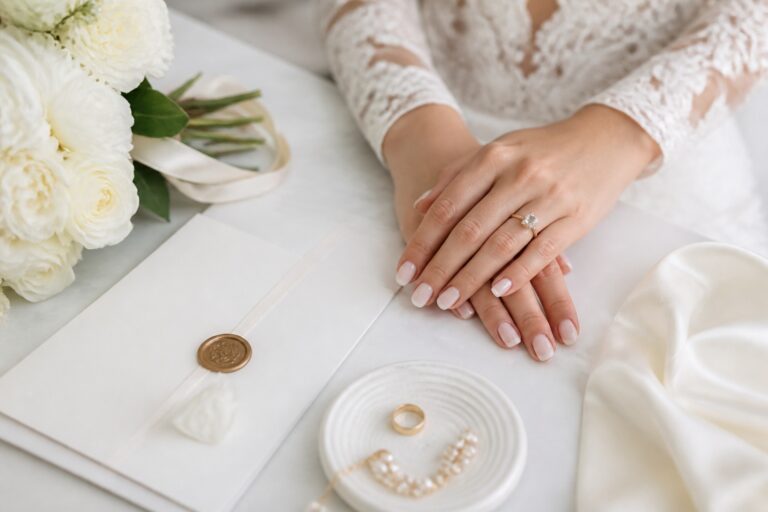
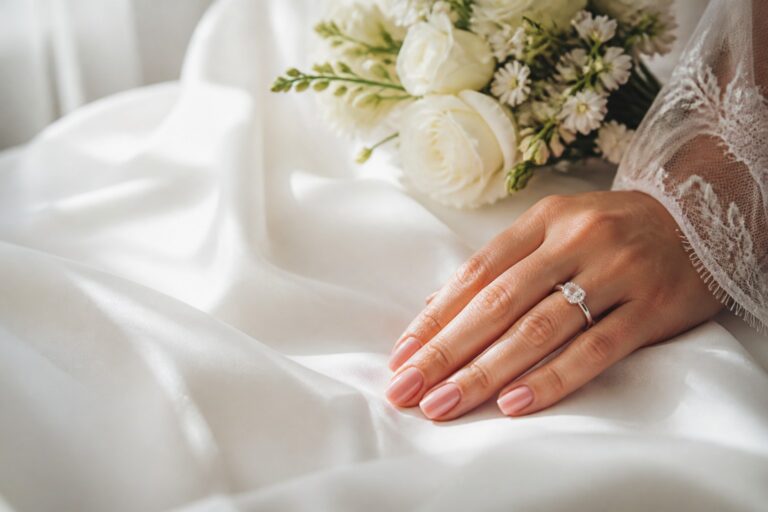
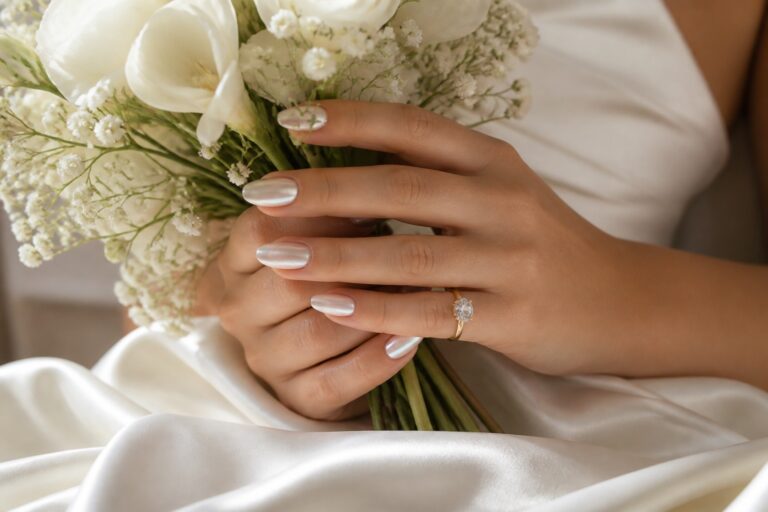
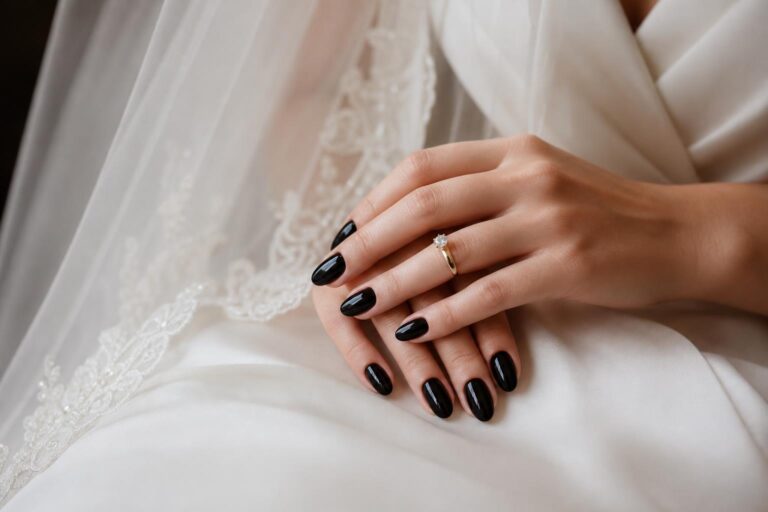
The quietest part of a wedding morning is often the one that ends up in the most photographs: a hand around a bouquet stem, fingers straightening a veil, a close-up of a new ring. That is where pearl color nails earn their place. They are not simply white nails with shine. A good pearl manicure has a soft undertone, a controlled level of reflection, and enough contrast to look intentional beside ivory fabric without competing with it. The effect is polished rather than costume-like—more like light moving across silk than glitter sitting on top of polish.
For a bride who wants something classic but not plain, pearl color nails create a small visual bridge between jewelry, dress fabric, and makeup. The best version is usually the one that looks a little different as the day changes: creamy in indoor light, gently rosy near a window, and luminous in a flash photograph. The decision is less about finding one perfect inspiration photo and more about choosing the right combination of base, pearl effect, shape, and detail for your own hands.
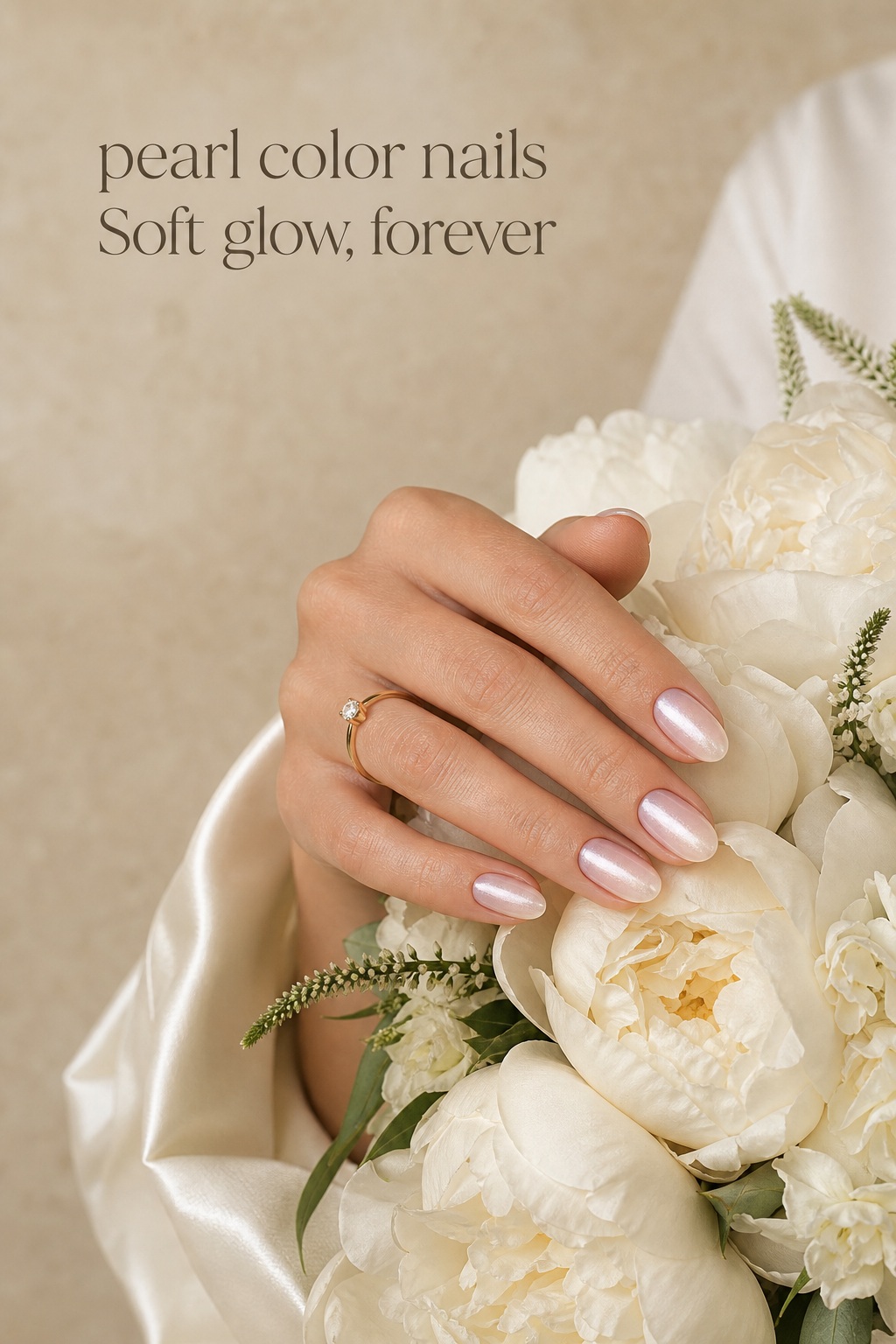
At the vanity: what makes a pearl finish feel bridal
Picture the getting-ready table: champagne-colored ribbon, a cool satin robe, a ring box, and a phone camera waiting to capture everything. In that setting, a dense frosty polish can look flat, while chunky glitter can read as a separate accessory. Pearl color nails work because the light appears to come from within the finish. A sheer or milky base softens the natural nail; a fine pearl pigment, chrome powder, or iridescent top layer adds the reflection. The result has dimension without a hard metallic edge.
Start by naming the finish correctly when you book. Ask for a pearl sheen, soft pearl chrome, or iridescent veil if you want a smooth surface with reflected light. Ask for 3D pearls or pearl decals only if you truly want raised embellishment. Those are different looks with different wear considerations. A reference photo can contain both, so say which feature you are drawn to: the glow, the tiny beads, the French shape, or the nude base underneath.
Your wedding look is only the beginning.
Keep your guest list, vendors, timeline, and every important detail together with Zarellea — so your day feels as considered as your style.
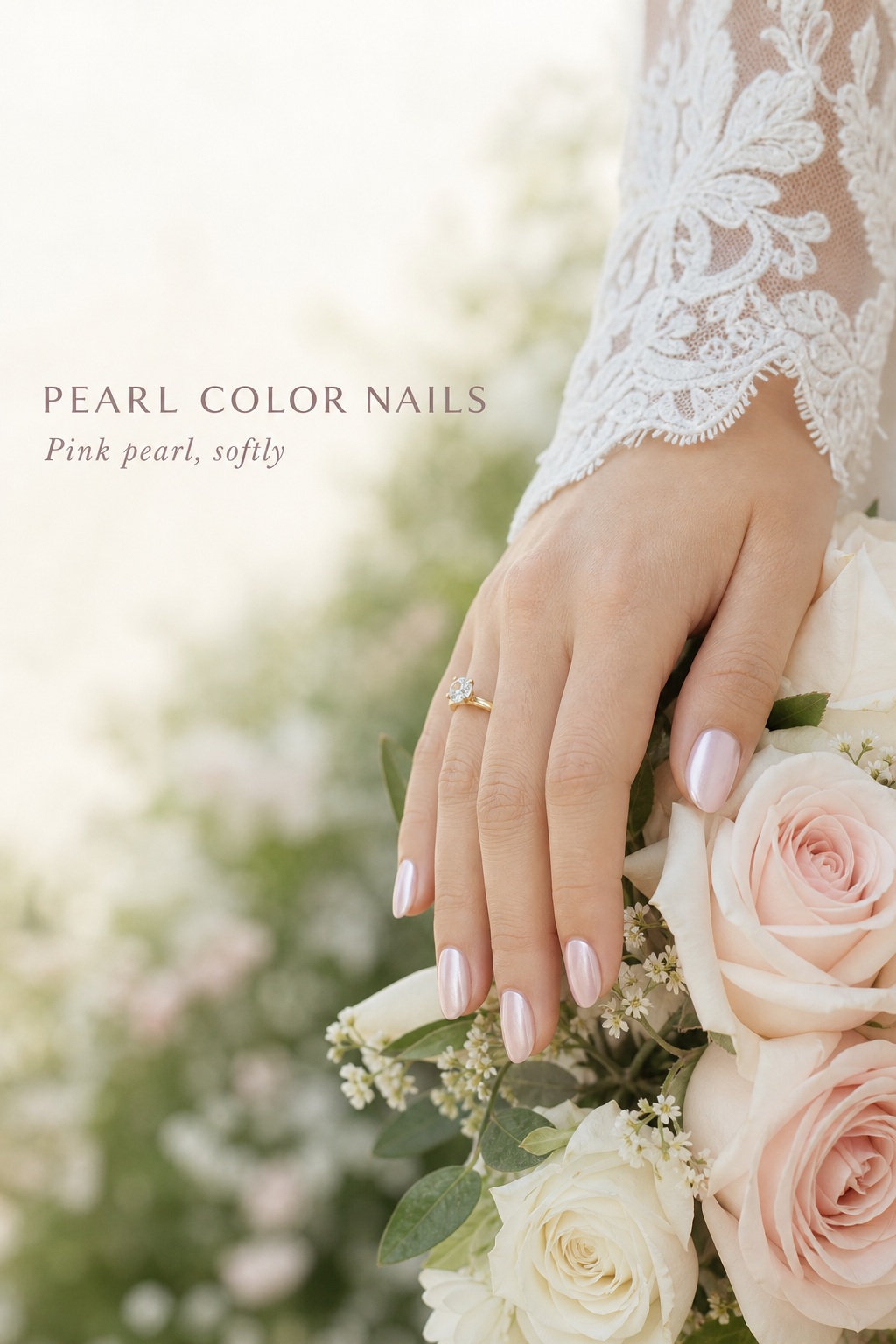
Undertone comes first. Cool white pearl has a silver-blue cast and looks especially crisp beside platinum, silver, or a bright-white gown. Cream pearl is warmer and often more harmonious with ivory lace, champagne satin, yellow gold, or a warm complexion. Pink pearl keeps a hint of nail bed showing through, which can make regrowth less obvious and feel more relaxed in candid photos. None is universally better. Hold your inspiration next to a photo of your dress in daylight and notice whether the nail color makes the fabric look cleaner or duller.
Opacity changes the mood just as much. One translucent pearl layer feels barely there and lets a healthy natural nail show through. Two layers look creamy and deliberate. A fully opaque pearl chrome look is more editorial, especially on a longer almond or stiletto shape. If you are undecided, a buildable formula gives you a useful middle path: begin sheer during your trial, then add a second layer only if your wedding lighting or dress calls for more presence.
- Soft and timeless: sheer blush base with a fine ivory pearl veil.
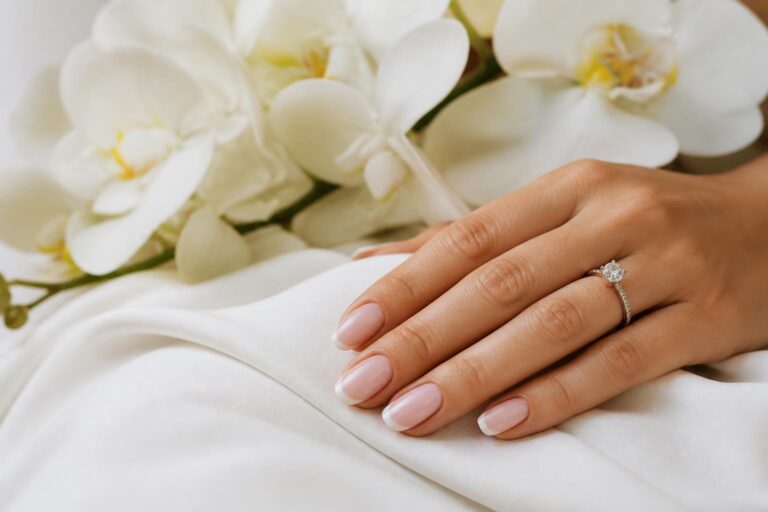
- Clean and graphic: milky nude base with pearly French tips.
- Modern and luminous: a neutral base buffed with restrained pearl chrome.
- Romantic and detailed: a pearl finish with one small, secured accent on each hand.
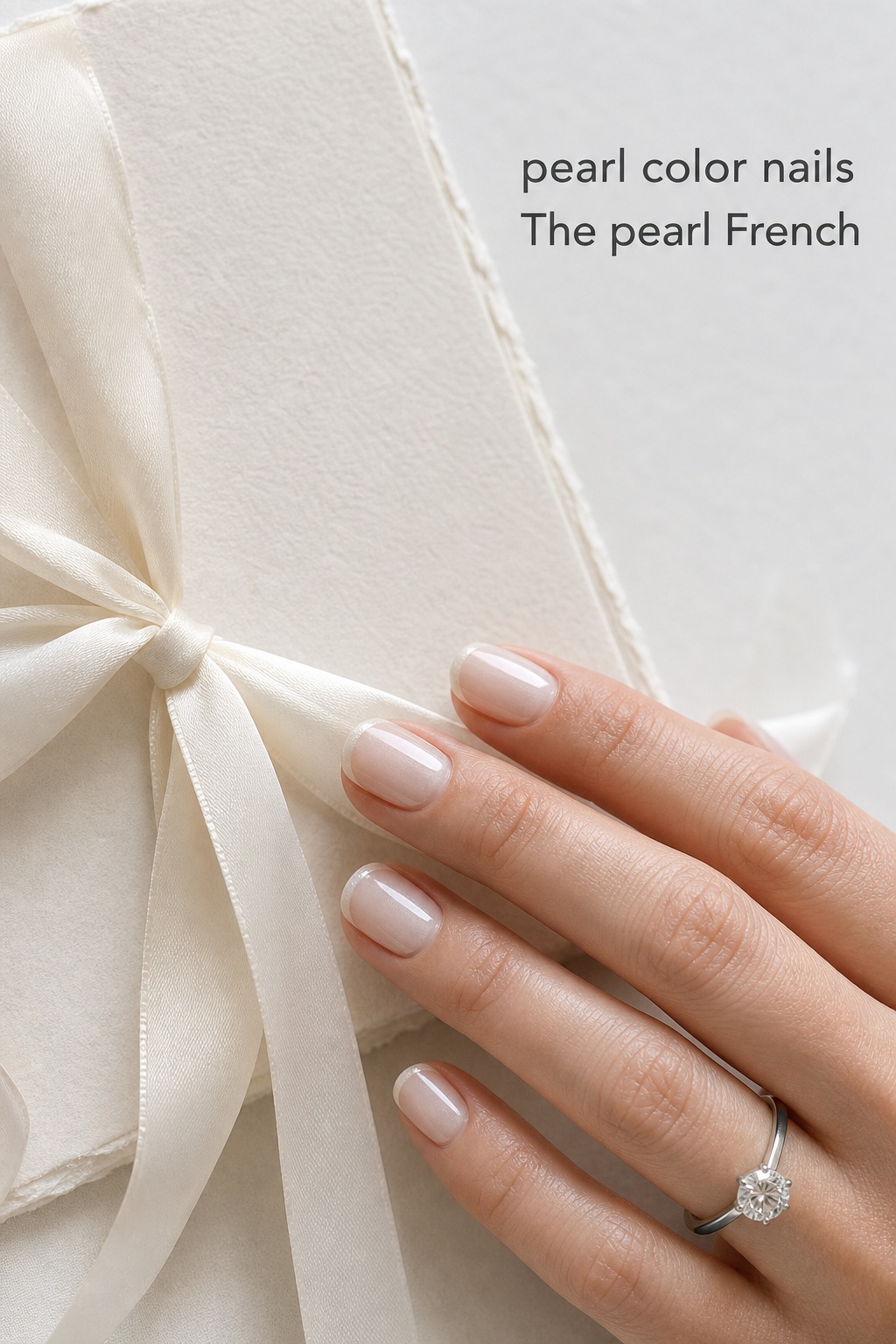
Five pearl color nail scenes worth saving
The most useful bridal inspiration has a setting attached to it. Instead of saving twenty nearly identical sets, save one idea for the feeling you want in photographs. These five directions use the same pearl family but tell different visual stories. They are also easier to describe in a salon chair, where “pretty but not too much” is not a precise instruction.
The heirloom pearl
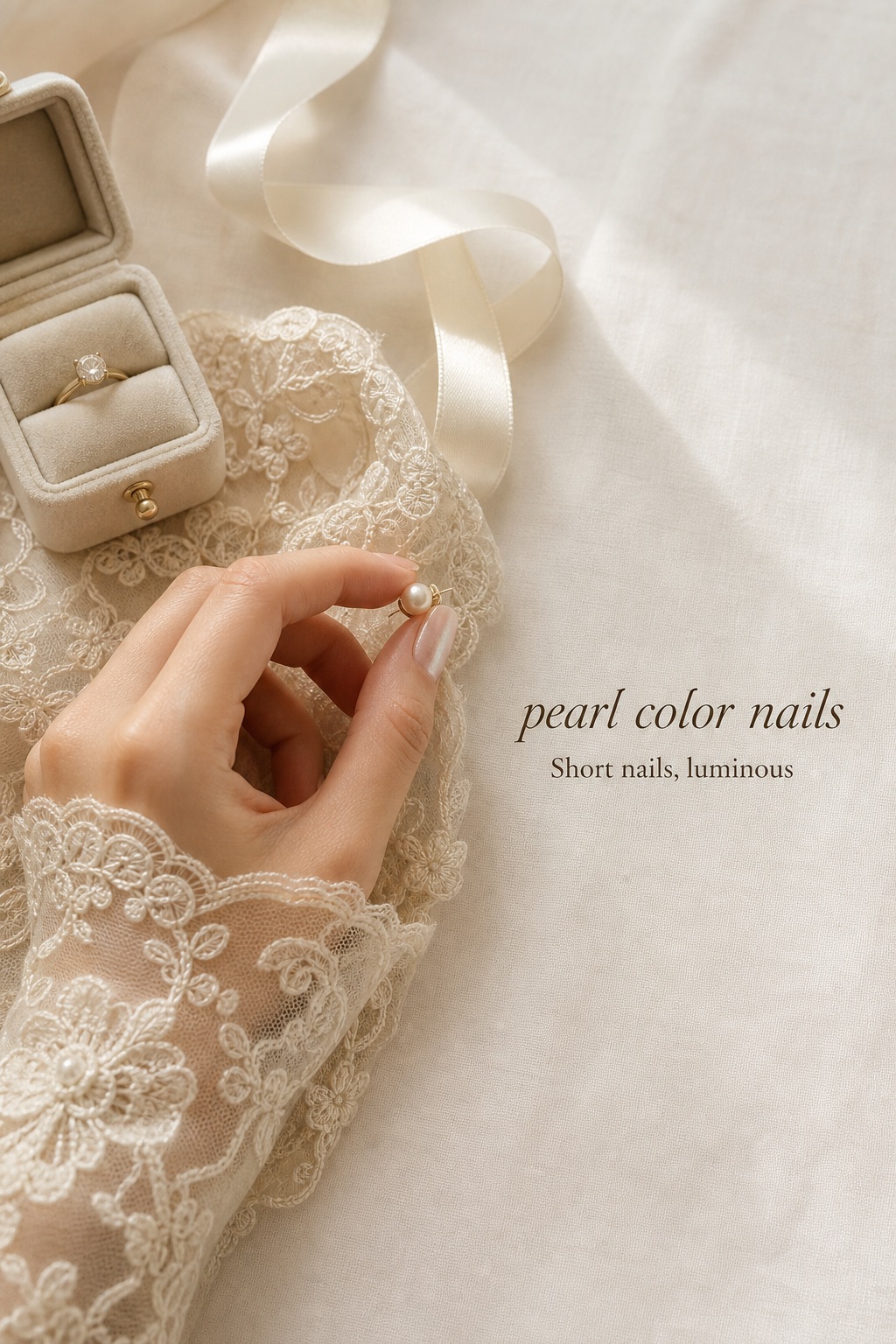
This is the choice for a bride in ivory silk, antique lace, or a dress with pearl buttons. Use a translucent neutral base that matches the warmth of your hands, then add a fine cream pearl top layer. Keep the nails short oval, soft almond, or squoval. The finish should look smooth when a hand is relaxed, with a milky glow only when it moves. It pairs beautifully with pearl earrings because it echoes their luster instead of trying to copy their shape. Ask for no glitter particles and no sharp chrome line.
The pearl French at the reception table
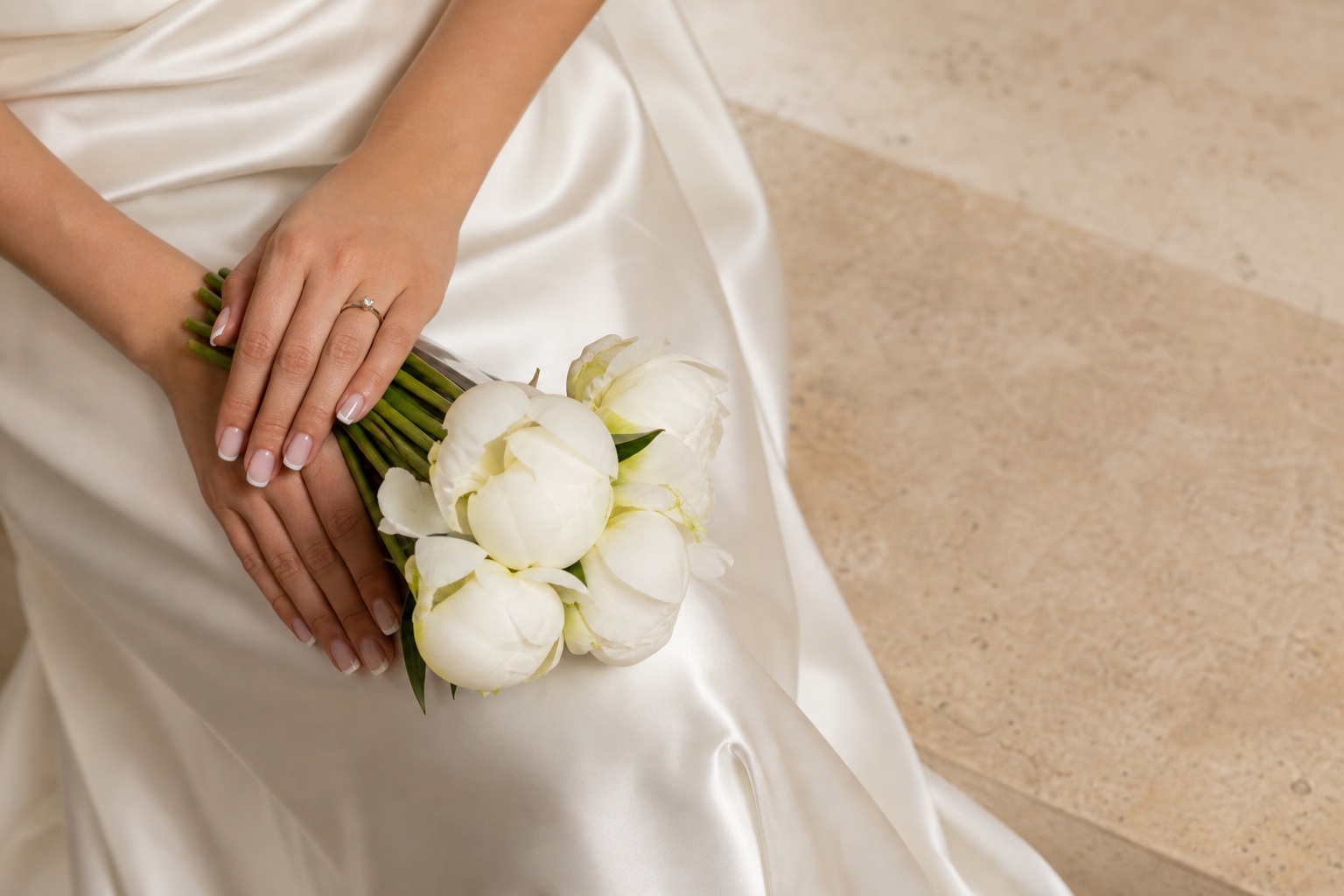
A pearly French manicure is ideal if you love the structure of a classic tip but want it to feel current. Use a sheer pink, peach-nude, or milky base; swap the stark white tip for a diffused pearl white; then, if it suits your ring, add the faintest gold or silver micro-line at the smile. A micro-French works wonderfully on shorter nails because the slim tip leaves room for the pearl base. On medium almond nails, a softly blended French reads romantic and photographs clearly around glasses, place cards, and a cake knife.
The cool chrome close-up
For a modern gown with clean lines, pearl chrome is the editorial answer. The key is control. Start with a sheer cool beige or pale pink and use a fine powder buffed into a no-wipe top coat, not a mirror-like silver finish. On an almond shape, the reflection catches the curve of the nail and looks sculptural in ring photographs. The manicure can be all-over or limited to one accent nail per hand. If your engagement ring is white gold or platinum, this cooler pearl effect often feels especially coherent. Keep every other detail quiet: no rhinestones, no large decals, and a glossy top coat.
The garden-party pink pearl
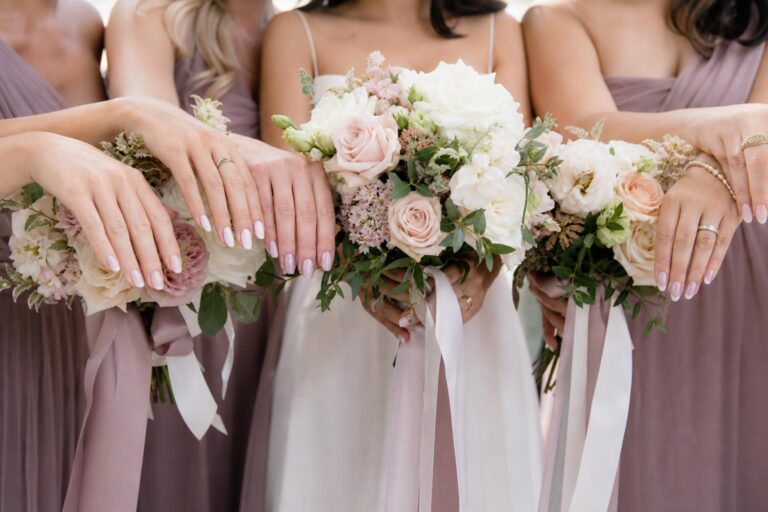
Pink pearl is the softest way to make a pearl effect feel alive. Choose a translucent rose, ballet pink, or barely lavender base and layer a warm pearly sheen over it. The color works particularly well with blush roses, colorful bridesmaid dresses, floral appliqué, or a daylight garden ceremony because it does not flatten the skin tone. Keep the length practical and the shape softly rounded. A tiny pearl dot at the cuticle of one ring finger can be charming, but only if it is smooth enough not to snag on flowers, hosiery, or the dress.
The pearl detail on a short nail
Short nails do not need a compensating design. In fact, a pearl color often looks most expensive when the nail is neatly shaped and the effect is simple. Try a short square with rounded corners, a neutral milky base, and a thin pearlescent coat. If you want a detail, place a single tiny half-pearl close to the base of the ring finger rather than covering every nail. The negative space keeps the hand elegant and makes the style feel deliberate. This direction is especially sensible for anyone who rarely wears extensions, has a hands-on wedding weekend, or wants their manicure to look as good on day three as it did at the ceremony.
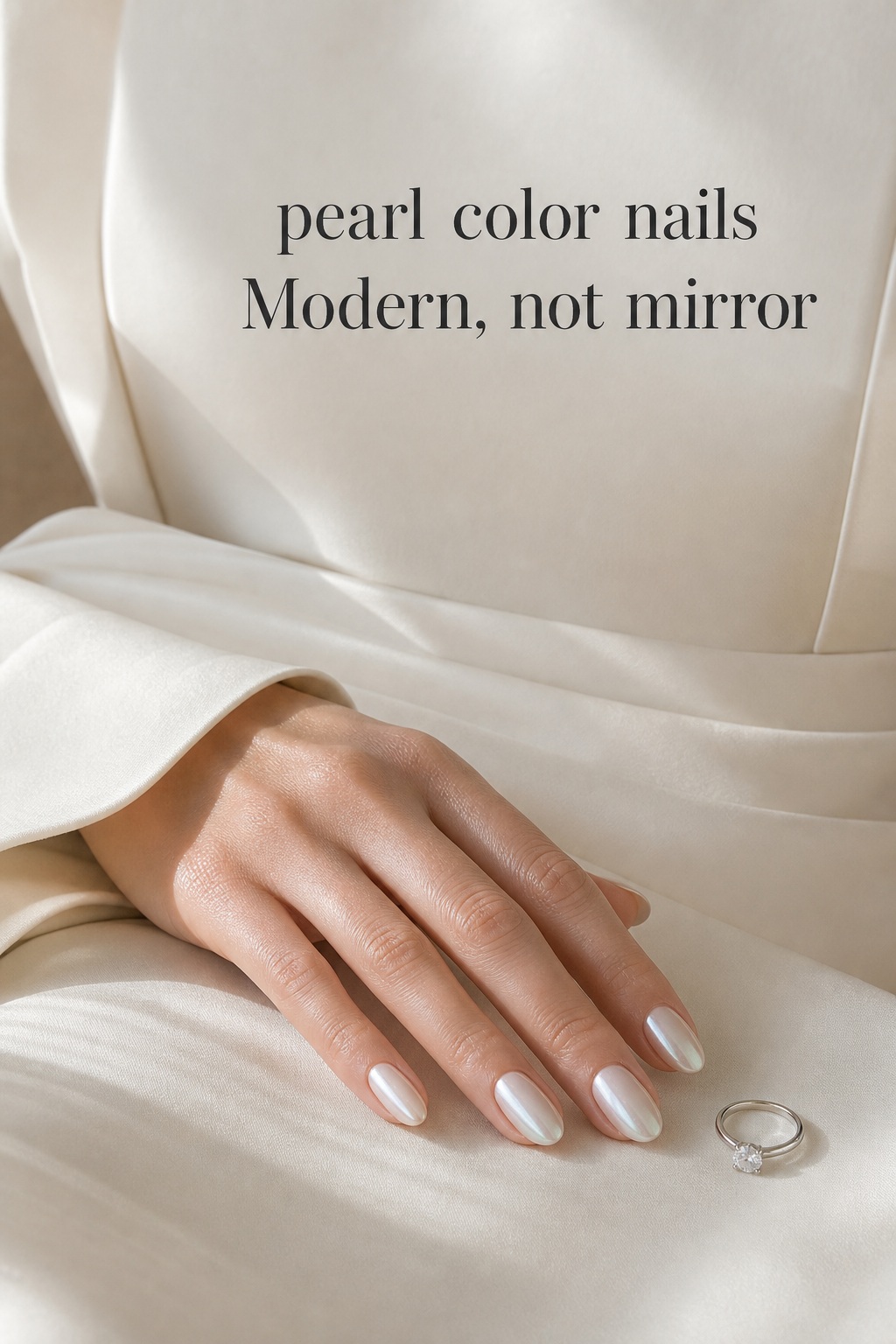
From saved image to a salon brief
A great nail artist can interpret a photo, but a strong brief prevents the usual wedding-day mismatch: too white, too opaque, too metallic, or too decorated. Bring two or three images at most. One should show the desired color in close-up; another can show the shape and length; a third can show a specific accent. Add a daylight photo of your dress fabric and, if the ring is already sized, a photo of your jewelry. Your technician can then balance the pearl effect against the materials it will sit beside.
Use direct language. Say, “I want a sheer warm nude base, then a fine pearl veil—reflective but not mirror chrome.” Or say, “I want a pearl French with a thin, diffused tip, not a crisp white band.” If the inspiration uses 3D beads, decide exactly where they belong and how many you want. One accent nail can feel intentional; ten fully embellished nails can overpower an otherwise minimalist bridal look. If you are using gel, ask how the artist will seal or encapsulate any embellishments so they do not catch during dressing.
Shape is part of the brief, not an afterthought. Almond and oval shapes soften an iridescent finish and create a gentle line in photographs. Squoval is versatile and comfortable, particularly for short or natural nails. A square shape gives a pearly French a neat, modern framework. Long coffin and stiletto nails offer more room for a statement chrome or pearl cluster, but they should feel like you—not a costume you are learning to wear during a busy weekend. The wedding is not the moment to discover that you cannot fasten jewelry or pick up a bobby pin.
Test the result under more than salon lighting. Take a photograph by a window, another under warm indoor light, and one with flash. Pearl pigments can shift dramatically: a shade that seems creamy at the desk may look icy in flash, while a pink base may become almost invisible in dim reception light. Look at the trial next to your ring and bouquet colors. If the nails disappear completely, add a little opacity. If they lead every image, make the pearl layer sheerer or remove an accent.
- Base shade: name its family—warm nude, sheer pink, milky ivory, or cool beige.
- Effect: specify pearl veil, pearl chrome, pearly French, or 3D pearl detail.
- Shape and length: show the side profile as well as the front view.
- Accents: state the exact finger, metal tone, and number of details.
- Finish: ask for a glossy, smooth surface with hydrated cuticles.
The week-of polish plan
Pearl color nails look best when the nail plate and surrounding skin are prepared, not rushed. If you are testing a new shape, extension system, or chrome powder, schedule a trial six to twelve weeks before the wedding. That gives you time to learn whether the shade works with your dress and whether the style wears comfortably. It also gives your technician a record of the exact base color, layer count, and powder that created the result. Screenshot the finished trial in daylight and save the product names in your wedding notes.
For the final appointment, many bridal experts recommend staying within roughly three days of the wedding so the manicure still looks fresh for the ceremony and early celebrations. Your ideal timing depends on your schedule: a gel manicure can work well two or three days ahead, while a press-on set may be best applied the morning of if you are experienced with it. Do not make a dramatic last-minute switch from your trial. A familiar version of the manicure will look more relaxed because you will move naturally in it.
Protect the finish after the appointment. Wear gloves for cleaning, gardening, or any heavy packing. Apply cuticle oil consistently, especially the night before and on the wedding morning, then blot away excess so hands do not look greasy in close-ups. Bring a small emergency kit: a file, clear top coat if your artist recommends it, cuticle oil, and a tiny amount of nail glue only if the manicure includes secured 3D pieces. For gel extensions or raised pearls, ask the artist what is safe to repair and what should be left alone.
Coordinate the manicure with the rest of your beauty plan. A dewy pearl nail can complement luminous makeup, a satin dress, and jewelry with soft shine. It may feel too cool beside strongly orange self-tanner or too stark against a warm ivory gown if the base is pure white. The solution is usually a small adjustment—not abandoning pearl entirely. Shift to a creamier base, choose pink pearl, or keep the chrome only on the tips. The best bridal details repeat a visual idea without making every element match exactly.
Finally, remember what hands will actually do during the day. They will hold flowers, sign a marriage license, greet relatives, carry a clutch, and appear next to the ring hundreds of times. A pearl manicure succeeds when it stays comfortable through all of it. That is why a simple, smooth finish often has more staying power than the most elaborate board of inspiration. Let the color and reflection do the storytelling; leave the practical work to a shape and finish you already trust.
FAQ
What are pearl color nails?
Pearl color nails use a fine iridescent or pearlescent finish over a sheer, milky, nude, pink, or white base. They are different from chunky glitter because the goal is a smooth, light-catching glow. They can be created with pearly polish, chrome powder, or a delicate top coat.
Should pearl color nails be white or pink for a wedding?
Choose white or ivory pearl when you want a crisp, classic link to your gown. Choose pink pearl when you want a softer, more natural nail-bed effect. Compare both next to your dress and ring in daylight; the best choice is the one that supports your coloring and fabric rather than competing with them.
Do pearl color nails work on short nails?
Yes. A short squoval, oval, or rounded-square nail with a thin pearl layer can look exceptionally polished. Keep the application smooth and avoid oversized embellishments. A micro-French, a sheer pink pearl, or a single small accent on one ring finger gives short nails enough detail without crowding them.
How do I ask for pearl chrome without a mirror finish?
Ask for a fine pearl chrome over a sheer neutral base and say you want a soft, diffused reflection rather than a metallic mirror. Bring a photo in daylight. Your technician can control the result with the base shade, the amount of powder, and the top coat.
When should I get pearl color nails before my wedding?
Plan a trial several weeks ahead, especially if you are trying a new shape or chrome effect. For the final manicure, schedule it close enough to the wedding to stay fresh—often within about three days—while leaving room for any small adjustment before the ceremony.
Can I wear 3D pearls on my wedding nails?
You can, but treat them as a controlled accent. Ask for small pieces placed where they will not snag, and ask how they will be secured or encapsulated. A smooth pearl finish is the safer choice if you will be handling delicate fabric, flowers, or a busy wedding-week schedule.