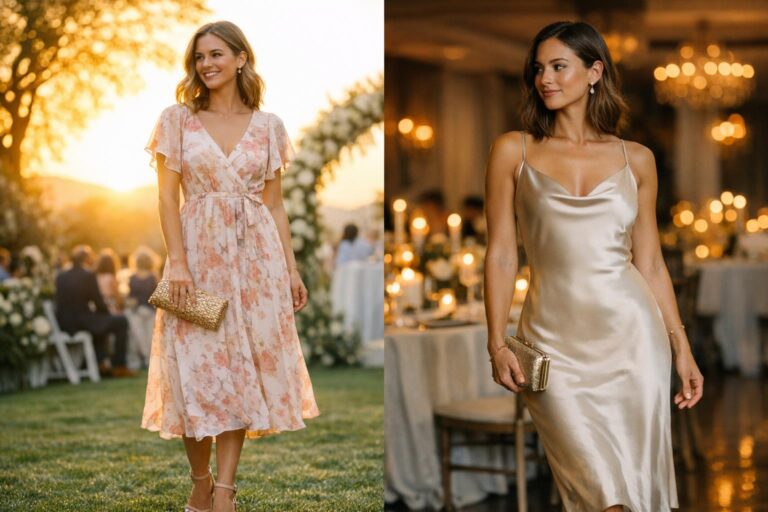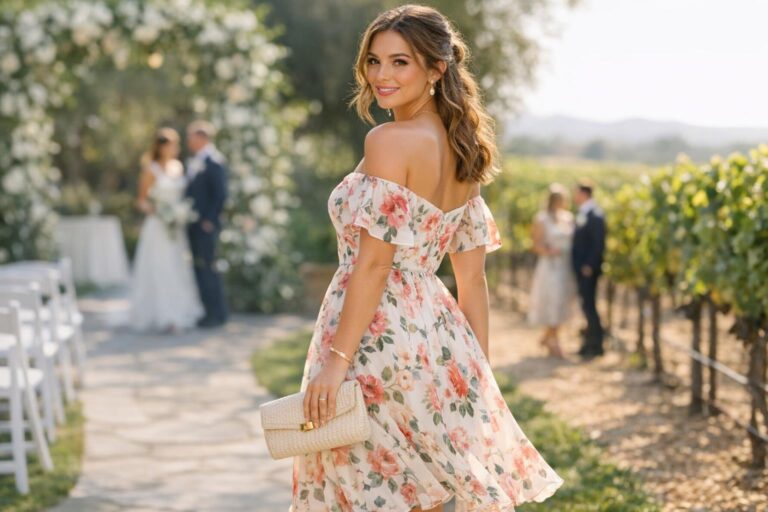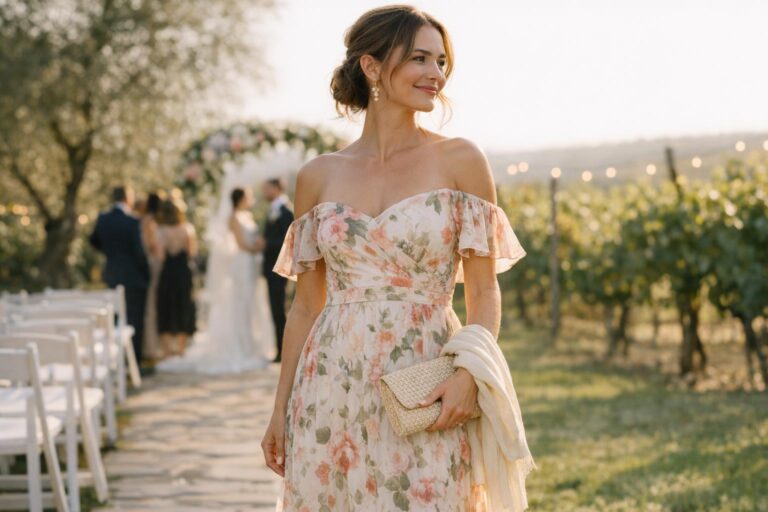
Wedding Guest Dress Black Women: Minimalist or Romantic?
The moment you see “black attire welcome” or “formal evening reception” on a wedding invitation, the black dress conversation begins—especially for guests who want a look that photographs beautifully, feels confident, and moves comfortably from ceremony to dance floor. For many readers searching wedding guest dress black women, the goal is not simply finding a black dress; it’s choosing the right kind of black dress for the setting, the dress code, and the mood of the celebration.
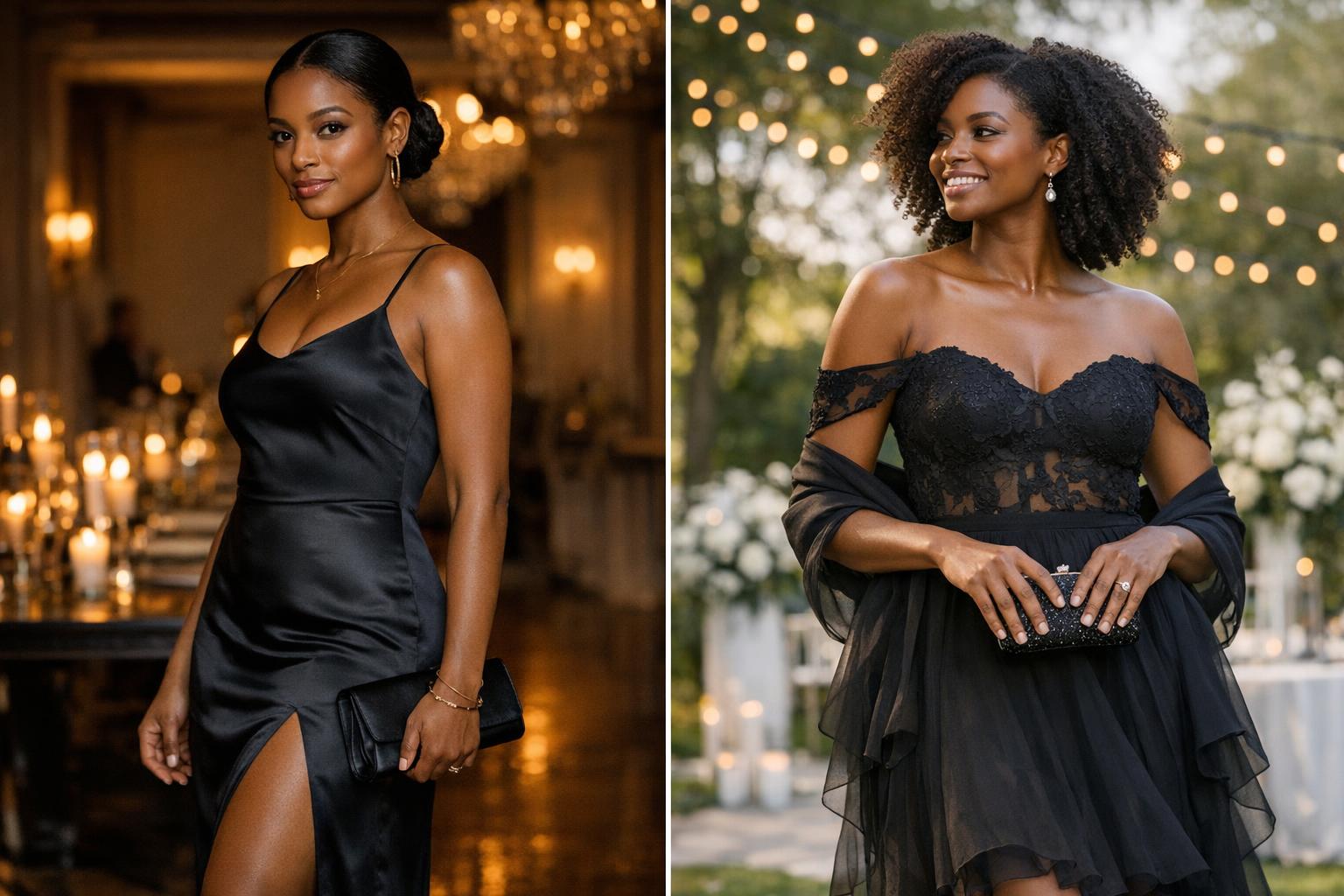
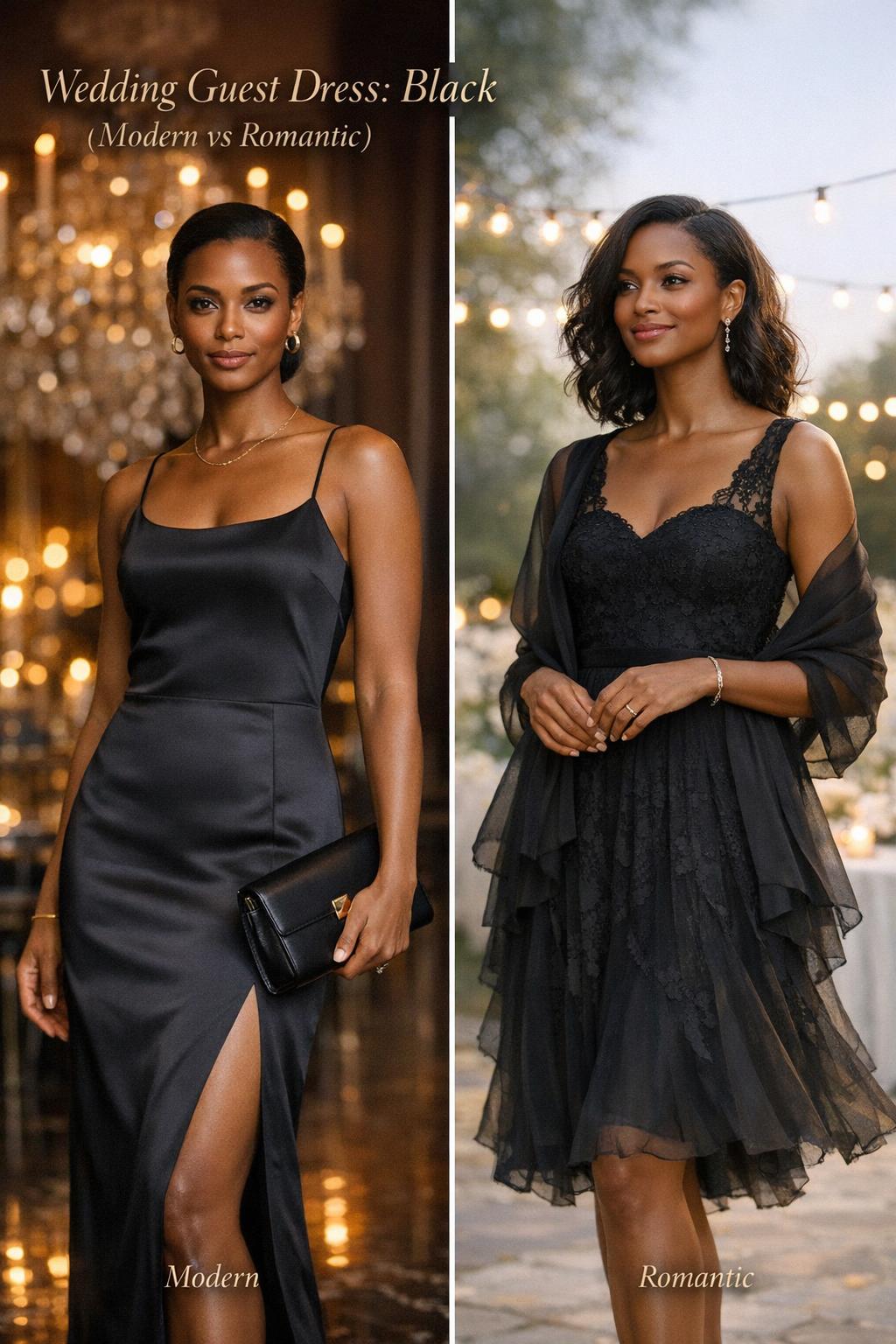
Two aesthetics tend to dominate the search: the sleek, minimalist “modern evening” approach (think satin slip lines, clean tailoring, understated shine) and the romantic, detail-forward approach (lace, chiffon movement, subtle sheerness, and more texture). They’re often discussed together because both can read as wedding-appropriate, both appear across major retailers and designer collections, and both translate well across lengths—mini, midi, and maxi—depending on venue and formality.
Below, we’ll break down these two styles like a wedding stylist would: how they look, how they behave in real wedding scenarios (garden ceremony vs. ballroom reception), how to choose silhouettes and fabrics with intention, and where renting versus buying can make the most sense. Along the way, you’ll see how brands and retailers like Lulus, TOBI, Rebecca Vallance, Dillard’s, Windsor, Showpo, Goddiva, BeryLove, and Rent the Runway fit into the decision—because “black wedding guest dresses” is a category, but style is always personal.
Style overview: modern minimalist black (sleek satin, clean lines, quiet glamour)
This aesthetic treats black as a sophisticated canvas. The defining characteristic is restraint: a streamlined silhouette (often sheath or slip-leaning), a fabric that does the talking (satin is the classic), and details that feel intentional rather than ornate. The mood is candlelit and polished—perfect for formal evening weddings where you want the dress to look elevated without competing with the occasion.
Your wedding look is only the beginning.
Keep your guest list, vendors, timeline, and every important detail together with Zarellea — so your day feels as considered as your style.
Typical silhouettes include sheath and other body-skimming shapes, as well as simple A-line versions that still read clean. Length can shift the tone: a black maxi dress wedding guest look feels cinematic, a midi feels architectural and versatile, and a mini leans modern and playful—best reserved for less formal settings.
Fabrics usually sit on the smoother end of the spectrum: satin is the hero, while structured options (premium tailoring and crisp finish) push the look into luxury territory—an area where designer-focused collections like Rebecca Vallance naturally align with the aesthetic.
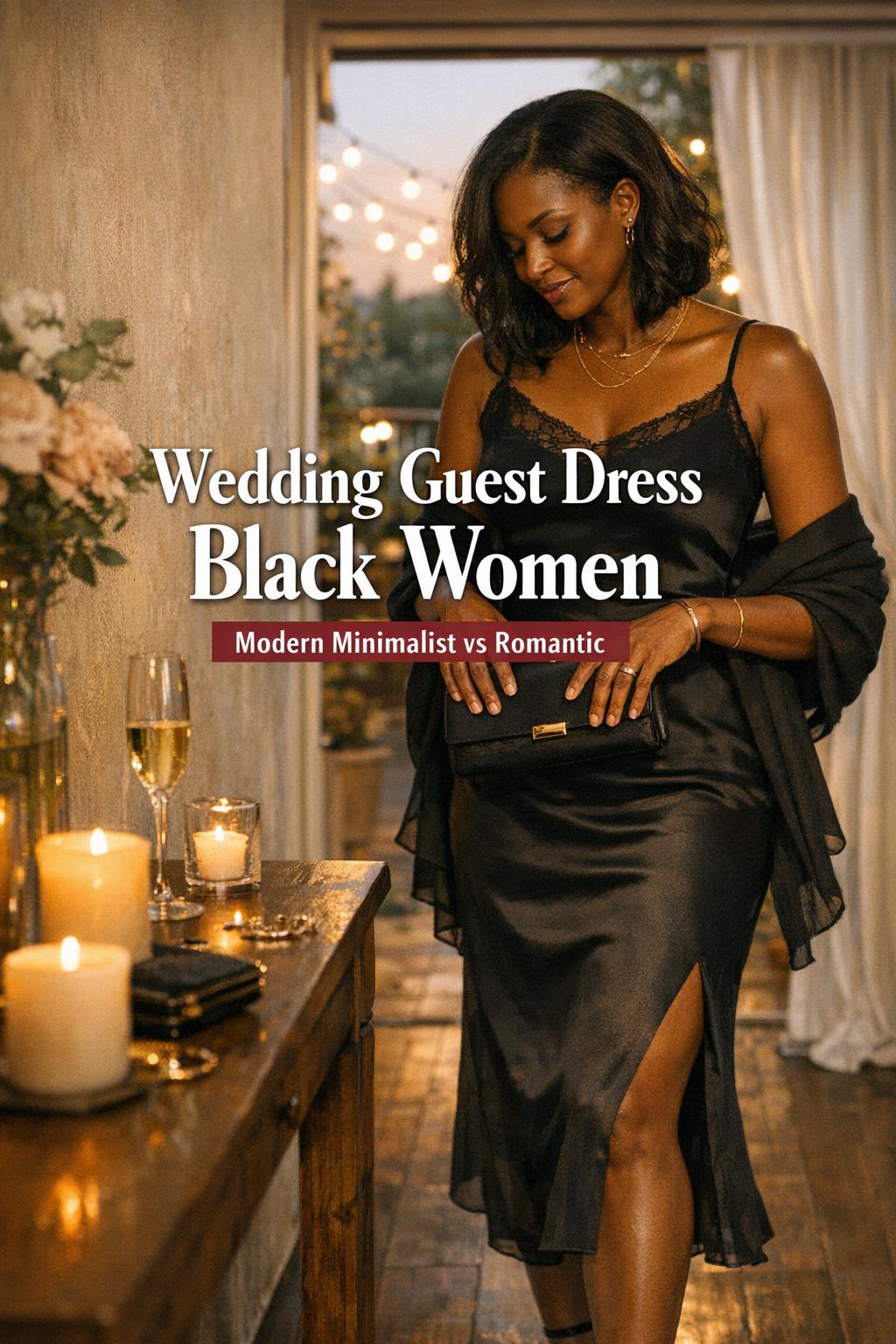
Style overview: romantic black (lace, chiffon, texture, and movement)
Romantic black wedding guest attire is less about minimal lines and more about how the dress moves and catches light. Lace, chiffon, and sheer details add dimension—especially at outdoor ceremonies where natural light can make texture feel almost luminous. The mood is soft but intentional: garden ceremony elegance, vineyard breezes, and a reception that starts before sunset and ends under string lights.
Common silhouettes include fit-and-flare and other shapes designed to create a gentle waist and fluid skirt, along with A-line and midi silhouettes that feel universally flattering. Lace and sheer details can add “subtle glamour” without forcing a heavily embellished look. In retailer assortments, this aesthetic shows up across a wide range of price points, including broad catalog pages like TOBI, Lulus, Showpo, Windsor, Goddiva, and Dillard’s, where you can filter by length, sleeve, and neckline to find the right degree of romance.
Texture is the core language here. Chiffon reads airy; lace reads intricate; and a more layered construction can feel especially appropriate when you want black to look celebratory rather than purely sleek.
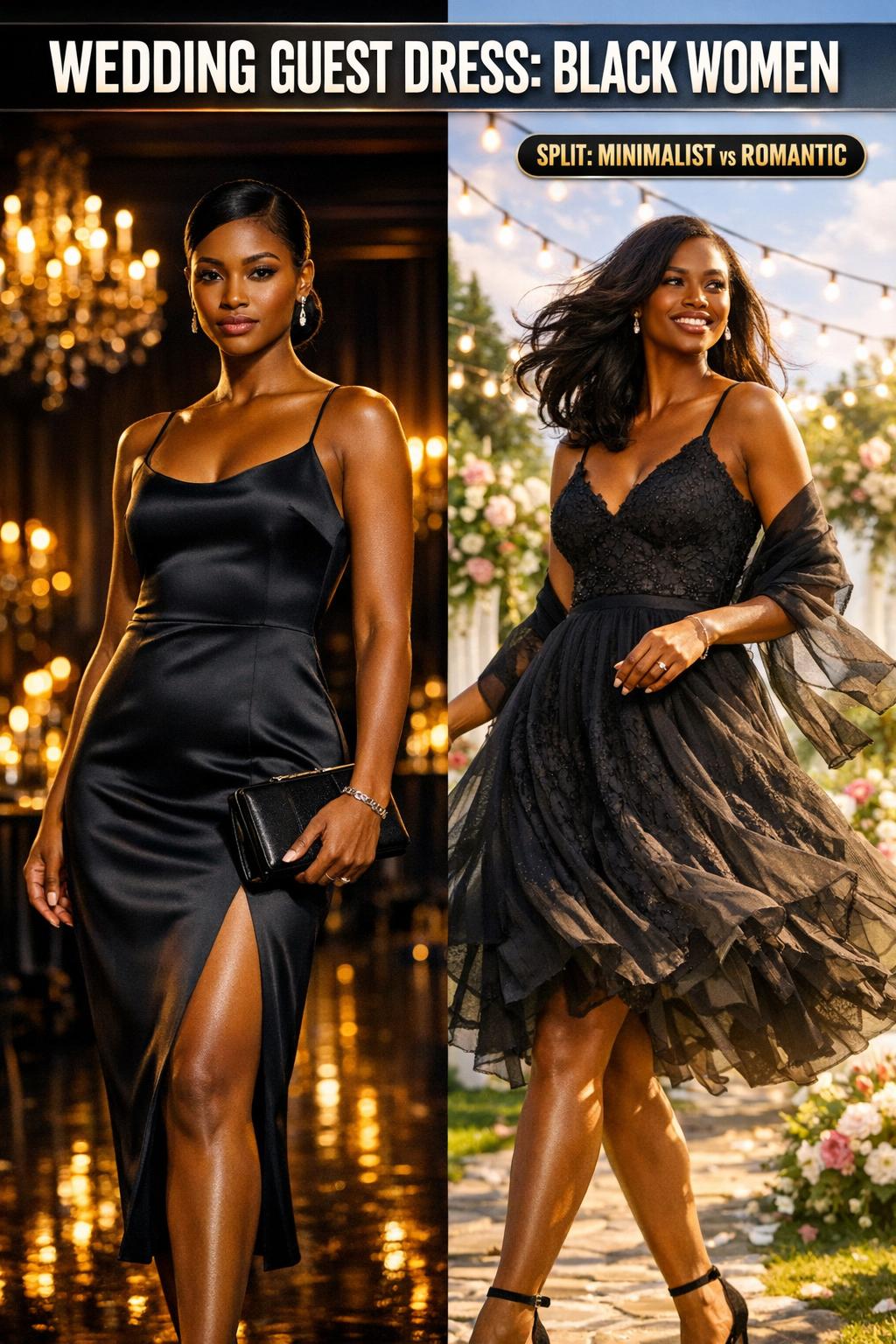
The key differences that actually matter at a wedding
On paper, both styles live under the same umbrella—black wedding guest dresses—but their impact in photos, comfort over a long day, and appropriateness by dress code can differ. The simplest way to choose is to focus on structure, texture, and how you want your look to register from a distance.
Silhouette and structure: sculpted line versus expressive shape
Minimalist black tends to prioritize a continuous, uninterrupted line: sheath-like shapes, sleek maxi lengths, and midi proportions that look crisp. Romantic black tends to build shape through movement: fit-and-flare energy, layered chiffon, and lace placements that create visual rhythm. If you want a clean, editorial profile for an evening reception, minimalist structure delivers; if you want softness and dimension that reads beautifully in daylight, romantic silhouettes often shine.
Fabric behavior: satin’s glow versus chiffon’s float (and lace’s texture)
Fabric is not a small detail at weddings—it determines comfort, drape, and how the dress looks in different lighting. Satin looks luminous under reception lighting and feels aligned with formal dress codes. Chiffon brings movement for outdoor venues and warmer climates. Lace and sheer details create depth and can balance a black color palette so it feels celebratory rather than heavy.
Level of formality: reading the room from semi-formal to black-tie
Both aesthetics can work across dress codes, but they do so differently. For semi-formal, romantic midi dresses in chiffon or lace often feel effortless—especially with thoughtful accessories. For Black Tie Wedding Guests, minimalist silhouettes in satin or premium tailoring become the clearest translation of “evening.” A true black tie wedding guest dress typically looks intentional from head to toe: length, fabric richness, and styling cohesion all matter.
Styling philosophy: accessory-led minimalism versus detail-led romance
Minimalist black often asks accessories to carry the personality: the right shoes, jewelry, and clutch create the “finish.” Romantic black already includes visual interest in the dress itself, so styling is about refinement—choosing accessories that support texture rather than compete with it.
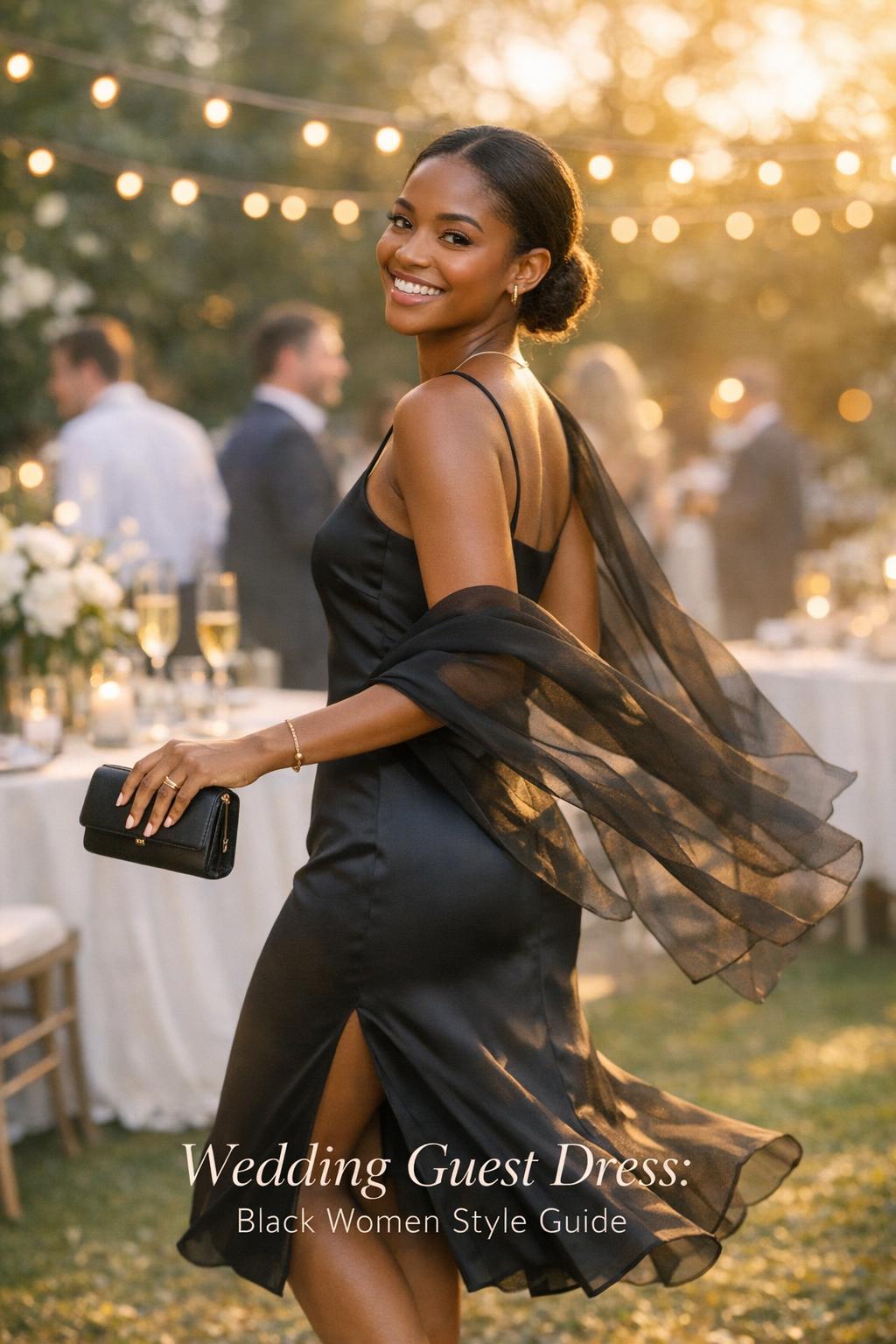
Visual style breakdown: how these looks read in real wedding settings
Wedding dressing is a series of micro-decisions: walking across grass to a ceremony, sitting through vows, hugging relatives, and dancing late. A black dress that looks perfect on a product card can feel very different once you add weather, venue, and time into the equation. Here’s how minimalist and romantic black tend to “behave” visually and practically.
Layering and coverage: sleeves, sheerness, and the ceremony-to-reception transition
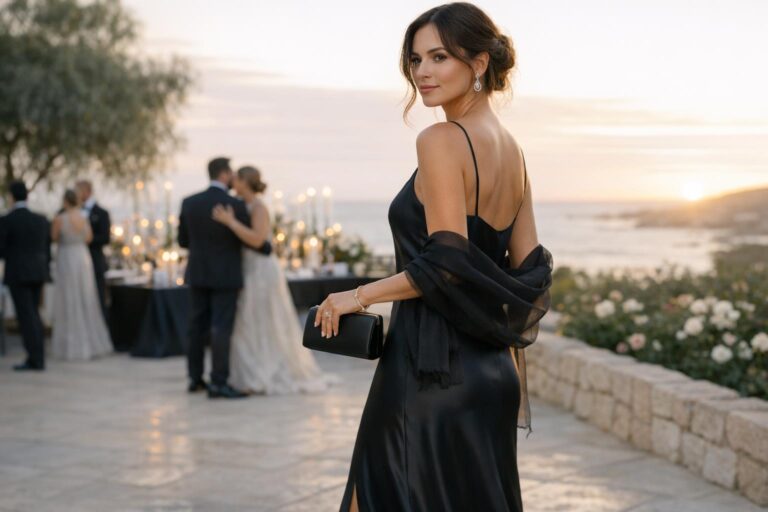
Minimalist dresses often rely on a clean neckline and simple sleeve story—sleeveless or streamlined sleeves—so layering becomes important if the ceremony is cooler. Romantic dresses can build coverage through lace or sheer sleeves, which can feel more naturally integrated. If you know you’ll need extra warmth, the concept of a formal dress with scarf becomes a styling tool rather than an afterthought: it can soften a sleek silhouette or echo the romance of lace without changing the dress itself.
Proportions and balance: maxi drama, midi versatility, mini play
A black maxi dress wedding guest moment reads dramatic in either aesthetic, but the source of drama changes: minimalism delivers drama through uninterrupted length, while romance delivers it through movement and texture. Midi lengths are the great equalizer—flattering, venue-flexible, and comfortable for long celebrations. Mini dresses are more context-dependent: they can work for a less formal wedding, but they require extra care with styling so the look stays wedding-appropriate rather than “night out.”
Accessories and finish: the same black dress can look entirely different
Accessories function like a spotlight. With minimalist black, they create the narrative—especially shoes, jewelry, and a clutch. With romantic black, they act more like punctuation, helping the look feel intentional. Many shopping experiences on category pages (like Lulus or Windsor) encourage filtering by necklines and sleeves, but your accessory plan should be just as deliberate as your dress filter.
- Minimalist black + accessories: choose a clear focal point (shoes or jewelry) and keep the rest refined.
- Romantic black + accessories: echo the dress’s tone (soft, delicate, textural) and avoid over-layering competing details.
- Either style: a small clutch reads polished and keeps the silhouette clean for photos.
Silhouette comparison: choosing length and shape with dress code in mind
Silhouette is where “what you love” meets “what the wedding requires.” Most major collections organize black wedding guest dresses by length—maxi, midi, mini—because length is the quickest shortcut to formality. But shape matters just as much, especially when you’re thinking about comfort, movement, and how the dress holds up over hours.
Maxi: the black-tie translator (especially in satin or chiffon)
For Black Tie Wedding Guests, a maxi silhouette often feels like the most direct interpretation of the dress code. In minimalist styling, a long satin line looks sleek under evening lighting. In romantic styling, chiffon brings float and softness that feels beautiful at outdoor ceremonies. If you’re drawn to a split, treat it as a design feature that should feel intentional and balanced—particularly important at a wedding where you’ll be sitting, standing, and moving through crowds.
Shopping note: retailer category pages like TOBI, Lulus, and Goddiva typically make it easy to scan maxi options quickly, while designer-led collections like Rebecca Vallance lean into elevated silhouettes and polished finishing.
Midi: the versatile choice for semi-formal and formal
The midi is the stylist’s quiet favorite because it adapts. In minimalist form, it reads sharp and modern—ideal for venues that feel contemporary or city-chic. In romantic form, a chiffon or lace midi can feel effortless for a garden ceremony. If you’re unsure whether the crowd will skew dressy or relaxed, a black midi wedding guest dress is often the most dependable middle path.
Mini: modern and playful, but venue-sensitive
A mini can absolutely belong in wedding guest attire, but it needs the right context: a less formal dress code, a festive atmosphere, and styling that keeps the look refined. This is where the “little black dress for wedding guest” idea can work—especially when you choose a structured silhouette or a romantic fabric like lace that signals occasion rather than everyday.
Lace and sheer details: texture that changes the mood of black
Lace and sheer elements often bridge the gap between minimalist and romantic. Even a clean silhouette becomes more wedding-forward with a lace overlay or sheer sleeve. For guests considering modesty preferences, lace and sheerness can be styled thoughtfully—offering coverage while still feeling light, rather than relying on heavier layers.
Fabric and venue pairing: garden, beach, ballroom, and destination
Black is remarkably adaptable, but fabric determines whether it feels comfortable and appropriate in the setting. Many collections highlight satin, chiffon, and lace because they cover the broadest range of wedding venues and dress codes, from semi-formal ceremonies to formal evening receptions.
Garden and outdoor ceremonies: let chiffon do the work
For garden or outdoor weddings, chiffon’s movement reads romantic and breathable. It also looks lively in daylight, helping black feel airy rather than heavy. A midi in chiffon can be especially practical on grass or uneven surfaces, where a floor-length hem might need more attention.
Ballroom and formal evening receptions: satin and polished finish
Ballrooms call for fabric that reflects light: satin naturally suits a formal black dress for wedding settings because it looks elevated under chandeliers and candlelight. This is where minimalist black feels effortless, and where a black tie wedding guest dress often becomes more about line and finish than about added ornament.
Destination and beach-adjacent weddings: prioritize movement and practicality
Destination weddings often introduce wind, heat, and travel logistics. A romantic approach in chiffon can feel appropriate and pack-friendly, while a minimalist midi can be a smart option for versatility. If the event is near sand or boardwalk surfaces, consider how the hem and fabric will behave—black is forgiving, but dragging fabric is not.
Tips: how stylists keep black wedding guest looks from feeling “too serious”
Black can read timeless and celebratory, but it can also skew severe if the dress and styling feel overly stark. The adjustment is rarely about changing color; it’s about changing texture, proportion, and finish so the look belongs at a wedding rather than a generic evening out.
- Add dimension through fabric: lace or chiffon can soften the mood without changing the color palette.
- Use neckline and sleeve choices to set the tone: a refined neckline can feel formal, while sleeves can add ceremony-appropriate polish.
- Let one detail lead: a split can work beautifully when the rest of the silhouette stays composed and wedding-appropriate.
- Consider a formal dress with scarf for transitions: it can feel elegant at a ceremony and practical when temperatures dip.
When you’re browsing black wedding guest dresses across big assortments—Dillard’s for breadth, Windsor and Showpo for accessible options, Goddiva for statement details like sequins or cutouts—pause on the fabric and the finish. That’s where the “wedding” feeling comes from.
Size, fit, and the reality of shopping online
Most shoppers discover their dress through category listings and filters—color, length, sleeve, neckline, price. That’s efficient, but fit is where the decision becomes personal. A black dress is less forgiving of discomfort than many people expect; if you’re tugging at straps or adjusting a neckline, it shows in posture and in photos.
Choosing the right size: filters help, but the size guide is the closer
For online purchases, treat the size guide as part of the styling process. Brands and retailers organize inventory differently, so checking measurements and understanding return policies matters—especially when you’re deciding between a sleek sheath (which demands precision) and a romantic chiffon silhouette (which can be more forgiving). Category pages like Lulus, TOBI, and Dillard’s are built for quick narrowing, but the final step should always be fit confirmation.
Alterations: the quiet difference between “nice dress” and “wedding-ready”
Even a well-chosen dress can benefit from small adjustments. Hemming a maxi to the right shoe height, refining strap length, or shaping the waist slightly can make an affordable black wedding guest dress look intentionally tailored. In real wedding schedules, the most practical approach is to plan alterations early enough that you can do a final try-on with your shoes and any layering piece, including a scarf if you’re styling a winter wedding guest dress.
Inclusive styling: plus size options and comfort-first elegance
Inclusive fashion isn’t a separate category of style; it’s the expectation that every guest deserves choice in silhouette, fabric, and mood. Plus size black wedding guest dress searches often focus on fit confidence and variety—exactly why broad assortments and size-inclusive messaging matter. Collections like BeryLove are known for highlighting plus size offerings, while department-store variety at Dillard’s can provide range across brands and price points.
From a styling standpoint, the most reliable method is to choose the aesthetic first (minimalist vs. romantic), then select the silhouette that supports comfort across a long event. A midi with movement can feel freeing during seated moments and dancing; a tailored sheath can look stunning but may require more precision in sizing and alterations. Neither is “better”—the best dress is the one you can wear for hours without losing ease.
Tips: modesty, coverage, and cultural preferences without sacrificing style
Many guests consider modesty norms or personal comfort with coverage. Lace sleeves, layered chiffon, and thoughtful necklines can offer elegance without feeling restrictive. If you prefer more coverage for the ceremony and less for the reception, a formal dress with scarf can be an elegant solution that feels intentional rather than purely practical.
Brand and retailer comparison: where each aesthetic tends to live
Shopping for black wedding guest dresses is often a comparison exercise, whether you realize it or not: designer polish versus retailer variety, buying versus renting, and curated editorials versus product-heavy catalogs. Here’s how the landscape typically sorts itself when you’re deciding between minimalist and romantic black.
Designer polish: Rebecca Vallance and the appeal of elevated tailoring
If you’re drawn to minimalist black with a luxury finish, designer-led collections like Rebecca Vallance naturally align. The emphasis is on elevated silhouettes, premium tailoring, and a fit-and-finish that reads formal without relying on heavy embellishment. This is especially relevant when the dress code leans formal or black-tie and you want the dress to look composed from every angle.
Retail variety: Lulus, TOBI, Windsor, Showpo, Goddiva, Dillard’s, and BeryLove
For most guests, the decision comes down to selection and filters: lengths (maxi, midi, mini), sleeves, necklines, and price bands. That’s where large assortment pages excel. Lulus and TOBI are often approached as easy browsing destinations for black wedding guest dresses by length and neckline. Windsor and Showpo tend to show accessible occasion-wear variety, including minis and midis that lean modern. Goddiva often speaks to bolder design features—sequins, cutouts, and statement energy—useful when you want black to feel festive. Dillard’s provides department-store breadth across multiple brands, which is valuable if you want to compare silhouettes side by side. BeryLove stands out for plus size visibility and versatile silhouettes across formal and semi-formal needs.
Renting versus buying: Rent the Runway as a style strategy
Renting changes how you shop: instead of asking “Will I wear this again?” you ask “Is this the best possible version of the dress for this specific wedding?” Rent the Runway’s black wedding guest dresses category highlights that logic, especially for black-tie moments where designer silhouettes and special fabrics can make a meaningful impact. Buying can be the better choice when you want a repeatable wardrobe staple—like a refined black midi—or when you’ve found a silhouette you know you’ll reach for across seasons.
Outfit logic in action: the same wedding, two different black dress aesthetics
Rather than treating outfits as a checklist, it helps to imagine the wedding day as a sequence of scenes. Below are a few real-world comparisons showing how minimalist black and romantic black approach the same dress code and venue differently—without changing the core idea of elegant wedding guest attire.
Example comparison: garden ceremony, late-afternoon light
Minimalist black leans into a clean midi silhouette with a refined neckline, letting the shape feel modern against greenery; the styling finishes with polished shoes and pared-back jewelry so the look stays airy. Romantic black chooses chiffon movement or lace texture to echo the softness of the venue; the accessories stay delicate so the fabric remains the focal point. In both cases, the difference is how black is “softened”—by sleek proportion in minimalism, and by texture in romance.
Example comparison: formal evening reception in a ballroom
Minimalist black is at its strongest here: a satin maxi with a clean line reads immediately formal, and a split can be striking if it stays balanced and wearable. Romantic black can work beautifully too, but the romance often shifts toward refined lace or subtle sheen rather than overly busy detail—because the lighting is already dramatic. The most important difference is the fabric’s relationship to light: satin glows; lace textures; chiffon moves.
Example comparison: semi-formal celebration with dancing as the main event
Minimalist black tends to choose a midi that won’t restrict movement and will stay in place through hours of celebrating; accessories provide personality. Romantic black often picks a fit-and-flare or chiffon midi for ease and comfort, letting the skirt move beautifully on the dance floor. If you’re sensitive to heat or anticipate a long reception, romantic movement can feel easier; if you prefer a composed look that stays sleek, minimalist structure can feel more secure.
Winter wedding guest dress decisions: warmth without compromising elegance
Black is naturally well-suited to winter weddings because it feels seasonally appropriate and photographs beautifully in low light. But winter comfort is rarely solved by the dress alone; it’s solved by the outfit plan. The key is to keep the silhouette and fabric aligned with the dress code while preparing for temperature changes between ceremony, transit, and reception.
Minimalist winter styling often focuses on a formal maxi or a refined midi in satin, then adds warmth through a carefully chosen layer. Romantic winter styling often relies on sleeves—lace or sheer with texture—or a chiffon construction that can be paired with a more substantial wrap. A formal dress with scarf becomes especially relevant in winter because it adds warmth while keeping the look wedding-appropriate and cohesive.
Tips: keeping a winter look polished for photos and practical for the evening
- Plan your hem with your evening shoes in mind; winter venues often mean more walking and more transitions.
- If you’re considering a split, test how it feels when seated and when stepping onto a dance floor.
- Choose one warm layer that looks intentional (a scarf can feel elegant) rather than multiple bulky pieces that disrupt the silhouette.
Common mistakes with black wedding guest attire (and how to fix them)
Most “black dress regrets” happen when the guest chooses a dress that’s beautiful in isolation but mismatched to the wedding’s setting or formality. Because black is such a familiar color, it’s easy to underestimate how much the fabric, length, and styling communicate.
One frequent issue is choosing a mini silhouette for a wedding that leans formal; the fix is either shifting to a midi or making the mini feel more occasion-forward through refined fabric and accessories. Another is picking a fabric that fights the venue—heavy-looking black for an outdoor daytime ceremony. In that case, lace, chiffon, or a romantic silhouette can rebalance the mood. For black-tie dress codes, the mistake is often underestimating the importance of finish; a black tie wedding guest dress typically benefits from a maxi length and a fabric that reads formal under evening light.
Finally, don’t ignore fit: a sleek sheath that’s slightly off in the bust or waist will distract all evening. If you love the dress, alterations can turn it from “close” to genuinely wedding-ready.
Buying versus renting: a decision matrix for real wardrobes
Choosing between buying and renting is less about budget alone and more about how you want black to function in your closet. Renting, as seen through platforms like Rent the Runway, often shines for formal one-off events where a designer dress feels worth it for a single night. Buying can make sense when you want a repeatable staple, like a black midi that can move between semi-formal weddings and other formal occasions.
- Rent when: the dress code is black-tie, you want designer variety, or you don’t want long-term aftercare.
- Buy when: you want a reliable “wedding guest uniform,” you’ve found a silhouette that consistently fits, or you attend multiple weddings across seasons.
- Either way: prioritize comfort and movement; weddings are long, and the best look is one you can forget about while you celebrate.
Aftercare: keeping black dresses looking rich, not tired
Black fabric shows wear differently than lighter colors: lint, creasing, and texture changes can stand out. Aftercare is part of the investment—whether you bought from a broad assortment at Dillard’s or chose a more elevated piece. Pay attention to the fabric type (satin, chiffon, lace) and treat it accordingly, especially if you want the dress to remain a go-to option for future weddings.
If you’re building a small occasion wardrobe, a well-maintained black midi or maxi becomes one of the most useful pieces you can own. If you prefer the variety of a new look for each celebration, renting shifts aftercare responsibility away from you, which can be a practical advantage during a busy wedding season.
Putting it all together: how to choose your best black wedding guest style
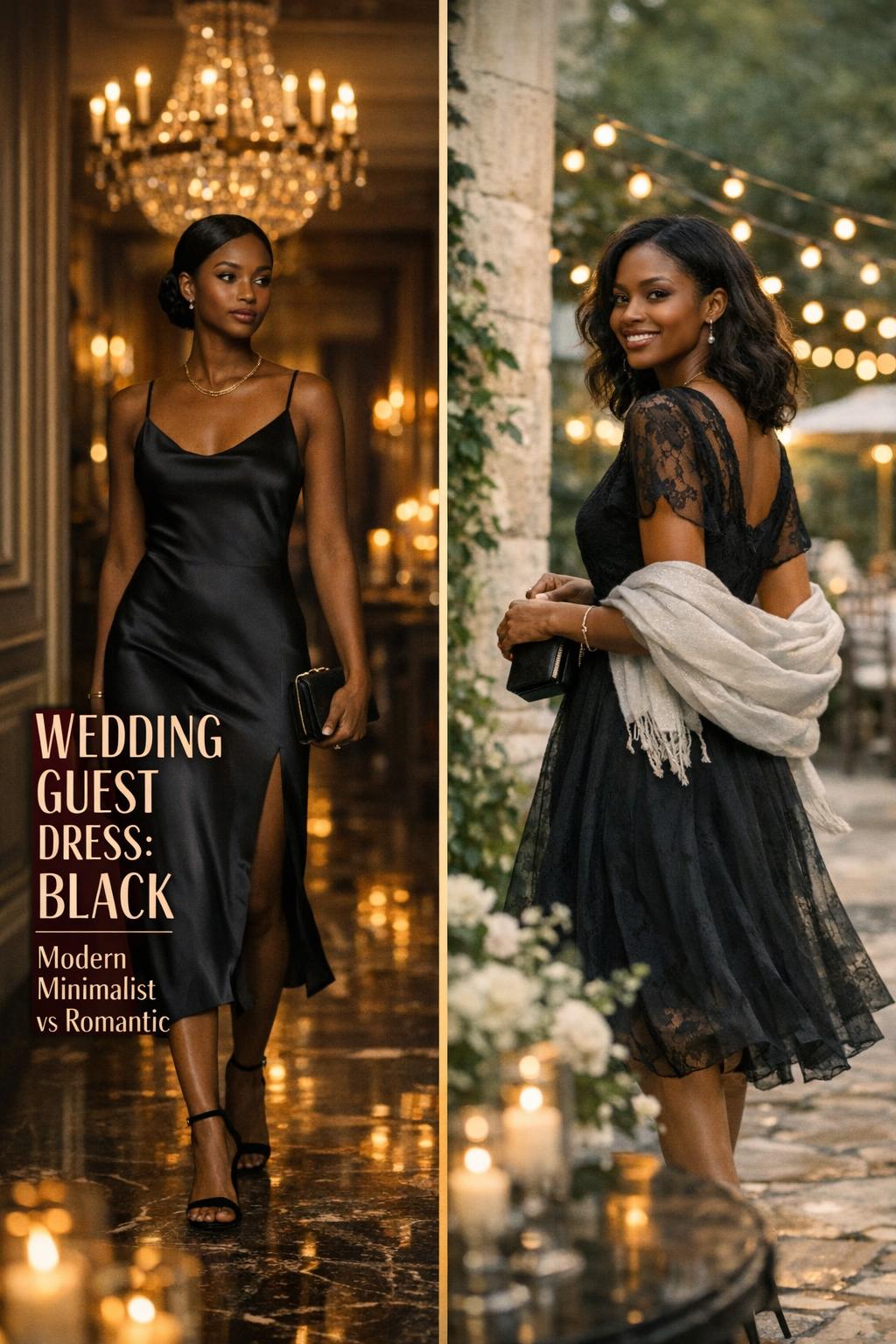
The most confident wedding guest looks come from clarity: you’re choosing not just a dress, but an aesthetic. Minimalist black is about line, satin glow, and accessory-led polish. Romantic black is about texture, chiffon movement, and detail that feels soft and celebratory. Both can be appropriate for weddings; the “right” one depends on venue, dress code, season, and your personal comfort with structure versus movement.
If you want a single rule to remember: for Black Tie Wedding Guests, lean into maxi length and a fabric finish that reads formal; for semi-formal, a midi in chiffon or lace offers versatility; and when in doubt, prioritize fit and comfort—because the most elegant guest is the one who can move through the day with ease.
FAQ
Is a black dress acceptable wedding guest attire in the U.S.?
Yes, black wedding guest dresses are widely worn in the U.S., especially for formal and evening celebrations; the key is choosing a silhouette, fabric, and styling that feel celebratory and aligned with the dress code rather than overly severe or casual.
What’s the best black tie wedding guest dress silhouette?
For a black tie wedding guest dress, a maxi length is typically the most seamless choice, especially in satin or another formal-looking finish; it reads immediately elevated and suits evening reception lighting.
How do I choose between a black maxi, midi, and mini for a wedding?
Maxi is the most formal and works beautifully for evening and black-tie settings, midi is the most versatile across semi-formal and formal weddings, and mini is best reserved for less formal celebrations where styling can keep the look polished and wedding-appropriate.
Can a dress with a split be appropriate for a wedding?
A split can be wedding-appropriate when it feels balanced with the rest of the silhouette and you’re comfortable sitting, walking, and dancing in it; it tends to look most refined on a well-fitted midi or maxi rather than a very short hemline.
What fabric should I choose for a garden wedding versus a ballroom wedding?
For garden settings, chiffon and lace often feel lighter and more dimensional in daylight, while satin typically suits ballroom and formal evening receptions because it reflects light and reads more traditionally formal.
How do I make a black dress feel more “wedding” and less like everyday evening wear?
Focus on one elevating element—formal fabric like satin, wedding-friendly texture like lace, or a romantic chiffon silhouette—then finish with intentional accessories like refined shoes, jewelry, and a clutch to create a cohesive occasion look.
Are plus size black wedding guest dresses easy to find?
Yes, many collections include size-inclusive options, and retailers with broad assortments can help you compare silhouettes and fabrics; brands like BeryLove also emphasize plus size offerings alongside styles that work from semi-formal to formal.
When does it make more sense to rent a black wedding guest dress?
Renting can be ideal for black-tie events or when you want designer variety without committing to long-term aftercare, which is why rental platforms like Rent the Runway are often used for formal wedding weekends and one-time statement looks.
How can I style a winter wedding guest dress in black without feeling cold?
Choose a formal-looking fabric and silhouette, then plan one elegant warming layer—such as a formal dress with scarf—so you can stay comfortable through transitions while keeping the outfit polished for photos and the reception.