Wedding Party Dresses for Garden Vows to Evening Receptions
The romantic language of wedding party dresses
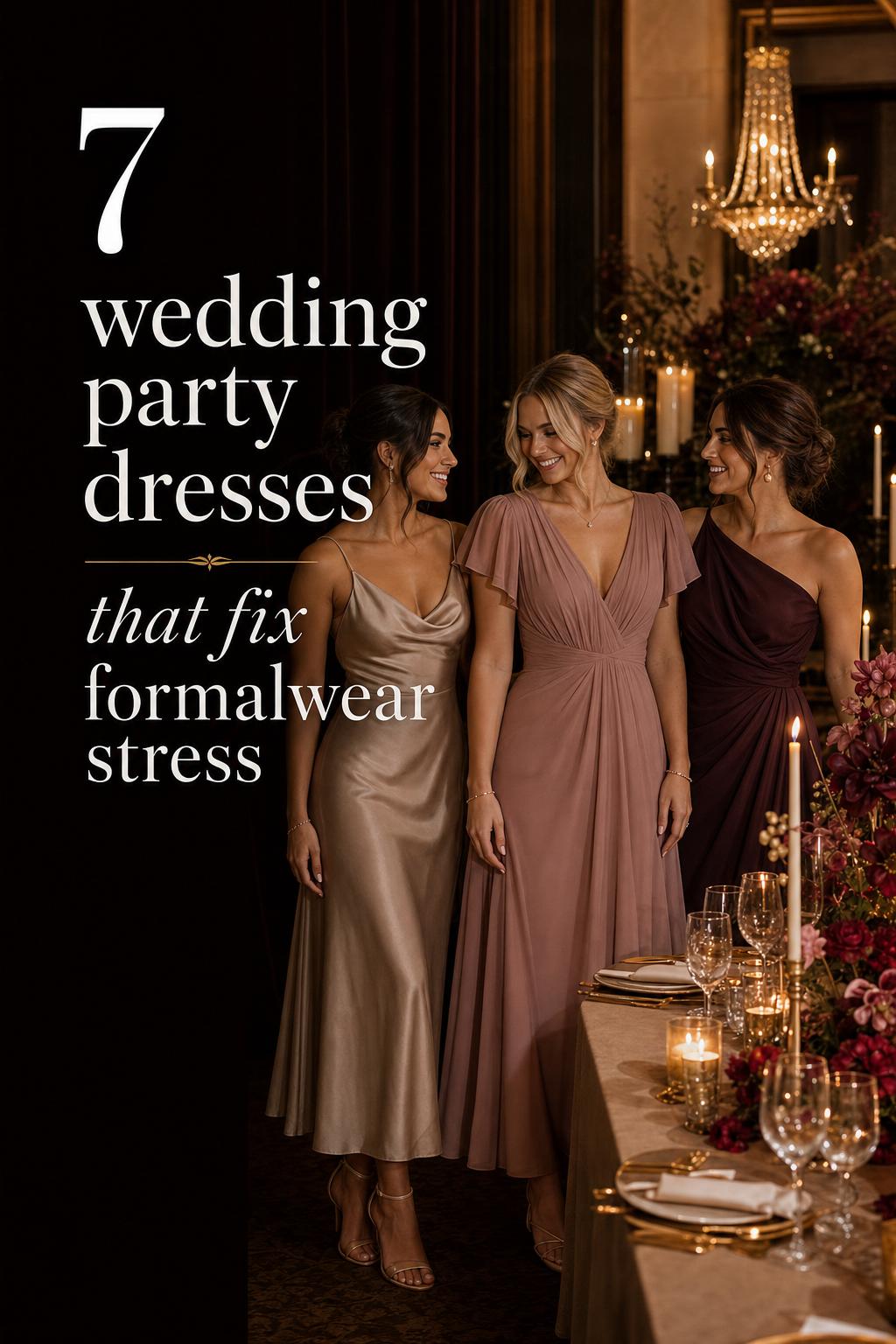
There is a particular kind of elegance reserved for wedding party dresses: polished, celebratory, and shaped by the atmosphere of the day itself. A sunlit garden ceremony calls for softness and movement, while a candlelit reception asks for richer texture and a little more structure. The appeal lies in that balance between beauty and occasion, where color, fabric, and silhouette feel considered rather than simply dressed up.
What makes this style especially compelling is its range. Wedding party dresses can lean airy and romantic, sleek and minimal, or festive with a touch of glamour, yet still belong to the same visual world. They are worn across destination weekends, formal evening celebrations, beach ceremonies, vineyard gatherings, and rustic countryside venues, which is precisely why they continue to hold such broad appeal. They let the wearer participate in the mood of the event while still expressing a personal sense of style.
The strongest looks do more than photograph well. They move comfortably through a long day, make sense for the dress code, and feel right from ceremony to reception. That is why choosing among wedding party dresses is less about chasing one formula and more about understanding the setting, the tone, and the visual identity you want to bring to the celebration.
A soft garden mood in flowing midi silhouettes
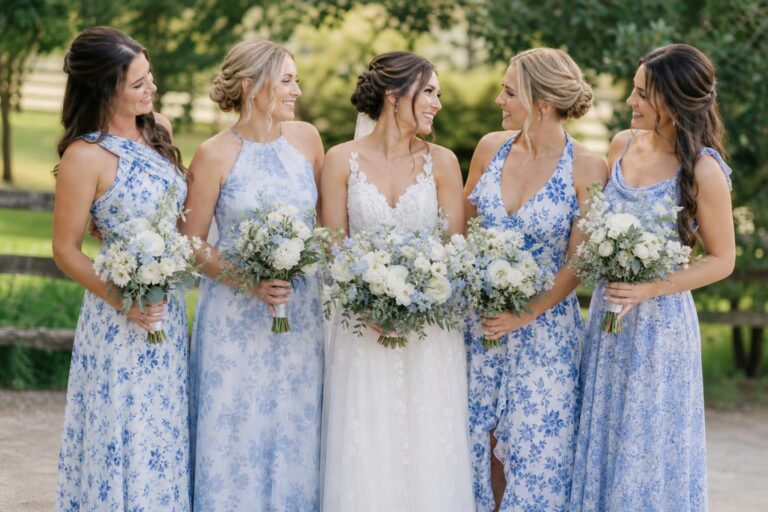
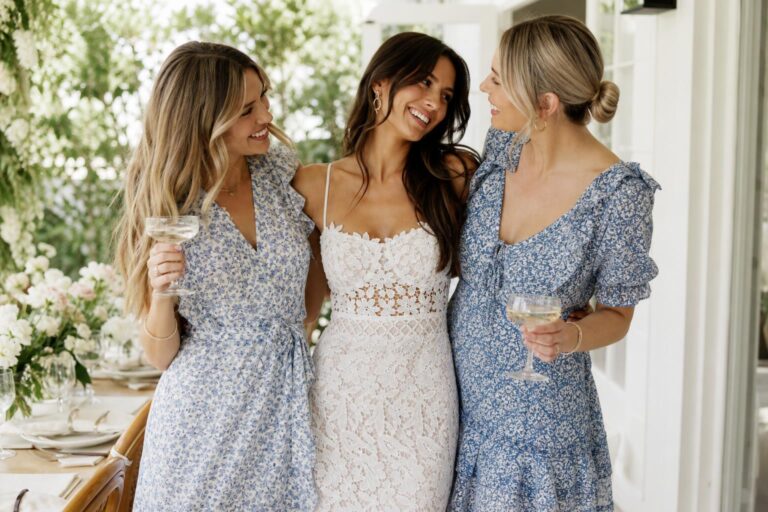
For daytime weddings, especially those held in a garden or vineyard setting, the most graceful direction often begins with fluidity. A flowing midi silhouette creates a light, romantic line that feels at home in golden-hour light and outdoor surroundings. The mood is easy but refined, with movement becoming part of the look as you walk across grass, mingle during cocktail hour, or sit through a long ceremony without feeling restricted.
Your wedding look is only the beginning.
Keep your guest list, vendors, timeline, and every important detail together with Zarellea — so your day feels as considered as your style.
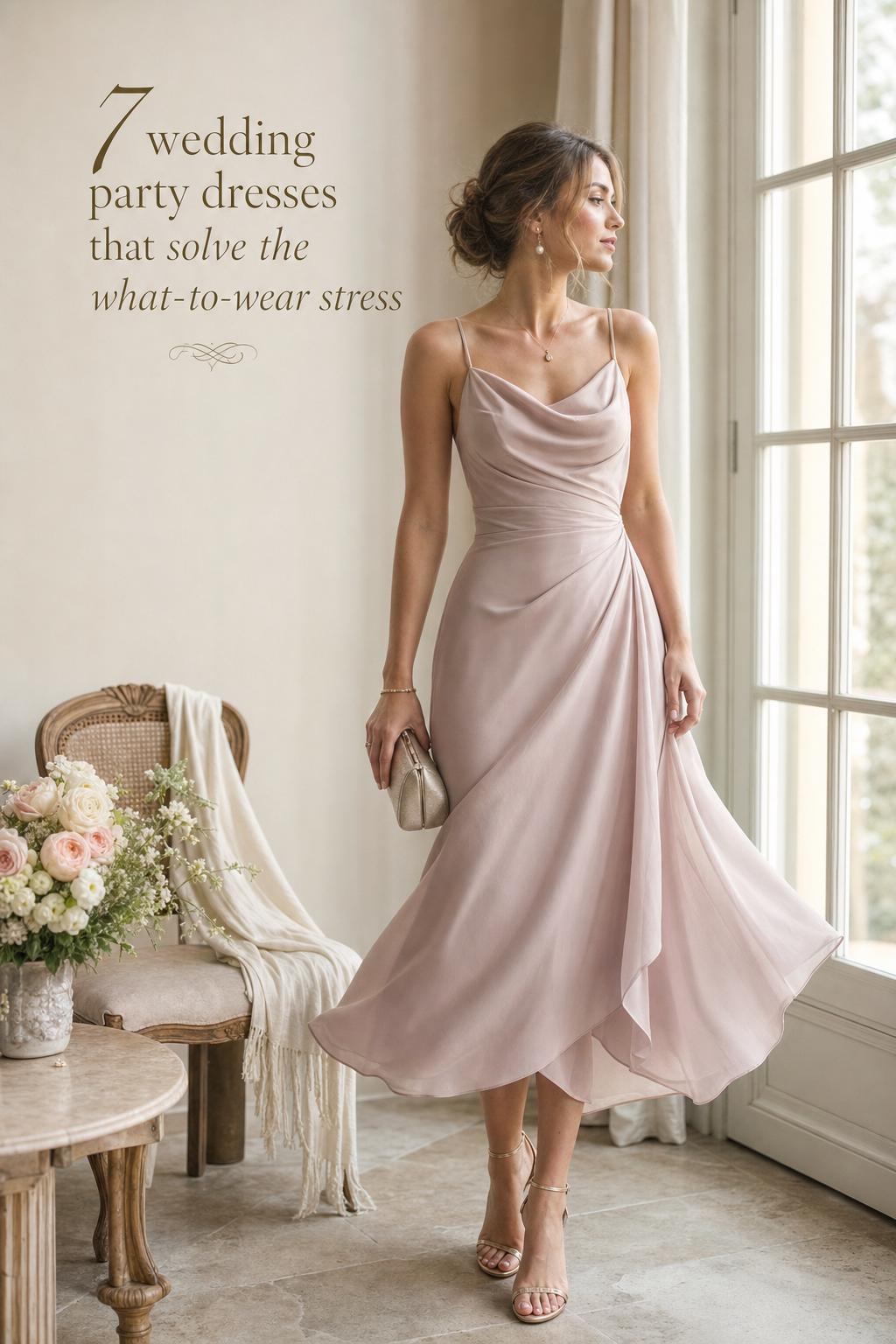
Chiffon and similarly breathable fabrics suit this mood beautifully. A soft pastel palette keeps the overall effect gentle, while subtle drape prevents the dress from feeling overly precious. In this interpretation of wedding party dresses, the charm comes from restraint: a shape that skims rather than clings, a hemline that feels occasion-ready without becoming fussy, and details that work naturally in daylight.
- Key garments: flowing chiffon midi dress, lightly defined waist, soft shoulder or sleeve detail
- Footwear: stable heels or dressy flats that handle outdoor ground more gracefully
- Accessories: understated jewelry, a small clutch, and a wrap if the celebration extends into the evening
This look fits the romantic wedding aesthetic because it responds to the venue rather than fighting it. In outdoor settings, lighter fabrics and balanced proportions tend to feel more polished than anything too heavy or sharply structured. It is a thoughtful choice for celebrations where comfort, movement, and atmosphere matter just as much as appearance.
Style tip: think about the ground beneath you
One of the most overlooked details in wedding dressing is terrain. Grass, gravel, and uneven stone can quickly change what feels wearable. A dress may look perfect on a hanger, but the styling only truly works when the shoes and hemline make sense for the venue. For a garden ceremony, elegance often looks quieter and smarter when practicality is built in from the start.
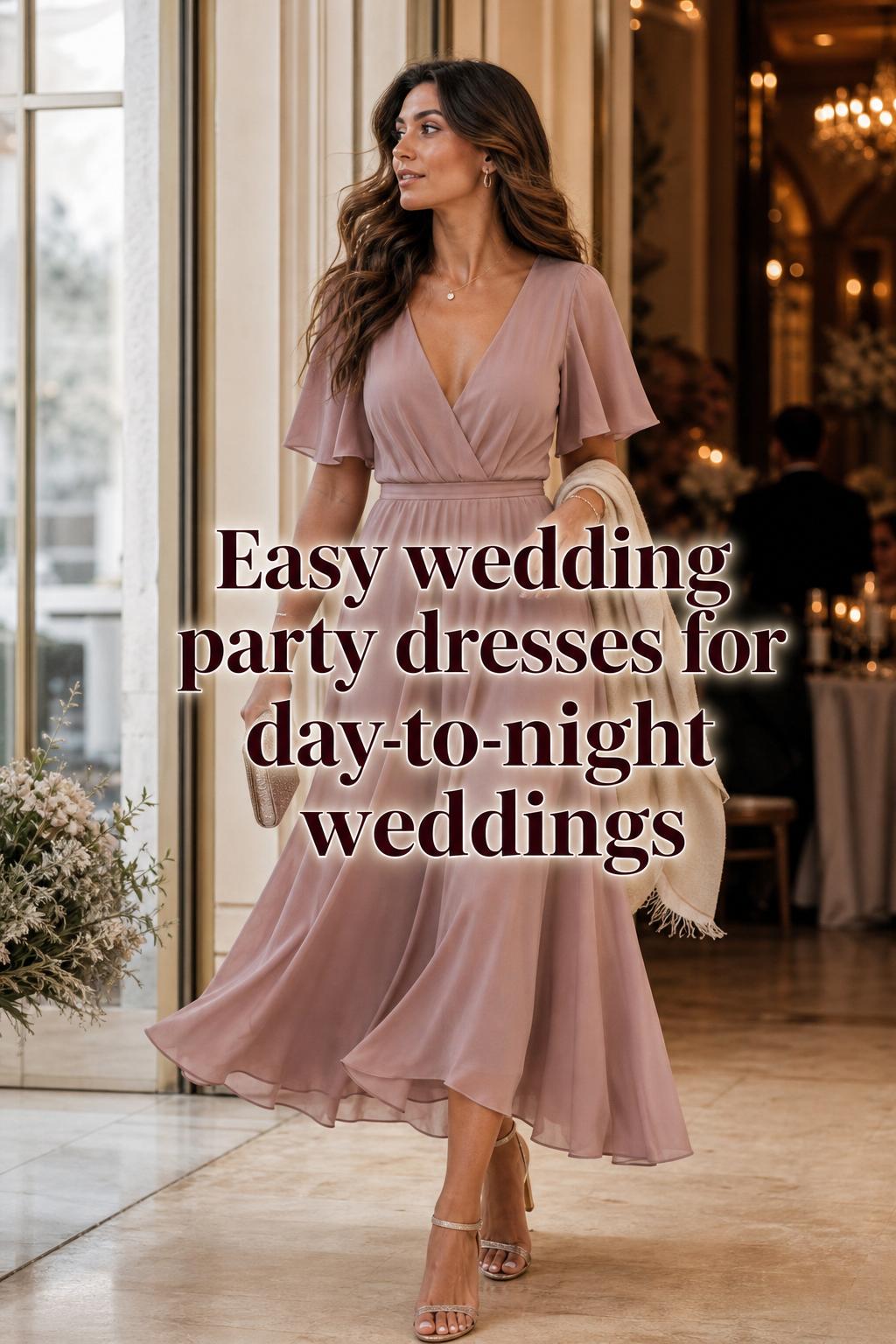
Look: structured satin for an evening reception
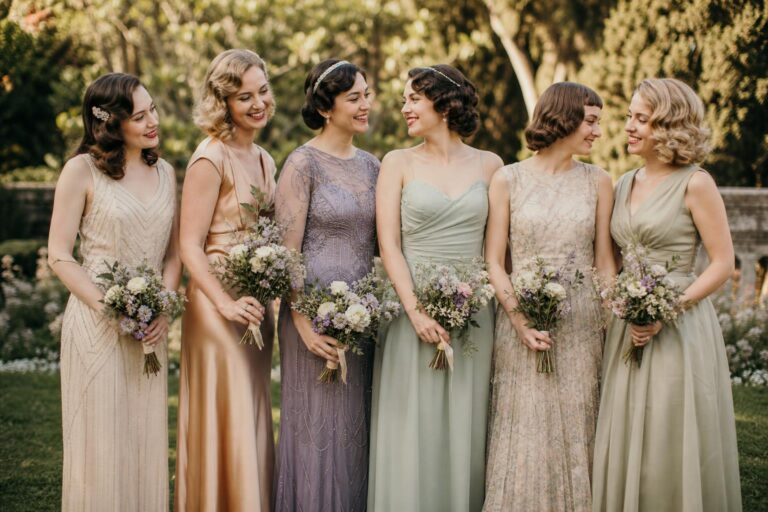
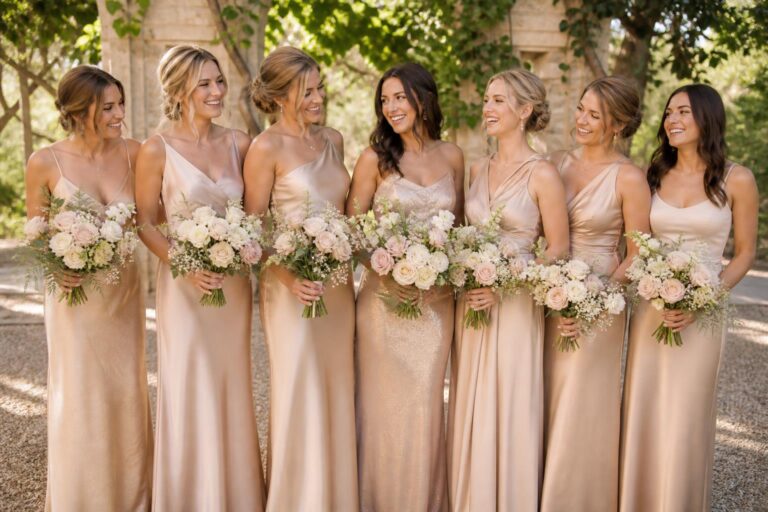
As the setting shifts into a formal reception, the visual language of the outfit changes with it. Candlelight, a ballroom interior, and the formality of an evening dress code all support a cleaner, more sculpted silhouette. This is where a structured satin slip shape or a similarly streamlined dress becomes especially compelling. The mood is sleek, modern, and a little more elevated, without losing the softness expected of wedding celebration dressing.
Satin brings depth in low light, which makes it especially effective for receptions that continue well after sunset. Deeper tones can feel naturally aligned with the evening atmosphere, while a minimal cut keeps the look from becoming too ornate. In the broader world of wedding party dresses, this interpretation is often the answer when the event reads formal but the wearer still wants something fluid rather than heavily embellished.
The reason this look works so well is its visual discipline. A structured fabric gives definition, but the slip-inspired silhouette keeps the result graceful rather than stiff. Add refined footwear and accessories that feel intentional, and the outfit carries itself with quiet confidence from dinner through the final dance.
How to keep evening dressing polished
With satin or similarly lustrous fabrics, proportion matters more than excess detail. If the fabric already catches the light, the rest of the styling can be edited down. A simple silhouette, clean accessories, and a considered layer for cooler hours often feel more elegant than trying to add drama in every direction at once.
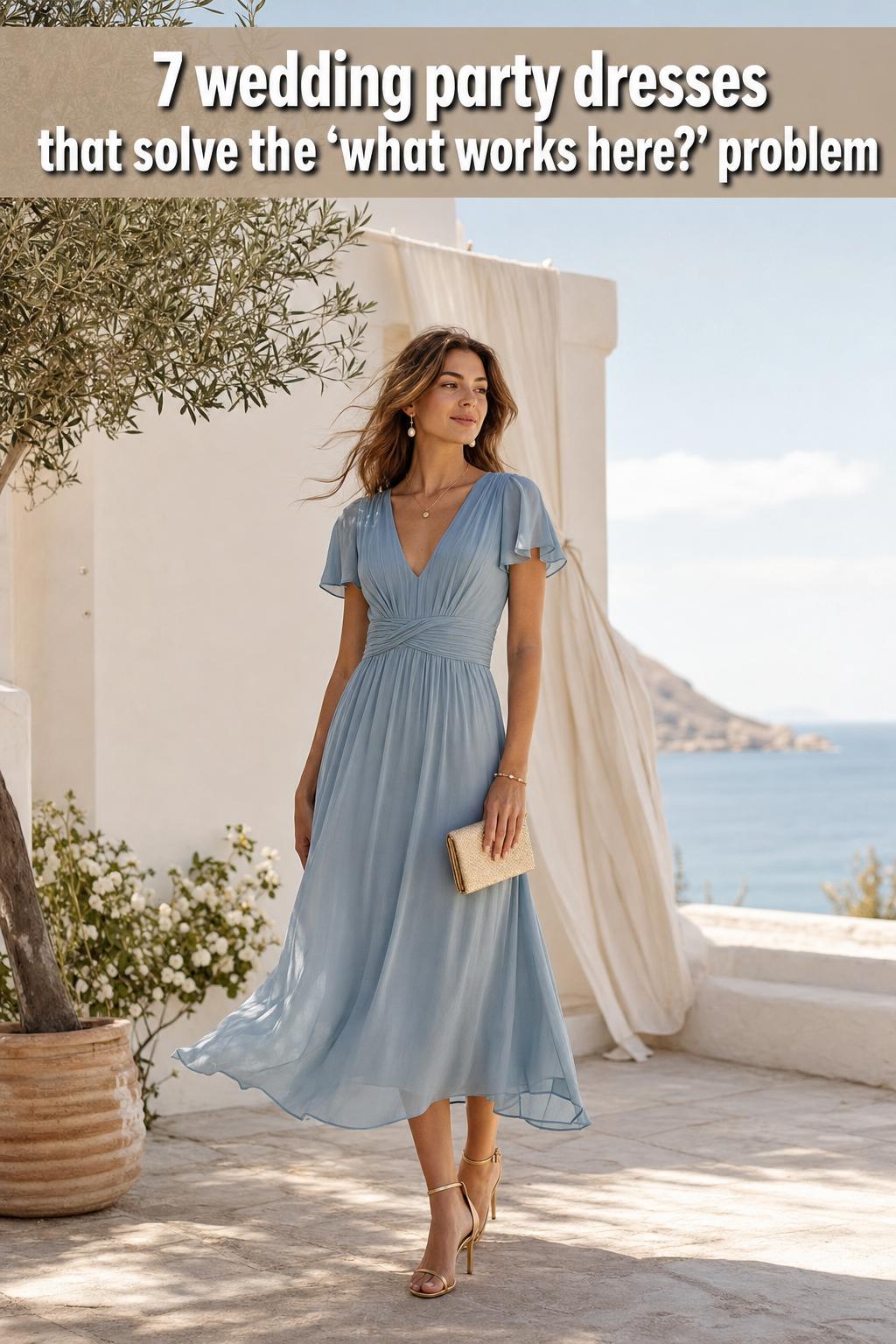
Look: beach ceremony ease with breathable movement
A beach wedding creates its own dress logic. The air is lighter, the setting is more relaxed, and the event often moves between ceremony, reception, and travel-like transitions. In that context, the best wedding party dresses lean into breathable fabrics and easy movement. The silhouette should feel fluid enough for ocean breeze and warm temperatures, while still looking intentional in photographs and polished enough for the celebration.
This version of the aesthetic works best when the palette stays soft and sunlit. Think airy texture rather than heavy construction, and shapes that do not depend on rigid tailoring. A dress that drapes naturally, moves with the body, and does not require constant adjustment usually performs better over the course of the day, especially in destination settings where comfort becomes part of the sophistication.
- Key garments: lightweight dress with fluid drape, midi or longer hem, breathable fabrication
- Footwear: sandals or other reception-friendly options suited to sand or boardwalk surfaces
- Accessories: minimal jewelry, a compact bag, and layers kept light
The styling insight here is simple: a beach ceremony rewards ease. Anything too heavy, too restrictive, or too formal can feel disconnected from the setting. The most successful look still feels elegant, but it acknowledges weather, movement, and the relaxed rhythm that often defines coastal celebrations.
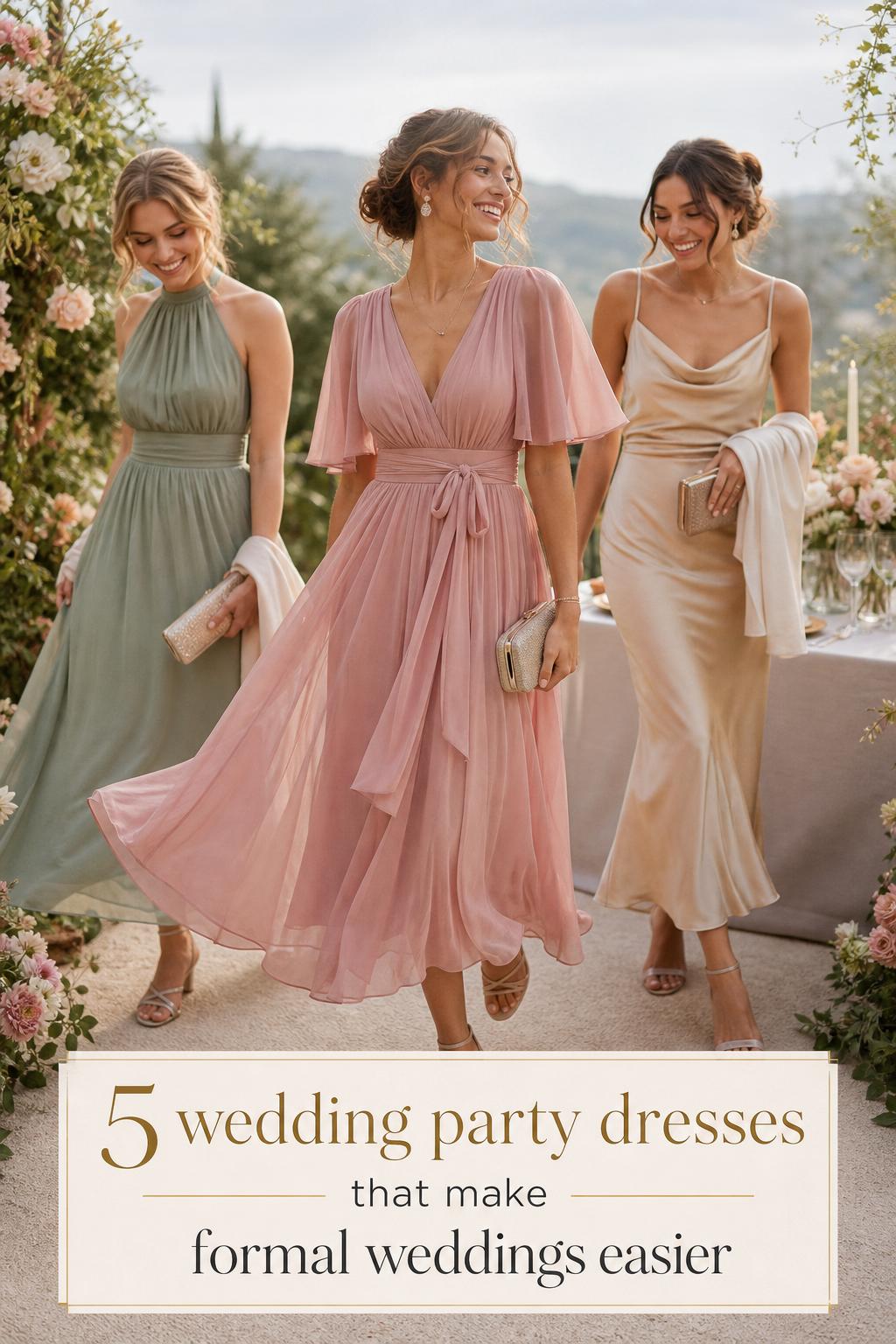
When the venue shapes the dress
One of the clearest ways to narrow the field is to start with the venue. Wedding party dresses are not only about trend or personal taste; they are also about context. A rustic countryside venue often suits softer silhouettes and textures with a little movement. A ballroom usually welcomes more structure and richer finish. A vineyard celebration can move comfortably between romantic and refined, depending on the time of day and level of formality.
This is where occasion-aware styling becomes especially useful. The right dress does not simply match a dress code in theory; it responds to lighting, temperature, walking surfaces, and how long the event will last. A look that is ideal for a formal evening reception may feel too heavy at a destination ceremony in warm weather. Likewise, an airy daytime dress may need added structure or deeper color if the celebration is especially formal after dark.
Key pieces for this aesthetic
- Flowing chiffon midi dress for garden, vineyard, and daytime celebrations
- Structured satin dress for formal receptions and evening events
- Breathable fabrics for warm-weather or destination weddings
- Comfort-conscious shoes that suit the venue surface
- Light layering piece for transitions between ceremony and reception
Thinking in this way leads to smarter choices. It also creates a more cohesive final impression, because the outfit feels grounded in the event rather than imposed on it.
Look: romantic layers for a countryside celebration
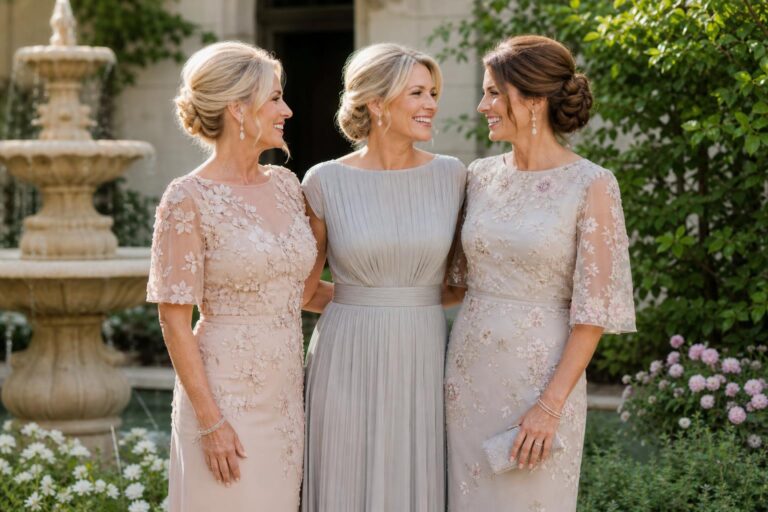
At a rustic countryside venue, the mood tends to be warm, intimate, and slightly relaxed even when the celebration is beautifully styled. Dresses for this setting often look best when they carry softness through the silhouette and texture. The effect should feel romantic rather than rigid, as though the outfit belongs naturally among open-air cocktails, wooden details, and a reception that stretches into the evening.
A lightly layered dress or softly draped style creates that feeling without appearing overly thematic. The color palette can stay gentle, with room for subtle depth depending on the season. Fabrics that move well and hold shape softly tend to be more versatile for this type of wedding, especially when the day includes time outdoors and a longer celebration schedule.
What makes this interpretation distinctive is the sense of ease. Rather than aiming for strict glamour, it leans into an elegant kind of softness. That often reads more modern and more wearable, particularly for guests or wedding party members who want to look polished while still feeling comfortable through dinner, dancing, and changing temperatures.
Practical note on ceremony-to-reception dressing
Long celebrations reward adaptability. A dress that can carry you from an outdoor ceremony into a cooler reception space with the addition of one smart layer is often more useful than a look built only for the first hour. That flexibility is one of the most practical qualities to look for when shopping wedding party dresses.
Look: a pastel palette with modern restraint
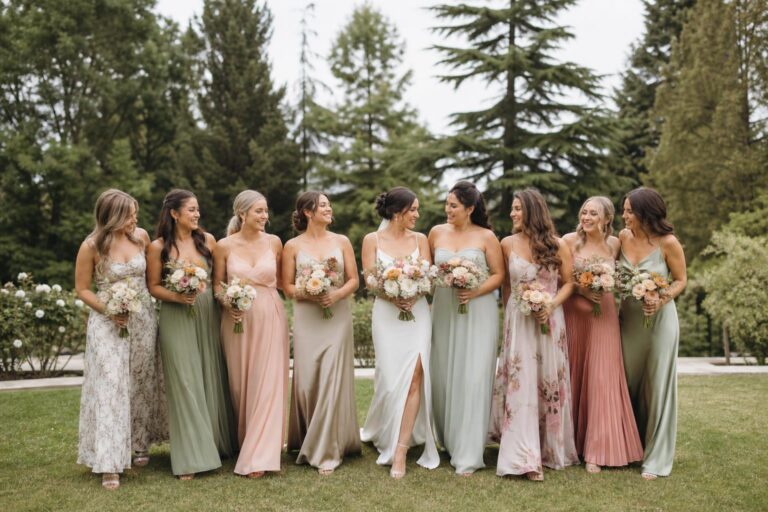
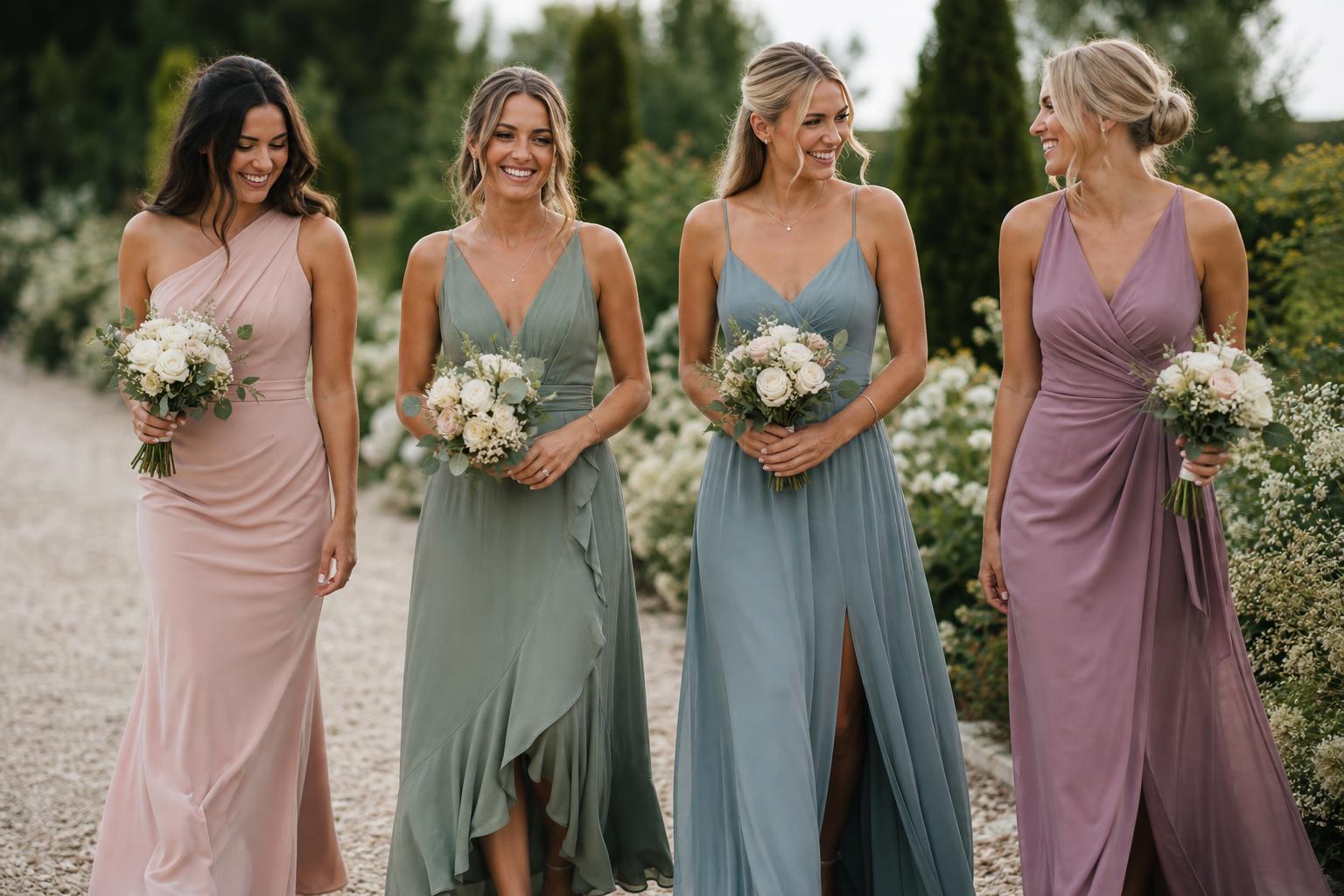
Pastel dressing for weddings can be particularly beautiful when handled with a modern eye. Instead of leaning overly sweet, the look becomes more sophisticated through clean lines, carefully chosen fabric, and minimal accessories. The silhouette remains soft, but the overall message is refined and current, making it especially strong for daytime receptions, elegant showers tied to a wedding weekend, or semi-formal celebrations.
A soft pastel palette works because it reflects the romantic mood so often associated with weddings while still offering variety. In wedding party dresses, this palette feels especially effective in fluid fabrics that capture light gently. The key is to let color support the mood rather than overwhelm the silhouette. If the dress is already expressive in hue, keeping the structure clean helps maintain balance.
- Key garments: pastel midi or longer dress in chiffon or satin
- Footwear: elegant shoes that complement rather than compete with the palette
- Accessories: delicate finishing pieces, minimal metallic accents, and a compact evening bag if needed
This look belongs to the same aesthetic family as the more romantic styles, but it speaks in a quieter voice. It is ideal for those who want a feminine mood without an overly ornate result.
A note on silhouette, movement, and long celebrations
One of the biggest differences between a dress that simply looks attractive and one that truly works for a wedding is how it behaves over time. Weddings involve standing, sitting, walking, greeting, eating, dancing, and often moving between settings. Silhouette matters not only for appearance but also for ease. A dress with graceful movement generally wears better across the full event than one that requires constant adjustment.
This is especially important when choosing between fluid and structured options. A more sculpted satin dress may be perfect for a formal evening reception, but it should still allow comfortable movement through dinner and the dance floor. A chiffon midi may feel effortless for a garden ceremony, but it should have enough shape to remain polished through photos and later festivities. The best choice is rarely the most dramatic one in isolation; it is the one that continues to feel right hour after hour.
Tips for choosing wedding party dresses with confidence
- Start with venue and dress code before narrowing color or detail.
- Consider how the fabric will feel in the expected weather and time of day.
- Test the dress while sitting and walking, not only while standing still.
- Choose shoes with the venue surface in mind, especially for grass, sand, or gravel.
- Plan one practical layer if the event includes temperature shifts from ceremony to reception.
Look: destination wedding simplicity with refined lines
Destination celebrations often invite a different kind of elegance, one built around ease, travel practicality, and the visual charm of the location itself. In these settings, wedding party dresses look most compelling when they feel curated but unfussy. A refined line, breathable fabrication, and a silhouette that can transition smoothly from ceremony to dinner tend to serve the occasion better than anything too complicated.
The appeal of this look lies in its restraint. Clean lines allow the setting to remain part of the story, whether the backdrop is coastal, vineyard-inspired, or warmly lit at sunset. A dress that packs well, moves easily, and does not require elaborate styling often proves to be the smartest choice for a wedding weekend built around multiple events and changing conditions.
What gives this interpretation its polish is not excess decoration but thoughtful editing. When fabric, fit, and silhouette are working together, the look feels complete without needing much more. For destination weddings especially, that kind of simplicity can read as the most elevated option in the room.
Common styling mistakes that can disrupt the look
Even beautiful dresses can lose their effect when styling choices ignore the realities of the event. One of the most common mistakes is dressing only for the photo moment rather than for the full day. Shoes that sink into the ground, fabrics that feel too warm for the climate, or silhouettes that limit movement can quickly make a look feel less elegant in practice.
Another frequent misstep is choosing a dress that conflicts with the setting. A highly structured evening look may feel disconnected at a relaxed beach ceremony, while an overly casual silhouette can fall flat in a formal reception environment. The goal is not to eliminate personality but to place it within the tone of the celebration. Wedding dressing is at its most effective when it feels both individual and situationally aware.
Finally, too many competing elements can weaken the overall impression. If the fabric has shine, the accessories can be quieter. If the palette is already expressive, the silhouette can remain clean. Editing is often what separates a styled wedding look from an overworked one.
Stylist insight: balance is what makes a look memorable
The most memorable wedding outfits rarely rely on one dramatic feature alone. They work because color, shape, texture, and practicality are all aligned. That balance reads beautifully in person and tends to hold up better through the many transitions a wedding day naturally includes.
Look: elegant reception glamour without heaviness
There is a version of reception dressing that feels festive and elevated without becoming overly ornate. This look sits between romantic softness and full formal drama, making it especially useful for evening celebrations that are celebratory but not rigid. The silhouette remains clean, the fabric carries some richness, and the final result feels glamorous in a controlled, modern way.
Satin is often the natural foundation here because it catches ambient light so well, but the success of the look depends on preserving line and proportion. The palette can move deeper for night, and accessories can feel more intentional, yet the dress should still allow ease of movement. That is the difference between a look that appears elegant for a moment and one that stays elegant throughout the reception.
This interpretation works particularly well for guests or wedding party members navigating a formal evening dress code who still want something streamlined rather than heavily embellished. It honors the occasion, suits the lighting, and remains wearable over a long evening.
How to build a cohesive wedding look around the dress
A well-chosen dress should lead the rest of the styling rather than compete with it. If the silhouette is soft and flowing, accessories can preserve that lightness through delicate scale and uncomplicated shapes. If the fabric is structured or lustrous, the supporting pieces often work best when they feel precise and restrained. This is where many of the strongest wedding looks gain their polish: not through more, but through coherence.
Footwear deserves particular attention because it changes both comfort and proportion. For outdoor venues, stable options usually offer a more graceful experience than delicate shoes that struggle with the ground. For indoor formal receptions, a more refined heel can complement satin and eveningwear textures beautifully. In either case, comfort is not a compromise; it is part of what allows the look to remain poised through the final hour of the celebration.
Layering also matters more than many people expect. Weddings often begin in one temperature and end in another, especially with transitions between ceremony spaces, cocktail hour, and reception. A thoughtfully chosen layer protects the integrity of the outfit because it allows the dress to remain the focal point even when the weather changes.
How to recreate the polished wedding aesthetic
- Choose one defining element: flowing movement, satin structure, or a soft pastel palette.
- Match the dress mood to the venue, whether garden, beach, ballroom, vineyard, or countryside.
- Keep accessories aligned with the dress rather than competing for attention.
- Prioritize wearability over novelty if the event will last all day.
- Edit the final look until it feels effortless rather than overloaded.
The lasting appeal of wedding party dresses
The beauty of wedding party dresses is that they offer many interpretations of the same elegant idea. Some are airy and romantic, some are sleek and evening-ready, and some lean into destination ease, but all of them work best when they reflect the venue, the dress code, and the rhythm of the celebration. That is why this aesthetic continues to resonate: it is versatile without losing its sense of occasion.
When chosen thoughtfully, the right dress does more than fit the moment. It supports movement, complements the setting, and gives the wearer confidence from the first photograph to the last dance. The most effective approach is to adapt the mood to your own wardrobe and your specific event, using silhouette, fabric, and color to create a look that feels beautifully considered and genuinely wearable.
FAQ
What are the best fabrics for wedding party dresses?
Breathable and fluid fabrics tend to work especially well because weddings often last for many hours and involve movement between spaces. Chiffon is a strong choice for garden, vineyard, beach, and daytime settings, while satin is especially effective for formal evening receptions because it adds structure and catches light beautifully.
How do I choose a dress based on the wedding venue?
Start by considering the atmosphere and practical conditions of the venue. Garden and countryside celebrations usually suit softer silhouettes and lighter fabrics, beach ceremonies favor breathable movement and easy styling, and ballrooms or formal evening receptions often support more structured dresses with richer finish.
Are midi dresses appropriate for weddings?
Yes, midi dresses are often one of the most versatile options for weddings because they balance elegance with comfort. A flowing midi silhouette works particularly well for daytime events, outdoor ceremonies, and venues where you want enough polish for the occasion without the added management of a full-length gown.
What colors work best for a romantic wedding aesthetic?
Soft pastels and gentle tones fit naturally within a romantic wedding mood, especially in chiffon or other fluid fabrics that keep the effect refined. For evening celebrations, deeper tones can feel more aligned with the lighting and level of formality, especially when paired with satin and a cleaner silhouette.
How can I make a wedding party dress comfortable for a long event?
Prioritize movement, breathable fabric, and venue-appropriate shoes. It also helps to think through the full schedule, including sitting, walking, dancing, and temperature changes between ceremony and reception, so the dress remains comfortable and polished from start to finish.
What kind of shoes should I wear with wedding party dresses?
Shoe choice should follow the venue as much as the dress itself. Outdoor weddings often call for more stable footwear that can handle grass, sand, or gravel, while indoor evening receptions allow for dressier options that complement satin or other more formal fabrics.
How do I style a dress for both the ceremony and the reception?
The easiest way is to choose a dress with enough versatility to carry through both parts of the event and add a practical layer if temperatures shift. A light wrap or similarly refined extra piece helps the look stay cohesive while adapting to changes in weather, setting, or time of day.
What makes a wedding dress look too casual or too formal for the setting?
A dress usually feels off when it ignores the tone of the venue and celebration. Something highly structured and evening-focused may feel out of place at a relaxed beach ceremony, while an overly simple or airy style may not carry enough presence for a formal reception in a ballroom setting.
Why are wedding party dresses so often chosen with venue and lighting in mind?
Venue and lighting affect how fabric, color, and silhouette are perceived throughout the day. Daylight tends to flatter softer palettes and lighter textures, while evening settings often enhance satin, deeper tones, and cleaner lines, which is why the atmosphere of the event plays such an important role in the final choice.