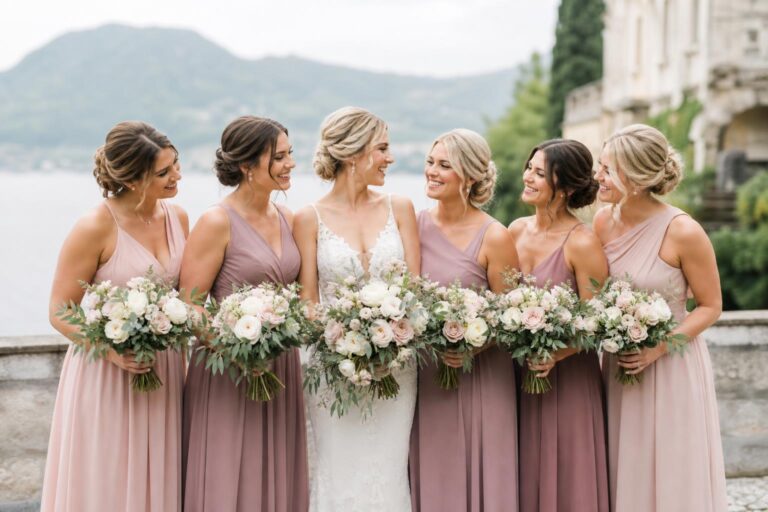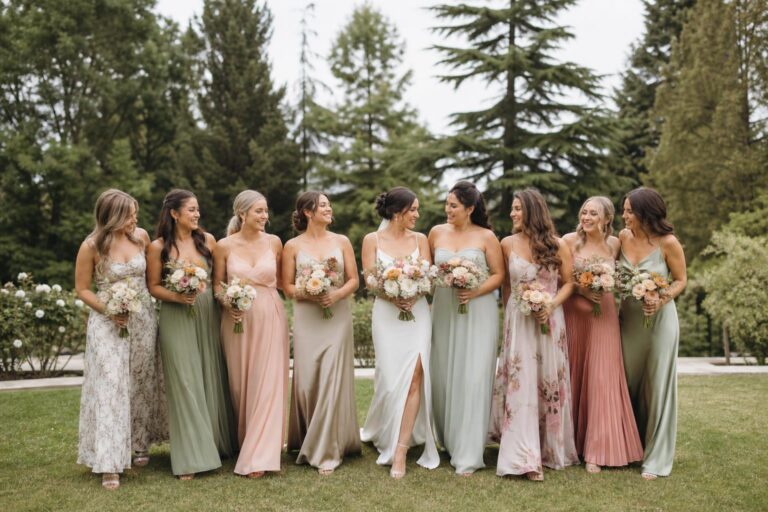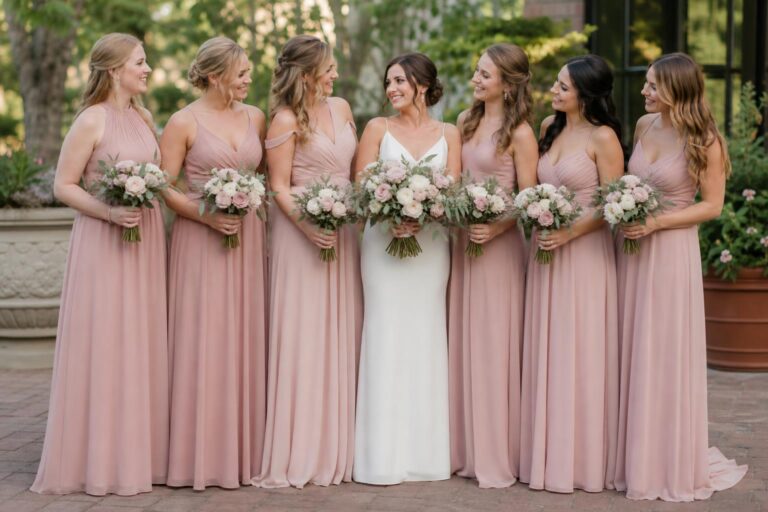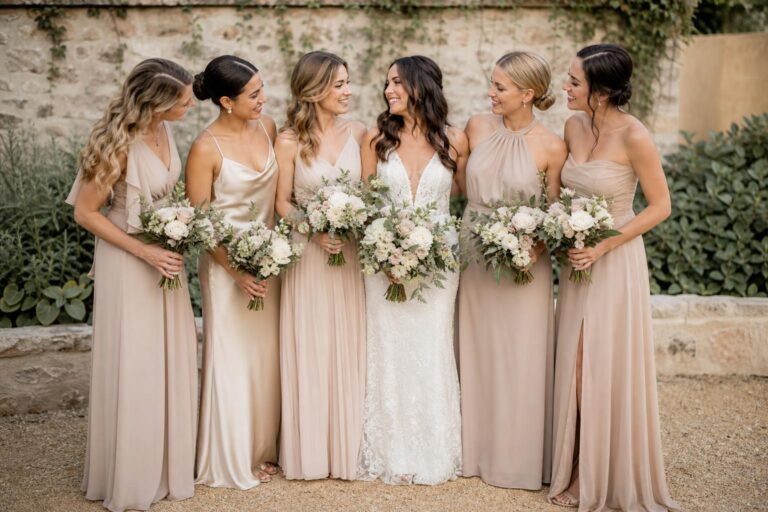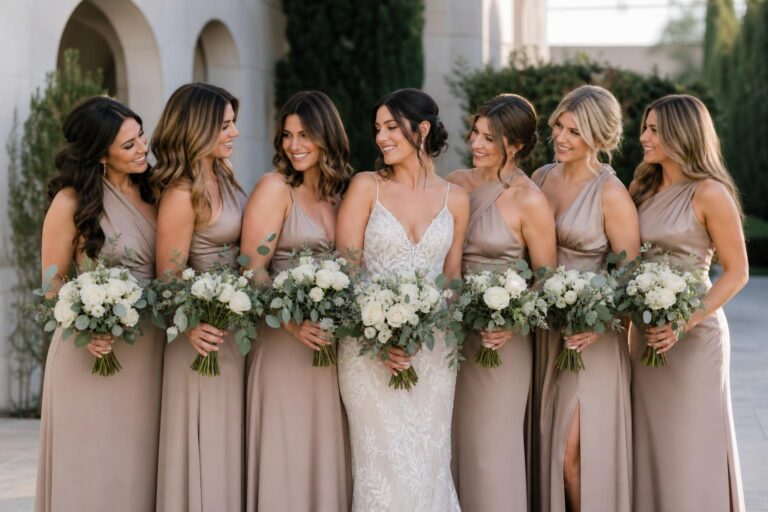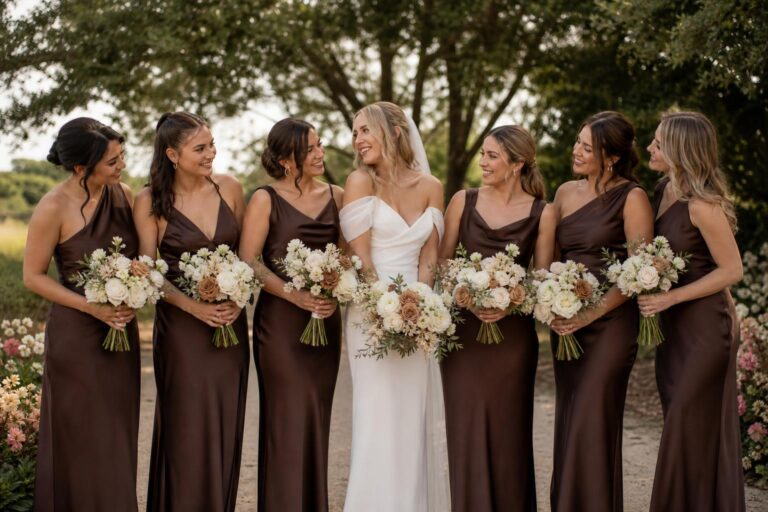
Rehearsal Dinner Outfits for a Chic, Polished Evening
Candlelight, place cards, a toast before the vows, and a room full of people who know the couple best: the rehearsal dinner sits in that lovely space between polished celebration and personal gathering. That is exactly why rehearsal dinner outfits deserve their own styling language. The mood is often more intimate than the wedding itself, but still elevated enough to call for careful choices in silhouette, fabric, and finish.
The most compelling rehearsal dinner looks share a certain balance. They feel dressed up without looking rigid, expressive without competing with the ceremony to come. Across bridal, guest, and groom style, the appeal lies in choosing pieces that suit the venue, the season, and the tone of the evening, whether that means a white-adjacent midi for a romantic bride, a refined blazer for a city dinner, or a soft slip dress for a garden setting at golden hour.
In the United States, rehearsal dinner attire is especially popular as a style moment because it gives everyone a little more freedom. Brides can lean into Prada, Vivienne Westwood, The Row, Loewe, Rodarte, or Stella McCartney references, guests can interpret semi-formal wedding dinner attire with more personality, and grooms can move between classic suits and relaxed alternatives depending on the venue. The result is one of the most visually interesting events of the wedding weekend.
Reading the room: how rehearsal dinner dress codes actually work
Before choosing between dresses, suits, separates, or statement accessories, it helps to define the dress code. Rehearsal dinner outfits generally fall into a few familiar categories: casual, smart-casual, semi-formal, and formal. Semi-formal appears most often because it offers enough structure for a wedding-related event while leaving room for softer styling decisions, such as a slip dress instead of a gown, or a tailored blazer with elegant trousers instead of a full tuxedo approach.
Your wedding look is only the beginning.
Keep your guest list, vendors, timeline, and every important detail together with Zarellea — so your day feels as considered as your style.
Venue gives the clearest clue. A garden dinner usually supports lighter fabrics, softer colors, and silhouettes that move easily in daylight. A rooftop dinner tends to invite chic, modern lines and fashion-forward styling. A beach setting calls for breathable textures and practical footwear. An indoor city dinner can carry more structure, richer fabrics, and sharper tailoring. In each case, the most polished choice is the one that feels in conversation with the setting rather than detached from it.
That is also why wedding rehearsal attire should never be chosen in isolation. Lighting, weather, walking surfaces, and the likely pace of the evening all matter. Candlelit interiors can handle satin, velvet, or a dramatic corseted shape. Sun-drenched outdoor dinners often look better in chiffon, crepe, or fluid midi silhouettes. A look may be beautiful on a hanger and still feel wrong once you imagine gravel paths, sea breeze, or a long seated dinner followed by speeches.
A quick dress code lens for common settings
- Garden or outdoor dinner: soft semi-formal silhouettes, chiffon, crepe, satin, elegant sandals or block heels
- Beach dinner: breathable dresses, relaxed tailoring, sandals over delicate heels, lighter palettes
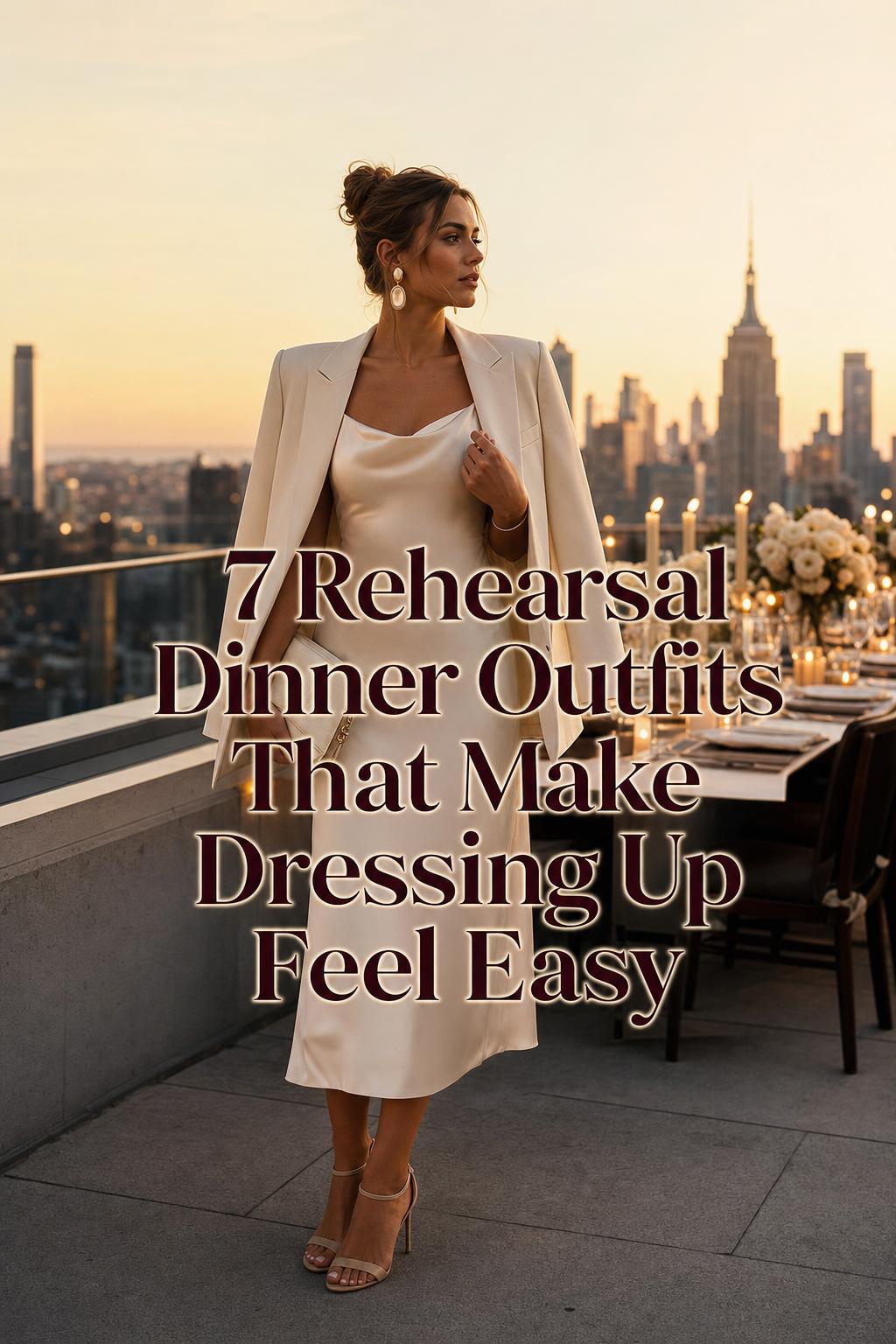
- Rooftop dinner: modern lines, slip dresses, blazer dresses, sculptural accessories, polished heels
- City or indoor evening dinner: tailored suits, structured midi dresses, richer textures, elevated jewelry and clutches
The bridal mood board: rehearsal dinner looks for the bride
For the bride, rehearsal dinner outfits often revolve around visual identity as much as etiquette. White remains a clear theme in many top bridal looks, but not every bride wants the same version of bridal. Some want a classic line with minimal accessories, some want a romantic silhouette with satin shine, and some prefer an era-inflected moment that nods to a ’70s Bianca Jagger spirit. The strongest bridal outfit feels recognizably personal while still marking the occasion.
Look: classic white with quiet structure
This is the bride who wants refinement to lead. The silhouette is clean, controlled, and unmistakably polished, perfect for an indoor dinner, a city restaurant, or a formal garden celebration where the styling should feel timeless rather than trend-driven. There is a calm confidence to this look, especially under evening light, where simplicity tends to read as luxury.
A Prada halter silk dress or The Row Bernette gown captures this direction beautifully. Think white or white-adjacent tones, a fluid yet precise line, and accessories that support rather than distract: Jimmy Choo Heloise sandals, a Bottega Veneta clutch, and understated earrings. Satin and silk work especially well here because they hold a soft glow without becoming too heavy.
The reason this aesthetic works so well for a rehearsal dinner is that it acknowledges the event’s intimacy. It feels bridal, but not overbuilt. It is also one of the easiest styles to rewear in another formal context, particularly if the accessories stay restrained and the silhouette remains clean.
Look: romantic bridal softness
Some rehearsal dinners call for a more tender visual language: candlelight, florals, warm toasts, and a room that feels almost cinematic. In that setting, romantic dressing makes sense. The silhouette is fluid, feminine, and lightly expressive, with fabrics that catch motion and soften the whole look.
A Rodarte silk-satin midi dress fits this mood naturally, as do white rehearsal dinner dresses with delicate lines and subtle texture. Chiffon, satin, and softly draped midi shapes feel especially at home in a garden or courtyard venue. Add earrings, a compact clutch, and sandals that are elegant enough for photos but still practical for moving between indoor and outdoor spaces.
Romantic bridal styling succeeds when every detail feels considered but not ornate. If the dress has movement, keep the jewelry lighter. If the neckline is already expressive, avoid accessories that crowd it. The result should feel graceful rather than overly decorated.
Look: the ’70s bride with fashion edge
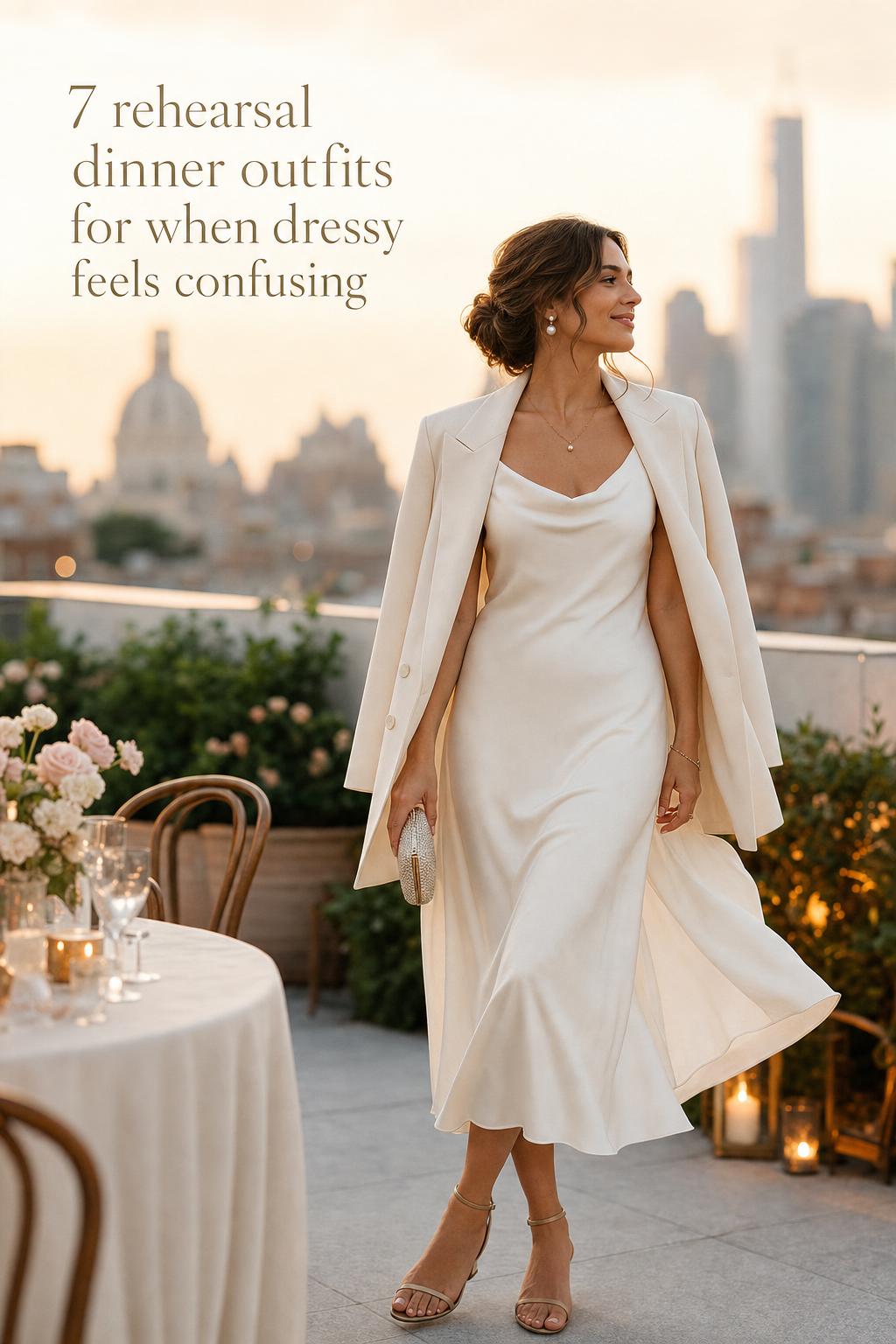
There is a very specific kind of rehearsal dinner glamour that belongs to the bride who prefers attitude over sweetness. This look borrows from the ’70s, from the Bianca Jagger reference point, and from editorial bridal styling that feels a little more directional. It is ideal for a rooftop dinner, a chic urban venue, or a dinner with a modern cocktail atmosphere.
A blazer-led look, including a Zara blazer or a blazer-dress combination, gives this aesthetic its shape. The palette can stay white, ivory, or cream, but the silhouette is sharper than the romantic bridal option. Consider a clutch, a strong earring, and heels that keep the line long and sleek. The effect is confident and slightly unexpected without drifting away from bridal identity.
This direction works best when the cut is intentional. If the blazer is oversized, balance it with shorter hemlines or clean accessories. If the tailoring is fitted, the styling can stay minimal. It is a look that photographs especially well in city light and feels entirely at home in fashion-forward wedding weekend wardrobes.
Look: sculptural minimalism for the modern bride
Minimal does not mean plain. In the context of rehearsal dinner outfits, modern minimalism often relies on silhouette and fabric to create impact. The mood is sleek, architectural, and self-assured, often best suited to indoor evening venues or rooftop spaces where clean lines feel deliberate.
Pieces such as a Vivienne Westwood corseted dress or a refined silhouette from Stella McCartney carry this mood well. Even a more unusual option, like a Loewe fishnet dress interpreted with careful styling, speaks to the bride who wants high-fashion references rather than traditional sweetness. Keep the palette controlled, the bag compact, and the jewelry edited.
What makes this aesthetic successful is proportion. A sculptural dress already has visual authority, so footwear and accessories should support the line rather than compete with it. It is a strong choice for brides who want their rehearsal dinner dress ideas to feel current, crisp, and memorable.
Guest dressing with polish: different ways to interpret the same elegant mood
Rehearsal dinner outfits for guests are often where style nuance matters most. Guests need to read the tone correctly, avoid stepping into bridal territory, and still feel like themselves. The most successful guest looks tend to be semi-formal, chic, and adaptable, with silhouettes that feel dressed for a wedding event without becoming overly formal for an intimate dinner.
Look: soft slip silhouette for a candlelit dinner
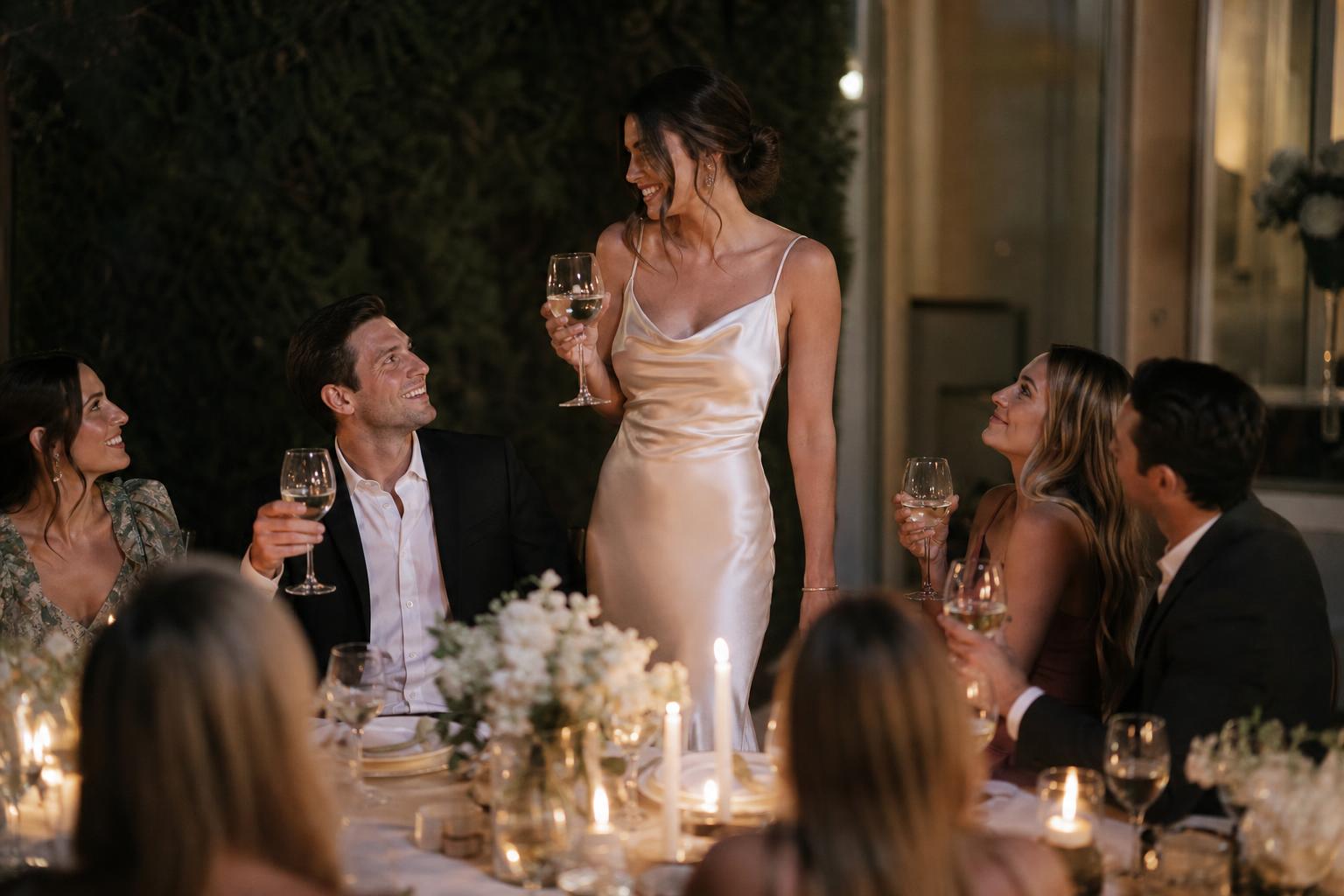
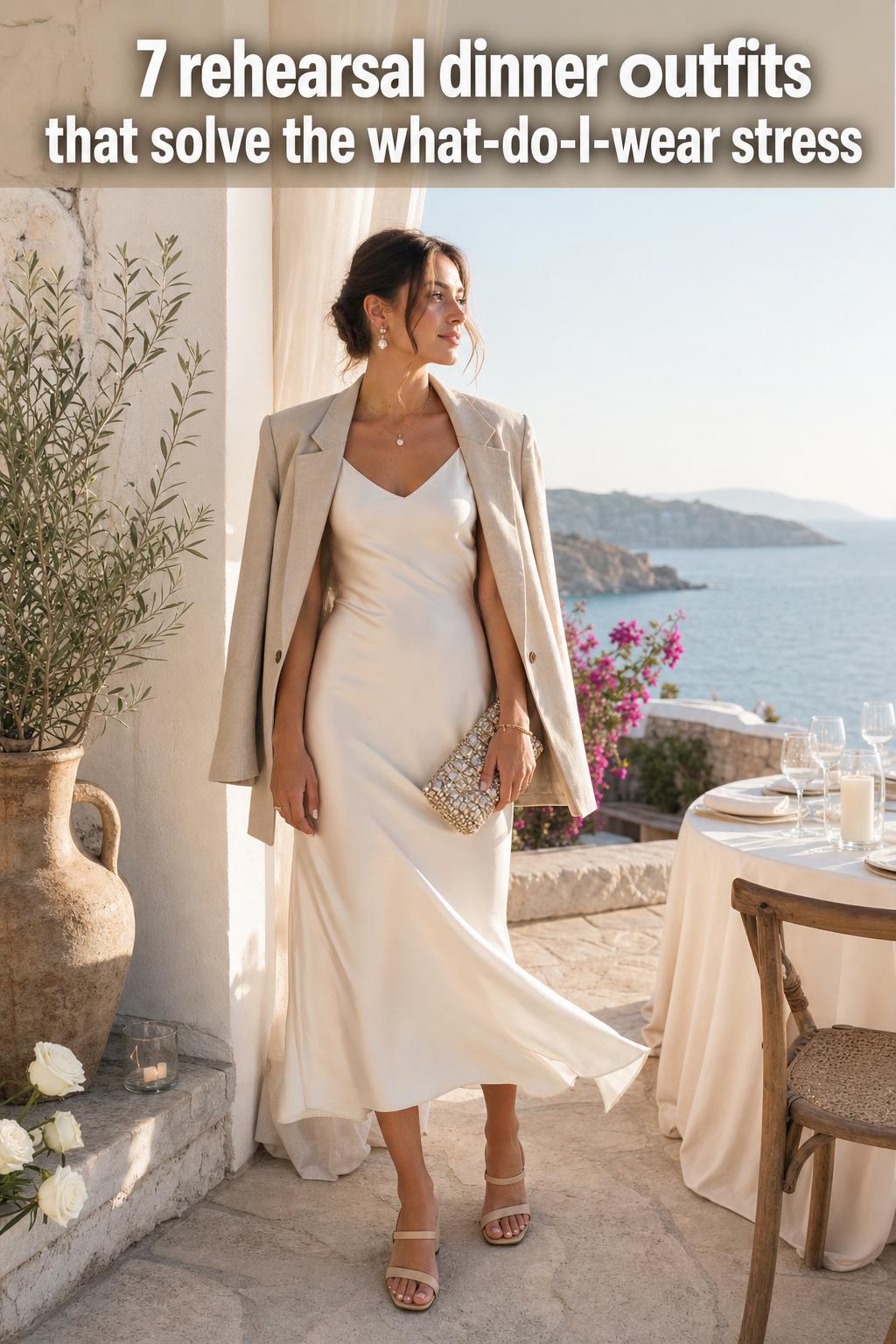
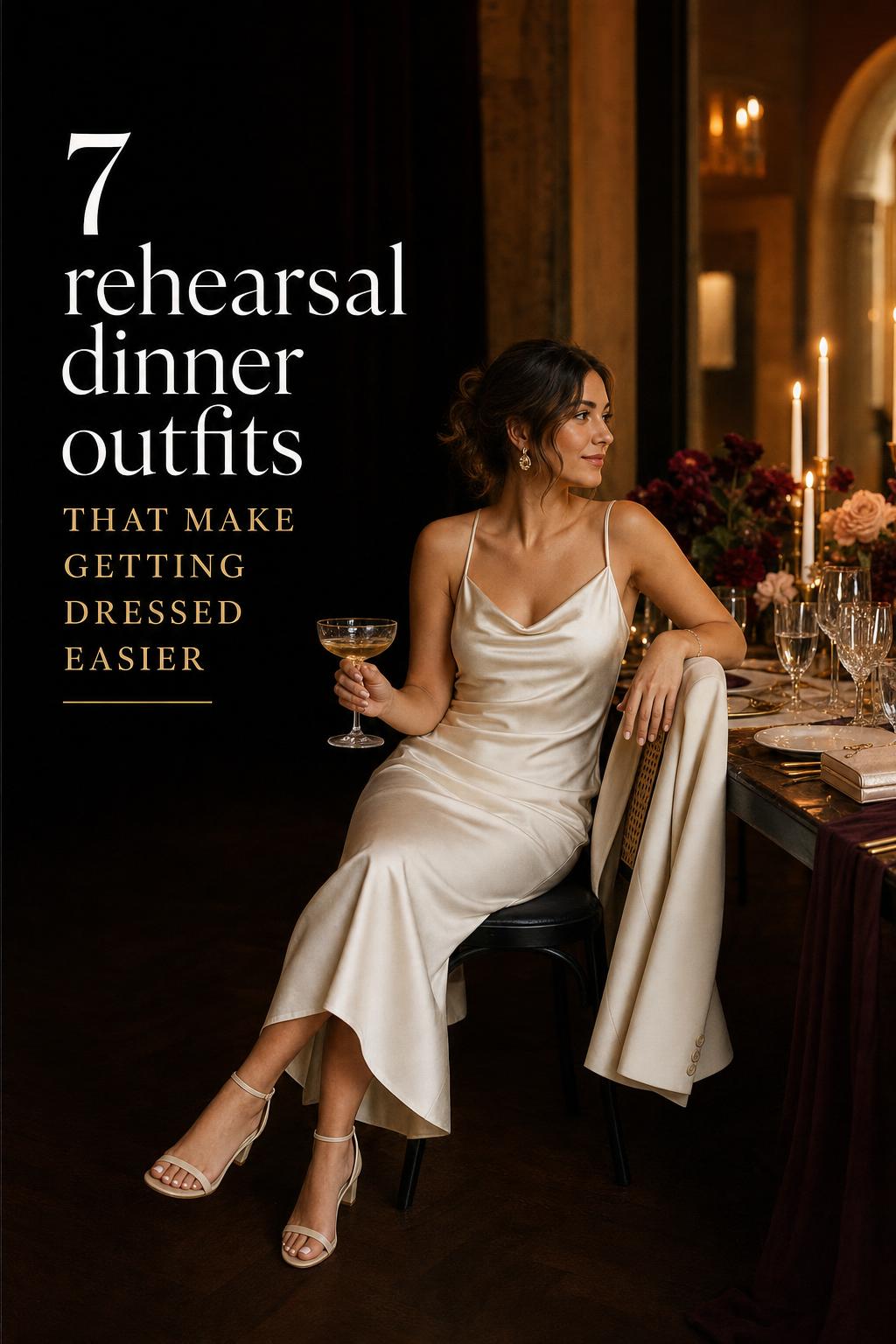
The slip dress remains one of the strongest guest options because it adapts so easily to venue and season. In a romantic restaurant, rooftop setting, or evening garden dinner, the line feels effortless and elegant at once. It moves easily, layers well, and can be styled with either restraint or a little shine.
Choose a midi or longer slip shape in neutrals, beiges, or a subtle color accent rather than a bridal white. Satin gives a gentle sheen that works beautifully under low lighting, while crepe offers a slightly quieter finish. Add heels or block heels depending on the surface, plus a mini bag or clutch and simple earrings.
This look suits guests who want to look refined without appearing overworked. It also answers one of the most common guest styling problems: how to feel formal enough for a wedding-related dinner while staying relaxed enough for a social evening that may include standing, sitting, and moving between spaces.
Look: flowy midi romance for a garden evening
For outdoor venues, movement matters. A flowy dress catches light beautifully, softens the figure, and feels aligned with the atmosphere of a garden dinner or a sun-drenched venue. The silhouette is gentler than a sharply tailored city look, which makes it especially appealing for spring and summer celebrations.
Chiffon, lighter satin, and airy midi lengths work especially well here. Neutral tones, soft shades, and refined prints keep the look elegant. Pair with sandals, delicate jewelry, and a clutch that is easy to hold through the evening. If the venue includes lawn or uneven ground, a block heel is often the more graceful choice than a narrow stiletto.
There is practical wisdom in this silhouette too. Outdoor dinners often begin in daylight and end after sunset, so a dress that feels equally lovely in natural light and evening ambience is always a smart choice.
Look: chic separates for guests who prefer tailoring
Not every guest wants a dress, and rehearsal dinner dress code expectations usually allow room for well-chosen separates. This look feels modern, city-aware, and especially strong for rooftop or indoor restaurant venues where structure reads as intentional. The mood is polished rather than delicate.
A blazer with elegant trousers or a skirt-suit combination creates a smart semi-formal line. Crepe works particularly well because it looks refined without feeling stiff, and the addition of a sleek heel, earrings, and a clutch keeps the overall effect celebratory. Neutral tailoring with a statement accessory can feel especially current.
This interpretation is ideal for guests who value comfort and clean lines. It also tends to be one of the easiest outfits to wear again, which is one reason tailored rehearsal dinner attire continues to appeal to readers looking for wardrobe-reuse ideas.
Look: a glamorous mini with restrained styling
There are rehearsal dinners that feel almost cocktail-like in mood, particularly in urban settings or fashion-forward wedding weekends. In those cases, a mini can work beautifully, provided the styling remains polished. The energy is festive, but the finish should still feel occasion-aware.
An Aligne Fern bow satin mini dress or another refined satin mini silhouette gives the right amount of playfulness. Keep the palette elegant, avoid bridal whites, and balance the shorter hem with polished shoes and a structured bag. Earrings can add personality, but the rest of the accessories should remain composed.
The key here is restraint. A mini with oversized sleeves, a soft neutral, or one strong design detail can feel chic. Too many focal points, by contrast, can shift the look away from wedding rehearsal attire and into standard partywear.
The groom’s edit: tailored rehearsal dinner style by setting
Groom rehearsal dinner outfit ideas tend to receive less attention than bridal dressing, but they are just as setting-dependent. The groom often needs to appear distinct from guests without dressing in a way that feels disconnected from the event. The most effective choices rely on color, fabric, and venue logic rather than excess formality.
Look: classic tailoring for a city or indoor dinner
A structured suit remains the anchor option for many grooms, particularly for indoor venues, city restaurants, or formal rehearsal dinners. The silhouette is clean and deliberate, and it gives room for subtle distinction through shirt choice, accessories, and fabric finish.
Suits in considered colors, paired with a dress shirt and polished accessories, create a dependable foundation. This is one of the most useful approaches when the dress code is not clearly stated, because it respects the wedding weekend atmosphere while remaining adaptable. Depending on the venue, the look can be softened or sharpened through tie choices and shoe polish.
What matters most is fit. A rehearsal dinner often includes photos, hugs, seated toasts, and movement between spaces, so a well-tailored suit that sits comfortably through all of that will always read better than something more formal but less wearable.
Look: relaxed refinement for garden and outdoor venues
Outdoor dinners ask for ease. The groom still needs polish, but the overall line can be a touch more relaxed than a city dinner would require. In garden settings, lighter fabrics and softer styling help the outfit feel connected to the environment.
A tailored blazer with trousers, a crisp dress shirt, and carefully chosen accessories often lands perfectly here. The silhouette stays formal enough for a wedding event, but it does not feel too heavy for daylight or warm evening air. This balance is especially useful in spring and summer, when comfort can change how confident the outfit feels by the end of the night.
When styling this look, the best approach is to keep one strong line and let the rest remain understated. That might mean a beautiful blazer, a polished shirt, and minimal accessories rather than several dressy details competing at once.
Look: beach-ready polish without stiffness
Beach rehearsal dinners are among the easiest places for a groom to overdress or underdress. The goal is to look intentional while remaining comfortable and mobile, especially where wind, sand, and open-air dining are involved. The mood should be relaxed elegance, not boardroom tailoring.
Lighter suiting, breathable fabrics, and a simplified accessory approach work best. The shirt should still feel crisp, but the overall construction can be less rigid than an indoor formal look. Footwear also matters more than many expect; anything too delicate for beach conditions can undermine an otherwise polished outfit.
This is a good example of occasion-aware styling. The best groom rehearsal dinner outfit is not simply the dressiest one. It is the one that respects the venue and still feels elevated in photographs and in person.
Parents and polished supporting roles
Although many guides focus mostly on brides, guests, and grooms, parents also benefit from a clear style direction. The visual goal here is polish with ease. Silhouettes should feel elegant and age-appropriate without becoming severe, and color should complement the event without drawing focus away from the couple.
For mothers and other key family members, midi dresses, refined separates, and softly structured silhouettes tend to work best. Fabrics like crepe, satin, and chiffon offer enough occasion energy while still feeling wearable through a long dinner. Accessories should support comfort just as much as appearance, especially when there will be standing, mingling, or outdoor transitions.
The underlying principle is the same one that guides all successful rehearsal dinner outfits: alignment. When color, silhouette, and venue all make sense together, the result feels naturally elegant rather than overstyled.
By venue, the mood shifts: styling for garden, rooftop, beach, and city dinners
One reason so many readers search for rehearsal dinner dress ideas by venue is that the same dress can feel completely different depending on where it is worn. Venue styling is not just aesthetic; it affects comfort, movement, photographs, and how appropriate a look feels from arrival through the final toast.
Garden dinners at golden hour
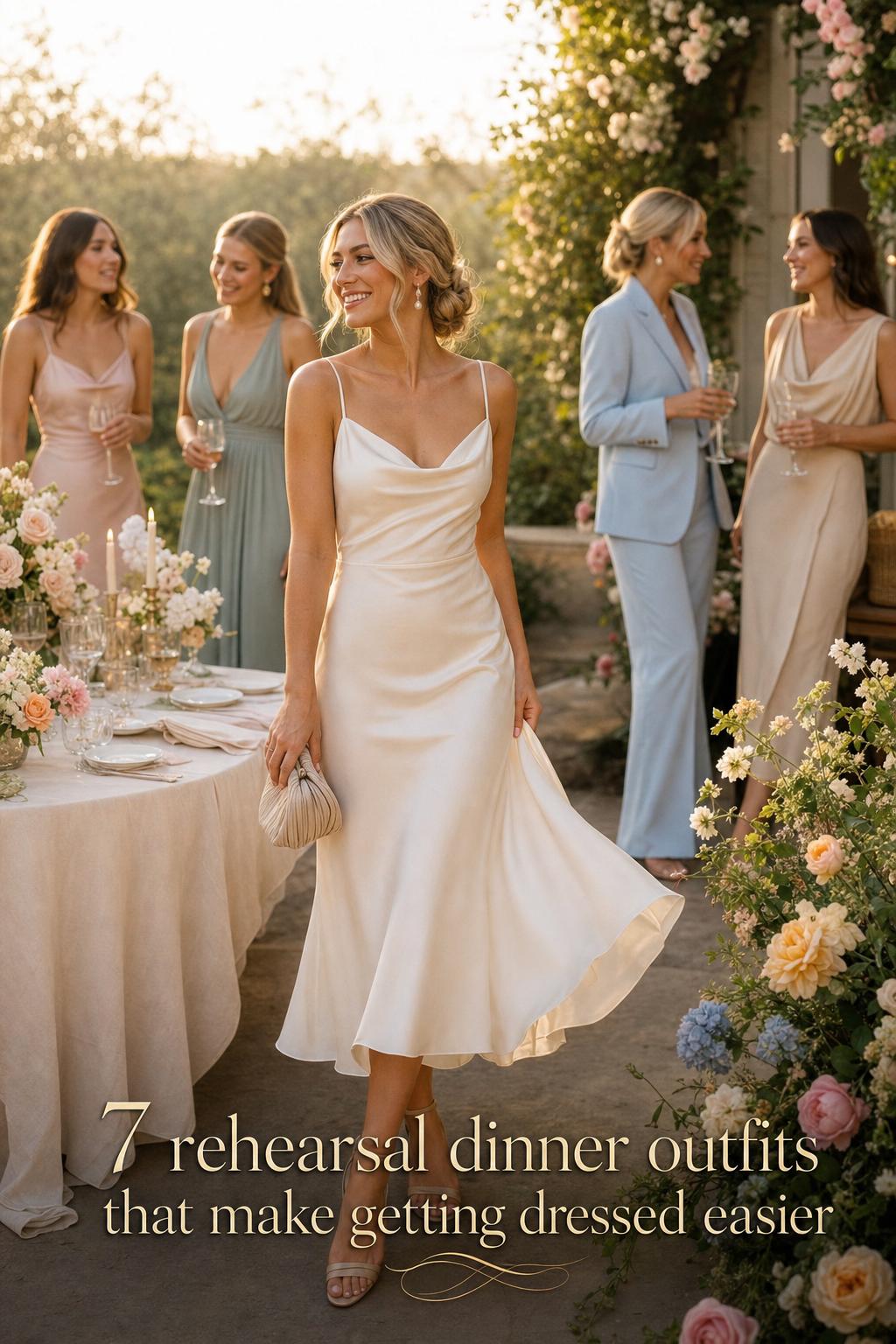
Garden rehearsal dinner outfits generally benefit from softness. Midi lengths, chiffon, satin, and crepe all work beautifully in natural light, and elegant sandals or block heels make practical sense on grass or stone paths. Brides may prefer romantic white-adjacent silhouettes, while guests often look best in neutrals or soft color palettes that feel refined but not bridal.
Rooftop dinners with modern energy
Rooftop settings invite sharper lines and a slightly fashion-forward point of view. Slip dresses, blazer dresses, tailored separates, and sculptural accessories all feel at home here. This is where a Prada-inspired line, a Zara blazer moment, or a sleek clutch-and-heel pairing can appear especially strong.
Beach dinners with relaxed elegance
For beach venues, breathe first and style second. Fabrics need to move, footwear needs to work, and the outfit should still feel polished in sunlight and sea air. Sandals usually make more sense than narrow heels, and lighter silhouettes tend to photograph better than anything too heavy or structured.
Indoor city dinners after dark
Indoor dinners can support richer visual weight. Satin, velvet, structured crepe, and corseted silhouettes all read beautifully in evening light. This is the ideal context for a Vivienne Westwood-inspired shape, a clean suit, dramatic earrings, or a more directional mini or midi with a defined line.
Texture tells the story: silhouettes and fabrics that shape the aesthetic
Silhouette and fabric do much of the work in rehearsal dinner styling. A slip dress and a sheath may both count as dresses, but they communicate very different moods. The same goes for satin versus crepe, or chiffon versus velvet. Knowing how each element changes the look helps you choose with much more confidence.
- Slip dress: fluid, modern, elegant, easy to elevate with heels and jewelry
- Midi dress: versatile, romantic or minimal depending on fabric and neckline
- Sheath dress: cleaner and more structured, especially useful for city settings
- Blazer dress or blazer suit: sharp, fashion-forward, especially strong for rooftop dinners
- Tailored suit: classic and adaptable for grooms and guests who prefer structure
Fabric changes the energy. Satin brings glow and softness, which is why it appears so often in bridal and guest rehearsal dinner dresses. Crepe feels cleaner and a little more understated, making it excellent for tailoring and minimalist looks. Chiffon introduces movement and softness, especially in garden settings. Velvet adds evening richness and works best when the venue and lighting support that weight. Taffeta creates more shape and can feel intentionally dressy when the dinner leans formal.
If there is one practical styling lesson worth remembering, it is this: the more expressive the fabric, the simpler the silhouette can be. And when the shape itself is the statement, the fabric often looks best when it is quieter.
The accessory ecosystem that finishes the look
Accessories often determine whether rehearsal dinner outfits feel polished or slightly unfinished. They also do a great deal of practical work. Shoes need to match the venue, bags need to carry only what is useful, and jewelry should support the mood of the garment rather than compete with it.
Footwear that respects the venue
Jimmy Choo Heloise sandals are one clear example of how elegant footwear can complement a bridal look without overwhelming it. More broadly, heels, flats, block heels, and sandals each have a place. Garden and beach dinners usually reward stability and ease, while rooftop and city settings can support a sleeker heel. The wrong shoe choice can make an otherwise beautiful outfit feel impractical halfway through the evening.
Bags, jewelry, and the finishing line
A Bottega Veneta clutch, a compact mini bag, or another refined clutch shape works especially well for rehearsal dinners because the event rarely requires a large bag. Earrings are often the most effective jewelry choice, particularly with minimalist dresses or tailored looks. Bracelets and other adornments can be lovely, but the strongest styling usually edits down to one or two clear accents.
Hairpieces and adornments can also support the aesthetic, especially for brides leaning romantic or fashion-forward. The guiding question is not whether an accessory is pretty on its own, but whether it contributes to the overall line of the outfit and the atmosphere of the evening.
Color strategy: bridal whites, elegant neutrals, and evening accents
Color is one of the clearest ways to distinguish role and intention. Brides often gravitate toward white rehearsal dinner dresses and other white-adjacent looks because the rehearsal dinner remains part of the wedding story. Guests, by contrast, usually do better with neutrals, beiges, and considered color accents that feel elevated without drifting into bridal territory.
For a classic bride, white, ivory, and cream all feel natural. For a romantic interpretation, soft sheen and tonal layering add depth. For guests, neutrals are dependable because they look elegant across many venue types, and they allow the silhouette and accessories to carry the style. If the dinner is in the evening or in a city setting, richer tones can add sophistication without making the outfit feel too heavy.
The most important thing is context. A color that feels perfect for a rooftop dinner may appear too stark in daylight, while a pale neutral that glows in a garden may feel too quiet in a formal indoor setting. Looking at color through the lens of venue and light usually leads to stronger choices.
A practical shopping matrix: luxury references, approachable options, and rewear value
Shopping for rehearsal dinner outfits often begins with visual references and ends with practical filtering. Some readers are drawn to luxury designer cues from Prada, The Row, Vivienne Westwood, Loewe, Rodarte, or Stella McCartney. Others want something more affordable but still polished. Both approaches can work, especially when the focus stays on silhouette rather than logo.
The clearest way to shop well is to decide what matters most: a bridal white palette, a specific venue, a fabric preference, or the ability to wear the piece again. Steve Madden and Showpo collections reflect the more direct shopping side of the category, especially for dresses and coordinating heels, while bridal-focused inspiration can point shoppers toward white dresses and more fashion-led references.
- For luxury mood: look for corseted shapes, silk or satin finishes, sculptural lines, and editorial accessories
- For approachable polish: focus on midi dresses, slip silhouettes, refined blazers, and neutral color palettes
- For rewear value: choose clean tailoring, understated satin dresses, or separates that can shift to future events
- For bridal focus: prioritize white-adjacent dresses, elegant sandals, and one distinctive accessory
A practical note that many shoppers overlook: if a piece requires constant adjustment, special footwear, or accessories you do not already own, it may be less useful than it first appears. The best rehearsal dinner dress ideas are not only beautiful in photos; they remain comfortable through the entire evening.
Style notes that make a visible difference
Small decisions often shape the final effect more than the dress or suit alone. Sleeve volume, hem length, bag scale, and fabric finish can all change the read of an outfit. This is especially true in rehearsal dinner styling, where the atmosphere is nuanced and the event usually sits somewhere between dinner party and wedding celebration.
Tip: let one element lead
If the dress is dramatic, simplify the accessories. If the tailoring is understated, add a stronger earring or shoe. This approach keeps rehearsal dinner outfits from feeling crowded and helps each piece contribute to a coherent aesthetic.
Tip: think in transitions, not just arrival
Many rehearsal dinners begin in daylight and end in evening light, or start outdoors and move inside. A look that can handle both settings usually performs better than one designed for only a single visual moment. That is one reason midi lengths, smart layering, and adaptable shoes appear so often in strong occasion dressing.
Tip: semi-formal does not mean vague
Semi-formal wedding dinner attire still benefits from intention. It should look clearly chosen for the event. A slip dress with earrings and heels, a tailored suit with a crisp shirt, or a romantic midi with a compact clutch all read more successfully than pieces that feel too casual or disconnected from the celebration.
Common styling missteps at rehearsal dinners
One of the easiest mistakes is dressing for a generic party rather than for a wedding-related dinner. Rehearsal dinner outfits should acknowledge the occasion, even when the mood is relaxed. Another common misstep is ignoring the venue. Delicate heels on grass, overly heavy fabrics at the beach, or a very casual dress for a city dinner can all make an outfit feel slightly off, even if the individual pieces are attractive.
Guests should also be careful around white and strongly bridal silhouettes. While some venues and couples may be flexible, the safer and more elegant choice for guests is usually to leave white-adjacent dressing to the bride. For brides themselves, the opposite issue can occur: choosing a look so close to a wedding gown that it feels too formal for the intimacy of the evening. The ideal rehearsal dinner look marks the moment without overshadowing tomorrow’s ceremony.
Finally, do not underestimate comfort. A beautiful dress that is hard to sit in, a suit that pulls at the shoulders, or shoes that cannot last through speeches and mingling will affect posture and confidence. Occasion style always looks better when the wearer can move naturally.
Bringing the aesthetic together
The most memorable rehearsal dinner outfits are not necessarily the most expensive or the most dramatic. They are the ones that align mood, setting, and silhouette in a way that feels effortless. A classic bridal silk dress, a guest slip silhouette in a soft neutral, a groom’s tailored suit, or a romantic midi for a garden dinner all succeed for the same reason: they understand the tone of the evening.
That is what makes this category so appealing. Rehearsal dinner style invites personality, but it rewards restraint. Whether your taste leans toward Prada minimalism, Rodarte softness, a Zara blazer moment, or a polished semi-formal formula, the strongest choice is the one that feels elegant, comfortable, and clearly connected to the celebration in front of you.
FAQ
What is the usual dress code for rehearsal dinner outfits?
The most common dress code is semi-formal, though some rehearsal dinners lean casual or formal depending on the venue. A garden dinner often calls for softer dresses or relaxed tailoring, while a city restaurant or rooftop venue may support more structured and polished looks.
Can guests wear white to a rehearsal dinner?
Guests are usually better off avoiding white and strongly bridal white-adjacent looks, since the bride often chooses white rehearsal dinner dresses as part of her wedding weekend style. Neutrals, beiges, and elegant color accents are a safer and more polished direction for guests.
What should a bride wear to a rehearsal dinner?
A bride can wear anything from a classic white silk dress to a romantic satin midi, a blazer-led look, or a more sculptural fashion-forward silhouette. The best option depends on the venue, the mood of the dinner, and whether she wants timeless polish, soft romance, or a modern editorial edge.
Can guests wear pants or a suit to a rehearsal dinner?
Yes, well-tailored separates or a refined suit can work beautifully, especially for city, rooftop, or indoor dinners. The key is to keep the finish elegant with polished fabric, thoughtful accessories, and a silhouette that still feels appropriate for a wedding-related event.
What are the best fabrics for rehearsal dinner dresses?
Satin, crepe, chiffon, velvet, and taffeta all appear in rehearsal dinner dressing, but the right one depends on setting and season. Chiffon and lighter satin suit outdoor and garden venues, while crepe works well for clean tailoring and velvet makes more sense for indoor evening settings.
What shoes work best for a rehearsal dinner?
The best shoes depend on the venue surface as much as the outfit. Sandals and block heels are often ideal for garden or beach dinners, while polished heels can work well for rooftop and city settings. Comfort matters because rehearsal dinners usually involve standing, sitting, and moving through several parts of the evening.
How should a groom choose a rehearsal dinner outfit?
A groom should begin with the venue and dress code, then choose a suit or tailored blazer combination that feels distinct but not overly formal for the setting. Indoor city dinners can support sharper tailoring, while garden and beach venues often look better with lighter fabrics and a more relaxed polish.
Are slip dresses appropriate for rehearsal dinner outfits?
Yes, slip dresses are one of the most versatile options for guests and can also work for brides depending on color and styling. They are especially effective for semi-formal rehearsal dinners because they balance elegance and ease, particularly when paired with heels, earrings, and a refined clutch.
How do I choose between a midi, mini, or longer dress?
Midi lengths are usually the most adaptable because they suit a wide range of venues and dress codes. Minis can work for fashion-forward rooftop or cocktail-style rehearsal dinners when styled with restraint, while longer dresses feel best when the dinner leans more formal or bridal in tone.
What makes rehearsal dinner attire feel polished instead of overdone?
Polish usually comes from balance: one strong silhouette, the right fabric for the venue, and accessories that support the look rather than compete with it. Rehearsal dinner attire feels most elegant when it reflects the atmosphere of the evening and allows the wearer to move comfortably and confidently throughout the event.