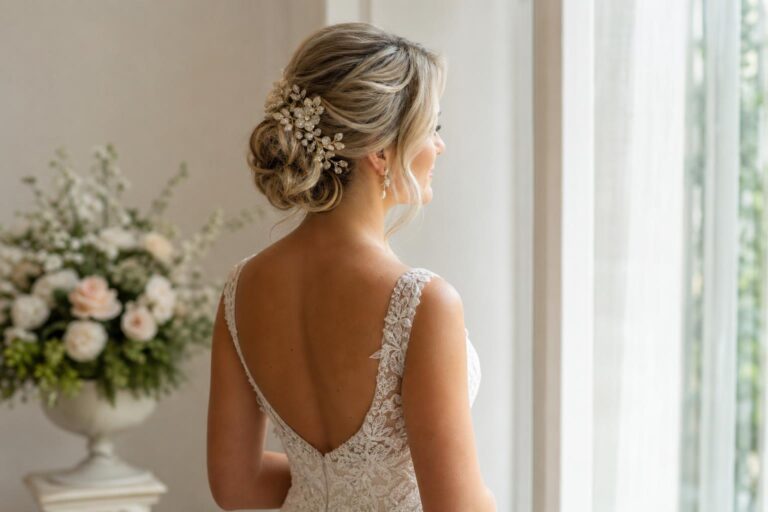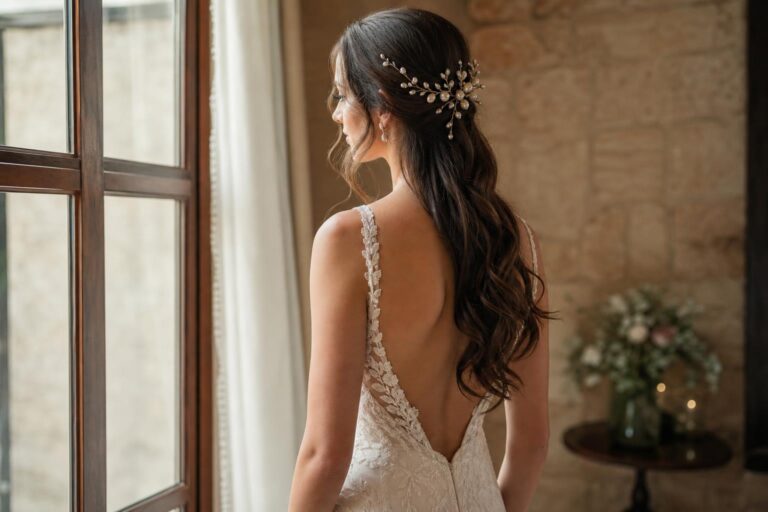
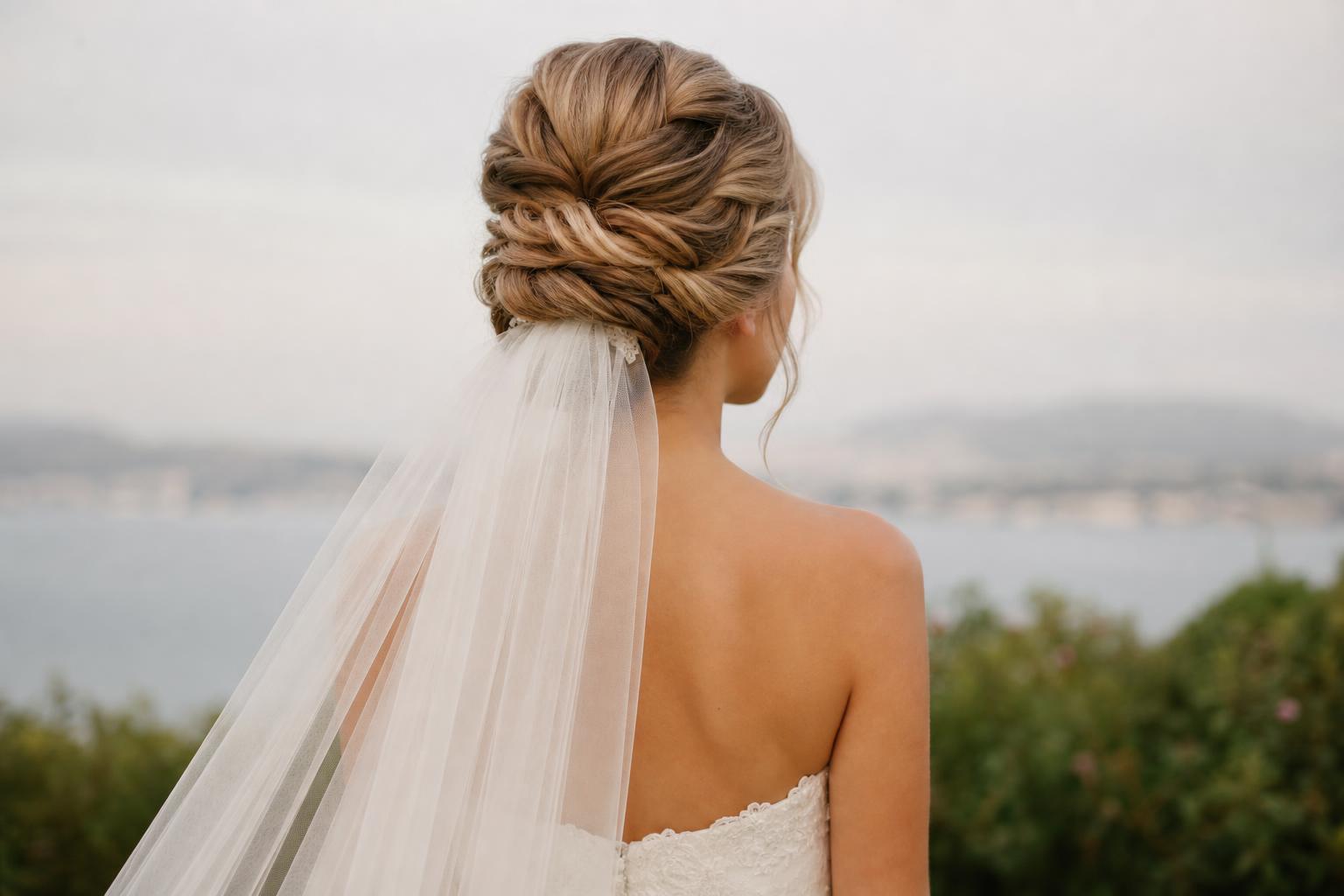
Bridal Updo With Veil for a Refined, Romantic Look
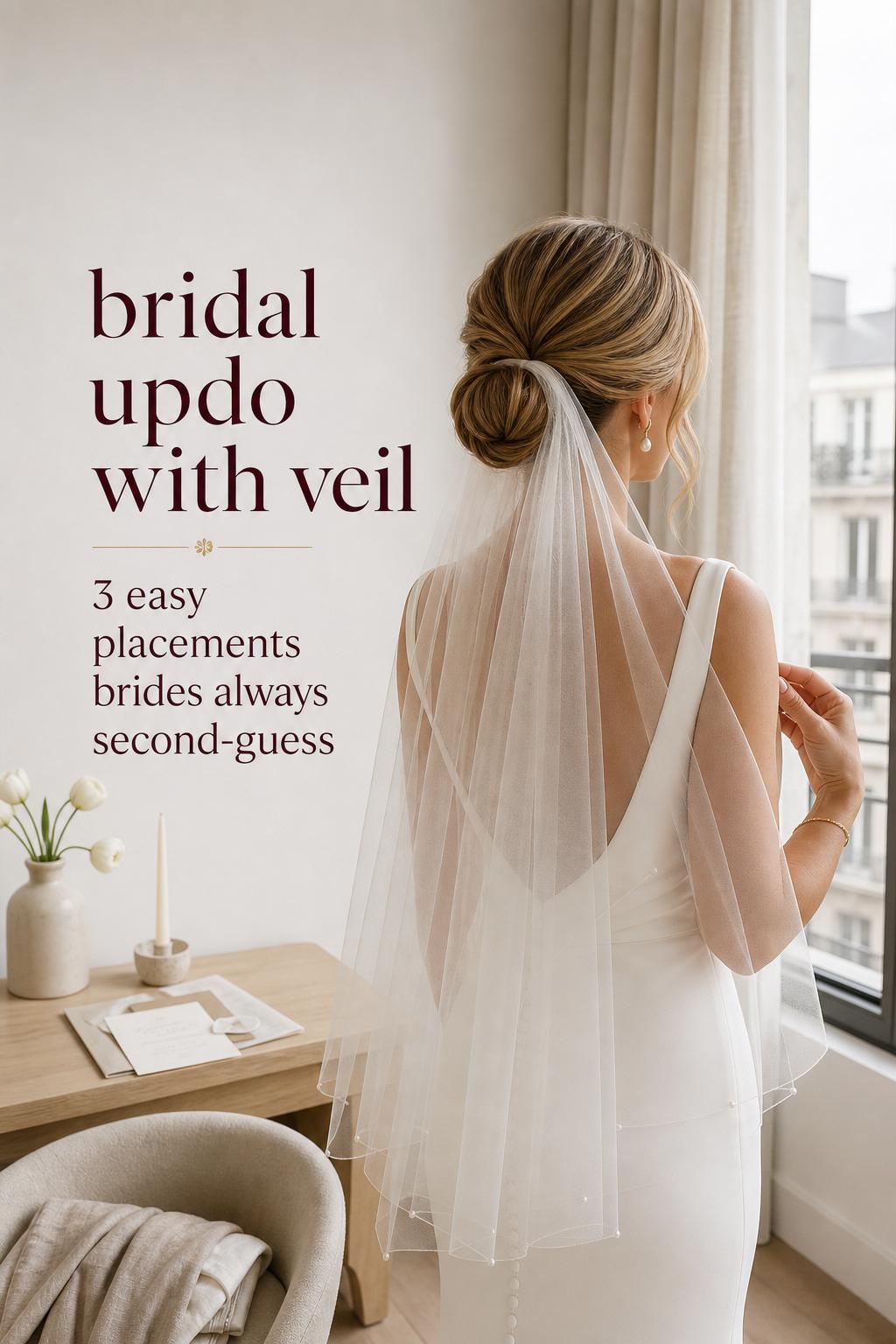
A bridal updo with veil sounds simple in theory, yet it is one of the most delicate styling decisions in wedding beauty. The challenge is rarely choosing a pretty hairstyle in isolation. It is choosing a hairstyle that can support a veil, flatter your face from every angle, hold through the ceremony and reception, and still let the veil sit where you actually want it in photographs.
That is why so many brides hesitate between a low bun, a classic chignon, a braided updo, or a softer curled style. A veil changes the geometry of the entire look. Comb placement, hair texture, veil length, and even the mood of the wedding all influence whether the final style feels polished or awkward. This guide brings those decisions into focus, with practical solutions for placement, support, and style pairings that feel elegant from aisle to dance floor.
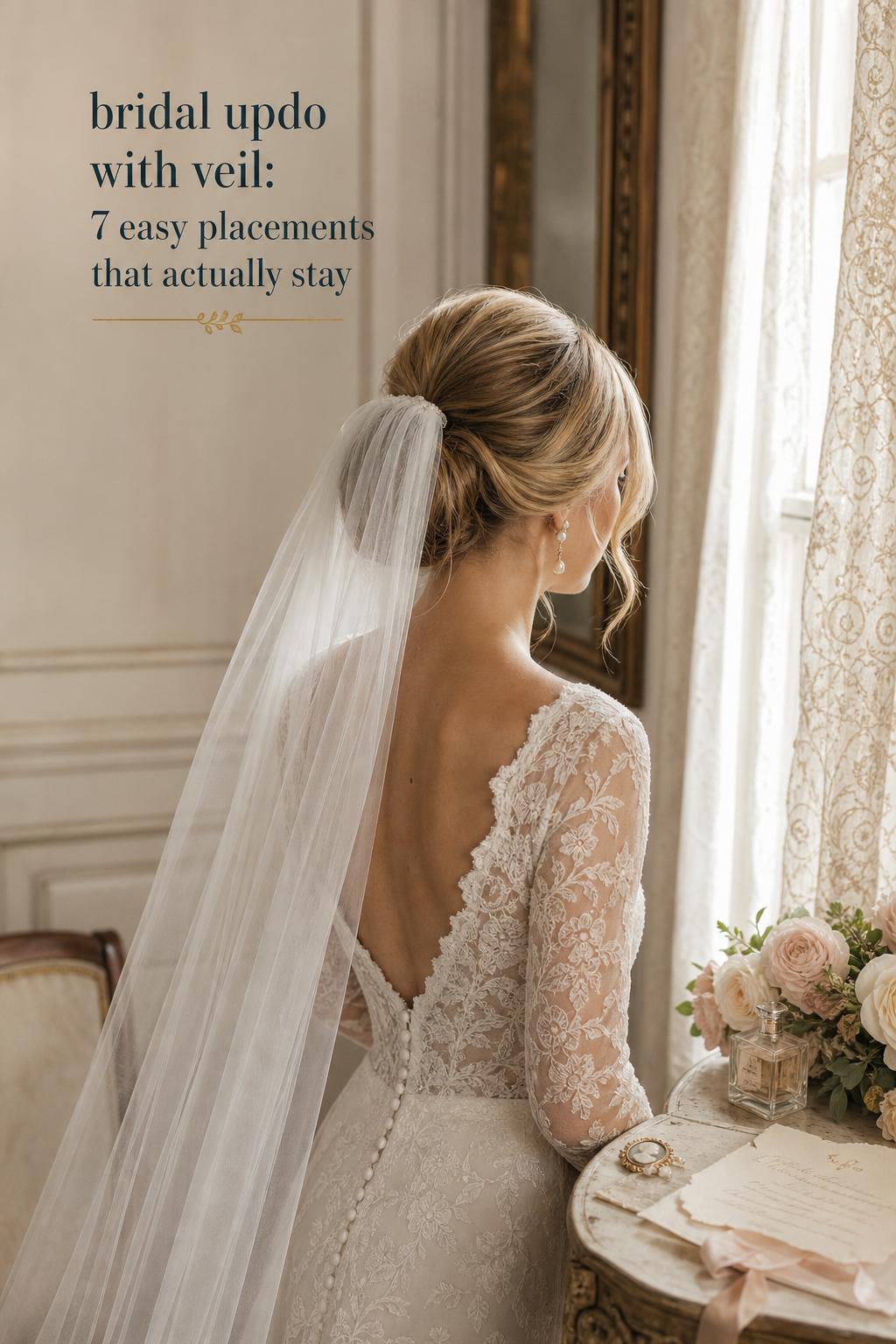
Why this styling decision feels more complicated than it should
The difficulty usually comes from trying to balance beauty with function. An updo must look refined on its own, but when a veil is added, it also has to create a secure anchor point. If the veil is too heavy for the hairstyle, placed too high, or attached without enough structure, the whole look can shift. If the placement is too low or too hidden, the veil may disappear behind the hairstyle rather than enhancing it.
Movement matters too. Weddings are long events, and a hairstyle that looks perfect for a few quiet portraits may behave differently during hugs, wind, dancing, and hours of wear. That is why practical details such as veil comb placement, bobby pins, and the relationship between the veil and the base of the updo deserve just as much attention as the visual inspiration.
Your wedding look is only the beginning.
Keep your guest list, vendors, timeline, and every important detail together with Zarellea — so your day feels as considered as your style.
There is also the question of style identity. A sleek center-part bun creates a different bridal impression than loose natural curls pinned into a soft updo. The right answer depends on whether you want something modern, romantic, classic, or fashion-led, and whether your veil is a blusher, mantilla, birdcage, fingertip, or cathedral length style.
The core principles that make an updo and veil work together
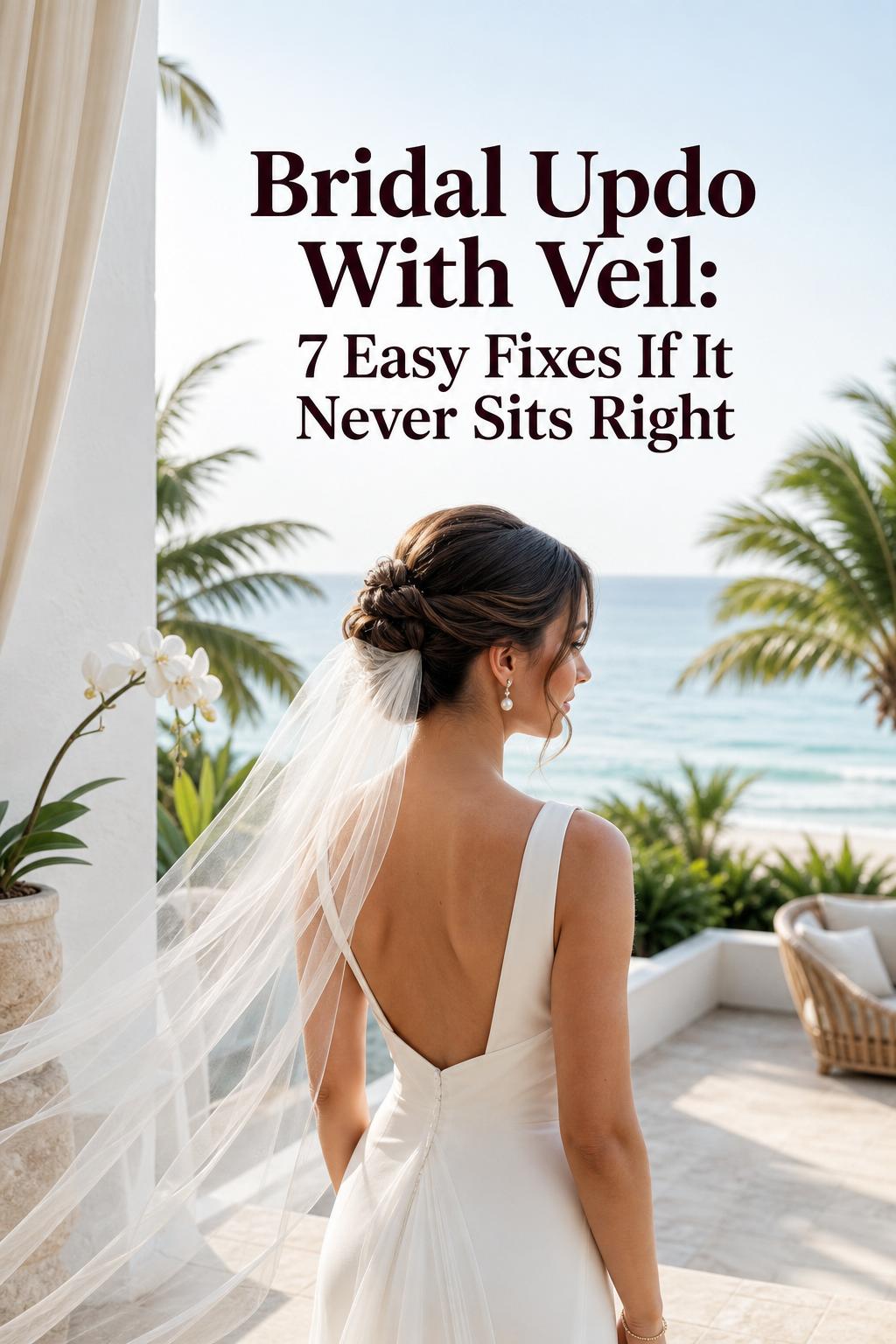
The strongest bridal hair decisions start with compatibility rather than trend. Instead of choosing the hairstyle first and forcing the veil to fit later, it helps to think of both pieces as one composition. The updo creates shape, while the veil creates line, softness, and movement behind it.
- Choose the updo based on where the veil comb will sit: crown, top of bun, beneath the updo, or at the base.
- Match veil type and length to the visual weight of the hairstyle so one does not overpower the other.
- Use support tools intentionally, especially combs and bobby pins, rather than treating them as an afterthought.
- Consider hair texture from the beginning, since straight, wavy, and curly hair each create different hold and silhouette.
- Think about visibility in portraits, especially profile and back views, so the veil enhances the hairstyle instead of covering its best detail.
This is the styling logic behind many of the most successful bridal looks. A low tight bun with a center part, a wrapped chignon, or a loose curled updo can all be beautiful, but the placement strategy is what turns them into reliable wedding choices.
Understanding veil types before you choose the updo
Not every veil behaves the same way against an updo. Length, fabric, and edge finish all affect how the veil falls behind the head and whether it should be positioned above or below the hairstyle. This is where many brides solve the problem early.
Cathedral and longer veils
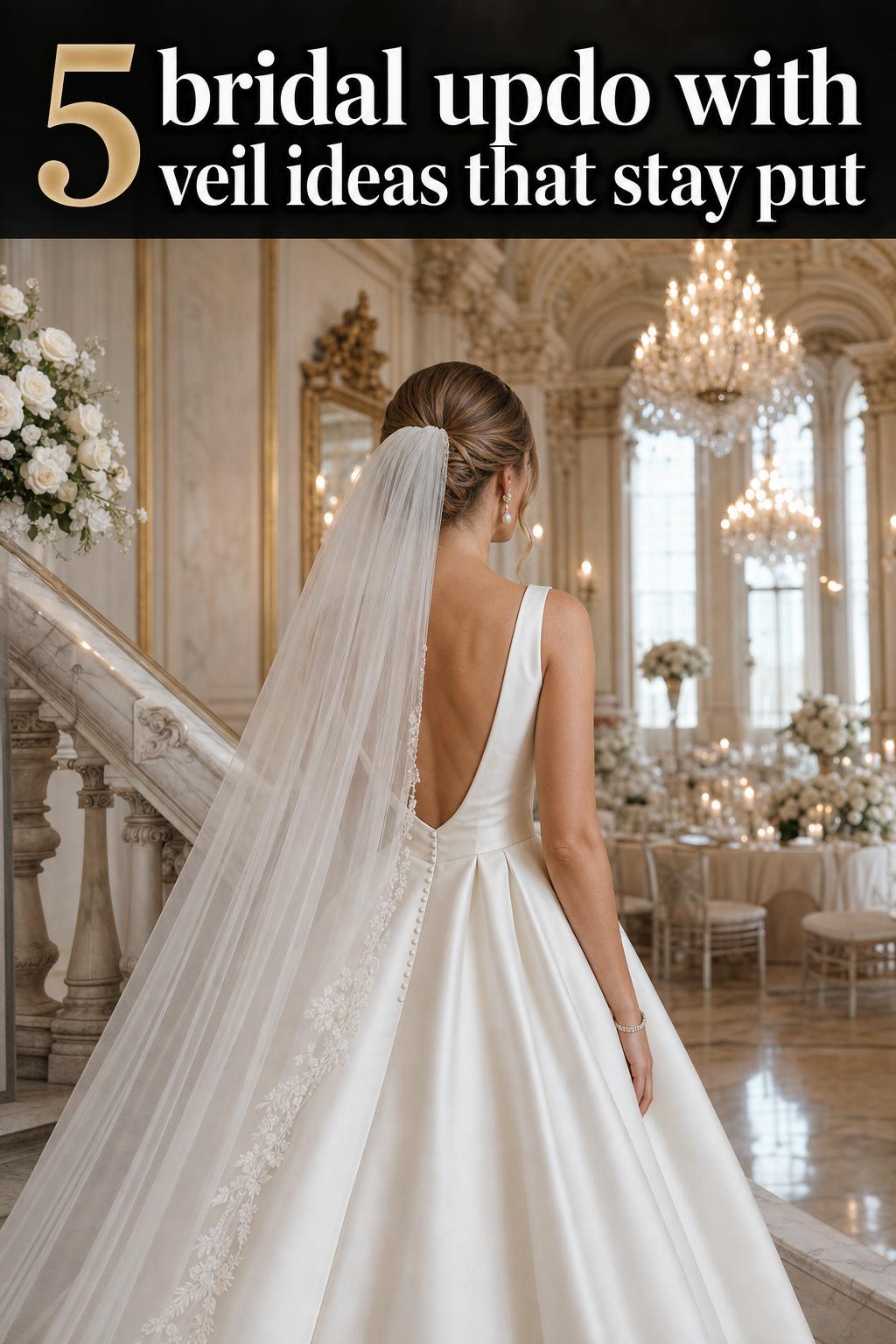
Longer veils tend to create a dramatic line down the back, so they often pair best with stable shapes such as a low bun, extra-low chignon, twisted back chignon, or braided bun. These styles give the comb a reliable place to sit and allow the length of the veil to remain visible. If the hairstyle is too high or too loose, the veil can compete with it rather than flowing from it.
Fingertip veils
Fingertip lengths are versatile and work well with many bridal updos. They can sit at the crown for a traditional effect or beneath the updo for a softer, more integrated finish. A classic chignon with veil placement at the base is especially graceful here because it keeps the hairstyle visible while still giving the veil a clear line.
Blusher and mantilla styles
A blusher introduces a more layered bridal feel, while a mantilla creates a framed, romantic softness. These styles often look best when the hairstyle is smooth enough not to fight the silhouette. A low bun, twisted chignon, or layered chignon usually supports that effect better than a very textured shape. The goal is cohesion: the veil should drape elegantly, not bunch or distort around the updo.
Birdcage veils
Birdcage veils create a different proportion entirely. Instead of trailing down the back, they focus attention at the front or side of the head. They are often easiest to wear with compact updos and polished styling details, since the veil itself becomes part of the face-framing design. In that case, the updo does not need to carry visual drama in the back; it needs to look intentional and refined.
Updo directions that solve the most common veil problems
Some bridal hairstyles consistently work better with veils because they offer clean placement options and balanced proportions. If you are trying to avoid slipping, crowding, or a veil that hides all your hair detail, these are the most dependable routes.
The low bun with a center part
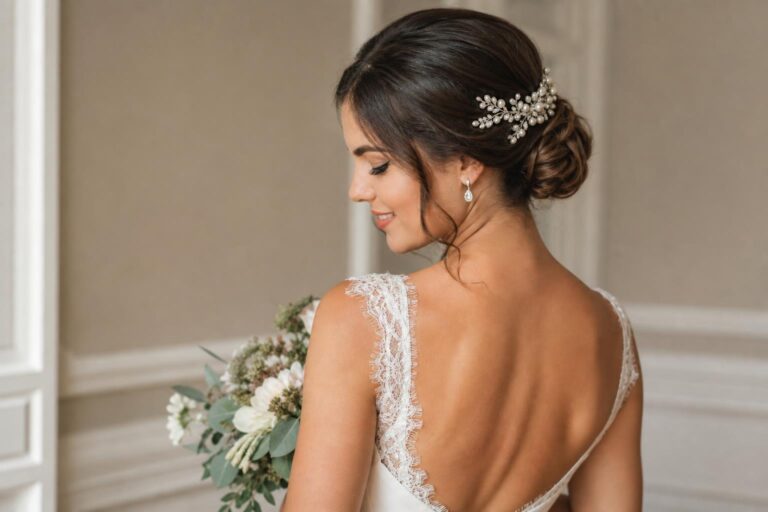
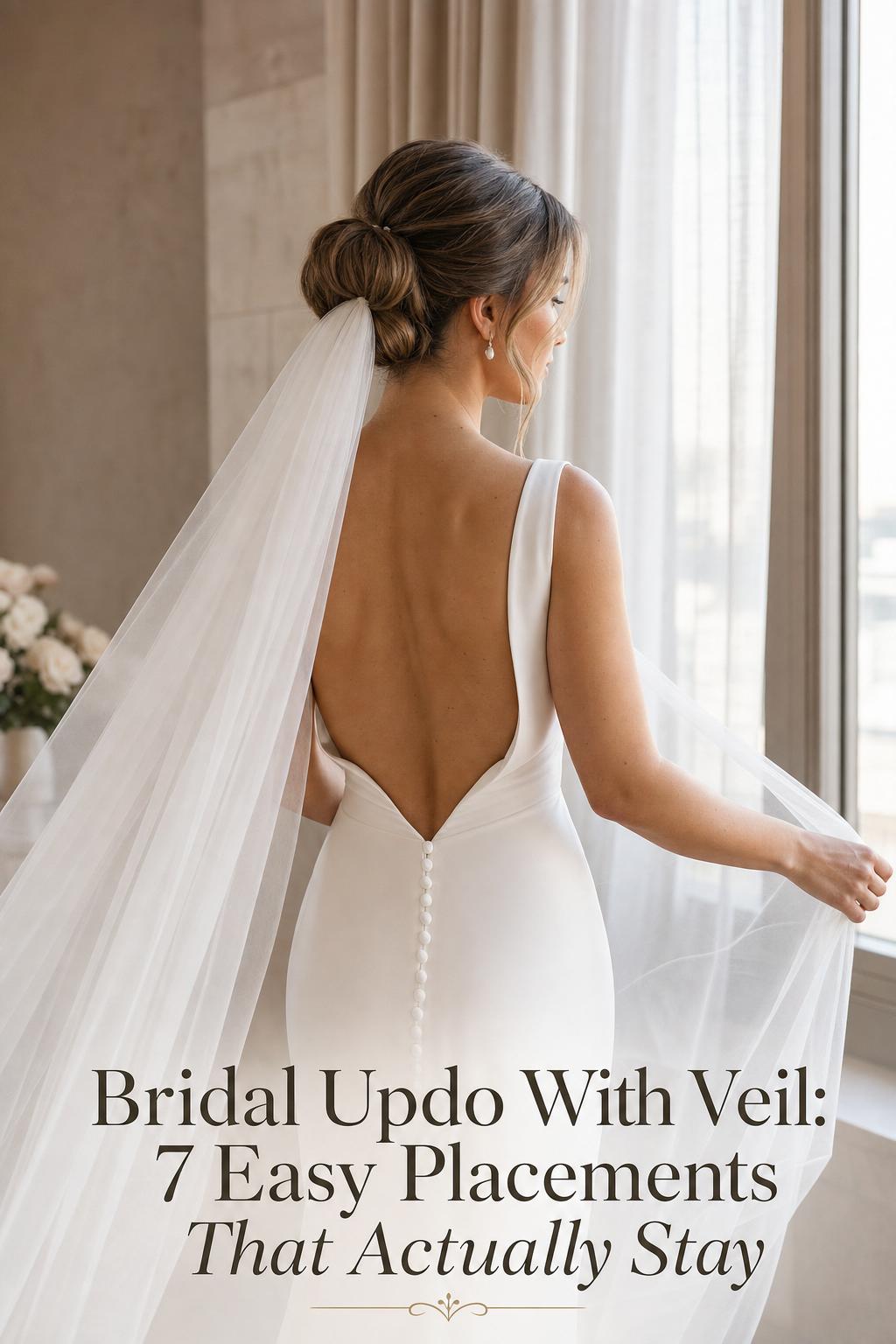
This is one of the most elegant solutions for brides who want a modern, polished look. The center part brings structure to the face, while the low bun creates a stable base for the veil. Placement just above the bun keeps the silhouette classic. Placement beneath the bun softens the effect and lets more of the hairstyle show from the front and side.
This direction suits formal ceremonies beautifully, especially when the atmosphere is refined and fashion-conscious. It is the kind of bridal hair seen in highly photographed weddings, including looks associated with Sofia Richie and Olivia Culpo, where the line of the hairstyle matters as much as the veil itself.
The classic chignon at the nape
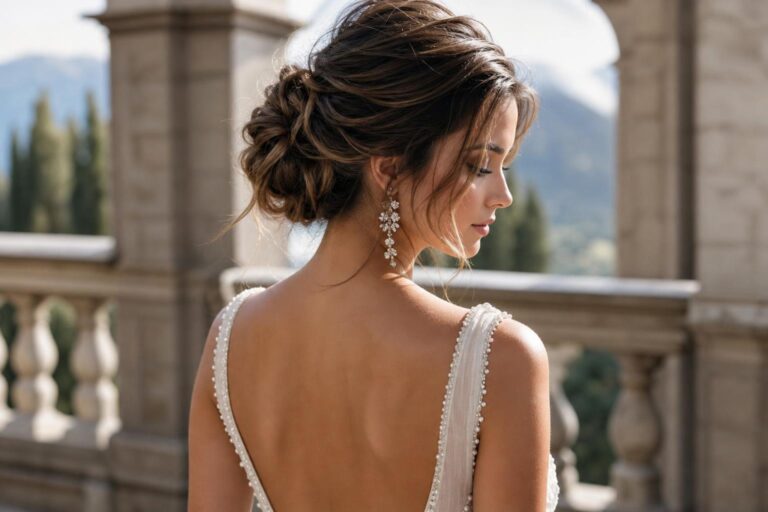
A chignon remains one of the safest and most graceful foundations for a veil. It can be twisted, wrapped, layered, or kept very smooth. Its strength lies in flexibility: the veil comb can sit at the crown for tradition, at the top edge of the chignon for visibility, or at the base for a softer back view. If you want a bridal updo with veil that feels timeless rather than trend-led, this is often the strongest answer.
For candlelit ballrooms or a classic city wedding, this style has the right restraint. It also transitions well if the veil is removed after the ceremony, because the updo still feels complete on its own.
Braided updos for soft texture
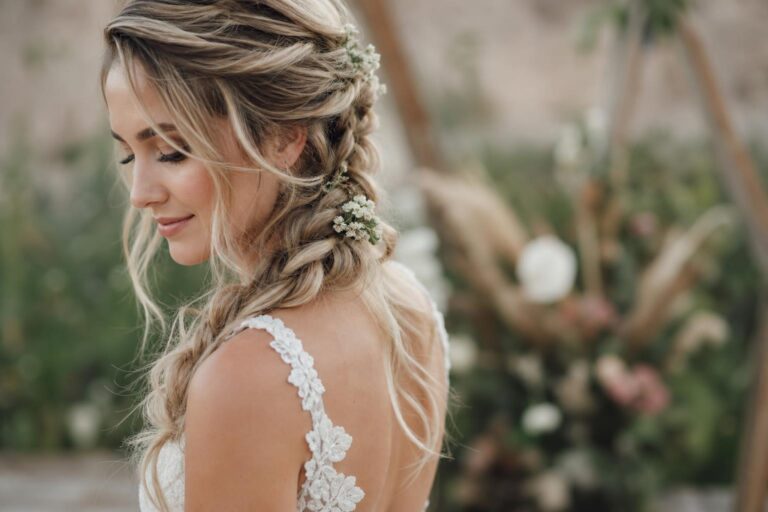
A low braided updo or braided bun works particularly well when the veil is sheer and the bride wants texture visible through and around it. Braids can create natural grip for the comb, which is useful when securing the veil. They also soften the overall impression without making the hairstyle feel too fragile.
This is a lovely choice for romantic weddings where the styling wants a touch of movement rather than strict smoothness. Think of a destination celebration in Sicily or Lisbon, where light, architecture, and atmosphere invite a softer finish. The braid adds detail, while the veil still remains the ceremonial layer.
Loose updos with curls or natural texture
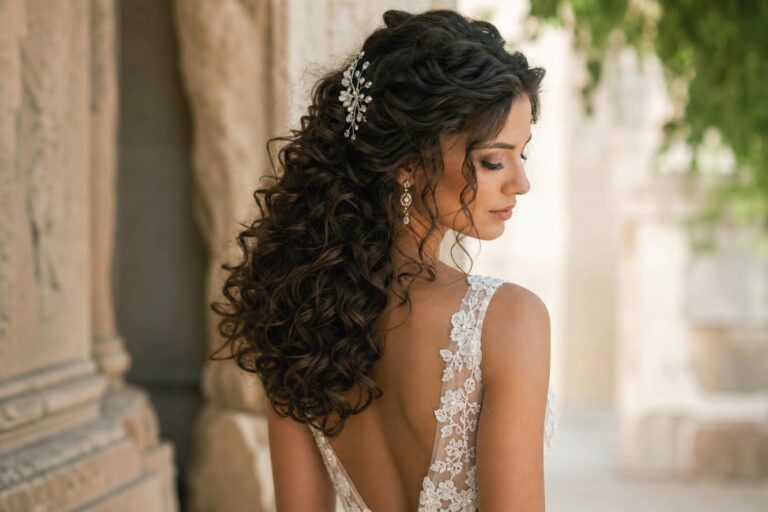
Loose curled updos and updos built around natural curls create a softer bridal mood, but they need thoughtful placement. If the veil is attached too high, the volume can become visually crowded. Attaching it beneath or just behind the textured section usually creates a more flattering flow. This allows the softness of the hair to remain visible, especially around the face.
These styles are especially beautiful in golden-hour settings, garden ceremonies, or outdoor receptions where a little movement feels intentional. A loose updo with natural curls can be incredibly romantic, but it needs enough hidden structure to support the veil throughout the day.
The French twist with face-framing bangs
For a bride drawn to a slightly more editorial profile, the French twist offers vertical elegance. Face-framing bangs or tendrils keep it from feeling severe. The veil typically works best attached lower on the twist or just beneath it so the shape remains visible. If the comb is placed too high, the hairstyle can lose its clean line.
This approach suits a sophisticated wedding in New York or Montecito, where the beauty direction leans polished but not overly traditional. It has structure, yet still allows softness around the face.
Placement changes everything: where the veil should actually sit
Most veil problems are really placement problems. A bride may think the updo is wrong, when in fact the veil was attached at the wrong point. Understanding the relationship between the comb and the updo is often the quickest way to refine the whole look.
At the crown
Crown placement creates a classic bridal silhouette and allows the veil to cascade visibly behind the head. It works especially well with low buns and chignons because the veil and hairstyle do not compete for the same space. This is often the preferred choice for a more traditional ceremony feel.
At the top of the bun or chignon
This option visually connects the veil to the hairstyle and works well when you want a compact, integrated finish. It can be especially effective with a sock bun, wrapped chignon, or twisted bun. The caution is that the hairstyle must be stable enough to support the comb without pulling.
Beneath the updo
Under-updo placement is often the most romantic solution because it keeps the full shape of the hair visible. It works beautifully with low chignons, loose curled updos, and braided designs. Brides who want the hairstyle to be seen clearly in portraits often prefer this option, particularly when wearing a blusher or a softer tulle veil.
Behind the hairstyle
Positioning the veil behind the hairstyle can create a subtle, fashion-forward effect. This is useful when the updo itself carries visual interest, such as a layered chignon or detailed braid. The key is making sure the veil still reads as intentional rather than hidden.
How to secure a veil without compromising the hairstyle
The most beautiful veil placement still needs a secure foundation. Veil combs and bobby pins are not glamorous topics, but they are what keep the hairstyle calm through movement, wind, and a long wedding day.
- Use the veil comb as the anchor point, not the only point of support.
- Add bobby pins around the comb for reinforcement, especially at the base of the updo.
- An X-pattern with pins helps stabilize the comb and reduce shifting.
- If the hairstyle is very soft, create hidden structure within the updo before attaching the veil.
- Test movement during the hair trial rather than only assessing the look while standing still.
Wind and motion matter more than many brides expect. Outdoor vows, destination settings, and lively receptions all place demands on the hairstyle. A veil that feels secure in a salon chair may behave differently at a beachside event or during a fast transition from ceremony to dance floor.
A bridal styling lens: matching the updo and veil to the wedding atmosphere
The right pairing also depends on the mood of the celebration. An updo that feels perfect in a grand ballroom may not feel as natural in a sunlit destination setting. Thinking about venue atmosphere can help clarify the best direction.
For a city wedding with polished tailoring
A low tight bun, center part, or French twist often feels at home in a city setting such as New York. These styles photograph beautifully against structured architecture and pair well with a veil placed cleanly at the crown or just above the base of the hairstyle. The overall effect is refined, modern, and deliberate.
For a destination celebration with softness
In locations such as Lisbon or Sicily, a looser chignon, braided updo, or curled texture often suits the mood. A sheer veil attached beneath the updo keeps the look airy and allows movement without losing elegance. The hairstyle should feel romantic rather than rigid.
For a classic estate or coastal ceremony
A wrapped chignon or extra-low bun is ideal when the wedding style leans timeless, as in Montecito-inspired celebrations. These shapes are understated enough to support a longer veil while still feeling luxurious. They also tend to remove more easily into the reception, leaving behind a complete evening hairstyle.
Real-bride inspiration and what it teaches
Real-world bridal references are useful because they show how these pairings function beyond theory. Brides associated with highly visible wedding looks, including Sofia Richie, Olivia Culpo, Huma Abedin, Serena Weinstock, and Sara Worth Mullally, help illustrate a recurring truth: the most memorable bridal hair usually relies on clear shape and intentional veil placement, not unnecessary complication.
Some of the strongest examples favor low-profile updos with enough structure to support the veil while keeping the face open. Others use tendrils, bangs, or natural curls to soften the look without sacrificing balance. The lesson is not to copy a celebrity wedding exactly. It is to notice how well-edited bridal hair tends to make the veil and the updo feel like one visual decision.
Accessories that support rather than distract
Hair accessories can elevate a bridal updo with veil, but restraint often creates the more polished result. Since the veil already acts as a major design element, every additional piece should have a purpose.
- Barrettes can add a refined accent when the veil is removed later.
- Clips and combs should blend with the hairstyle rather than interrupt its line.
- Bobby pins remain the quiet essential for support, especially with a low bun or chignon.
- Headpieces work best when they complement the veil rather than compete with its placement.
For many brides, the most useful accessory plan is a transitional one: a veil for the ceremony, then a subtle barrette or comb left visible for the reception. That approach works particularly well with styles such as a twisted chignon or braided bun, which still look intentional after the veil comes off.
What to bring to the hair trial so the decision is realistic
A trial is where the practical questions get answered. Rather than discussing the veil abstractly, bring the actual piece if possible, along with any combs, barrettes, or clips you may wear. This allows the stylist to test placement in real conditions and see whether the chosen updo needs more structure or a different silhouette.
- Your veil, including attached comb if it already has one
- Bobby pins or accessories you plan to use
- Reference images that show placement, not just hairstyle
- A clear plan for whether the veil stays on all day or is removed after the ceremony
- Notes about your wedding setting, especially if wind or movement will be a factor
This is also the time to ask for back-view photos. Many brides judge the style only from the front mirror angle, even though the veil and updo relationship is most visible from behind and in profile.
Common mistakes that make a bridal updo with veil harder to wear
Most styling issues come from trying to do too much at once. A highly detailed updo, a dramatic veil, multiple accessories, and soft face-framing pieces can all be beautiful individually, but together they can blur the focal point.
Another common mistake is choosing placement based only on tradition rather than on the hairstyle itself. A veil at the crown may be classic, but if the updo is especially detailed at the back, beneath-the-updo placement may be more flattering. The better approach is to assess visibility, support, and balance rather than following one formula.
Finally, brides sometimes underestimate security. If the veil feels loose during the trial, it will usually feel looser at the wedding. That early discomfort is useful information. Adjusting the comb placement or adding pin support before the wedding day is far easier than troubleshooting mid-ceremony.
Tips for choosing your final direction
If you feel torn between several styles, narrow the decision by asking a few focused questions. Do you want the veil to feel traditional and prominent, or soft and integrated? Do you want the updo itself to be the main feature once the veil comes off? Is your hair naturally straight, wavy, or curly, and does your chosen style work with that texture rather than against it?
Brides who love a minimalist bridal look often do best with a low bun, smooth chignon, or extra-low updo and a clean veil placement. Brides who want softness may prefer a braided or loose curled shape with the veil placed underneath. The strongest answer is usually the one that still looks beautiful after a full day of movement, photographs, and celebration.
FAQ
How do I wear a veil with an updo without hiding the hairstyle?
The easiest way is to place the veil beneath or just behind the updo rather than directly over it. This works especially well with a low bun, chignon, braided updo, or loose curled style because the shape of the hair remains visible while the veil still reads clearly in the back view.
What is the best veil placement for a low bun?
A low bun usually works well with the veil attached either at the crown for a classic bridal silhouette or just above or beneath the bun for a softer effect. The best choice depends on whether you want the veil to be the main feature or whether you want the bun itself to stay more visible in photos.
Are chignons better than loose updos for veils?
Chignons are often easier to secure because they provide a more stable structure for the veil comb, but loose updos can still work beautifully when built with hidden support. If you want a romantic look with curls or natural texture, ask for enough internal structure so the veil does not pull the hairstyle out of balance.
How do you secure a veil in an updo so it does not slip?
The veil comb should be anchored into the hairstyle and reinforced with bobby pins, often in an X-pattern around the comb. It also helps if the updo itself has a clear base, such as a bun, braided section, or chignon, rather than an entirely loose shape with no stable attachment point.
Which updo styles pair best with cathedral or fingertip veils?
Cathedral and fingertip veils usually pair best with low buns, classic chignons, wrapped chignons, extra-low updos, and braided buns because these shapes create a graceful line for the veil to fall from. They also tend to hold their form well across a longer wedding day.
Can I wear a birdcage veil with an updo?
Yes, but the styling approach is different from a trailing veil. A birdcage veil draws attention toward the front or side of the head, so it pairs best with a compact, polished updo that supports the shape without adding too much visual weight at the back.
Does hair texture affect the best bridal updo with veil?
Yes, because straight, wavy, and curly hair create different levels of hold, softness, and volume. Sleeker textures often suit defined buns and chignons, while wavy or curly textures can create beautiful loose updos and braided styles, as long as the veil placement is adjusted so the hair is not visually crowded.
Should the veil go above or below the chignon?
Both can work. Above the chignon feels more traditional and gives the veil a stronger presence, while below the chignon feels softer and lets more of the hairstyle remain visible. The better option depends on the design of the chignon and how much of it you want seen during the ceremony.
What should I test at my bridal hair trial?
Test the actual veil placement, not just the hairstyle. Bring the veil, comb, and any accessories, then ask to see the style from the front, side, and back. It is also wise to move around, remove and reattach the veil if that is part of your plan, and confirm that the updo still looks complete once the veil comes off.