Bridal Hair Inspiration for a Polished Wedding Day
The moment a bride starts saving images, one challenge appears almost immediately: there is too much bridal hair inspiration, and not enough clarity about what will actually work on the wedding day. A sleek low bun may look striking in a candlelit ballroom, while soft waves feel effortless for a garden ceremony at golden hour, yet neither choice exists in isolation. Hair has to work with the dress neckline, the veil, the jewelry, the season, the venue, and the reality of moving through a long celebration.
That is why choosing wedding hair often feels more complicated than choosing the dress itself. A style can be beautiful in a gallery and still be wrong for your texture, too delicate for humidity, or awkward with a cathedral veil. This guide approaches bridal hair inspiration as a styling problem to solve: how to find a look that feels romantic, polished, and realistic from the ceremony through the final dance.
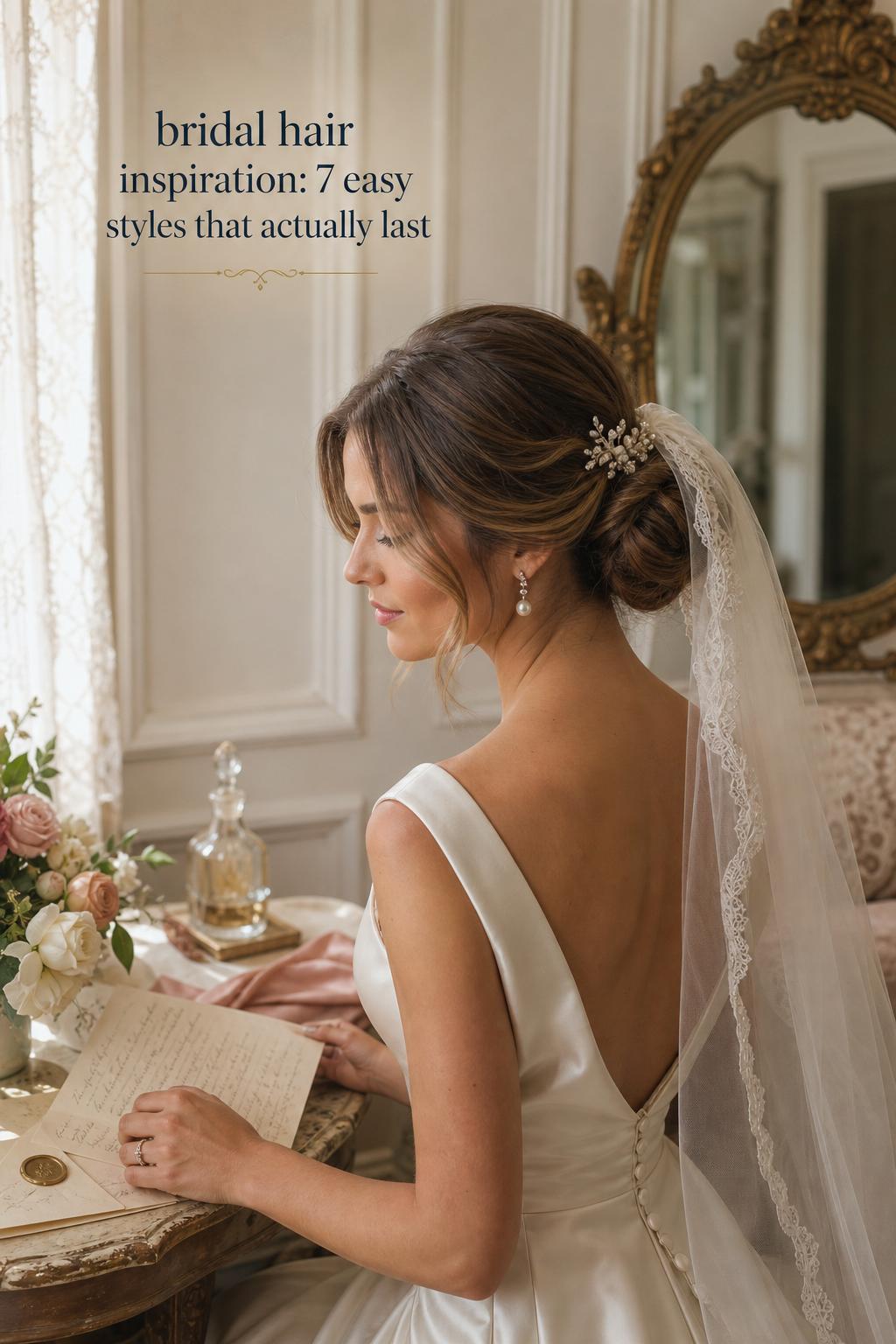
Below, you will find the core hairstyle directions showing up again and again in modern bridal beauty coverage, along with practical guidance on how to pair them with accessories, dress shapes, and personal style. From classic chignons to romantic waves, braided crowns, and sleek modern buns, the goal is not simply to admire ideas but to choose one with confidence.
Why bridal hair can feel harder than expected
Wedding hair sits at the intersection of beauty and engineering. It has to photograph well, flatter the face, hold shape for hours, and still feel like you. That is why brides often get stuck between inspiration images that lean timeless and trend notes that feel fresh, such as soft volume, natural texture, delicate details, or even vintage Edwardian curls.
Your wedding look is only the beginning.
Keep your guest list, vendors, timeline, and every important detail together with Zarellea — so your day feels as considered as your style.
There are also practical pressures. A beach ceremony may call for more controlled texture than loose, brushed-out curls. A formal evening reception can support a more sculpted French twist or low chignon. A high-neck dress may need hair lifted away from the shoulders, while a sweetheart or strapless neckline often leaves more room for waves, half-up styles, or a low pony. The problem usually is not a lack of ideas. It is understanding which idea belongs with your specific wedding setting.
Comfort matters too. Brides commonly underestimate how much a hairstyle affects movement, warmth, and overall ease. The best wedding hairstyles balance elegance with wearability, especially when a veil, headpiece, floral accents, or extra jewelry are involved.
The styling logic behind a successful bridal hairstyle
Before choosing a look, it helps to think in categories rather than isolated photos. Most strong bridal hairstyles fall into a few clear families: updos, waves, braids, half-up shapes, and sleek minimalist styles. Once you know the family that suits your wedding aesthetic, the details become much easier to refine.
- Match the hairstyle to the dress neckline. A bateau or high neck usually benefits from a cleaner shape such as a bun, chignon, or twist, while open necklines can support looser movement around the shoulders.
- Use texture intentionally. Sleek, tousled, romantic, and soft-volume finishes each create a different mood. Texture is not a minor detail; it is often what makes a style feel modern or timeless.
- Let accessories guide the structure. Veils, flowers, hairpins, combs, and jeweled details all need anchor points. Some styles are naturally more accessory-friendly than others.
- Think about longevity. A style should survive the ceremony, portraits, dinner, and dancing. Product choices such as leave-in conditioner, finishing sprays, and tool-based shaping matter because they affect hold and polish.
- Respect your natural pattern. The strongest looks often work with your existing straight, wavy, curly, or textured hair rather than forcing a dramatic transformation that becomes difficult to maintain.
This is also where the most practical bridal beauty advice tends to stand out. Rather than chasing a single trend, brides do better when they choose a shape that aligns with their hair texture and then refine it with finish, volume, and accessory placement.
The main bridal hair directions worth considering
Classic updos for timeless polish
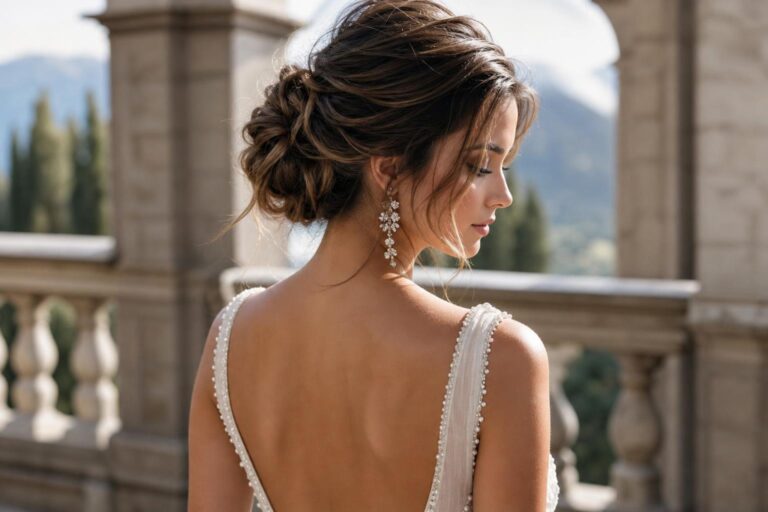
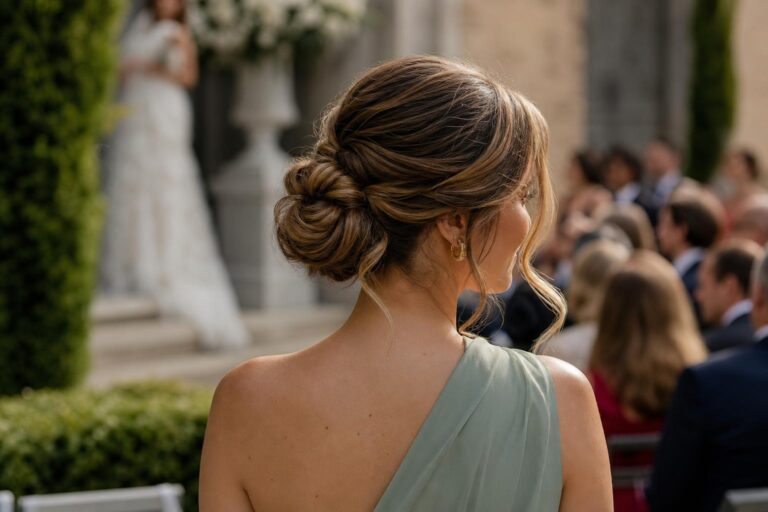
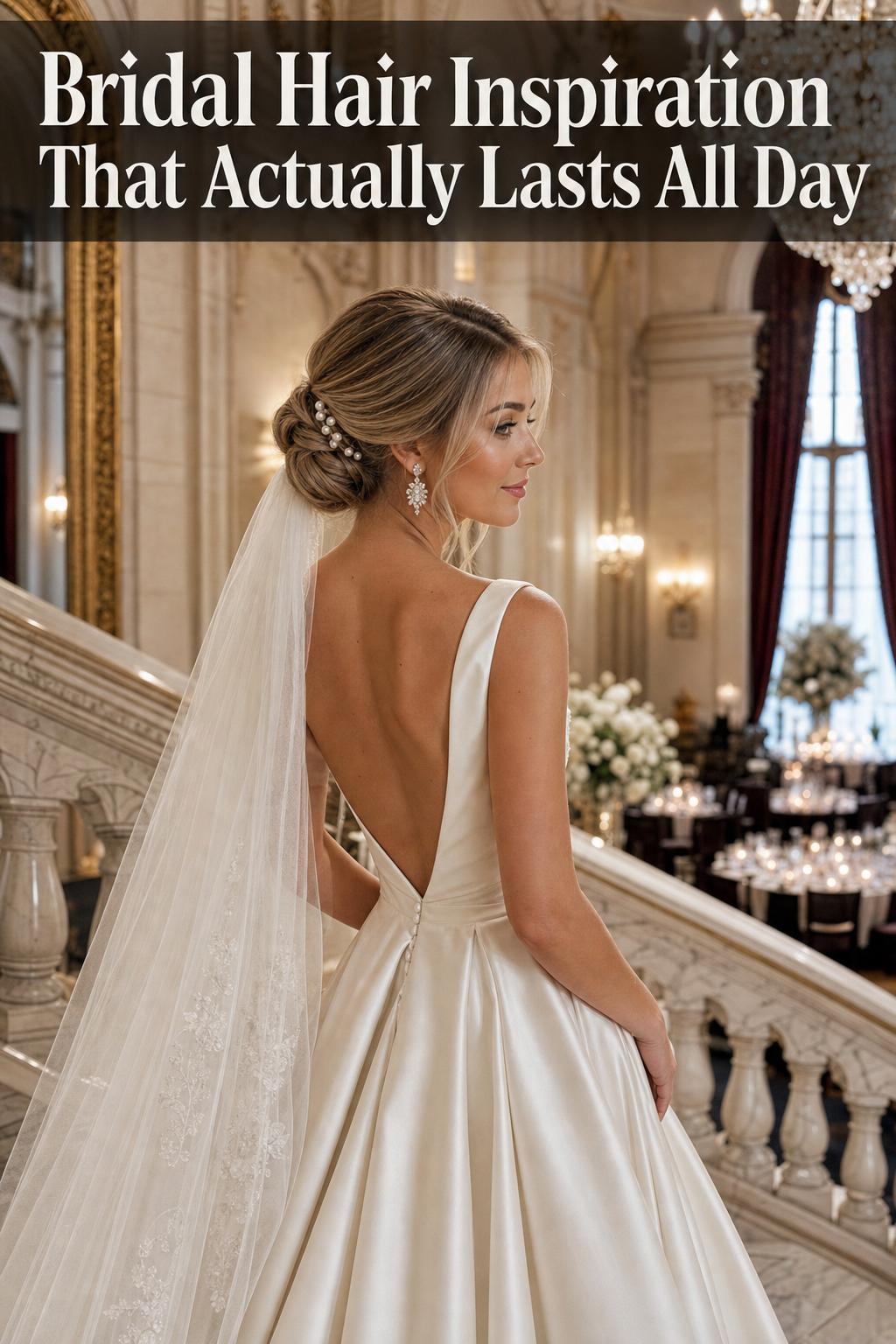
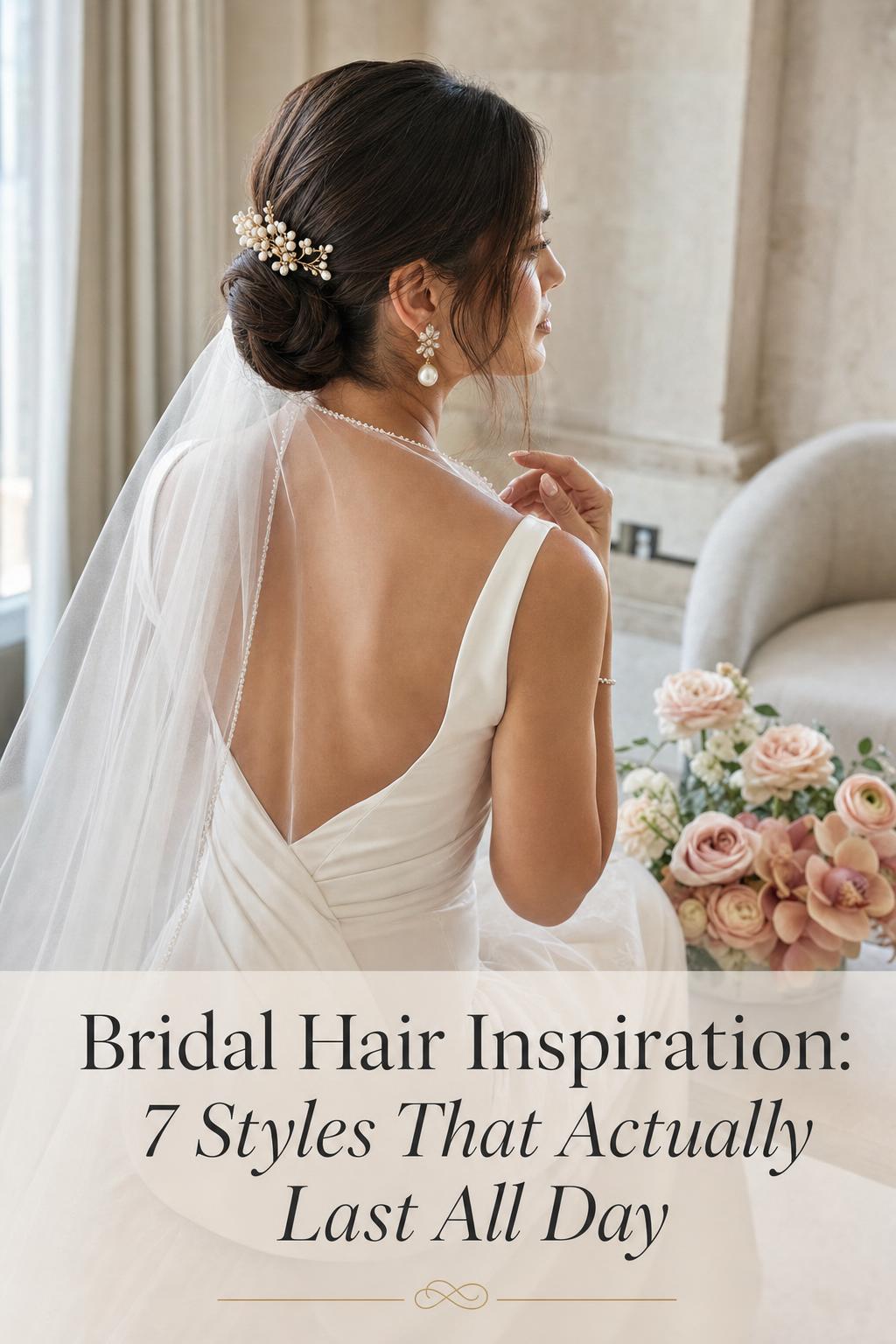
A classic updo remains one of the most reliable answers for brides who want elegance without distraction. Think low chignon, French twist, or a softly structured bun placed at the nape. These styles feel especially convincing in formal venues, city celebrations, and black-tie receptions where the dress often carries significant detail.
The reason classic updos work so well is balance. They keep the neckline visible, support veils beautifully, and usually hold their shape across a long schedule. In a church ceremony, ballroom wedding, or refined hotel setting in cities such as New York or Los Angeles, a polished updo often feels in step with the environment. For brides wearing statement earrings or a gown with back detail, this direction allows those features to remain visible instead of competing with loose hair.
If you love the idea of a classic style but worry about looking too severe, ask for softness at the hairline or a less rigid finish. The difference between formal and dated often comes down to texture. A low chignon with gentle movement can feel far more current than an over-sprayed shape.
Romantic waves for movement and softness
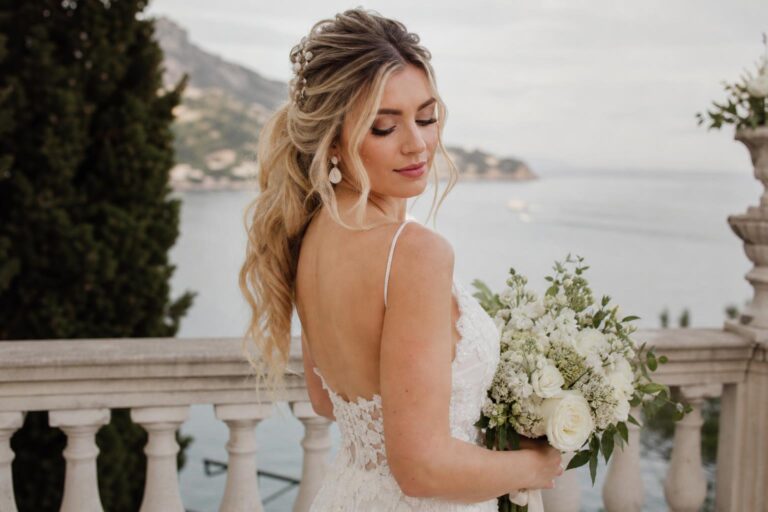
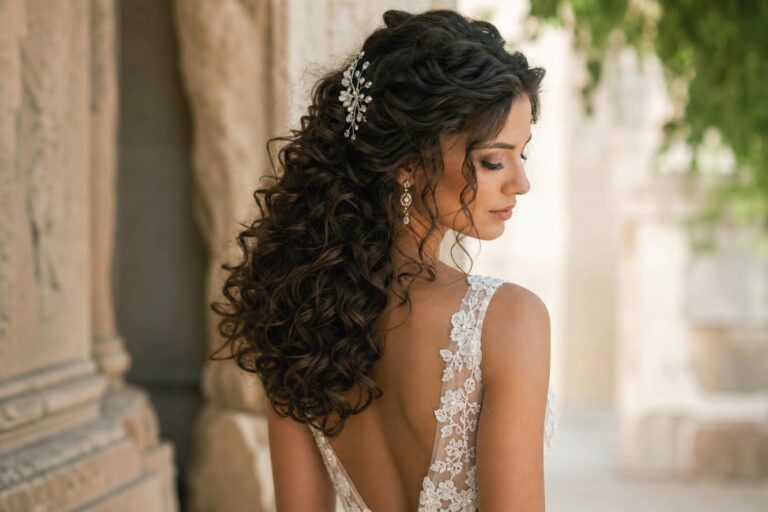
Soft waves remain one of the most requested forms of bridal hair inspiration because they photograph beautifully and carry a natural, romantic mood. They suit outdoor ceremonies particularly well, whether the setting is a vineyard, a garden, or a coastal celebration where golden-hour light enhances dimension and shine.
Romantic waves also give flexibility. They can be worn fully down, pinned on one side, integrated into a half-up half-down shape, or paired with flowers and delicate clips. Brides drawn to boho styling, floral details, or a lighter, less structured fashion story often gravitate here.
The caution is practical: waves need a finish strategy. On fine hair, too much softness can fall flat. In humid or windy conditions, an entirely loose style may shift more than expected. This is where product support becomes part of the design. Editorial beauty coverage often links these looks with styling products, including leave-in conditioner for prep and finishing products for hold, because softness still needs structure underneath.
Braids and braided crowns for boho or regal energy
Braids occupy a useful middle ground between decorative and secure. A braided crown, woven detail through an updo, or a floral braid can feel either relaxed and bohemian or elevated and regal, depending on how polished the finish is. That range makes braids especially valuable for brides who want visual detail without relying entirely on jewelry.
For countryside venues, destination settings, and ceremonies framed by flowers, braids integrate naturally with the surroundings. They also pair well with accessories because the structure itself provides anchor points for floral clips, combs, and hairpins. In longer celebrations, this can be a practical advantage over very loose styles.
A braid should still suit the overall dress mood. With a minimalist gown, a sleek braid detail can add interest without overwhelming the look. With a romantic dress and soft veil, a loosened braided crown can echo that softness in a more expressive way.
Sleek low buns and ponytails for modern minimalism
For brides who prefer clean lines, a sleek low bun or sleek low pony has become one of the strongest modern options. It feels particularly right with minimalist satin, architectural silhouettes, and refined city weddings. In editorial beauty coverage, these looks often appear with fashion-forward styling cues and a precise finish rather than romantic looseness.
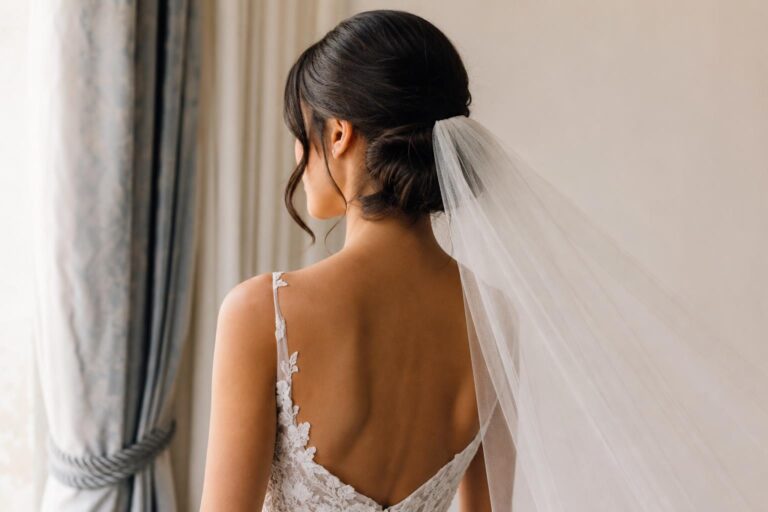
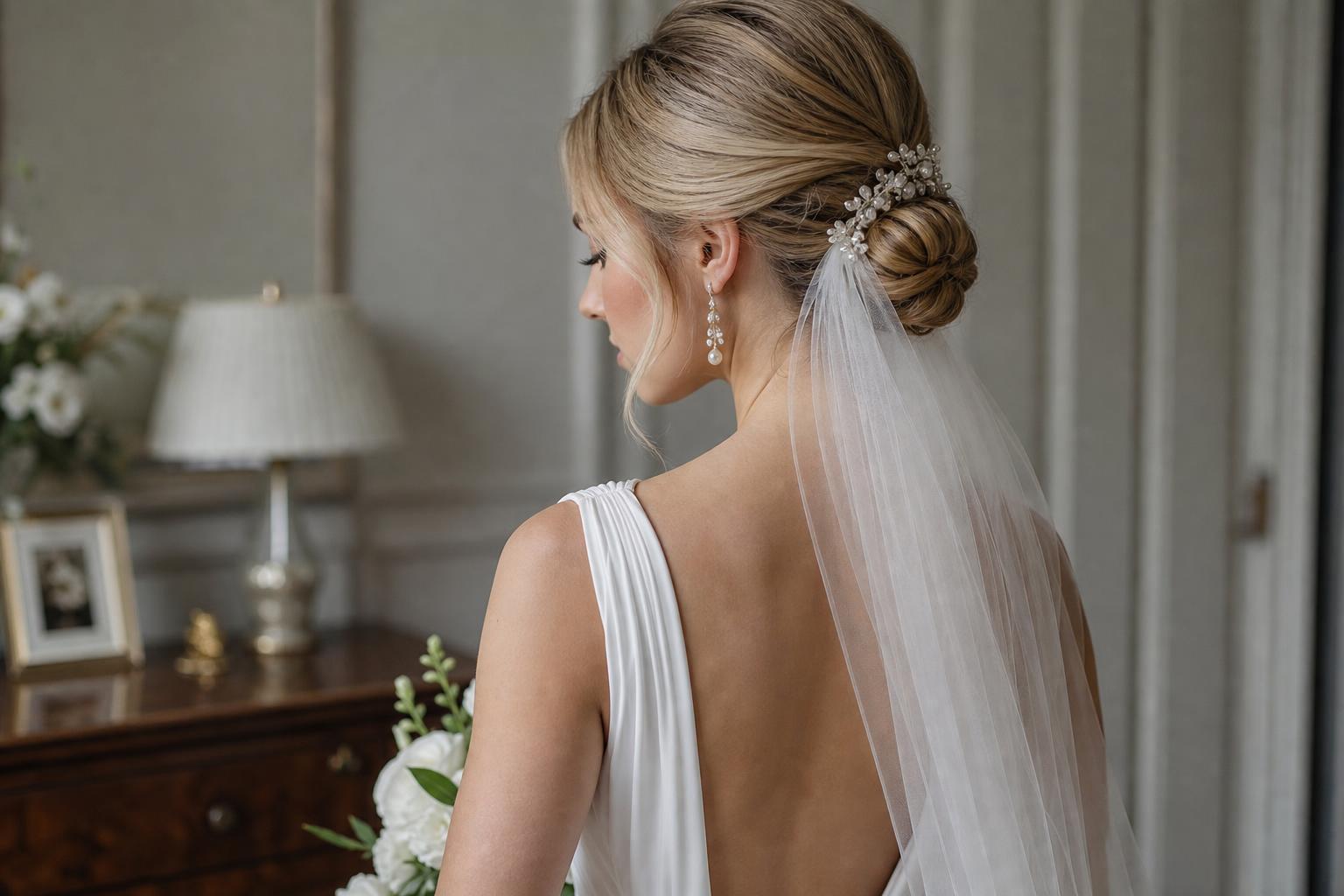
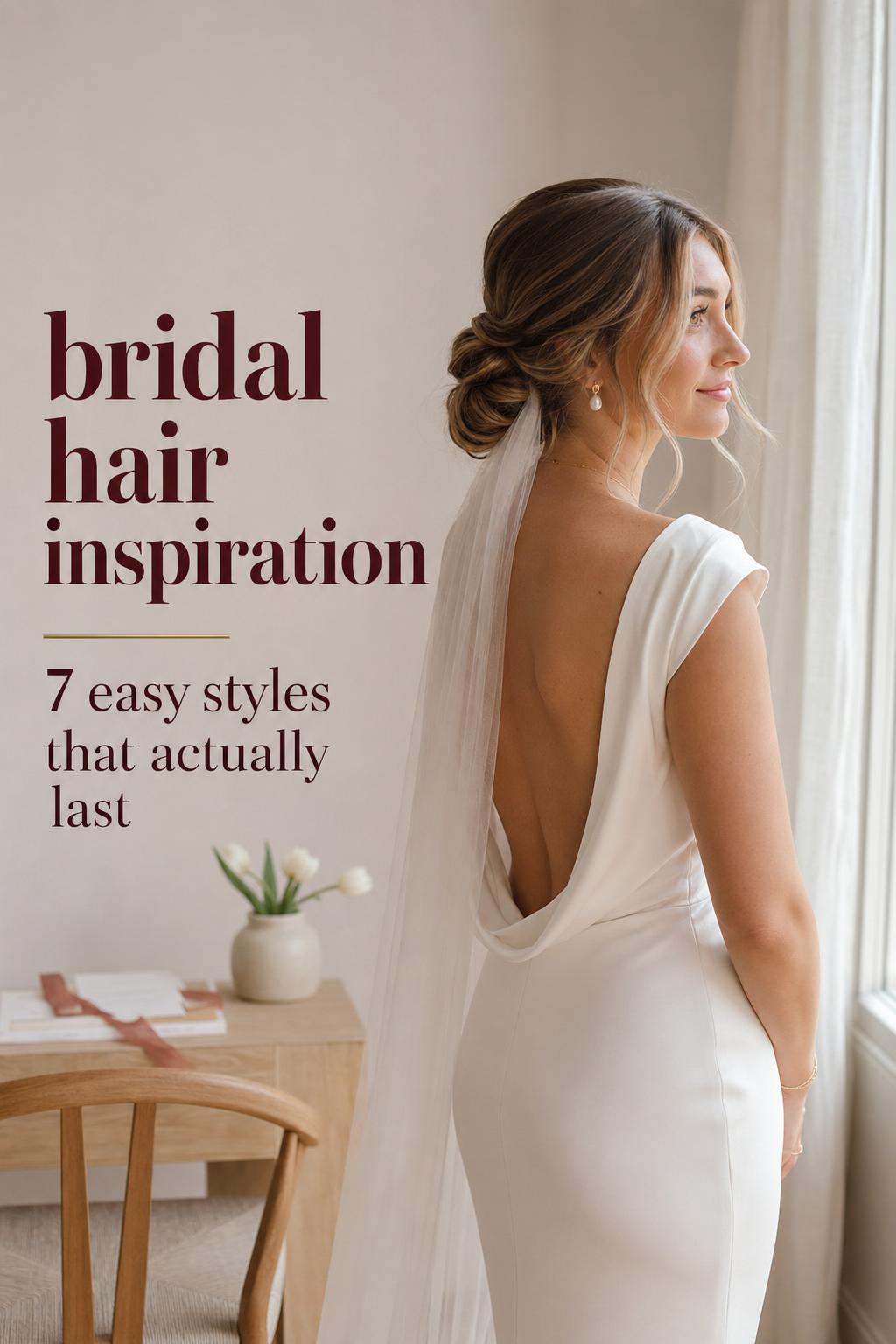
This direction works because it creates intentional contrast. If the dress has a strong shape, the hair does not need to compete. A smooth bun under a veil can read extremely elegant, especially in evening light or a formal indoor setting. It is also one of the better choices when the bride wants every detail to feel controlled and secure.
Tools matter more here than with softer styles. Brand-led tutorials from ghd point toward technique-driven styling, where the finish depends on smooth preparation and precise shaping. The result can be striking, but it tends to suit brides who genuinely enjoy a cleaner aesthetic. If you usually wear your hair with movement and texture, an ultra-sleek finish may feel disconnected from your everyday self.
Vintage and Edwardian-inspired styling for statement romance
Among newer bridal beauty conversations, vintage references have returned in a more directional way. Edwardian curls, Sisi-inspired shapes, and jeweled details bring a romantic historical note that feels especially suited to grand venues, fashion-conscious celebrations, or brides who want their beauty look to make a clear statement.
These styles are less universal than waves or chignons, which is precisely why they can be memorable. In the right setting, they create atmosphere. Picture a candlelit reception, ornate jewelry, and a gown with old-world influence. The hairstyle becomes part of the storytelling rather than just a finishing touch.
The key is restraint. Vintage influence is most elegant when one element leads. If the hair carries strong Edwardian volume or curl pattern, accessories should complement rather than crowd the effect.
How to choose by hair type, not just by inspiration photo
One of the clearest gaps in many bridal galleries is practical hair-type guidance. Inspiration images are useful, but the same shape behaves differently on straight, wavy, curly, or textured hair. Choosing well means understanding how your natural pattern supports the final look.
Straight hair
Straight hair often excels in sleek low buns, polished ponytails, French twists, and minimalist chignons because the surface naturally reads smooth and reflective. If you want romantic waves, be realistic about how much hold is needed to maintain shape throughout the event. A trial becomes especially important when the goal is visible bend rather than natural straightness.
Wavy hair
Wavy hair is one of the most versatile foundations for wedding hairstyles. It can move into soft waves, half-up styles, textured updos, or braided looks without losing character. If your wedding aesthetic is romantic or boho, this hair type often gives the easiest path to that undone-but-intentional finish.
Curly and textured hair
Curly and textured hair can create some of the most dimensional bridal looks, especially in textured updos, soft pinned shapes, and fuller half-up styling. Instead of flattening natural movement, many of the most appealing current ideas favor working with texture. This approach often feels fresher and more personal than forcing a completely different pattern for the day.
For brides considering a smoother finish, the main question is not whether it can be done, but whether it will still feel comfortable and authentic over many hours. Natural texture paired with controlled shape often gives a better balance of beauty and ease.
Short hair, textured bobs, and pixie-adjacent bridal styling
Shorter lengths deserve more attention than they usually receive in broad roundups. A textured bob can look extraordinary with a side pin, jeweled comb, or veil placed with intention. Short hair also handles modern styling particularly well, from sleek finishes to soft vintage curves. The goal is not to imitate long hair, but to style the cut you have in a way that feels occasion-worthy.
Dress neckline, jewelry, and hair should work as one composition
Bridal hair is rarely at its best when chosen separately from the dress. The neckline creates visual boundaries, and hair either opens that space or fills it. This is why a hairstyle that looks stunning in one gallery may feel slightly off once paired with your actual gown.
- Strapless and sweetheart necklines: often pair well with loose waves, half-up half-down styling, low buns, and softer face-framing shapes because the open neckline can carry more movement.
- Bateau and high necklines: usually benefit from lifted or streamlined hair, such as an updo, twist, or sleek bun, so the upper silhouette does not feel crowded.
- Detailed backs: often look strongest with hair placed up or to one side, allowing the gown’s design to remain visible.
- Statement earrings or headpieces: call for enough restraint in the hairstyle to let those accents read clearly.
This is also where bridal nails and overall beauty coordination quietly enter the picture. If your wedding style leans minimalist, polished nails and sleek hair can reinforce that clean finish. If the mood is soft and floral, textured waves and delicate embellishments often create better harmony than a severe bun paired with romantic details elsewhere.
Veils, flowers, and finishing touches that change the hairstyle
Accessories do not simply decorate a finished hairstyle. They influence the structure from the beginning. A long veil needs secure placement. Fresh flowers add beauty but also weight and balance considerations. Hairpins and combs can either disappear into the style or become visible design elements.
When a veil is the priority
If the veil is central to the bridal look, choose a hairstyle with a clear anchor point. Low chignons, buns, twists, and half-up structures tend to support this best. Fully loose waves can work, but they usually need careful placement to keep the veil from shifting or flattening the shape.
When flowers are part of the aesthetic
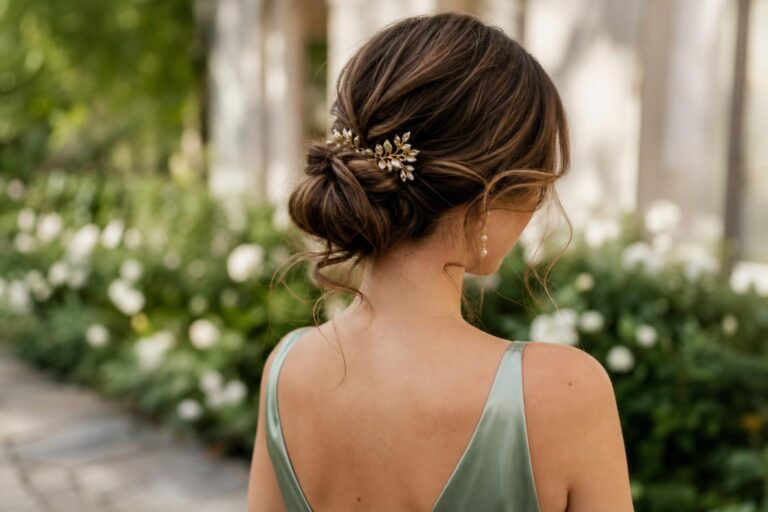
Flowers naturally complement braids, romantic waves, and softer textured updos. They feel especially at home in outdoor ceremonies and more relaxed settings. The main consideration is scale. A delicate floral clip can brighten a low bun; too many blooms can make a refined hairstyle feel costume-like.
When jewelry leads the beauty story
Jeweled hairpins, combs, and earrings tend to look strongest with cleaner styling. This does not require full sleekness, but it does ask for editing. If the accessories are intricate, the hairstyle should give them room. Vintage-inspired pieces often pair especially well with sculpted updos or Edwardian references.
Venue and atmosphere can narrow the right answer quickly
One of the fastest ways to solve the bridal hair question is to imagine the environment in motion rather than in still photos. A ballroom, a rooftop in New York, a sunlit vineyard in California, or a lush garden all ask for different levels of structure and softness.
Garden and vineyard weddings
Soft waves, braided crowns, low textured buns, and floral details all tend to belong naturally in these settings. The light is flattering, the atmosphere is romantic, and movement in the hair often adds to the mood. Still, some support is wise, especially if the celebration runs from afternoon into evening.
City weddings and formal hotel receptions
Sleek buns, elegant chignons, polished ponytails, and classic updos often feel more aligned with urban or black-tie settings. In fashion-forward bridal circles linked to New York and Los Angeles, this cleaner approach can read sophisticated rather than simple, particularly when the gown itself has strong lines.
Beach and destination ceremonies
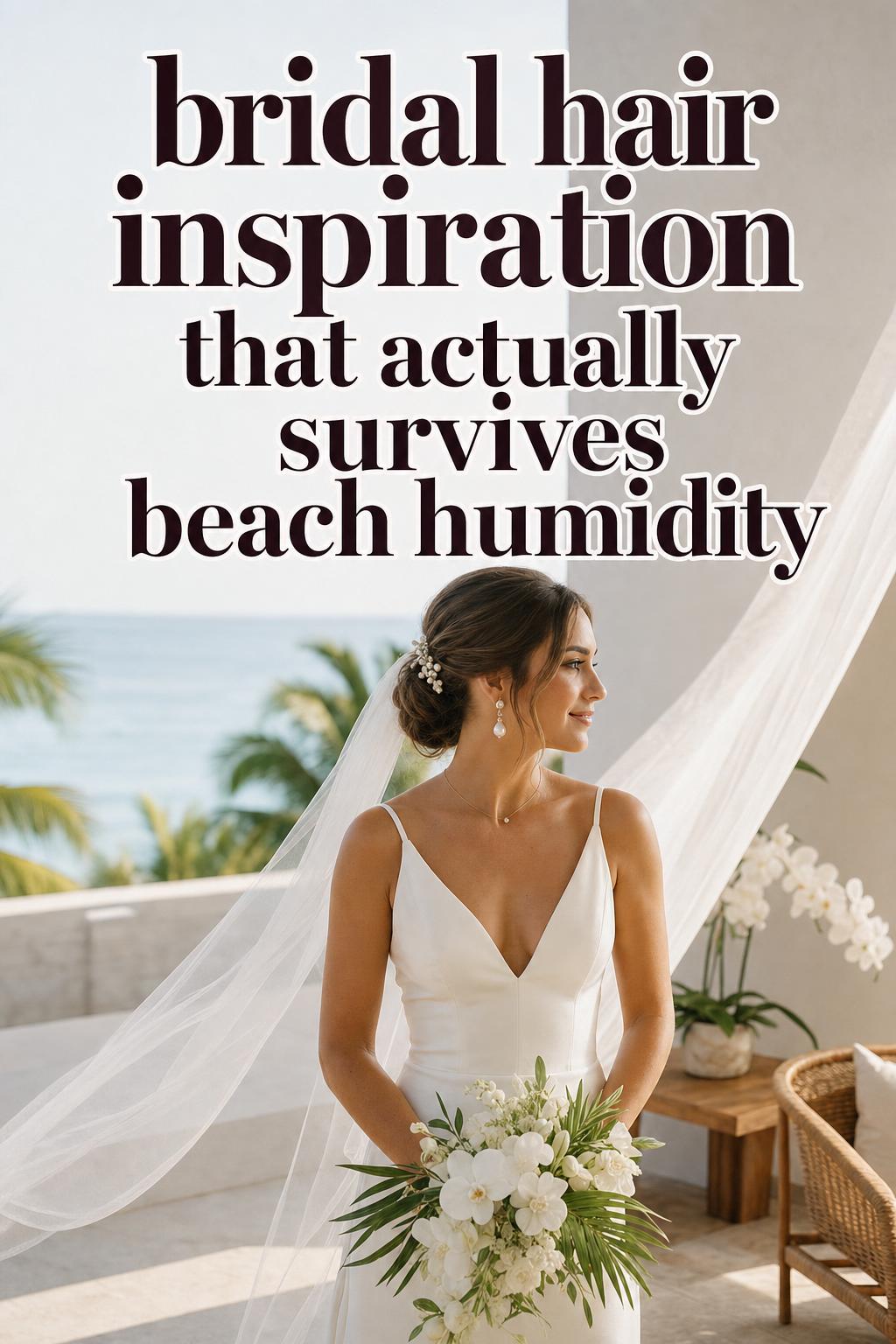
These settings usually reward controlled softness. A fully rigid style may feel too formal, but hair left completely loose can become difficult in wind or humidity. Half-up styling, braided detail, or a low bun with texture often solves the issue by preserving movement while adding security.
A practical trial framework that prevents wedding-morning regret
The hair trial is where inspiration becomes decision-making. It is not only about testing one beautiful look. It is about checking whether the style works with your features, timeline, accessories, and comfort level. This is especially important if you are comparing very different directions, such as romantic waves versus a sleek bun.
- Bring images that show not just the front, but the side and back of the hairstyle family you prefer.
- Wear or bring anything that changes the silhouette, including veil, headpiece, or earrings.
- Note whether the style still feels balanced after a few hours rather than judging it only in the first ten minutes.
- Ask what products will be used for prep and longevity, especially if the style relies on softness but must last through the reception.
- Photograph the result in natural light as well as indoor light.
This stage is also where communication with the stylist matters most. Editorial beauty coverage often highlights stylist attribution for good reason: a bridal hairstylist does not just recreate a picture, but translates it for your texture, your venue, and your schedule. If your wedding references include trend-driven elements like soft volume or natural texture, be clear about what degree of polish you still want.
Product and tool thinking without overcomplicating the look
Bridal beauty articles frequently connect hairstyle outcomes with products and tools, and that relationship is worth paying attention to. A soft style that lasts usually depends on invisible support, while a sleek shape depends on controlled finish. The products are not the inspiration, but they make the inspiration wearable.
Leave-in conditioner is often mentioned in beauty-focused bridal galleries because prep affects texture, softness, and polish before styling begins. Finishing sprays and hold levels become relevant when you need a chignon, braid, or wave pattern to survive heat, dancing, or a long veil. Tool-led tutorials from ghd suggest another important point: some looks are less about decoration and more about technique. If a style depends on precision, the process matters as much as the final image.
Brands such as Davines and ghd appear in bridal beauty conversations because they sit where styling meets performance. That does not mean every bride needs a complicated routine. It simply means the final hairstyle should have a support system suited to the finish you want.
Bridal hair inspiration that solves specific style scenarios
For the bride choosing between timeless and modern
Try a low chignon with a clean center or soft side part, then finish it with slightly relaxed texture rather than rigid shine. This solves the common problem of wanting a look that feels enduring in photos but still current. It suits city weddings, formal receptions, and dresses with refined structure, while still leaving room for a veil or jeweled pin.
For the bride who wants loose hair but fears it will fall flat
A half-up half-down style with romantic waves is often the smarter answer than fully loose hair. You keep the softness around the shoulders, but the pinned upper section adds shape, helps with longevity, and gives a place for a veil or accessory. In garden ceremonies and vineyard receptions, this tends to feel effortless without becoming impractical.
For the bride wearing a detailed high neckline
Choose a French twist, sleek bun, or polished low updo that clears the neckline and lets the dress lead. This is a styling decision rooted in proportion. If both the upper gown and the hair are visually busy, the whole look can feel crowded. A clean shape creates breathing room and often looks more expensive.
For the bride drawn to boho styling but wanting structure
Look to braids integrated into a textured bun or half-up shape rather than relying only on fully undone waves. You keep the softness and floral romance, but the braid provides architecture. This works especially well for outdoor ceremonies where movement matters, and it gives flowers or pins a natural place to sit.
For the bride who loves fashion references and statement beauty
Explore Edwardian curls or a vintage-inspired pinned style paired with selective jeweled detail. This is less about following the safest route and more about creating a memorable bridal image. It is best reserved for settings that can support the drama, such as historic venues, evening receptions, or celebrations with a strong editorial mood.
Helpful adjustments that elevate the final result
Sometimes the right bridal hairstyle is not a completely different style, but a small adjustment. Brides often assume they need a major change to make a look wedding-worthy, when the stronger move is often refinement.
- Shift the part slightly to soften or sharpen the face frame.
- Add a single braid detail to make simple waves feel more intentional.
- Lower the bun placement if the look feels too formal or severe.
- Trade oversized accessories for delicate hairpins if the dress already carries embellishment.
- Use a veil only for the ceremony if you want cleaner reception photographs later.
These choices may seem subtle, but they often determine whether the overall beauty look feels harmonious. In real weddings, the difference between good and exceptional is frequently in these small edits.
Common bridal hair mistakes and what to do instead
A few missteps appear repeatedly when brides move from inspiration boards to final decisions. Most happen because the visual idea is considered before the practical setting.
One common mistake is choosing hair without the dress in mind. A hairstyle that is too full for a high neckline or too minimal for a grand veil can make the whole look feel unresolved. Another is selecting a trend simply because it is current. Soft volume, delicate detail, and natural texture are beautiful, but they still need to fit your features and wedding mood.
Brides also sometimes underestimate accessories. A veil, flowers, and statement earrings all together can overcomplicate even the most elegant style. Finally, skipping a serious trial often leads to preventable disappointment. A wedding day is not the right time to discover that your ideal waves drop quickly or your chosen bun feels too tight after an hour.
The better approach is simple: decide on the silhouette first, test it in context, then edit the finishing details.
The most balanced way to approach your final choice
The strongest bridal hair inspiration is not the most elaborate image in a gallery. It is the look that fits your dress, your texture, your venue, and your comfort in a way that still feels beautiful hours later. For some brides that means a timeless chignon with a veil. For others it means romantic waves with flowers, a braided crown for a countryside ceremony, or a sleek low bun for a modern city celebration.
If you approach wedding hair as a composition rather than a standalone trend, the decision becomes much clearer. Start with silhouette, consider texture, factor in neckline and accessories, and use the trial to test the reality of the look. That is how bridal beauty moves from inspiration to confidence.
FAQ
How do I choose the best bridal hairstyle for my dress neckline?
Start by looking at how open or covered the upper part of the gown is. Open necklines such as strapless and sweetheart usually pair well with waves, half-up styles, and softer low buns, while high neck and bateau styles often look better with hair lifted away from the shoulders in an updo, twist, or sleek bun.
What hairstyle works best with a veil?
Hairstyles with a clear anchor point tend to work best, including low chignons, buns, twists, and half-up half-down styles. Fully loose hair can still work, but it usually needs more careful placement so the veil does not flatten the style or shift during the ceremony.
Are romantic waves practical for a full wedding day?
They can be, but they are usually most successful when supported by thoughtful prep and finishing products. Romantic waves are beautiful for garden, vineyard, and outdoor celebrations, yet they may need more structure in humid, windy, or very long events than inspiration photos suggest.
Which bridal hairstyles are best for long hair?
Long hair offers flexibility across soft waves, half-up half-down looks, braided styles, low chignons, and fuller updos. The best choice depends less on length alone and more on whether you want movement, structure, accessory support, and compatibility with your dress and venue.
Can short hair still feel bridal and special?
Yes, especially when the existing cut is styled with intention rather than forced into a shape that imitates long hair. Textured bobs, polished short styles, and softly vintage finishes can look striking with a veil, jeweled comb, or elegant pin.
How long before the wedding should I schedule a hair trial?
A trial is most useful when it happens early enough to let you make changes without pressure. It should give you time to compare options, test accessories, and see how the style holds, rather than turning into a last-minute confirmation of a look you have not truly evaluated.
What if I love a trend like Edwardian curls but want a timeless result?
The safest approach is to borrow the mood rather than every dramatic detail. A vintage-inspired shape or jeweled accent can give you that romantic influence while keeping the overall hairstyle balanced and easier to wear in photographs for years to come.
Should I choose a sleek style or a textured one?
Choose based on the relationship between your dress, venue, and personal style. Sleek styles often feel strongest with minimalist gowns and formal city settings, while textured styles usually suit romantic, outdoor, and softer wedding aesthetics. The better option is the one that feels consistent with the rest of the bridal look.
What products matter most for bridal hair longevity?
Prep and finish both matter. Bridal beauty coverage often points to leave-in conditioner for preparation, along with finishing products that support hold and polish. For more technique-driven styles, tools from brands such as ghd and product support from names like Davines are often part of how the final look stays consistent through the event.