Spring Wedding Hairstyles For Long Hair With a Romantic Finish
The bridal hair decision often becomes more difficult once the dress is chosen. A neckline may call for lift, a veil may need structure, and a long celebration can quickly turn a beautiful idea into a practical puzzle. That is exactly why wedding hairstyles for long hair deserve more thought than a quick saved image. Long hair offers remarkable versatility, but the best result comes from matching the hairstyle to the setting, texture, accessories, and how the day will actually unfold—from ceremony to photos to the final dance.
Across modern bridal inspiration, a few style families return again and again for good reason: polished updos, soft half-up looks, romantic braids, and loose waves accented with veils, pearl pins, or fresh flowers. Editorial galleries from Vogue, bridal planning favorites like The Knot and WeddingWire, and beauty-focused sources such as All Things Hair and Cosmetify all point toward the same truth: the most memorable long-hair bridal looks balance beauty with hold, elegance with comfort, and trend with timelessness.
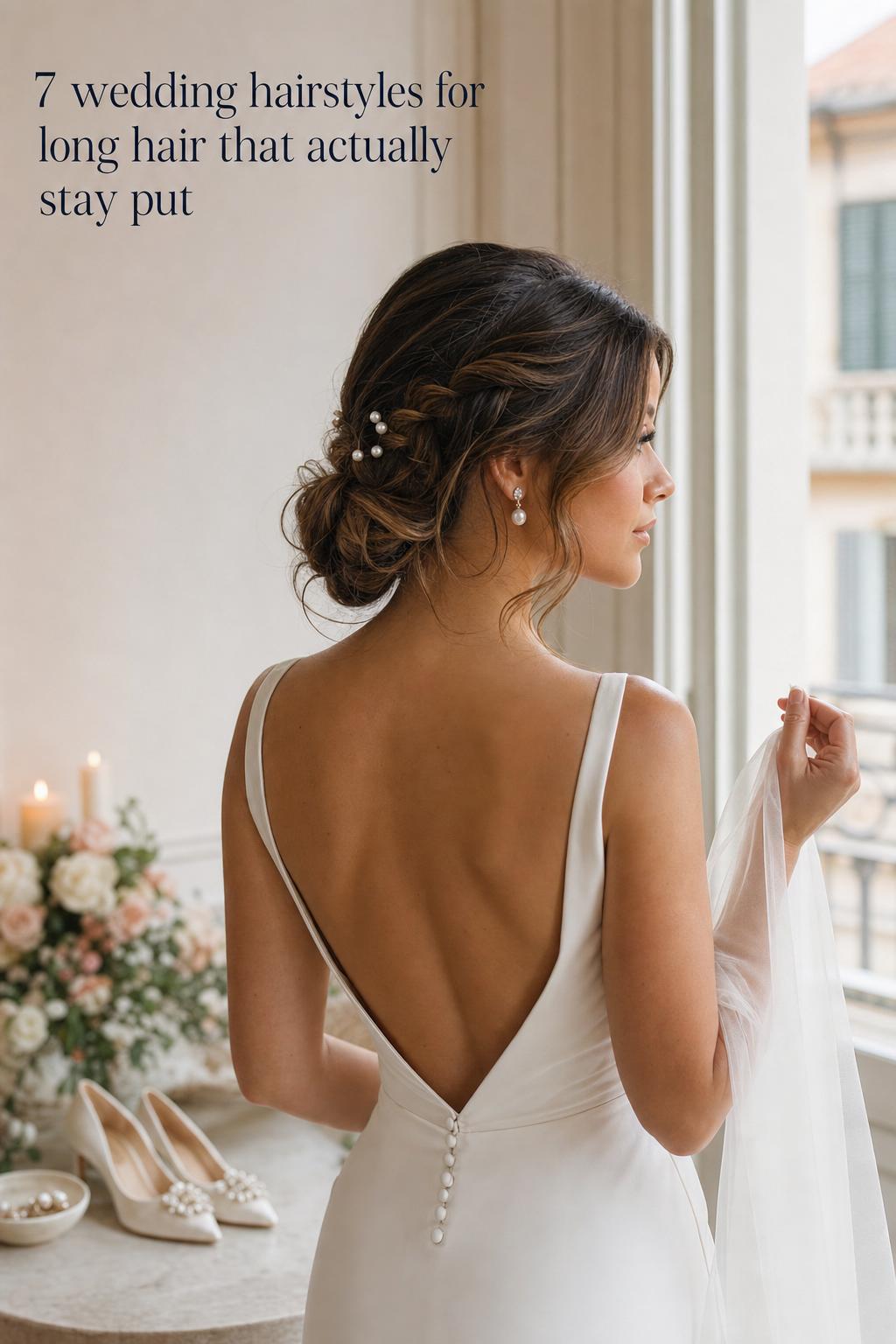
Whether your wedding mood leans toward a pared-back low bun in Los Angeles, a soft floral half-up style for Hawaii, or a braided look with an outdoor ceremony in mind, the right hairstyle should feel like part of the entire visual story. It should frame the face well, work with your accessories, and still look beautiful at golden hour and after dark.
How to choose the right long-hair bridal look before you pin another photo
Before deciding between a chignon, milkmaid braids, or beachy waves, begin with three practical questions: how formal is the wedding, what accessories are non-negotiable, and how does your hair naturally behave? Long hair can do almost everything, but not every style performs equally under every condition. A candlelit city reception may support a sleek low clean bun beautifully, while a breezy outdoor ceremony may be better served by a braided bun or twisted updo with stronger structure.
Your wedding look is only the beginning.
Keep your guest list, vendors, timeline, and every important detail together with Zarellea — so your day feels as considered as your style.
Hair texture matters just as much as length. Straight hair often suits sleek buns, polished ponytails, and structured half-up styles. Wavy hair naturally supports romantic movement in half-up looks and braided details. Curly hair can bring softness and dimension to updos and loose styling, especially when the shape of the style works with the curl pattern rather than against it. Fine hair may benefit from volume-building techniques or extensions, while thick hair can carry dramatic buns and braid crowns with ease.
Choose this if: you want a hairstyle that still feels like you, not a costume version of bridal beauty.
- Best for: narrowing your options before a trial
- Style tip: decide on your veil, pins, or flowers before finalizing the hairstyle
- Avoid this: selecting a look only because it photographs well on someone with a very different texture or density
- Works especially well with: a saved mood board organized by updos, half-up looks, braids, and waves
Why updos remain the safest and most elegant choice for many brides
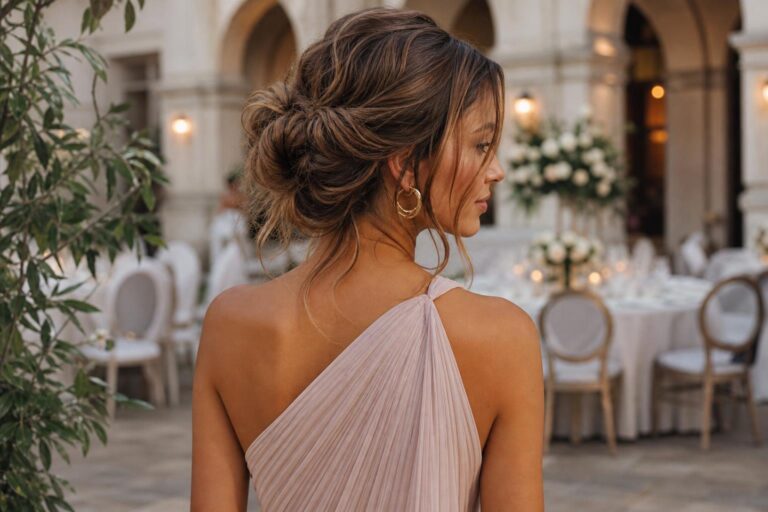
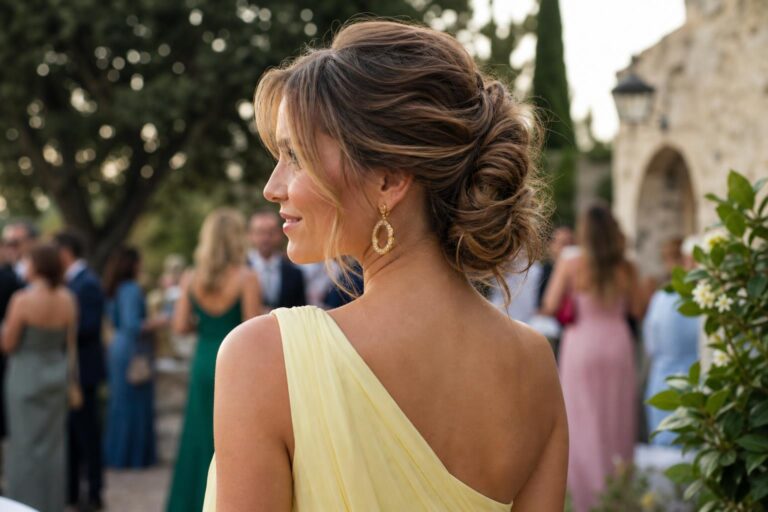
Among all wedding hairstyles for long hair, updos remain the most consistently practical. They hold shape through ceremonies and receptions, keep the neckline visible, and create a refined silhouette in photographs. They also make accessory placement easier, especially when pairing a veil with pearl pins or floral accents. That said, not all updos feel equally formal. Some are sleek and architectural, while others are relaxed and textural.
The low clean bun for a polished, modern bridal mood
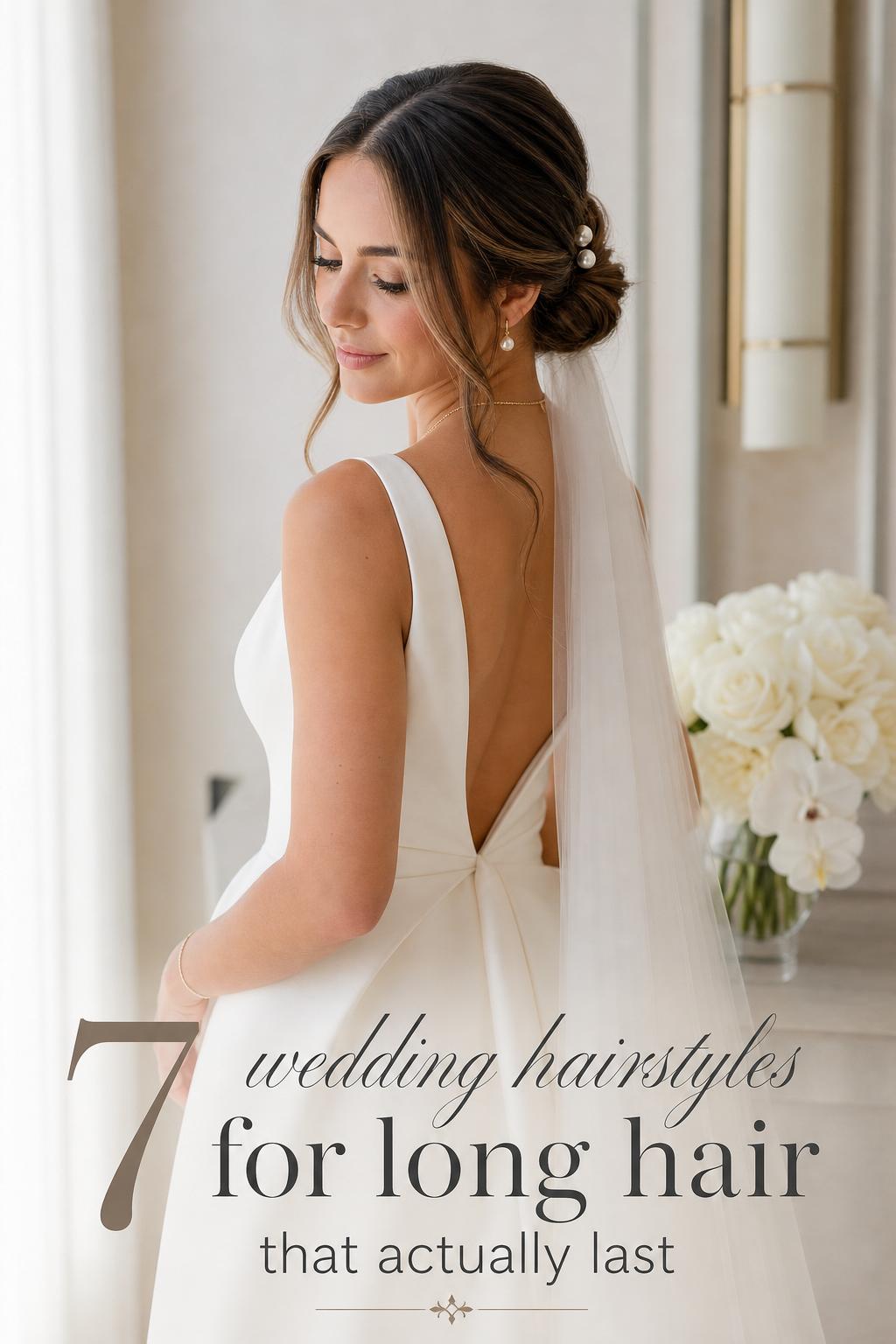
A low clean bun is the quiet luxury of bridal hair. It suits minimalist gowns, strong necklines, and ceremonies where the overall styling direction is elegant rather than ornate. In photos, a smooth bun reads clearly from every angle and does not compete with statement earrings, a veil, or a dramatic back detail. It also works well in city weddings and formal venues where a pared-back finish feels intentional.
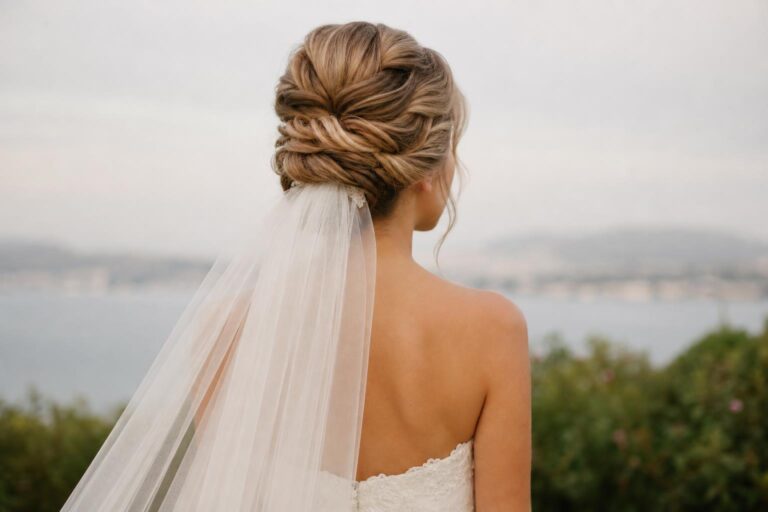
Veil placement is especially important here. A veil can sit above or around the bun depending on the shape you want in profile. If you love a crisp, editorial result similar to the kinds of fashion-forward bridal images seen in Vogue, a low bun creates the cleanest base. It is also one of the easiest looks to adapt with subtle accents, such as pearl pins or a delicate designer veil.
Pinterest-worthy idea: a sleek low bun with a Gigi Burris veil, photographed in soft evening light with a minimalist gown and a clean center or side part.
Braided buns and milkmaid braids for romance with structure
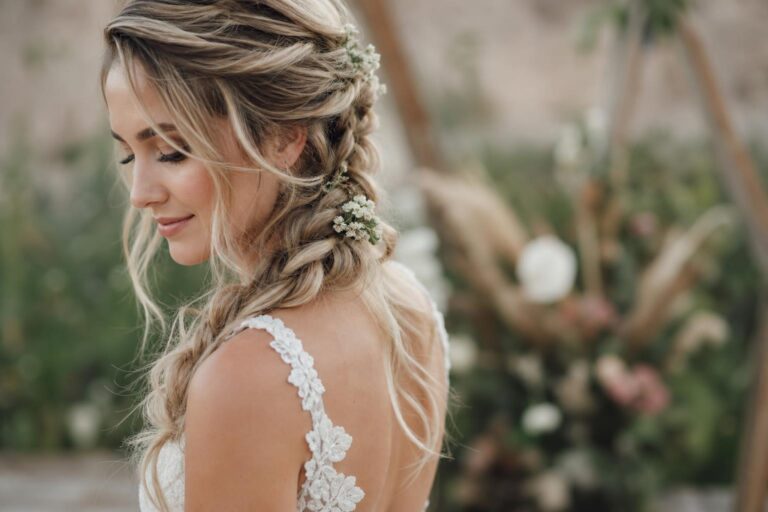
Braided styles offer something especially useful on a wedding day: texture that feels soft in photos while helping the hair stay secure. A braided bun or milkmaid braids bring dimension to long hair and tend to work beautifully for outdoor ceremonies, garden settings, and celebrations where wind or movement are part of the atmosphere. The braid detail adds visual interest even before accessories are added.
Milkmaid braids have a storybook quality without feeling overly youthful when styled with restraint. They pair especially well with fresh flowers, tiny pins, or a soft veil. A braided bun can feel more formal or more bohemian depending on how polished the finish is. This versatility is one reason bridal sites and inspiration galleries return to these looks so often.
Best for: brides who want hold without sacrificing softness.
Twisted updos and doughnut buns when volume matters
Twisted updos and doughnut bun variations are ideal when the goal is fullness. On long hair, these shapes can create a romantic, sculpted effect that feels grand enough for a formal ceremony yet still soft enough for bridal portraits. They are particularly helpful when a bride wants the presence of a larger hairstyle or is working with extensions to create additional density.
This is where a good glam team or hairstylist portfolio becomes especially useful. The difference between elegant volume and a style that feels too heavy often comes down to placement, balance around the face, and how well the style fits the dress. For a ballroom or black-tie wedding, these fuller shapes can look extraordinary. For a more casual destination setting, they may feel overly formal unless the finish is loosened.
Half-up, half-down styles for brides who want softness without losing shape
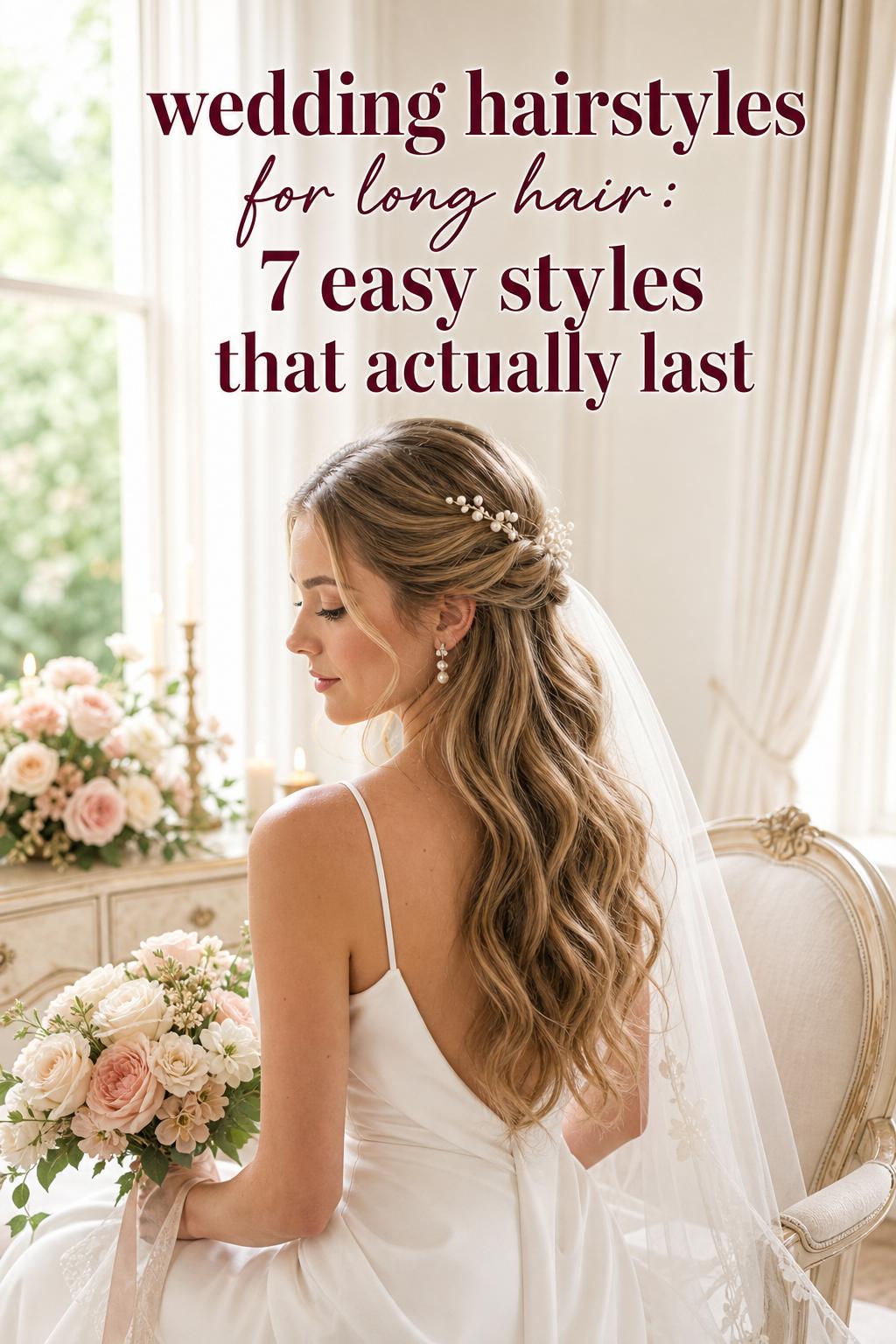
Half-up, half-down wedding hair remains one of the most pinned bridal directions for long hair because it offers a little of everything: face-framing lift, visible length, softness in motion, and room for accessories. It sits comfortably between a formal updo and fully loose styling, which makes it ideal for brides who want their hair down but still want it to feel occasion-specific.
Face-framing half-up styling for portraits and movement
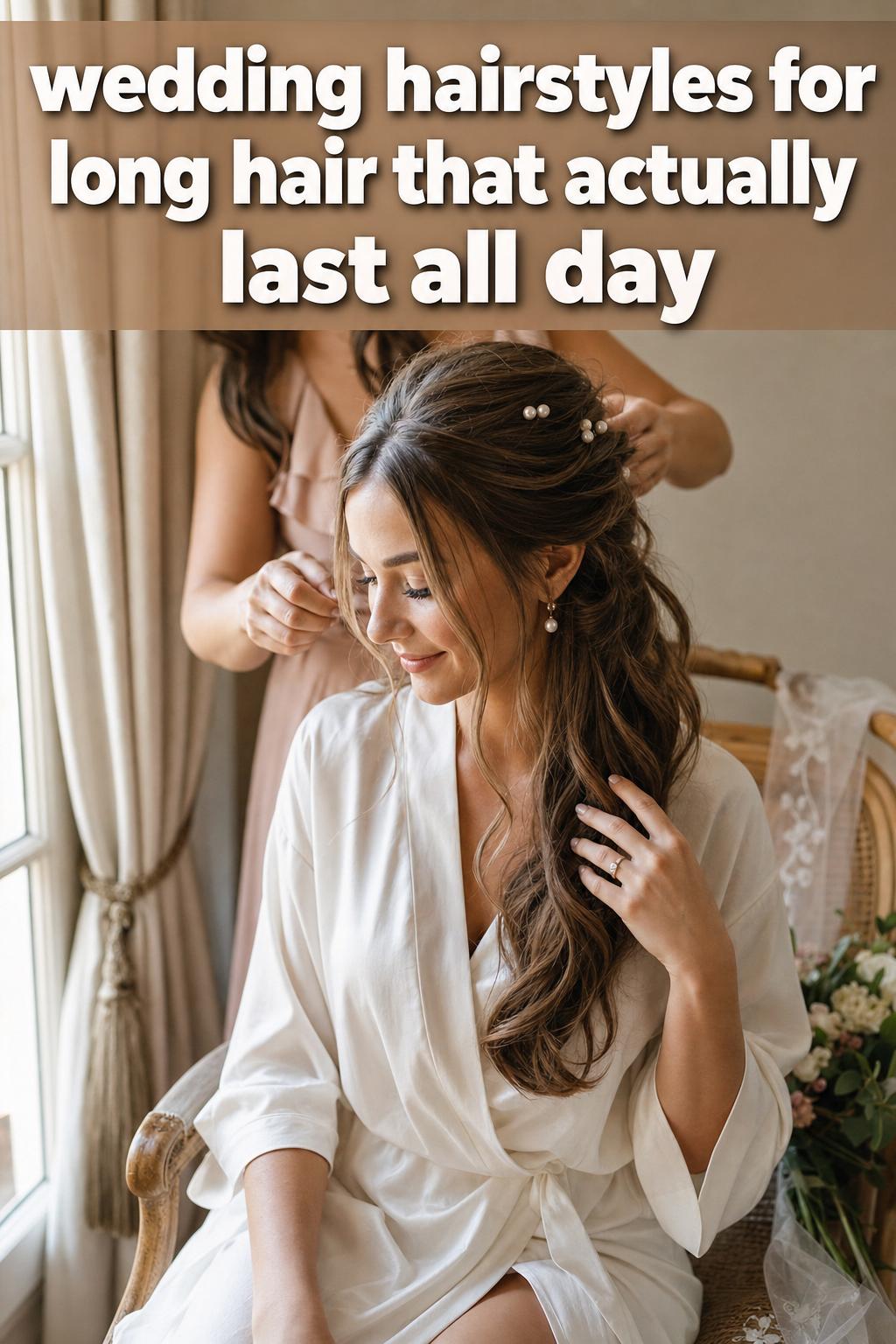
A face-framing half-up look is especially flattering in portraits because it opens the face while keeping a romantic softness around the hairline. It also transitions well throughout a long wedding day. If you love the feeling of hair around the shoulders but do not want strands constantly moving forward during hugs, photos, or dinner, this approach offers a practical middle ground.
Public-figure bridal references such as Taylor Hill and other fashion-connected brides often help define the appeal of this style family: it looks effortless, but never accidental. The key is making sure the lifted section has enough support. Too little structure and the look can collapse. Too much and it begins to lose the airy quality that makes it beautiful.
Works especially well with: soft waves, crown accessories, and dresses with romantic necklines.
Side-parted half-up hair for a softer editorial finish
A side-parted half-up style feels slightly more old-world and glamorous than a centered version. It can be an elegant choice for evening receptions, historic venues, or brides who want a little asymmetry around the face. It also pairs beautifully with one-sided accessories, whether that means a cluster of pearl pins or a floral placement that sits just above the gathered section.
Choose this if: you want a softer profile view and a style that looks especially lovely in candlelit reception photography.
Loose waves, soft curls, and natural movement for a less structured bridal look
Not every bride wants her wedding hair to look arranged. For some, the most beautiful answer is long hair worn down in a polished but natural way. Beachy waves, soft curls, and volume through the lengths offer a relaxed bridal mood that can feel especially right for destination weddings, coastal settings, or celebrations with a lighter dress code.
The reason these looks are so popular is easy to understand: they photograph with movement, they suit many face shapes, and they preserve the visual identity of long hair. But they do require honesty about the wedding environment. Loose styles can be less predictable over many hours, especially if the day includes humidity, wind, or a lot of dancing. For that reason, many brides choose a lightly pinned version, or combine waves with a half-up section for added control.
Beachy waves for destination and outdoor celebrations
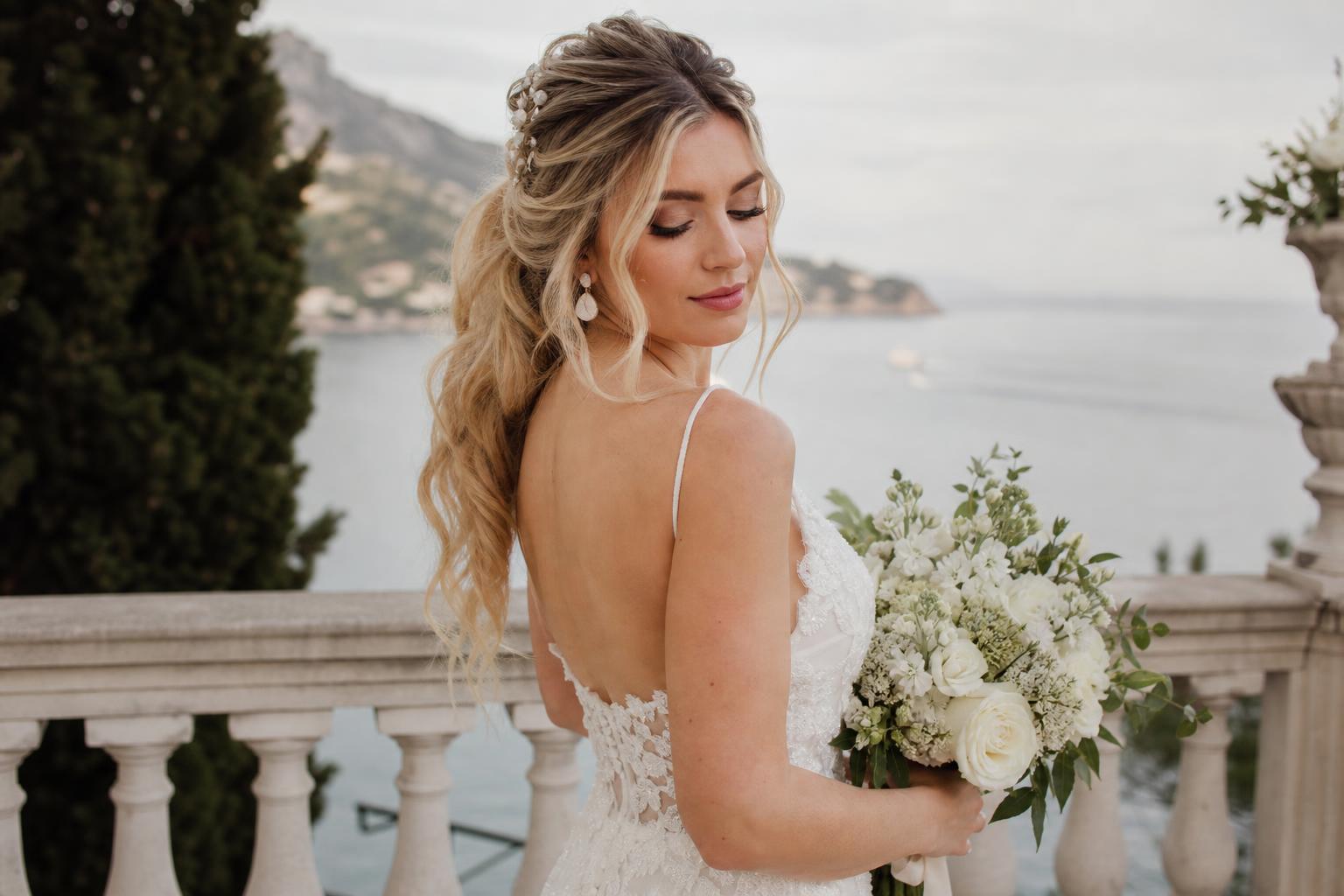
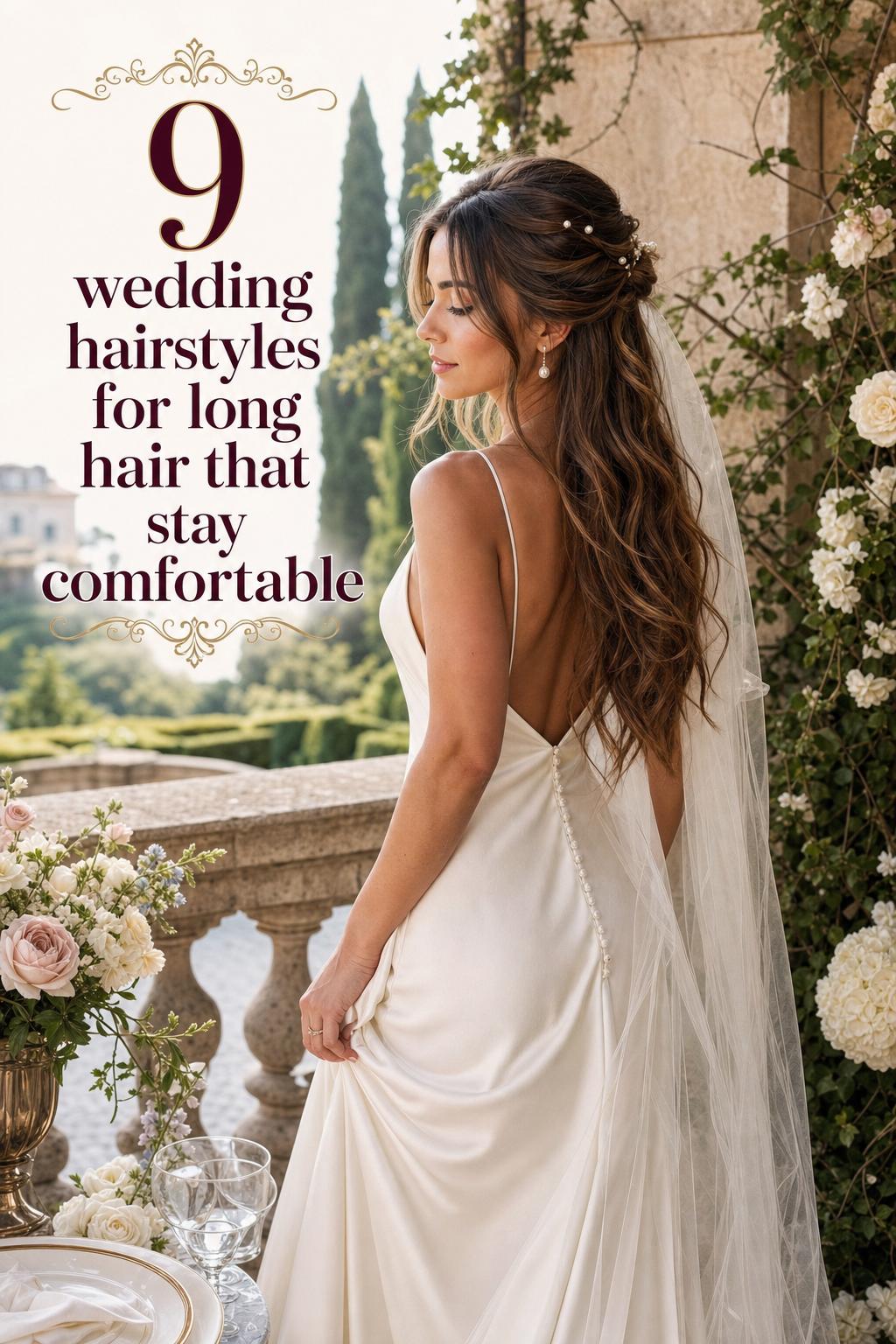
Beachy waves are at their best when the overall wedding mood is relaxed, sunlit, and effortless. Think Hawaii, Capri, or a coastal-inspired venue where the atmosphere itself supports movement and softness. This look pairs well with flowers, a lighter veil, or minimal pins. It can feel modern and fresh, especially with a less rigid gown silhouette.
Avoid this: forcing very loose waves on a day when you already know weather conditions will challenge hold. In that case, a more secure variation with hidden structure is usually wiser.
Soft curls when you want visible glamour without a full updo
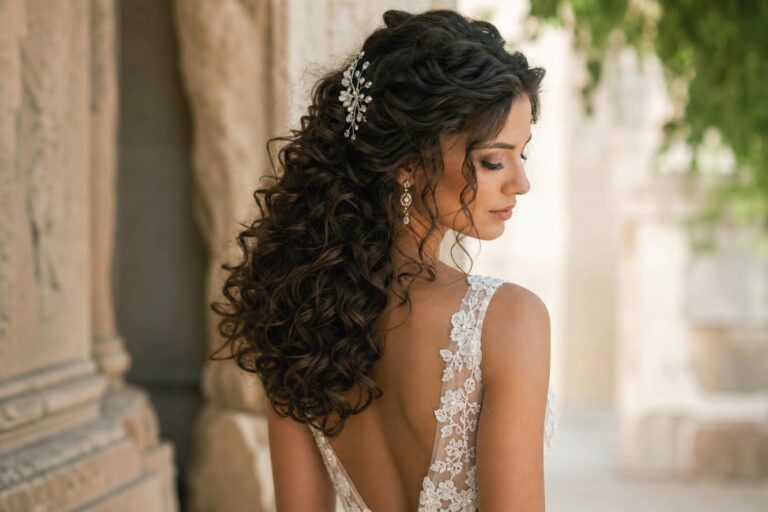
Soft curls bring more definition than beachy waves and often read as more formal in photographs. They suit evening weddings, classic styling, and brides who want clear shape in the lengths. This can be a beautiful compromise for someone deciding between loose hair and a more traditional bridal arrangement. A gentle lift at the crown or a few pinned sections can prevent the style from feeling too everyday.
Braids that feel bridal, not overly casual
Long hair gives braids their full visual effect. A braid crown, side braid, fishtail-inspired detail, or woven half-up section can add personality without overwhelming the rest of the look. The most successful bridal braids tend to be intentional rather than overly bohemian unless the whole wedding aesthetic supports that mood. They should look integrated with the dress, accessories, and venue rather than like a separate style idea.
Side braids are especially useful for brides who want movement over one shoulder, while braid crowns and milkmaid-inspired placements frame the head in a way that works beautifully with flowers or pins. In rustic countryside settings or natural venues, these looks often feel at home. In a formal ballroom, they may need a more polished finish to feel aligned with the setting.
- Best for: outdoor ceremonies and textured gowns
- Style tip: pair braid detail with a restrained accessory so the hairstyle does not become visually crowded
- Choose this if: you want security and softness in equal measure
- Pinterest-worthy idea: a side braid woven into soft curls with pearl pins catching the light at golden hour
How to style veils, pearl pins, flowers, and accents without overwhelming the hair
Accessories are often where a hairstyle becomes unmistakably bridal. Veils, pearl pins, fresh flowers, and beaded accents all appear repeatedly in long-hair wedding inspiration because they complete the silhouette and connect the hairstyle to the wider wedding look. The trick is choosing an accessory that supports the hairstyle rather than competing with it.
Veil-ready hair looks that support the ceremony and the photos
Updos are the easiest base for a veil because they offer clear anchor points. A low bun, chignon, or twisted updo allows the veil to sit securely and read beautifully from the back. Half-up styles can also support a veil, but placement needs to be carefully planned so the crown does not lose shape. Fully loose styles may require hidden support if a veil is part of the ceremony.
A veil from a designer such as Gigi Burris can bring a couture note to a clean hairstyle, which is one reason polished buns and sleek shapes continue to appear in editorial bridal coverage. The more elaborate the veil, the simpler the hair often needs to be.
Pearl pins, florals, and beaded accents for softer bridal texture
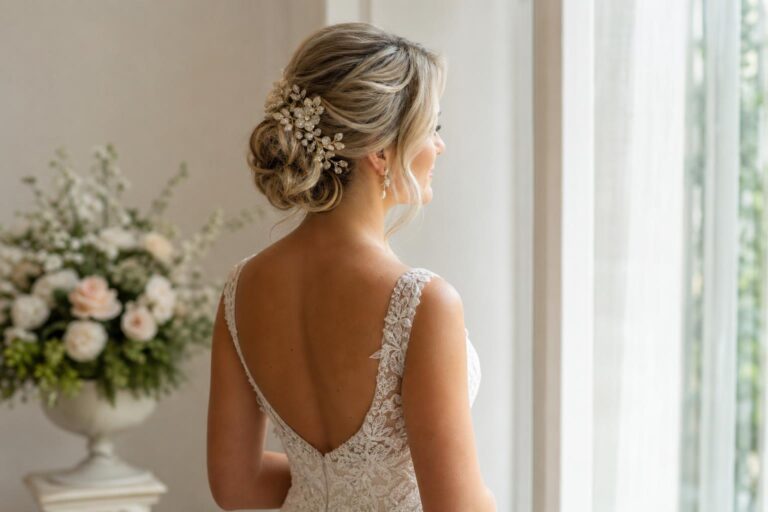
Pearl pins work particularly well with buns, braided styles, and half-up looks because they add light-catching detail without interrupting the line of the hair. Fresh flowers create a softer, more romantic mood and are especially effective in loose braids, milkmaid braids, or beachy half-up styling. Beaded accents lean a little dressier and often make sense for evening receptions or a more formal aesthetic.
Style tip: if your gown already carries strong embellishment, keep hair accessories subtle. If the dress is clean and pared back, the accessory can do more visual work.
Hair texture, density, and extensions: the practical side of bridal inspiration
A hairstyle can be beautiful in theory and disappointing in practice if texture and density are ignored. This is where many brides feel frustrated by inspiration images. Long hair alone does not guarantee fullness, polish, or hold. Fine hair may need strategic support to achieve a fuller bun or half-up look, while thick hair may need a style that distributes weight so it remains comfortable throughout the day.
Extensions are part of the conversation in many bridal galleries because they can affect both length and density. For some brides, they help a low bun look more substantial or give half-up waves the presence seen in editorial images. For others, they are unnecessary. The right decision depends on whether your chosen hairstyle requires additional body or just careful shaping.
Choose this if: you love a voluminous bridal image but know your natural density will not create that silhouette without help.
- Fine or thin hair: often benefits from volume strategies, softer texture, and styles that create width rather than overly flat sleekness
- Thick hair: can carry braided buns, doughnut buns, and dramatic updos well, but comfort and weight should be considered
- Straight hair: lends itself to sleek buns and polished ponytails
- Wavy or curly hair: often shines in romantic half-up looks, braids, and textured updos
What real wedding logistics change about your hair decision
Hair choices rarely fail because they are unattractive. They fail because the logistics of a real wedding were not factored in. A hairstyle that looks beautiful for a ceremony may become uncomfortable at the reception. A loose style that feels dreamy indoors may struggle outside. A veil may shift if the base is too soft. These are not minor details. They shape how confident you feel throughout the day.
Venue and location references seen across bridal inspiration—from New York and Los Angeles to Hawaii, Paris, Capri, and Lake Como—matter because they suggest different conditions and visual expectations. A sleek low bun in an urban formal setting creates one kind of statement. Soft waves with flowers at a destination wedding create another. Neither is better, but each needs to be chosen with the day in mind.
Outdoor ceremonies and humidity-conscious styling
If your ceremony is outdoors, prioritize hold and placement. Braided buns, twisted updos, and secure half-up styles usually perform better than fully loose lengths. Humidity-friendly products such as hairspray, mousse, and texturizing support become more important here, not because they must make the hair stiff, but because they help preserve the shape you spent time creating.
Long receptions, dancing, and comfort after dark
A full wedding day can be long. A hairstyle should feel secure, but also comfortable enough to wear for hours. Very heavy updos or densely pinned styles may look impressive at the start and become tiring later. This is why many experienced brides and stylists favor balanced structures: secure enough for photographs and movement, but not so rigid that they lose softness or become physically uncomfortable.
Avoid this: choosing the largest possible hairstyle simply for impact if you know you are sensitive to tension or weight.
How to choose your hairstylist and prepare for a smarter trial
Even the most inspiring reference image needs the right hands behind it. Choosing a hairstylist for bridal hair is not only about taste; it is about whether they understand long hair, accessories, wear time, and the difference between editorial inspiration and real-event execution. Portfolio evaluation matters here. A stylist should be able to show polished buns, textured braids, half-up structure, and accessory integration—not just one category.
For U.S. brides, a geo-based search approach can be useful when narrowing salons and artists. Location matters because local professionals often understand regional conditions, common venue styles, and what holds best in that environment. A stylist working frequently in beach, city, or destination settings may bring a more practical eye to your final look.
- Bring photos grouped by style family rather than random saved images
- Bring your veil, pins, or flower inspiration if possible
- Be honest about how your hair behaves over a full day
- Ask how the style will hold through ceremony, portraits, and reception
- Discuss whether extensions are needed for shape or density
Style tip: if you love both an editorial look and a softer bridal version, ask the stylist to show you where the balance can sit between the two. That conversation often leads to the most personal result.
Quick-start tutorials and style logic for your favorite bridal directions
Not every bride is styling her own hair, but understanding the mechanics of a look helps you choose wisely and communicate clearly. The strongest bridal hairstyles for long hair usually rely on a simple structure: prep for grip, create shape, secure the foundation, then add softness and accessories.
The low bun logic
The low bun works because it gathers the length into one clean focal point while preserving the face and neckline. A stylist may use smoothing techniques first, then create a stable base before wrapping the lengths into a bun. The finishing detail is what changes the mood: smooth and sleek for modern minimalism, or gently loosened for a softer bridal effect.
The half-up structure
A successful half-up style depends on creating lift in the upper section while leaving enough hair down to feel generous and bridal. The gathered section should feel secure enough to support movement and, if needed, an accessory. Waves or curls in the lengths often help the style feel complete and intentional rather than casual.
The braided updo foundation
Braided updos usually begin with texture, because braids tend to look fuller and hold better when the hair is not too slippery. Once the braid or braids are formed, they are arranged into the final updo shape. This is one reason braided buns are so beloved for weddings: the braid itself helps build structure while also creating visual detail.
Bridal mood boards by setting: matching the hairstyle to the wedding atmosphere
The same hairstyle can feel completely different depending on the venue and mood around it. This is where Pinterest inspiration becomes most useful when interpreted well. Instead of collecting only hairstyles, collect scenes: light, flowers, dresses, veils, and settings. Long bridal hair should belong to the atmosphere, not float separately from it.
For a formal city celebration
Think New York, Los Angeles, or a modern urban venue with strong lines, evening light, and a polished dress code. The most convincing choices here are often a sleek low bun, chignon, or a polished half-up style with restrained pearl pins. Clean shapes echo the sophistication of the setting and allow tailored gowns and structured accessories to stand out.
For a destination or coastal ceremony
Think Hawaii, Capri, or a soft open-air celebration where movement is part of the romance. Beachy waves, a half-up style with flowers, or a textured braided look often make more sense than a rigid formal updo. The lightness of the setting invites softness, but a little hidden structure helps the style last.
For a timeless European-inspired mood
Think Paris or Lake Como references: elegant, romantic, and composed. A classic chignon, twisted updo, or milkmaid-inspired braid accented with a delicate veil feels especially right here. These styles suit refined bridal fashion and photograph beautifully against architectural or waterside backdrops.
Common mistakes to avoid when choosing long wedding hair
The most common bridal hair mistakes are rarely dramatic; they are subtle mismatches. A hairstyle is too soft for the veil. Too polished for the dress. Too heavy for the reception. Too loose for the weather. The safest route is not the plainest style, but the one with the most alignment between beauty and function.
- Choosing a look that ignores your natural texture
- Adding too many accessories at once
- Forgetting to test veil placement with the hairstyle
- Selecting fully loose hair without considering weather and wear time
- Assuming long hair automatically creates volume without styling support
- Using inspiration images without considering density differences
Best for: any bride who wants her saved inspiration to translate into a realistic final result.
Pinterest-worthy ideas to save for later
Some bridal hair images stay with you because they tell a complete story in a single frame. The hairstyle, accessory, light, and mood all work together. If you are building your final shortlist, save ideas that capture not just the hair, but the whole feeling you want.
- A sleek low bun with a Gigi Burris veil and clean pearl pins for a modern editorial bridal portrait
- A braided bun with fresh flowers for an outdoor ceremony where romance and hold matter equally
- Face-framing half-up waves inspired by fashion-led bridal beauty for soft golden-hour photography
- Milkmaid braids with a light veil for a garden or destination wedding with a poetic mood
- Soft curls with a side part and beaded accents for an evening reception that feels polished but not severe
- A crown-accented half-up style for a bride who wants length visible in every photograph
Pinterest-worthy idea: save one image for the front view, one for the back, one for the accessory detail, and one for the overall wedding atmosphere. That combination is far more useful than saving twenty near-identical angles of the same style.
Final checklist before you choose
The right bridal hairstyle should still feel beautiful after you have considered the practical realities. Once you reduce the decision to fit, mood, hold, and comfort, the options become much clearer. If you love timeless elegance, a low bun, chignon, or twisted updo remains one of the strongest choices. If you want softness and visible length, a structured half-up style is often the most balanced answer. If texture and romance matter most, braided buns and milkmaid braids deliver both beauty and security. And if your wedding atmosphere is light, coastal, or destination-led, beachy waves or soft curls can be lovely when supported properly.
The safest choice is the one that matches your venue, accessories, and natural hair behavior. The most stylish choice is the one that looks complete in photographs from every angle. The most comfortable choice is the one you can wear from ceremony through reception without constantly thinking about it. Start there, and your bridal hair will feel not only beautiful, but right.
FAQ
What are the best wedding hairstyles for long hair?
The most consistently flattering options are low buns, chignons, braided buns, milkmaid braids, half-up half-down styles, soft curls, and polished waves. The best choice depends on your venue, dress, accessories, and how much structure you want throughout the day.
Is a half-up half-down style a good idea for a wedding?
Yes, especially if you want softness with a little support. A half-up style keeps hair away from the face, allows your length to show in photos, and works beautifully with waves, crown accessories, pearl pins, or a veil when the upper section is secured properly.
Will long hair hold in humidity on a wedding day?
It can, but style choice matters. Braided buns, twisted updos, and secure half-up styles usually perform better than fully loose hair in humid conditions. Products such as hairspray, mousse, and texturizing support also help preserve shape without sacrificing softness.
Which bridal hairstyle works best with a veil?
Updos usually work best with veils because they provide a stable base for placement. Low buns, chignons, and twisted updos are especially practical. Half-up styles can also work well, but the stylist should plan the attachment point carefully so the shape stays balanced.
Are braids too casual for bridal hair?
No, not when they are styled with intention. Braided buns, milkmaid braids, and polished side braids can feel deeply bridal, especially when paired with a veil, pearl pins, flowers, or a refined gown. The finish determines whether the look feels formal, romantic, or more bohemian.
Should I use extensions for my wedding hairstyle?
Extensions can be helpful if you want more density, volume, or a fuller silhouette in a bun, braid, or half-up style. They are not essential for every bride. The decision depends on your natural hair density and whether your chosen look needs additional body to achieve the shape you want.
How do I choose between an updo and wearing my hair down?
Choose an updo if you want stronger hold, easy veil placement, and a polished neckline. Choose a down style or half-up look if visible length and softness matter more to you. The venue, weather, dress style, and how long your celebration lasts should all influence the decision.
What should I bring to my bridal hair trial?
Bring reference photos grouped by style family, along with your veil or accessory ideas if possible. It also helps to discuss how your hair usually behaves, whether you are considering extensions, and how you want the style to feel during the ceremony, portraits, and reception.
Can loose waves still look bridal enough for a formal wedding?
Yes, especially when the waves are polished, shaped well, and paired with thoughtful accessories. Soft curls or refined waves with a side part, a crown accent, or delicate pins can feel formal enough for evening while still preserving a natural long-hair look.