Wedding Photography Ideas for a Day That Feels Like You
You can save hundreds of beautiful wedding photos and still struggle to explain what you want from your own. One image shows a quiet embrace, another a perfectly arranged group, and a third catches a dance floor in motion. Together they can feel like a demand to stage every minute of a day that is supposed to be lived. The most useful wedding photography ideas start with a smaller question: what will you be glad to recognize when you open the gallery years from now?
This guide helps you turn inspiration into a short, workable brief. You will decide which people, interactions, settings, and details matter most, then give your photographer enough context to capture them in their own way. The goal is a gallery that feels like your celebration, with room for portraits and for the moments nobody can script.
Why a long wedding photo wish list often disappoints
A saved image is evidence of a feeling you like, not a promise that the same image can happen at your venue. The light, room size, schedule, personalities, and photographer’s approach all affect the result. A dramatic outdoor portrait may depend on a view you do not have. A candid laugh may happen only because nobody asked the couple to repeat it. When you copy the picture instead of describing what you love about it, the brief becomes hard to use.
Start by looking at five favorite references together. For each one, name the quality that draws you in: movement, closeness, soft light, an unguarded expression, a wide view of the room, or a precise outfit detail. Then compare your words. If four of the five images appeal because they show people interacting, your priority is not four specific poses. It is coverage that notices connection. If every reference is composed and symmetrical, you may want more time for directed portraits. That distinction gives a photographer something actionable.
Your wedding look is only the beginning.
Keep your guest list, vendors, timeline, and every important detail together with Zarellea — so your day feels as considered as your style.
The second problem is treating every photo as equally essential. A list with separate requests for every guest combination, place setting, doorway, kiss, and table can consume attention without telling the photographer what to protect when the day runs late. Professional lists already cover common wedding moments. The Knot’s wedding shot list recommends narrowing the images you definitely want with your photographer, based on the coverage you have. Use that principle to separate true priorities from ideas you would enjoy only if they happen naturally.
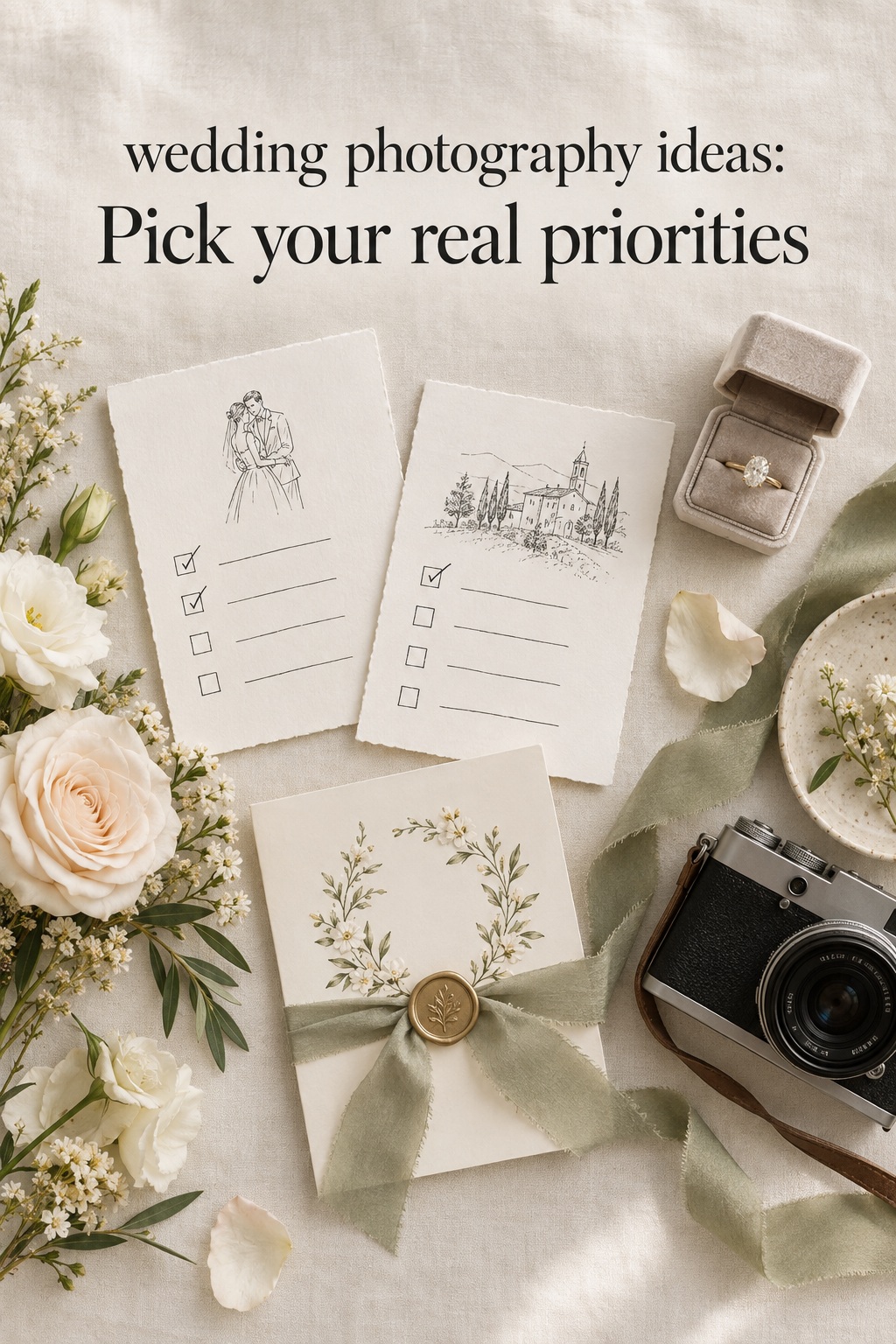
Make three short columns. The first is “cannot miss”: a ceremony tradition, a particular family grouping, or a meaningful object that might disappear after the morning. The second is “strong preference”: a few couple portraits in the place you love or an empty reception room before guests enter. The third is “if it fits”: an elaborate flat lay, a second portrait location, or a nighttime exit. Share the first two columns and invite the photographer to advise on the third. This ranking is more useful than a numbered list of fifty attractive frames.
Timing is the third source of disappointment. A photo can be possible in isolation but unrealistic between hair finishing late, travel, a ceremony, and dinner. Instead of inventing a precise number of minutes for every scene, ask your photographer to walk through the real schedule with you. Identify where people will already be together, where the light will be, and which requests require a separate setup. A quick review can reveal that a portrait on the other side of the property costs more than the five minutes you expected.
Finally, a wedding is not a styled shoot. Some people do not enjoy being directed. Children move; grandparents may need a seat; your favorite uncle may wander toward cocktail hour. Tell your photographer which relationships matter, and allow the method to suit the people. A seated conversation or a hug after the ceremony can say more than a rigid pose. This is particularly important if you want both formal family images and a relaxed atmosphere.
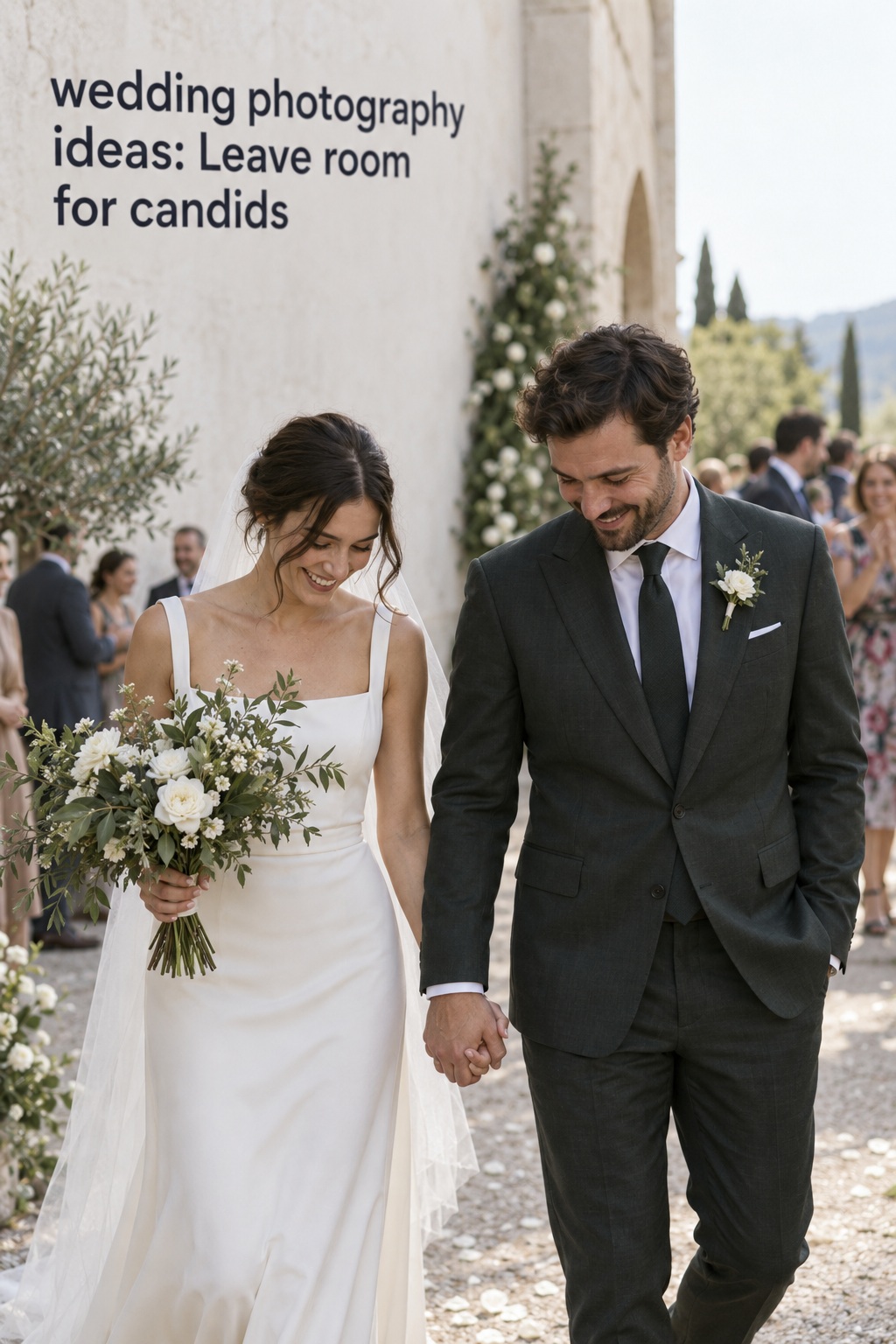
Turn inspiration into a brief for each part of the day
Your photographer needs context before they need a catalog. Write one page with four sections: moments, people, details, and visual mood. Add the actual event schedule and venue information separately. Keep the photo page short enough to discuss in one conversation. Each line should answer why an image matters or what might be easy to overlook.
The moments: name the action, then allow interpretation
For the getting-ready period, choose interactions you would miss if they were absent. Perhaps a sibling fastens a necklace, two friends read letters together, or a parent sees the finished outfit for the first time. Explain who will be present and approximately when. Avoid ordering a reaction. If that person tends to be quiet, the honest image may be a hand on a shoulder rather than tears.
At the ceremony, point out anything outside the ordinary sequence. Tell the photographer about a private vow, a cultural or family ritual, a reader who is important to you, or a meaningful recessional. The photographer can plan position and lens choices when they know what is coming. If the venue has movement rules during the ceremony, mention those too. You do not need to tell a professional to capture the ring exchange; you do need to flag an unusual moment that will happen only once.
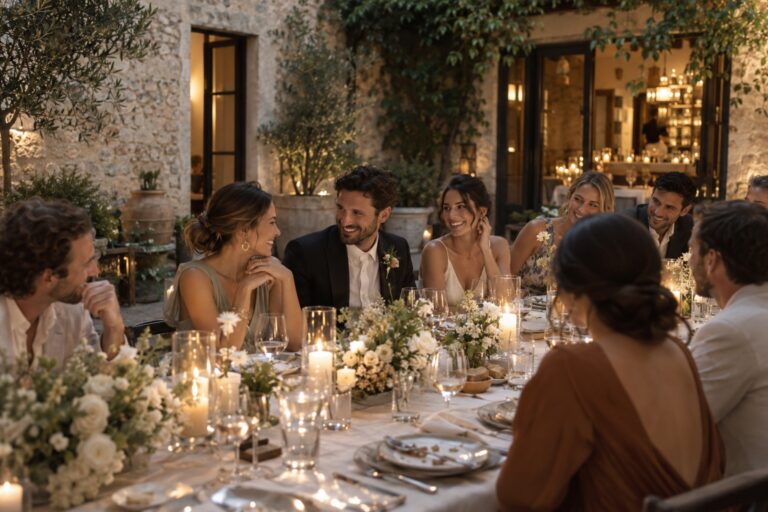
At the reception, focus on people and energy. A toast may matter because of who is speaking. A dance may matter because several generations will join. If you love a lively party, say that you want the room’s movement and guests’ reactions, not only posed table photographs. If you are planning a quiet dinner, ask for conversation, shared glances, and the atmosphere of the space. Good direction describes the event you are actually hosting.
The people: write names and connections, not a maze of poses
Family portraits are one place where a list truly helps. Write the essential groups in a sensible order, use first names rather than vague labels, and note relationships or sensitivities privately. For example, list “couple with Jordan and Mae, grandparents” rather than “grandparent photo.” Identify anyone who needs to leave early, has limited mobility, or should not be placed in the same grouping. Share that information tactfully with the photographer before the day.
Choose one helper from each side of the family who can identify and gather people. The photographer should be making pictures, not searching for an aunt they have never met. Zola’s photo-list guide also suggests a point person for family members. Keep the core combinations short, then use any remaining portrait time for additional groups. If you need many formal portraits, discuss the schedule with the photographer rather than squeezing them into an imaginary gap.
Remember relationships beyond the standard family list. A longtime friend, a guardian, a mentor, or a grandparent might be more important than an expected wedding-party configuration. Say so. A photographer cannot infer a person’s significance from where they stand during the ceremony. A simple note such as “Please watch for time with my grandmother, especially before dinner” is more helpful than a generic request for “lots of candid photos.”
The details: choose what carries a story
Wedding detail photography becomes stronger when the objects mean something. Gather the rings, stationery, a fabric swatch, an heirloom, or a handwritten note in one safe place if you want a flat lay. Tell your photographer which item is borrowed, handmade, or connected to a person. That information can shape the composition. It also helps you decide which details deserve time when the morning becomes busy.
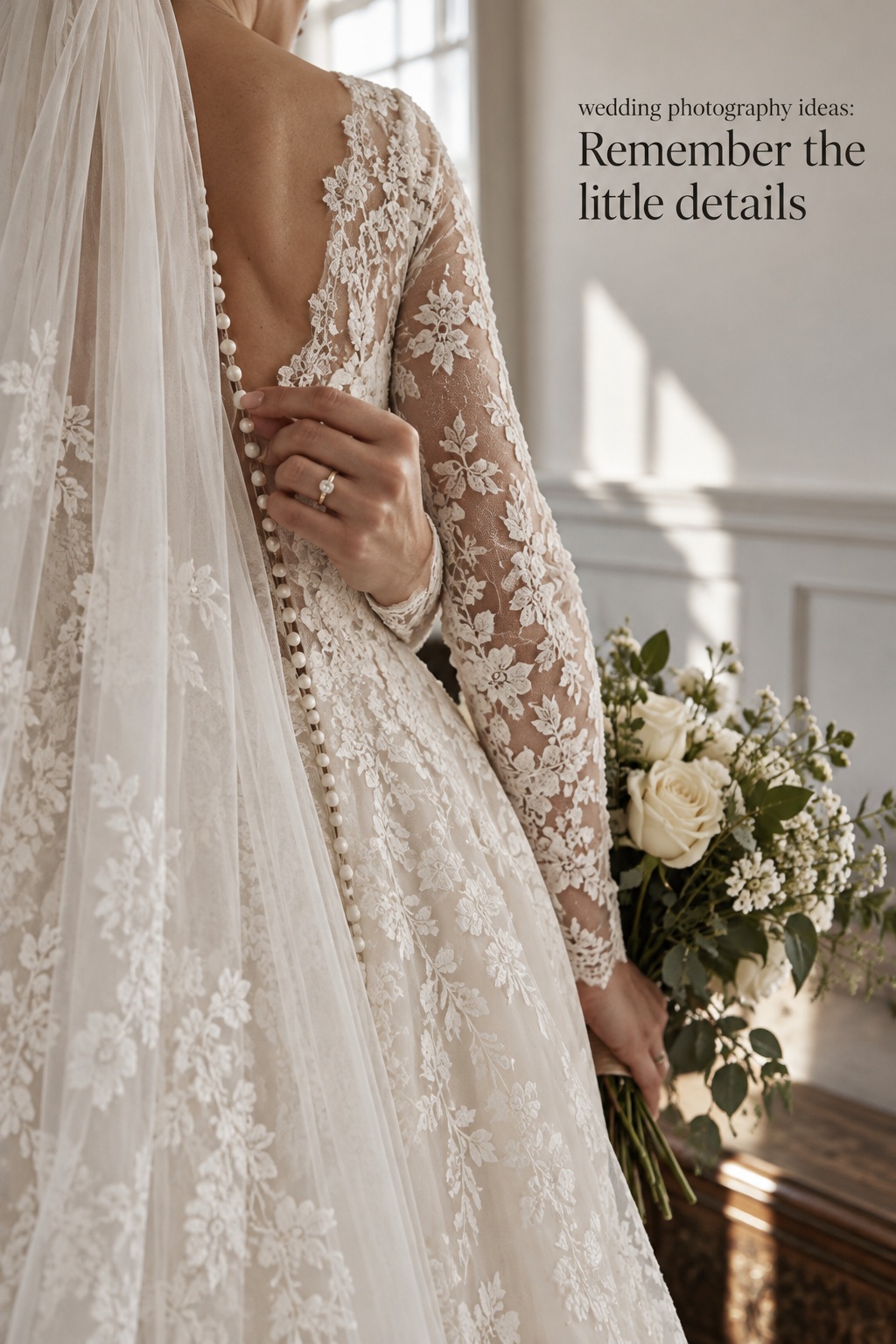
An outfit deserves more than one hanging-dress photograph. If a sleeve has hand embroidery, a jacket has a custom lining, or a veil belonged to someone you love, name the feature. Photograph it while it is being worn as well as on its own if the schedule allows. Fingers fastening a cuff, lace moving against a bouquet, or a hem in motion can connect the object to the person. Ask for a complete outfit portrait too, so a close-up is not the only record of the look.
Do the same for the venue. A room photograph matters most before coats and glasses accumulate, but a completely empty room is not always the story you want. You might prefer the first guests arriving, a table just before dinner, or the atmosphere when the candles are lit. Tell the photographer which version matters. If you have invested effort in one personal feature, such as a memorial display or a handmade escort-card wall, identify it clearly rather than requesting a photograph of every decorative object.
The visual mood: describe a preference without prescribing every frame
Choose a few words that feel specific to your celebration: warm and intimate, clean and graphic, energetic and imperfect, or quiet and observational. Then select two or three references that illustrate different parts of the day. One might show how close you want portraits to feel, another the amount of movement you enjoy, and a third the color or contrast you prefer. Explain what you like in each reference. “We love the space around the couple in this frame” communicates more than “make our photos exactly like this.”
Ask to see complete wedding galleries from a photographer whose work you are considering or have booked. A highlights page shows their favorite frames; a full gallery shows how they handle a ceremony, ordinary transitions, family groups, and a reception in changing light. Check that you like both the polished pictures and the less dramatic coverage. The best brief fits the photographer’s real approach, rather than requiring them to imitate someone else’s style.
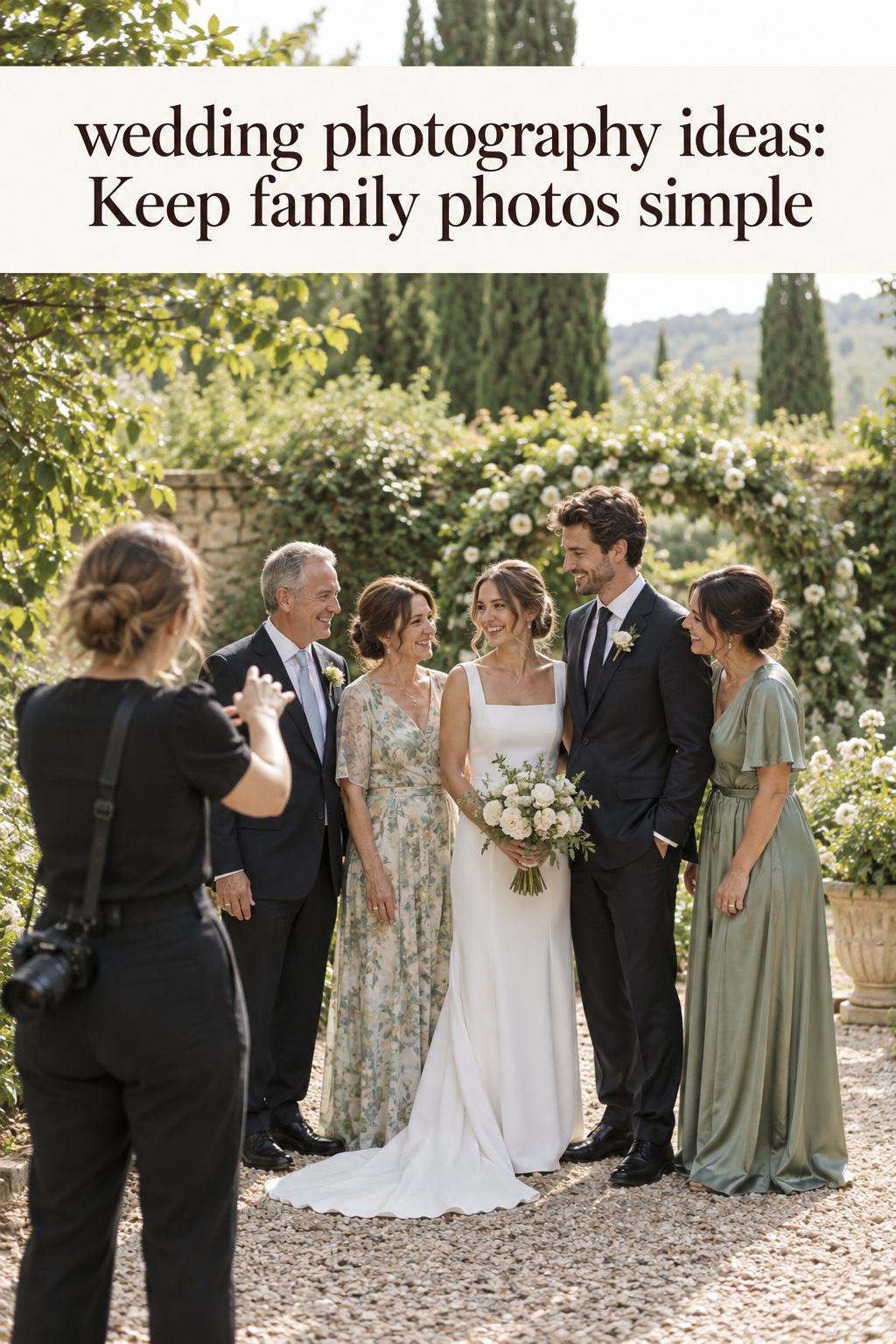
Wedding photography ideas that work in real settings
The brief should change with the setting. These examples are prompts for a conversation, not a fixed shot order. Keep the idea that solves a problem you actually have and leave the rest behind.
A small venue with little room for portraits
In a compact restaurant or city venue, do not assume you need a distant scenic backdrop. Look for an uncluttered doorway, a window with room to stand, a staircase landing, or a short walk just outside. Ask the photographer to identify one dependable portrait spot and one backup. The camera can use proximity, layers, and expression to give the scene depth even when the physical space is small.
Use the room itself as part of the story. A wide frame of the dinner space establishes the setting; a closer image of the couple listening to a toast carries the emotion. A portrait at the bar or on the sidewalk may feel more truthful than pretending the wedding took place in a garden. If leaving the venue would interrupt the event, keep the couple session near the action and allow more time for guests.
A large family and a short portrait window
Start with the group that would be hardest to assemble later. Keep relatives who need seating or an early departure near the beginning. Have the family helpers gather the next group while the current one is being photographed. Tell everyone exactly where to wait, but do not put that work on the couple. The goal is a calm sequence rather than a shouted roll call.
Reduce near-identical combinations. You may want one complete immediate-family portrait, a couple with each set of parents, and a grandparent grouping. That is a meaningful core. If your family structure calls for more, make those choices explicitly with your photographer and reserve a realistic block in the timeline. A shorter list is not less caring; it can leave room for relatives to interact naturally afterward.
An outdoor ceremony with shifting light
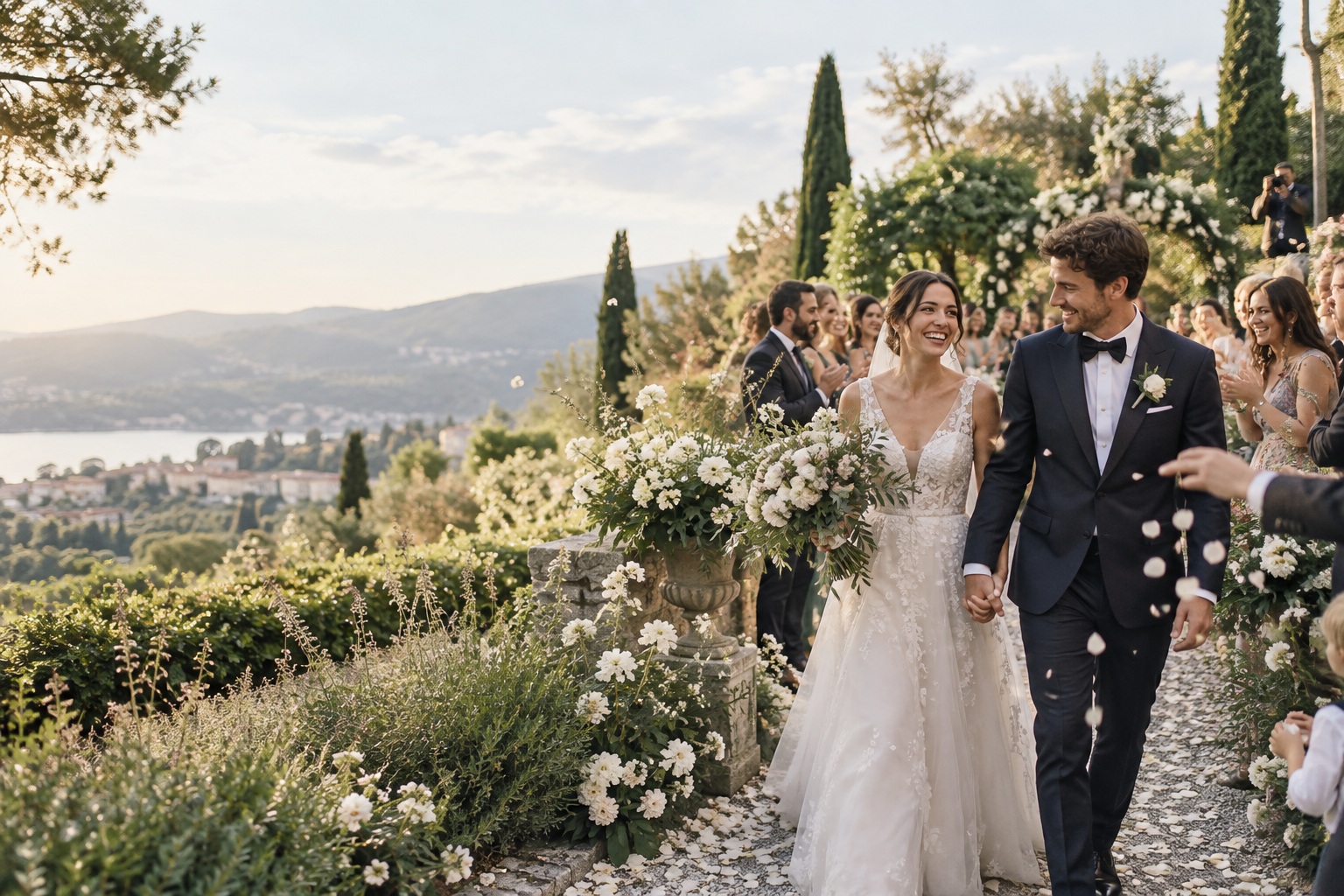
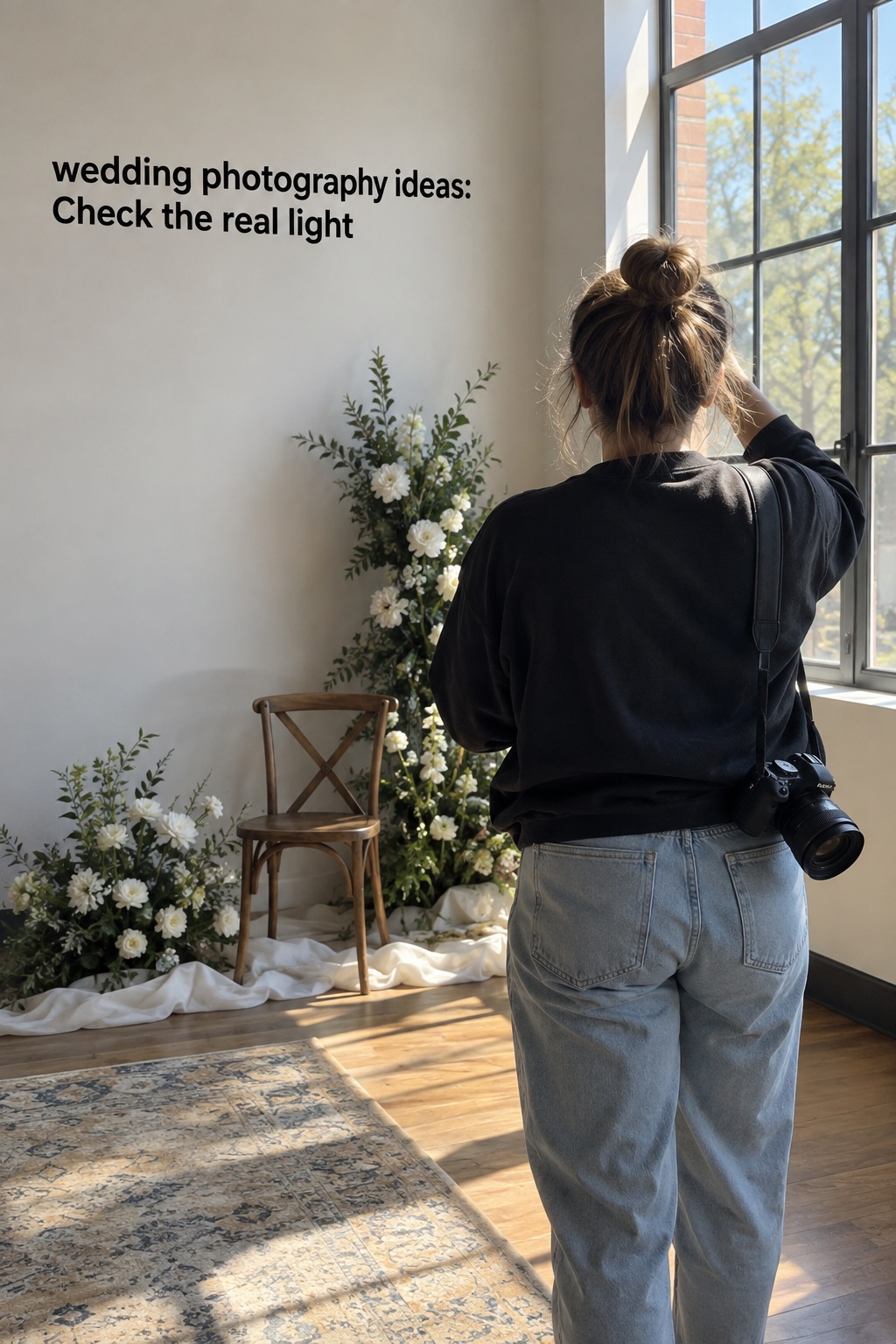
Share the ceremony location and time, then ask where the sun or shade will fall on the couple and guests. A visit, venue photographs from the same time of day, or a conversation with the venue can help the photographer prepare. If an entrance is backlit or the aisle alternates between shade and direct sun, the photographer can plan positions and exposure. Do not move a ceremony solely to chase an online reference image unless the rest of the event also supports that decision.
For portraits, discuss a practical first location near the ceremony and a second option if the weather or light changes. A shaded wall or covered terrace can be more reliable than an open lawn. If the day turns cloudy, that is a different visual mood, not a failed version of the sunny plan. Tell the photographer whether you would rather protect guest time or step out for a longer portrait session when the light changes.
An indoor reception with movement and low light
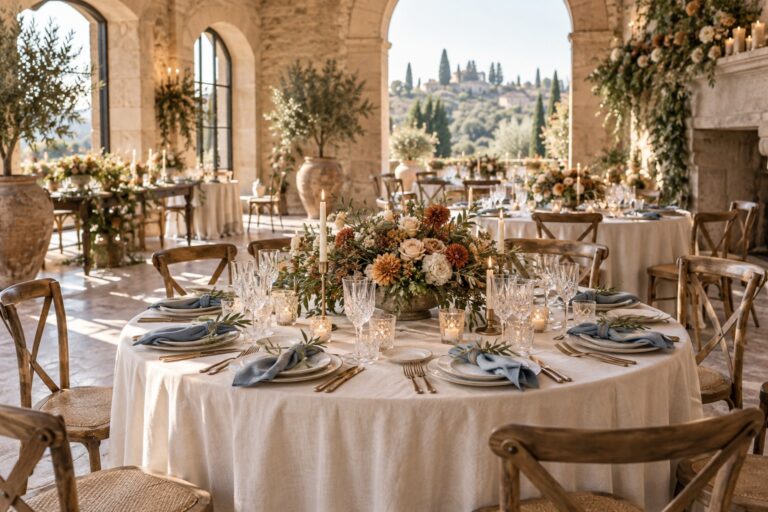
A reception gallery should include both the design of the room and the life inside it. Arrange for a brief room photograph before guests enter if the decor matters to you. After that, allow the photographer to follow interactions: a speaker’s expression and the couple’s reaction, hands joining a dance, a small conversation at a table, or friends crossing the floor. These frames make a set feel inhabited.
If you like flash, motion blur, or a grainier documentary look, say what feeling attracts you and ask whether it suits the venue and the photographer’s style. A blurry image can convey motion, but it should be intentional and balanced with clear photographs of important people. Avoid requesting every reception photo in a single effect. You will appreciate having a mix of wide scenes, readable faces, and energetic details.
Quick fixes when the photography plan meets the actual day
The best plan is one you can adjust without stopping the celebration. Put the one-page brief, family groups, schedule, and contact for the two family helpers in a single message or document. Send it ahead of time, then review it with your photographer. Ask which requests need dedicated minutes, which can happen during existing events, and which would be dropped first if the schedule slips. This conversation turns a wish list into a decision tree.
If getting ready runs late, protect the ceremony, essential family groupings, and a small amount of couple time. Skip a secondary location or a complicated object layout before you cut the irreplaceable moments. Tell the photographer what has changed, then trust them to adjust the sequence. A rushed ten-minute trip for a picture you liked online may cost the last quiet conversation with someone important.
If a family member is missing during portraits, use the helper to locate them while another planned group is photographed. Do not hold every person in place for one absent guest. If someone has left or needs a break, ask whether a smaller grouping later is possible. A candid photograph with that person during dinner may become more meaningful than the exact formal composition originally planned.
If the weather changes, choose safety and comfort first, then work with the light available. Move a portrait to a covered threshold or an indoor window; use an umbrella if it is part of the moment rather than a prop that makes everyone tense. A brief dry interval may be enough for one outdoor frame. There is no need to recreate the entire inspiration board under new conditions.
If you feel awkward in front of the camera, say it before the wedding. Ask your photographer for simple movement or a small task instead of a long series of poses: walk together, straighten a sleeve, pause for a private conversation, or hold hands and look at each other. You can also schedule a short portrait period and return to your guests. A calm five minutes that feels natural may serve you better than a long session you dread.
Before the day, do one final edit of your references. Remove images chosen only because they look impressive. Keep those that show your priorities: the people you love, the atmosphere you are creating, and the way you want to feel in the frame. Then give your photographer room to notice the unexpected. The photographs that become favorites often begin as ordinary seconds you could not have placed on any list.
FAQ
How many photos should we put on our must-have list?
Keep the true must-haves short enough to discuss, especially family groupings and unusual moments. There is no universal number because coverage hours, travel, and family size differ. Ask your photographer which requests need dedicated time and let their standard coverage handle common moments. Rank requests so the most meaningful images survive a delay.
Should we send our photographer Pinterest images?
Yes, if you explain what you like about a small selection. Point to light, mood, movement, composition, or closeness rather than asking for a replica. Choose references that resemble your venue and celebration when possible. A photographer can use those clues while still making original images of your day.
Are candid photos possible if we plan a shot list?
Yes. Use the list for essential people and events, then leave unscheduled space for interaction. Avoid turning every candid idea into a staged instruction. Tell your photographer which relationships matter and let them watch for the moments that arise naturally. A planned family portrait and an unplanned hug can belong in the same gallery.
When should family portraits happen?
That depends on your ceremony, first-look choice, family availability, travel, and reception schedule. Some groups can be photographed before the ceremony; others are easier afterward when everyone has arrived. Ask the photographer to place essential groups where the right people and a suitable location are available, and give each helper the order in advance.
What details are worth photographing?
Choose items with a personal story or a visual role in the celebration: an heirloom, handwritten note, special fabric, meaningful flowers, rings, or a room before guests enter. Gather small items together and explain their significance. A few intentional details usually tell the story better than a complete inventory of decorations.
What if our venue has poor light?
Tell the photographer about the space and schedule early, and share venue images if available. Ask for a reliable portrait location and a backup, then let the photographer choose equipment and positions. Be open to a different mood from the inspiration photo. A clear, expressive image in the light you have is more valuable than a rushed attempt to imitate another venue.
Do we need a separate sunset portrait session?
Only if that look matters enough to step away from the celebration and the schedule supports it. Discuss the likely light and location with your photographer, plus a fallback if sunset is hidden or dinner runs late. If you value time with guests more, a shorter portrait near the venue can be the better choice.