Christmas Wedding Inspiration: A Day That Feels Like You
Christmas wedding inspiration often arrives as a flood of beautiful images: candlelit aisles, velvet ribbons, evergreen branches, red berries, snowy portraits, and tables glowing after sunset. The hard part is not finding ideas. It is deciding which ideas belong to your wedding and how they should work together.
Picture the day as a short story told through five scenes. Guests arrive, settle into the ceremony, see you in your seasonal look, share a meal, and leave with one last feeling. When each scene has a purpose, Christmas can feel like part of your relationship rather than a theme placed on top of it. The result is festive, intimate, and recognizably yours.
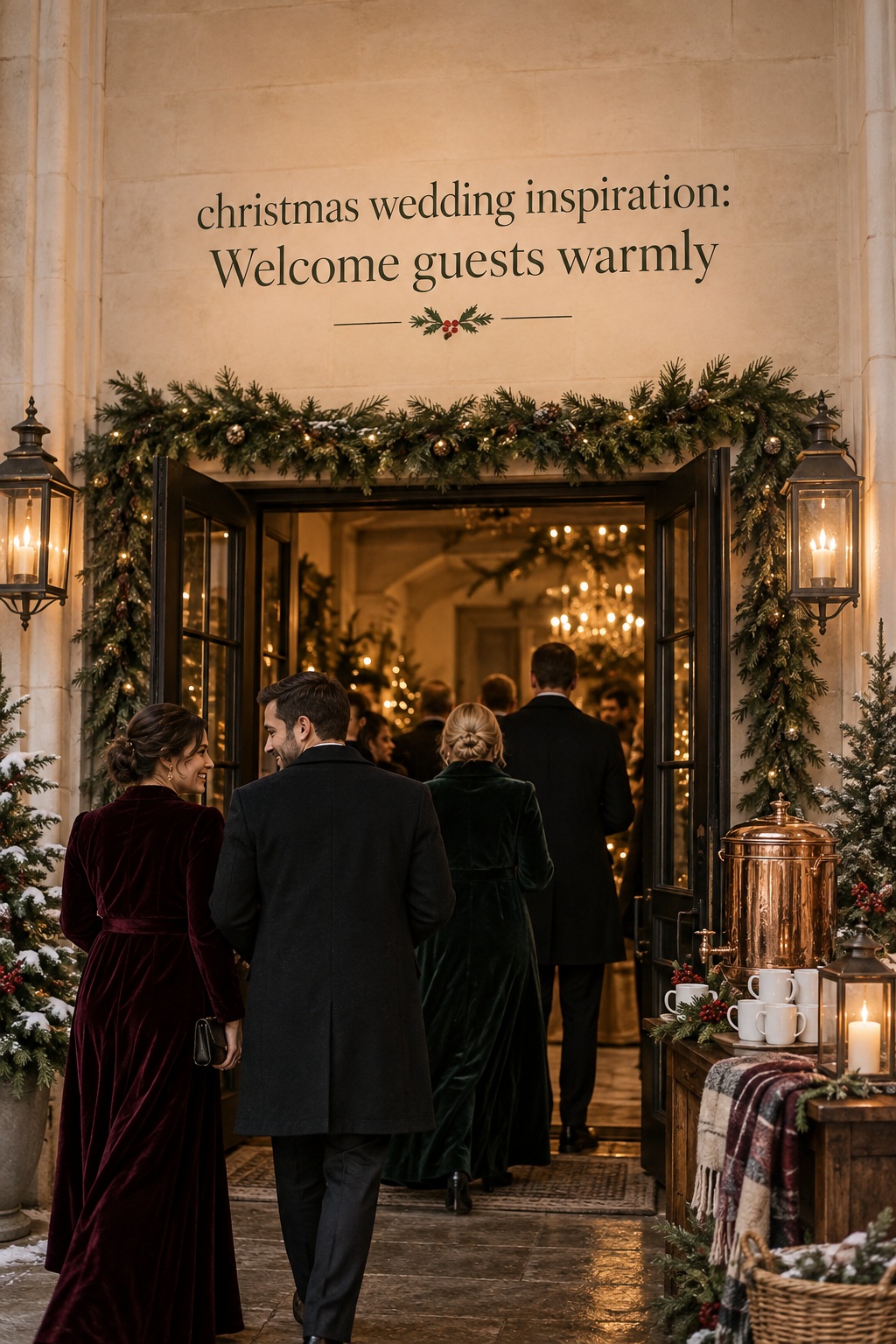
The arrival scene: make the first five minutes feel like your Christmas
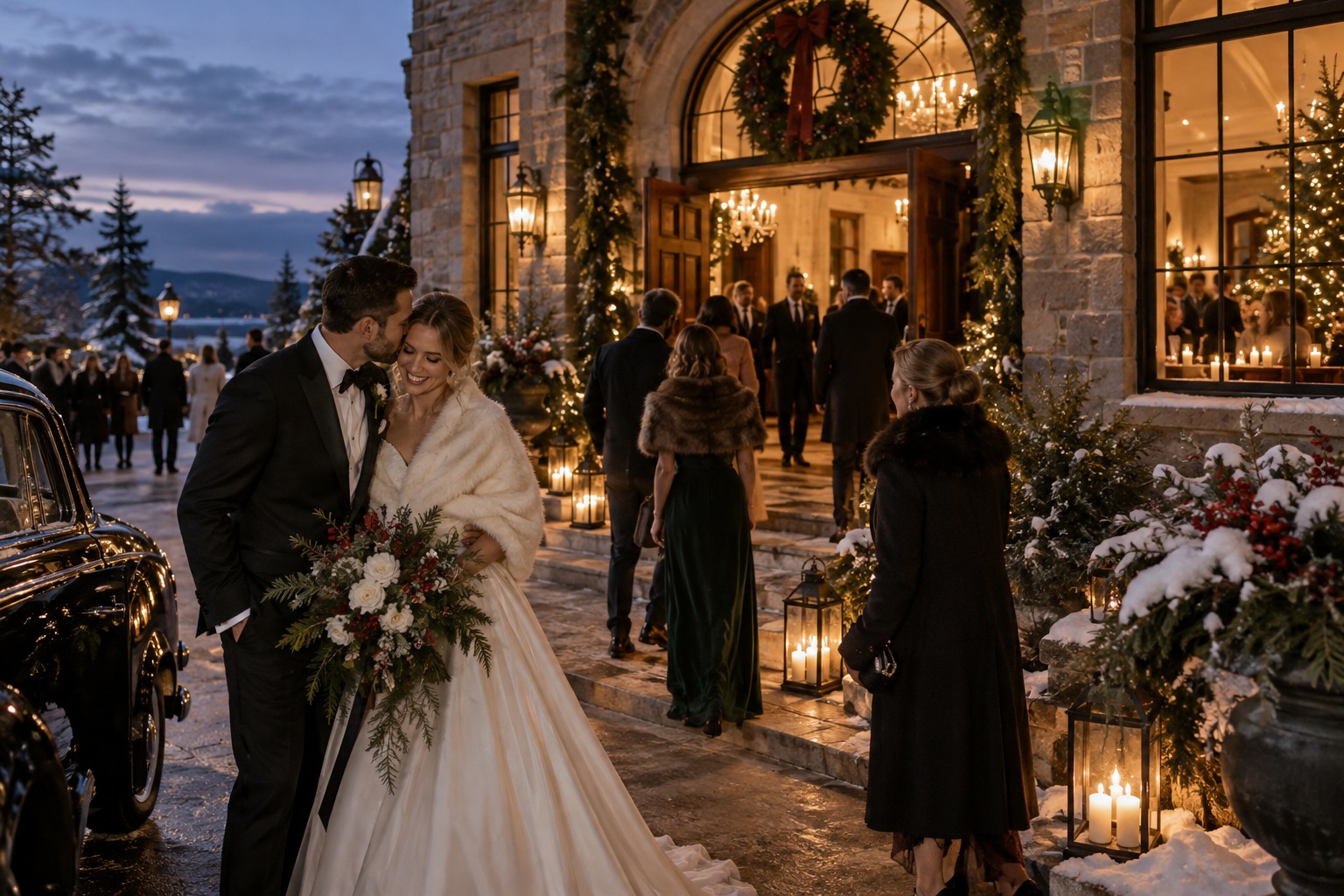
The entrance is where guests learn how your celebration will feel. Before they see the ceremony flowers or reception tables, they notice the temperature, light, sound, and welcome. That makes arrival one of the most useful places to turn inspiration into an experience.
Start with one sentence that describes the welcome you want to give. It might be “come in from the cold and feel at home,” “step into a candlelit winter evening,” or “join us for a playful Christmas house party.” This sentence is not a slogan for the invitations. It is an editing tool for every detail that follows.
Your wedding look is only the beginning.
Keep your guest list, vendors, timeline, and every important detail together with Zarellea — so your day feels as considered as your style.
Give the entrance a small sensory signature
Choose one or two sensory cues instead of trying to decorate every surface. Evergreen at the door, warm amber lighting, a restrained seasonal playlist, or a welcome drink can establish the mood immediately. If scent is important, keep it gentle and test it in the actual venue. A wedding should feel inviting, not perfumed.
A practical welcome can also become part of the visual story. Place wraps, umbrellas, or blankets where guests can reach them without asking. A simple sign can explain what is available in a friendly voice. If people must walk outdoors, add a clear route, enough light, and a warm-up point near the ceremony. Comfort is one of the most memorable forms of hospitality.
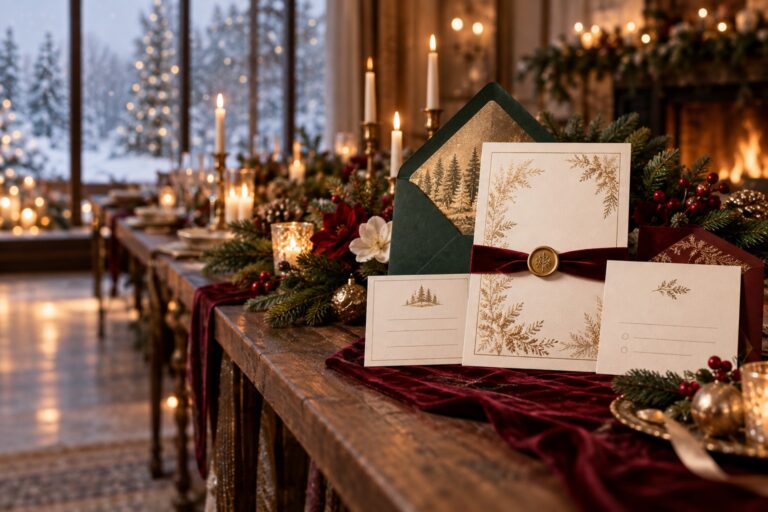
Paper details can make the entrance feel considered without requiring a large installation. Use one repeatable cue, such as a narrow velvet ribbon, a small evergreen sprig, a berry-toned envelope, or a brass ink color. Repeat it on the welcome sign, ceremony program, and escort display. Repetition creates a sense of design even when the individual pieces are simple.
- Choose one welcome phrase that describes the emotional goal.
- Repeat one material or color from the entrance into the ceremony.
- Put practical cold-weather information where guests can see it.
- Keep the entrance uncluttered so arrivals feel calm rather than staged.
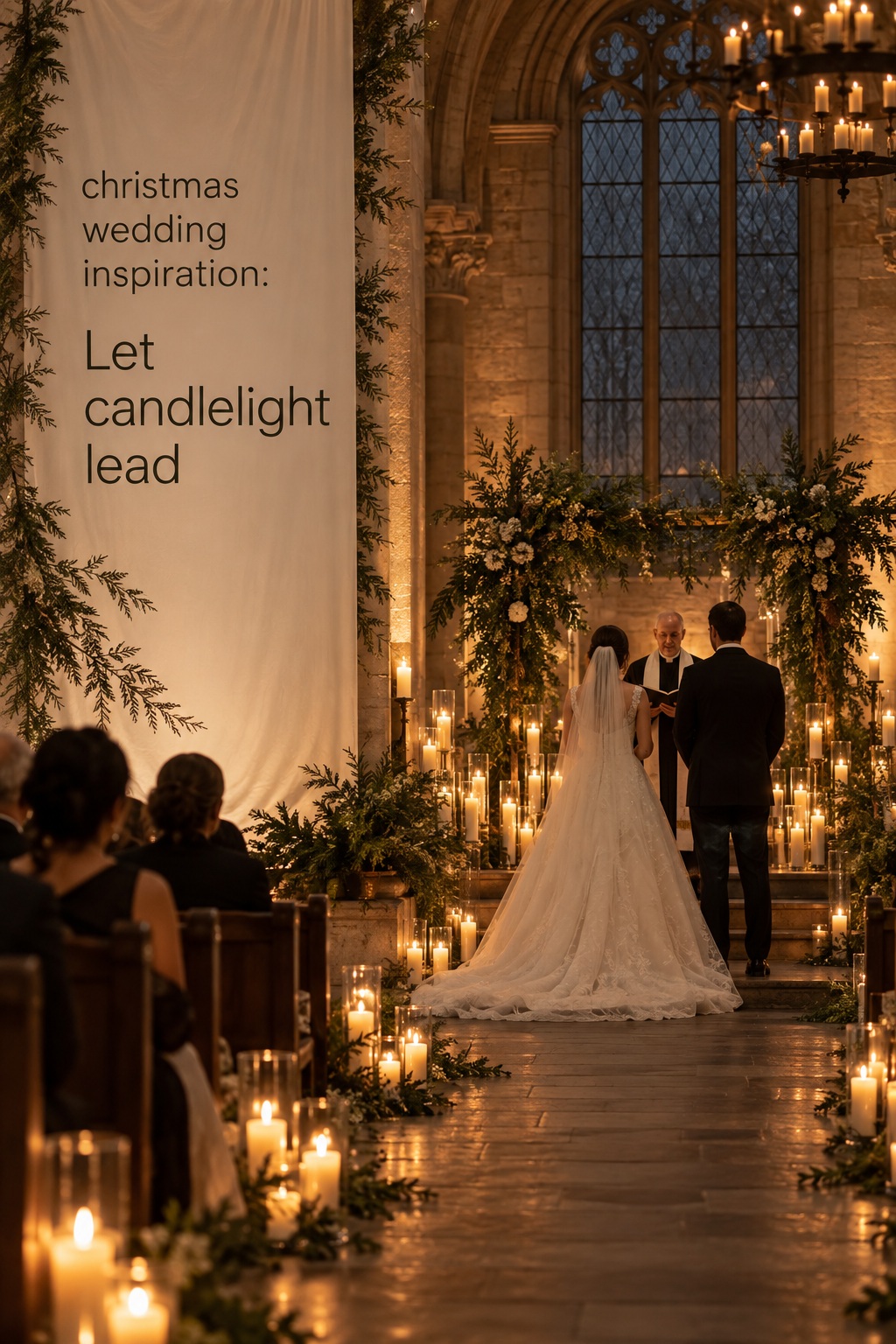
The ceremony scene: let light and texture carry the emotion
Christmas wedding inspiration works best in a ceremony when it supports the vows. The seasonal feeling can come from light, texture, and pacing, not from filling the altar with recognizable holiday objects. Ask what the camera and the guests should notice first: your faces, the architecture, the flowers, or the glow of the room. Then make the design serve that answer.
Candlelight is powerful because it changes the atmosphere without demanding attention. Use clusters at different heights along the aisle, on the altar, or around a welcome table, while checking venue rules and fire safety requirements. Battery candles can create a similar impression when open flame is not permitted. The important detail is repetition with breathing room.
Build a ceremony backdrop that still feels like a wedding
A ceremony backdrop can be seasonal without looking like a decorated Christmas tree. Try a loose arrangement of cedar, pine, bare branches, white flowers, or winter berries around an existing architectural feature. A fabric panel in ivory, deep green, or warm taupe can soften a plain wall. Leave enough negative space for the couple to remain the visual center.
Texture gives a small ceremony more depth. Combine a woven aisle runner with smooth candle glass, matte paper, and a single reflective accent. Velvet can appear on ribbon or a ring box rather than everywhere at once. If the room already has wood, stone, stained glass, or ornate molding, let that material be part of the palette. A good seasonal design notices what the venue already offers.
Think about the transition after the vows. Guests should not move from a warm ceremony into an exposed waiting area while the wedding party takes portraits. Arrange a nearby drink station, a short musical interlude, or a clearly guided route to cocktail hour. The transition is part of the ceremony scene because it determines whether the feeling continues or breaks.
- Use candles or warm lighting to create rhythm, not visual clutter.
- Frame the altar while keeping faces and vows easy to see.
- Choose seasonal textures that connect to the venue’s existing materials.
- Design the ceremony exit and transition as carefully as the entrance.
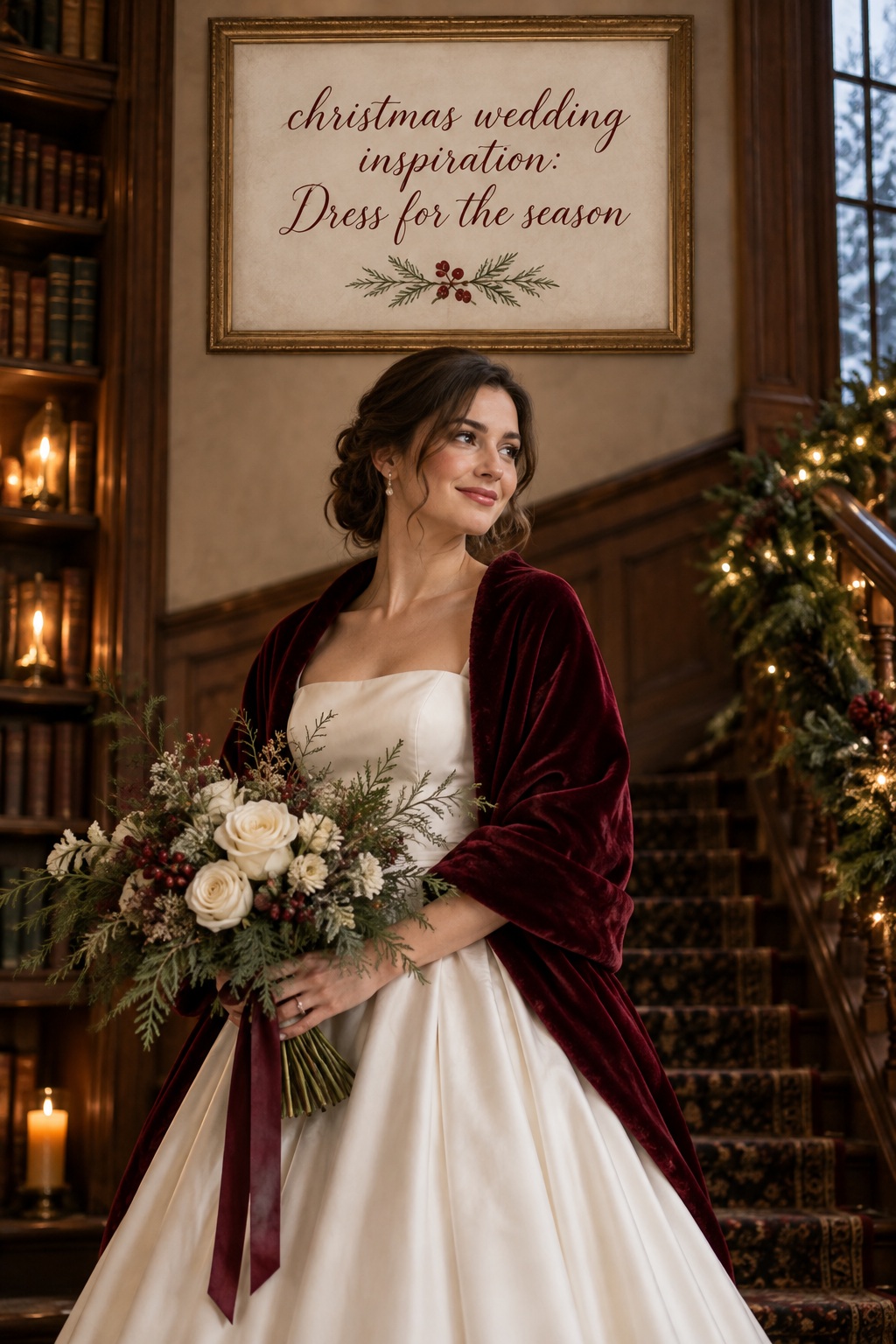
The portrait scene: dress the couple for the season, not a costume
Your portraits are where Christmas wedding inspiration becomes personal style. The goal is not to look like a holiday card made by someone else. It is to give the photographs a sense of place and time while leaving room for your usual taste. One seasonal layer can often do more than a full collection of themed accessories.
Choose one texture, one color note, and one practical layer
For the couple, a velvet jacket, satin shoe, metallic earring, pearl detail, or deep berry manicure can carry the season quietly. A faux-fur wrap, tailored wool coat, cape, or cashmere-style stole can create a strong portrait moment while also solving a real comfort problem. Select the layer based on the setting and the time you will spend outside, not only on how it looks in a mood board.
The wedding party can echo the same story through texture rather than identical outfits. Velvet ties, jewel-toned dresses, dark suits, plaid accessories, or soft wraps can be distributed selectively. When every person wears a different seasonal statement, the group can look busy. Give the party one shared cue and let the rest remain individual.
Use the bouquet and portrait setting as a bridge
A bouquet can connect the wardrobe to the room through shape and color. White flowers with pine or cedar feel crisp. Burgundy blooms with plum ribbon feel moody. Warm neutrals, dried textures, and bare branches can make the season feel modern. Ask your florist for movement and a clear silhouette so the bouquet reads in close portraits, not only in a wide ceremony photograph.
Choose a portrait location that adds atmosphere without overpowering you. A staircase with warm light, a quiet library, a snowy path, a city street after dark, or a room with an old fireplace can each tell a different story. Schedule the outdoor images with enough time for coat changes and warm-up breaks. The best portrait is rarely worth making someone uncomfortable for an hour.
- Pick a seasonal texture that feels natural in your existing wardrobe.
- Plan a warm layer that can stay on for part of the day.
- Give the wedding party one common visual cue instead of many.
- Choose a portrait location for atmosphere, light, and comfort together.
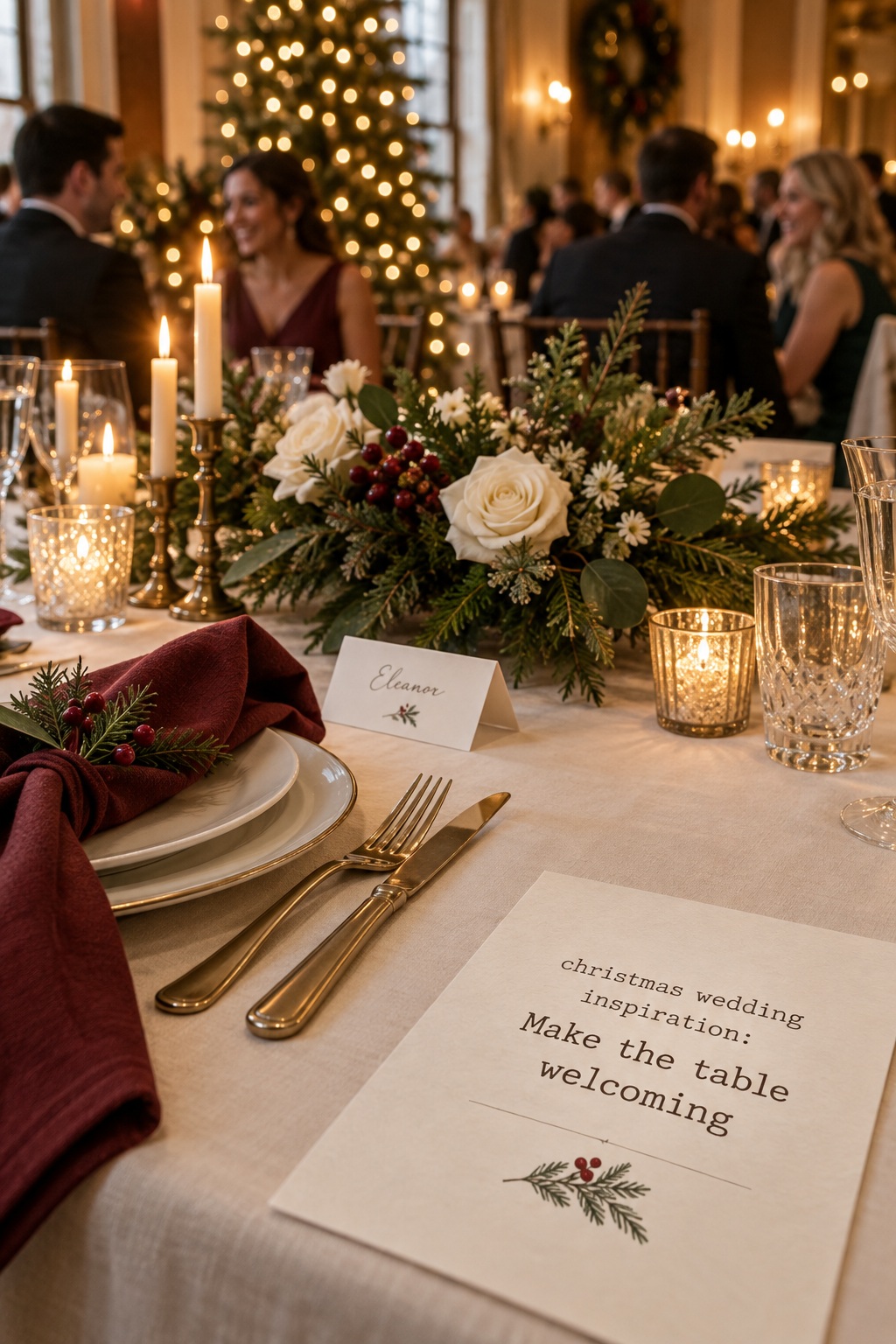
The reception scene: turn holiday nostalgia into hospitality
The reception is where inspiration has to work at human scale. Guests need to see each other, hear conversation, find their seats, eat comfortably, and understand what happens next. A beautiful room becomes memorable when it also feels easy to inhabit.
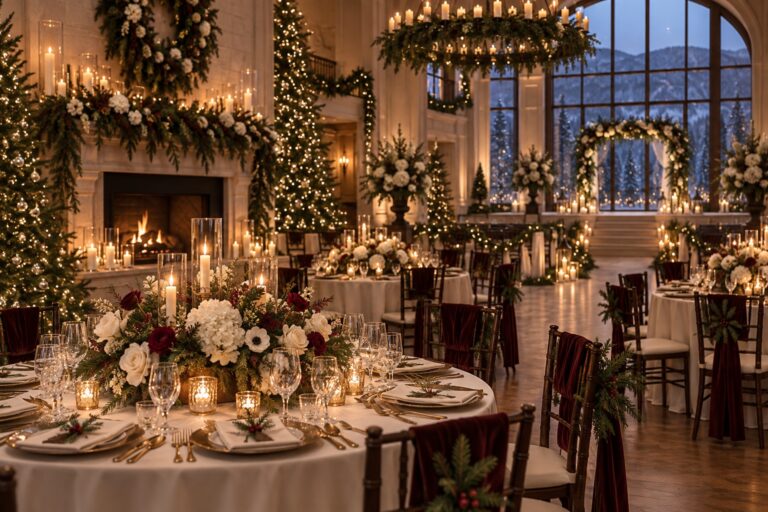
Begin with the table’s central rhythm. Low greenery, bud vases, candle clusters, or a few sculptural branches can create a festive line without blocking faces. Keep the strongest detail at eye level or below, then add height only where it helps the room. A tablescape should invite people to sit down, not make them feel they are entering a showroom.
Let one personal tradition do the emotional work
Instead of adding a holiday detail to every table, choose one tradition that belongs to you. It might be a family cookie, a favorite winter drink, a song played at a meaningful moment, a small ornament with a story, or a recipe card guests can take home. Explain the meaning briefly through a menu note, place card, or toast. Context turns an object into a memory.
Seasonal food and drinks can make the room feel generous. Offer a warm nonalcoholic drink alongside cocktails, especially if guests have traveled through cold weather. A cocoa station, spiced cider, tea service, or a dessert connected to a family gathering can be more welcoming than a novelty display. Keep service practical, with enough staff and clear options, so the idea feels effortless to guests.
Use music and lighting to change the pace of the evening
Lighting should evolve as the reception moves from dinner to dancing. Warm table light can make dinner intimate, while a brighter dance floor helps the celebration open up. Music can nod to the season without turning every moment into a carol performance. Choose a few songs that feel like your household, your city, or your shared history.
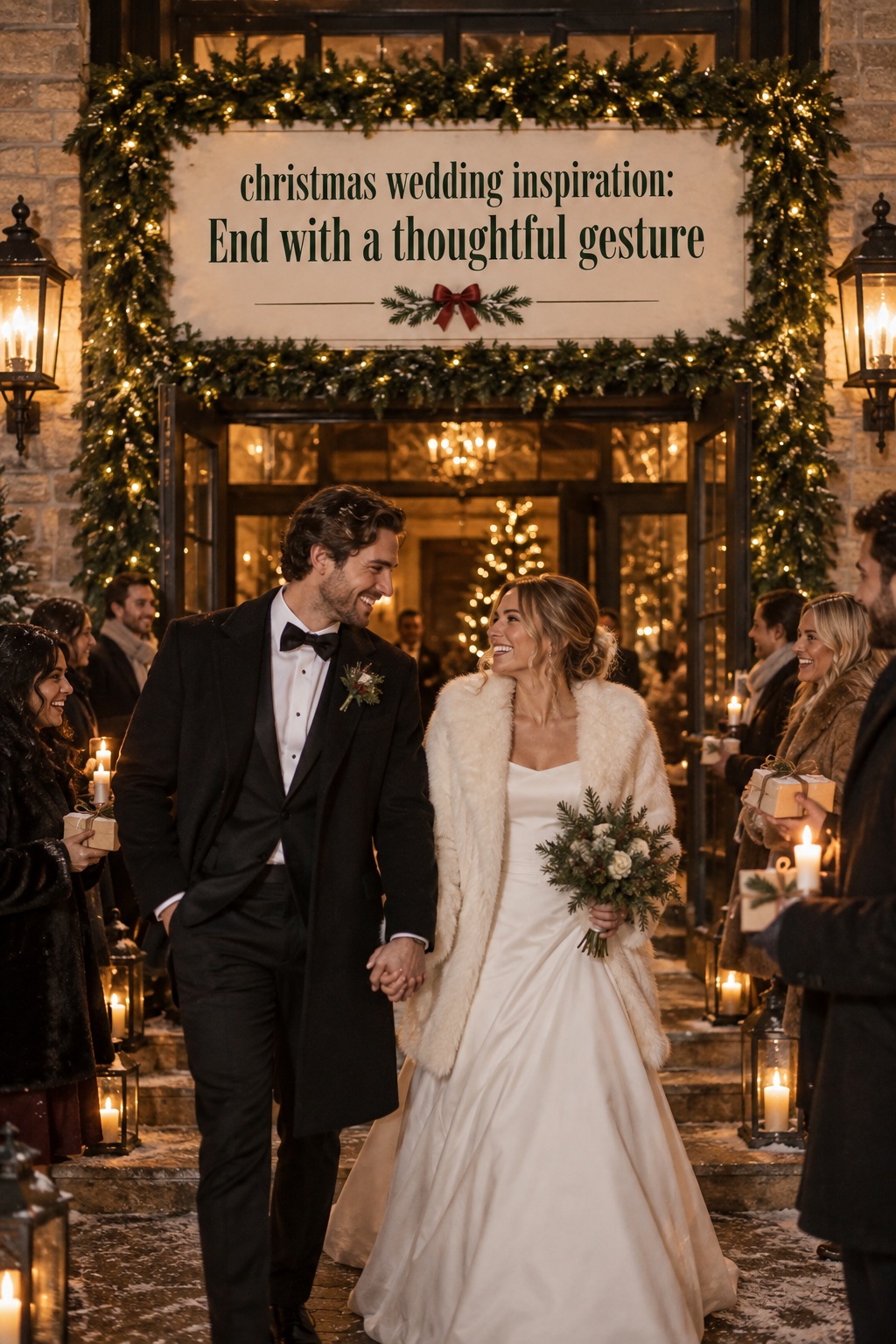
The final reception detail should help guests leave with care. Offer a coat check that actually moves quickly, package leftover favors neatly, and make transportation information visible. A small farewell gift, wrapped in the same material used at the entrance, can close the visual loop. The ending does not need to be grand. It needs to feel intentional.
- Keep centerpieces low enough for easy conversation.
- Choose one family or couple tradition and explain it simply.
- Offer warm drinks with an accessible nonalcoholic option.
- Adjust lighting and music as the room shifts from dinner to dancing.
- Design the departure so guests feel looked after until the last minute.
Sources and methodology
This editorial framework was developed from ten current US search results covering real weddings, ceremony and reception ideas, winter styling, seasonal decor, and guest comfort. The strongest recurring lesson was to build around mood, lighting, texture, and hospitality rather than collect literal holiday props. The Knot’s Christmas wedding guide and Green Wedding Shoes’ updated idea guide were especially useful for mapping the range of ceremony, attire, floral, food, and guest-experience references, while the other sources helped test the angle against real-wedding galleries and planning coverage.
The recommendations above are editorial planning guidance, not claims of first-hand testing. Venue rules, weather, fire safety, accessibility, and vendor availability should be confirmed for the specific celebration. For broader examples, see The Knot’s Christmas wedding ideas and Green Wedding Shoes’ Christmas wedding inspiration.
FAQ
How can I use Christmas wedding inspiration without making the wedding look themed?
Choose a mood and repeat two or three cues, such as candlelight, evergreen, and velvet, instead of using every holiday symbol. Keep the ceremony, wardrobe, and reception connected through texture and lighting, then let your personal tradition provide the most recognizable seasonal detail.
What colors work for a polished Christmas wedding?
Forest green with brass, burgundy with plum, champagne with ivory, berry with black, and winter white with warm neutrals can all feel seasonal. Select one anchor color, one supporting color, and a restrained metallic or natural accent so the room does not become visually noisy.
How do I keep guests comfortable at a December wedding?
Tell guests what to expect, provide a clear indoor route, add blankets or wraps when needed, and offer warm drinks with nonalcoholic choices. Build realistic transition time into the schedule and confirm heating, lighting, coat storage, and transportation details with the venue.
What seasonal details photograph well?
Layered candlelight, a bouquet with winter texture, a tailored coat or wrap, a simple evergreen installation, and one reflective accent tend to read clearly in photographs. Place details in negative space and make sure they support faces, movement, and the architecture of the venue.
What is a meaningful Christmas wedding favor?
A favor feels meaningful when it connects to your shared life or a family tradition. Consider a favorite cookie, a small recipe, a useful winter item, or an ornament with a short note. Keep the item easy to carry and explain its story in one or two sentences.
How many holiday details should I include?
There is no fixed number, but each detail should have a job. Use seasonal elements to welcome guests, frame the ceremony, add texture to portraits, improve the reception, or close the evening. If an item only repeats something already visible, remove it and protect the room’s breathing space.
A useful final test is to remove every seasonal detail from your planning board and add them back one at a time. For each item, ask whether it improves the guest welcome, helps the ceremony read, supports the portrait story, makes the meal more comfortable, or gives the evening a meaningful ending. If the answer is no, it may be attractive but unnecessary. This test protects the wedding from visual noise and makes the remaining choices easier for vendors to execute.
It also helps to mark the details that must be decided early. Florals, lighting, rentals, attire layers, printed pieces, and menu service can affect one another, so share the same short mood sentence with your planner, florist, photographer, caterer, and venue team. They do not need identical instructions. They do need to understand whether the day should feel like a quiet winter evening, a gathering in a family home, or a lively celebration surrounded by seasonal color.
Finally, leave room for the ordinary moments that will become part of the story: a guest warming their hands around cider, a parent recognizing a recipe, a friend fixing a velvet bow, or the couple stepping outside for a private breath between dances. Those moments cannot be fully styled, and they should not be. The strongest Christmas wedding inspiration creates the conditions for them to happen, then lets the people provide the magic.