Indian Bridal Makeup: Fix the 7 Most Common Problems
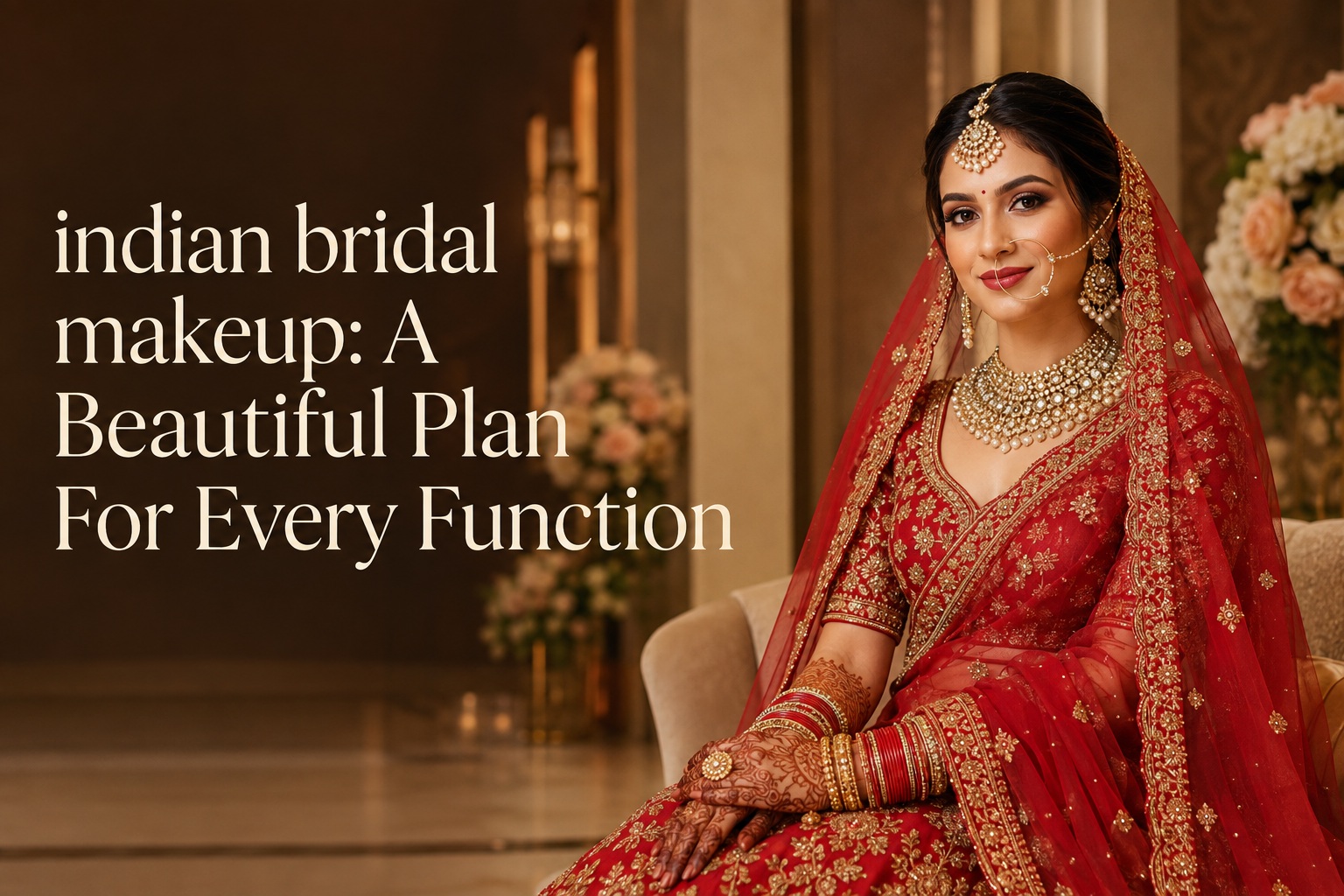
Indian bridal makeup has to do more than look beautiful for one portrait. It may need to move from a bright afternoon mehendi to a crowded sangeet, then hold up through a ceremony, family photographs, dinner, and dancing. It also has to work with a lehenga, sari, or gown, traditional jewelry, a veil, changing light, and the bride’s own comfort level. That combination is exactly why a look that seems perfect in a makeup chair can feel too heavy, too pale, or too fragile once the wedding day begins.
The most useful way to plan Indian bridal makeup is to solve the likely problems before choosing the colors. Start with the event schedule, your skin’s behavior, the lighting, the outfit, and the amount of definition you actually want. Then build a flexible plan for each function instead of treating every celebration as the same face. The guide below is designed to help you and your makeup artist make those decisions with clarity.
Diagnose the Problem Before Choosing the Look
The first common mistake is choosing a reference image before deciding what the makeup needs to accomplish. A dramatic red lip may be gorgeous for a candlelit reception, but it may compete with a heavily embellished red bridal outfit. A dewy base may look fresh for an outdoor mehendi, but it can become uncomfortable under hot lights or in humid weather. Indian bridal makeup is strongest when the visual direction follows the day rather than forcing every event into one template.
Problem 1: One look has to cover every function
Solve this by making a simple function map. For haldi, keep the base light, breathable, and easy to refresh. Cream blush, brushed brows, soft brown liner, and a comfortable tinted lip can give you color without creating a mask. Mehendi can take a little more warmth and eye definition, especially if you will be photographed in daylight. Sangeet is the natural place for stronger liner, more sculpted cheeks, or a richer lip because movement, music, and evening light support more contrast.
Your wedding look is only the beginning.
Keep your guest list, vendors, timeline, and every important detail together with Zarellea — so your day feels as considered as your style.
The wedding ceremony usually needs balanced definition. The eyes, brows, lips, and cheeks should still read clearly beside jewelry, but none should overpower the face. Reception makeup can be more polished and dimensional, particularly if the outfit is simpler or the room is dark. You do not need five unrelated faces. Think of the celebrations as one visual story with changing intensity.
Problem 2: The reference photo looks beautiful, but not like you
Bring reference images for the finish, color family, and level of definition, not as an instruction to copy another person’s features. Show your artist examples with a similar skin depth, undertone, eye shape, and lighting environment when possible. Also explain what you dislike. Saying that you want visible skin, no gray cast, a softer lower lash line, or a lip that can be reapplied is often more useful than saying only that you want glam.
Ask your artist to describe the plan back to you in plain language. You should know whether the finished look will be matte, satin, luminous, or glossy; whether the coverage will be sheer, medium, or full; and which feature will lead. This short conversation prevents a common mismatch in which the makeup is technically well applied but feels disconnected from your personality and clothing.
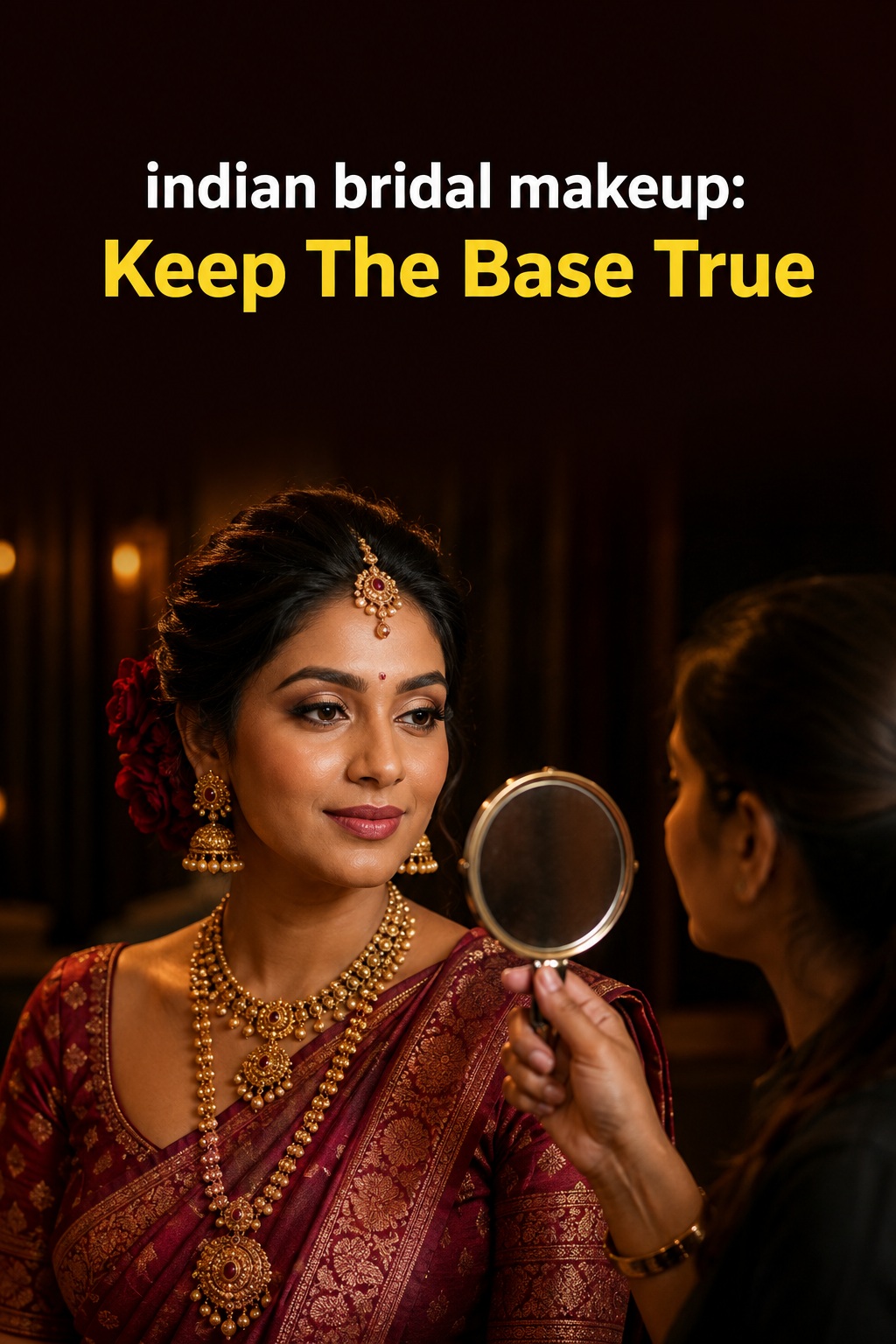
Solve Base and Shade Problems Before They Become Visible
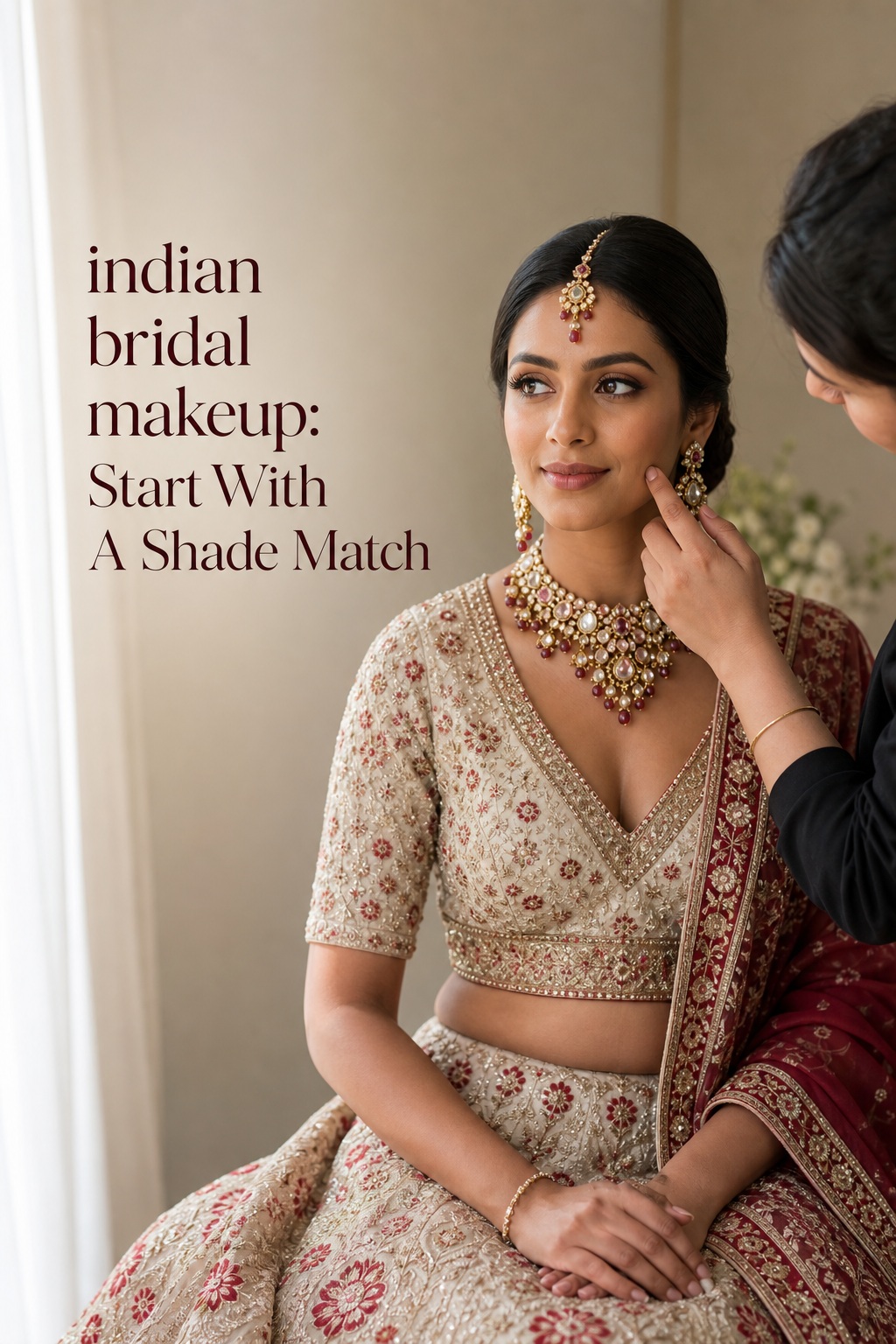
A beautiful eye look cannot rescue a base that turns gray, separates around the nose, or looks several shades lighter than the neck. The foundation decision should be made in daylight and checked with the camera you are likely to use. Indian skin tones cover a wide range, and undertones can be golden, olive, neutral, rosy, or a combination. The right match is about more than choosing a light, medium, or deep label.
Problem 3: The base looks ashy or too pale in photographs
Ask for foundation to be tested along the jaw and slightly onto the neck, then view it in natural window light, indoor warm light, and flash. A shade that looks acceptable under a ring light can look flat or gray in direct flash. If dark areas need correction, use a thin, targeted layer of a suitable corrector before foundation rather than compensating by applying a much lighter base over the entire face. The aim is evenness, not erasing your natural depth.
Be cautious with excessive brightening powder and highlighter. Brightening the center of the face can be elegant, but a pale under-eye triangle or a very reflective forehead can create a disconnected effect. Use concealer where it changes the photograph most, blend the edges into the foundation, and keep the neck and ears in the plan when the outfit leaves them visible.
Problem 4: The makeup separates, creases, or feels dry
Longevity begins with compatible layers, not with the heaviest possible formula. Cleanse gently, moisturize according to your skin type, and allow skincare to settle before primer. Oily skin may need a balancing or mattifying primer on the T-zone, while dry skin often benefits from hydration and a thinner powder layer. Combination skin rarely needs one texture everywhere. It can look better when powder is limited to the nose, forehead, and areas that crease, while the cheeks retain a satin finish.
Build coverage in thin layers. A full-coverage formula does not require full-coverage application across the whole face. Let the first layer even out the complexion, then add product only to discoloration or areas that need more support. Pressing powder into the skin with a small puff can improve wear, but repeatedly adding powder over oil usually creates thickness. Blot first, then touch up the exact area.
Problem 5: The face looks shiny in one location and flat in another
Plan for the venue, not just the mirror. Outdoor daytime light reveals texture and can make metallic products look intense. A ballroom with overhead lighting can absorb dimension, so a little more cheek and eye definition may be helpful. Test the complete face under the strongest likely light. The finish should have controlled radiance on the high points and enough soft structure around the eyes, cheeks, and jaw to remain visible.
Choose either the skin, the eyes, or the lips as the main reflective element. A luminous base, intense shimmer, glossy lips, and bright highlighter all at once can compete on camera. Satin skin with a metallic lid is often more stable than adding glow everywhere. If you love a dewy look, keep the T-zone strategically set and let the glow live on the cheekbones rather than across the full center of the face.
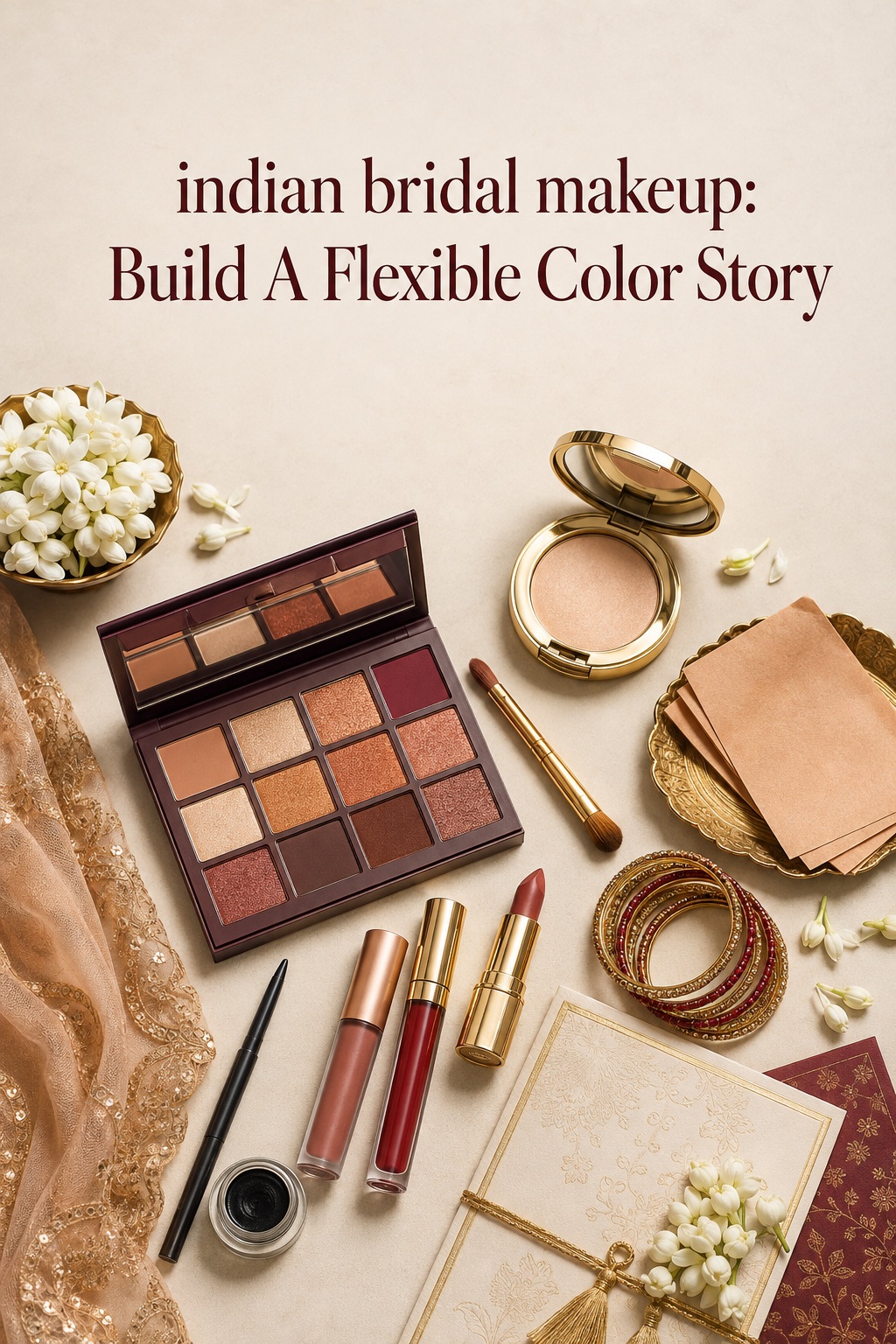
Build Eyes, Cheeks, and Lips for Each Wedding Function
Indian bridal makeup can be traditional, modern, regional, minimalist, or a blend of all four. There is no single correct eye shape, lip color, or level of contour. What matters is coordination. Golds, coppers, burgundies, rose tones, berry shades, and neutral mattes offer a versatile starting family, but the best combination depends on the outfit, jewelry, ceremony time, and your undertone.
For haldi and mehendi: keep movement and daylight in mind
Use breathable complexion coverage, waterproof mascara, soft brown or deep brown liner, and a cream or satin blush that can blend naturally into the skin. A tinted balm or comfortable lipstick is easier to maintain than a highly opaque lip if the event includes food, greetings, or repeated touch. If there will be turmeric, heat, or outdoor activity, avoid a thick base and overly glossy textures that can feel slippery.
For sangeet: add definition that can handle evening movement
Here you can deepen the outer corner, add a smudged kajal or liner, and choose a richer rose, berry, terracotta, or red lip. Individual lashes or a lightweight strip can define the eyes without hiding them. Keep the transition shade soft and blend the lower lash line carefully. Harsh black lines often photograph harder than expected, especially when the camera catches them from several angles.
For the ceremony: let the outfit and jewelry set the balance
When the outfit is richly embellished, choose one clear focal point. A red or berry lip may pair beautifully with restrained eyes, while a defined gold or bronze eye may call for a rose-nude or terracotta lip. If you are wearing strong traditional jewelry, soft contour and a warm blush can connect the face to the metal without adding obvious stripes. Brows should frame the face, but they should not be drawn so sharply that they compete with the bindi, maang tikka, or veil.
For the reception: use light to decide how much contrast you need
Reception light is often dimmer and warmer. A satin base, softly sculpted cheek, luminous inner corner, and defined lip can keep the face present without making it look heavy. If your reception outfit is modern or less ornate, a stronger eye or statement lip can create the visual interest. If the outfit is already dramatic, choose clean shape and carefully placed light instead of adding every trend at once.
For deeper complexions, rich bronze, copper, plum, berry, red, and rose shades can create beautiful contrast, but pigment should be tested on the actual skin rather than assumed from the palette. For medium complexions, watch for gray-beige foundation and overly pale nude lips. For lighter complexions, avoid letting cool pink products turn the full face chalky. These are starting observations, not rules. The trial is where color becomes personal.
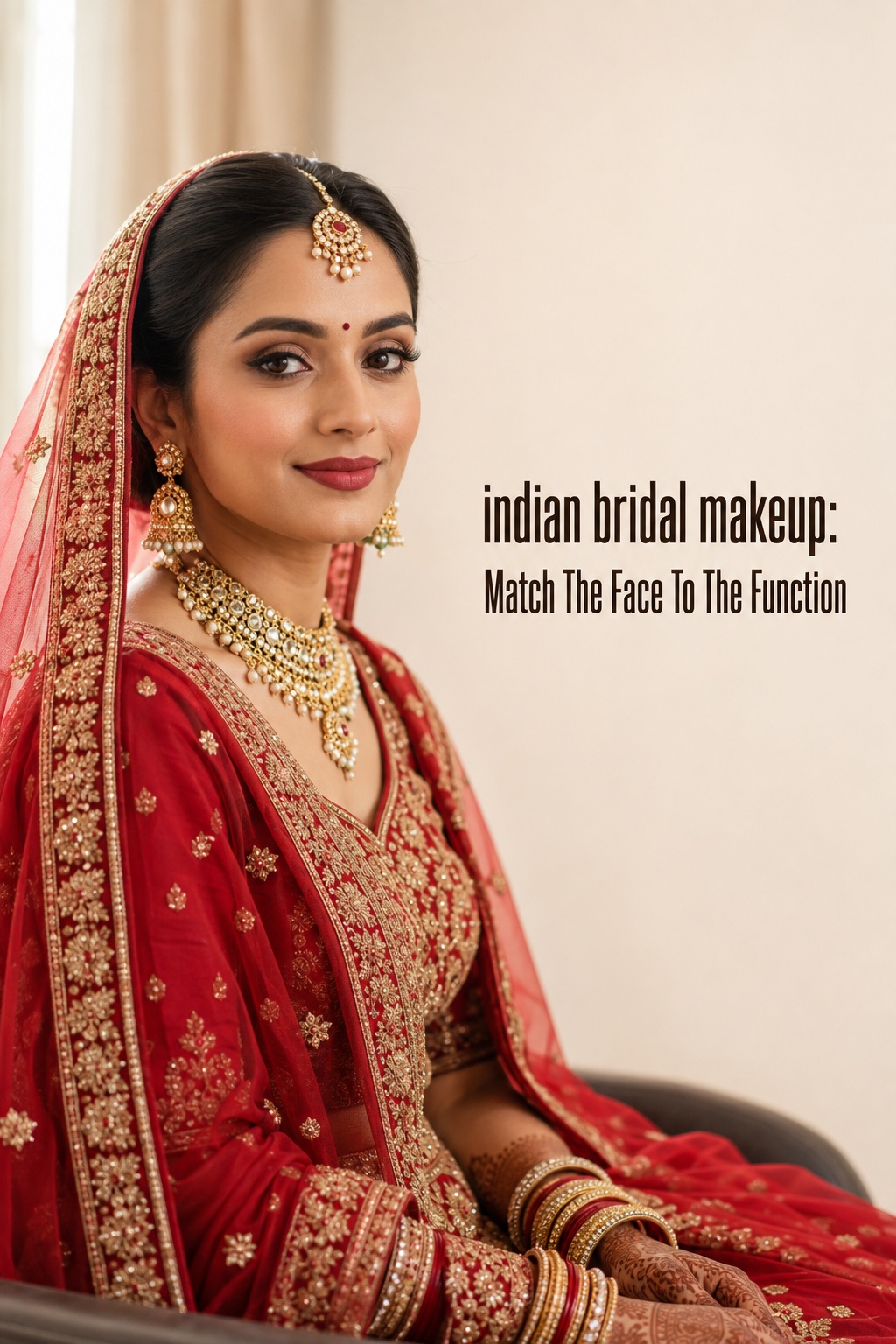
Make the Plan Survive the Wedding Day
The final problem is treating the wedding morning as the first test. A professional trial is not only a preview of the colors. It is a wear test, a communication test, and a chance to see whether the makeup works with the outfit, jewelry, hairstyle, and camera. Schedule it early enough to make changes. Wear a similar neckline if possible, bring a jewelry reference, and take photographs in more than one kind of light.
Questions to ask your makeup artist
- Have you worked with my skin depth and undertone, and can I see examples in unfiltered daylight?
- How will you adapt the look between haldi, mehendi, sangeet, ceremony, and reception?
- Which products will you use for waterproof eyes, long-wear lips, and selective powder?
- How will you check the foundation under flash and warm indoor light?
- What should I bring for a touch-up, and who can help me use it during the event?
- How much time do you need for the full face, hair, draping, and last-minute adjustments?
Bring your own preferred lip color if you have one, but let the artist test it with the complete face. Lip color can look different beside gold jewelry, a red outfit, or a cool-toned veil. Also ask how the product will be refreshed after eating. A lip that fades evenly is often more practical than one that leaves a strong outline and a blank center.
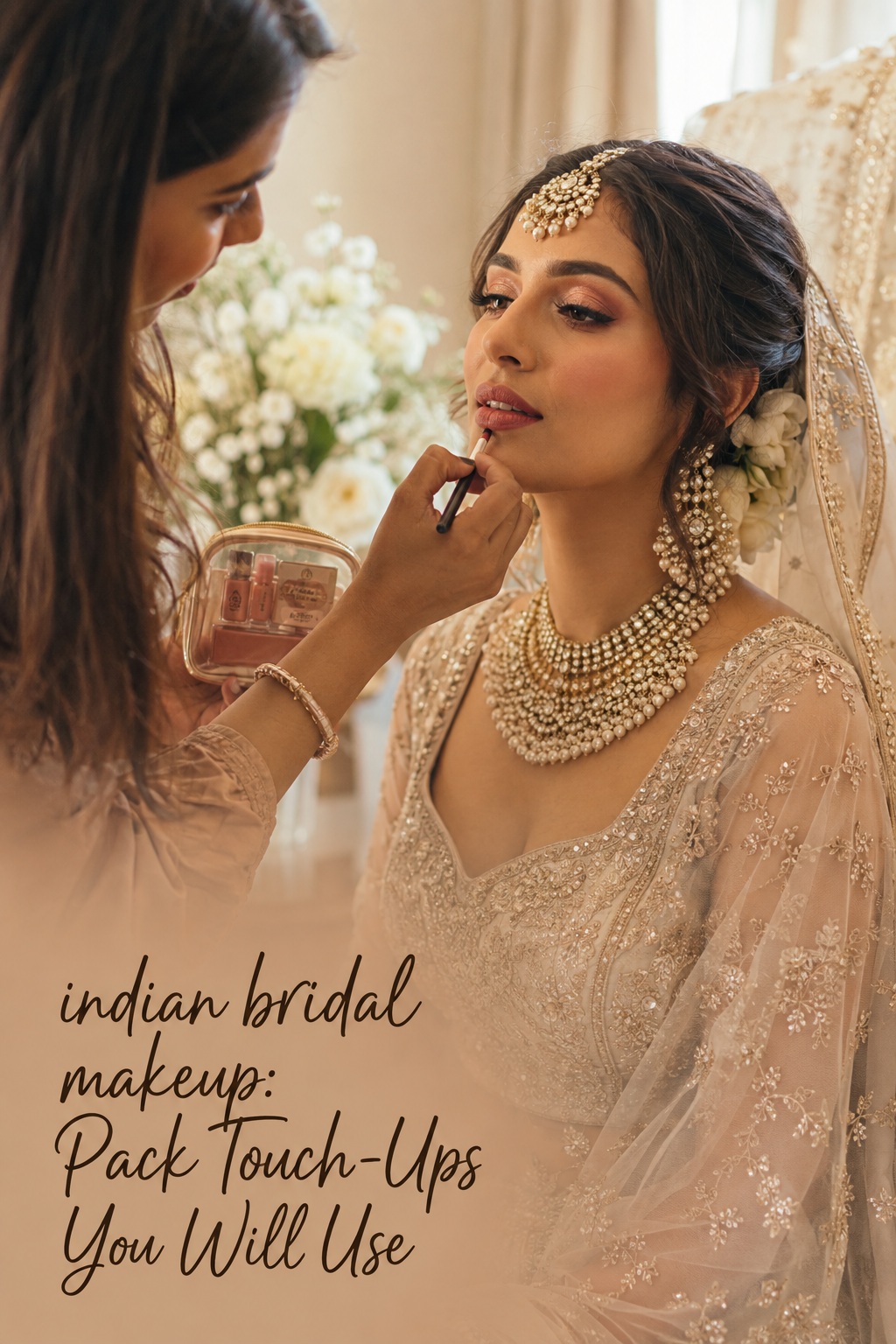
Pack a small, realistic touch-up kit
Keep blotting papers, a compact powder, your lip color, lip liner if used, cotton swabs, tissues, and a small mirror in an easy-to-reach pouch. Add lash adhesive only if you are wearing lashes, and include a clean sponge or small puff if your artist recommends one. You do not need to carry the entire kit. The best touch-up plan is the one a trusted person can use quickly between photographs and events.
When a problem appears, correct the smallest area possible. Blot oil instead of layering powder over it. Press a creased under-eye gently with a clean finger or sponge before adding a trace of concealer. Refresh the lip by removing loose product, then reapply from the center outward. These small repairs preserve the original finish far better than starting over with a thick new layer.
The most dependable Indian bridal makeup plan is not the one with the most products. It is the one that respects the bride’s features, cultural styling, event schedule, skin behavior, and real lighting. Choose a clear focal point for each function, test the base in multiple conditions, and make the trial specific enough that there are no surprises. You can have meaningful traditional detail and a modern, comfortable finish at the same time.
FAQ
How early should I book an Indian bridal makeup artist?
Book as soon as your wedding date and main events are confirmed, especially if you need several function looks, hair styling, sari or dupatta draping, or travel. A booking made early also gives you time to review the artist’s work on a range of skin tones and schedule a meaningful trial.
When should I schedule my bridal makeup trial?
A trial several weeks before the wedding gives you time to adjust the foundation shade, eye intensity, lip color, and wear plan. If your skin, hair color, or outfit changes significantly, schedule the trial after those decisions are stable. Photograph the result in daylight, indoor light, and flash.
What is the difference between HD and airbrush Indian bridal makeup?
HD makeup generally refers to products and application chosen to look smooth and natural in high-resolution photography. Airbrush makeup is applied through an airbrush tool and can create a thin, even layer with strong wear. Neither is automatically better for every bride. The artist’s shade matching, preparation, layering, and ability to adapt to your skin matter more than the label.
How can I stop Indian bridal makeup from looking gray?
Use a foundation matched to your jaw and neck, check the shade in daylight and flash, and avoid applying a very light base to correct darkness. Targeted color correction can help with specific areas, while selective concealer preserves your natural depth. Ask to see the complete face before finalizing the look.
Can Indian bridal makeup be natural and still photograph well?
Yes. Natural bridal makeup usually means intentional, well-blended definition rather than no makeup. Use skin-like coverage, spot concealing, softly shaped brows, a defined lash line, connected cheek and lip color, and controlled shine. The features need enough contrast to read in photographs without covering every trace of skin.
What should I bring to my Indian bridal makeup trial?
Bring clear reference images, a photo of the outfit, jewelry or veil details, information about the venue lighting, and a list of allergies or sensitivities. Wear a similar neckline and arrive with clean, comfortable skin. If you have a preferred lip color or must-use product, bring it so the artist can evaluate it within the full look.
How do I keep bridal makeup fresh through several wedding events?
Use skin-appropriate preparation, thin compatible layers, waterproof eye products, a transfer-resistant lip, and selective setting. Between events, blot before adding powder, refresh only worn areas, and reapply the lip from a clean base. Keep a small touch-up kit with a trusted person rather than carrying bulky products yourself.