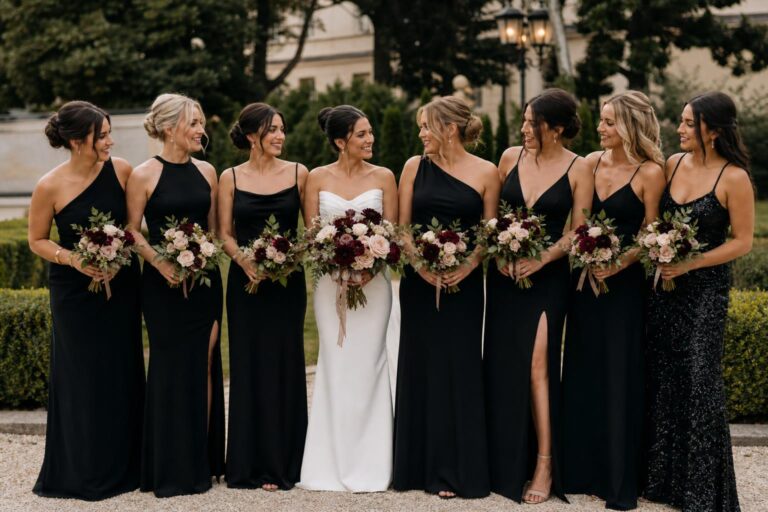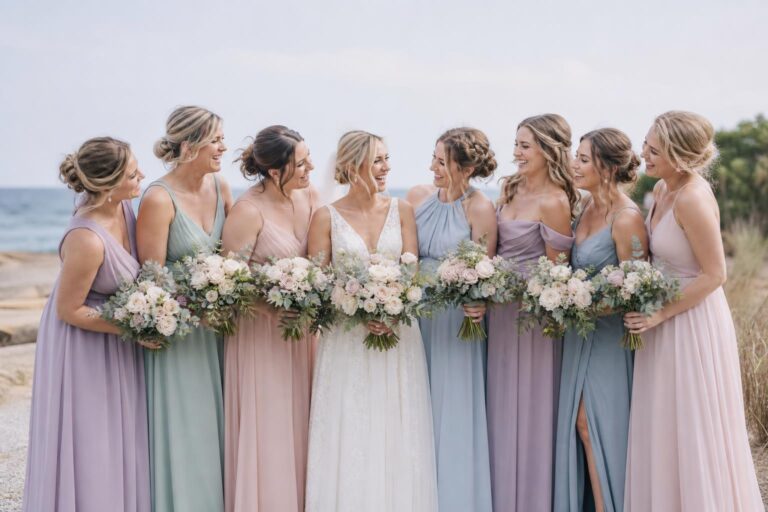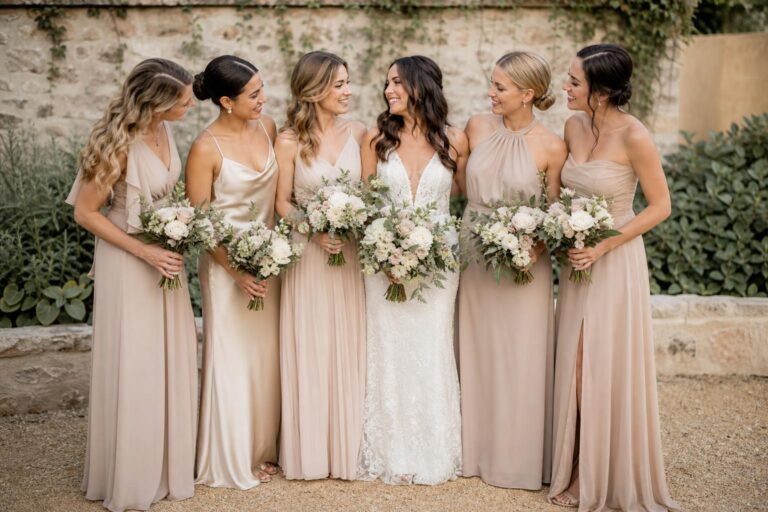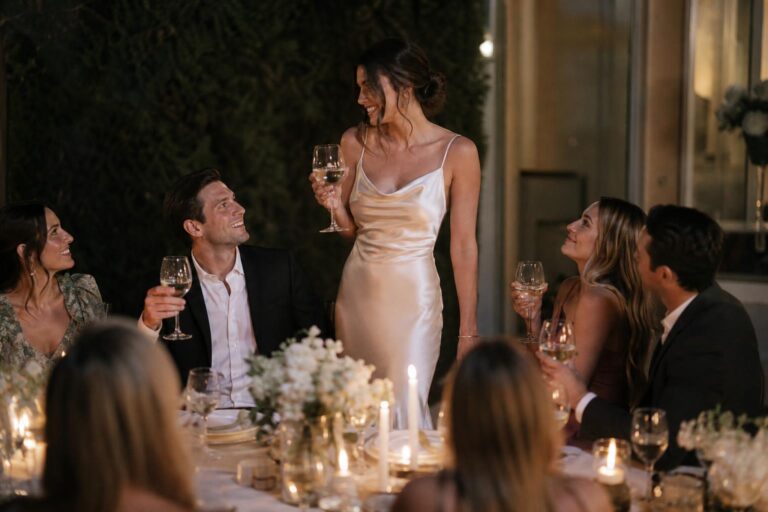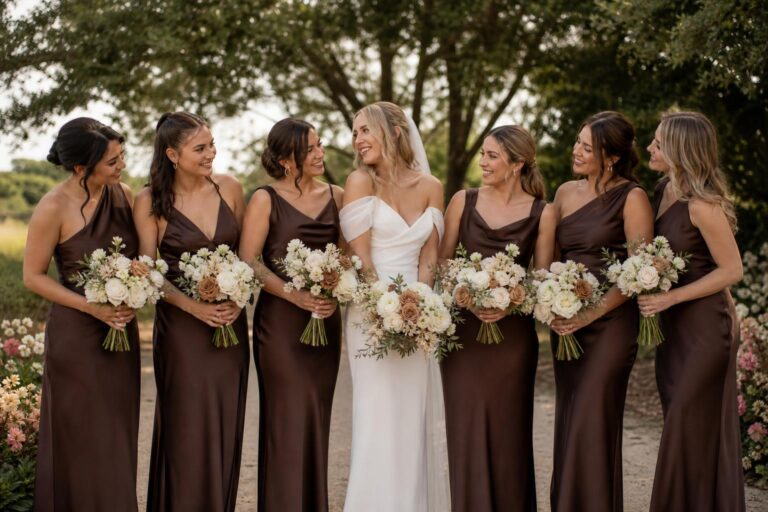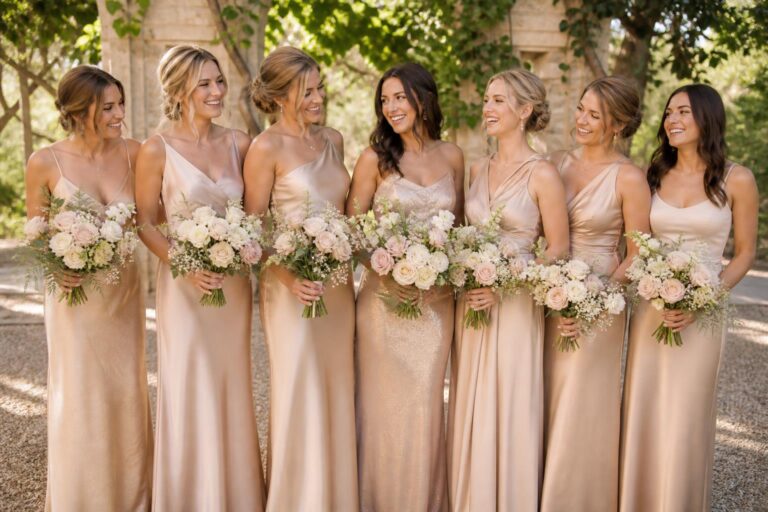
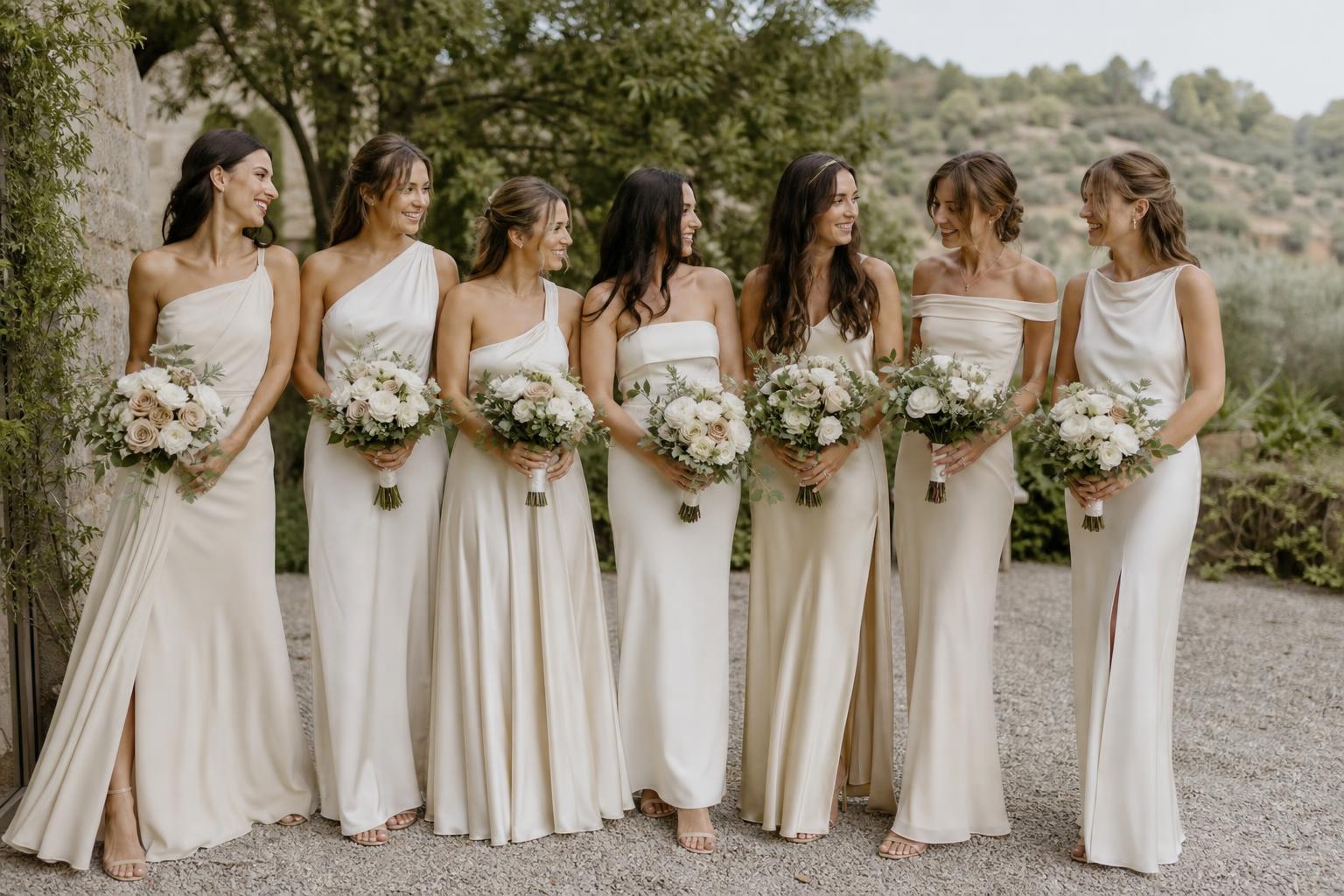
Why Cream Bridesmaid Dresses Feel So Fresh Right Now
By the time a bridal party begins choosing dresses, one shade often rises quietly to the top of the conversation: cream. It feels soft, elevated, and romantic, yet it also creates one of the most delicate styling questions in wedding fashion. Cream bridesmaid dresses are regularly discussed alongside ivory, champagne, and neutral bridal palettes because the differences can seem subtle at first glance, especially in photographs, under warm lighting, or across different fabrics.
That is exactly why this comparison matters. A garden ceremony at golden hour, a candlelit ballroom reception, or a beach wedding with bright daylight can make closely related tones appear dramatically different. Understanding how cream compares with neighboring aesthetics is less about memorizing color names and more about reading mood, fabric behavior, formality, and the overall balance of the wedding party. This breakdown looks at cream as a distinct bridal-party style and compares it with the most closely related dress directions so readers can tell where cream feels refined, where it feels risky, and how to style it with confidence.
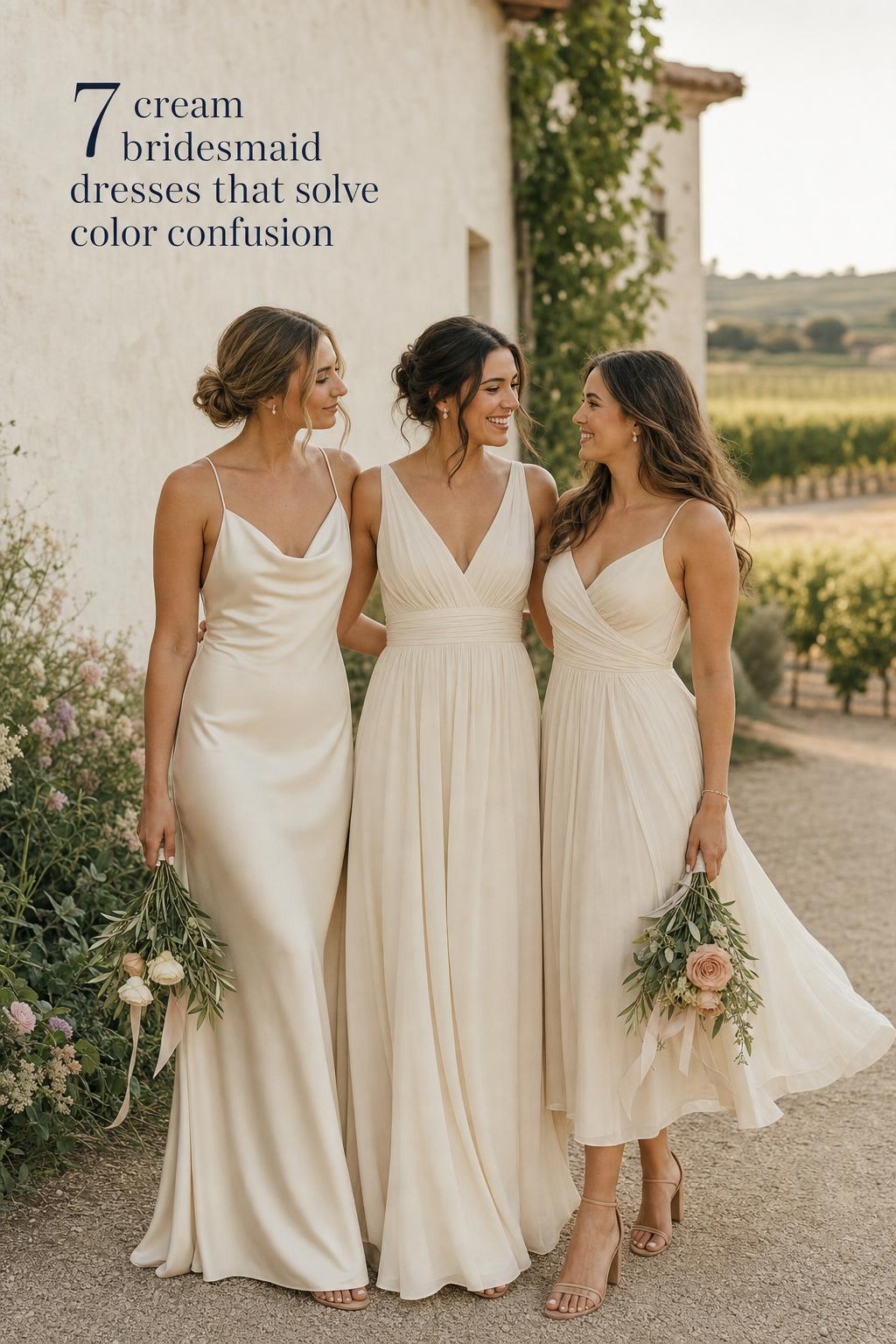
Rather than treating every light neutral as interchangeable, the goal here is to clarify the visual language. You will see how cream differs from ivory and champagne, how it shifts between minimalist and romantic styling, and how it behaves in real wedding settings where movement, lighting, comfort, and dress code all matter.
The family of shades cream is usually confused with
In bridal fashion, cream rarely exists in isolation. It is usually part of a wider neutral story that may include ivory, champagne, and soft beige-leaning tones. These shades are discussed together because they share an understated, occasion-ready quality and because many wedding palettes now lean toward tonal dressing rather than high contrast. Bridesmaid dressing has become more nuanced as a result: the difference between one light neutral and another can determine whether a bridal party looks intentionally layered or unintentionally too close to the bride.
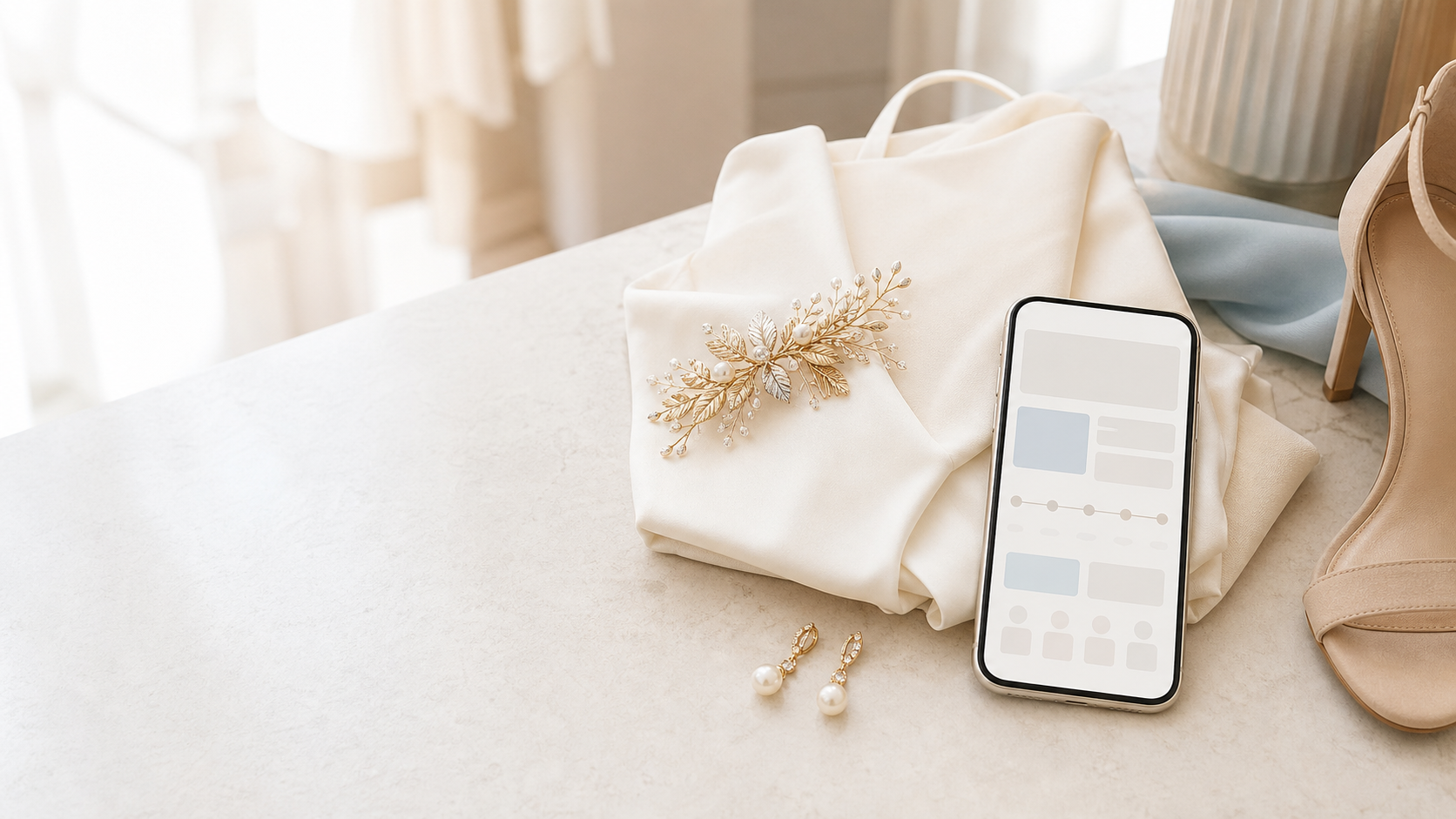
Your wedding look is only the beginning.
Keep your guest list, vendors, timeline, and every important detail together with Zarellea — so your day feels as considered as your style.
Visually, cream sits in a warm, pale range. It reads gentler than stark white and often softer than true ivory depending on the fabric and lighting. In a wedding setting, that warmth is what gives cream its inviting, romantic appeal, but it is also what makes comparison necessary. Satin can intensify it, chiffon can soften it, and outdoor daylight can reveal undertones that indoor evening light hides.
Style overview: cream bridesmaid dresses
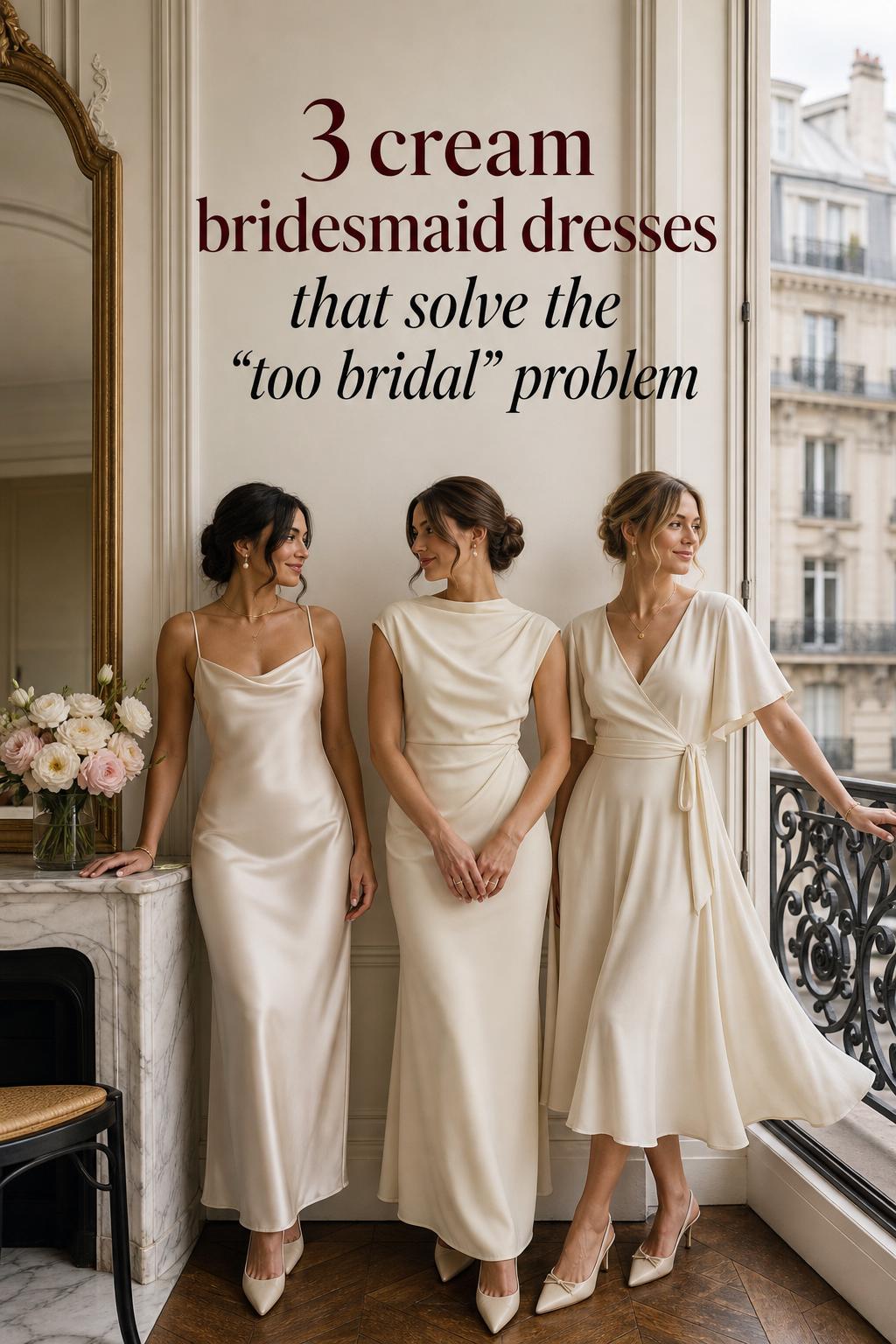
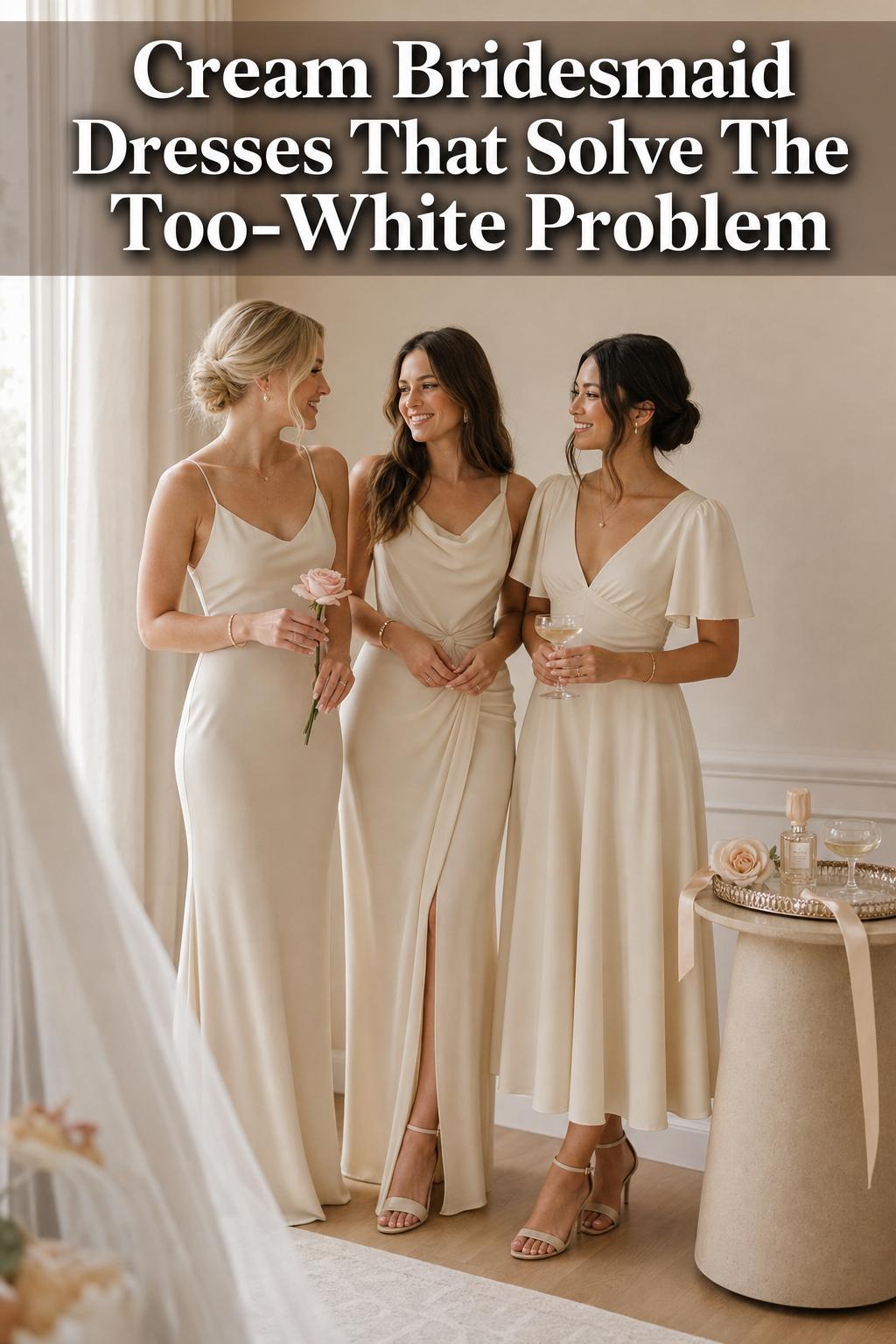
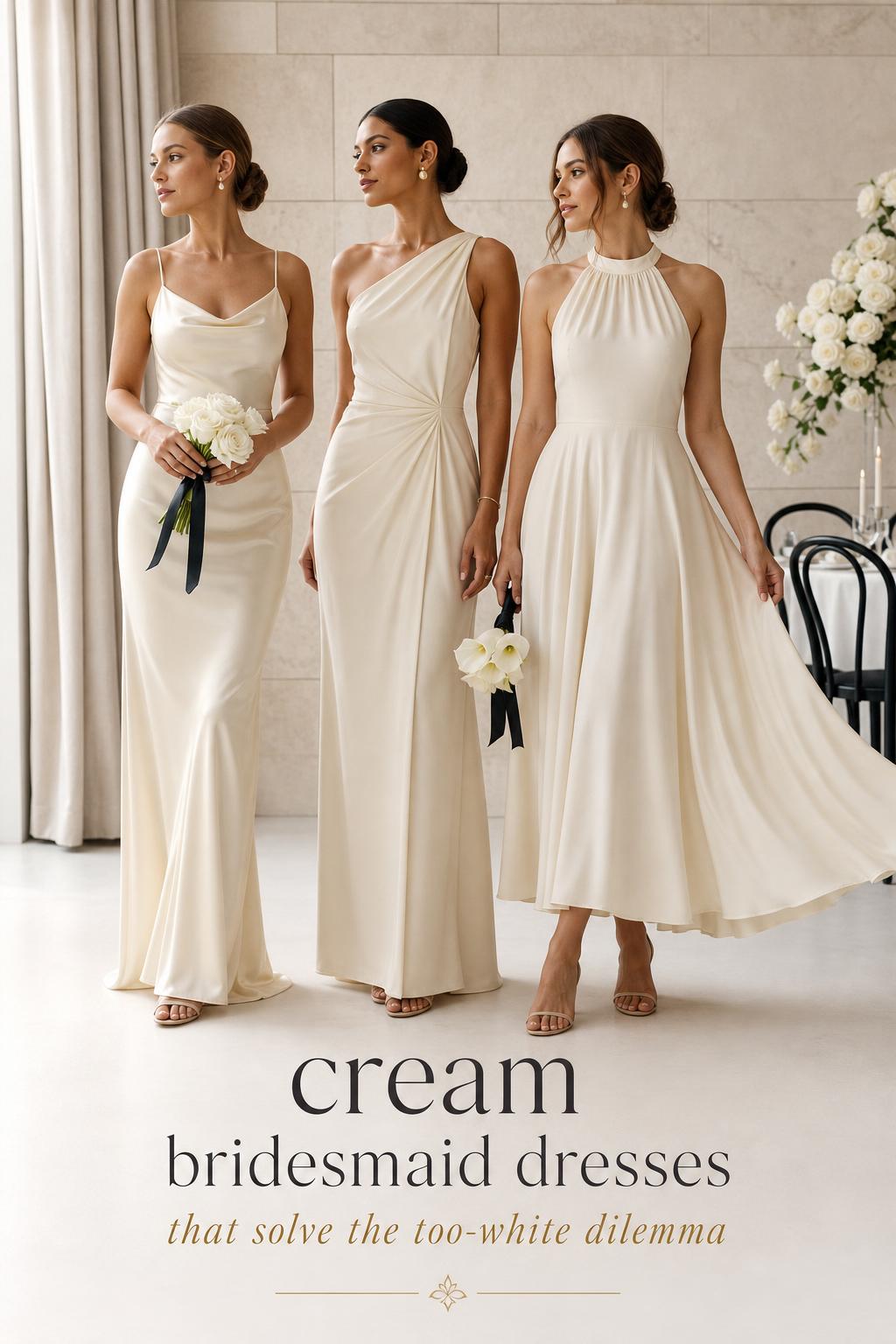
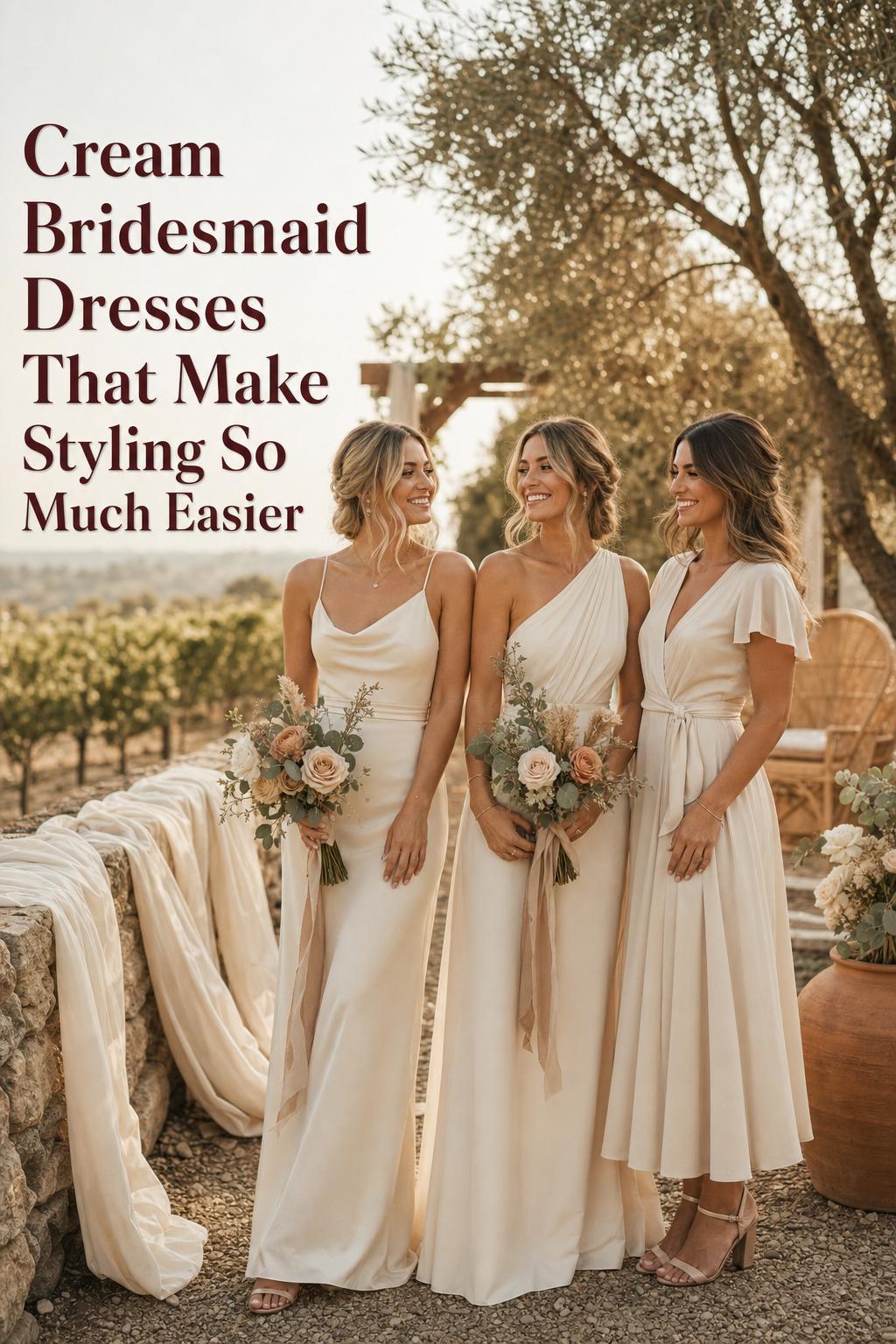
Cream as a bridesmaid dress style is defined by softness and subtle warmth. The color feels polished without becoming severe, making it especially appealing for weddings that want a neutral palette without the crispness of bright white. Silhouettes can range from slip dresses to draped gowns and flowing midi shapes, but the overall mood tends to stay elegant, quiet, and refined rather than overtly dramatic.
In terms of texture, cream works best when the fabric choice supports that understated quality. Matte finishes feel gentle and editorial. Satin gives it a more luminous, formal presence. Chiffon and similarly airy materials create a lighter, more romantic interpretation. The mood is often modern bridal-adjacent, which is part of its appeal and part of the caution around it.
Style overview: ivory bridesmaid dresses
Ivory occupies a neighboring space, but it often feels more traditionally bridal. It tends to read cleaner and closer to classic weddingwear, especially under direct lighting or in smooth fabrics with a subtle sheen. While ivory can be beautiful in a bridal-party setting, it requires more intentional contrast through silhouette, accessories, or the bride’s own gown so the visual hierarchy stays clear.
Silhouette-wise, ivory can support almost any shape, but because the shade already feels inherently formal and bridal, it often looks strongest in structured gowns, column dresses, or timeless full-length styles. The atmosphere is more ceremonial than relaxed, and that distinction matters when comparing it with cream.
Style overview: champagne bridesmaid dresses
Champagne brings a warmer and often richer neutral to the same conversation. Where cream feels soft and quiet, champagne usually introduces a hint of glow or gold-toned depth. It can look more overtly celebratory, especially for evening weddings, receptions, and venues with warm ambient lighting. The aesthetic leans glamorous, though not necessarily flashy.
Fabrics matter even more here. Satin and glossy textiles can make champagne appear luxurious and almost jewel-like compared with cream’s calmer finish. In motion, champagne often catches light in a more pronounced way, which makes it particularly strong for formal receptions but sometimes less delicate for daytime ceremonies.
Where cream separates itself from ivory and champagne
The most useful way to compare these styles is not by asking which is prettiest, but by asking what each one communicates in a wedding setting. Cream suggests softness. Ivory suggests bridal formality. Champagne suggests warmth with added richness. Those distinctions sound slight in theory, but they become immediately visible once dresses are placed in a venue, photographed, and worn across several hours of ceremony and celebration.
Silhouette and structure
Cream tends to flatter silhouettes with movement or gentle drape. Because the color itself is subtle, it pairs beautifully with dresses that rely on fluid lines rather than sharp construction. Think of the visual effect of a skirt moving through a vineyard path or a softly cut gown catching evening breeze at an outdoor reception. The color supports elegance without demanding excessive structure.
Ivory often feels better suited to cleaner, more formal lines because the color already carries bridal association. A highly structured ivory bridesmaid dress can be sophisticated, but it can also edge closer to the bride’s visual territory. Champagne, by contrast, can support both drape and structure, though it especially excels in silhouettes designed to reflect light and create evening polish.
Color mood and undertone
Cream is warm without being visibly metallic or strongly yellow. That makes it versatile across many wedding aesthetics, from modern minimalist ceremonies to romantic countryside celebrations. It feels relaxed enough for daylight but still special enough for a dressed-up event.
Ivory reads more bridal and can appear cleaner, lighter, or more traditional depending on the gown fabric. Champagne shifts the mood toward richness and celebration. If cream is candlelight diffused through linen, champagne is candlelight reflected in satin. That is a useful image to keep in mind when deciding between them.
Level of formality
Among the three, cream often occupies the middle ground. It can be elevated, but it rarely feels rigid. That makes it a strong choice for weddings that want polish without stiffness. An outdoor ceremony, a destination wedding, or a reception that transitions from afternoon sunlight to evening dinner can all benefit from that balance.
Ivory is often the most ceremonial. Champagne tends to feel the most evening-oriented. Cream offers a bridge between them, which is why it is so often discussed in bridal styling conversations. It adapts more easily across dress codes, provided the styling remains intentional.
Typical wardrobe pieces and styling language
A cream bridesmaid look frequently relies on simple lines, light layering, and restrained accessories. The appeal is usually in the overall atmosphere rather than in ornament. Ivory can handle more traditional bridal styling cues because the shade itself already leans formal. Champagne often invites more shine, especially in jewelry, evening footwear, or fabrics with noticeable luminosity.
- Cream favors softness, ease, and tonal elegance.
- Ivory favors clarity, ceremony, and classic bridal formality.
- Champagne favors glow, warmth, and evening richness.
How these styles read in real wedding light
Lighting changes everything with pale neutrals. A dress that looks unmistakably cream indoors may photograph closer to ivory outdoors. A champagne satin gown may appear softly beige in daylight and distinctly golden by candlelight. That is why the comparison cannot stop at the color card alone; venue and time of day are part of the style language.
Garden and vineyard settings
In natural light, cream often feels at its most convincing. The shade harmonizes with soft greenery, floral arrangements, and the relaxed refinement of outdoor celebrations. It does not compete with the setting, and it photographs with a calm, airy presence. This is where cream separates itself beautifully from champagne, which can sometimes feel too gleaming for a quiet daytime atmosphere.
Ivory in the same setting can look elegant, but the resemblance to bridalwear becomes more pronounced. If the bride is wearing a classic gown in a similar tonal family, the styling needs careful distinction through silhouette, bouquets, or accessory choices.
Beach and destination ceremonies
For beach weddings and destination settings, cream offers a notably easy elegance. The warmth of the shade aligns naturally with sunlit environments, and in lighter fabrics it avoids looking too severe. It also tends to complement the relaxed structure that destination bridal parties often prefer, where movement and breathability matter as much as appearance.
Champagne can still work beautifully here, but in high-shine fabrics it may feel too formal for sand, salt air, and bright afternoon light. Ivory remains the option that requires the most caution, simply because beach lighting can intensify how bridal it appears.
Ballroom and evening receptions
Inside a ballroom or at a candlelit reception, the hierarchy shifts. Champagne becomes especially compelling because richer undertones and reflective fabrics come alive after dark. Cream remains elegant, but it reads quieter and more restrained, particularly in matte or softly textured materials. That can be exactly the right choice for a couple who wants an understated luxury mood rather than overt glamour.
Ivory in evening lighting can look classic and polished, but again, the closer the bridal party moves toward the bride’s color space, the more important styling contrast becomes. In these formal environments, cream often functions as the most diplomatic choice among the three.
Visual style breakdown: how cream behaves in an outfit
The easiest way to identify cream in practice is to look at the whole outfit, not just the dress. Cream has a specific relationship with proportion, accessories, footwear, and layering. It usually performs best when the outfit feels coherent and airy rather than heavily contrasted.
Layering approach
Cream looks most natural with light, unobtrusive layering. A delicate wrap for an evening chill, a soft tailored layer for a ceremony-to-reception transition, or a barely-there cover-up for a coastal wedding keeps the look fluid. Heavy or dark layering can break the softness too abruptly, making the dress feel disconnected from the rest of the styling.
Champagne can tolerate a more glamorous layered effect, while ivory often asks for crisp, polished additions. Cream, however, thrives on continuity. The outfit should feel like one continuous tone story rather than a dress with separate accessories attached afterward.
Garment proportions
Because cream is visually soft, exaggerated volume can either look dreamy or become overwhelming depending on the setting. In practical bridal-party styling, balanced proportions are usually more successful than extremes. A slim bodice with a fluid skirt, a simple slip shape with restrained drape, or a midi silhouette with gentle movement tends to preserve the polish of the shade.
Ivory handles more formal structure. Champagne can support stronger glamour proportions. Cream is strongest when the silhouette feels considered but not forced.
Accessories and finishing details
Accessories around cream should clarify the dress rather than compete with it. In a wedding context, this often means avoiding anything too harsh, too bright, or too visually heavy. The dress already carries a soft focal quality. The supporting details should reinforce that calm.
- Minimal jewelry keeps cream looking modern and bridal-party appropriate.
- Soft, elegant footwear preserves the tonal mood.
- Light-touch accessories feel more harmonious than highly contrasting statement pieces.
Footwear choices and movement
Footwear matters more than it sometimes seems, especially for long celebrations. Cream dresses often look best with shoes that do not cut the line too abruptly. For outdoor weddings, practical choices become part of the style itself: a shoe that works on grass, gravel, or sand protects the grace of the outfit because comfort affects posture and movement. A bridesmaid adjusting uncomfortable footwear all evening never quite carries the same elegance as one who can walk naturally from ceremony to dance floor.
This is one of cream’s understated strengths. It does not require dramatic footwear to feel complete. The dress can remain the visual center while the rest of the look supports comfort and ease.
Three wedding scenarios where the comparison becomes clear
At a countryside ceremony: cream versus champagne
Picture a rustic countryside venue with late-afternoon light, open air, and a reception that begins outdoors before moving inside. In this setting, cream usually feels more aligned with the atmosphere. It echoes the softness of the landscape and keeps the bridal party looking polished without appearing too styled for the setting. Champagne, while beautiful, may shift the mood toward a dressier, evening-focused glamour that can feel slightly too formal before sunset.
The styling logic is simple: cream complements relaxed elegance; champagne amplifies celebration. If the wedding vision leans natural and romantic, cream tends to look more seamless.
At a formal reception: cream versus ivory
For a formal evening reception, the distinction between cream and ivory becomes especially important. Ivory can appear strikingly bridal under reception lighting, particularly in smooth, full-length gowns. Cream offers similar refinement but usually with a touch more separation from the bride. That makes it a useful option for weddings that want a pale, luxurious bridal-party palette without blurring roles visually.
If the bride’s gown is already in the ivory family, cream can create tonal harmony while still preserving hierarchy. In practice, that often feels more thoughtful than placing the bridal party in a near-match.
At a beach wedding: cream versus all other light neutrals
Beach ceremonies expose every subtle color shift. Bright sunlight, reflective water, and a simpler environment reduce the margin for ambiguity. Cream tends to perform well here because it remains soft without becoming stark. Ivory can look too bridal and too bright. Champagne can become overly warm or too luminous, depending on fabric. Cream often lands in the most balanced place: elevated, romantic, and believable in the setting.
That does not mean cream is automatically the answer for every destination wedding. It simply means the color has a natural affinity for ceremonies where ease, movement, and light matter as much as formal elegance.
Outfit interpretation: the same wedding, styled three ways
Soft daytime ceremony
A cream interpretation of a daytime ceremony leans into fluidity. The dress feels airy, the accessories quiet, and the overall silhouette relaxed but polished. It belongs easily in a garden or vineyard setting where flowers, natural light, and movement are part of the visual story.
An ivory interpretation of the same moment would look more formal and more bridal-adjacent. A champagne version would introduce richness and a slightly more dressed-up finish. The event is the same, but the styling message changes from soft and natural to either ceremonial or glamorous depending on the shade selected.
Candlelit evening celebration
In cream, an evening look feels restrained and elegant, especially if the dress relies on beautiful drape rather than shine. The effect is quiet luxury rather than sparkle. That can be deeply chic in a wedding where the atmosphere is intimate and romantic rather than grand.
Champagne, styled for the same reception, would likely emphasize luminosity and event glamour. Ivory would feel classic and highly formal. Cream becomes the choice for a bridal party that wants depth and sophistication without the stronger visual statement of those neighboring shades.
Transitional ceremony-to-reception dressing
Some weddings span changing temperatures, shifting light, and multiple spaces. In those cases, cream is particularly effective because it transitions well. A dress that begins softly in daylight usually remains elegant after dark, especially with thoughtful layering. Ivory can become increasingly bridal-looking as the evening progresses. Champagne often becomes more dramatic. Cream keeps a steadier mood across the day.
When cream is the better choice and when another shade may work harder
There is no single best neutral for every bridal party. The strongest choice depends on the wedding’s visual direction, the bride’s gown, venue lighting, and how much distinction the couple wants between the bride and bridesmaids. Cream is often the better choice when the goal is softness and tonal refinement, but there are situations where ivory or champagne may serve the concept more clearly.
- Choose cream for romantic outdoor weddings, destination celebrations, and neutral palettes that want warmth without heavy shine.
- Choose ivory only when the bridal styling plan clearly protects distinction from the bride’s look.
- Choose champagne for receptions, evening formality, and wedding aesthetics that benefit from richer warmth and light reflection.
A practical tip on dress code interpretation
If the wedding is described as formal but still relaxed in mood, cream often solves the tension beautifully. It respects the occasion without forcing the bridal party into a more ceremonial look than the venue or schedule calls for. For black-tie-leaning weddings, cream can still work, but fabric choice becomes critical. The simpler the color, the more the fabric must carry the sense of occasion.
The styling mistakes that make cream harder to wear
Cream is forgiving in some ways, but it is not a casual neutral that works on autopilot. Because it sits so close to bridal dressing, small missteps can change the entire impression. Most of the common problems come from treating cream as if it behaves exactly like beige, ivory, or white. It does not.
Ignoring the bride’s gown color
This is the most important consideration. If the bride is wearing a gown in a similar tonal family, cream bridesmaid dresses need enough distinction in cut, styling, or fabric direction to avoid visual overlap. The issue is not that pale tones are inappropriate; it is that they require a stronger editorial point of view.
Using shine without intention
Not every cream fabric behaves the same way. A soft matte finish and a luminous satin can look almost like two different colors. When shine is introduced carelessly, cream can drift closer to ivory or champagne, changing the effect entirely. This matters especially in photos and under evening lighting.
Over-accessorizing a subtle shade
Cream rarely benefits from heavy styling. If the appeal of the dress lies in quiet elegance, too many visual additions can make the look feel unbalanced. This is particularly noticeable at weddings where the atmosphere itself is part of the styling, such as garden ceremonies, countryside venues, or intimate destination celebrations.
Tip: test cream in the actual venue mood
A useful bridal-party habit is to think beyond the dressing room mirror. Cream should be imagined in sunlight, in photographs, during movement, and next to the bride’s look. A color that appears perfect under one kind of lighting may tell a different story in the real setting. This is less about perfection and more about making a calm, informed choice.
How to blend cream with neighboring aesthetics without losing clarity
One of the strongest modern approaches to bridal-party dressing is tonal mixing rather than strict matching. In that context, cream can be used as the anchor shade or as a softer bridge between lighter and richer neutrals. The key is to keep the palette intentional enough that the differences feel curated, not accidental.
Cream pairs naturally with a wedding atmosphere built around understatement. It can soften a palette that might otherwise feel too bright, and it can add airiness to a richer neutral story. The success of this approach depends on preserving role clarity and aesthetic balance. If every tone sits too close to the bride’s gown, the styling loses structure. If the contrast becomes too abrupt, cream no longer feels integrated.
Tip: let fabric create distinction
When working within a pale neutral palette, texture is often more useful than dramatic color difference. A softly draped cream dress can sit beautifully beside richer or cleaner neutrals because the fabric itself helps define each role. This is one of the most elegant ways to make cream feel intentional in a wedding party.
Choosing cream by wedding setting, not just by color preference
The most successful bridal styling rarely begins with color alone. It begins with the setting: what the venue feels like, how the day moves, whether the light is natural or ambient, how formal the celebration is, and what the bridal party needs to do from morning to night. Cream makes the most sense when those practical and visual conditions point toward softness, warmth, and ease.
A garden ceremony calls for gentle silhouettes and fabrics that breathe. A destination wedding benefits from dresses that hold elegance without becoming heavy. A countryside celebration often favors tones that sit naturally against the landscape. In all of these settings, cream feels convincing because it supports the world around it rather than standing apart from it.
By contrast, a highly formal evening reception may invite a stronger argument for champagne, especially if the couple wants the bridal party to feel distinctly glamorous. And if the wedding vision is deeply traditional, ivory may remain part of the conversation, provided it is handled with care. Cream’s advantage is that it often bridges modern bridal aesthetics and practical wearability in a very graceful way.
Conclusion
The core distinction is simple once you see it clearly: cream bridesmaid dresses offer a soft, warm, and refined neutral that sits between the bridal formality of ivory and the richer glow of champagne. Cream is usually the more understated choice, the one that feels romantic without being overly ceremonial and polished without pushing too far into evening glamour.
Readers can identify cream by its gentle warmth, its ease in natural light, and the way it supports fluid silhouettes and restrained styling. Ivory appears cleaner and more bridal. Champagne appears warmer, richer, and more luminous. Knowing those differences makes wedding styling more intentional, especially when venue, lighting, and fabric all shape how the color will actually read.
Elements from all three approaches can be blended, but the most elegant results come from clarity. If cream leads the story, let softness, tonal balance, and thoughtful styling do the work. That is where this shade feels most modern, most wearable, and most beautifully at home in a wedding setting.
FAQ
Are cream bridesmaid dresses too close to white?
They can be, depending on fabric, lighting, and the bride’s gown color. Cream is warmer and softer than stark white, but in bright daylight or smooth fabrics it may still read very light, so the full wedding palette should be considered before choosing it.
What is the difference between cream and ivory bridesmaid dresses?
Cream usually feels warmer and softer, while ivory tends to read cleaner and more traditionally bridal. In practice, ivory often looks more ceremonial, whereas cream feels slightly more relaxed and easier to place within a modern neutral bridal-party palette.
Do cream bridesmaid dresses work for outdoor weddings?
Yes, they are especially well suited to outdoor settings such as gardens, vineyards, countryside venues, and many destination weddings because the shade feels natural in daylight and supports a romantic, airy atmosphere.
Is cream or champagne better for an evening reception?
Champagne often has the advantage for evening glamour because it reflects warm light more richly, while cream gives a quieter, more understated elegance. The better choice depends on whether the wedding mood is grand and luminous or soft and restrained.
How can cream bridesmaid dresses stay distinct from the bride’s look?
Distinction usually comes from silhouette, fabric direction, and overall styling. If the bride is wearing a similar tonal shade, bridesmaid dresses should avoid looking like simplified bridal gowns and instead lean into softer shapes and more minimal finishing details.
What fabrics make cream look best?
Cream works especially well in fabrics that support its gentle warmth, including soft draped materials and elegant finishes that are not overly harsh. Matte textures feel romantic and modern, while satin gives cream a more formal, luminous appearance.
Are cream bridesmaid dresses suitable for beach weddings?
Yes, cream is often one of the strongest light neutrals for beach weddings because it stays soft in bright sunlight and usually feels less stark than ivory and less overtly gleaming than champagne.
Can cream be mixed with other neutral bridesmaid shades?
It can, and it often works beautifully in a tonal bridal-party palette. The key is to keep the mix intentional through fabric, silhouette, and clear visual hierarchy so the variation feels curated rather than accidental.
When is cream not the best choice for bridesmaid dresses?
Cream may be less effective when the bride’s gown is extremely close in tone and the styling plan does not create enough distinction, or when the wedding calls for a noticeably richer, more glamorous palette that champagne would express more clearly.