Bridal Hair Styles for a Soft, Cinematic Wedding Look
The romance of bridal hair styles lies in the mood they create
Long before the veil is pinned and the dress is buttoned, the feeling of a bridal look often begins with the hair. The most memorable bridal hair styles do more than frame the face. They set the tone for the entire wedding aesthetic, whether the celebration unfolds in a sunlit garden, on a breezy shoreline, or beneath the glow of a candlelit reception.
There is a reason brides return again and again to soft texture, polished shapes, and romantic detail. Hair carries mood in an immediate way. A low chignon can feel timeless and composed, loose waves can read effortless and luminous, and a carefully placed accessory can shift the entire impression from understated to ceremonial. In bridal styling, the right choice is rarely about chasing a single trend. It is about matching silhouette, atmosphere, and comfort across a long, emotional day.
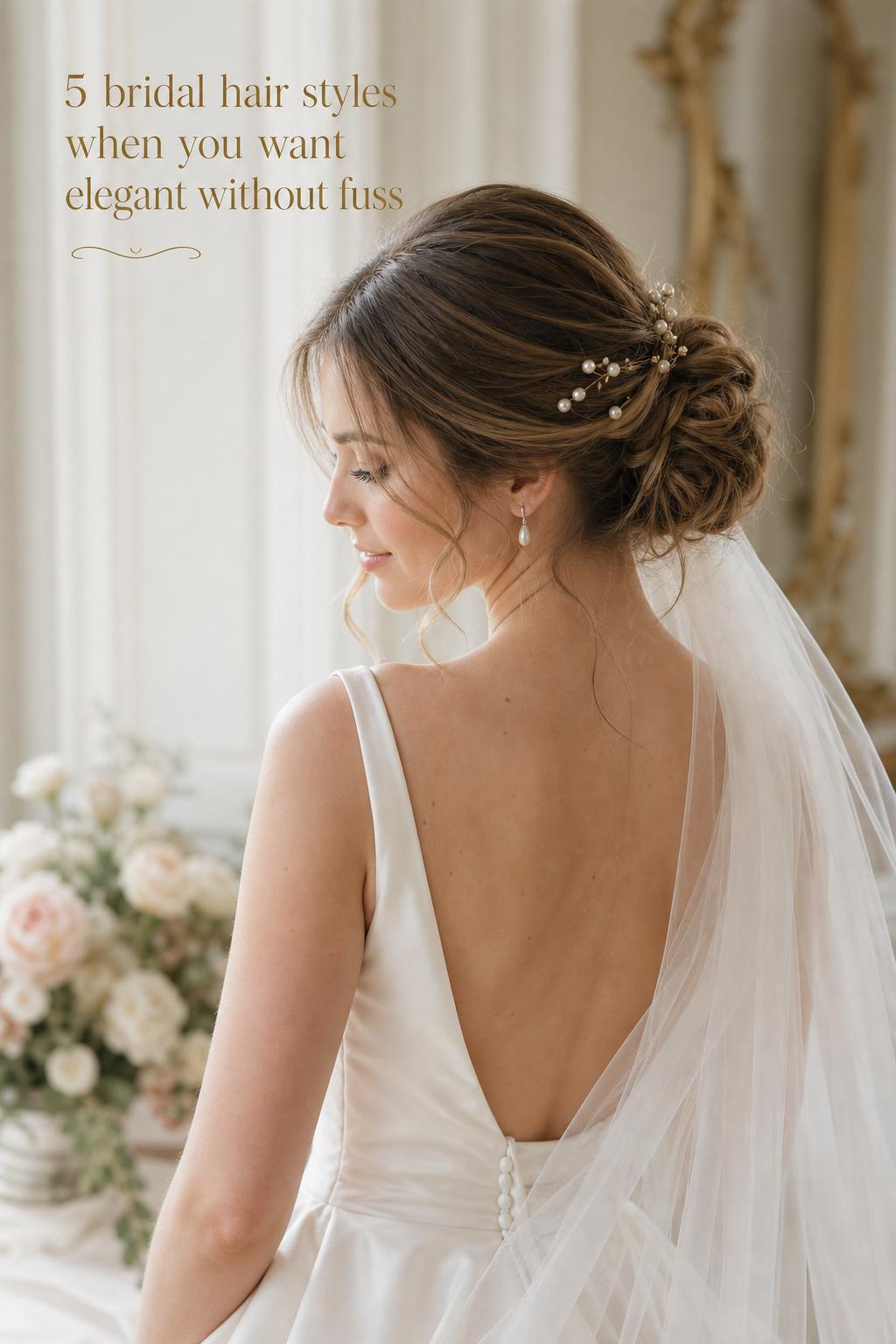
That balance is what makes bridal hair so enduringly appealing. It offers space for elegance, individuality, and practicality all at once. The best styles move beautifully from ceremony to photographs to dancing, while still feeling like a natural extension of the bride herself.
Reading the aesthetic before choosing the hairstyle
Hair should not be treated as an afterthought to the gown. In a well-composed bridal look, hairstyle, neckline, jewelry, and venue all speak to one another. A structured satin dress calls for a different finish than a soft tulle silhouette. A coastal ceremony asks more from hair in terms of movement and weather resilience than an indoor ballroom. Even the hour of the celebration matters. Golden-hour portraits flatter airy texture and softness, while evening receptions often welcome more definition and polish.
Your wedding look is only the beginning.
Keep your guest list, vendors, timeline, and every important detail together with Zarellea — so your day feels as considered as your style.
For that reason, choosing among bridal hair styles starts with visual identity. Is the overall mood minimal and clean, romantic and undone, regal and formal, or modern with architectural lines? Once that direction is clear, the style becomes easier to refine. Rather than searching for a look in isolation, it becomes a process of shaping the full bridal presence.
Key pieces for this aesthetic
- soft versus polished texture
- the relationship between hairline and neckline
- how the style holds through ceremony, reception, and dancing
- veil or accessory placement
- weather, season, and venue conditions
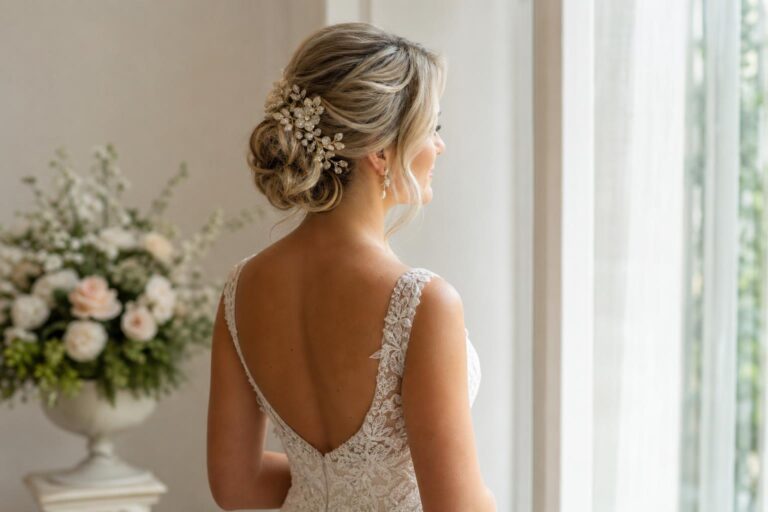
Look: soft low chignon for timeless ceremony elegance
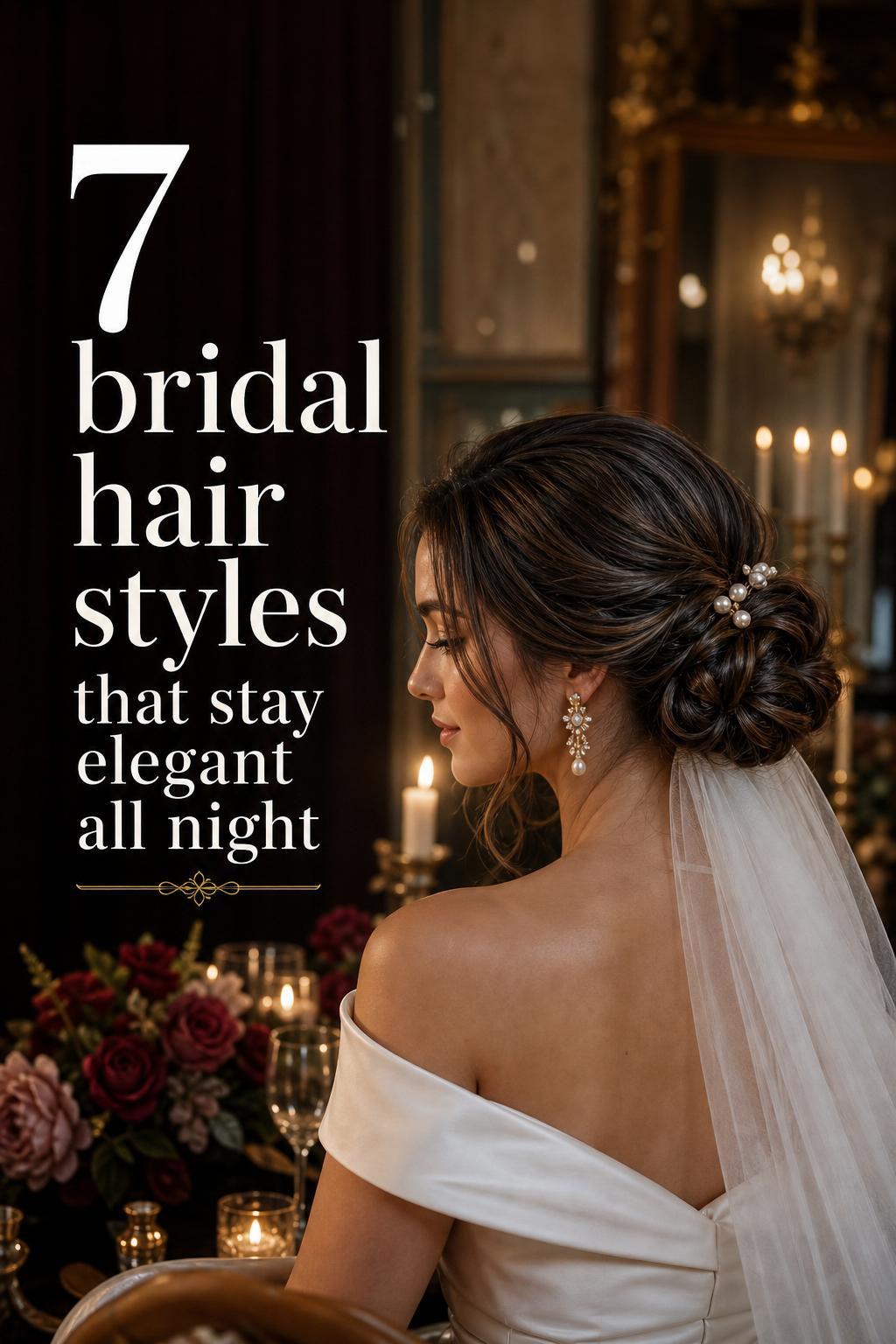
There is a particular calm to a soft low chignon that makes it one of the most enduring bridal directions. The silhouette sits close to the nape, balancing refinement with quiet romance. It feels especially at home in a formal church ceremony, a historic estate, or a candlelit ballroom where every detail benefits from restraint and grace.
The beauty of this look comes from controlled softness rather than stiffness. The hair is gently smoothed through the crown, then gathered into a low shape with subtle volume and a few face-framing pieces that keep the look from feeling severe. The texture should appear touchable, not shellacked. This pairs beautifully with silk, satin, crepe, and gowns with open backs, bateau necklines, or long sleeves because the hair clears the shoulder line and lets the dress read fully.
- key elements: low placement, refined shape, soft front pieces
- best with: veils, drop earrings, structured gowns
- visual mood: classic, polished, romantic
What makes this style fit the bridal aesthetic so well is its balance. It feels ceremonial without overpowering the face, and it tends to photograph beautifully from multiple angles. For brides who want elegance that lasts from aisle to after-party, this is one of the most reliable choices.
Look: luminous waves for a romantic outdoor wedding
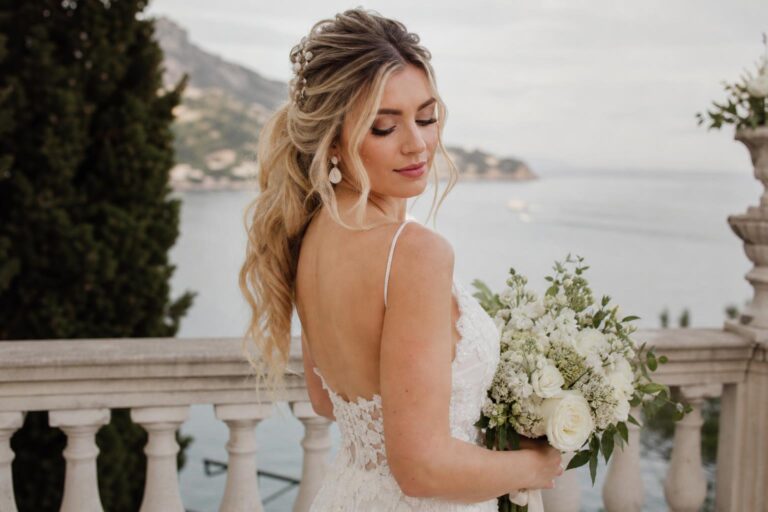
Loose, luminous waves create a softer form of bridal glamour. The effect is less formal than an updo, but no less intentional. On a vineyard lawn, in a garden surrounded by late afternoon light, or at a destination celebration where the mood is airy and effortless, this look brings movement and softness to the entire silhouette.
What separates bridal waves from everyday styling is the finish. The pattern should feel brushed, cohesive, and lightly sculpted rather than casual or beachy. Shine matters. So does shape around the front of the face. When paired with chiffon, lace, or delicate floral details, waves create a gentle continuity between hair texture and fabric texture. Brides wearing strapless, sweetheart, or off-the-shoulder gowns often find that this style complements exposed collarbones and softens the upper body line.
The appeal here is emotional as much as visual. This kind of hair moves with the setting. It catches light in a way that feels cinematic, especially during outdoor portraits. Still, the look works best when the bride is comfortable with some natural movement rather than expecting every strand to remain fixed throughout the day.
Style tip
If your celebration includes wind, humidity, or a long outdoor cocktail hour, ask for waves with enough internal structure to hold while still reading soft. The goal is not rigidity. It is controlled ease.
Look: sleek low ponytail with modern bridal restraint
For the bride drawn to cleaner lines, a sleek low ponytail offers a striking alternative to more overtly romantic shapes. This look feels especially compelling at city weddings, contemporary venues, rooftop ceremonies, or minimalist receptions where architecture and tailoring play a larger role in the visual story.
The silhouette is linear and deliberate. Hair is smoothed close at the crown and tied low, with the tail left straight, softly bent, or gently waved depending on the dress. The finish can be glossy and precise, which works beautifully with sculptural satin gowns, square necklines, column silhouettes, and simpler jewelry. Because the style exposes the jawline and neck, it naturally highlights strong earrings and refined makeup.
- key garments it complements: minimalist dresses, tailored bridal separates, modern gowns
- accessories: statement earrings, clean veils, delicate hair wraps
- best venue mood: chic, urban, fashion-forward
This is a bridal hairstyle for someone who wants clarity instead of excess. It carries confidence and polish without losing softness entirely. The practical advantage is that it tends to stay comfortable through the reception while still feeling elevated in photographs.
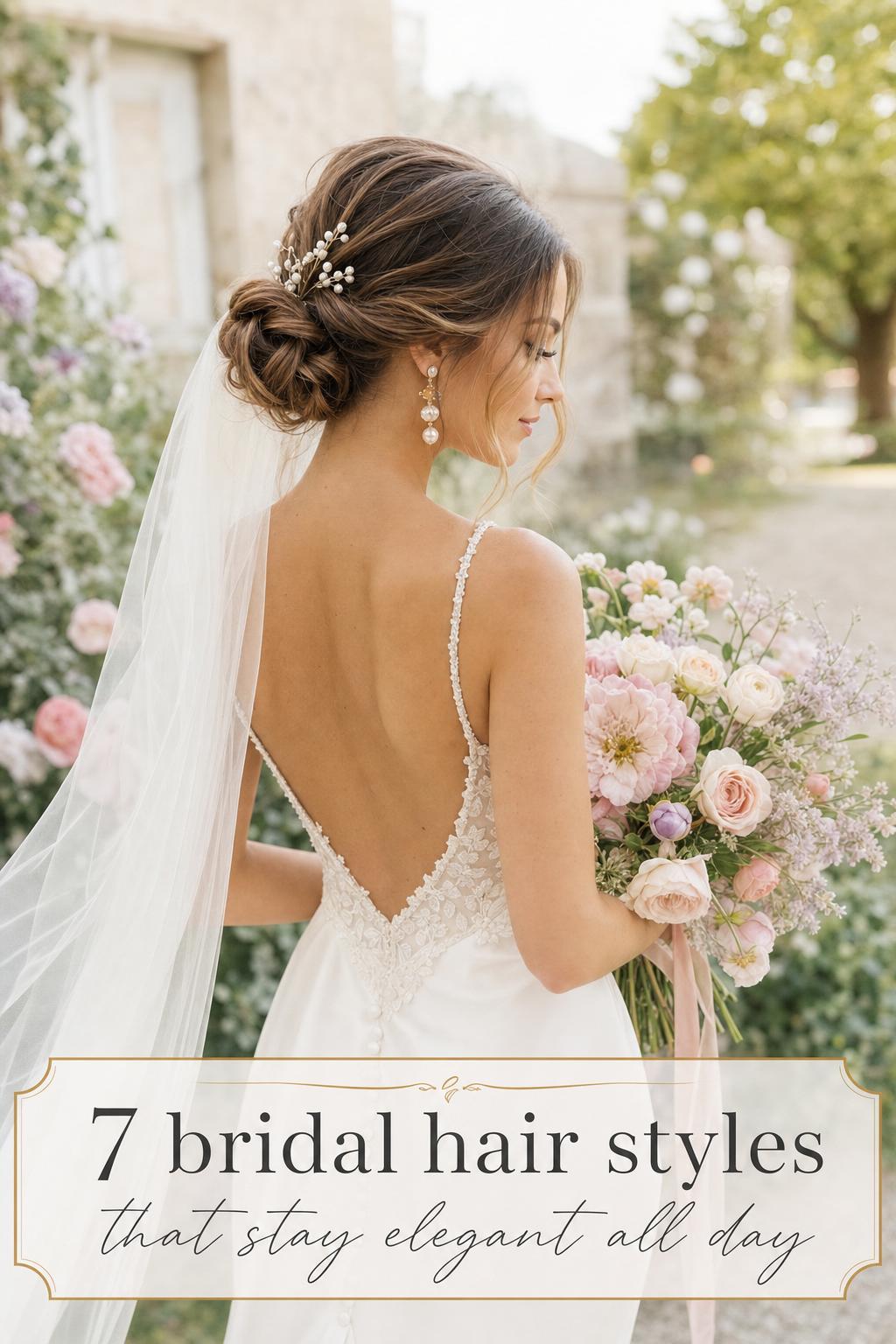
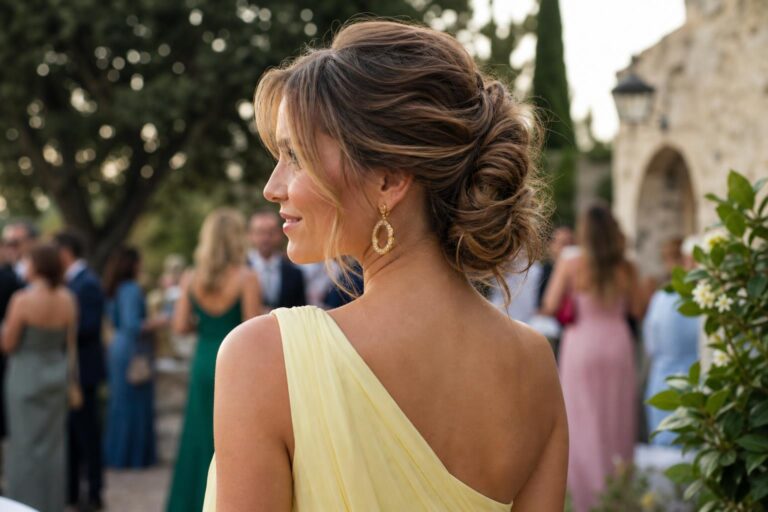
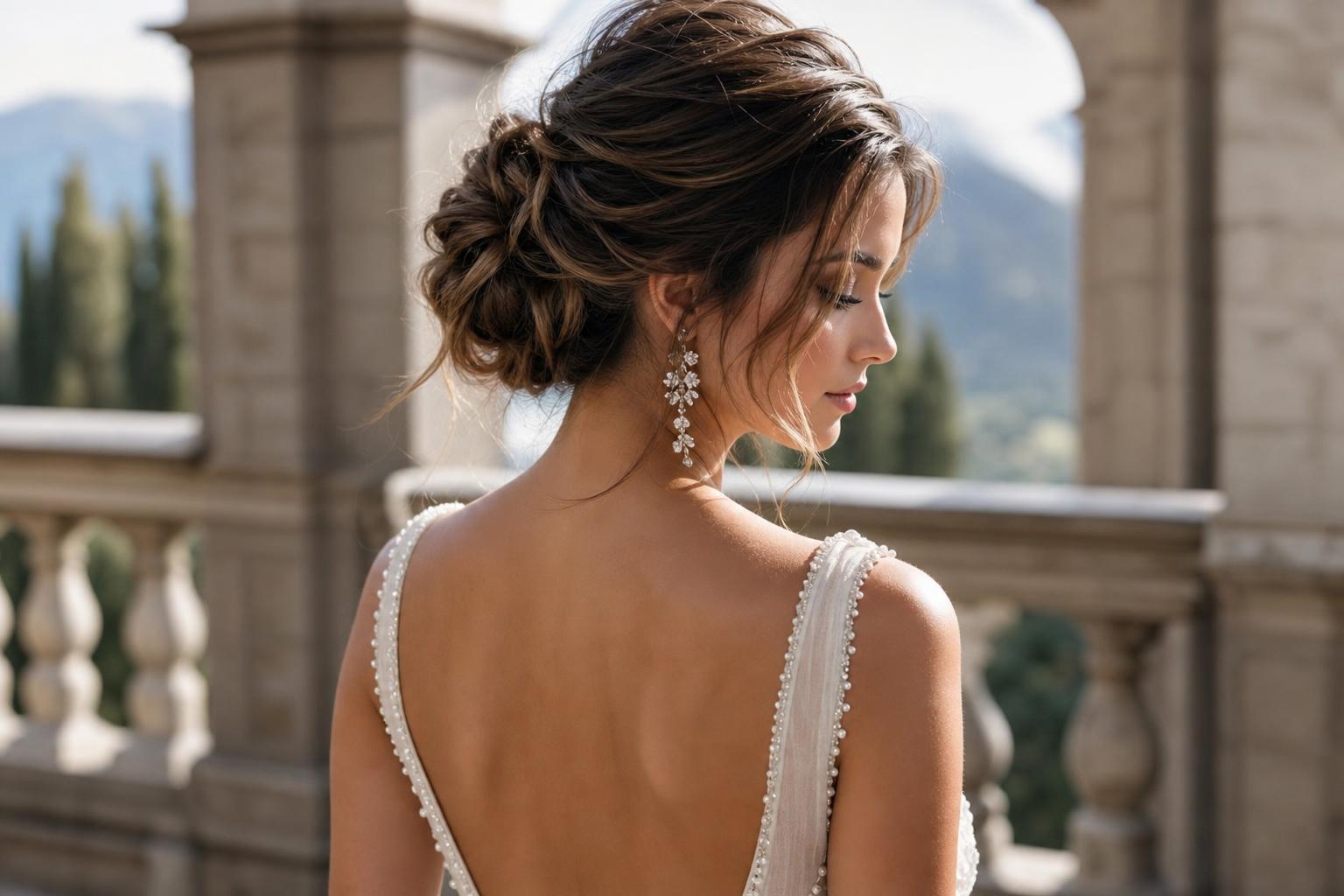
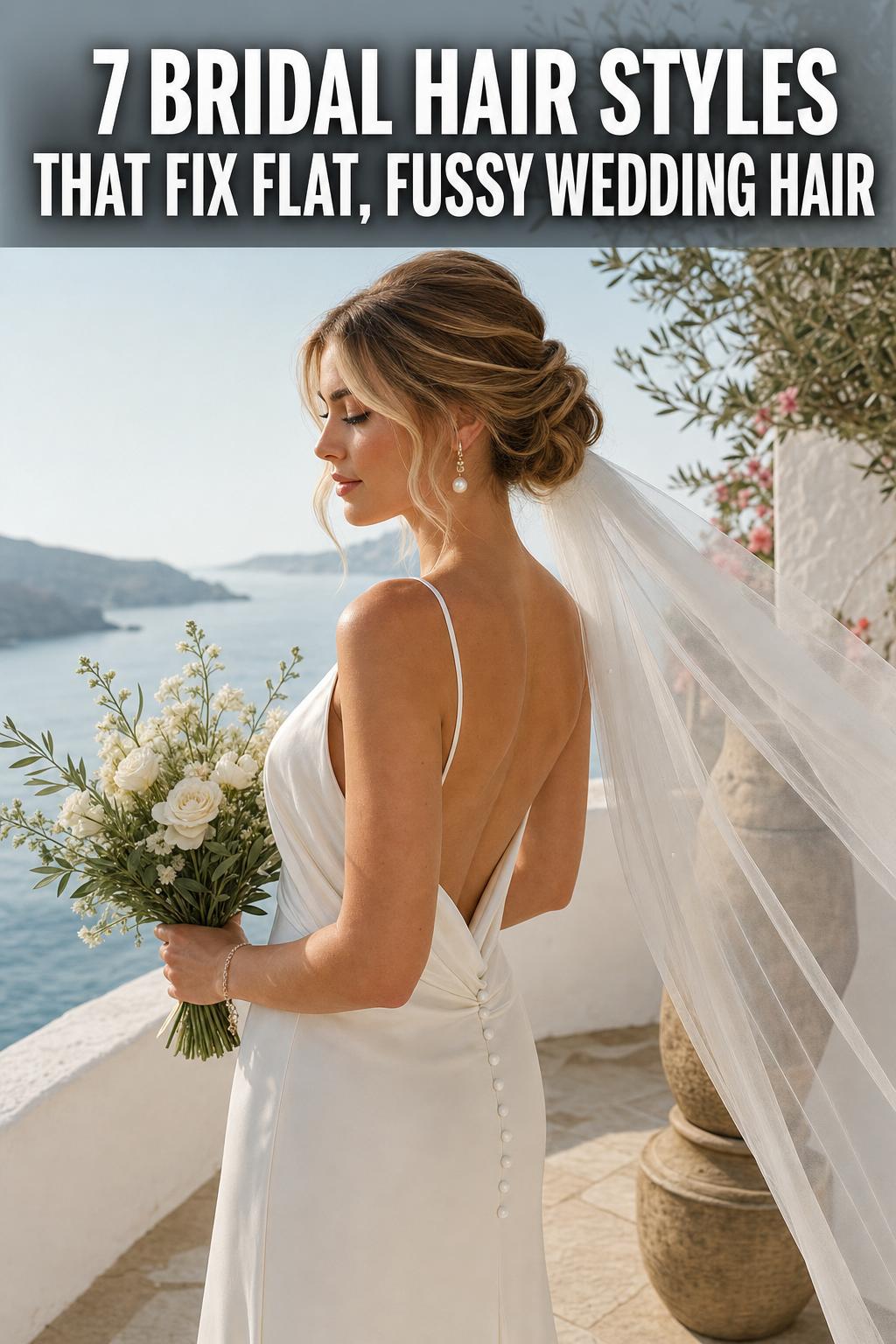
Look: textured updo for candlelit romance and movement
A textured updo has a more atmospheric quality than a sleek bun. It suggests softness, movement, and a little irregularity in the most flattering way. In a rustic countryside venue, an evening garden reception, or any celebration with warm floral styling and layered décor, this look adds depth without feeling overly formal.
The shape usually includes airy volume through the crown, gently pulled-back sections, and a loosely arranged bun or twist with visible dimension. Texture is the language of the look. Not frizz, not messiness, but intentional softness that catches light and creates a romantic profile from every side. It pairs naturally with lace, embroidered fabrics, tulle, and gowns that already carry visual detail, because the hairstyle echoes that complexity rather than competing with it.
This style suits brides who want their hair to feel romantic but not precious. It is especially effective when a wedding runs from an emotional ceremony into a lively reception, since a little movement only adds to its charm. That said, the looseness should be strategic. An experienced bridal stylist usually makes sure the internal pinning is secure even if the exterior appears soft.
Why face shape and neckline matter more than trends
One of the most common mistakes in bridal beauty is choosing a hairstyle solely because it looks beautiful on someone else. Bridal hair is highly relational. It depends on the face, the dress, the veil, and the emotional tone of the event. A style that appears breathtaking with a high neckline may feel crowded with heavy earrings and a dramatic veil. Likewise, a full half-up style may overwhelm a petite frame if the gown already has strong shoulder detail.
Neckline is often the simplest place to begin. Hair worn up tends to showcase halter, illusion, high-neck, and back-detail gowns. Hair worn down or half-up often complements softer necklines such as sweetheart or off-the-shoulder shapes, especially when the bride wants a gentler, more open look. Face framing also matters. Some brides feel most confident with softness around the cheeks and temples, while others prefer cleaner lines that reveal bone structure.
Practical bridal guidance
The right question is not simply which bridal hair styles are popular. It is which shape supports the full look while allowing comfort over many hours. A wedding day includes hugs, weather changes, dancing, and photographs from every angle. Beauty should be resilient as well as beautiful.
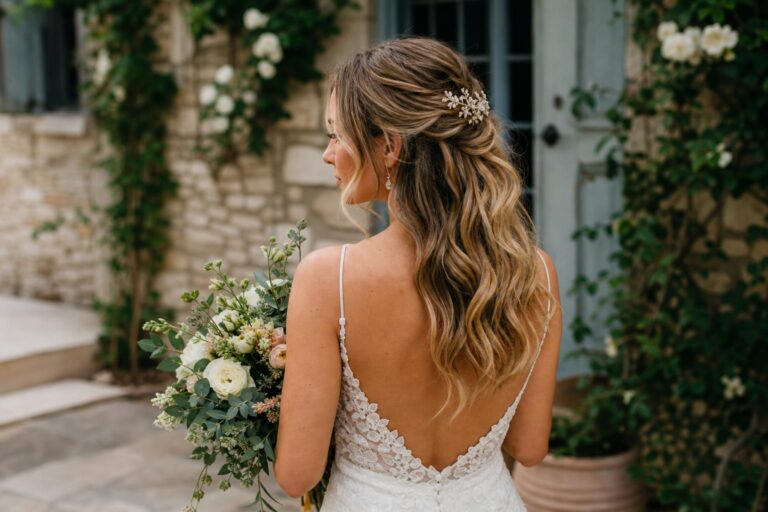
Look: half-up romance with softness through the crown
The half-up bridal style lives between ease and structure. It offers the softness of wearing hair down while still creating enough lift and framing to feel occasion-worthy. This makes it especially well suited to daytime ceremonies, romantic barn weddings, garden parties, and celebrations where the bride wants a gentle, youthful atmosphere without looking overly casual.
Volume at the crown gives the look shape, while loose lengths or brushed waves keep it fluid. The front can be softly twisted, pinned, or swept back to open the face. This is a lovely option for brides who want to wear a veil but still prefer the movement of visible hair over the shoulders. It also works beautifully with floral-inspired detailing, pearl accents, and dresses that blend tradition with lightness.
- mood: romantic, fresh, softly styled
- works well for: outdoor ceremonies, relaxed formal weddings, spring and summer settings
- texture pairings: lace, chiffon, soft tulle
The reason this look remains so appealing is versatility. It flatters many dress styles, softens the portrait profile, and still leaves room for personal interpretation. Brides who do not want fully pinned hair often find this to be the most natural bridge between bridal polish and personal comfort.
Look: polished bun with veil-forward ceremony styling
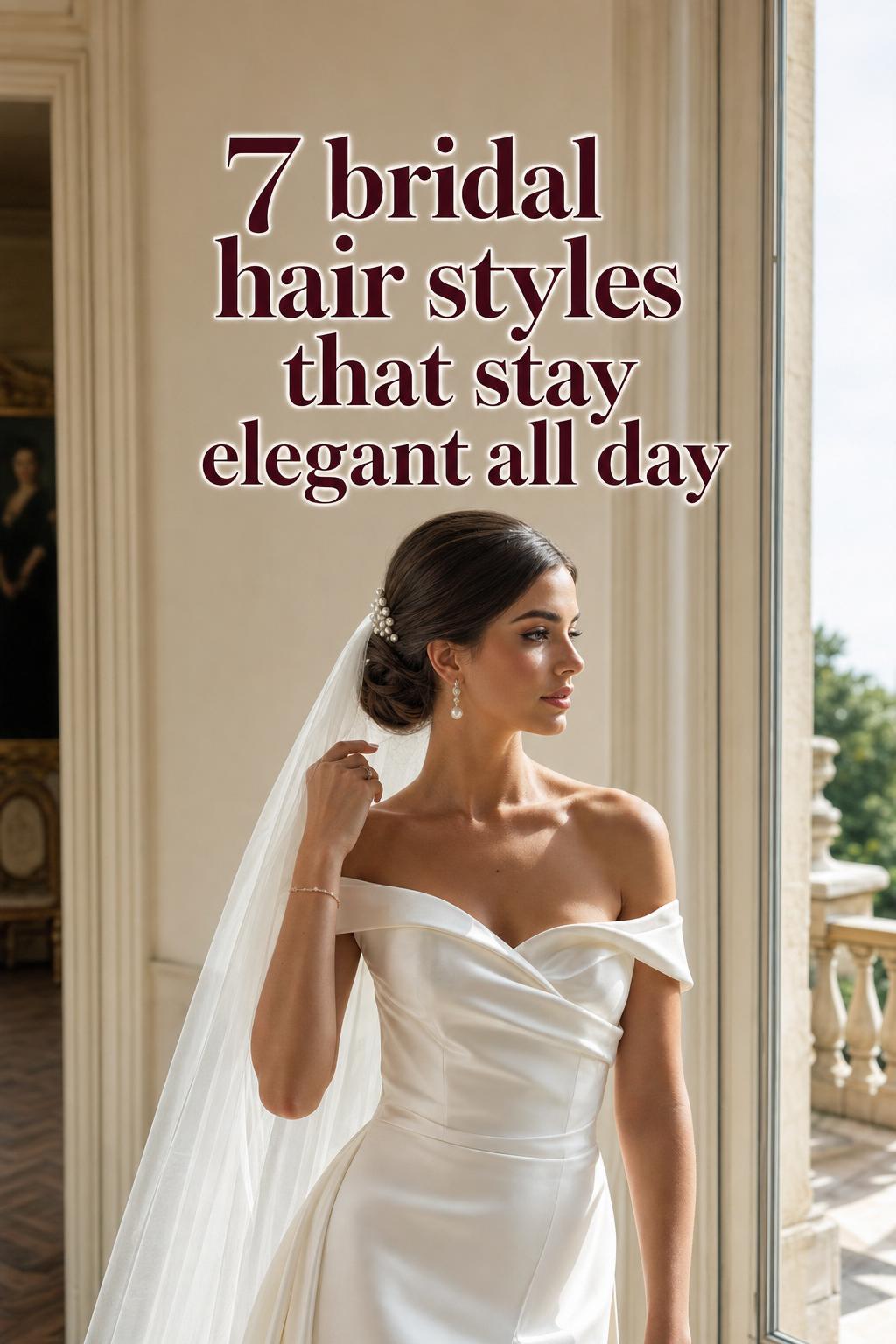
Some bridal looks are built around the veil as much as the hairstyle itself. In those cases, a polished bun creates an ideal foundation. The silhouette is neat and intentional, giving the veil clean placement and allowing it to fall elegantly during the ceremony. In traditional venues and highly formal celebrations, this can create a strikingly composed result.
The finish is smoother and more classic than a textured updo, though not necessarily severe. The bun may sit low or at mid-height depending on the gown and the veil design. This style works particularly well when the bride wants the transition from ceremony to reception to feel distinct. Once the veil is removed, the hairstyle remains intact and still feels complete for dinner and dancing.
There is also a practical logic here. Veils need secure anchoring. A well-built bun provides that support while reducing the chance of shifting during processional moments, embraces, or portraits. For brides wearing heirloom veils or more substantial lengths, that structural ease can matter just as much as visual elegance.
How to recreate the look
- choose the bun placement based on neckline and veil length
- keep the crown refined, but avoid flattening all softness from the face
- test veil removal in advance so the reception look still feels balanced
Look: side-swept glamour for evening reception drama
For brides who want a more cinematic expression of bridal beauty, side-swept hair delivers old-world glamour with a modern finish. It feels especially compelling at black-tie weddings, ballroom receptions, or celebrations that lean into dramatic lighting, luxurious fabrics, and formal styling.
The silhouette usually places volume and wave direction over one shoulder, creating asymmetry that reads immediately as styled. This works beautifully with one-shoulder gowns, draped satin, embellished bodices, and elegant statement earrings. There is a sense of occasion built into the shape. It feels intentional in photographs and especially flattering in profile.
Because side-swept styles emphasize one side of the face and neckline, they benefit from strong balance elsewhere. The look is often best when the dress, jewelry, and makeup support the same elegant mood rather than introducing competing themes. For an evening reception, few bridal hair styles feel as luminous and red-carpet ready while still staying rooted in romance.
Venue matters: adapting hair to garden, beach, and ballroom settings
The setting should quietly guide the finish of the hairstyle. A garden wedding often flatters softness, light movement, and a less rigid surface because the surroundings already carry natural texture. A beach ceremony usually calls for greater practical thought. Salt air, wind, and humidity can quickly shift down styles that are too delicate, so shapes with contained structure often perform better even when the final effect remains soft.
Ballroom weddings create different demands. Indoors, with climate control and more formal styling, polished finishes and sculpted shapes often feel appropriate. Hair can hold a cleaner line, and accessories may read more strongly against evening lighting. A rustic countryside venue sits somewhere in the middle, often rewarding texture, softness, and styles that feel romantic rather than rigid.
Tips for matching hairstyle to venue
- for gardens: choose movement and softness that suit natural light
- for beaches: prioritize hold, comfort, and wind-aware structure
- for ballrooms: consider sleeker finishes and stronger silhouette definition
- for destination weddings: think about travel, touch-ups, and climate shifts
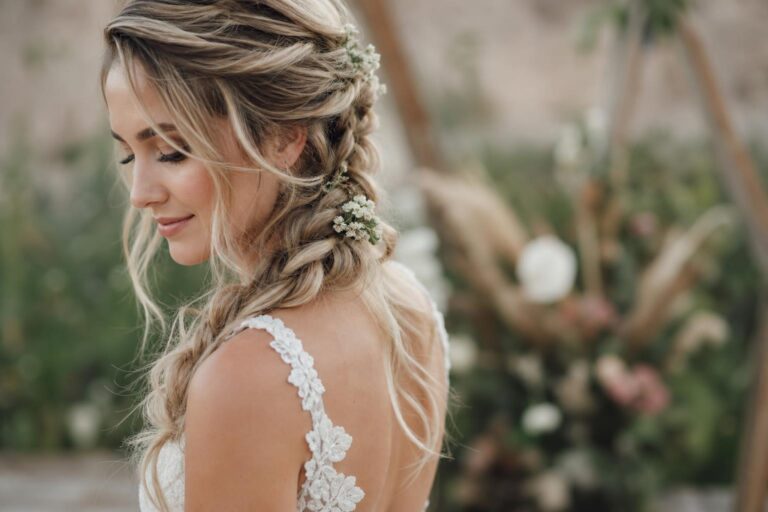
Look: braided detail for a softly bohemian bridal mood
Braided bridal hair can lean ethereal rather than rustic when handled with restraint. A delicate braid threaded into a low updo or woven through a half-up style creates an understated bohemian note that feels beautiful at outdoor celebrations, countryside venues, and intimate destination weddings.
The success of this look depends on subtlety. Oversized braiding can quickly become costume-like if the gown is already heavily detailed. But when braid placement is light and integrated into the structure, it adds visual interest and softness. This complements flowing fabrics, botanical florals, lighter jewelry, and dresses with romantic detailing rather than sharp minimalism.
What makes braided bridal styling so effective is the sense of texture it brings without requiring excessive ornament. It can stand alone or work with a discreet accessory, and it often feels especially personal on brides who want a more relaxed, poetic interpretation of wedding beauty.
Accessories, veils, and the art of finishing the hairstyle
Accessories should complete the hairstyle, not rescue it. In bridal styling, that distinction matters. A hair look should feel strong on its own first. Then pearls, pins, combs, or a veil can refine the mood. When too many decorative elements compete, the effect becomes busy, particularly in close-up photography where every detail is magnified.
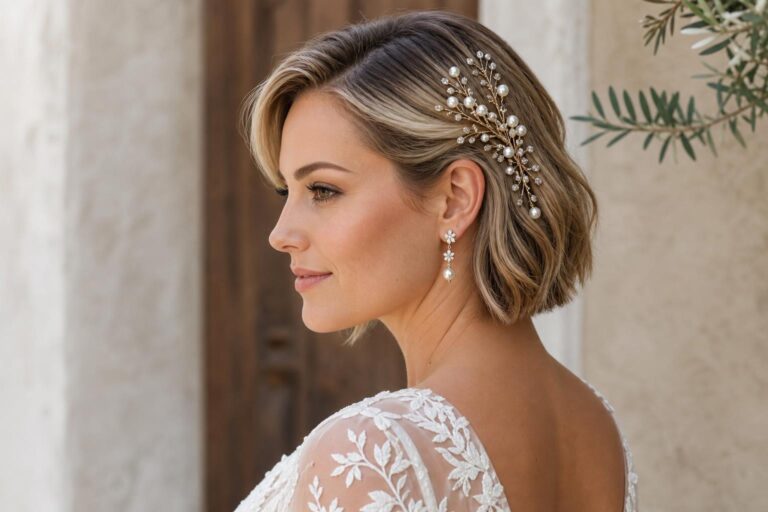
Pearl accents tend to support soft romantic styling beautifully, especially with low buns, half-up hair, and textured updos. Cleaner accessories suit sleek ponytails and polished buns. Veils add another layer of consideration because placement affects profile, crown height, and how much of the hairstyle remains visible during the ceremony. Brides often benefit from deciding whether the veil is the central statement or simply one refined layer within the whole look.
There is also an etiquette instinct worth keeping in mind. Bridal accessories should feel purposeful rather than excessive. The most elegant results usually come from one clear focal point, whether that is the veil, the earrings, or the texture of the hair itself.
What stylists typically weigh before the final hair decision
A polished bridal hairstyle may look effortless in photographs, but the decision behind it is rarely simple. Stylists usually consider how easily the hair holds shape, how the bride normally wears it, and whether the chosen finish still feels authentic. That last point matters more than many brides expect. If someone never wears sleek hair and suddenly chooses a very severe style, the result can feel visually polished yet emotionally unfamiliar.
Another major factor is timing. The ceremony, portraits, dinner, and dancing place different demands on the hair. An all-day celebration often benefits from a style with a secure internal structure and a forgiving exterior. In other words, a shape that remains beautiful even if a little softness develops by late evening. This is why so many bridal hair styles favor controlled texture over stiffness.
Insight-driven advice
The most successful bridal hair choices usually do not aim for perfection in every strand. They aim for harmony across the day. A bride should still look like herself by the final dance, just with more polish, intention, and light-catching softness.
Look: understated natural texture for intimate modern weddings
Not every bridal aesthetic needs obvious structure. For intimate city ceremonies, creative venues, or smaller celebrations where the dress code feels refined but less formal, understated natural texture can be the most compelling choice. The mood is quiet, modern, and personal, with hair that feels elevated rather than transformed.
This may mean softly defined natural movement, a gentle bend through the lengths, or a shape that respects the hair’s existing pattern while refining the outline. The finish should look intentional, with healthy shine and clean framing, but not overworked. This style pairs especially well with minimalist dresses, simple tailoring, and contemporary bridal wardrobes that favor restraint over ornate detail.
The strength of this approach is honesty. It allows the bride to feel fully present in her own aesthetic, which can be deeply elegant. In smaller, more personal weddings, that kind of authenticity often reads more beautifully than a highly engineered hairstyle that feels disconnected from the rest of the celebration.
Common bridal hair mistakes that can disrupt the look
Even beautiful hair can feel slightly off if it does not align with the rest of the bridal styling. One frequent issue is choosing a hairstyle that competes with a detailed neckline, dramatic earrings, and a veil all at once. Another is underestimating venue conditions. Hair that looks lovely in a calm indoor trial may behave very differently in heat, moisture, or wind.
There is also the temptation to prioritize trend over longevity. A highly fashion-forward finish can be stunning, but bridal photographs often live for decades. That does not mean the hairstyle must be traditional. It means the bride should consider whether the look feels connected to her own taste, not just to a passing visual moment.
- too many competing accessories
- a hairstyle that fights the neckline
- insufficient planning for weather or dancing
- choosing a look that does not feel like the bride
When bridal styling is strongest, every element appears intentional rather than crowded. Hair should support the larger composition, not ask to be understood on its own.
Creating a bridal hair mood that lasts beyond the ceremony
The most compelling wedding beauty has emotional endurance. It looks graceful in the first look, refined during the ceremony, and still convincing by the time the music gets louder and the pace of the day changes. That is why so many brides are drawn to looks with softness built into them. A slightly loosened tendril or a gentle shift in texture by late evening can feel romantic rather than imperfect.
In practical terms, long-lasting bridal hair is usually the result of thoughtful design rather than visible heaviness. Internal support, a compatible finish for the venue, and a shape suited to the bride’s comfort all matter. A style that looks exquisite but feels fragile can become distracting. On a wedding day, beauty should help the bride feel composed, not preoccupied.
That is ultimately why bridal hair continues to hold such power in the full wedding look. It is both adornment and atmosphere. Whether the bride chooses a polished bun, romantic waves, a low ponytail, or a softly textured updo, the most elegant result is the one that feels aligned with her dress, her venue, and the tone of the celebration. When that harmony is in place, the hairstyle does not just complete the look. It becomes part of the memory.
FAQ
How do I choose between an updo and wearing my hair down for my wedding?
The best choice usually depends on your dress neckline, venue, and comfort level. Updos tend to highlight detailed backs, higher necklines, and formal styling, while hair worn down often suits softer necklines and more relaxed romantic settings. Weather and how long you want the style to last also matter.
Which bridal hair styles work best for outdoor weddings?
Outdoor weddings often benefit from styles with controlled softness, such as a textured updo, a secure half-up style, or waves with enough structure to hold. The ideal choice depends on wind, humidity, and how much natural movement you are comfortable allowing through the day.
Is a low bun too traditional for a modern bride?
Not at all. A low bun can feel classic, minimal, romantic, or strikingly modern depending on the finish. A sleek version pairs beautifully with contemporary gowns, while a softer version suits more timeless or floral-inspired bridal aesthetics.
Can I wear a veil with loose waves?
Yes, but the style needs thoughtful placement so the veil feels secure and the hair still looks balanced once it is removed. Loose waves often work especially well when some structure is built near the crown or back to anchor the veil without flattening the look.
What hairstyle is best for a beach wedding?
Beach weddings usually call for styles that can handle wind and moisture, such as a low chignon, textured updo, or a secure half-up style. Hair worn fully down can be beautiful, but it typically requires a bride who is comfortable with more movement and a less fixed finish.
How should bridal hair relate to the dress neckline?
Hair should create balance with the neckline rather than competing with it. Updos often complement high-neck, halter, or back-detail gowns, while softer down styles and half-up looks can suit sweetheart, strapless, and off-the-shoulder silhouettes. The goal is to let both the hair and the dress read clearly.
Are half-up bridal styles formal enough for a wedding day?
They can be, especially when the crown has shape and the texture is polished rather than casual. A half-up style often feels ideal for romantic daytime weddings, garden settings, and brides who want softness without committing to a full updo.
What makes a bridal hairstyle look timeless in photos?
Timeless bridal hair usually comes from balance, polish, and a clear connection to the bride’s personal style. Clean shape, soft texture, and thoughtful coordination with the gown and accessories tend to age more gracefully than overly complicated or trend-driven choices.
Should bridal hair be completely fixed in place all day?
Not necessarily. Many of the most elegant bridal styles are designed to hold their structure while allowing a little softness to develop over time. A wedding is a long event, and hair that remains beautiful with slight movement often feels more natural than a style that looks rigid.