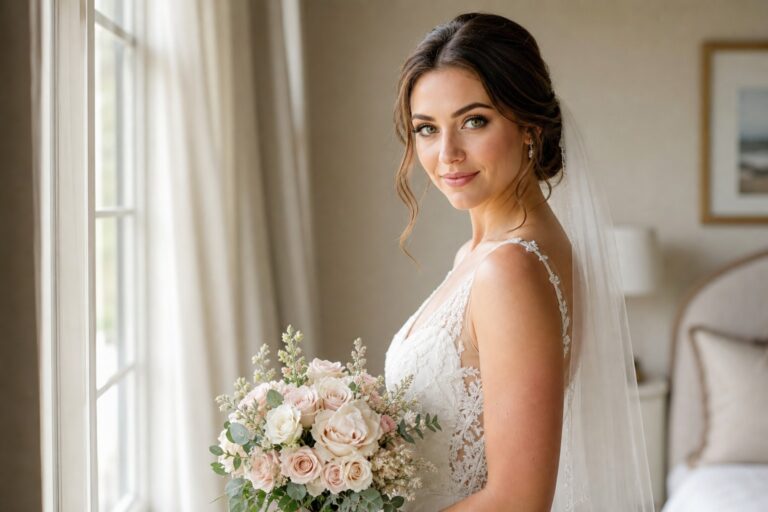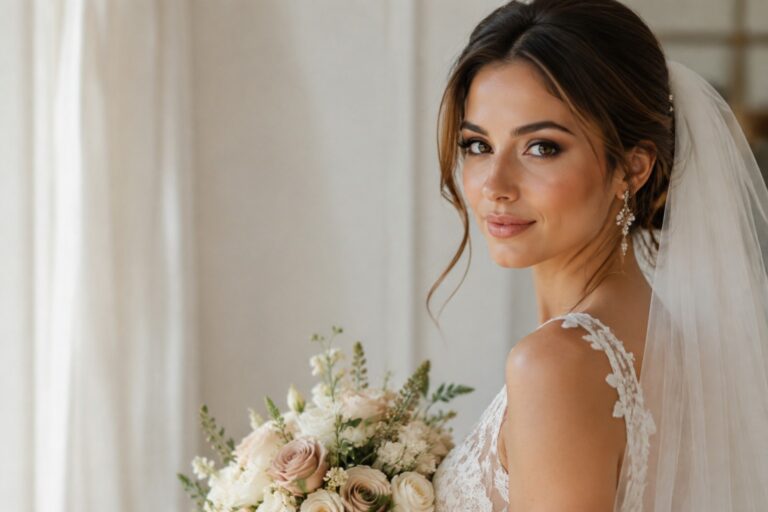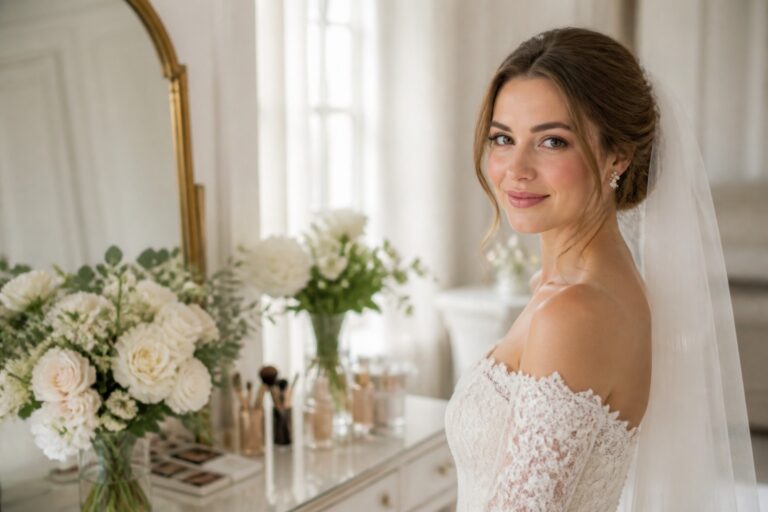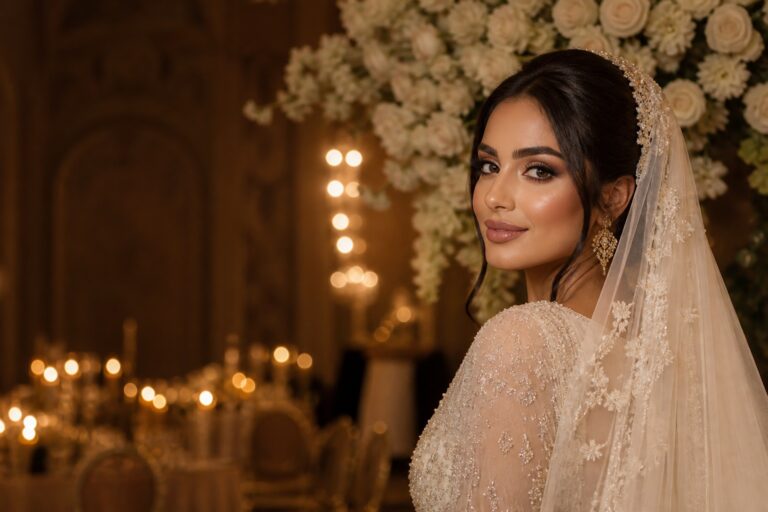
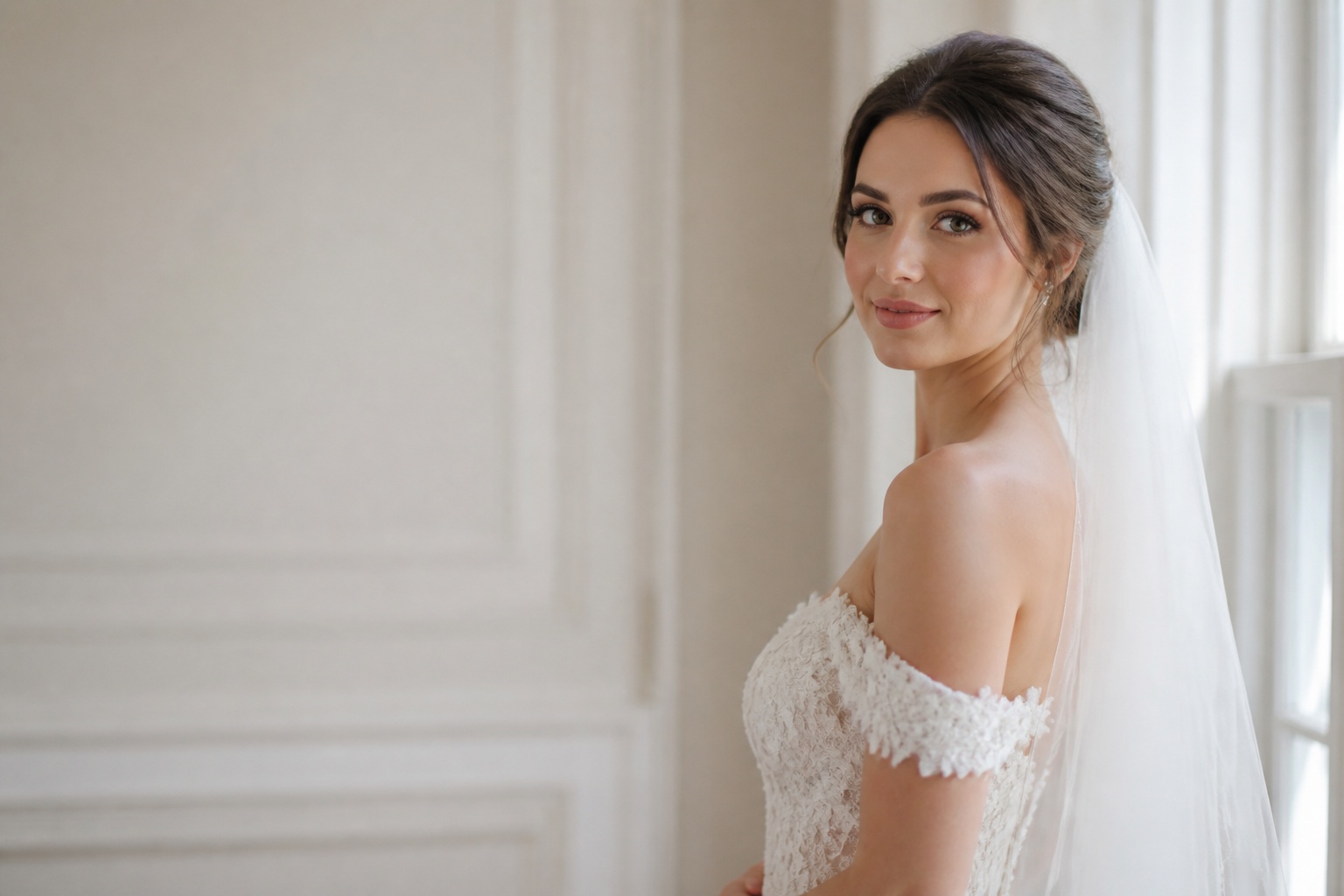
Brides Makeup: Build Your Wedding-Day Beauty Capsule
Choosing brides makeup can feel harder than it should. There are endless saved photos, new product launches, different kinds of foundation, and strong opinions about what looks bridal. The useful answer is not to copy every detail from one image. It is to build a small beauty capsule in which each part has a job. Your base should even the complexion without erasing its character. Your eyes should have enough definition for photographs. Your cheeks should bring life back to the face. Your lips should support the focal point and be easy to refresh. The finish should hold through the hours that matter.
A capsule approach also makes a makeup trial more productive. Instead of asking an artist to recreate a face from a different person, you can discuss the result you want, the features you want to keep visible, and the conditions the makeup must handle. Think about ceremony light, portraits, weather, tears, hugs, dinner, dancing, and how you normally feel wearing makeup. The guide below helps you choose a complete brides makeup plan that feels like you, works with your wedding styling, and remains practical from the first photograph to the last dance.
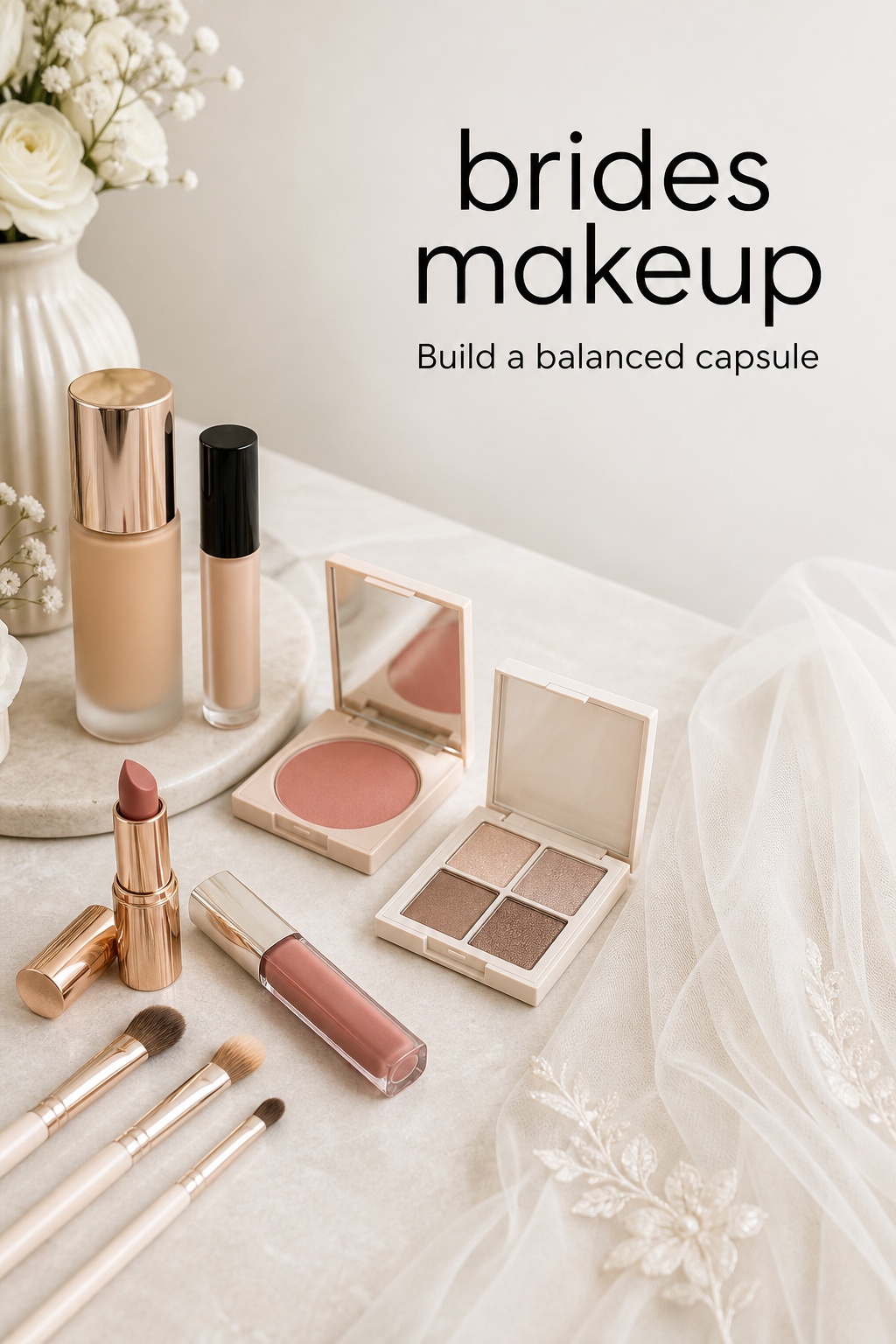
Start with the Five-Part Brides Makeup Capsule
A useful bridal capsule has five parts: complexion, eyes and brows, cheeks, lips, and longevity. These parts should be chosen together rather than one at a time from unrelated inspiration photos. A very glossy skin finish may need a softer eye and a lighter blush. A smoky eye may need a calmer lip. A bold lip may look more polished with a simple eye and controlled glow. The goal is not to make every feature quiet. The goal is to decide which feature leads and which features support it.
Begin with the complexion because it changes how every other color reads. Decide whether you want natural satin, soft matte, radiant, or a carefully balanced combination. Natural satin is often a flexible middle ground because it can look alive in person while remaining controlled under flash. Radiant makeup needs strategic powder in the areas that crease or become shiny. Soft matte makeup needs cream blush or a subtle highlight so the face does not look flat. Your skin type, climate, products, and artist technique matter more than a trend label.
Your wedding look is only the beginning.
Keep your guest list, vendors, timeline, and every important detail together with Zarellea — so your day feels as considered as your style.
- Complexion: choose the coverage and finish that make your skin look even, comfortable, and recognizable.
- Eyes and brows: select a definition level, liner direction, and lash weight that suit your eye shape.
- Cheeks: add color and dimension where your face naturally catches light, not in a fixed template.
- Lips: choose a shade and texture that feel like you and can be reapplied without stress.
- Longevity: test the full routine, then create a small touch-up plan for the actual schedule.
Write your capsule down before the trial. A short brief might say: medium satin base, softly lifted brown liner, wispy outer-corner lashes, peach-rose cream blush, rosy nude lip stain, and controlled powder through the center of the face. Another bride might choose sheer skin, brushed brows, champagne shadow, berry lip, and no false lashes. Both can be beautiful. The value is that each choice relates to the next one, so the artist can refine a direction instead of guessing what the collection of screenshots has in common.
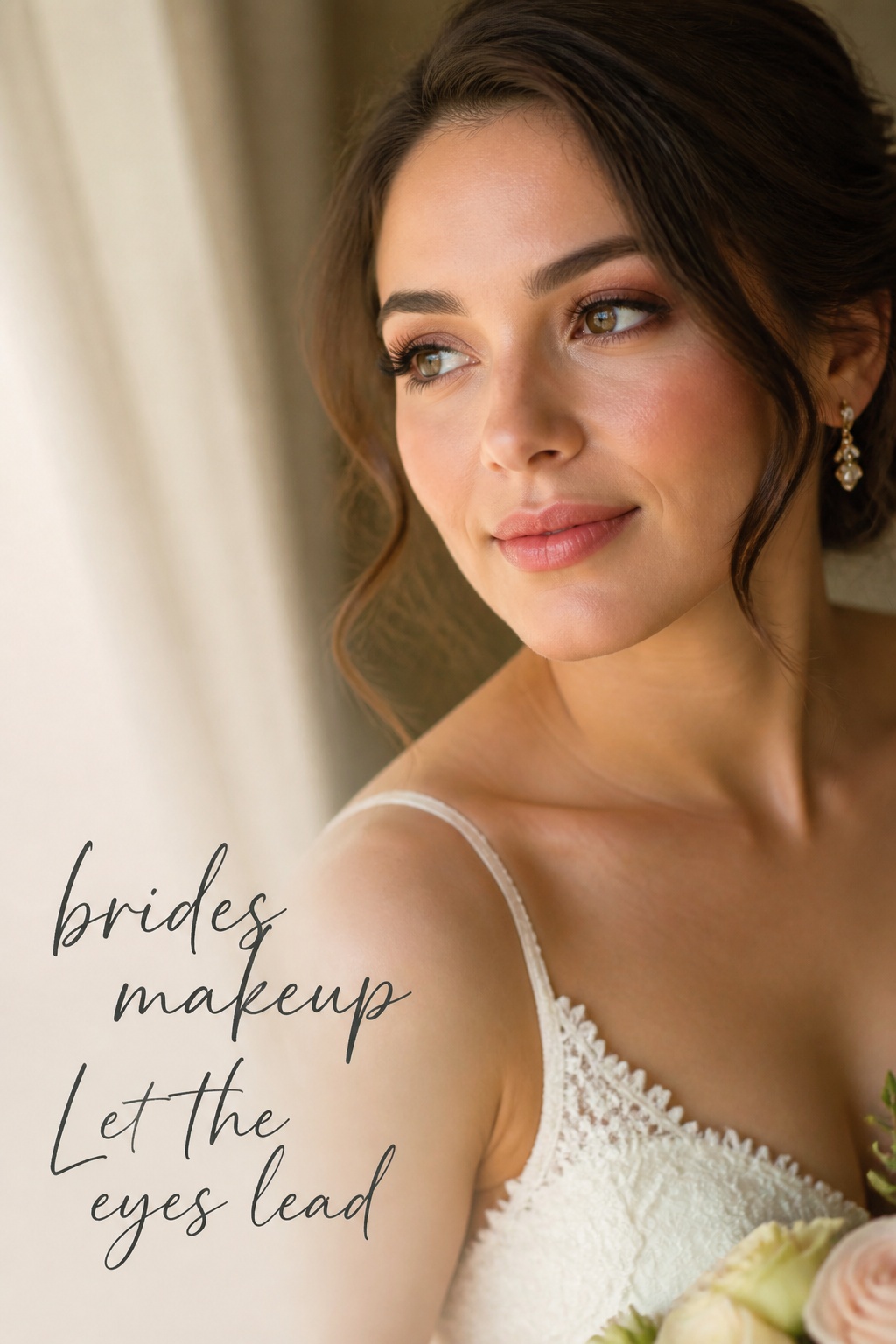
Choose the Complexion and Eye Pairing First
The complexion and eyes create the visual foundation of brides makeup. Start with familiar skincare. Use products that have already behaved well under makeup, allow each layer to settle, and avoid adding an aggressive treatment close to the wedding. If you are managing dryness, sensitivity, acne, or persistent texture, address it early with qualified advice rather than trying a dramatic rescue routine the week before. Calm skin is easier to work with than skin that has been over-exfoliated or overloaded with new products.
Coverage should be placed according to need. A sheer or medium base can look fresh when it is supported by targeted concealer around redness, blemishes, or under-eye shadow. Full coverage can also look elegant when it is applied in thin layers and matched carefully to the neck and chest. Ask how the base will behave in daylight, indoor venue lighting, and flash. A product that looks perfect in a warm studio may need a different powder placement or undertone for a bright outdoor ceremony.
Then choose the eye direction. Soft definition uses taupe, cocoa, champagne, bronze, rose, or muted mauve with a diffused edge. Classic definition adds a more visible liner and a balanced lash while keeping the shadow controlled. Smoky definition increases contrast at the outer corner and can be beautiful for evening celebrations, winter venues, or brides who already enjoy a stronger eye. The best option is the one that follows your eye shape rather than forcing every bride into the same wing.
Brows should frame the face without becoming a separate statement. Fill only where needed, brush the hairs into a shape that resembles your everyday structure, and check the result from the front as well as from a three-quarter angle. Liner can be black, brown, espresso, plum, or a softened combination, but pigment is only one part of the decision. Thickness, direction, and how the line connects to the lash band determine whether the result looks lifted, rounded, elongated, or heavy.
Lashes deserve a trial of their own. Natural mascara, individual clusters, half lashes, and full strips all create different shadows and movement. A dense lash can be striking in a wide evening portrait but may overwhelm a smaller eye or feel uncomfortable after several hours. Ask your artist to photograph the options with eyes open, relaxed, and smiling. A lash should support the eye shape and survive emotion, not become the only thing you notice in every photograph.
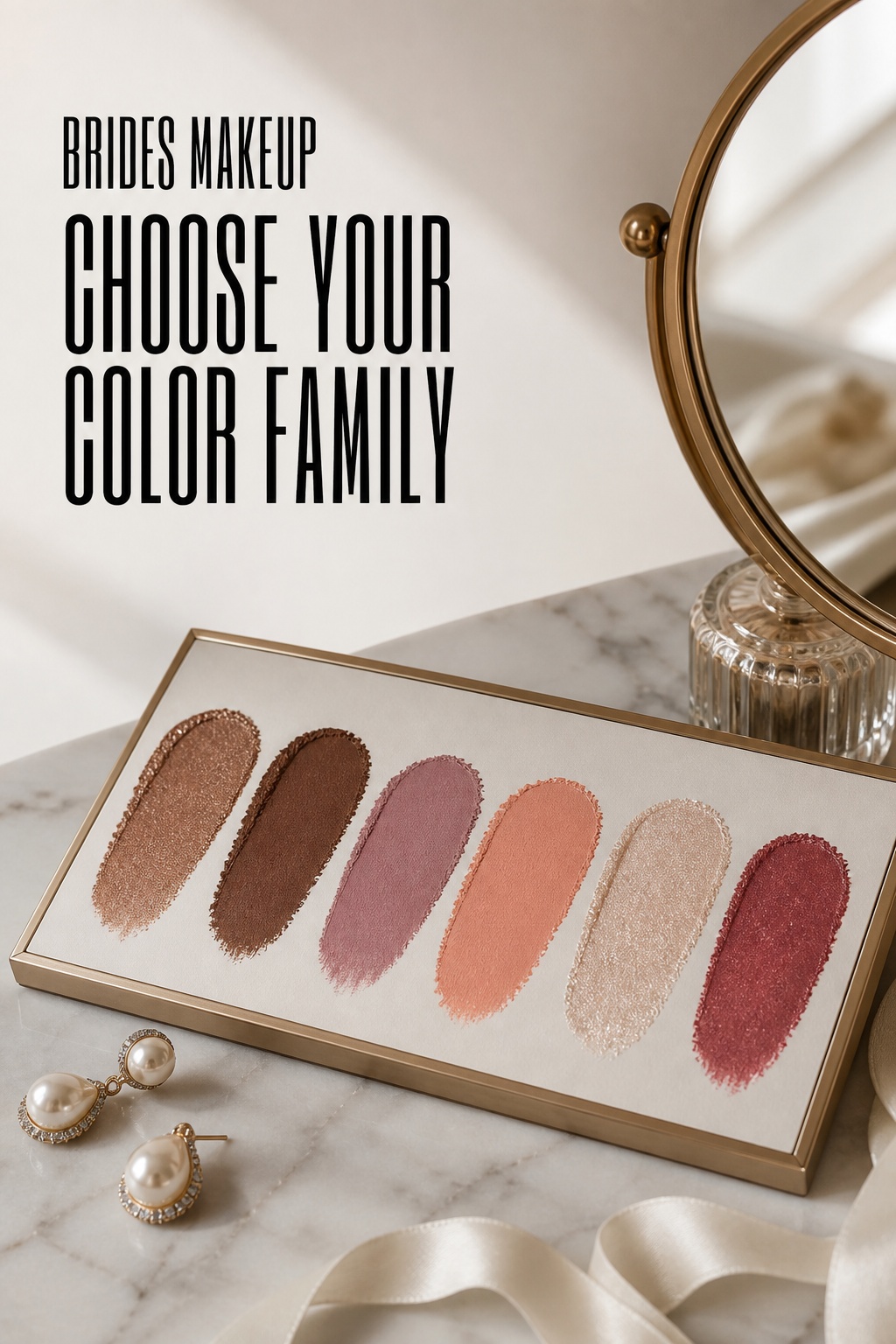
Build Three Supporting Color Capsules
Once the base and eyes have a direction, choose a small color family for cheeks and lips. Keeping the colors related makes brides makeup look intentional even when the finish is soft. You do not need an identical shade on every feature. You need a shared temperature and a clear level of contrast. Warm peach can connect a bronze eye and a honey nude lip. Rose can connect mauve shadow and a pink stain. Terracotta can make a neutral eye feel richer without requiring a dramatic smoky look.
The fresh neutral capsule
Choose a fresh neutral capsule when you want to look polished but close to your everyday self. Pair natural satin skin with taupe or soft brown eyes, brushed brows, a light coat of mascara or a delicate lash, peach-beige blush, and a rosy nude lip. This combination suits a courthouse ceremony, a daytime garden setting, a simple gown, or a bride whose dress and jewelry already provide plenty of detail. It is quiet without being unfinished because the brows, lash line, cheek color, and lip edge are still carefully defined.
The romantic rose capsule
The romantic rose capsule uses soft rose, mauve, peach, and champagne. Keep the eye luminous but diffused, place blush slightly higher on the cheeks and blend it toward the temples, then choose a rose or pink-beige lip with enough color to remain visible. This direction works with lace, flowers, soft waves, pearl jewelry, and venues that have natural or candlelit warmth. If your skin is prone to redness, ask the artist to separate the rosy elements by texture and placement so the face looks balanced rather than flushed everywhere.
The polished bronze capsule
The polished bronze capsule is useful for an evening reception or a bride who wants more visible definition. Use a satin or softly radiant base, bronze and cocoa eyeshadow, a brown-black or espresso lash line, warm blush, and a caramel, cinnamon, or muted rose lip. Keep the shimmer fine and intentional because large glitter particles can catch light unevenly and travel beneath the eye. If the eyes become the focal point, keep the cheek highlight refined and the lip comfortable rather than overly glossy.
The statement lip capsule
A statement lip can be the most personal choice in brides makeup. Red, berry, brick, or deep rose can look timeless when the color is part of your normal style. Let the lip lead by simplifying the eye: use a clean brow, soft neutral shadow, precise mascara or a light lash, and a controlled complexion. Test the shade beside the dress because a cool red may sharpen bright white, while a warm brick can relate better to ivory, champagne, autumn flowers, or gold jewelry. Choose a stain or long-wear formula only after testing its comfort and removal.
Use these capsules as starting points, not strict categories. You can combine the fresh neutral complexion with the romantic rose cheek, or use the statement lip with a polished bronze eye if the contrast suits your face. The important questions are simple: which feature leads, which colors repeat, and what will you be happy to see in a photograph years from now? A capsule gives you enough structure to decide without removing the personal choices that make the look yours.
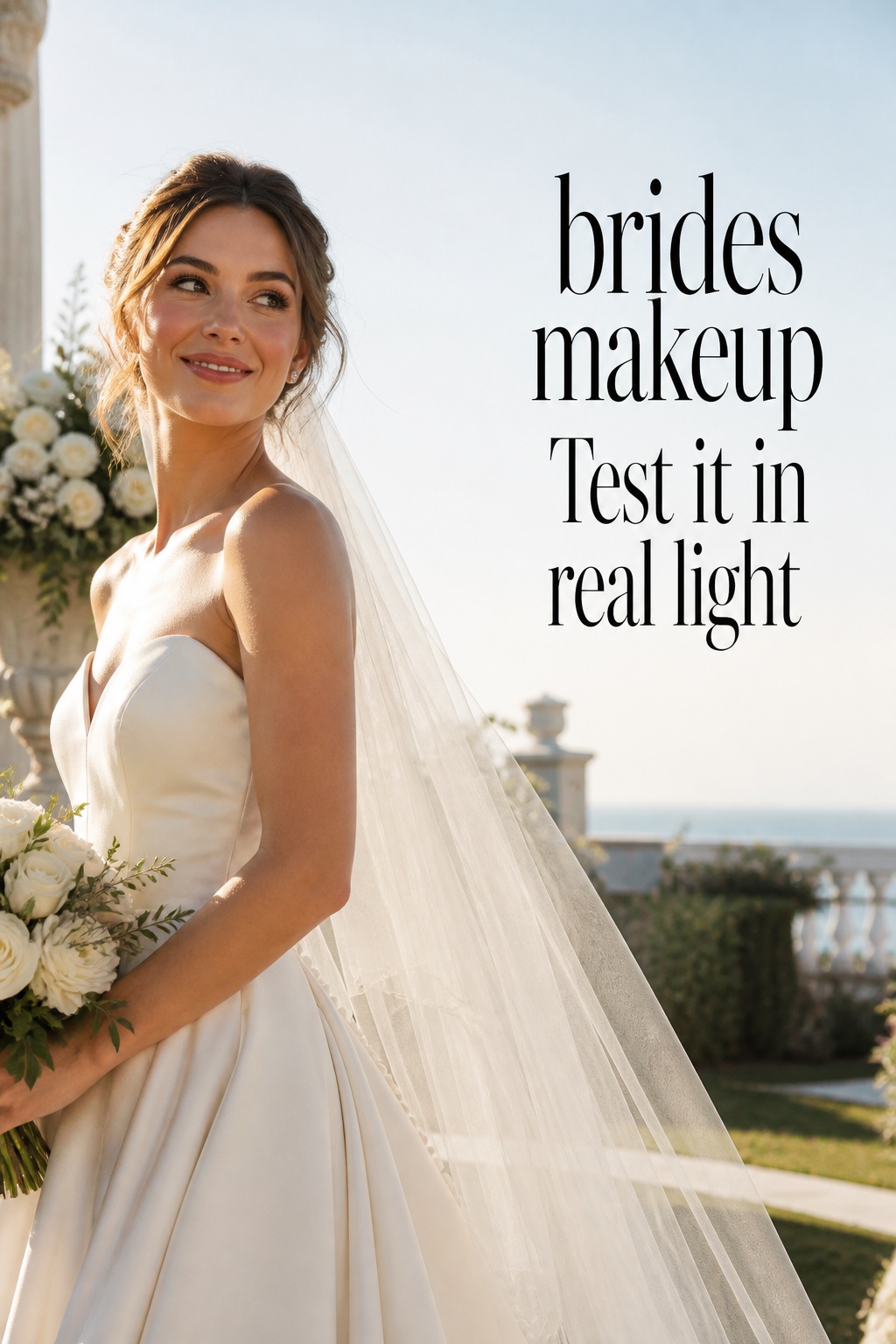
Adapt the Capsule to the Wedding, Not the Other Way Around
Brides makeup should relate to the whole wedding without becoming a costume. Consider the dress neckline, fabric, jewelry, bouquet, hairstyle, venue, and ceremony time. A clean satin look can echo a minimalist silk gown. A soft rose capsule can support lace and garden flowers. Bronze definition can sit naturally beside gold jewelry and a candlelit reception. A bold lip can become a purposeful color note in an otherwise neutral palette. These are useful relationships, but they are not rules. A bride can intentionally contrast her dress and makeup when the contrast feels personal.
Light changes the amount of definition you need. Daylight can reveal texture and extra shine, while a dim ballroom may absorb soft colors. Flash photographs can expose reflective products or an undertone mismatch. Ask your photographer or artist how your portrait locations will be lit, then test the makeup in more than one setting. Take photos from the front and three-quarter angles, with a relaxed face and a smile. Look for evenness, eye visibility, lash balance, and whether the lip still has enough color after the rest of the face is finished.
Weather and schedule matter as much as aesthetics. Humidity may require more careful powder placement and a lighter skincare layer. Cold weather may make a satin or radiant finish more comfortable than a heavily powdered face. An outdoor ceremony, a long gap between ceremony and reception, and several hours of dancing all change the durability brief. Tell your artist the full timeline. The best product choice for a three-hour courthouse appointment may not be the best choice for a sixteen-hour wedding day.
- Daytime or outdoor ceremony: prioritize thin layers, controlled shine, visible blush, and soft definition that does not disappear in natural light.
- Evening or formal venue: add contrast gradually through the lash line, outer corner, cheek shape, or lip rather than making every feature intense.
- Hot or humid weather: use tested lightweight skincare, strategic setting, waterproof eye products, and a blot-before-powder touch-up plan.
- Dry or cold conditions: protect comfort with familiar hydration, flexible layers, and a finish that does not emphasize flakes.
- Detailed dress or jewelry: keep the beauty capsule edited so the face supports the styling instead of competing with it.
Coordinate with the people who will help you get ready. Place the makeup station near good light, keep the area calm, and decide when the bride will be finished relative to hair, dressing, portraits, and travel. Your artist may prefer access to the face before the hairstyle is fully secured. Build in time for a final check rather than scheduling the last brush stroke at the moment you need to leave. A calm timeline is part of a durable makeup result because rushing creates unnecessary touching, sweating, and forgotten details.
Make the Trial and Touch-Up Plan Part of the Capsule
A makeup trial is where the capsule becomes specific. Bring inspiration photos that show the parts you like, plus photos of your dress, flowers, jewelry, hairstyle, and venue. Tell the artist what you do not like as clearly as what you do like. Mention dryness, oiliness, sensitivity, allergies, texture, breakouts, prescription skincare, lash plans, and any treatments you have tested. Wear white or a similar neckline if possible. These details help the artist judge color, proportion, and finish in a more realistic context.
Wear the trial for several hours. Eat, talk, smile, walk outside, and check the makeup in natural light, indoor light, and phone photos. Notice where the base separates, where concealer creases, whether the lash feels heavy, and whether the lip dries out. Do not judge only the first ten minutes. A product that looks beautiful immediately may not be comfortable later, while a finish that seems subtle in the chair may photograph perfectly after the full face is assembled. Record the changes you want so the wedding morning is based on decisions rather than memory.
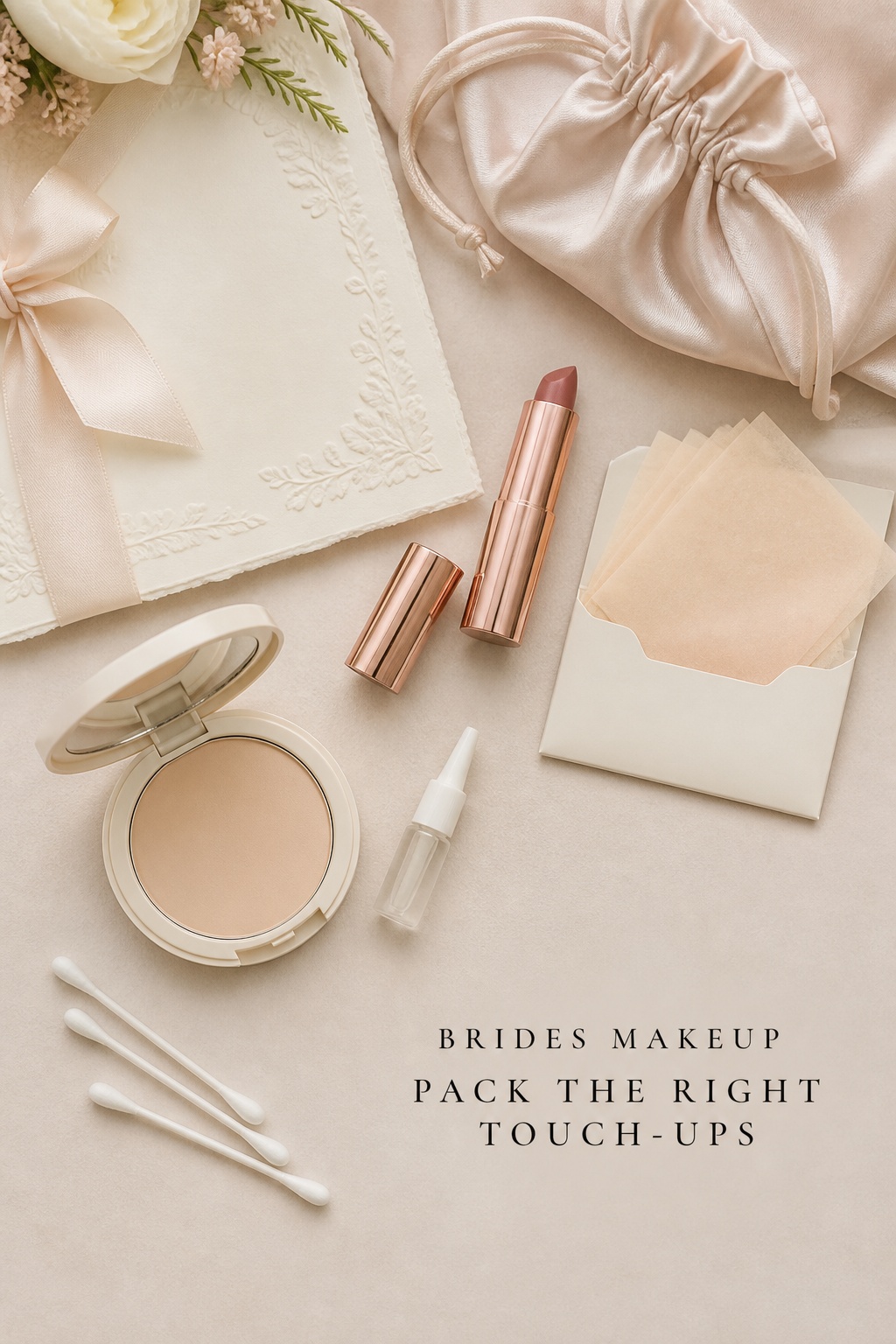
Build a small touch-up kit around actual movement. It may include blotting papers, the lip color or stain, a compact powder, cotton swabs, lash adhesive if you wear false lashes, and a clean puff or sponge. Blot before adding powder. Press a crease smooth before applying a tiny amount of concealer. Refresh blush only when the face needs it. Ask a trusted person to hold the kit and to check the makeup in a photograph, since repeated mirror inspection can make normal movement feel like a problem.
Avoid the most common capsule mistakes. Do not collect five focal features and call the result balanced. Do not choose a foundation shade only under salon lighting. Do not add a new peel, retinoid, self-tan, lash style, or sunscreen on the wedding morning. Do not assume waterproof means comfortable or that airbrush automatically suits every skin type. Do not let a reference photo override your eye shape, undertone, dress, or personal style. Do not skip the removal plan, especially for waterproof products, extensions, or long-wear lip color.
The final review should be practical. Can you recognize yourself? Is the leading feature visible from a normal conversation distance and in photos? Does the finish suit the light and weather? Can you eat, cry, kiss, and dance without constantly thinking about your face? Does the lip have a simple refresh method? Do you know who will carry the kit? If the answer is yes, your brides makeup capsule is doing its job. It gives you a clear visual identity without making the day feel like a performance you have to maintain every minute.
FAQ
What should be included in a brides makeup plan?
A complete brides makeup plan should cover complexion finish and coverage, brows and eyes, lashes, cheeks, lips, setting, trial timing, and touch-ups. It should also account for the dress, venue, ceremony time, weather, photography, and how comfortable you normally feel wearing makeup. Choosing the parts as one capsule keeps the result balanced.
How do I choose between natural and full-glam brides makeup?
Start with the level of definition you enjoy in real life, then adjust it for the venue and photographs. Natural makeup can still use targeted coverage, visible blush, and defined eyes. Full glam can remain elegant when the layers are thin, the colors relate, and the artist follows your features. A trial with photos in different light will show which level feels right.
When should I schedule my bridal makeup trial?
Schedule the trial early enough to make changes, but close enough to the wedding that your skin, brows, hair, and planned treatments resemble the final version. Many brides choose several weeks to a few months before the wedding. If you expect to change artists, products, or the overall style, leave more time for a second trial.
Should brides makeup match the wedding dress?
It does not need to match exactly. It should feel connected to the dress, jewelry, flowers, hairstyle, or overall mood. Compare colors beside the actual fabric because bright white, ivory, champagne, and blush can change how a lipstick or blush appears. Intentional contrast can also be beautiful when it reflects your personal style.
How can I make brides makeup last through the reception?
Use familiar skincare, thin compatible layers, a tested primer, long-wear eye and lip products, and strategic setting rather than applying heavy powder everywhere. Wear the complete look during the trial for several hours. During the reception, blot oil before powdering, refresh the lip after eating, and keep a small repair kit with someone you trust.
Can I do my own brides makeup?
Yes, if you already know your products, timing, and techniques and you have tested the complete look in the wedding conditions. Practice more than once, photograph the result, and write down the order of application. Plan extra time and ask someone trusted to check the finish. If you are adding unfamiliar lashes, coverage, or long-wear products, a professional trial may reduce risk.