Bridal Makeup Looks: A Wedding-Day Checklist
Choosing among bridal makeup looks becomes much easier when you stop treating inspiration photos as fixed prescriptions. The same soft glam face can feel perfect for a candlelit ballroom, too polished for a beach ceremony, or heavier than you want at a bright morning brunch wedding. Your best result comes from combining a finish, level of definition, color story, and wear plan that fit your face and your day.
Use this checklist to move from saved images to a clear brief for your makeup artist. You will decide what needs to look fresh in person, what needs to read in photographs, which details deserve emphasis, and how to test the look before the wedding. The goal is not to become a different version of yourself. It is to look recognizably you, thoughtfully prepared, and comfortable through the ceremony, portraits, hugs, dinner, and dancing.
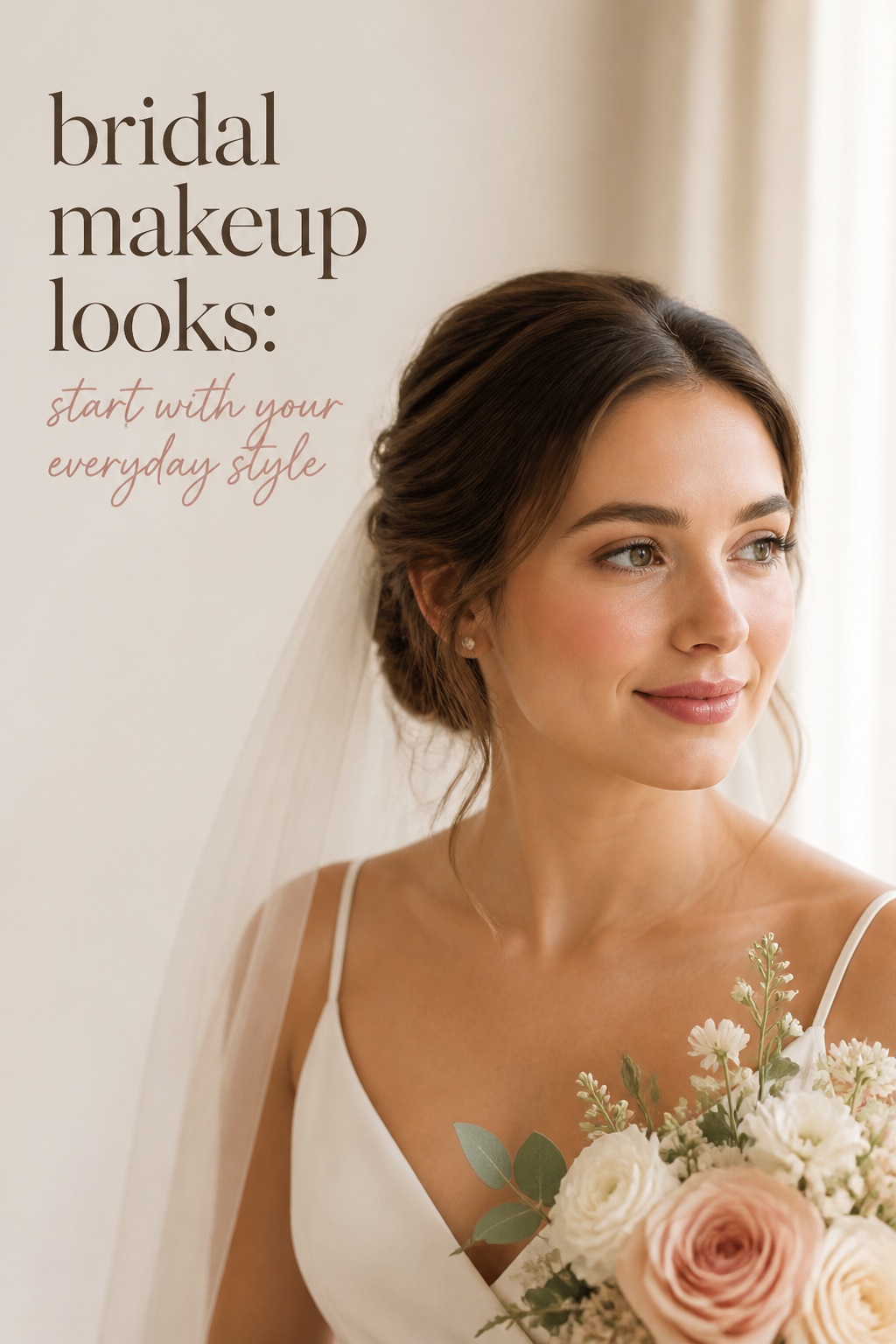
Preparation Checklist Before You Choose a Look
Start with the conditions that cannot be changed on the wedding day. Write down the ceremony time, whether you will move between indoor and outdoor spaces, the season, expected humidity, and how long you need the makeup to last. A midday garden ceremony asks different questions from an evening reception with warm, low lighting. This information helps you choose texture and intensity before you fall in love with a look that only works in one setting.
- Light: note direct sun, open shade, flash photography, candlelight, and the color of the venue lighting.
- Movement: plan for tears, kisses, warm embraces, wind, dancing, and a long gap between getting ready and the reception.
- Wardrobe: consider neckline, veil, jewelry, dress embellishment, and whether the overall styling feels sleek, romantic, relaxed, or dramatic.
- Personal baseline: describe what you normally wear, including whether you prefer bare skin, visible coverage, defined eyes, or a noticeable lip.
- Must-keep details: list features you want to recognize, such as freckles, a beauty mark, a strong brow, a favorite lipstick color, or your natural skin texture.
Next, collect references with a purpose. Save three to five bridal makeup looks that share the mood you want, then label each image with the detail you actually like. One may have the ideal blush placement, another may show the right brown smoky eye, and a third may have a lip color that feels like you. Also save one or two examples of what you do not want. A makeup artist can work faster when you can say, “I like the glow and lifted blush here, but I do not want the heavy lower lash line.”
Your wedding look is only the beginning.
Keep your guest list, vendors, timeline, and every important detail together with Zarellea — so your day feels as considered as your style.
Check how the images were made before using them as a promise. Ring lights, filters, editing, model features, and camera distance can change the apparent finish. Look for references photographed in natural light and at a similar distance to your planned portraits. If every image has a different face, focus on transferable decisions such as satin versus dewy skin, soft versus sharp liner, blush placement, lash density, and lip contrast.
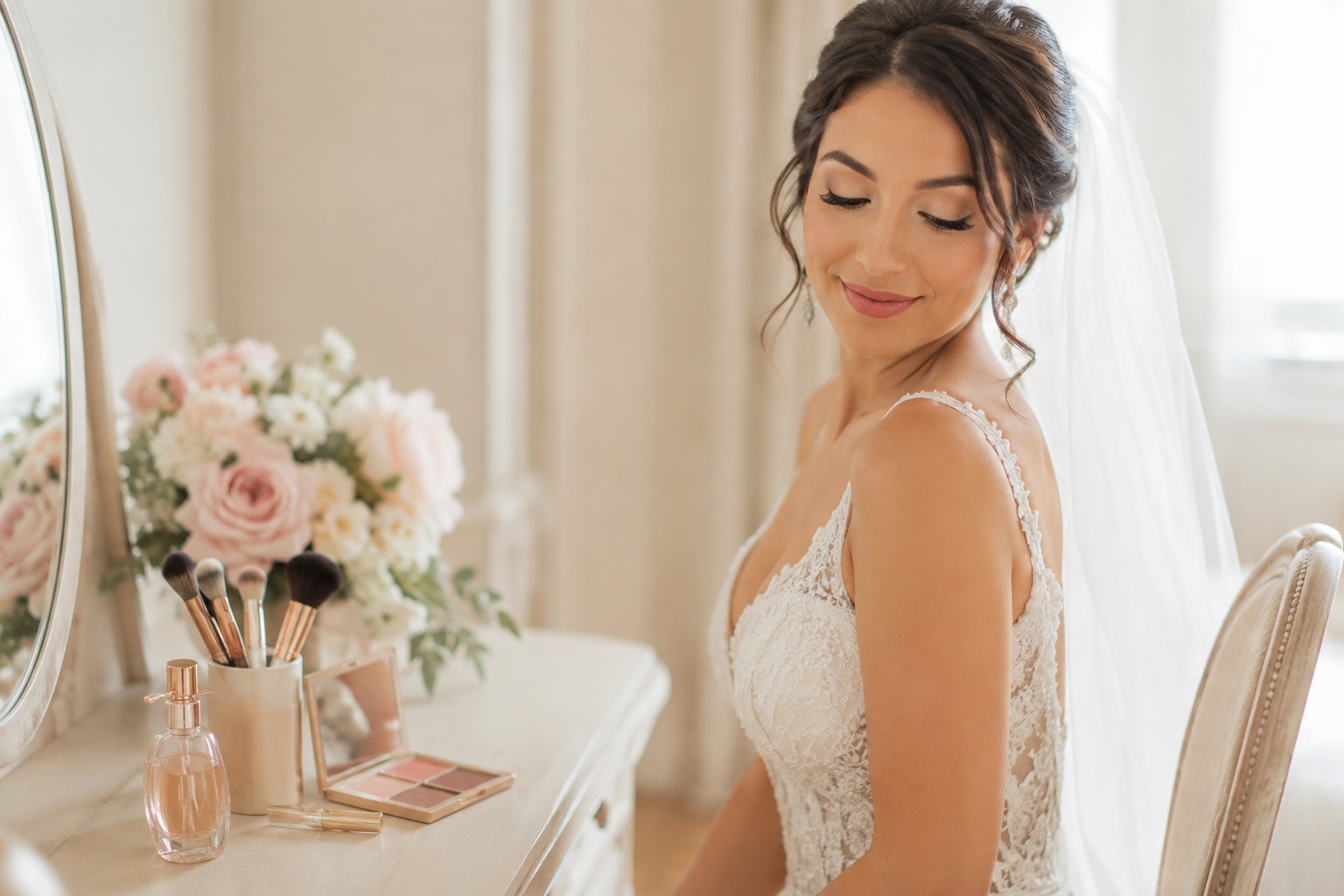
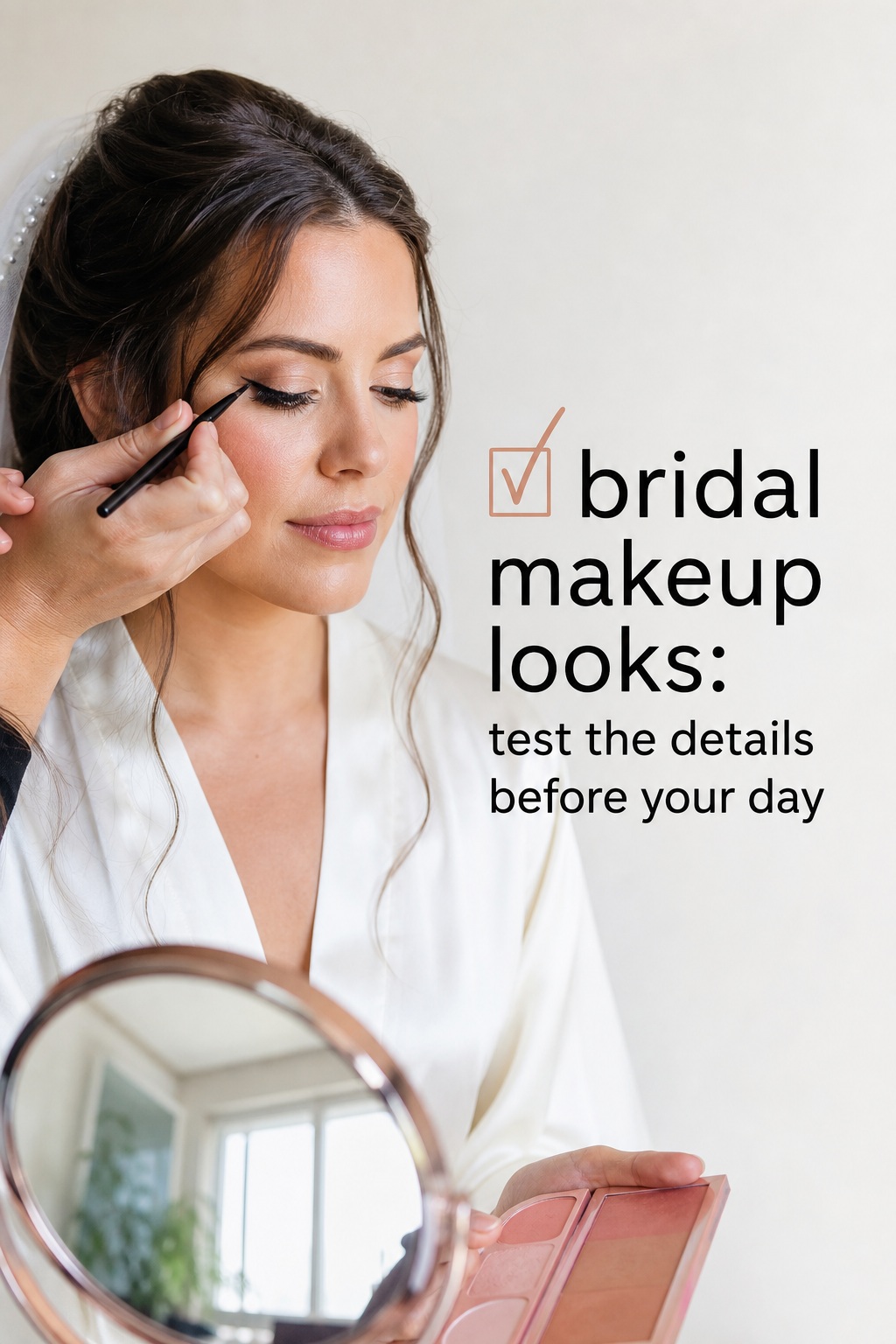
Book a trial early enough to make a calm second decision. A useful trial is not a performance where you must accept the first version. It is a fitting session. Wear a top in a similar color to your dress, bring your veil or a representative accessory if possible, and arrive with clean, comfortable skin. Photograph the result from the front, three-quarter, and side angles in daylight and indoor light. Wear it for several hours while speaking, eating, and moving. Note what still feels like you and what needs adjusting.
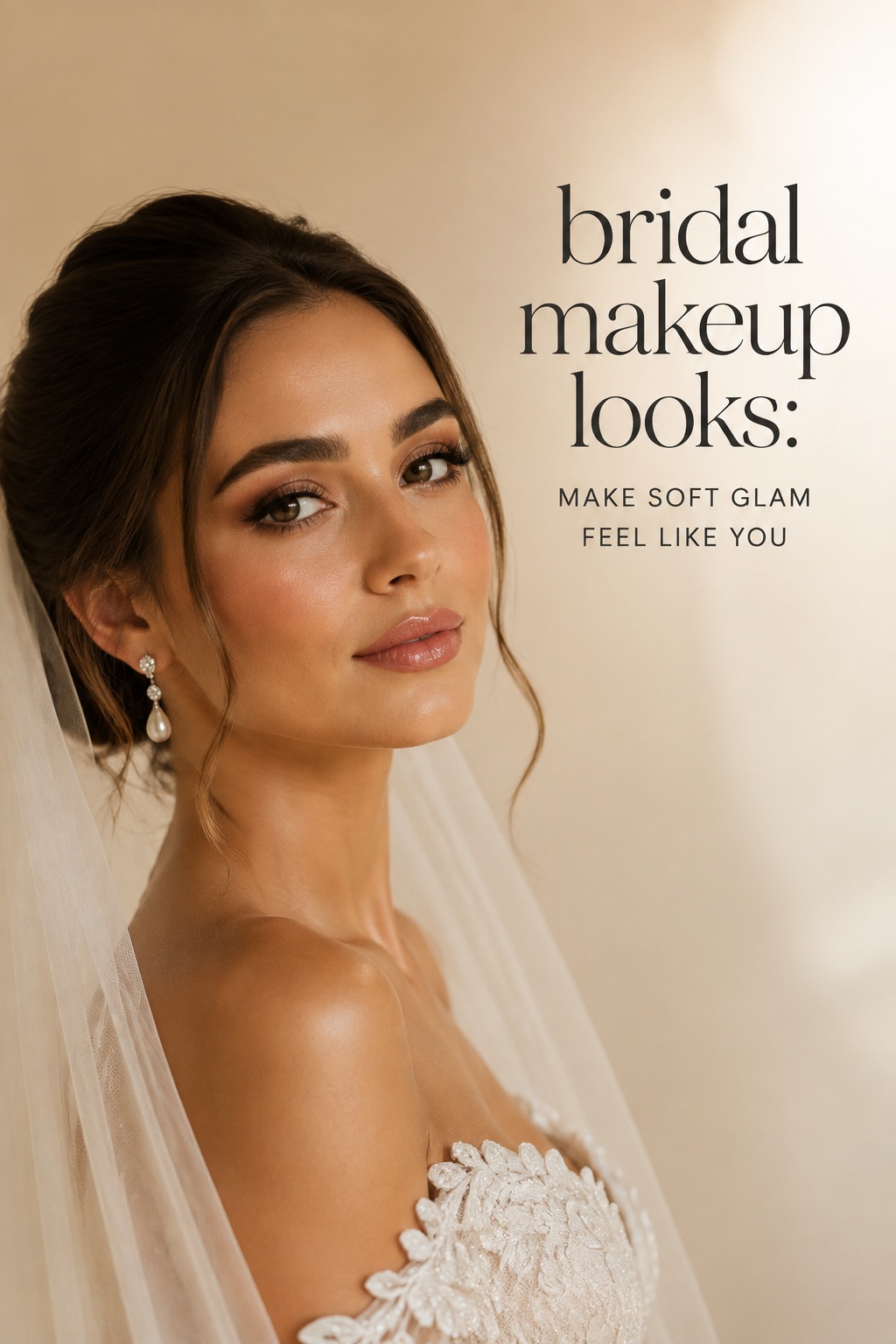
Decision Checklist for Bridal Makeup Looks
Use the following categories as a menu rather than a set of boxes. Most successful bridal makeup looks are combinations. You might choose classic structure with luminous skin, natural definition with a statement lip, or romantic color with a soft matte eye. Decide the finish first, then the definition, then the color accent. This sequence prevents too many competing features.
Natural and Barely-There
Choose this direction when your priority is visible skin, light coverage, brushed brows, soft lashes, and a lip close to your natural tone. It is especially comfortable for brides who rarely wear makeup or who want their freckles and familiar facial movement to remain part of the look. Natural does not mean unfinished. Skin prep, strategic concealer, subtle blush, and carefully placed definition make the style read as intentional in photographs.
- Ask for a skin-like base with coverage only where you need it.
- Use cream blush or a softly diffused powder blush to keep the face from looking flat.
- Define the lash line without creating a hard, graphic shape.
- Choose a tinted balm, rosy nude, or soft pink that can be reapplied easily.
Classic and Timeless
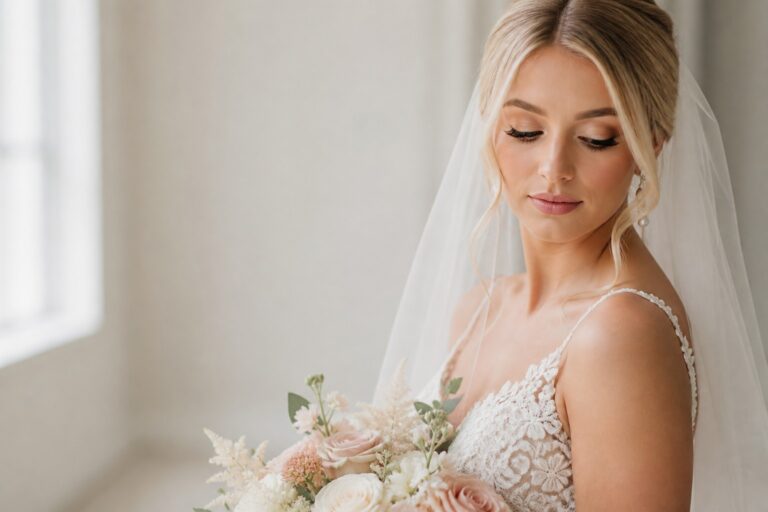
Classic bridal makeup looks balance polished skin, neutral eyes, groomed brows, softly defined lashes, and a flattering lip. The finish can be satin or softly luminous rather than completely matte or intensely glossy. This is a strong choice when your dress, venue, and photographs are meant to feel elegant for many years. It also gives you a clear language for your artist: refined, balanced, softly sculpted, and never overly trendy.
Classic does not require a red lip, although red can be beautiful if you already enjoy it. A pink, rose, peach, or neutral lip works just as well. Match the intensity of the lip to the eyes and brows. If you choose a stronger lip, keep the eyes softly dimensional. If the eyes have a defined wing or fuller lashes, choose a lip that supports rather than competes with them.
Romantic and Softly Rosy
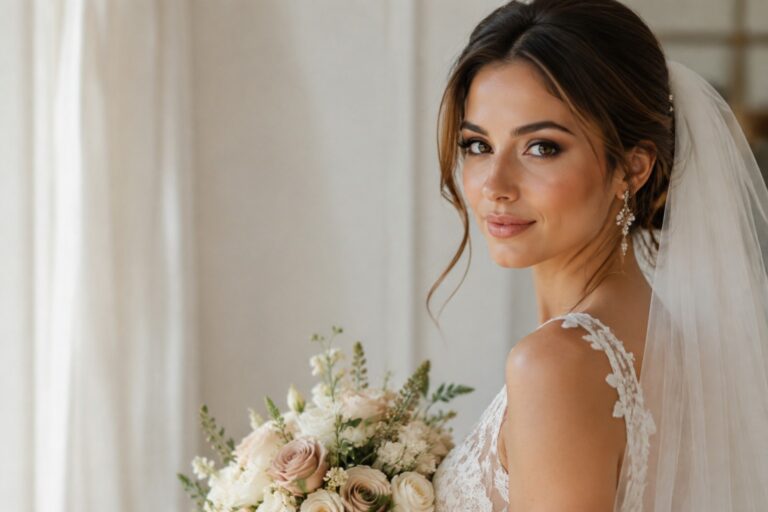
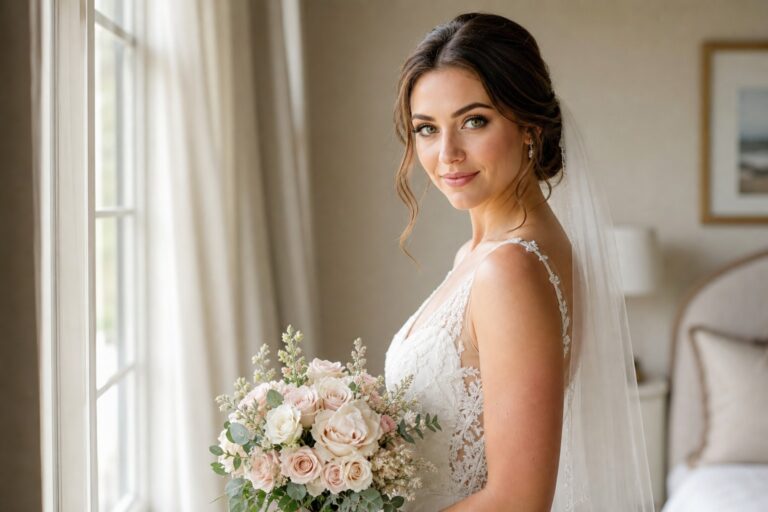
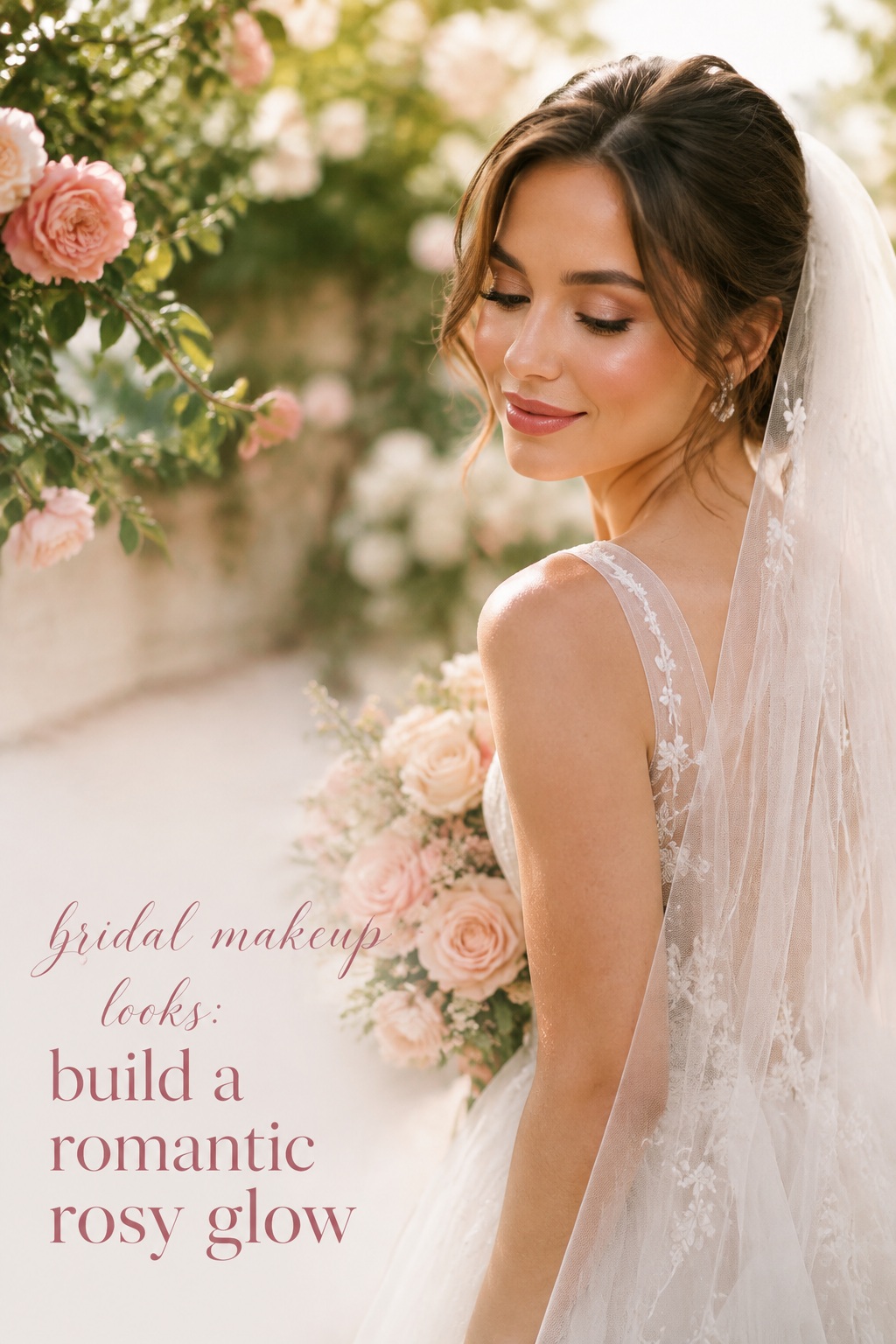
Romantic looks use peach, rose, pink, and warm neutral tones to create a gentle flush. Blush placed slightly higher on the cheeks and blended toward the temples can give the face a lifted, fresh effect. Pair it with hydrated-looking skin, a wash of softly reflective shadow, wispy lashes, and a rosy lip. This direction suits garden ceremonies, romantic florals, lace, soft fabrics, and brides who want color without a sharp or graphic result.
Keep romantic makeup from becoming too pink by adding a quiet neutral transition shade around the eyes and a touch of balanced bronzer. Test the blush in photographs because a shade that looks delicate in the mirror can disappear under bright light. If your flowers, hair accessories, and dress already carry many soft details, let the makeup stay edited so the face remains the focal point.
Soft Glam and Full Glam
Soft glam adds more eye definition, sculpting, lashes, and polish while keeping the color story wearable. Think satin or softly luminous skin, a blended brown or bronze eye, shaped brows, fluttery lashes, and a nude, pink, or mauve lip. It is a useful middle ground for a bride who wants to feel noticeably dressed up but does not want a dramatic transformation.
Full glam increases contrast and structure. It may include stronger contour, a more visible smoky eye, fuller lashes, a crisp wing, or a bold lip. This can be excellent for evening celebrations, formal gowns, dramatic venues, and brides who already enjoy statement makeup. Balance remains the key. Choose one hero feature, then give the other areas enough definition to look intentional without becoming equally loud.
Bold Lip and Modern Editorial
A bold lip can make the entire face feel finished with surprisingly little eye makeup. Red, berry, terracotta, coral, and vivid pink all create different moods. Try the actual shade for several hours, including after eating and drinking. A lip pencil, layered thinly, and a formula that fades evenly will usually be more practical than a thick layer that transfers at the first kiss.
Modern editorial details are best treated as accents unless you are certain they are part of your personal style. A glossy lid, softly graphic liner, unusual blush placement, or unexpected color can look fresh and fashion-aware. Keep the base and one or two supporting details timeless so the result feels deliberate rather than tied to a short trend cycle. Ask your artist to show you how the detail reads in both close portraits and full-length images.
Worked Examples for Your Wedding Conditions
Once you understand the categories, combine them with the realities of your day. The examples below are starting points for a conversation, not rules about who can wear what. Your complexion, features, comfort, culture, and habits should always be part of the decision.
- Morning garden ceremony: choose a lightweight satin base, softly lifted peach blush, brushed brows, brown lash definition, fluttery individual lashes, and a rosy balm. Add a setting layer where you need it, then keep the highest points of the face softly luminous rather than glittery.
- Beach or destination wedding: prioritize humidity-aware skin prep, thin layers, cream color that can be set selectively, warm bronzer, waterproof eye definition, and a comfortable lip stain or long-wearing pencil. Keep the finish fresh, because heavy layers can feel uncomfortable in heat and wind.
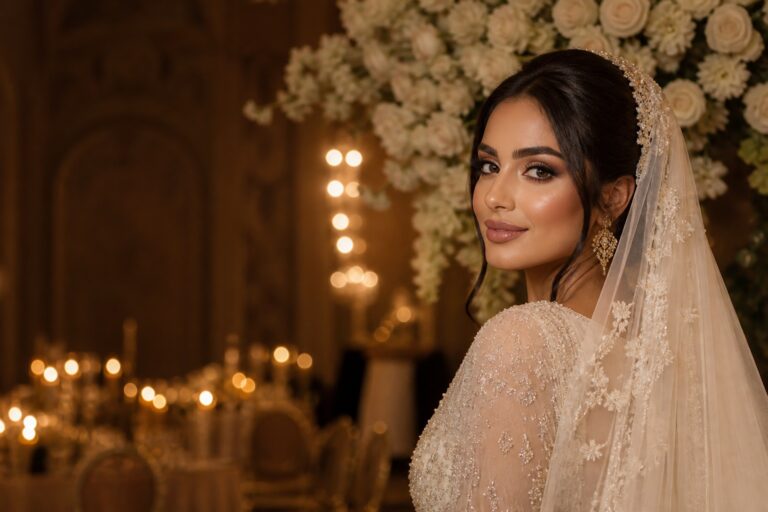
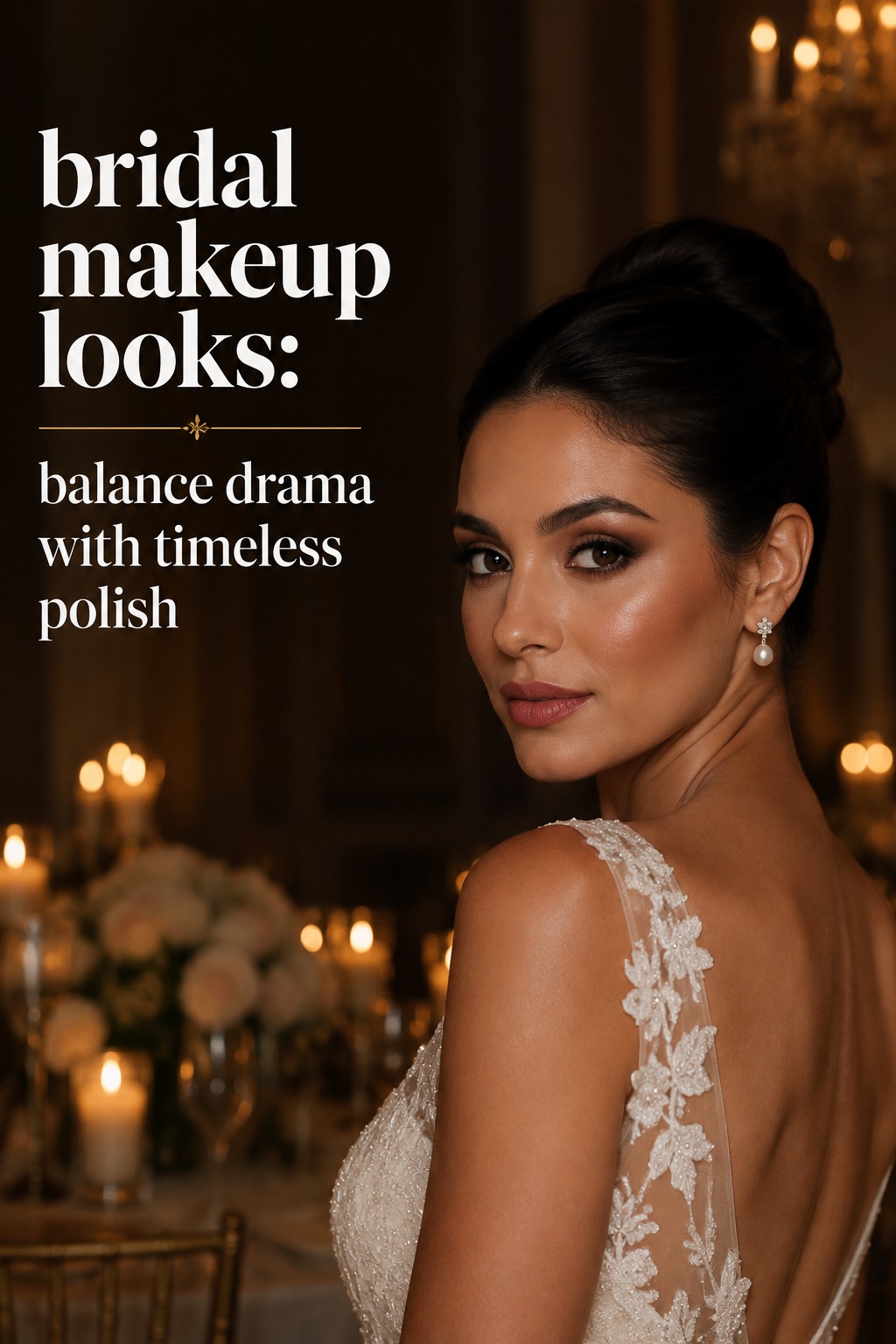
- Candlelit ballroom reception: add enough eye and cheek definition to avoid a washed-out face in warm light. A softly sculpted base, bronze or taupe shadow, fuller lashes, and a rose or mauve lip create dimension without requiring a very dark look.
- Minimalist city wedding: use polished skin, controlled glow, a clean brow, precise but soft liner, and a neutral lip. One strong detail, such as a defined wing or modern rose lip, can give the look a fashion edge while keeping the overall design simple.
- Heavily embellished dress: let the dress lead the drama. Choose balanced skin, defined eyes, and a lip that echoes one quiet tone from the embellishment. Avoid adding intense sparkle everywhere, because small reflective details can compete with the dress in close photographs.
- Simple slip dress or modern tailoring: consider a stronger lip, softly smoked eye, or sculpted cheek to give the clean clothing shape a beauty focal point. Keep the edges intentional and test the result from a distance so the makeup supports the modern silhouette.
- Bride who wears little makeup: begin with your everyday comfort level and increase definition gradually. The best change may be better skin preparation, a little more blush, individual lashes, and a lip with clearer color rather than a full-coverage transformation.
- Bride who loves makeup: keep the artistry you enjoy, then refine the finish for the camera and the schedule. A stronger eye, red lip, or sculpted cheek can be completely bridal when it reflects your usual confidence and is balanced across the face.
Photographic testing is especially important when you are choosing between natural and soft glam. Natural makeup may look beautiful in person but need slightly more brow, lash, blush, or lip contrast to hold its shape in portraits. Soft glam may look perfect in a close-up but feel too unlike you when you speak or move. Review images at normal size, not only zoomed in. Your wedding album will include both close details and wider scenes.
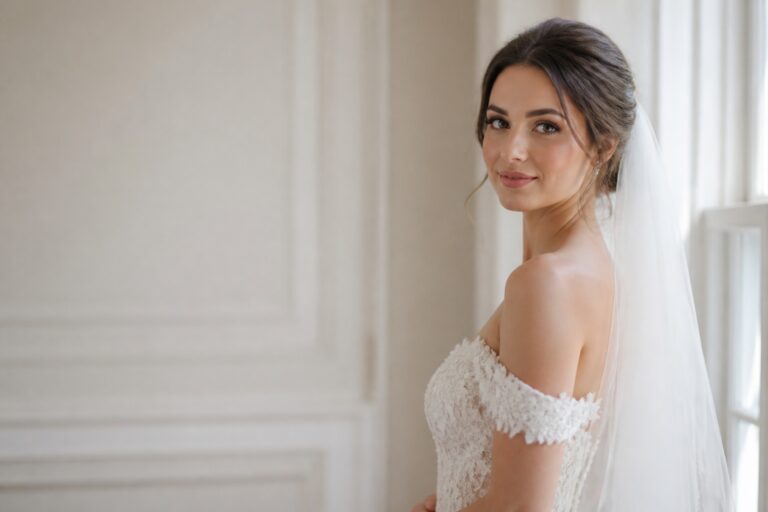
Think about your hair and accessories as part of the same composition. A sleek updo can support a clean brow and defined lip. Loose waves may pair naturally with diffused blush and soft eyes. A veil, statement earrings, colored stones, or cultural jewelry can change where the eye lands, so bring those references to the trial. Your artist does not need to copy the accessory, but they do need to understand its scale and visual weight.
Final Review and Wedding-Day Checklist
Use your trial notes to create one short final brief. Write the finish, coverage, eye shape, lash preference, blush placement, lip color, and the one detail you most want to recognize. Add practical information such as allergy concerns, products that irritate you, contact lens use, and whether you expect heat, wind, or a long outdoor portrait session. Clear notes reduce rushed decisions on the wedding morning.
- Confirm the start time and how long the appointment allows for skin preparation and adjustments.
- Tell the artist what changed after the trial, using specific language about texture, color, placement, or intensity.
- Ask which products will be used near the eyes and lips if you have sensitivities or allergies.
- Pack the lip color, a small powder or blotting option, cotton swabs, tissues, and any prescribed or trusted skin products.
- Eat and hydrate before the appointment so you are not making beauty decisions while distracted.
- Wear a button-down or loose top that will not disturb the finished face when you change.
- Leave enough time for a calm check in daylight before putting on the veil and final accessories.
Do not introduce an ambitious skincare treatment, new active ingredient, aggressive exfoliation, or unfamiliar self-tan immediately before the wedding. Even a product that works well for someone else can create redness or texture on your skin. Keep the morning routine familiar and communicate any last-minute reaction rather than covering it with extra layers. Your artist can adjust strategically when they know what is happening.
Makeup longevity is built through preparation and restraint. Hydrated skin does not always need a glossy finish, and setting every inch with heavy powder can make a face look flat. The most useful plan is usually thin, compatible layers, targeted setting, waterproof or long-wearing formulas where movement is greatest, and a touch-up kit for the details that naturally fade first. Blot before adding product so you do not stack makeup on top of oil or moisture.
Finally, choose the look that lets you participate in the day. If you spend the ceremony worrying about a sticky gloss, a sharp liner, a heavy base, or a color you never wear, the visual result is not doing its job. The right bridal makeup looks support your confidence, expression, and comfort. Inspiration is useful when it helps you describe yourself more clearly. It is not useful when it asks you to disappear into somebody else’s face.
FAQ
How early should I choose my bridal makeup looks?
Start collecting references as soon as you know your venue, dress direction, and ceremony timing. Contact artists roughly six to twelve months before the wedding when possible, then schedule a trial early enough to make changes without pressure. The exact timing depends on availability and your planning calendar.
What is the difference between natural bridal makeup and soft glam?
Natural bridal makeup keeps coverage, eye definition, lashes, and color close to an everyday version of you. Soft glam adds more visible shaping, eye definition, lashes, blush, or lip polish while remaining blended and wearable. Both can photograph beautifully when the contrast suits your features and lighting.
Is airbrush makeup better for a wedding?
Neither airbrush nor traditional application is automatically better. The result depends on the artist, formula, skin preparation, desired coverage, climate, and your comfort. Ask to see work on skin with a similar finish to yours and test the method during the trial so you can judge texture, wear, and photographs.
How can I make bridal makeup looks last through tears and dancing?
Use familiar skin preparation, compatible thin layers, waterproof eye products, targeted setting, and a lip formula you have already worn for several hours. Keep tissues, blotting sheets, cotton swabs, and your lip product nearby. Press tears away instead of wiping, and blot before adding any touch-up product.
Can I wear a bold lip with a bridal makeup look?
Yes. A red, berry, coral, terracotta, or pink lip can be timeless when it feels authentic to you. Balance it with softly defined eyes, a secure lip line, and a formula that fades evenly. Wear the exact shade during the trial and test it while eating, drinking, speaking, and smiling.
Should my wedding makeup match my bridesmaids’ makeup?
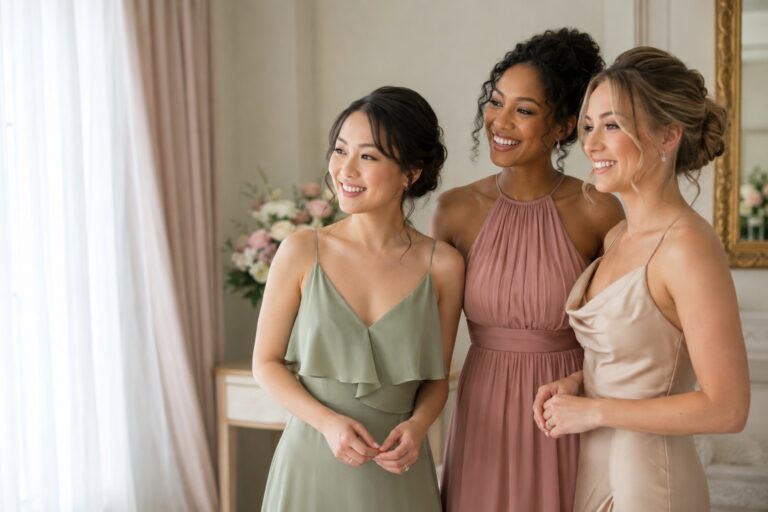
Your makeup does not need to match theirs exactly. A shared level of polish, a related color family, or coordinated skin finishes can create visual harmony while allowing each person to suit their own features and preferences. Your bridal look can have a little more definition or a distinct lip if you want to be visually centered.
What should I tell my makeup artist at the trial?
Bring labeled inspiration images, a few examples of what you dislike, dress and accessory references, your ceremony conditions, and a description of your normal makeup. Explain how the trial feels as well as how it looks. Specific feedback about coverage, texture, lash weight, liner shape, blush placement, and lip color is more useful than saying only that you want to look pretty.