Bridal Shower Ideas Decorations: Build a Cohesive Capsule
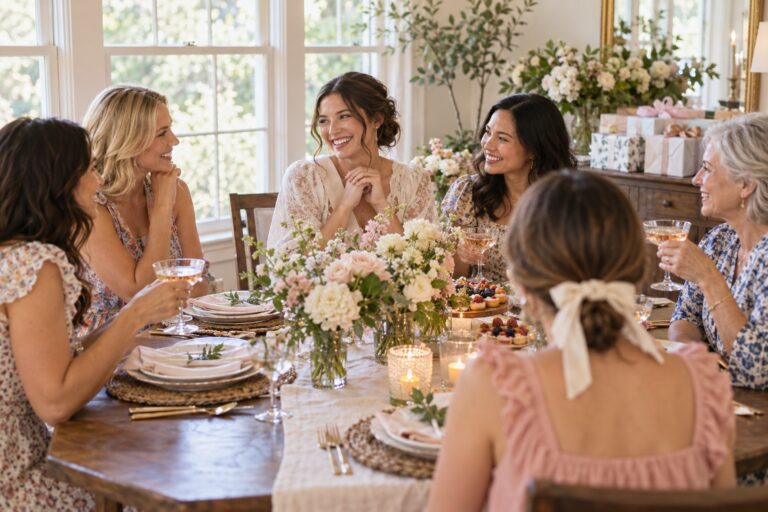
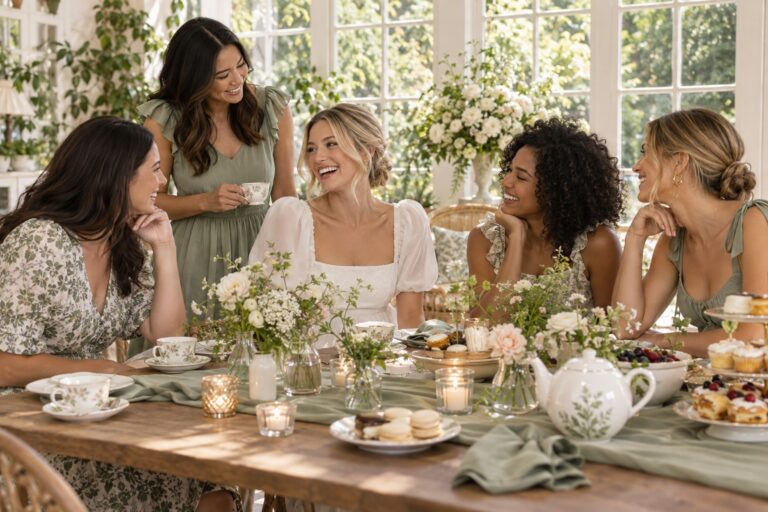
A room can look ready for a bridal shower before every surface is decorated. The secret is to choose a few pieces that belong together, then repeat them where guests will notice them. For bridal shower ideas decorations, think in terms of a small capsule: a compact palette, one personal motif, a couple of textures, and one repeatable detail that ties the room together. This approach gives you more cohesion with fewer purchases, whether you are hosting at home, in a restaurant, or in a rented event room.
Start by asking what the room needs to do. Guests should know where to arrive, have a comfortable place to gather, find food and gifts easily, and have one spot that feels special in photos. Decor can support all four jobs. You do not need four different themes or a separate shopping list for each one. The ideas below show how to build a flexible set of decorations, use it across the guest journey, and edit it to fit the bride, the venue, and the time available for setup.
Start with a small bridal shower decor capsule, not a long shopping list
A decor capsule is a short set of visual rules that makes individual objects feel related. It is useful when several people are helping, when the venue already has its own character, or when you want the celebration to feel thoughtful without filling the room. Before browsing products or starting a DIY project, agree on four decisions: a small color palette, one personal motif, two or three compatible textures, and a repeatable vessel or shape.
Choose colors that make the pieces easy to combine
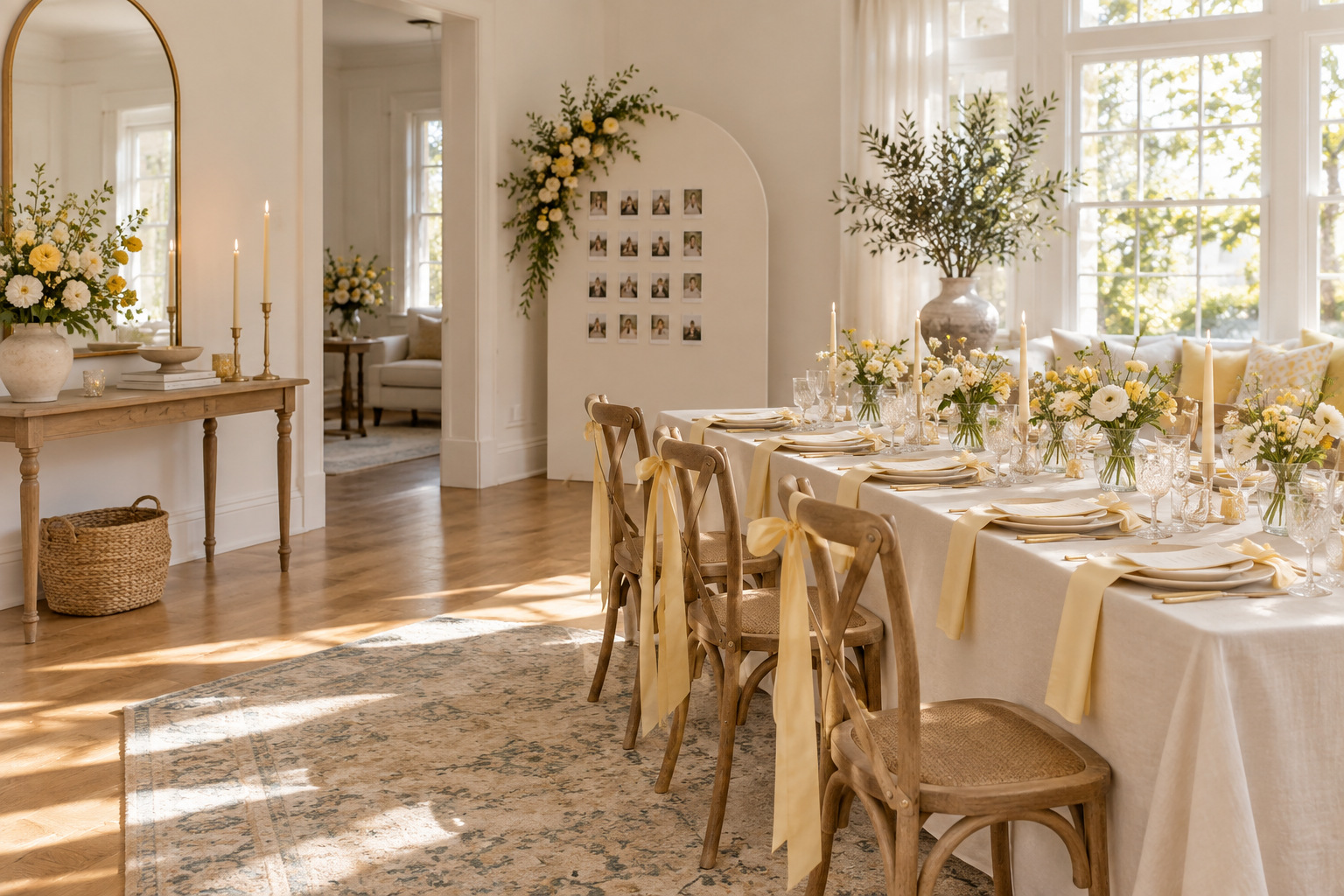
Choose one main color, one supporting color, and a neutral. For example, soft blue, warm white, and natural wood can suit a relaxed brunch; butter yellow, ivory, and clear glass can feel sunny without requiring lemon prints everywhere; and plum, cream, and brushed gold can make a simple restaurant table feel more dressed. These are starting points, not rules. If the bride already has a favorite color or a wedding palette she likes, use that as a cue rather than copying the wedding decor exactly.
Your wedding look is only the beginning.
Keep your guest list, vendors, timeline, and every important detail together with Zarellea — so your day feels as considered as your style.
Look at the room before choosing the palette. A patterned rug, wood table, colored wall, or existing floral arrangement is already part of the visual mix. Pull one color from what is there, then add a neutral and a small accent. This helps decorations feel at home in the space. It also prevents a common planning trap: buying a complete set of themed supplies that clashes with the furniture, linens, or restaurant finishes you cannot change.
Use one motif as a quiet personal detail
A motif can be a flower, a fruit, a bow, a monogram, a favorite book reference, or a simple shape associated with the guest of honor. It does not need to appear on every object. Let it show up in two or three places, such as a welcome card, a menu, and a small cake detail. Repeating a motif sparingly creates recognition without making the room feel like a merchandise display.
If you do not know what the bride would enjoy, ask her or someone close to her for one or two preferences. The couple may want a low-key gathering, a favorite color, or no theme at all. A shower can be visually cohesive without a named theme. The planning guidance from The Knot’s bridal shower checklist also recommends consulting the couple about preferences and notes that a shower does not need a theme. Translate that into a simple visual direction, such as garden colors, favorite flowers, or a palette pulled from the invitation.
Limit textures and repeat a shape
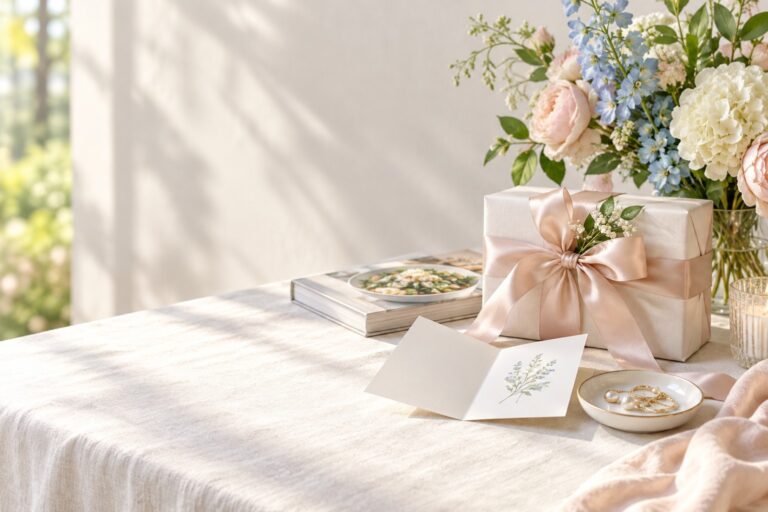
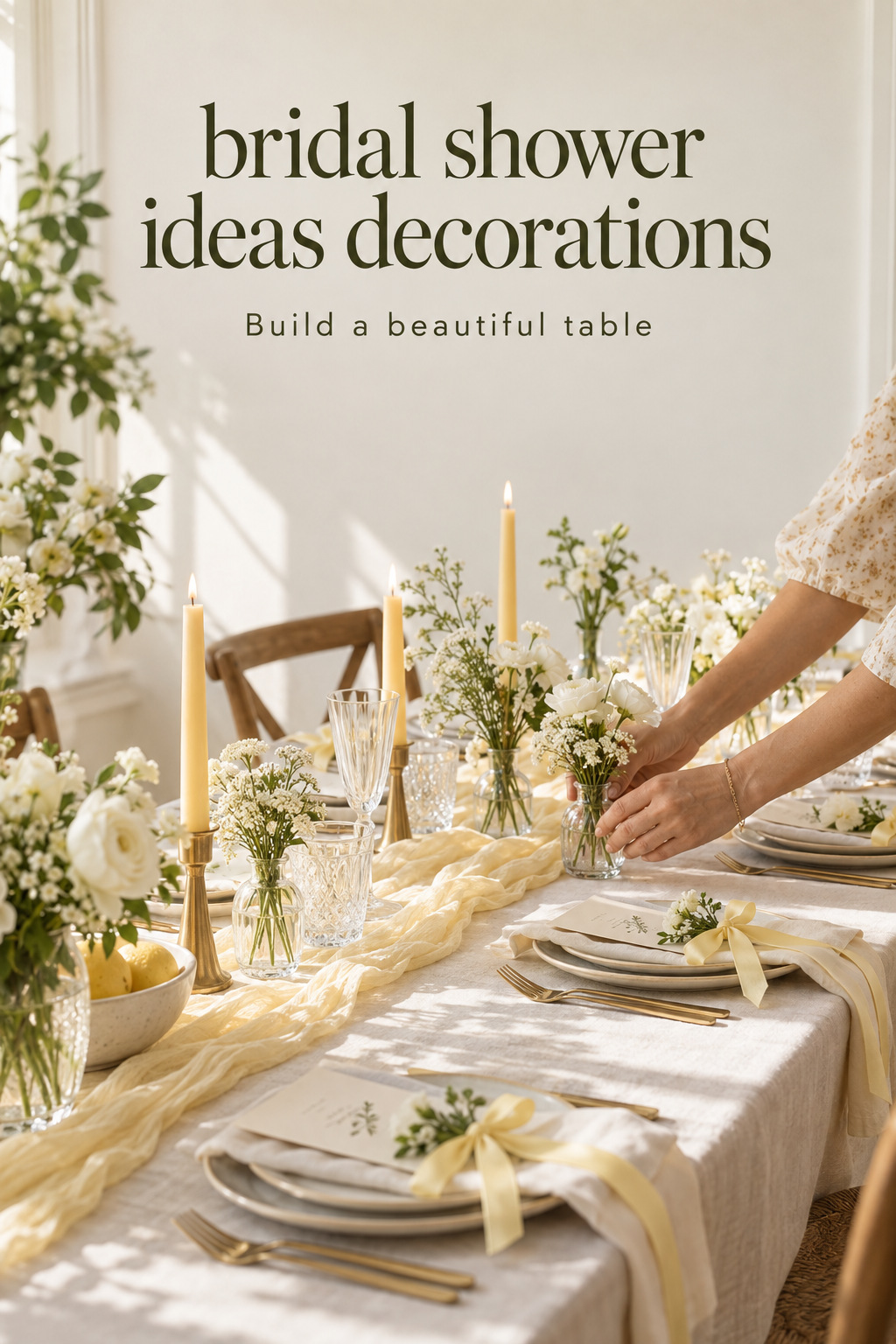
Pick a small number of textures that suit both the guest of honor and the room. Linen, glass, paper, ceramic, ribbon, greenery, and metallic finishes can all work, but using all of them at once may make a small space feel busy. Try one soft texture, one reflective or smooth surface, and one natural material. A linen runner, clear bud vases, and a repeated satin ribbon are one possible combination. A restaurant may already supply polished glass and white table linens, so a paper detail and one small floral accent could be enough.
Choose one shape or object to repeat, such as bud vases, taper holders, small frames, folded menus, or a particular ribbon. Repetition is a simple way to create a connected look across several tables or zones. It also gives helpers a clear instruction: use the same vase grouping at each table, or repeat the ribbon on the entry sign and gift table. If a piece does not fit the chosen palette, motif, textures, or repeated shape, pause before adding it to the plan.
Build the capsule from pieces that can do more than one job
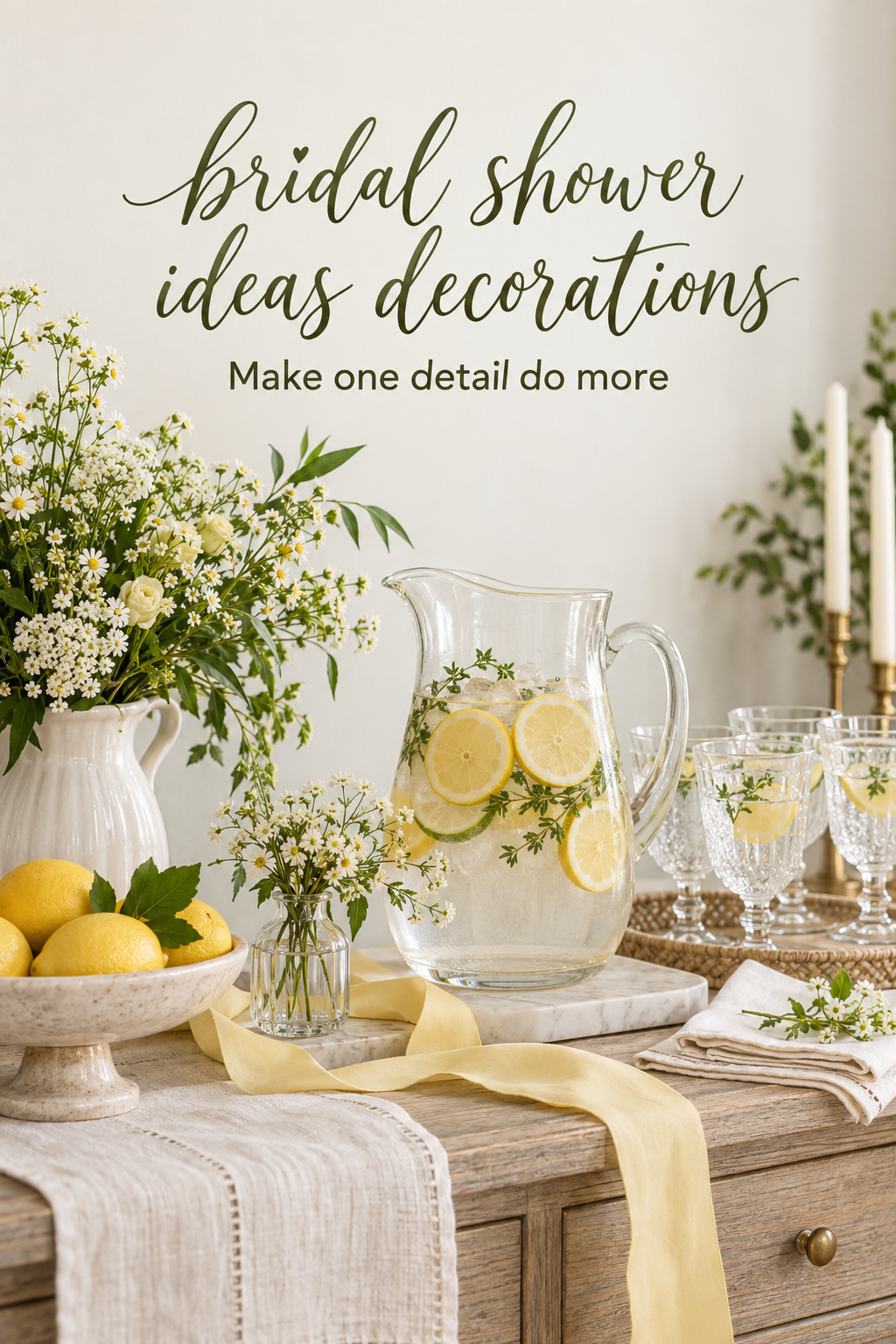
Think about the decorations as a small kit with three roles: a base, an anchor, and supporting details. The base makes the room feel finished. The anchor gives guests one clear visual moment. Supporting details carry the palette into useful parts of the event. When a decoration can serve more than one role, the kit is easier to transport and less likely to create waste or clutter.
Let the base come from the room when possible
The base might be the venue’s table linens, a clean table runner, a few simple vases, or the colors already present in the room. Begin with what is provided or easy to borrow. If the tables are attractive, leave them uncovered and add a small centerpiece. If a home has a beautiful dining table, do not hide it under layers of cloth and paper. If a rented room feels plain, a runner or a few coordinated paper pieces may provide enough structure without dressing every wall.
For a home gathering, the base can be practical household pieces: matching glass jars, a clean cloth, framed photographs, or serving plates that already belong to the host. For a restaurant, the existing tableware may be part of the design. Ask what the venue supplies before buying plates, napkins, or candle holders. The goal is not to make every item new; it is to make the chosen items look intentional together.
Choose one anchor that gives the room a point of view
An anchor is the strongest decorative moment. It might be a floral arrangement, a dessert table, a welcome display, a framed photo collection, or a single photo area. Choose the anchor based on how guests will use the room. If the gathering is a brunch around one large table, a thoughtful centerpiece and clear place settings may be enough. If the event is in a large blank room, one standing display near the entrance or a photo focal point can help the room feel organized.
Keep the anchor connected to the capsule. Repeat its color in a smaller detail elsewhere, or echo its texture with a table runner or paper accent. For instance, if the main arrangement includes yellow flowers and clear glass, a small yellow menu mark and a few matching bud vases can carry the idea across the room. A strong anchor does not need to be large. Its job is to give the eye a place to land.
Use supporting pieces to help guests find their way
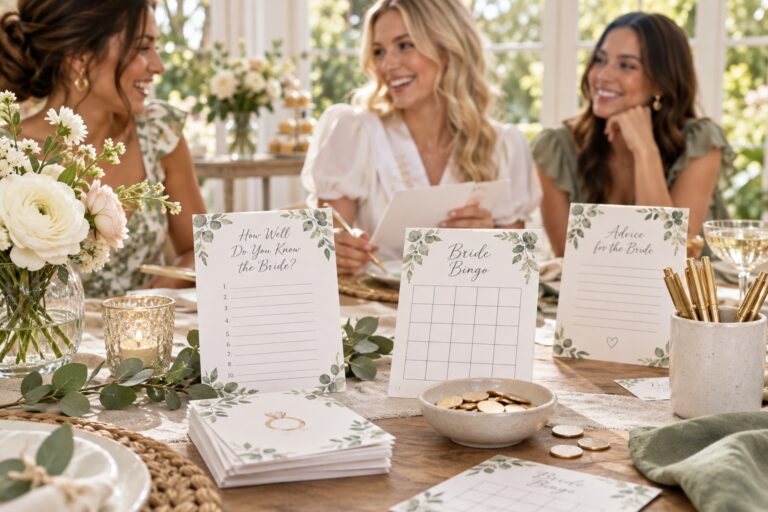
Some of the most useful decorations answer a question. A welcome sign helps guests recognize the event; a menu shows what is being served; a small label can identify a drink station or dietary option; a place card can help guests settle in. Paper goods can therefore contribute to the look while reducing uncertainty. Keep the wording legible and the placement obvious. A sign tucked behind a tall vase is less helpful than a simple card placed where someone naturally pauses.
Do not buy a decorative sign for every surface. Decide where a sign would solve a real problem, then use the same type style or color on the few pieces you need. If guests already know where the food and drinks are, extra labels may add visual noise. Small supporting items can include ribbon, a few flowers, framed photos, napkins, or a chair detail for the guest of honor. Choose only those that fit the room and the plan.
Favor reusable pieces over one-use bundles
Before buying a decoration, ask where it will go after the shower. Vases, picture frames, fabric runners, serving pieces, and battery candles may be easy to reuse or pass along. A custom sign, a personalized banner, or a large installation may still be meaningful, but it should earn its place through personal value or a clear visual role. A bundle can be convenient if most of its contents will be used; it is less useful when the package includes many pieces that do not fit the room or the capsule.
It is helpful to compare decorations by function rather than by quantity. One small floral arrangement that can move from entry table to dessert table may be more useful than several unrelated items. A runner that appears on both the gathering table and the gift table may connect the zones. A set of bud vases can be divided between the tables and later used at home. These choices create variety through placement while keeping the visual language consistent.
Repeat the capsule through the guest journey
Once the kit is set, place it in the order guests experience the event. This gives each decoration a purpose and avoids scattering objects wherever there is empty space. Most showers can work with four zones: arrival, the main gathering area, food or gifts, and one photo focal point. These zones can overlap in a small home. They do not need separate tables or elaborate installations.
Make arrival feel clear and welcoming
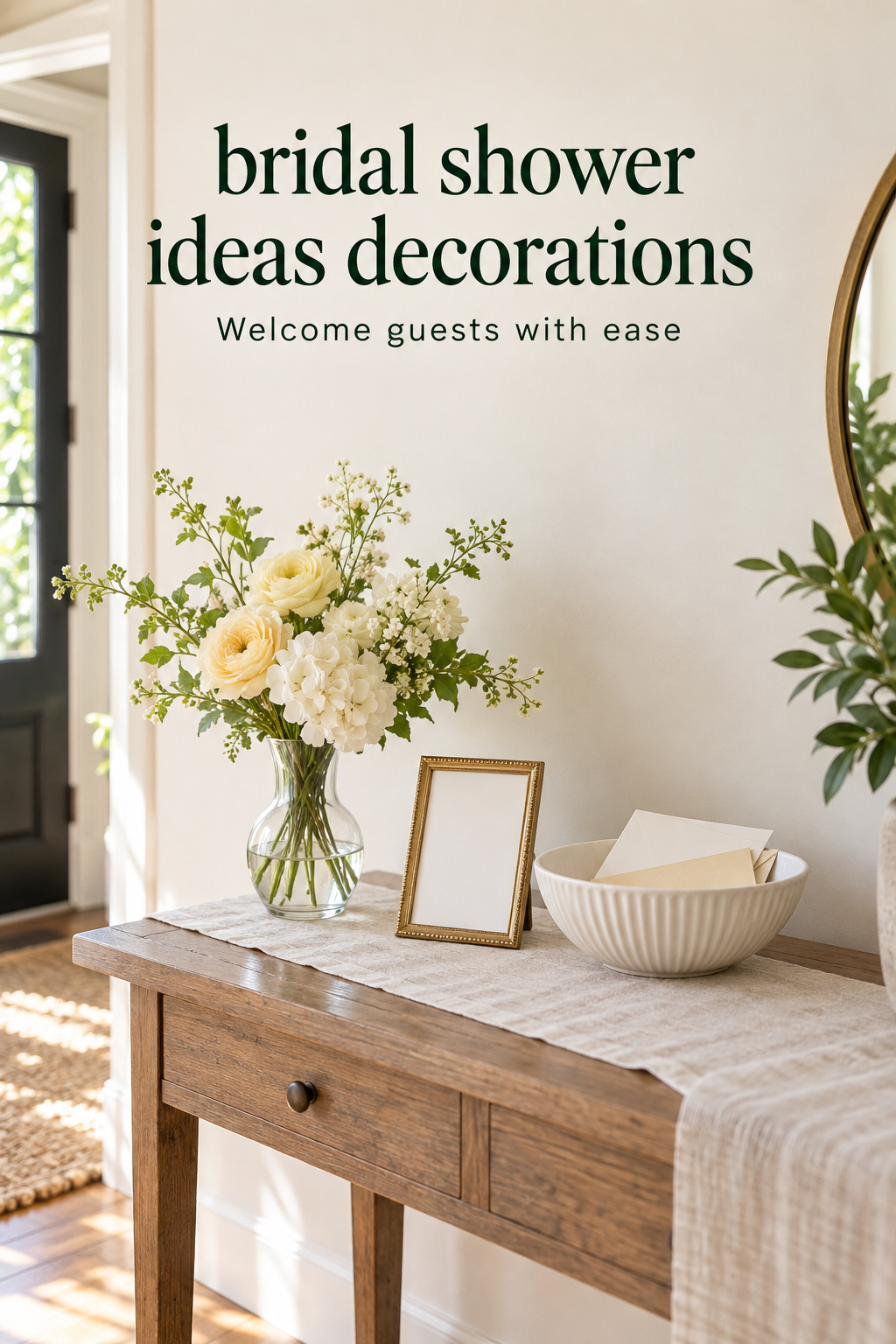
At the entry, use one signal to tell guests they have arrived at the right place. A small welcome sign, a vase arrangement, a basket for cards, or a ribbon detail on the door can do that work. Keep the path open for people coming in with coats, gifts, or food. If the host and bride plan to greet guests, make sure the entry decoration does not block conversation or the doorway.
A framed welcome card on a side table is often enough for a home or restaurant. At an event room, a freestanding sign may be easier to see from the hall. Repeat one color or motif from the main table, then stop. The entry does not need its own theme. A clear first impression helps guests orient themselves and sets up the visual story for the rest of the room.
Keep the gathering table comfortable to use
At the main table, leave room for plates, glasses, serving dishes, and conversation. A low floral grouping or several small bud vases can bring in color without blocking sight lines. Menus, place cards, or napkins can carry the motif in a useful way. If the table is small, choose one central piece and avoid filling every open space with confetti, favors, or extra signage.
For multiple tables, repeat the same centerpiece recipe instead of inventing a new arrangement for each one. A set of three small vases with flowers at different heights may look balanced on a round table; the same set can be arranged in a line on a long table. If candles are part of the look, use them only where the venue permits and where guests can comfortably reach food and drinks. The practical test is simple: can people see each other and use the table easily?
Give food and gifts their own readable place
Food, drinks, and gifts often attract small crowds, so keep their surfaces easy to navigate. Use a runner or repeated vase to link a buffet or dessert table to the main palette. Place a menu where guests choose food. If cards or gifts are being collected, set out a basket or box with enough room around it to approach and leave without crossing a serving line. Let the function determine which decorations belong there.
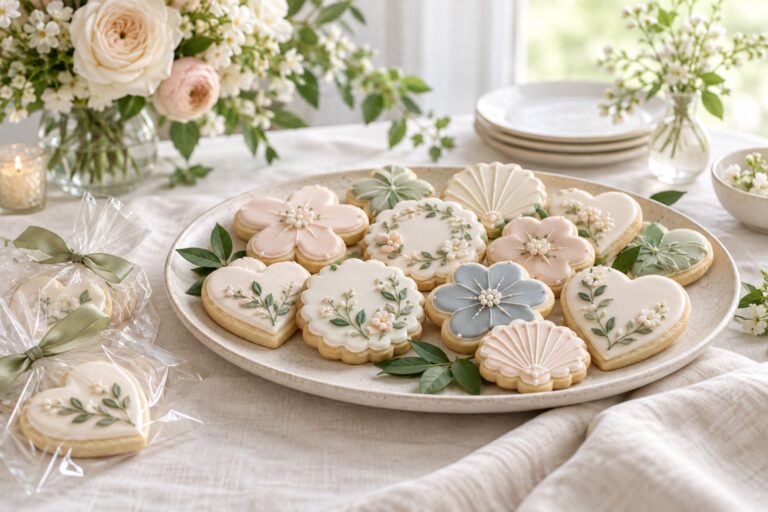
A beverage station might need only a tray, a small sign, and one floral or ribbon detail. The dessert table can become the anchor if it is the most visible display; in that case, keep the rest of the room quieter. If gifts are not being opened during the event, a simple designated surface may be plenty. The decoration should help guests understand the space rather than make them guess where to stand or what to touch.
Choose one photo focal point and edit around it
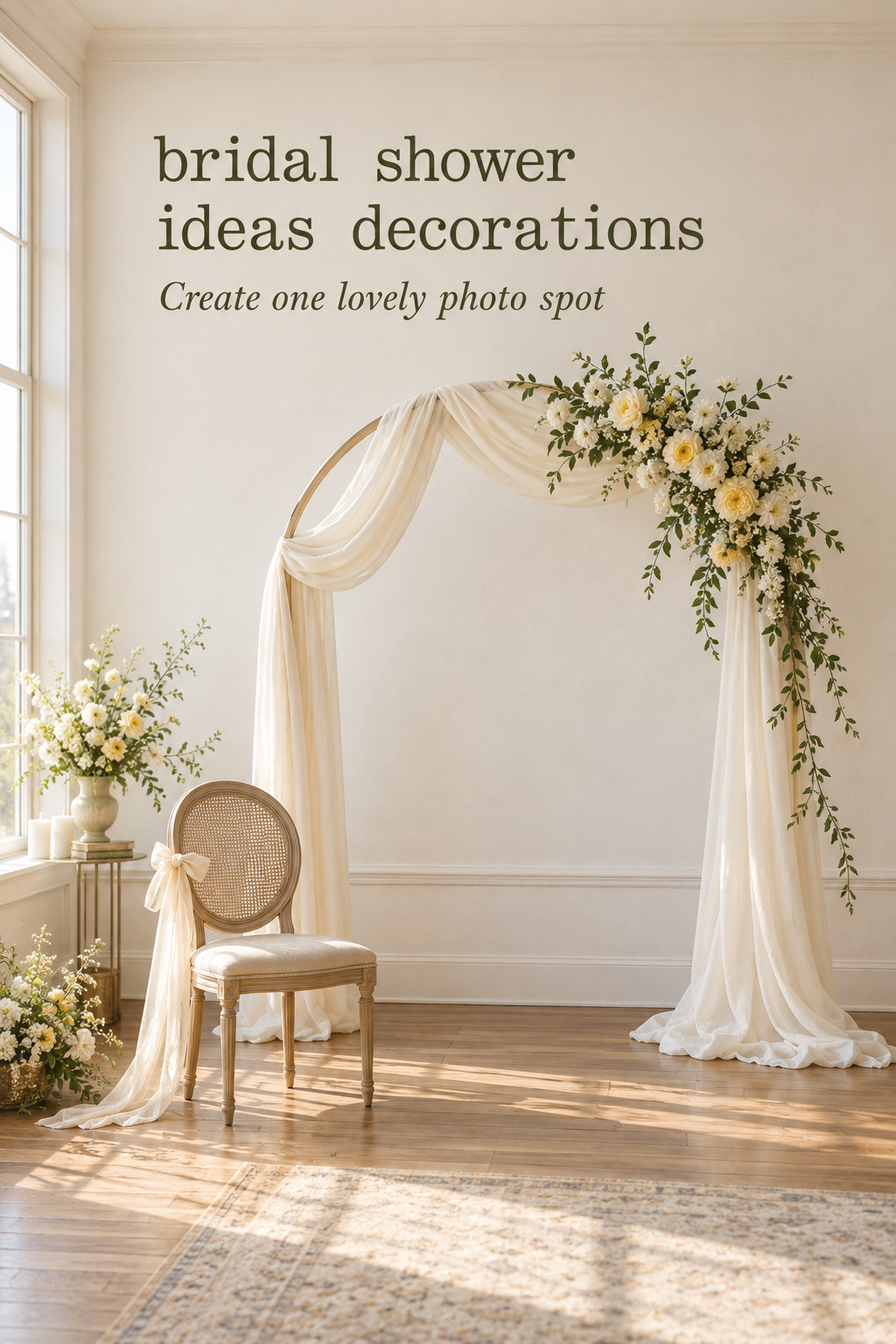
If photographs are important to the bride, choose one spot with a flattering background and enough room for a few people to gather. This may be a decorated wall, a flower arrangement beside a window, a simple banner over a table, or an existing feature of the venue. A focused photo area gives the decorations a clear purpose and helps avoid the pressure to decorate every wall. Keep the surrounding area simple so people remain the focus.
The best backdrop is specific to the room and the people being celebrated. If you want a dedicated photo installation, plan it as one part of the larger capsule. Wedding Look’s separate bridal shower backdrop guide focuses on that single feature. Here, the useful rule is to repeat one capsule detail near the photo spot, then keep the guest path clear. Check what appears behind people from the camera’s likely position, including doors, bins, cords, or a busy service area.
Adapt the decor system to the room and the setup time
The same capsule can look different in different settings. Before finalizing a shopping list, ask what the venue provides, what can be moved, what surfaces may be used, how much setup time is available, and who will pack everything afterward. The answers help you choose pieces that suit the room instead of creating extra work on the day.
For a home shower, let the house supply some of the style
At home, clear a few surfaces and choose where each activity will happen before adding decor. The dining table may be the gathering zone, the kitchen counter the food zone, and a window or bookcase the photo spot. Borrow serving dishes, vases, trays, and frames from around the house. Move distracting everyday items out of the main guest areas, but keep enough familiar texture that the home still feels welcoming.
Home rooms often have limited circulation space. Leave routes between the entry, seating, food, and restroom clear. A freestanding decoration can be easier than attaching something to a wall. If you use candles or delicate pieces, place them where people will not brush against them while serving or moving chairs. The room itself is part of the event, so use its architecture and natural focal points instead of trying to transform every corner.
For a restaurant, coordinate with what is already on the table
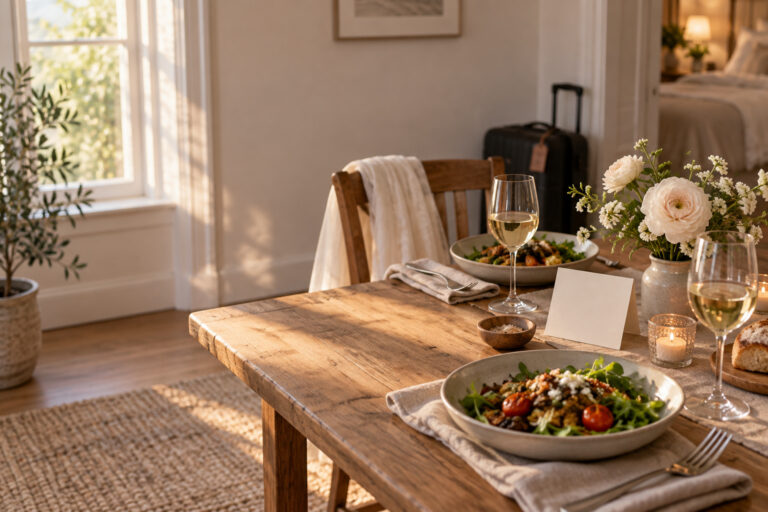
Restaurants may already supply linens, plates, glassware, and table arrangements. Ask the venue what can be moved, when decorations may arrive, and whether any attachment or open-flame restrictions apply. Then bring only the pieces that personalize the celebration: a small menu, a few bud vases if permitted, place cards, or one gift-table detail. If the room is shared with other diners, avoid large signs or items that spill into walkways.
Restaurant tables can be compact, so skip wide arrangements and tall displays that compete with conversation. Use a single repeated detail to echo the bride’s style, such as a colored napkin, a small paper card, or a stem in a bud vase. It may be easier to keep the capsule portable: pack each table’s small items together and let the venue set its standard place settings. That makes arrival and setup simpler for the host.
For a rented room, prioritize freestanding and packable decor
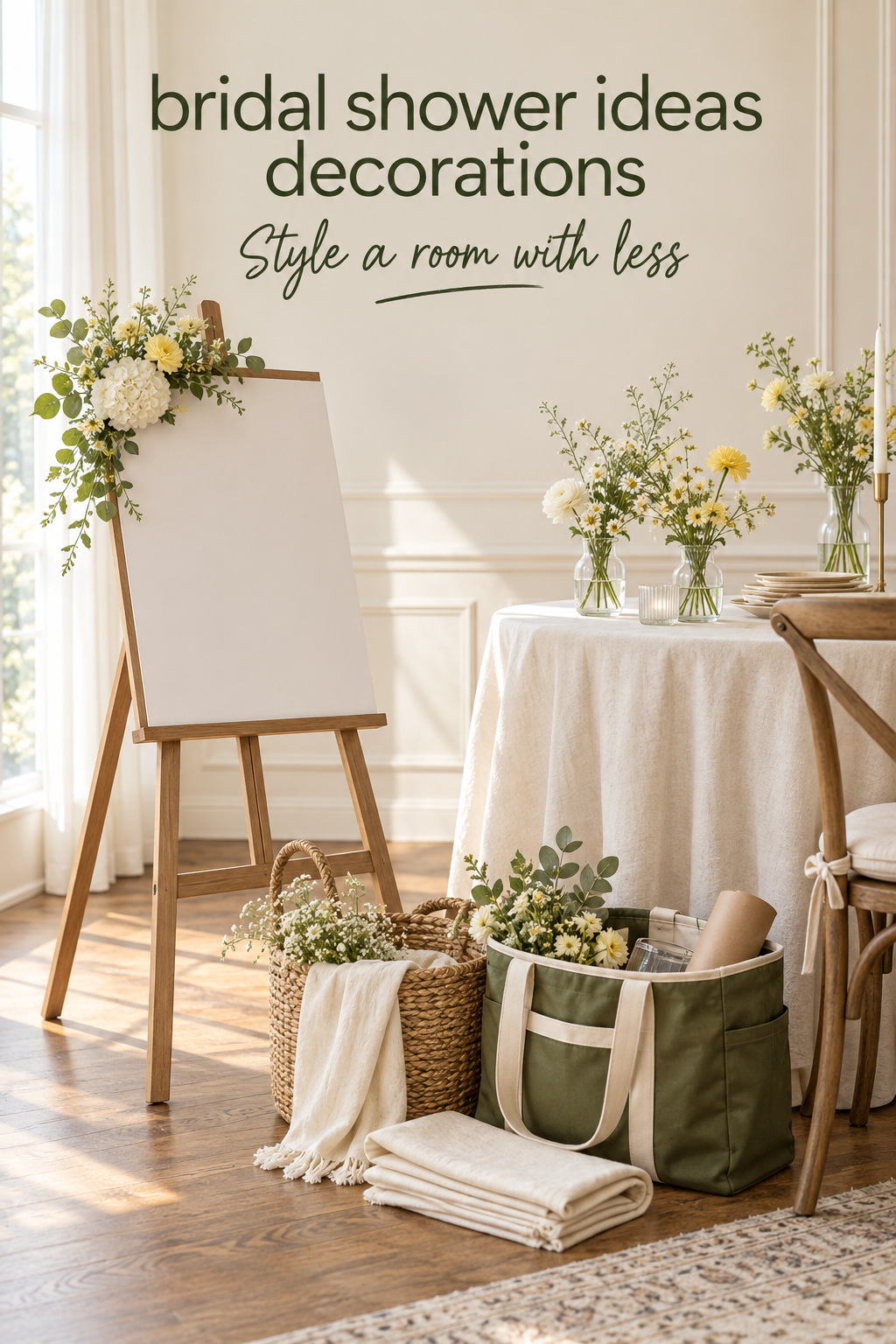
A rented room may offer blank walls and more space, but it also brings transport and setup decisions. Confirm the room access time and venue rules before planning a large installation. Choose freestanding frames, easels, tabletop arrangements, or fabric details that can be placed without altering the room. If a backdrop is important, decide in advance who will assemble and remove it, and how it will travel.
Pack by zone rather than by object type. Put the entry sign, stand, and any small arrangement in one container; group table pieces together; keep food labels and serving details in a separate box. Add a simple photo or written placement note to each container. The Martha Stewart bridal shower checklist includes signage, centerpieces, favors, and other custom pieces among the items to pack for a hotel or restaurant event. A zone-based kit builds on that idea by making setup easier to delegate.
Set a buying order before the small extras take over
When deciding what to buy or make, rank the items by their job. First cover the pieces that help guests navigate or use the event: the entry cue, basic table setup, food labels if needed, and a way to collect cards or gifts. Next choose the anchor. Then add a few details that repeat the capsule, such as flowers, ribbon, paper goods, or a framed photo. Leave optional accents until the room plan is clear.
- Confirm the guest count, venue, available furniture, and what the bride would enjoy.
- Choose one main color, one supporting color, a neutral, one motif, and a short texture list.
- Sketch the four guest zones and mark what each one needs to do.
- List what can be borrowed, what the venue already supplies, and what must be brought.
- Select one anchor and repeat one or two capsule details in the other zones.
- Pack items by placement area and assign one person to each setup task.
Prepare the small details before the event. Print or write signs, assemble paper pieces, test how a centerpiece sits on the table, and group items into labeled containers. If several helpers are involved, give each person a short task with a location, such as “place the three bud vases on the dining table” or “set the welcome card by the entry.” This is clearer than asking someone to make the room look nice with a box of mixed supplies.
During setup, place the largest functional items first: furniture, food surfaces, and the anchor. Add the repeated capsule details after the layout is settled. Walk through the room as a guest would. Can you find the entry, see where to sit, reach food, and understand where photos might happen? Remove any decoration that blocks a route, hides a useful sign, or competes with the bride. A short final edit often improves the room more than adding one last item.
After the shower, collect reusable pieces before dismantling the rest. Return borrowed items, separate keepsakes, and set aside decor that can be used at another celebration or passed to a future host. A capsule makes this easier because the pieces were chosen to work together and serve clear purposes. The best plan is one the host can set up calmly, guests can use naturally, and the bride can recognize as personal.
Sources and methodology
This article draws on a review of ten US English search results covering bridal shower decor roundups, planning checklists, table details, venue preparation, and setup. The sources commonly list signs, flowers, table settings, photo features, and packing needs. This guide turns those items into a reusable room-by-room capsule system, with examples framed as adaptable styling advice rather than universal rules. Product prices and trend claims were left out because they can change and are not needed to answer the query.
FAQ
What decorations do you need for a bridal shower?
Begin with the items that help guests arrive and use the room: a welcome cue, comfortable table setup, food or drink labels if needed, and a designated place for cards or gifts. Then choose one visual anchor, such as flowers, a dessert table, or a photo area. Add only a few repeated details that support the palette and the bride’s preferences.
How do I decorate a bridal shower without a theme?
Use a small color palette, one or two compatible textures, and a repeated object such as bud vases, ribbon, or framed cards. Personalize the look with a favorite flower or color rather than naming a theme. A consistent set of choices can make the room feel connected without adding themed phrases to every decoration.
How many focal points should bridal shower decor have?
Usually one main anchor is enough, with smaller supporting details in the other guest zones. A second focal point may make sense in a large room or when guests use two separate areas, but it should share the same palette or motif. In a small home or restaurant, one anchor keeps the room easier to navigate and photograph.
What are simple bridal shower table decoration ideas?
Try a runner, a few low bud vases, a menu or place card, and one repeated ribbon or color detail. Keep enough room for plates, glasses, serving dishes, and conversation. If the venue already provides attractive tableware or linens, let those pieces form the base and add only a small personal accent.
How can I decorate a bridal shower on a budget?
Set the room plan before shopping, borrow useful vessels or frames, and choose one anchor rather than many unrelated accents. Prioritize signs that solve a navigation problem, table pieces guests can use, and decorations that can be reused or moved between zones. Skip extras that do not fit the palette or have a clear role.
How do I decorate a restaurant for a bridal shower?
Ask what the restaurant supplies and what its rules allow before bringing decor. Then choose portable details that fit the existing tables, such as a small menu, place cards, or a few bud vases if permitted. Keep centerpieces compact, avoid obstructing walkways, and designate one person to bring and place the items.
How do I make bridal shower decorations feel cohesive?
Repeat a small set of visual choices in more than one zone. Use the same accent color in the entry and on the table, echo the flower from the anchor in smaller vases, or repeat one ribbon detail on paper goods. Cohesion comes from a few clear connections, not from matching every item exactly.