Tea Party Bridal Shower Ideas for an Easy, Lovely Event
A tea party bridal shower can feel beautifully considered without turning the host into a full-time server. The most common stress point is not choosing between roses and ribbons; it is trying to make one room, one menu, and a small team handle more guests and more activity than they can comfortably support. Start with the people and the room, then build the tea service around them. These tea party bridal shower ideas help you choose a workable format, plan how guests move through the gathering, and keep the bride at the center of the afternoon.
Before you order teacups or print a game, answer three questions: How many people are coming? Where can everyone sit and eat? Who will be free to pour, replenish, and welcome guests? Your answers will point toward a seated tea, a relaxed buffet, or a hybrid. From there, a few personal details and a clear sequence are enough to make the celebration feel special.
Choose the tea-party format the room can actually support
Choose the service style before choosing the visual theme. A long, seated tea asks for enough chairs, table space, and hands to serve drinks and food. A buffet gives guests more freedom to move, but needs a clear queue and surfaces for plates and cups. A hybrid can offer tea and a few bites at the table while guests help themselves to refills or dessert from a separate station. None is automatically more elegant. The best choice lets guests settle in without making the host rush between the kitchen and the bride.
For a small gathering, keep the service close
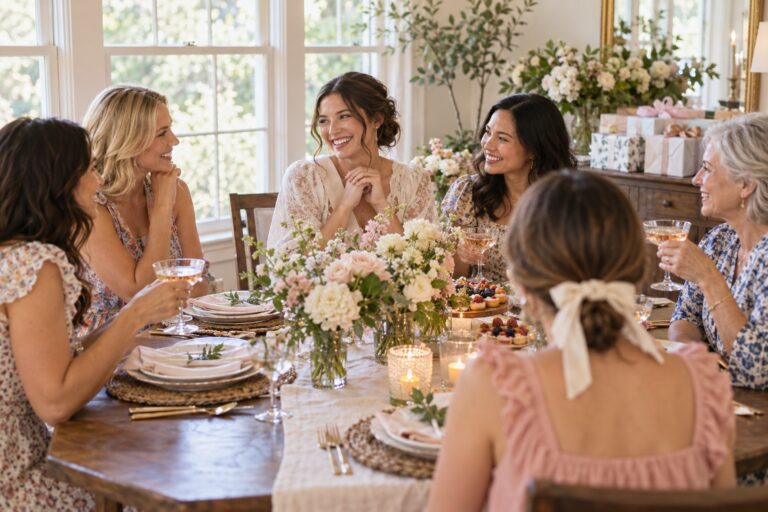
When the guest list is intimate and everyone can fit around one table, a seated tea creates an easy shared rhythm. Set cups, napkins, water, and a small menu card before guests arrive. Put a teapot or hot-water source where it can be reached without crossing the bride’s place or passing over someone else’s plate. Serve food in a few manageable rounds rather than trying to balance every tiered stand and activity at once. If you have just one host, choose a menu that can be plated ahead and ask one trusted helper to manage drinks.
Your wedding look is only the beginning.
Keep your guest list, vendors, timeline, and every important detail together with Zarellea — so your day feels as considered as your style.
At home, think about the entire visit, not only the dining table. Guests may need somewhere to put coats, a clear route to the restroom, and a place for gifts that does not block the kitchen. If some people will sit in a living room or on a patio, carry a small tray of cups and napkins to that area rather than expecting everyone to crowd around a single counter. A relaxed arrangement is still intentional when each guest can find a seat and understand where refreshments are.
For a larger group, buy back the host’s attention
As the guest list grows, serving tea one cup at a time can consume the whole event. Consider a venue with staff, a caterer who can manage a tea service, or a buffet station that guests can use themselves. Before booking, ask how many guests can be seated at once, where hot water and used dishes will go, what the venue supplies, and whether staff will refill pots or only deliver the first round. A recent large-group planning guide emphasizes simultaneous seating, service staffing, and extra space for gifts and dessert as practical needs once a tea shower reaches several tables. The Hill’s guide for larger tea-party showers is a useful prompt for venue questions.
If the venue cannot provide ongoing service, assign a tea steward before the day. This person can watch the kettle, refill hot water, set out clean cups, and tell the host when a station needs attention. Do not make the bride or the person leading a toast responsible for replenishing drinks. If hiring help is outside the plan, simplify the service: use fewer tea choices, make water and a second beverage easy to reach, and place the food where one helper can refresh it without interrupting the gathering.
Use a hybrid when guests need both structure and freedom
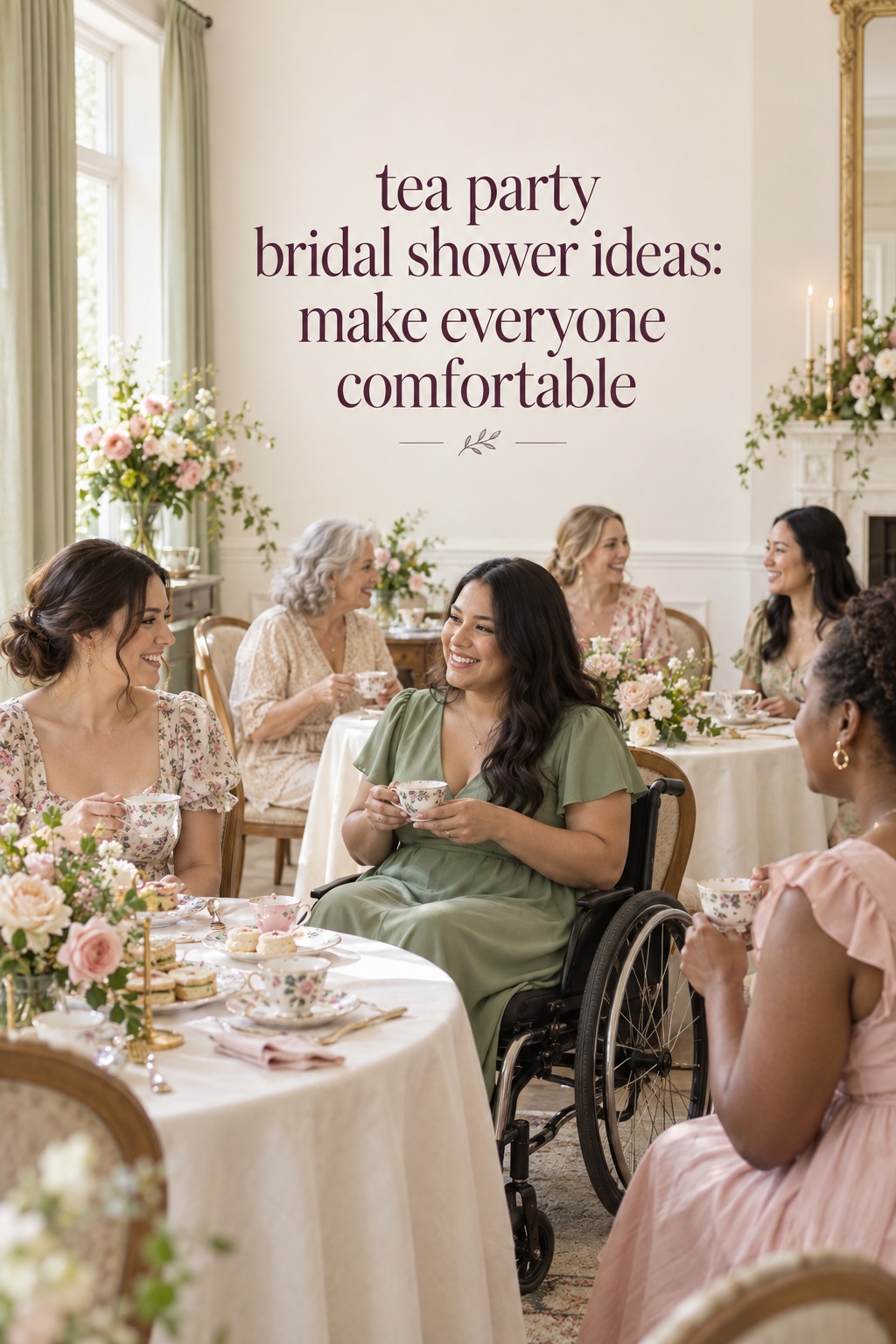
A hybrid is useful when a group is too large for one table but you still want a shared moment. Seat guests in small groups, place water and a first cup at each setting, and use one central station for extra tea, plates, and sweets. Guests can begin together, then move naturally to conversation or a photo without forming a line for every item. Keep the bride’s seat easy to reach from the main group, and leave a comfortable route for anyone who uses a cane, wheelchair, or other mobility aid.
Design the guest journey before the menu
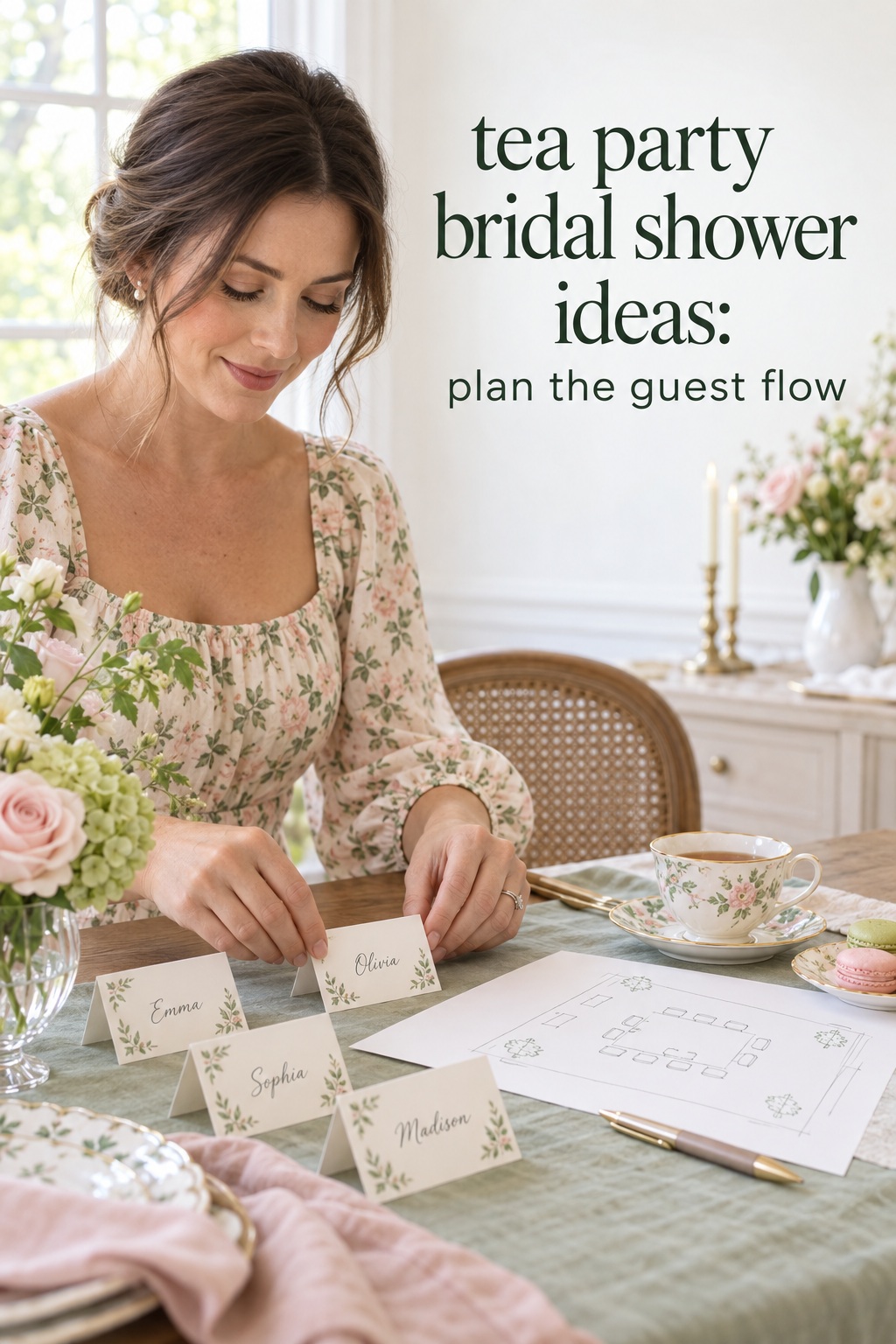
Walk through the event from the guest’s point of view. Where do they arrive? What do they do with a coat or gift? How do they find a seat, get a first drink, and understand when the next part begins? This simple route map can prevent the common pileup in which the entry, buffet, and gift table all compete for the same few feet. It also helps you decide which decorations earn their place: a welcome sign is useful if guests need direction, while a small arrangement at the tea station can make that area feel finished.
Give each area one clear job
Mark the entrance, seating area, food and drink station, gift area, and any photo or activity spot. These do not need separate rooms or elaborate signs. In a home, the entrance might be a console with a welcome card, while gifts sit on a side table beyond the path to the dining room. At a restaurant, ask staff where gifts can be placed and whether the dessert display shares space with service. A guide from Destination Tea also identifies gifts, cake, speeches, and a photo station as zones hosts may need to plan, alongside the tea table. Use that as a quick room scan, then keep only the zones your event will actually use.
Keep traffic moving in one direction where possible. Guests should be able to approach the drink station, choose a cup, and step away without passing through the seated group or blocking the food. Put used cups near a sink, bussing cart, or clearly marked tray. If guests will open gifts, place the bride’s chair where people can see her without moving furniture mid-event. The gift table can be nearby, but it should not sit in the entrance or cut off access to refreshments.
Decide whether gift opening belongs in the program
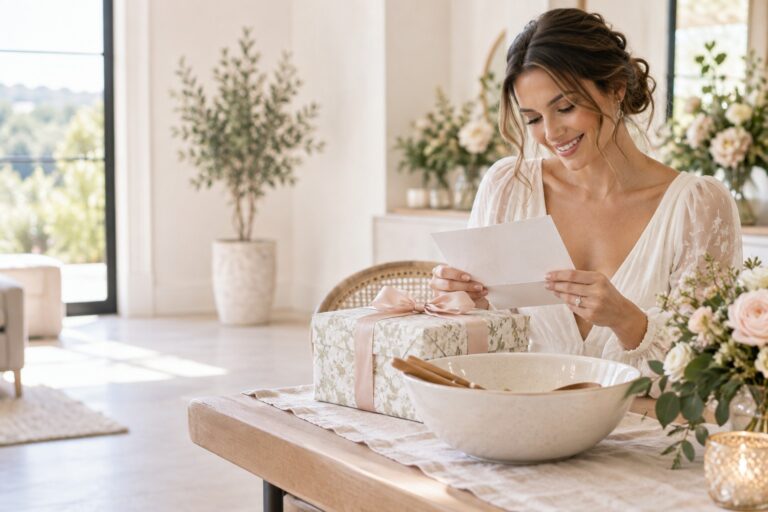
Gift opening can be a warm shared moment, but it is optional. Check what the bride prefers and how much time the group has. If she wants to open gifts, make a comfortable place for her to sit, give someone the job of collecting cards and packaging, and leave space for guests to watch without standing in a doorway. If she would rather open gifts privately later, use the time for a toast, a short activity, or unhurried conversation instead. Tell guests what to expect in the invitation or welcome so no one waits for a formal moment that is not planned.
Use the invitation to prevent avoidable confusion
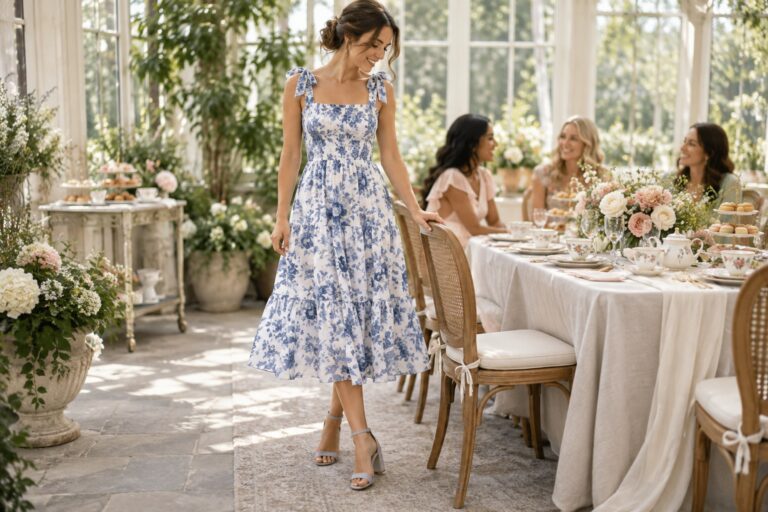
Give guests the details that affect their choices: start and end time, address, parking or entry instructions, whether the gathering is seated, and whether there is a dress suggestion. If tea is the theme but the menu includes coffee, lemonade, or another option, say so when useful. A dress code should describe the level of formality, not require guests to buy a costume. A line such as “garden-party attire, comfortable shoes welcome” sets a tone while leaving people room to choose what works for them.
Build a menu and tea service you can deliver
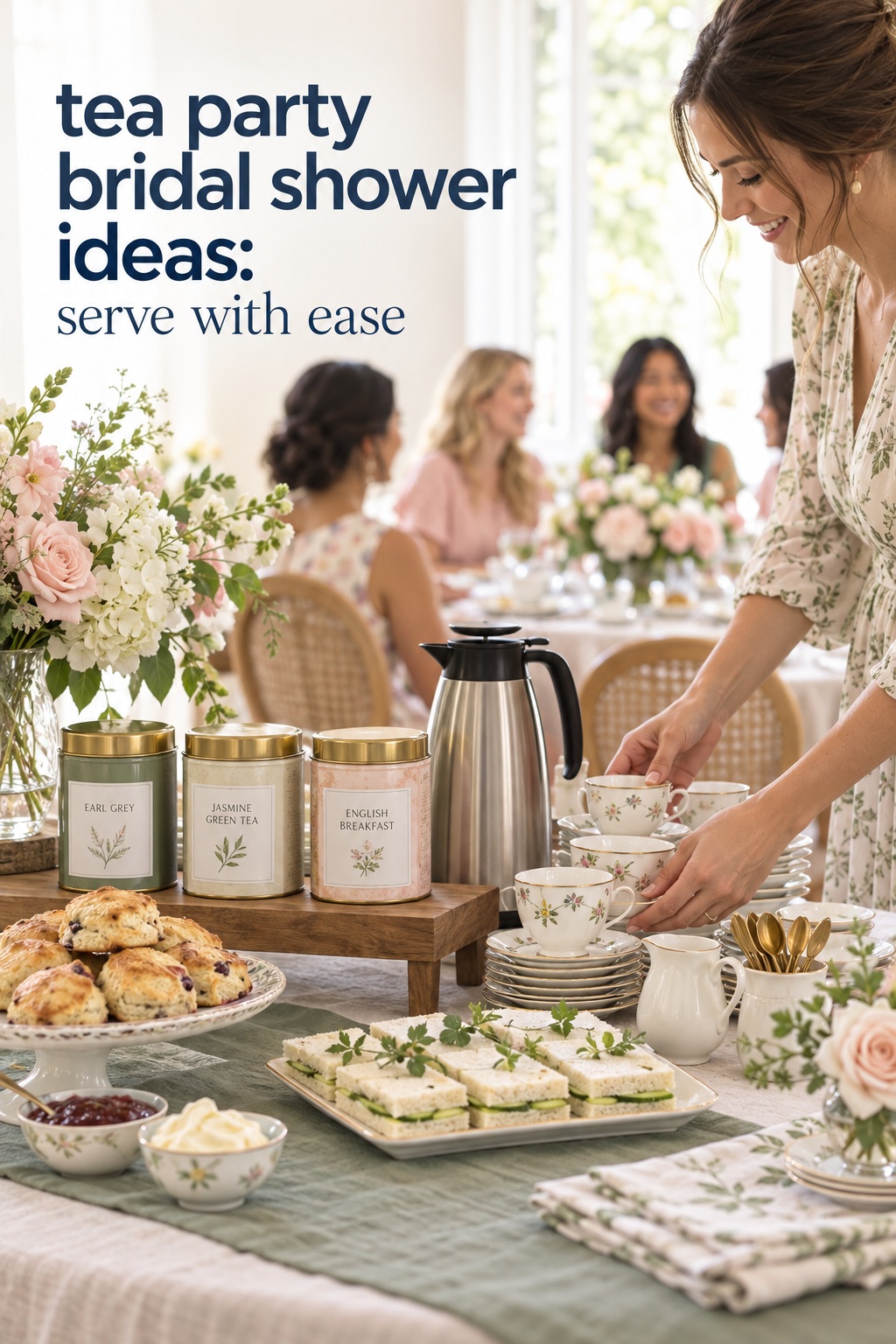
A tea menu does not need to imitate a hotel service. Choose a small group of savory bites, one substantial or signature item, a few sweets, and drinks that suit the time and guests. Then ask whether the menu replaces a meal or simply accompanies conversation. That distinction matters more than the number of recipes: a light afternoon snack and a lunch-hour shower create different expectations. The bride’s favorite flavor or a family recipe can make the menu personal without requiring every item to be themed.
Pick food by preparation effort and serving behavior
Choose foods that can be prepared ahead, held safely, and eaten comfortably while seated. Finger sandwiches, small savory tarts, fruit, scones, cookies, and bite-size cakes are familiar options, but use only the ones that fit the host’s skills and kitchen. Avoid a menu that depends on last-minute frying, individual plating for every guest, or a complicated garnish station unless a caterer is handling it. A tea-party planning article from Epicurious advises keeping the mood relaxed and cutting an extra task when preparation is running short. That is a useful rule for any host: remove a dish before sacrificing the time you meant to spend with the bride.
Confirm allergies and dietary needs privately before finalizing food. Label items with clear names, and ask a caterer or knowledgeable cook about ingredients when there is any uncertainty. Keep separate utensils for dishes that need them. The goal is not to promise that every item suits every guest; it is to make choices visible and give people an easy way to ask questions. If the venue is serving the menu, confirm who will answer those questions on the day.
Choose tea options that simplify refills
Offer a short, understandable selection instead of a long list of blends. One familiar caffeinated tea, one caffeine-free option, and a non-tea drink give guests a straightforward choice. Water should be easy to find. If the shower is outdoors or warm, a chilled drink can be more appealing than another hot pot. Use labels, keep tea bags or infusers near the cups, and decide who will bring fresh hot water. A separate kettle or insulated carafe can help a self-serve station stay manageable, provided the venue allows it and someone can monitor it.
Think through the physical service as well as the menu. Are mugs or teacups stable on the surface? Can a guest reach milk, sweetener, or lemon without stretching across hot water? Where will a used teabag go? If guests carry cups between areas, give them a place to set them down. Small practical details keep a pretty tea table from becoming a bottleneck.
Make the setup personal with a few deliberate details
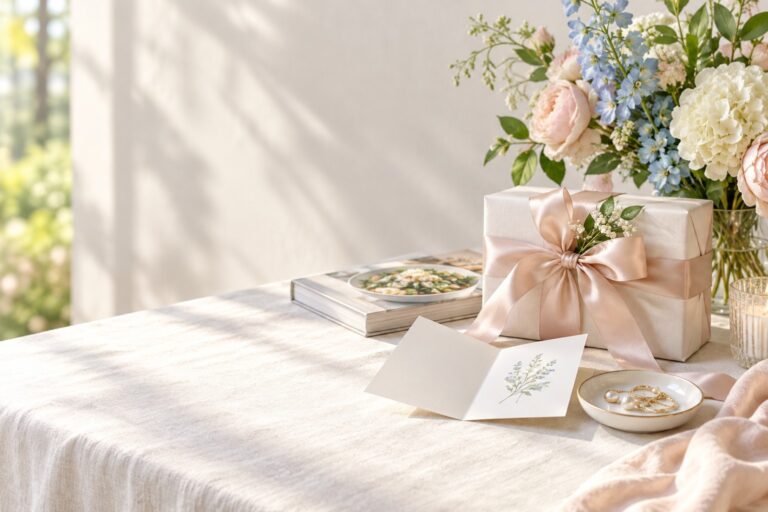
Once the service works, add a visual thread. Choose one palette from the bride’s preferences, a floral print she loves, or china that has a family connection. Repeat it in two or three places: invitation, table card, and a ribbon on the favor, for example. Mismatched cups can look charming when a shared color or simple flower ties them together. Fine china, vintage props, and a dramatic themed backdrop are optional. If the bride prefers a modern brunch, clean linens and a simple tea menu may feel more like her than a full Regency-inspired room.
Choose decor that does not interfere with conversation or service. Keep arrangements low enough for guests to see each other, leave room for plates and hot pots, and avoid placing candles or delicate objects where servers need to pass. One small keepsake, such as a recipe card guests fill out or a note beside the bride’s cup, can be more meaningful than multiple matching favors. The look should support the gathering rather than create extra jobs.
Assign the work and make the room comfortable
A host should be able to greet people and spend time with the bride. Write down the few jobs that repeat during the event, then give each one an owner. For a small shower, one co-host can welcome guests while another watches tea and food. For a venue event, confirm which jobs belong to staff and which remain with the host. “We will keep an eye on it” is not an assignment; a name next to each task prevents two people from assuming someone else is handling it.
Give helpers clear, limited responsibilities
Keep the handoffs simple. One person can manage arrival and gifts, another can oversee tea and water, and a third can cue the toast or activity. If someone is responsible for taking photos, agree on a few important moments rather than expecting them to document every minute. Tell each helper where supplies are and who to contact if something runs out. Guests who offer help can be given one contained task, such as bringing a named dish or collecting advice cards, instead of being left to guess what the host needs.
Build a small setup kit with tape, scissors, a marker, spare napkins, a serving spoon, and any labels or printed cards you need. Keep it out of guest view but easy for the point person to find. If the event is at a venue, ask what cleanup and leftover handling are included. Return borrowed teacups to their owners or pack them in a labeled box before the room is cleared.
Plan for comfort, not just the photograph
Make sure guests can sit, hear a toast, and reach refreshments. Leave a clear path between tables and provide a chair with arms or a supportive seat if that would help a guest. Check whether the room is too warm for hot tea or whether an outdoor table needs shade. Do not assume every guest drinks tea, wants alcohol, enjoys party games, or wants to wear a hat. Offer alternatives without making anyone explain a personal choice in front of the group.
Activities should make conversation easier, not take over the afternoon. A short table quiz, a set of optional advice cards, or a simple tea tasting can work while guests remain seated. Choose one or two moments and leave open time around them. If the group already knows one another, conversation may be all the entertainment needed. If guests come from separate parts of the bride’s life, a light activity can help people connect without requiring anyone to perform.
Use a calm run-of-show with a backup
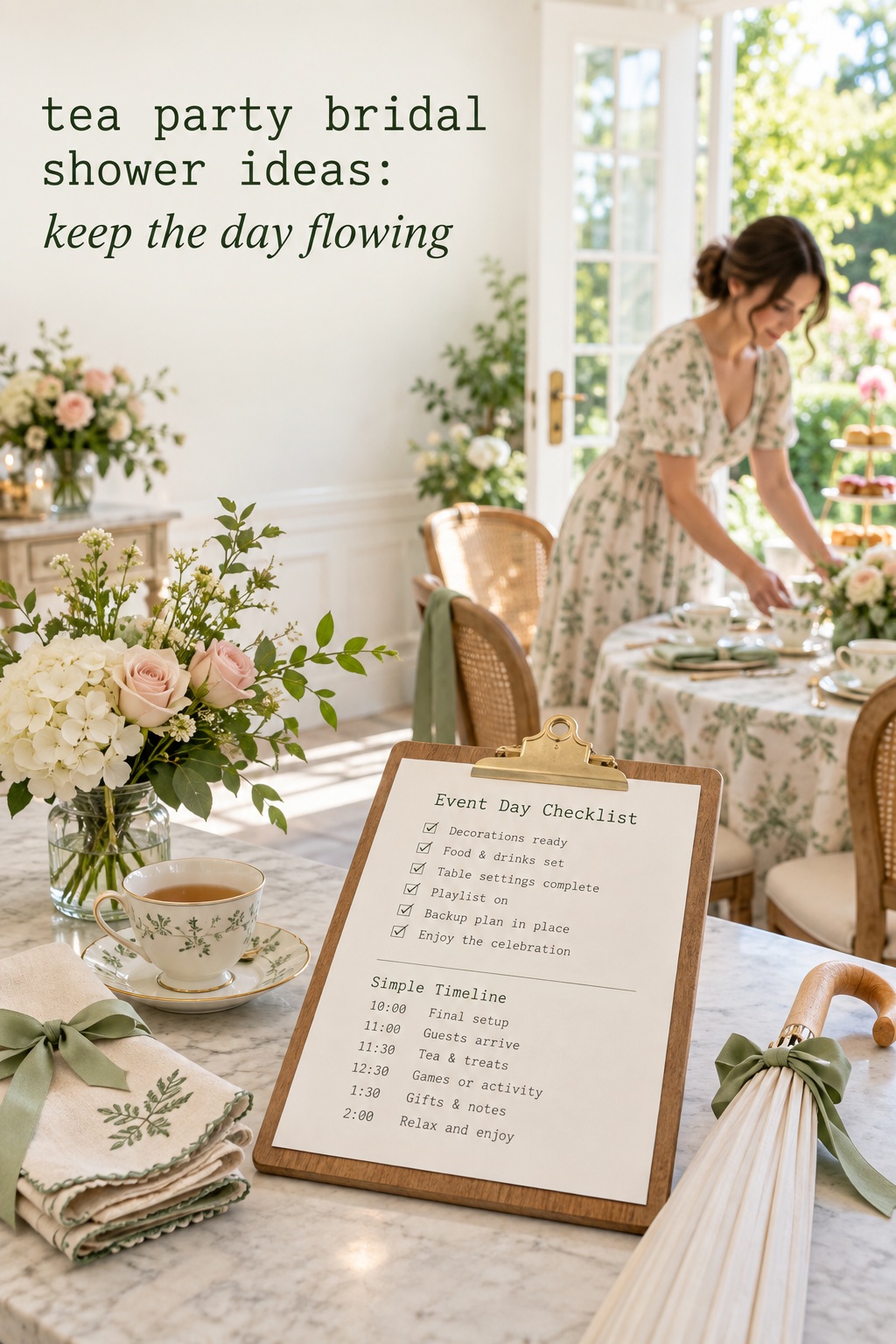
A short run-of-show gives the host a path through the afternoon without making the event feel scripted. Adjust it to the venue and the bride’s preferences. For a two-hour gathering, you might welcome guests and offer a first drink, settle everyone for tea and food, pause for a toast or one activity, leave a window for gifts if the bride wants them, and finish with dessert and relaxed conversation. Share the sequence with helpers so the host is not the only person watching the clock.
Prepare the room in the order guests will use it
Set the entrance and seating first, then prepare the drink and food stations, and finish with personal details. Check the path from the door to the seats and the restroom. Put nonperishable items in place early, but keep food that needs refrigeration chilled until serving. Confirm who is bringing each item and when it will arrive. If the event includes a venue or caterer, exchange one final contact number and arrival time rather than relying on a group message thread on the day.
Before guests arrive, make one lap through the room as if you were attending. Can you find a cup? Is water visible? Is there somewhere for a bag? Does the gift area leave a route open? Can the bride sit and stand comfortably? Is the activity material ready but not demanding attention before people settle? Fixing these small friction points early is easier than rearranging the room once everyone is inside.
Choose a simple backup for the one thing most likely to change
Do not try to prepare for every imaginable problem. Identify the main vulnerability: outdoor weather, a tight setup window, limited hot water, or a late food delivery. Then agree on one adjustment. For a garden tea, know which indoor room can take the essential seating and food. If a venue’s kettle fails, know whether hot water is available from the kitchen. If a dish is delayed, have a reliable replacement that does not require a last-minute cooking project. A useful backup is specific enough to act on and small enough to remember.
After the event, give borrowed items back promptly, share any photos the bride wants, and thank helpers by name. The strongest tea-party memory is rarely a perfectly matched cup. It is the feeling that the bride had time to enjoy the people who came to celebrate her.
FAQ
How do I plan tea party bridal shower ideas for a large group?
Start with simultaneous seating, service capacity, and room for food, gifts, and circulation. Ask a venue or caterer how tea will be replenished and who clears used dishes. A staffed service or self-serve drink station with a named steward is easier to manage than having one host pour every cup.
What food should I serve at a bridal shower tea?
Choose a manageable mix of savory bites, a filling item if the shower replaces a meal, and a few sweets. Favor dishes that can be prepared ahead and served without complicated last-minute work. Confirm dietary needs and label food clearly, especially when a caterer or several helpers are involved.
Do I need formal tea service or fine china?
No. Use the service and tableware that fit the bride, venue, and host capacity. Borrowed cups, sturdy mugs, or a buffet can feel welcoming when they are clean, easy to use, and part of a thoughtful setup. Formal service is one option, not a requirement for a tea-themed shower.
Should a tea party bridal shower have games?
Games are optional. One short seated activity can help guests from different groups connect, but leave room for conversation and the bride’s preferences. Advice cards, a light quiz, or a small tasting prompt can be easier to fit into a tea service than several activities that require everyone to move around.
What should guests wear to a tea party bridal shower?
Describe the level of formality on the invitation if it matters, and keep the wording flexible. A garden-party or dressy-casual suggestion is clearer than implying that guests need hats, gloves, or themed outfits. Consider the venue, weather, walking surfaces, and comfort when choosing the dress guidance.
What if some guests do not drink tea?
Offer water and at least one non-tea drink, and make the options easy to see. The theme can come through in the food, table setting, or invitation; no guest needs to drink tea to take part. Ask about preferences in advance when the group includes specific dietary or accessibility needs.