Bridal Shower Themes: A Practical Guide to Choosing One
Choosing from hundreds of bridal shower themes can make a generous offer to host feel like another assignment. A good theme should make decisions easier, help the guest of honor feel recognized, and give guests a clear sense of the gathering. It does not need to dictate every napkin, favor, or outfit.
Start with the person being celebrated, then check the practical shape of the event. Once the idea fits her preferences, the guest group, the venue, and the host’s capacity, carry it through a few visible details and stop before the planning becomes a prop hunt. The result can feel personal and cohesive without requiring a large budget or a room full of matching decorations.
Start With the Guest of Honor and the Feeling She Wants
The most useful first question is not “What is trending?” but “What would make this feel like her?” A shower is a celebration for a particular person, so the theme should reflect something she enjoys or a mood she would be comfortable spending an afternoon inside. That may be a favorite kind of food, a hobby, a color she already uses at home, or simply a preference for a relaxed conversation over a highly produced party.
If you are the host, ask the bride a few focused questions before researching ideas. Find out whether she wants a surprise, what kinds of gatherings she enjoys, whether there are colors or activities she would rather avoid, and if she wants a traditional gift-opening format. A short conversation can prevent an elaborate plan that looks charming in a photo but feels uncomfortable in person. If the event is meant to be a surprise, ask someone close to her to help you check those preferences discreetly.
Your wedding look is only the beginning.
Keep your guest list, vendors, timeline, and every important detail together with Zarellea — so your day feels as considered as your style.
Translate answers into a feeling, not yet a shopping list. “Quiet and warm,” “playful and hands-on,” “bright and social,” and “classic afternoon tea” are useful starting points. A feeling gives you room to adapt if a venue, date, or guest list changes. A highly literal concept can be fun when the honoree loves it, but it can also create pressure to find themed outfits, custom signage, and decorations that are used once.
Consider how the shower relates to the wedding without copying the wedding itself. If the couple is planning a formal black-tie celebration, the shower could be an easygoing garden lunch. If the wedding already has a bold color story, the shower might use a favorite book, recipe tradition, or coffee ritual instead. Ask what feels distinct and enjoyable for the honoree, rather than treating the shower as a preview event that must match every wedding detail.
It can help to separate a theme from a palette. A “bookshop afternoon” is a concept with a setting, conversation cues, and possible activity. A palette of sage, cream, and soft gold is a visual direction. Either can be enough. A theme can be as light as a color, a favorite dessert, or a shared hobby. The important test is whether it makes planning decisions clearer and makes the guest of honor feel considered.
Write down two or three candidate ideas and the reason each one suits her. If you cannot explain the connection without relying on “it is popular,” keep looking. For inspiration, broad idea roundups can help you notice possibilities, but treat them as a menu rather than a to-do list. The Knot’s theme guide also recommends weighing practical details such as timing and budget alongside inspiration: The Knot’s bridal shower themes guide.
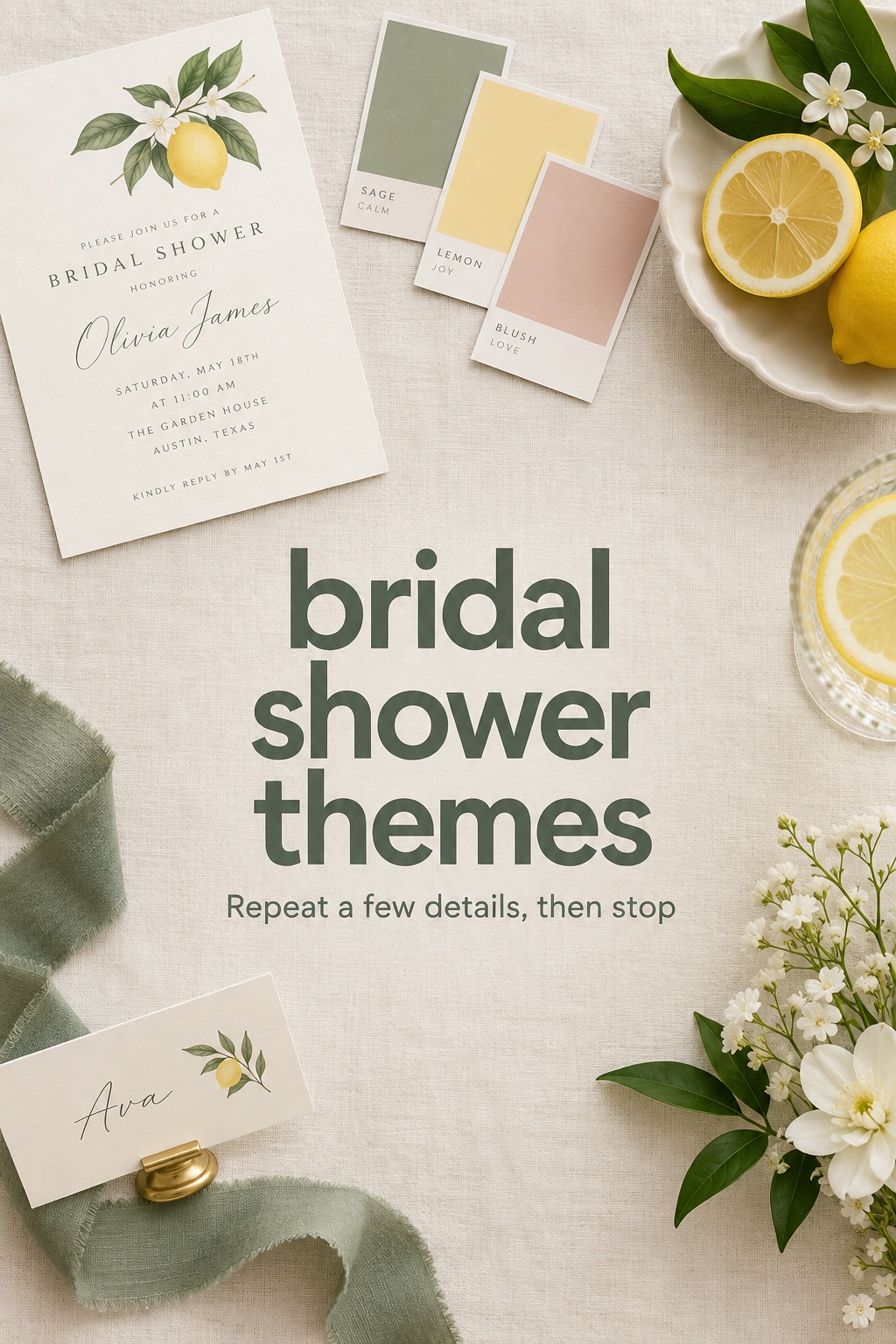
Run Each Idea Through Four Practical Filters
A promising idea still needs to work for the actual gathering. Before choosing it, test it against four filters: the event format, the guest group, the venue, and the host’s available time and resources. This step turns a saved image into a plan you can explain, price, and carry out.
Format: What will guests actually do?
Picture the rhythm of the event. Is it a seated lunch, a drop-in open house, a tea, a cooking activity, or a short afternoon at home? A theme should support that format rather than compete with it. A recipe exchange naturally fits a meal where guests have time to talk. A garden theme suits a venue where people can move between the table and outdoor seating. A relaxed brunch can be guided by a favorite fruit or pastry without turning the menu into a costume party.
Decide how much structure the bride wants. Some people enjoy games and a scheduled gift opening; others prefer a loose gathering. If the party is mainly conversation, a complicated scavenger hunt or a craft that requires everyone to stand at one station may interrupt the very mood you are trying to create. Make the activity optional, brief, and easy to join late.
Guest group: Who needs to feel included?
Think about the people invited and how well they know one another. A shower may bring together relatives, longtime friends, coworkers, and members of a wedding party. A theme that depends on inside jokes can leave some guests watching from the edge. A memory card, conversation prompt, or shared recipe can invite participation without asking strangers to perform or reveal personal stories.
Consider ages, mobility, dietary needs, and comfort with the activity as part of ordinary hospitality. A theme should not require guests to buy a special outfit or bring an expensive item to participate. If there is a dress suggestion, make it optional and easy to understand, such as “garden colors” rather than a narrow costume. If the group includes people who do not drink, make the central toast or tasting work with nonalcoholic choices too.
Venue: What does the place already provide?
Let the venue shape the scale of the idea. A restaurant may already have distinctive furniture, tableware, and service rules. A home offers flexibility but makes setup and cleanup the host’s responsibility. A backyard introduces weather, shade, seating, and a route to an indoor backup. A theme that requires hanging a large backdrop or moving furniture may not fit a small rental room or a venue that restricts attachments.
Before you commit, ask what is included, what may be moved, when setup can begin, and who handles cleanup. A space with warm wood and a long table may already support a harvest lunch or cookbook theme. A bright private dining room might need only flowers and printed menus to feel intentional. Choosing a concept that works with what is already there can reduce both cost and labor.
Host capacity: What can the organizer manage?
Be realistic about the people, money, time, and setup help available. A host who is also cooking should not plan a theme that requires a handmade favor at every place setting. If the budget is modest, choose one visible focal point and reuse items you own. The Knot’s budget ideas include building the look around existing serving pieces and selecting activities that do not require new supplies: budget-conscious bridal shower ideas.
Give each candidate a quick green, yellow, or red mark for these four filters. Green means it fits as planned. Yellow means a small adjustment would make it workable. Red means it adds cost, discomfort, or venue demands that do not serve the guest of honor. Choose the idea with the strongest overall fit, not the one that needs the most convincing.
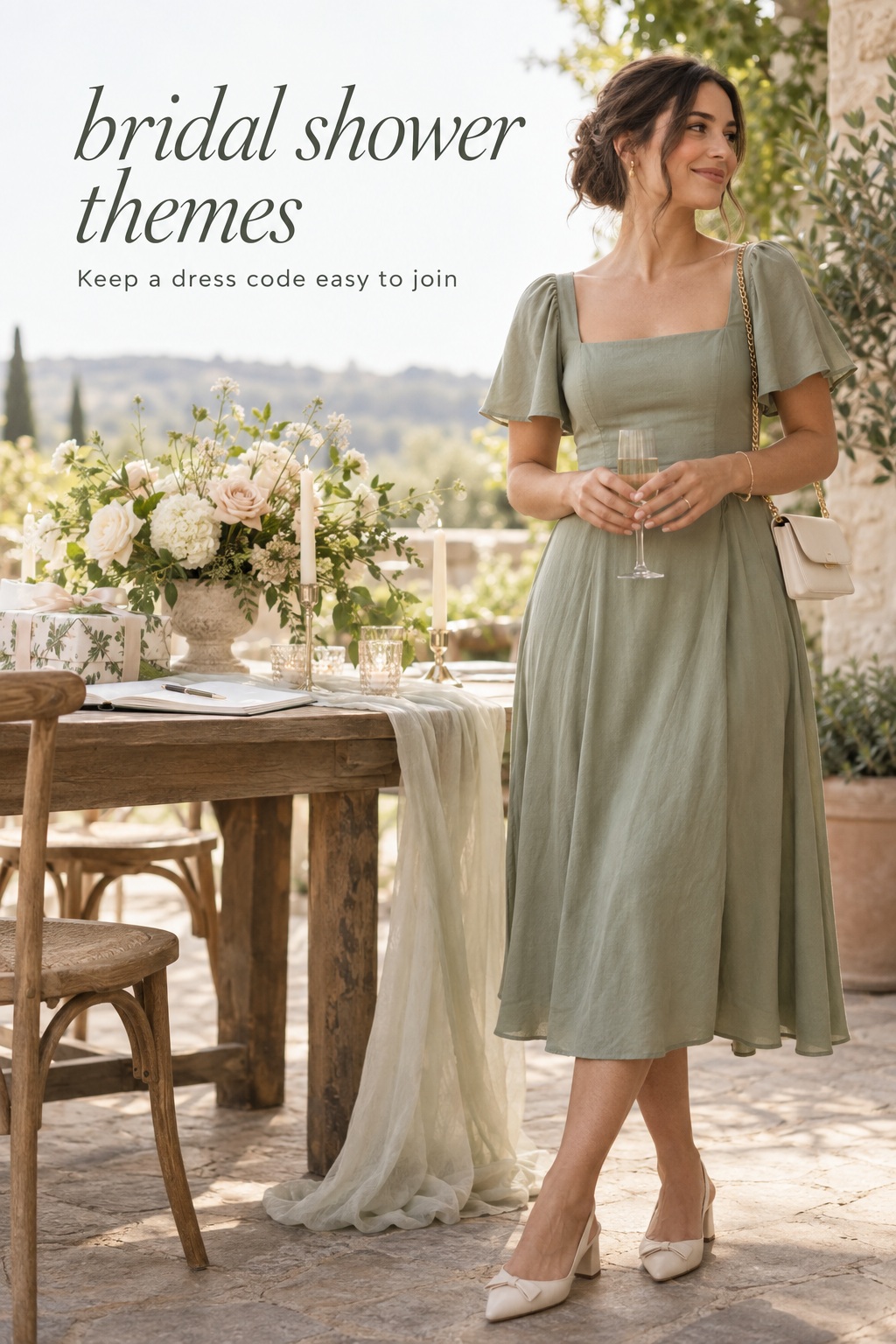
Build the Theme Through Five Touchpoints, Then Stop
Once an idea passes the filters, give it a small, repeatable structure. You can use five touchpoints: the invitation, a limited palette, one focal detail, a food or drink cue, and one optional activity. Repeating a few signals creates a through-line. Repeating the same motif on every object can make a gathering feel busy and add purchases that guests may never notice.
Make the invitation the first clear signal
The invitation should explain the occasion, date, location, RSVP details, and any request guests need to act on. Use its wording, color, or illustration to introduce the theme. For a book-inspired shower, a simple cover-style design may do the job. For a garden lunch, a botanical border can set expectations. Avoid making an outfit or gift instruction sound mandatory unless it is truly necessary; guests should know what participation involves before they accept.
Limit the palette and choose one focal detail
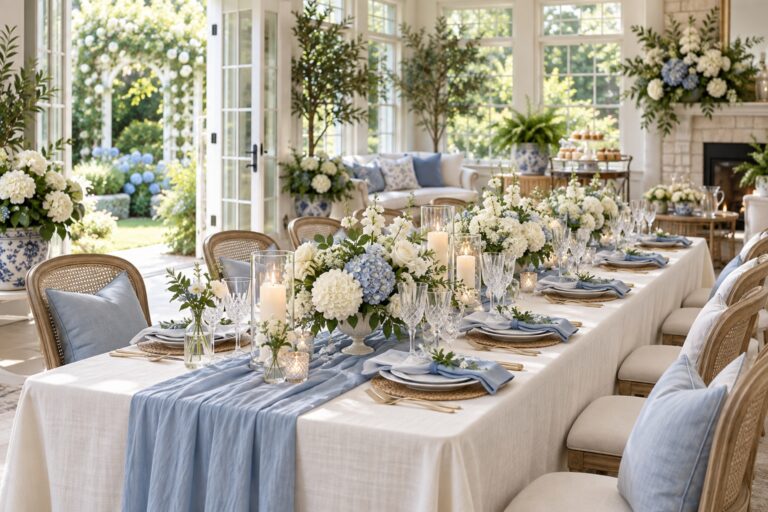
Choose two or three colors that work with the room instead of fighting it. Then select one focal detail guests will see naturally: a welcome table, a bouquet, a cake stand, a menu board, or a small display of favorite books. The rest of the room can stay simple. A focal point helps photographs and gives the theme a place to land without covering every surface in signs.
Use what is already attractive and useful. Borrowing serving bowls, bud vases, framed photos, or linens from family can be more personal than buying a coordinated set. If you do buy something, prioritize an item that improves the guest experience or can be reused. Keep paths clear and make sure the focal arrangement does not block conversation across the table.
Connect the menu and activity without overprogramming
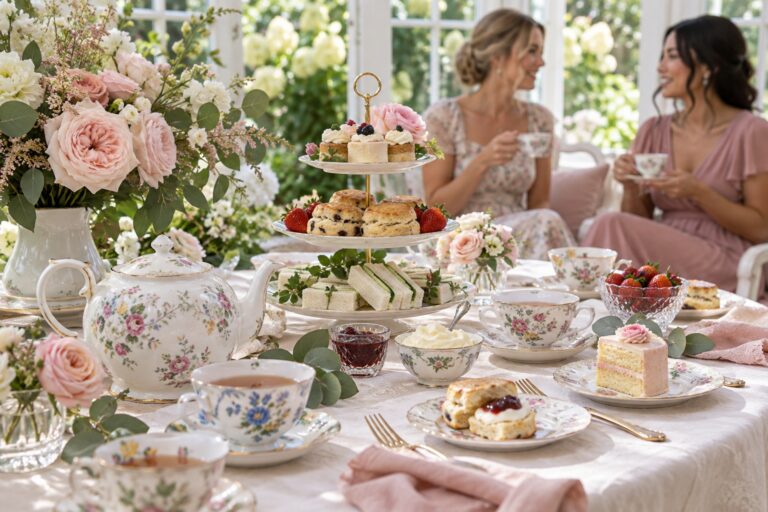
Choose one food or drink cue that makes the concept recognizable. A citrus theme could show up in a garnish and a bowl of lemons, not in every course. A tea gathering may offer a few teas and a familiar snack. A family recipe theme could invite guests to bring or write a recipe, but it should not require everyone to cook. The simplest version of an idea is often easier for the host and more comfortable for guests.
Then decide whether an activity adds something the bride wants. A short note-writing moment, recipe card, flower arranging table, or couple trivia can be an easy fit when it reflects the guest of honor. Provide an equally comfortable option for guests who would rather chat. If the format already has a natural focus, such as a meal or gift opening, you may not need a separate activity at all.
Finally, write a one-sentence theme brief for anyone helping: “A relaxed bookshop afternoon with warm neutrals, a stack of the bride’s favorite novels, coffee, and optional notes for her next chapter.” This is more useful than a folder of disconnected inspiration images because it tells helpers what belongs and what can be skipped. Use it to review purchases before ordering and to keep the plan consistent when another person handles food or setup.
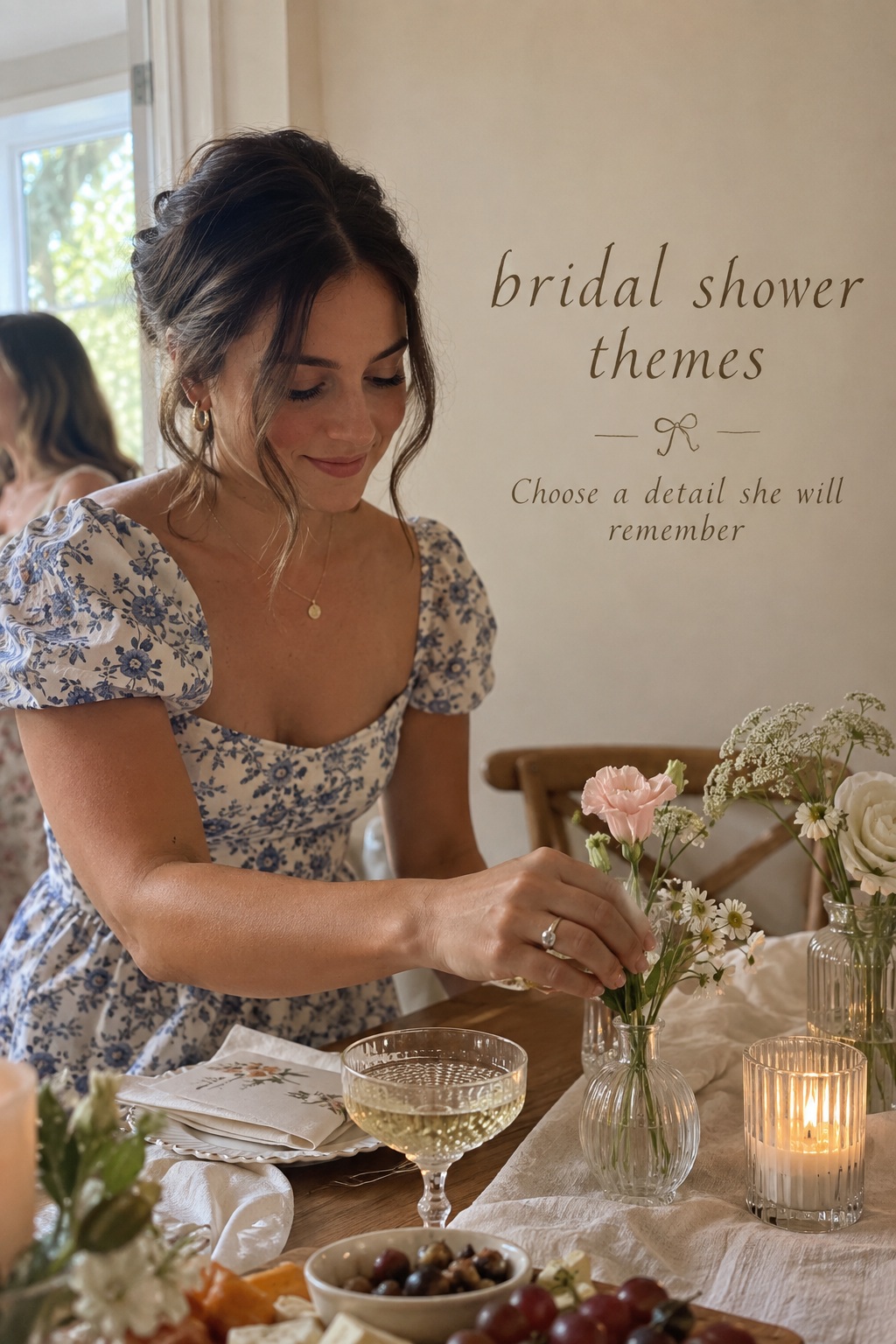
Adapt the Same Idea to Different Shower Formats
A theme does not have to dictate a venue or a budget. The same point of view can scale up or down by changing the number of touchpoints. Start with the format that is already realistic, then select details that make it feel deliberate.
For a small gathering at home
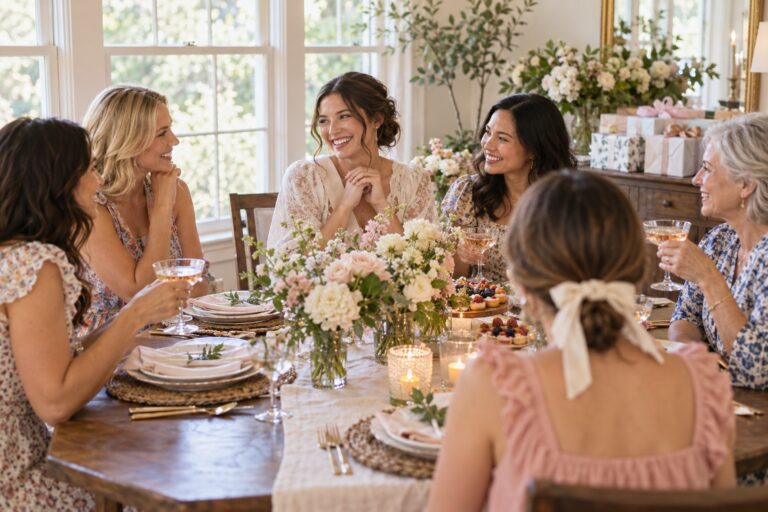
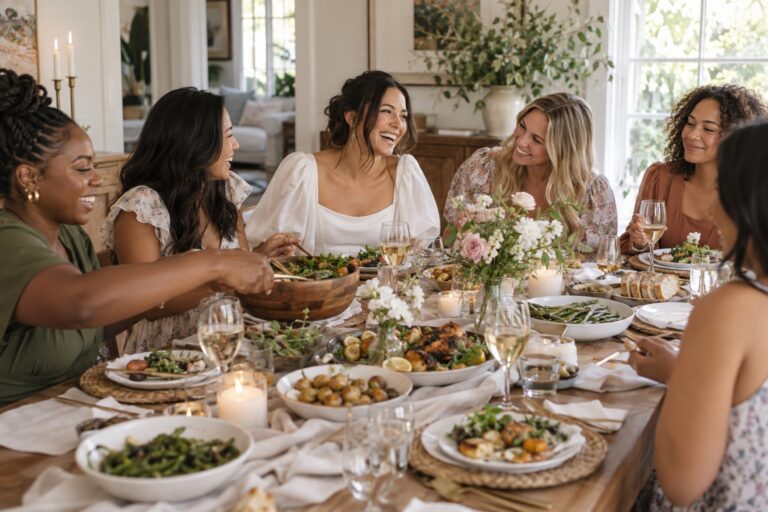
Choose an idea that encourages conversation and uses the home’s existing table and kitchen. A “favorite things” brunch might include a menu built around a dish the bride loves, a few flowers, and a playlist she would choose herself. A cookbook or recipe theme could use handwritten recipe cards as the activity and one borrowed recipe box as the display. Keep the guest list and seating comfortable before adding decor; people remember whether they could talk and relax.
For a restaurant or tea room
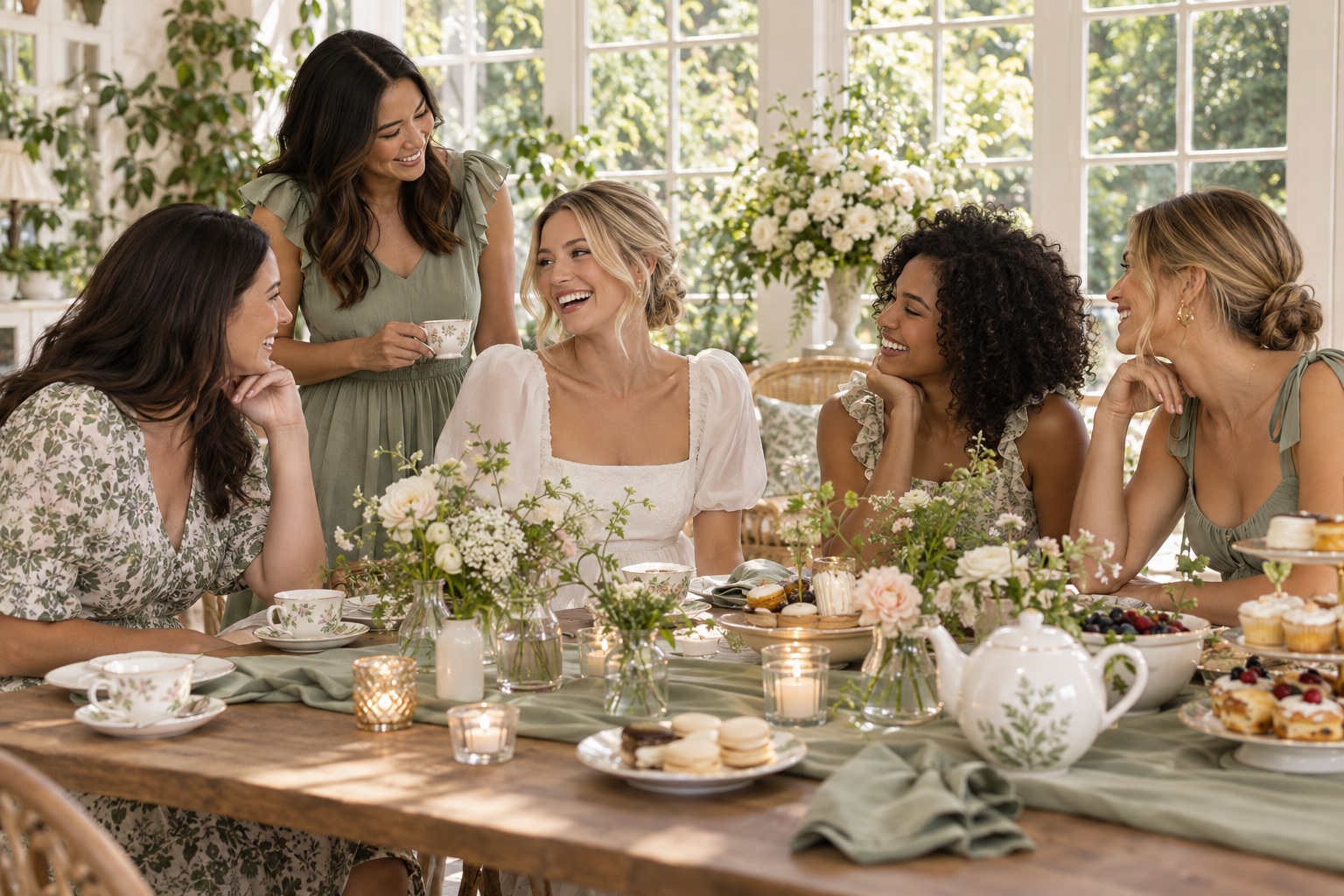
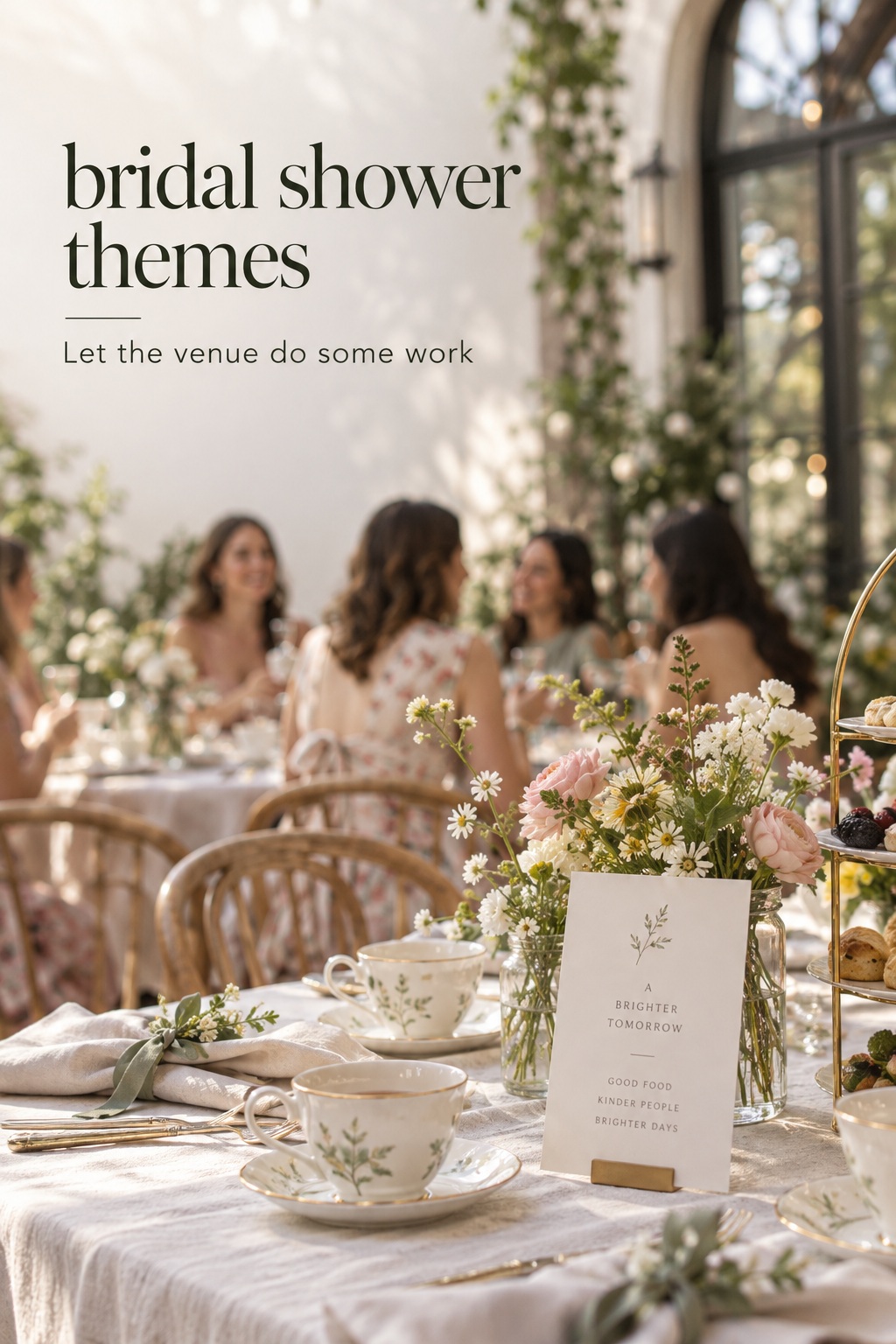
Let the room supply much of the atmosphere. A tea-room shower can use a restrained “afternoon in the garden” direction through place cards and a small bouquet, while the venue manages the meal and dishes. Confirm its rules for outside desserts, decorations, arrival time, and guest count. A theme that depends on a custom table installation may not be worth the coordination when a restaurant already has a strong visual identity.
For an outdoor gathering
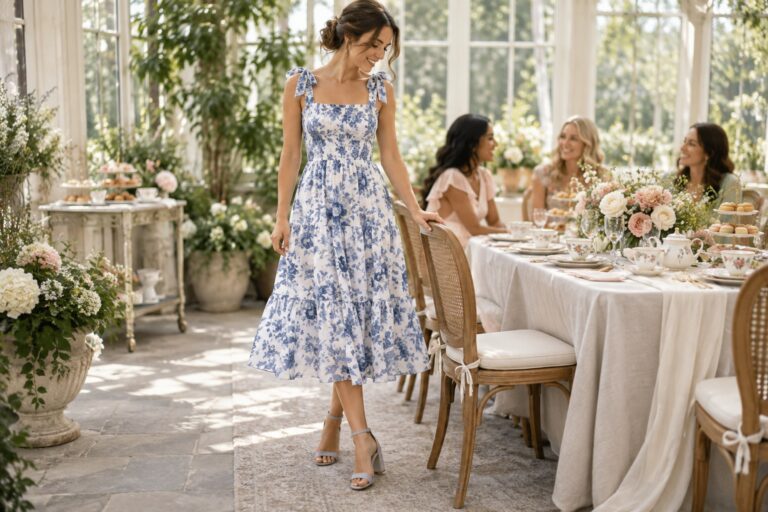
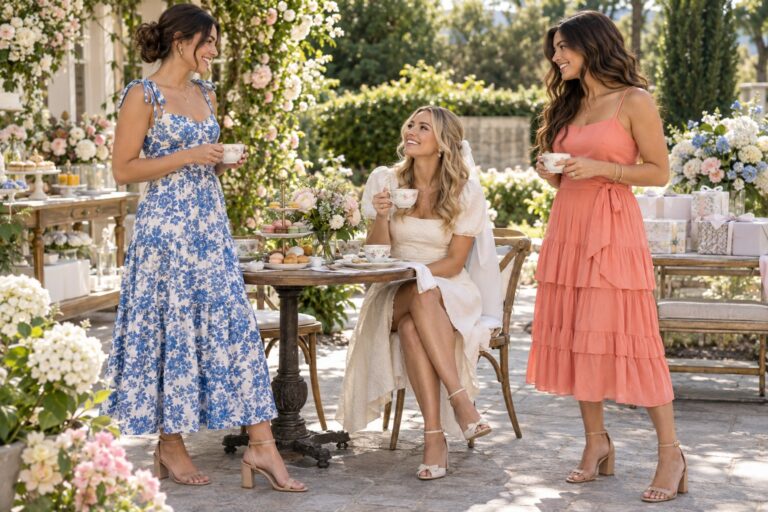
A garden party or picnic can feel inviting, but the logistics are part of the theme. Think through shade, seating, accessible paths, serving surfaces, and what happens if the weather changes. Choose decor that can be secured and moved, and keep food safe and protected. Have a realistic indoor or covered backup before sending invitations that promise an outdoor event. If the venue cannot support the backup, a flexible indoor theme may be kinder to the host and guests.
For an activity-led shower
If the honoree would rather make something than sit through a program, choose an activity that can become the theme’s anchor. A flower-arranging afternoon needs only a comfortable work surface, manageable stems, and an easy way to take arrangements home. A cooking demonstration or recipe exchange can center on a favorite cuisine. Make sure the activity can accommodate the group size, has clear instructions, and does not assume every guest has the same skill or mobility.
These examples are starting points, not a checklist to copy. An intimate shower can be just as coherent as a large event if the invitation and one or two details connect to the honoree. When comparing ideas online, look for the underlying decision: the mood, the guest experience, and the practical setup. Then adapt it to the people who will actually be in the room.
Common Theme-Planning Mistakes and a Final Check
The first common mistake is choosing a theme because it photographs well, then discovering it asks guests or hosts to do things they dislike. A dress code, elaborate game, or surprise performance can create pressure. Check the guest of honor’s comfort and the group’s expectations before adding participation requirements. Keep optional details genuinely optional.
The second is buying decor before the venue and plan are settled. A backdrop may not fit, fresh flowers may not suit the space, and a collection of signs can add setup and storage work. Confirm the room, rules, and schedule first. Use one focal detail, borrow useful pieces, and let the food, conversation, or venue carry some of the atmosphere.
The third is making every detail literal. Matching labels, favors, colors, props, and guest outfits can turn a playful idea into a production. A theme works through repetition, but repetition can be subtle. One motif on the invitation, a small floral detail, and a related menu choice may be enough for guests to understand the idea.
The fourth is leaving no room for accessibility, dietary needs, weather, or cleanup. These are not add-ons to solve after the decor is chosen. Ask about dietary restrictions when guests RSVP, make the route and seating workable, and assign setup or cleanup tasks if the host needs help. For outdoor plans, decide what triggers the backup and who makes that call.
Before you commit, read the plan as if you were a guest: Can you tell what the gathering will feel like? Do you know where to go, what to bring, and whether any requested participation is optional? Can the host complete setup without rushing, and can the venue support the focal detail? Does the idea feel connected to the bride rather than to a trend feed? If the answers are yes, the theme is ready.
Bridal shower themes are most useful when they help the host make a few good decisions and let the guest of honor feel recognized. Begin with her preferences, check the realities of the event, and carry the idea through a small number of touchpoints. The gathering can then feel complete without making every detail compete for attention.
FAQ
How do I choose a bridal shower theme?
Start with the guest of honor’s preferences and the kind of gathering she would enjoy. Then check the idea against the guest group, venue, format, and host capacity. Choose a concept that makes planning simpler and can be expressed through a few details.
Does a bridal shower need a theme?
No. A color palette, relaxed mood, favorite menu, or simple floral detail can provide enough direction. If choosing a theme adds more work without improving the guest experience, keep the plan straightforward.
When should the host choose the theme?
Choose a broad direction after discussing the guest of honor’s preferences and before ordering invitations or decor. Confirm the date, venue, guest count, and budget early enough that the theme can fit the real event plan.
How can I make a bridal shower theme feel personal?
Use a detail that connects to the bride’s actual interests, such as a favorite book, meal, flower, or shared family tradition. Keep it specific to her and avoid relying on generic bridal slogans as the only personal touch.
Can the shower theme be different from the wedding theme?
Yes. The shower is its own gathering and can reflect a different mood, activity, or interest. It may share one color or detail with the wedding, but it does not need to repeat the ceremony’s palette or style.
How do I plan a shower theme on a small budget?
Choose a theme that works with the venue and items you already have. Focus on one focal detail, borrow useful serving pieces, and select food or an activity that does not require many special purchases. A clear invitation and thoughtful hosting can carry the idea.
What if the bride does not want a traditional shower?
Ask what kind of gathering she would prefer, then let that answer guide the format. A meal, casual open house, creative activity, or small get-together can still have a meaningful theme. Keep the celebration centered on what feels comfortable to her.