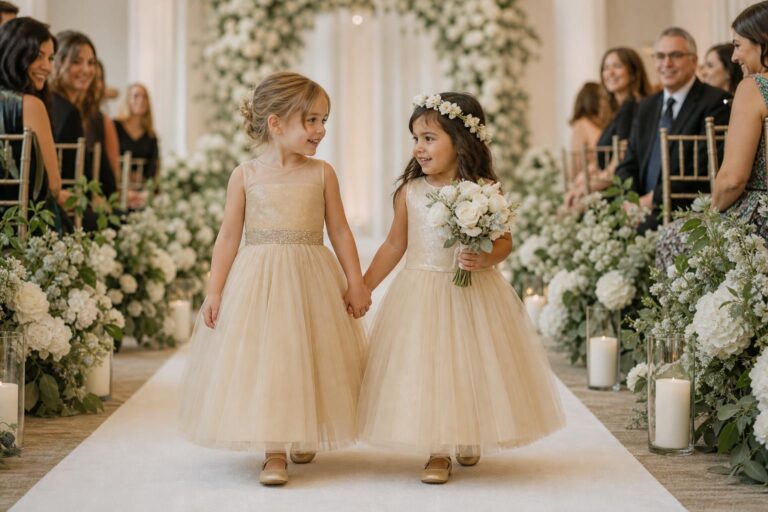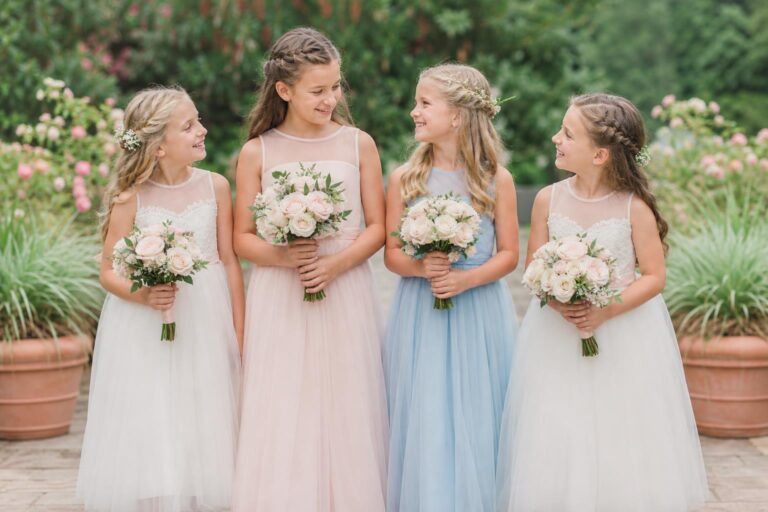
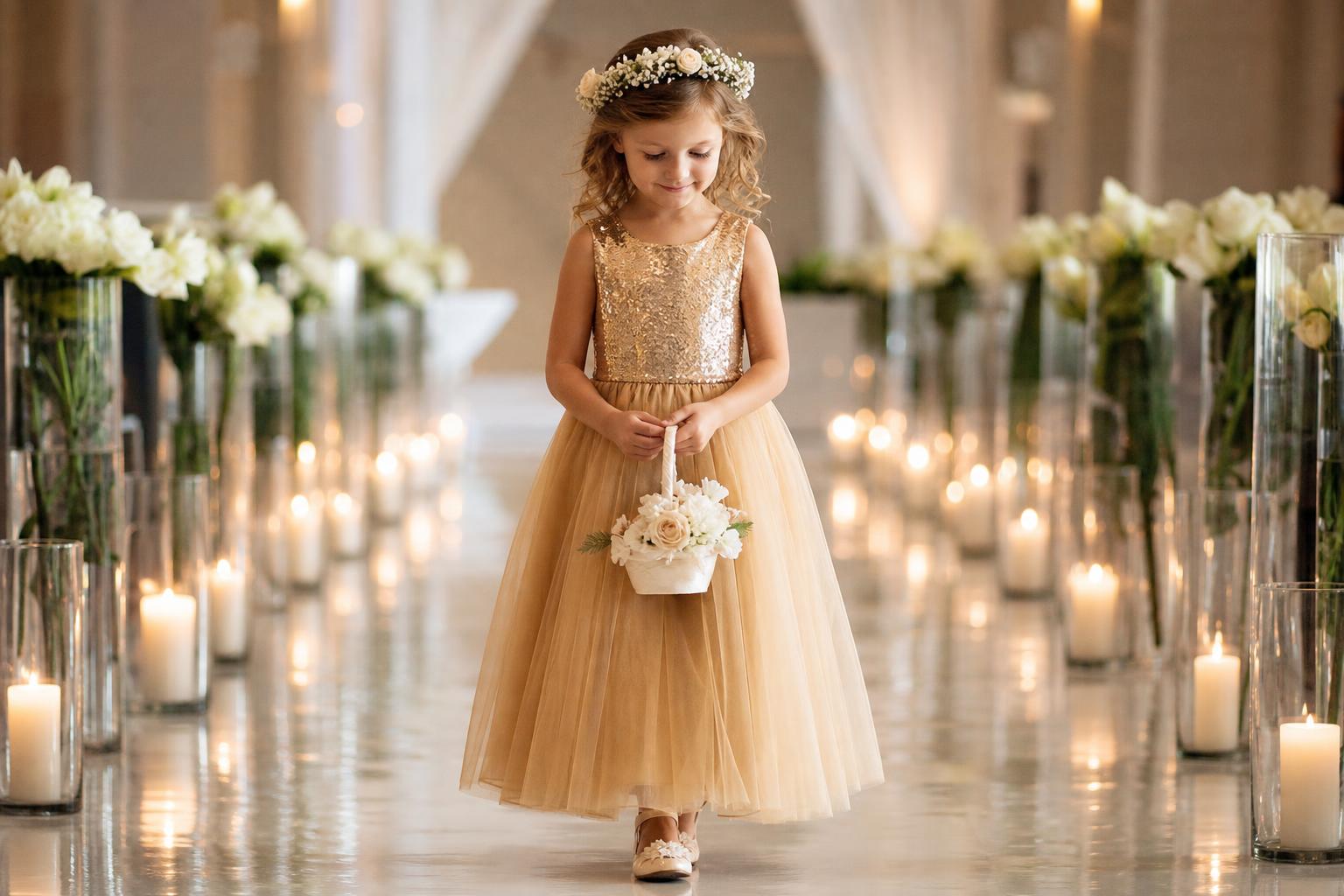
Gold Flower Girl Dress Styles for Every Wedding Setting
Some wedding decisions sound simple until they become specific. A gold flower girl dress is one of them. Gold can look timeless, festive, and beautifully luminous in photos, yet it can also feel tricky to choose in practice: too much sparkle may overpower a child, the wrong fabric can feel stiff during a long ceremony, and a shade that looked lovely on a screen may clash with the bridal party once everyone is standing together at the venue.
That is why the best approach is not simply to shop by color alone. The most successful gold flower girl look balances tone, fabric, silhouette, comfort, and the wedding setting itself. A candlelit ballroom, a beach ceremony, and a formal church wedding all ask for a different interpretation of gold.
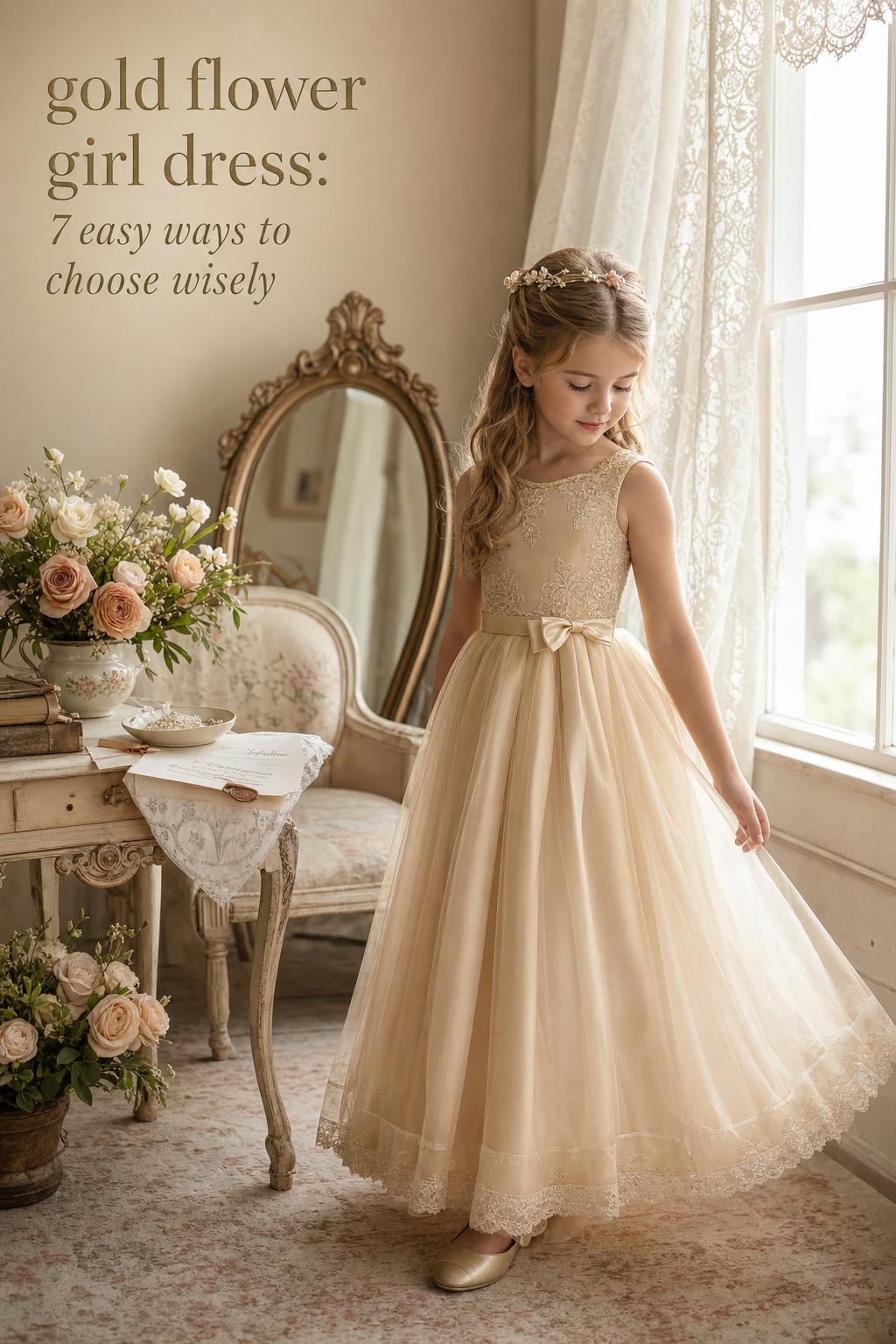
This guide approaches the decision the way a wedding stylist would: by solving the real problem behind the purchase. You will find practical advice on choosing between satin, tulle, lace, and sequin finishes; understanding fit and movement; comparing retailer and boutique options such as Azazie, JJ’s House, Bloomingdale’s, Misdress, Victoria’s Queen, Flower Girl Dresses, and Over The Moon; and styling the dress so it feels polished, comfortable, and appropriate for the celebration.
Why this color choice can be harder than it seems
Gold is rarely just one color. In shopping results and product collections, gold may appear as a soft satin gold, a brighter metallic gold, a rose gold variation, a champagne gold tone, or a heavily embellished gold sequin finish. That variety is part of the appeal, but it is also the source of most mistakes. Many families search broadly for a gold dress for a flower girl, only to realize later that the wedding palette needs something warmer, softer, or more understated.
Your wedding look is only the beginning.
Keep your guest list, vendors, timeline, and every important detail together with Zarellea — so your day feels as considered as your style.
Comfort matters just as much as appearance. A flower girl is expected to walk, stand, sit, and often stay dressed for many hours. Fabrics such as sequins can feel celebratory and glamorous, but they may be less forgiving for long wear than matte satin or layered tulle. Dress length also affects movement, especially for younger children. An ankle-length A-line style, like the Azazie Pipsy Gold bow matte satin dress, solves a very different problem from a full, sparkly ball gown.
The setting adds another layer. Gold can glow beautifully during golden hour in an outdoor ceremony, but a heavily reflective dress may feel too strong in bright daylight. In an evening reception, that same shimmer can suddenly feel exactly right. The challenge is not whether gold works for weddings. It does. The challenge is choosing the version of gold that works for your wedding.
The styling principles that make a gold flower girl dress work
Before looking at specific dress ideas, it helps to understand the logic behind the choice. Gold succeeds when it is treated as part of a larger wedding look rather than a standalone statement. That means paying attention to proportion, finish, and how the dress behaves throughout the day.
- Choose the shade of gold before choosing the embellishment level. Rose gold, champagne gold, and deeper metallic gold create very different visual effects.
- Match the fabric to the formality of the event. Satin and crepe de chine read more refined, while tulle and sequins can feel more whimsical or festive.
- Consider movement first for younger children. A-line cuts and lighter fabrics are usually easier to wear than very full silhouettes.
- Use sparkle strategically. Sequins and glitter finishes work best when the rest of the styling is kept simple.
- Think in terms of coordination rather than exact matching. The flower girl does not need to look identical to the bridesmaids to feel intentional within the wedding palette.
These principles are especially useful because most top shopping destinations present gold flower girl dresses as product grids. You may see dozens of options at Azazie, JJ’s House, Flower Girl Dresses, Bloomingdale’s, Misdress, or Victoria’s Queen, but the strongest decision usually comes from narrowing by silhouette and fabric first, then refining by price, sizing, and return policy.
Reading the room: matching gold to the wedding setting
A wedding stylist usually starts with the venue and atmosphere. Gold means one thing in a formal ballroom and another in a breezy outdoor ceremony. This is where practical styling becomes more reliable than impulse shopping.
For a formal evening reception
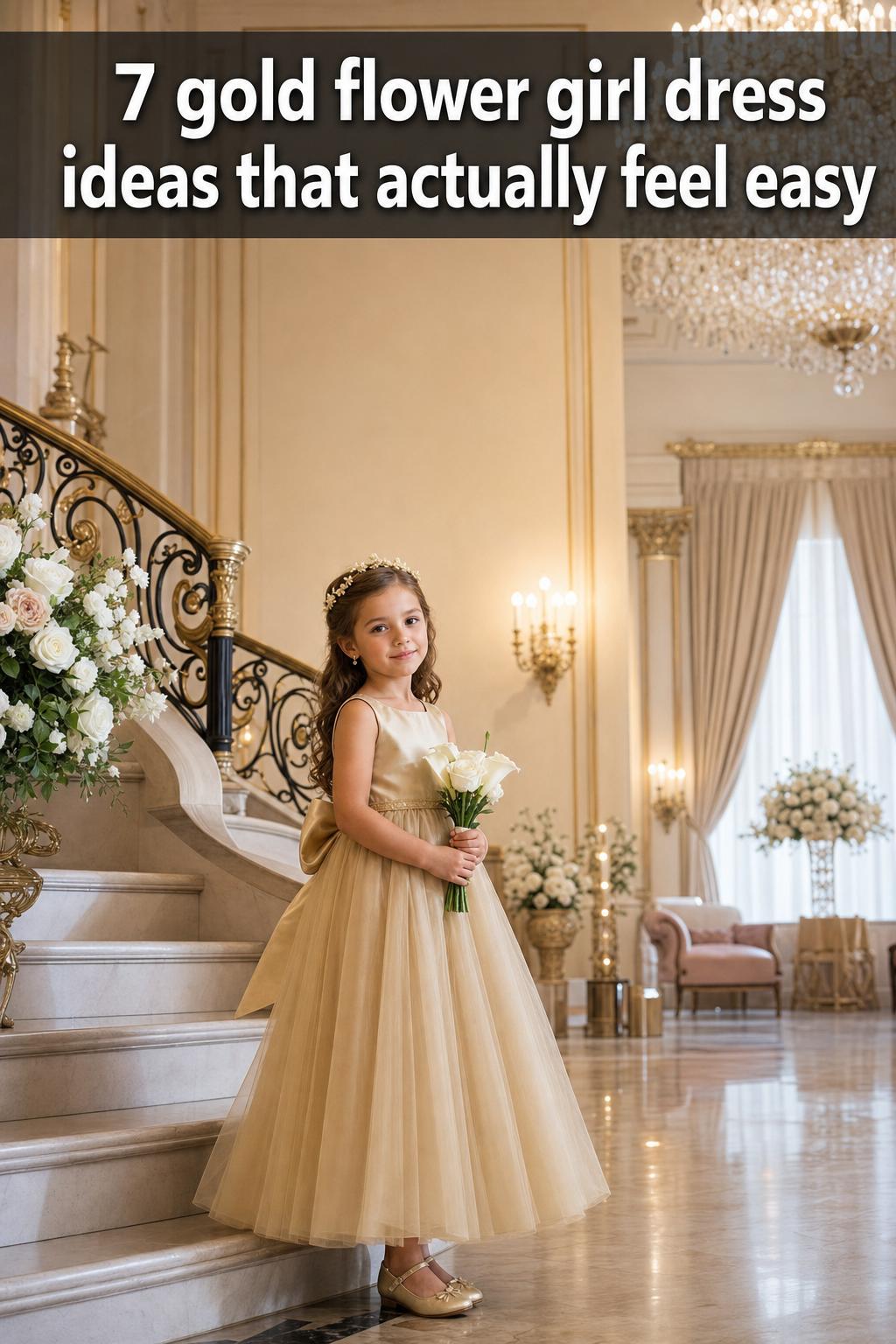
Richer textures tend to feel most at home here. Gold satin, sequin detailing, and fuller silhouettes such as a ball gown shape can hold their own against candlelight, polished floors, and a more dressed-up guest list. A retailer like Bloomingdale’s, with its broader department-store assortment, can be useful when you want the dress to coordinate with accessories in one shopping session.
For a garden or daytime wedding
Softer interpretations of gold usually look more elegant than highly reflective finishes. Tulle overlays, lace details, and matte satin are often easier choices than heavy sparkle. The effect should feel light and romantic rather than stage-like. A gold-toned flower girl gown with gentle structure can still feel special without competing with florals, sunlight, and a more natural setting.
For a church ceremony
Traditional silhouettes often read best in this setting. A-line dresses, ankle-length cuts, bows, and satin finishes offer polish without excess. This is where product pages with detailed specifications, such as Azazie’s Pipsy Gold A-line bow matte satin ankle-length flower girl dress, become especially helpful because they clarify length, fabric, and care in a way broad category pages do not.
For destination or beach weddings
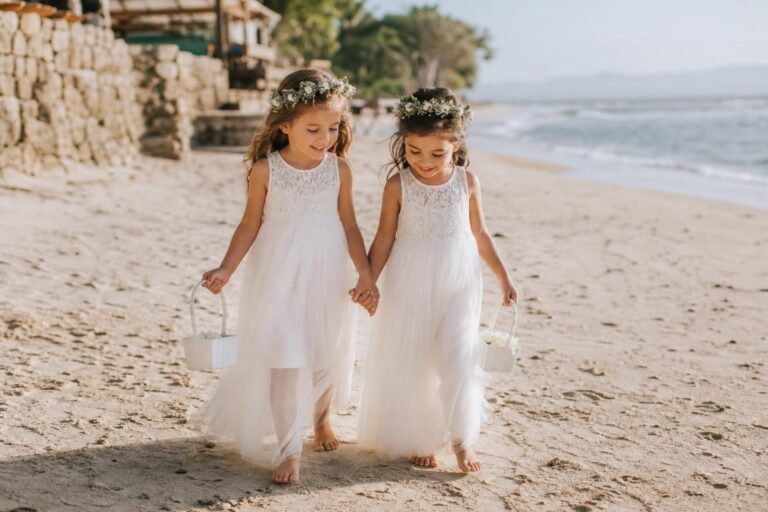
Lighter fabric and easier movement matter more than ornate detail. A child walking on sand or uneven outdoor ground needs comfort and stability. Tulle can work if it is not overly voluminous, while streamlined satin and lighter special-occasion dresses may be easier to manage over the course of the day.
Solving the biggest decision first: satin, tulle, lace, or sequin?
Most shoppers are not really choosing “gold.” They are choosing how gold should behave. Should it glow softly, catch the light dramatically, or feel delicate and airy? Fabric is what answers that question.
Gold satin for a polished, classic finish
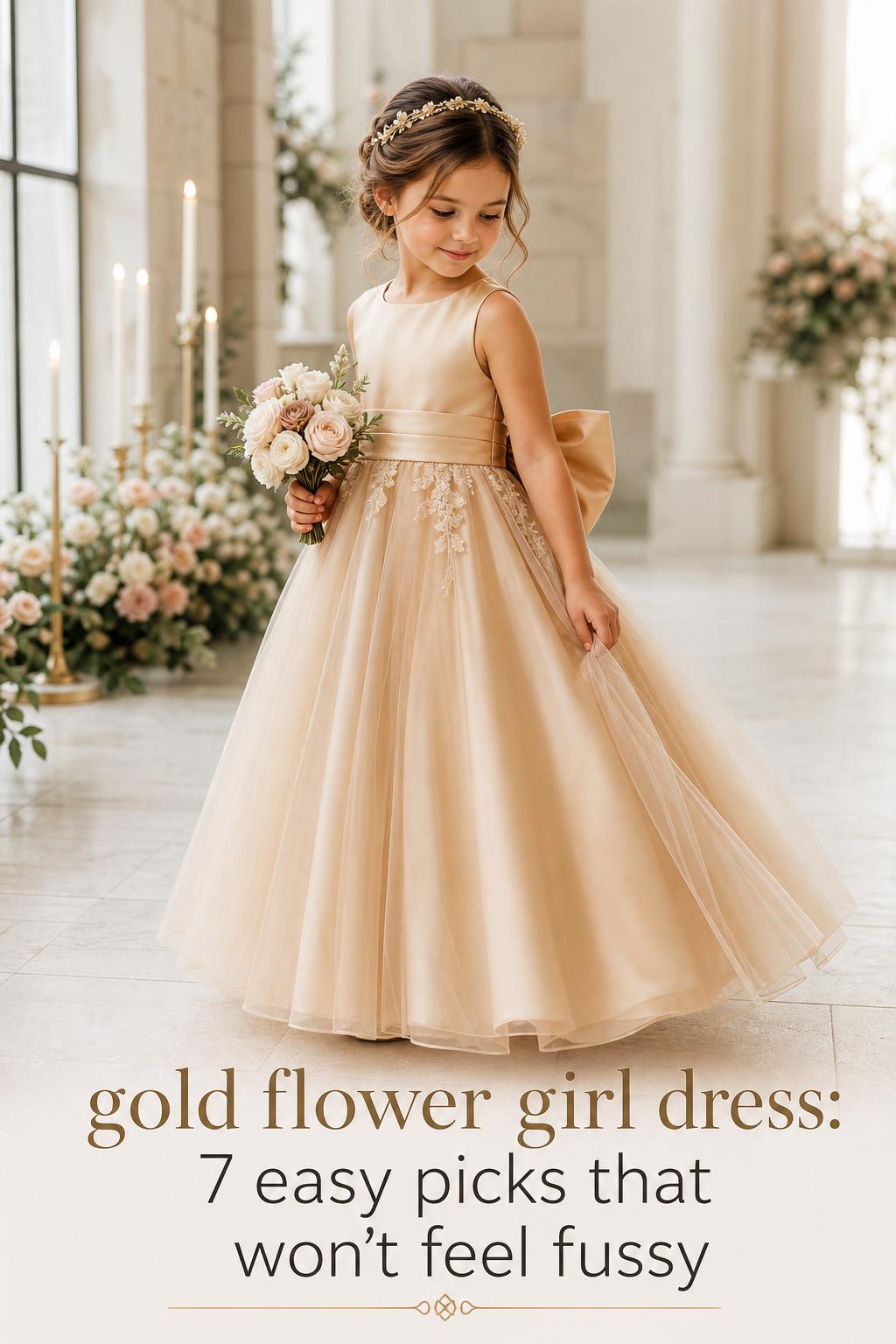
Satin is one of the strongest solutions when you want a dress to look formal without becoming overly busy. It reflects light in a controlled way, which makes it especially useful for weddings where elegance matters more than sparkle. Gold satin flower girl dress options often appear in A-line cuts and with bow details, both of which help keep the overall look youthful and structured.
This is also one of the more practical choices for balancing style and comfort. Matte satin, in particular, gives a softer sheen than glitter-heavy alternatives. If the challenge is finding something celebratory that still feels refined, satin usually solves it.
Gold tulle and lace for a romantic ceremony look
Tulle and lace are ideal when the wedding atmosphere leans soft, dreamy, or floral. A gold tulle dress creates a cloud-like silhouette that photographs beautifully in outdoor light, while lace adds detail without relying entirely on shine. These materials are widely represented in category pages from Azazie, Flower Girl Dresses, JJ’s House, and Victoria’s Queen, which suggests they remain central to how shoppers interpret the gold flower girl category.
The trade-off is volume. Tulle can become cumbersome if the skirt is too full for a very young child or for a venue with narrow aisles, stairs, or wind. It is best when the dress is airy rather than oversized.
Gold sequin and sparkle when the dress needs to feel festive
A gold sequin flower girl dress delivers instant celebration. It catches light, reads clearly in photos, and often suits evening weddings particularly well. Misdress and Victoria’s Queen both surface sequin-driven options, including rose gold and shimmer-heavy styles, which can be appealing for families who want the flower girl to echo the party mood.
But sequins solve one problem while creating another: comfort and styling restraint. If the dress itself sparkles strongly, the rest of the look should stay simple. Over-accessorizing a sequin dress can quickly push the outfit from festive to fussy.
Special-occasion fabrics and boutique finishes
Not every gold flower girl dress follows the same category logic as mass-market collections. Over The Moon’s Sofia Dress Gold, for example, introduces a boutique direction with crepe de chine and a more fashion-led children’s formalwear sensibility. This kind of piece can be especially appealing for weddings that want a quieter, more curated form of elegance rather than a traditional princess silhouette.
Outfit solution: the satin A-line for a classic ceremony
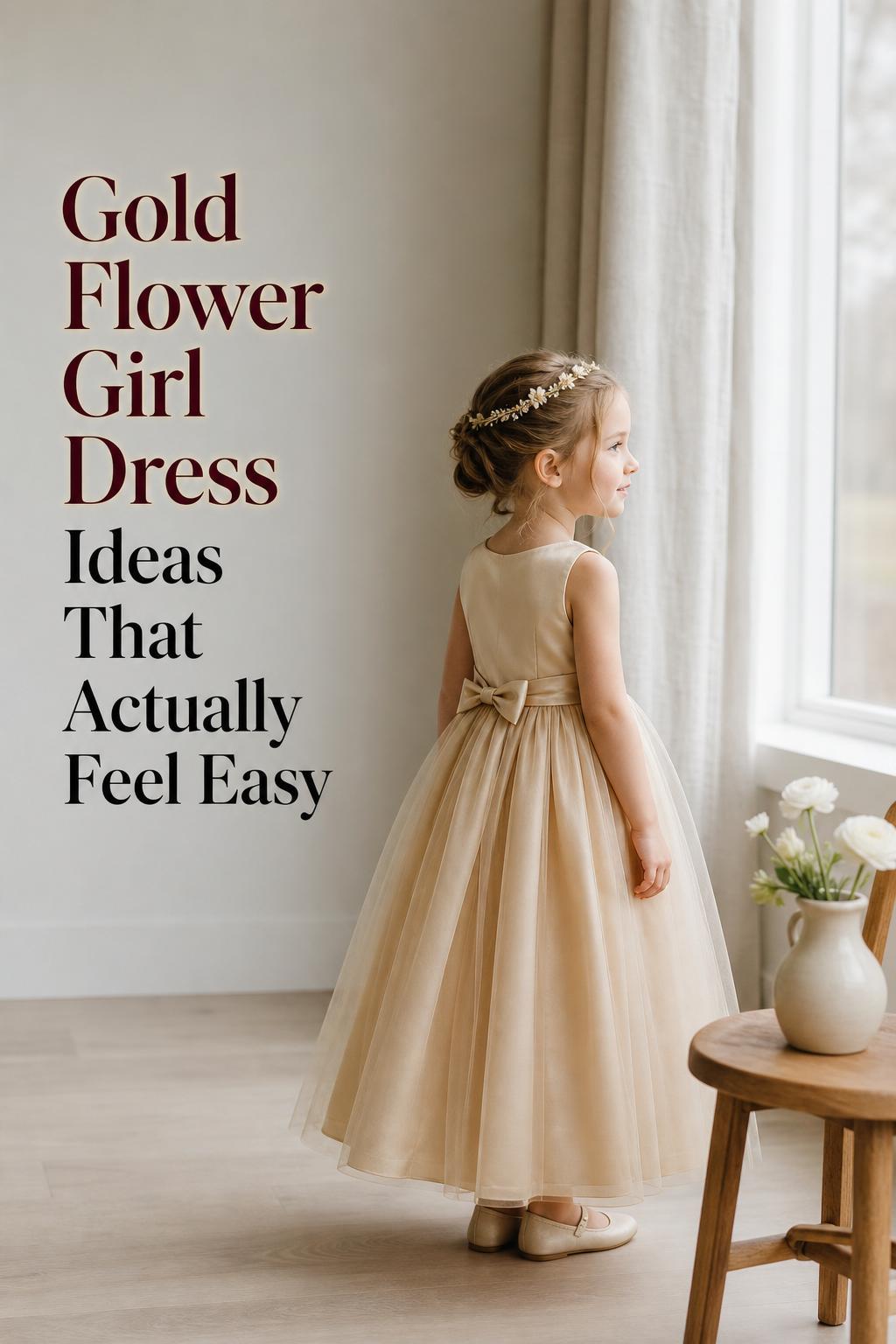
When the wedding calls for polish, tradition, and easy movement, a gold satin A-line dress is one of the safest and strongest solutions. Think of a church aisle, a refined indoor venue, or any ceremony where a neat silhouette matters more than dramatic volume. An A-line shape keeps the skirt away from the legs enough for comfort while preserving a formal outline.
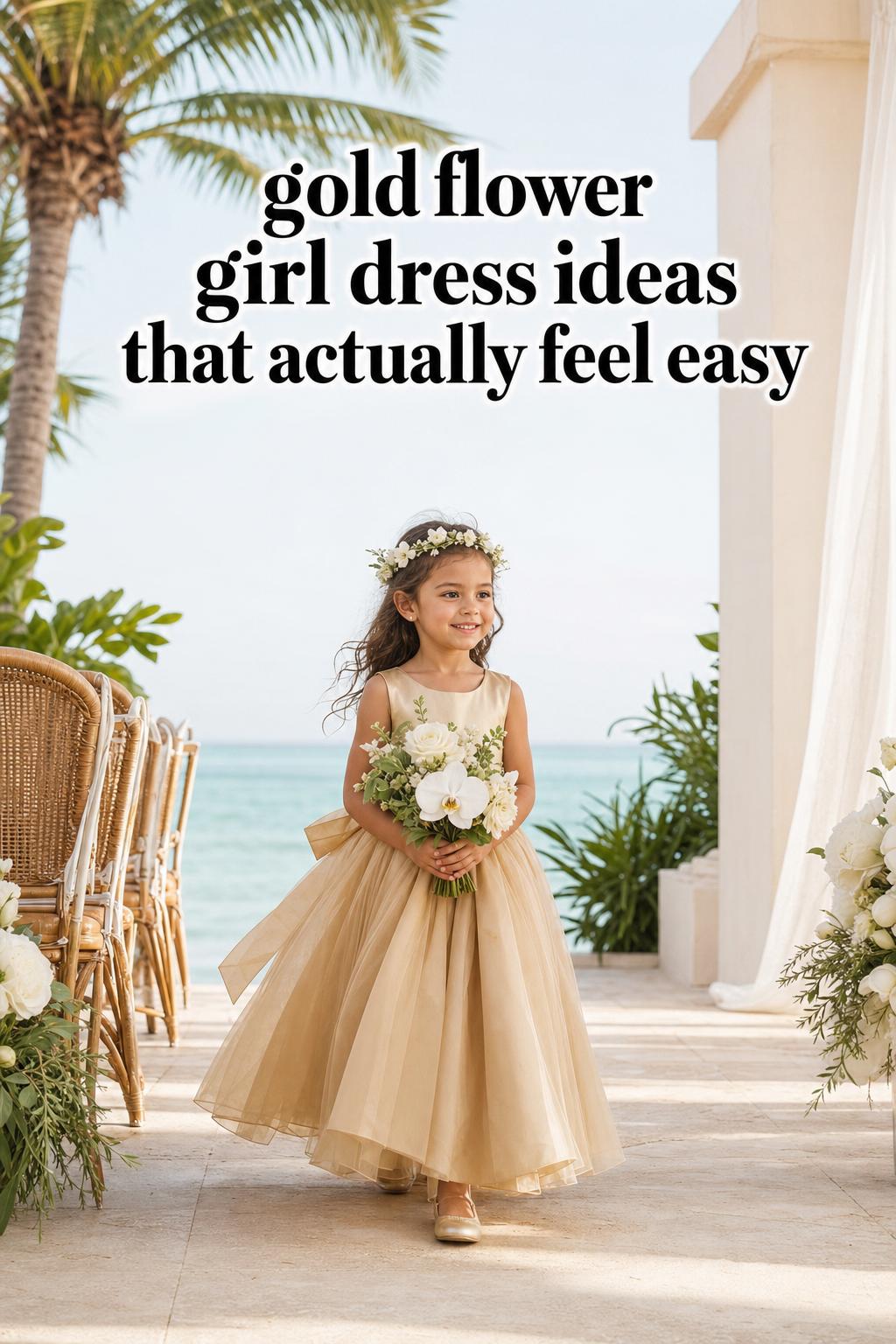
A dress in the spirit of the Azazie Pipsy Gold style works well here because the bow detail adds sweetness without clutter. Ankle length is especially useful: long enough to feel dressy, short enough to reduce tripping concerns. Pair this type of dress with understated gold accessories or a simple headpiece rather than adding more shine at every point.
This combination solves a very common problem: how to make a flower girl look dressed for the occasion without placing her in something too heavy, too glittery, or too difficult to wear for hours.
Outfit solution: the tulle-and-lace look for a garden wedding
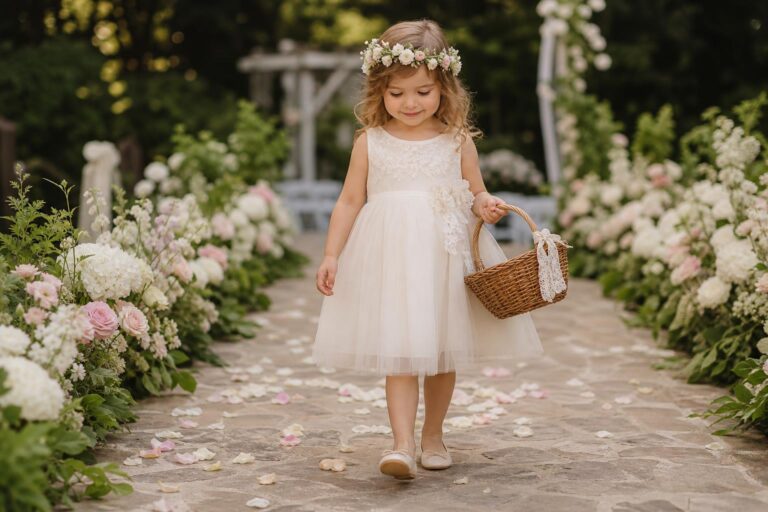
For a garden ceremony, vineyard backdrop, or any wedding that leans romantic, tulle and lace create the right mood. The dress should feel airy in motion, soft in daylight, and light enough for a child to move naturally. A champagne gold or muted gold tone often works particularly well in this setting because it blends more gently with florals and natural surroundings.
Retailers such as Flower Girl Dresses and JJ’s House often present multiple gold-toned dresses in tulle, lace, and ball gown variations. The key is to avoid choosing solely by how dramatic the skirt looks in a product image. In real life, proportion matters. A moderate amount of fullness gives the dress shape without overwhelming a smaller frame.
Finish the look with a flower crown or a delicate headpiece if you want to keep the styling soft. The result feels wedding-appropriate, photogenic, and comfortable enough for a daytime celebration.
Outfit solution: the sequin statement for a festive evening
There are weddings where subtlety is not the point. If the reception is formal, the lighting is warm, and the atmosphere feels celebratory from the start, a glitter gold flower girl dress or gold sequin flower girl dress can be exactly right. This is the kind of look that suits a ballroom, a grand indoor celebration, or an evening event where the dress should mirror the sparkle of the room.
Collections at Misdress and Victoria’s Queen make this route easy to visualize because they often include sequin, rose gold, and shimmer-forward options. The styling principle is simple: let the dress be the event. Keep shoes, jewelry, and hair accessories quieter so the look stays elegant rather than costume-like.
This approach works best for older flower girls or for children who are comfortable in occasionwear. If the child tends to be sensitive to texture, satin or tulle may still be the wiser choice.
Outfit solution: the boutique gold dress for a fashion-led wedding
Some weddings do not call for the expected ball gown shape at all. In a more editorial or boutique setting, a cleaner gold dress can feel more modern and intentional. Over The Moon’s Sofia Dress Gold represents this direction well, with a focus on design details, fabric, care, and a more elevated children’s formalwear perspective.
This kind of choice is especially compelling when the bridal styling itself is minimal, tailored, or fashion-forward. Instead of layering on lace, glitter, and volume, the beauty comes from line, drape, and a refined gold tone. It solves the problem of wanting a flower girl look that feels special without leaning overtly traditional.
Where shoppers usually compare options best
The shopping path matters because different retailers solve different parts of the problem. Some are strongest for broad category comparison, while others are more useful when you need detailed information about fit, fabric, or finish.
- Azazie: especially useful for color-based browsing and detailed product specifications, including fabric, sizing, and care on individual product pages.
- JJ’s House: a strong source for broad selection across styles such as ball gown, tulle, and lace, with shopping guidance around sizing and shipping.
- Flower Girl Dresses: helpful for scanning gold-toned options across lace, tulle, and sequin styles.
- Bloomingdale’s: practical for shoppers who want department-store breadth and access to related accessories alongside dresses.
- Misdress: worth considering for sale-oriented shopping and shimmer-heavy gold dress options.
- Victoria’s Queen: useful when searching specifically for sequin, rose gold, and tulle-driven looks.
- Over The Moon: a boutique option for more curated, elevated children’s formalwear such as the Sofia Dress Gold.
If you are comparing purely by visual appeal, category pages are helpful. If you are trying to solve a practical issue such as length, care, or whether a matte satin finish is less flashy than sequins, product pages are usually where the most useful information appears.
Fit, sizing, and the details families often underestimate
One of the most overlooked parts of buying a flower girl dress is that a beautiful product image says almost nothing about how the dress will behave on a real child during a real wedding day. Size charts, age ranges, and fit notes deserve close attention, especially because top retailers repeatedly foreground sizing, shipping, and returns as key purchase information.
Structured fabrics such as satin usually hold shape better, which can be helpful when you want a neater silhouette. Fuller tulle or ball gown styles may need more room to sit comfortably and can feel larger in motion than they appear when standing still. Sequins may photograph beautifully but require extra thought if the child is sensitive to texture or likely to become uncomfortable late in the day.
Inclusive fit matters here too. Families often need a range that works from toddler years into older flower girl ages, and the best decision is usually the one that leaves enough ease for movement while preserving the intended shape. A slight adjustment at the hem or waist can be more successful than sizing down too aggressively for a neater appearance.
A note on shades: gold, rose gold, and champagne gold
Not every wedding palette wants the same version of gold. If you are having trouble deciding, think about the visual mood you want rather than the label alone. Rose gold reads softer and often more romantic. Champagne gold tends to feel understated and blends easily into a wide range of wedding color stories. A stronger metallic gold creates more contrast and makes a bolder statement.
This is particularly helpful when the bridesmaids, florals, or venue details already carry a strong personality. A quieter champagne gold flower girl dress can harmonize where a bright gold sequin finish might dominate. On the other hand, if the wedding styling is formal and dramatic, a deeper gold may give the flower girl look enough presence to feel intentional in photographs.
Practical tips that improve the final look
A successful flower girl outfit is rarely just about the dress. Small decisions around accessories, care, and movement often determine whether the look holds up from ceremony to reception.
- Keep accessories in the same visual family as the dress. If the fabric already has shine, avoid adding too many sparkling extras.
- Use simple headpieces, flower crowns, or bows to reinforce the wedding theme without distracting from the silhouette.
- Review care instructions before the event, particularly for satin, lace, sequin, or crepe de chine fabrics.
- Pay attention to return policies and shipping timing when ordering online, especially from broad catalog retailers.
- Choose a dress length that supports walking comfortably down the aisle and through the reception space.
One practical styling trick is to think about the transition from ceremony to reception. A dress that looks slightly restrained in daylight may come alive beautifully in evening lighting, especially in gold. That is often why matte satin and softly layered tulle remain such reliable choices: they adapt well across changing parts of the day.
Common mistakes with gold flower girl styling
The most common mistake is treating all gold dresses as interchangeable. They are not. A glitter gold flower girl dress, a matte satin A-line, and a crepe de chine boutique dress may share a color family, but they communicate entirely different moods.
Another mistake is buying only for the photograph. Product tiles are designed to attract attention, which often means dramatic sparkle, full skirts, or embellished details stand out first. In actual wear, however, comfort, weight, movement, and proportion become far more important. A child who cannot move easily will not look polished, no matter how pretty the dress appeared online.
A third issue is overmatching. The flower girl should feel connected to the bridal party, but exact coordination is not always necessary. Gold works best when it supports the wedding palette rather than trying to duplicate every other outfit and accessory in the celebration.
The balanced approach: how stylists narrow the choice
If the options feel overwhelming, narrow the decision in this order: venue, shade of gold, fabric, silhouette, then retailer. This sequence solves the practical problem first and the shopping problem second. It also prevents the common mistake of falling in love with a dress category that does not suit the wedding setting.
For example, a family planning a formal indoor celebration may start with a gold satin flower girl dress in an A-line or ball gown shape from Azazie or JJ’s House, then compare details such as bow accents, length, and return terms. Another family planning a softer outdoor celebration may begin with champagne gold tulle or lace styles on Flower Girl Dresses or Victoria’s Queen, then edit down based on comfort and fullness. A boutique-minded wedding might move straight toward Over The Moon and focus on fabric refinement rather than embellishment.
That is ultimately the most useful way to think about this category. The right gold flower girl dress is not simply the prettiest one. It is the one that looks harmonious in the setting, feels wearable for the child, and supports the tone of the wedding from aisle to reception.
FAQ
How do I choose the right shade of gold for a flower girl dress?
Start with the wedding palette and venue mood. Rose gold usually feels softer and more romantic, champagne gold tends to be understated and easy to coordinate, and a stronger metallic gold makes more of a statement for formal settings or evening receptions.
Is satin or tulle better for a gold flower girl dress?
Satin is usually better when you want a polished, classic look with clean structure, while tulle works beautifully for a softer, more romantic effect. The better option depends on the wedding setting, the child’s comfort, and how much volume you want in the silhouette.
Are sequin gold flower girl dresses appropriate for weddings?
Yes, especially for festive evening weddings or formal indoor receptions where sparkle suits the atmosphere. The key is balance: if the dress has strong shine, keep accessories and other styling details simple so the look remains elegant.
Which brands are commonly shopped for gold flower girl dresses in the U.S.?
Shoppers often compare options from Azazie, JJ’s House, Flower Girl Dresses, Bloomingdale’s, Misdress, Victoria’s Queen, and Over The Moon. Each offers a different mix of category breadth, product detail, pricing, and styling direction.
What style of gold flower girl dress is easiest for a child to wear?
An A-line dress in a manageable length is often the easiest choice because it allows movement without too much volume. Matte satin and lighter tulle styles are usually more comfortable for extended wear than heavily embellished or very full silhouettes.
How should I accessorize a gold flower girl dress?
Keep the accessories in proportion to the dress. A simple headpiece, bow, flower crown, or subtle gold-toned accessory is usually enough. If the dress already includes sequins or glitter, avoid adding too many extra sparkling elements.
Can a gold flower girl dress work for a daytime wedding?
Absolutely. For daytime ceremonies, softer finishes such as matte satin, champagne gold, lace, or light tulle usually look more natural than highly reflective sequins. The goal is a gentle glow rather than a high-shine effect.
What should I check before ordering a gold flower girl dress online?
Review the fabric description, silhouette, dress length, size chart, care instructions, shipping timeline, and return policy. Product pages with detailed specifications are especially useful when you need to compare comfort, structure, and finish across different styles.
Is a boutique style like the Sofia Dress Gold a good alternative to a traditional ball gown?
Yes, especially for weddings with a more fashion-led or minimalist aesthetic. A boutique design such as the Sofia Dress Gold offers a refined alternative when you want elegance through fabric and silhouette rather than volume and embellishment.