Green Flower Girl Dresses For A Romantic Wedding Mood
At a wedding, few details feel as charming as the moment a flower girl walks down the aisle in a dress that echoes the larger celebration. Among today’s most searched color stories, green flower girl dresses stand out for their versatility: soft enough for a garden ceremony, polished enough for a formal reception, and broad enough to include everything from pale sage to rich emerald and muted olive. That range is exactly why the category can feel confusing. Many dresses are grouped together simply because they are green, even though the mood, fabric, and styling can be entirely different.
The most useful way to approach the choice is not as one single trend, but as a comparison of distinct wedding aesthetics. A willow green chiffon dress from Azazie creates a very different impression from a hand-smocked La Coqueta style, an olive tulle piece from Etsy, or a budget-friendly Walmart option designed around practicality. Understanding those differences makes it easier to match the dress to the venue, season, and formality of the day.
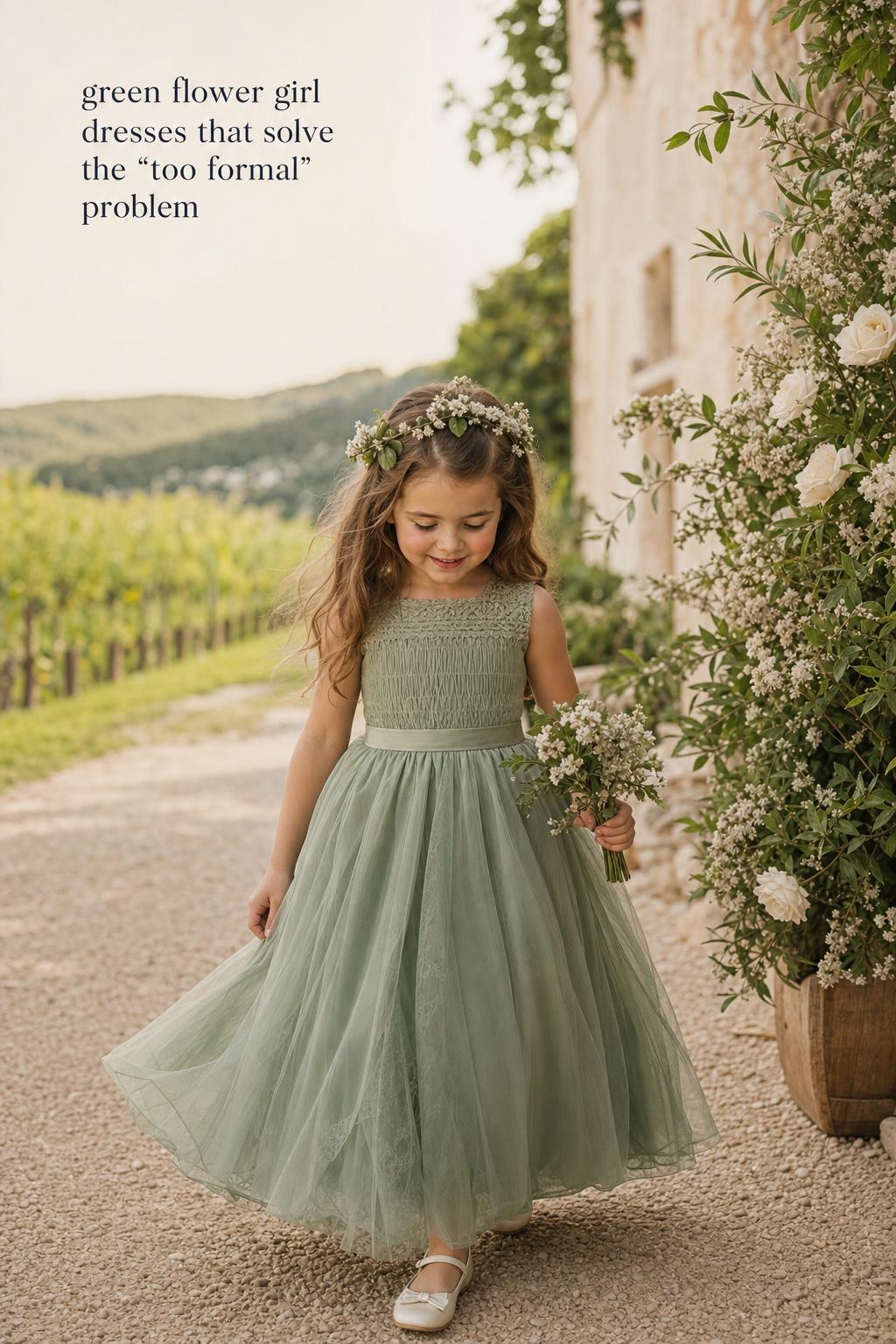
This guide breaks down the main style directions within green flower girl dresses, compares their visual language, and explains when each one works best. Along the way, it also looks at fabrics, silhouettes, accessories, sizing, and the brand landscape in the United States, so the final choice feels coordinated rather than accidental.
The four style directions shaping green flower girl dresses
Although retailers often place all green dresses into one filter, the category usually falls into four recognizable approaches: airy romantic, classic ceremony, handcrafted customizable, and practical value-driven. These styles are often discussed together because they serve the same wedding role, yet they solve different needs. One prioritizes movement, another craftsmanship, another personalization, and another easy access across price points.
Your wedding look is only the beginning.
Keep your guest list, vendors, timeline, and every important detail together with Zarellea — so your day feels as considered as your style.
For families shopping online, recognizing the style category first can save time. It narrows decisions about fabric, dress length, accessories, return expectations, and how closely the flower girl should visually match bridesmaids or the wider green wedding palette.
Style overview: airy romantic green dresses
This style is common in collections built around chiffon, tulle, lace, and soft A-line silhouettes. It is especially visible on color-led pages such as Azazie’s willow green flower girl dresses and in editorial shopping guides from Princessly. The defining characteristic is lightness: skirts that move gently, soft shaping rather than structure, and a look that photographs beautifully in outdoor light.
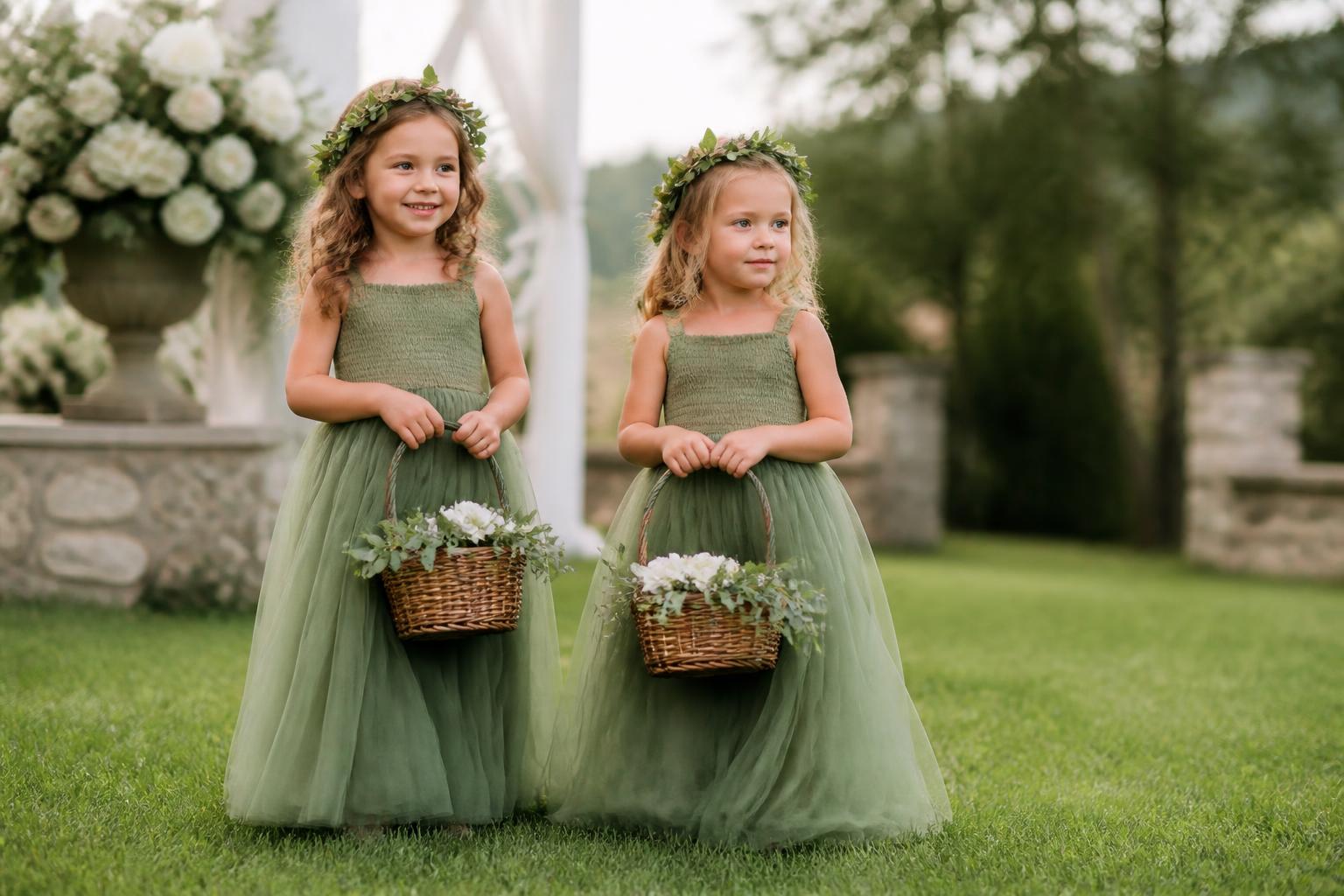
The color palette here leans toward willow green, sage, mint-adjacent greens, and gentle olive tones. The mood is romantic, youthful, and wedding-specific rather than party-focused. If the ceremony takes place at golden hour in a garden or vineyard, this is usually the visual language people imagine first.
Style overview: classic ceremony green dresses
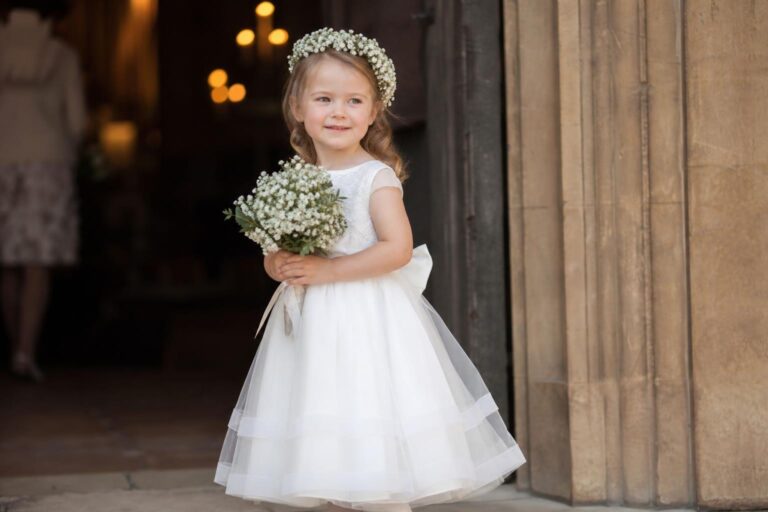
Classic ceremony styles are more polished and heritage-driven. La Coqueta’s green dress collection, including styles such as the Sage Verity Silk Ceremony Dress, reflects this approach through artisan craft, hand-smocked details, and a distinctly European sensibility. These dresses often feel more refined than floaty, with deliberate construction and a formal occasion mood.
The palette tends to favor sage and floral greens rather than bright novelty shades. Fabrics and finishing matter as much as color. A classic ceremony dress is less about volume for its own sake and more about elegance, texture, and a quietly elevated finish that suits traditional wedding portraits and formal family styling.
Style overview: handcrafted and customizable green dresses
Marketplace listings, especially olive green tulle dresses on Etsy, represent a separate aesthetic. Handmade pieces are usually defined by customization options, seller notes, and a more personal approach to materials and sizing. The overall mood can overlap with romantic tulle styles, but the core distinction is flexibility. These dresses appeal to families who want a specific shade, a custom fit, or an artisanal touch that feels less standardized.
Visually, handcrafted styles may include lace, layered tulle, and detail-led finishing. They can look especially lovely for intimate weddings or celebrations where the flower girl’s outfit is meant to feel one-of-a-kind rather than sourced from a broad retail assortment.
Style overview: practical value-driven green dresses
Retailers such as Walmart and larger catalog environments like Bloomingdale’s introduce another category: dresses selected for availability, straightforward filters, and easy shopping signals such as price, shipping, and returns. Bloomingdale’s adds a more curated department-store lens, with category guidance and brands such as Hope & Henry appearing within green-filtered flower girl results. Walmart, by contrast, leans into broad access, multiple brands, and budget-conscious event dressing.
The defining trait here is convenience. These dresses may still be appropriate for weddings and pageants, but the shopping experience is built around quick comparison of practical details: color, size range, fabric, delivery timing, and reviews. For many families, especially when the dress is needed on a shorter timeline, this style category is highly relevant.
Where the styles diverge most clearly
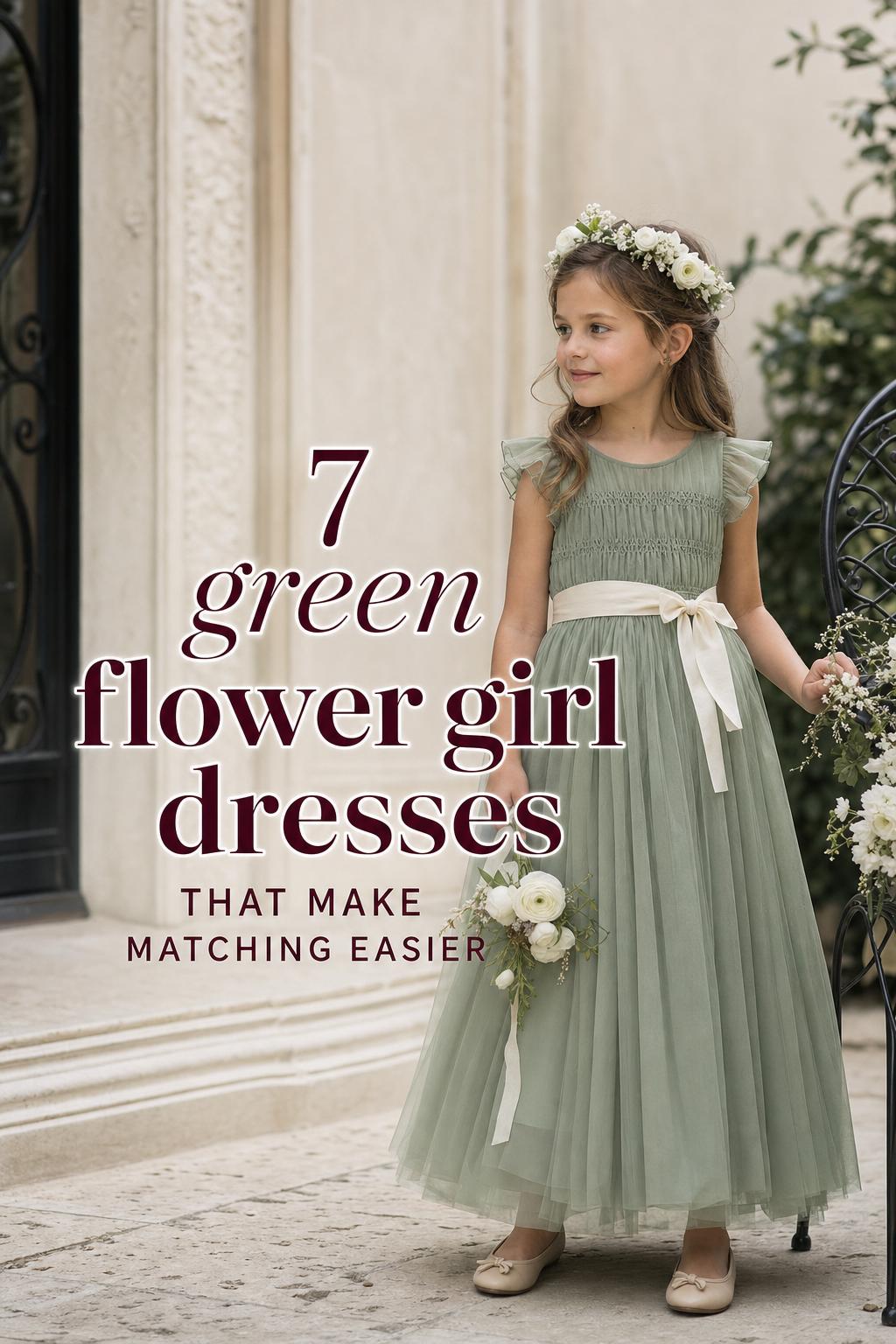
The biggest mistake in shopping green flower girl dresses is assuming that shade alone determines the look. In reality, silhouette, fabric, and styling philosophy matter just as much. Two dresses may both be labeled sage green, yet one reads as airy and youthful while the other feels ceremonial and formal.
Silhouette and structure
Airy romantic styles typically rely on A-line proportions, soft fullness, and easy movement. Chiffon and tulle help create that fluttering effect, which is especially charming during an outdoor processional. Princessly and Azazie-style pages often support this softer silhouette language through categories such as ruched chiffon, tulle overlays, and child-friendly formalwear.
Classic ceremony dresses are more intentional in shape. Even when they are soft, they usually look more tailored. La Coqueta’s dress language, grounded in atelier craft and special-occasion polish, gives structure a greater role. The result feels less whimsical and more heirloom-inspired.
Color palette interpretation
Not all greens tell the same story. Willow green and light sage often feel fresh and springlike. Olive creates a more muted, earthy tone that suits understated celebrations and can read beautifully in natural settings. Emerald introduces depth and a stronger visual statement, often better for more formal weddings or evening receptions.
Marketplace and retailer language also matters. Azazie uses a specific color taxonomy through willow green, while Etsy listings often highlight olive green. La Coqueta’s green dresses live in a sage-oriented, refined ceremony space. Bloomingdale’s and Walmart are more likely to surface a wider spread under a simple green filter, which means the shopper has to interpret the nuance.
Formality level
A tulle dress with customization can still feel formal, but there is a difference between celebratory softness and true ceremony polish. If the wedding is black-tie leaning, or if the flower girl is meant to visually echo elevated bridal party styling, classic ceremony and more refined department-store options usually feel more aligned. If the setting is a garden, countryside, or outdoor daytime venue, romantic chiffon and tulle styles often look more natural.
Value-driven dresses can work beautifully for semi-formal celebrations, but they may require more careful styling through shoes, headpieces, or a sash to reach the same visual finish as a premium craft-led dress. That is not a flaw; it is simply a different starting point.
Shopping philosophy
Some families shop by mood and aesthetic first. Others shop by budget, timeline, or return flexibility. Brand-focused retailers such as La Coqueta present a complete world of styling and craftsmanship. Azazie and Princessly combine product browsing with strong category guidance. Bloomingdale’s supports browsing across brands and filters, while Walmart emphasizes affordability and quick product-level decisions. Etsy appeals to those who value customization and seller-based individuality.
Knowing which shopping philosophy matches your priorities often clarifies the best retailer as quickly as knowing the preferred color.
Shade stories: sage, willow, olive, and emerald compared
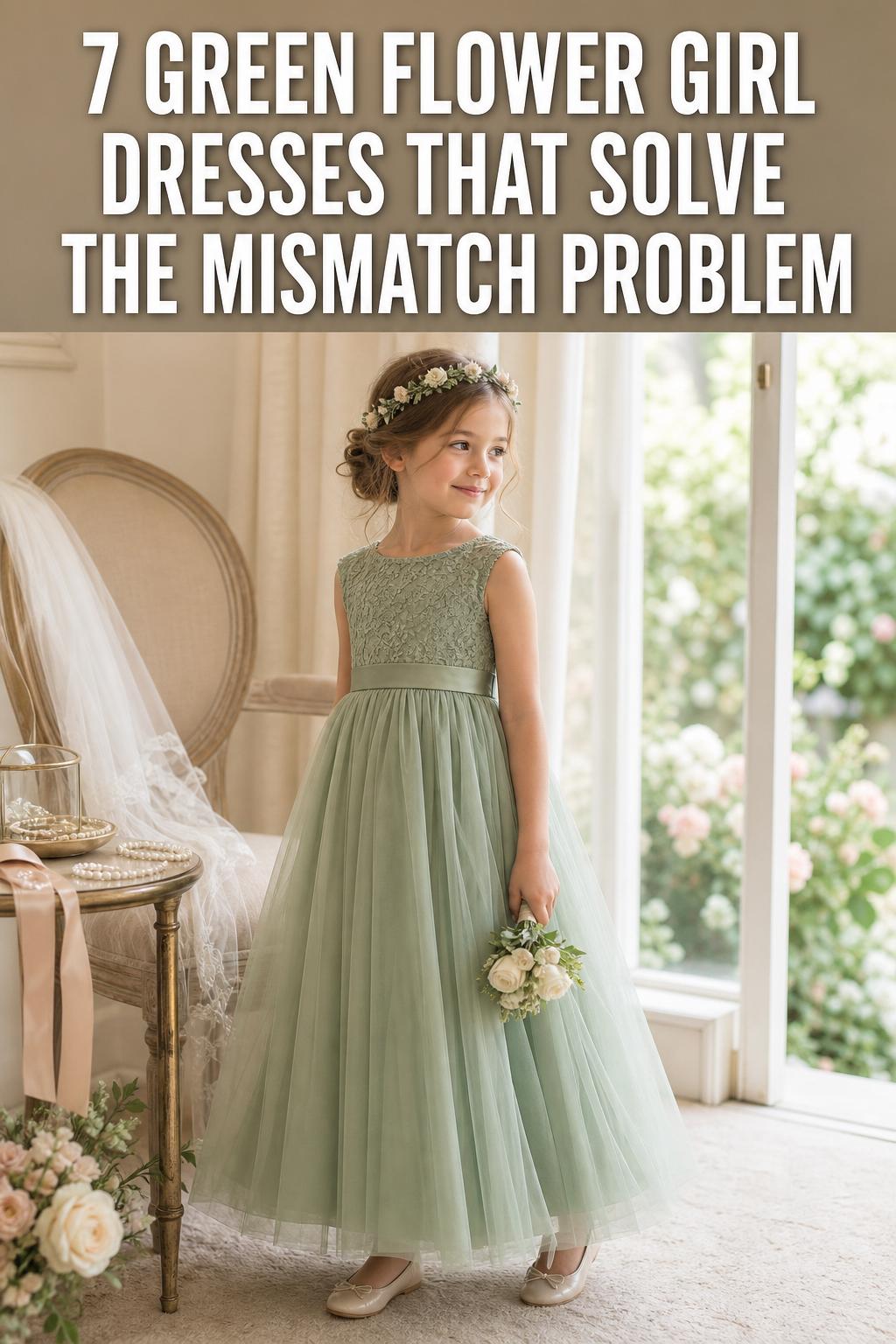
Green is one of the most flexible color families in wedding dressing, but that flexibility can create uncertainty. A useful comparison starts with the shade itself, because the same silhouette can shift dramatically depending on whether the fabric reads pale and botanical or deep and jewel-toned.
Sage and willow green
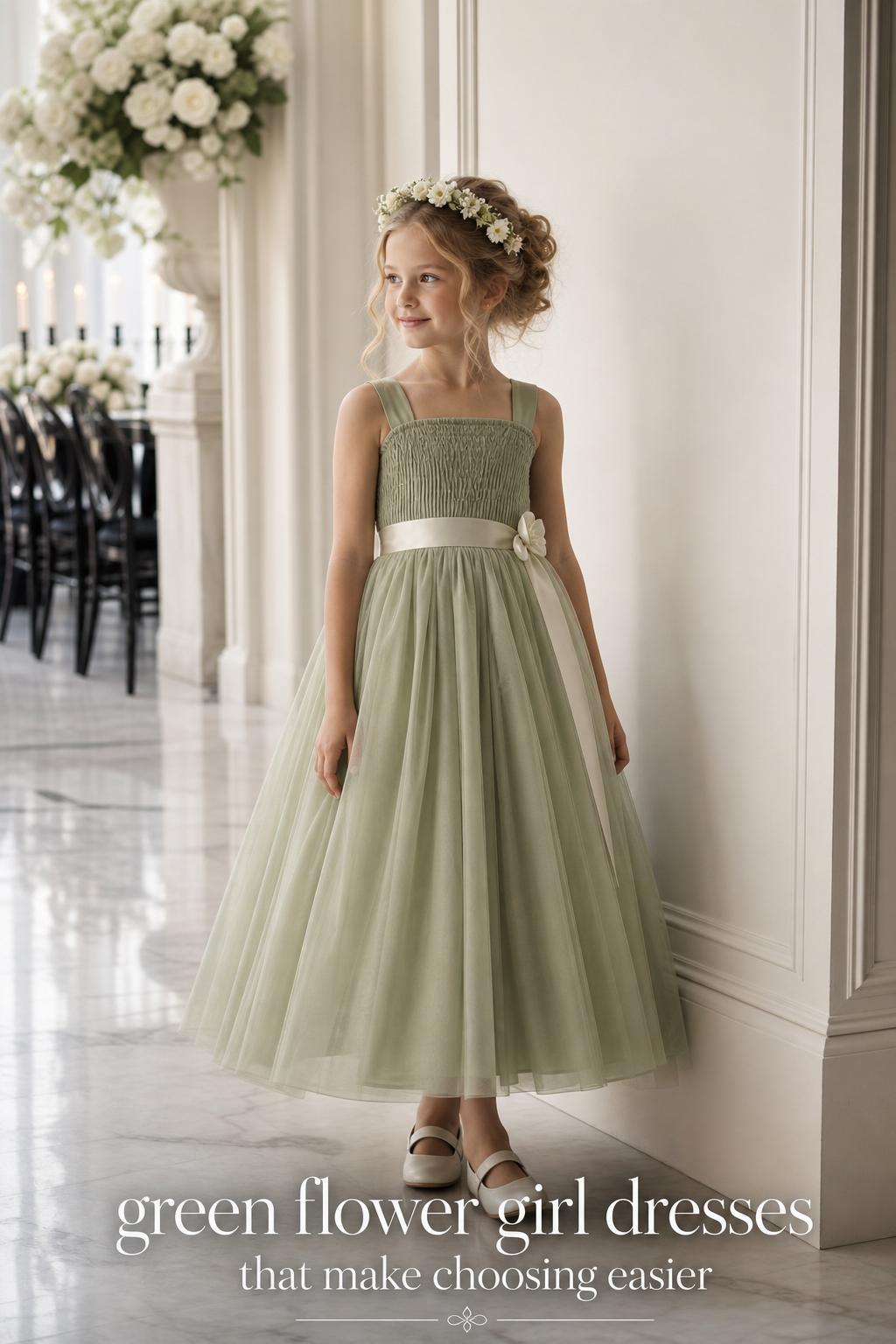
Sage and willow green tend to be the easiest shades for flower girls because they feel gentle without disappearing into the background. They coordinate smoothly with soft bouquets, outdoor venues, and a broader bridesmaids palette built around natural greens. In a chiffon or tulle silhouette, these shades look especially graceful in spring and summer light.
This is where Azazie’s willow green line feels particularly relevant: the color is soft enough for a child, but still polished enough for a formal wedding setting. Sage also aligns naturally with La Coqueta’s ceremony-oriented mood, where green is treated as an elegant tone rather than a novelty accent.
Olive green
Olive green offers a warmer, earthier interpretation. It is often seen in handmade listings, especially tulle dresses on Etsy, where customization allows buyers to lean into a more specific color mood. Olive suits rustic venues, intimate celebrations, and weddings where greenery is central to the styling language.
The trade-off is that olive can feel heavier if the fabric is too dense or the silhouette too elaborate. It usually benefits from airy textures such as tulle or chiffon so the overall look remains childlike and light rather than overly serious.
Emerald green
Emerald green is the most dramatic member of the group. It can be beautiful for evening receptions or more formal wedding palettes, but it asks for balance. Because the tone is richer, simpler silhouettes often work better than excessive embellishment. The color itself already carries presence.
For readers comparing a sage green flower girl dress with an emerald green flower girl gown, the distinction is mood. Sage whispers; emerald speaks. One supports a soft romantic atmosphere, while the other can anchor a more defined formal statement.
The fabric comparison that changes everything
Fabric is where many wedding shoppers make their final decision, even if they do not realize it at first. Children experience a dress through movement, texture, and comfort long before anyone comments on the shade. The most successful flower girl choices balance appearance with how the dress behaves during a ceremony, photos, and a long reception.
Tulle: volume and softness
Tulle is one of the most familiar fabrics in green flower girl dresses. It creates a dreamy outline, works beautifully in olive and sage tones, and lends itself to handcrafted or romantic styling. Tulle is visually special, but it can become overwhelming if the skirt is too full for a very young child or if the event is warm and active. A little lightness goes a long way.
Chiffon: movement and ease
Chiffon usually feels more fluid than tulle. It is a natural fit for willow green and other soft greens because the drape reinforces the color’s gentleness. In practical terms, chiffon is often a strong choice for outdoor weddings where breeze and movement are part of the atmosphere. It looks elegant without becoming too stiff.
Lace: detail and romance
Lace appears across both retailer and marketplace styles, often as an overlay or accent rather than the entire dress. It gives visual texture and can elevate a simple silhouette. The key difference lies in how it is used. In romantic styles, lace often softens the look. In classic ceremony designs, it can feel more formal and traditional.
Satin and silk-led ceremony finishes
More polished ceremony dresses, including pieces such as the Sage Verity Silk Ceremony Dress, move the conversation toward a cleaner, more elevated finish. Satin and silk-like surfaces reflect light differently from tulle and chiffon. They appear dressier, more composed, and often better suited to formal interiors or portrait-led celebrations.
The trade-off is that these fabrics ask for more care in fit and occasion. They are beautiful when the wedding atmosphere supports that refinement, but they may feel too formal for an easygoing outdoor celebration where children are expected to move freely throughout the day.
Brand-by-brand comparison across the U.S. market
The United States shopping landscape for green flower girl dresses is not defined by one single brand. Instead, several retailers and labels occupy distinct positions, and understanding those positions helps shoppers choose more efficiently.
Azazie: color-led and event-focused
Azazie’s willow green category is a strong reference point for families who already know they want a coordinated wedding color story. The emphasis on flower girl dresses and gowns within a named green shade makes comparison easier. Fabric options such as chiffon and tulle, along with visible silhouettes and pricing cues, support a very wedding-specific shopping experience.
Azazie tends to work well for bridal parties where color coordination is central. The experience feels systematic and clear, especially if the green tone needs to relate closely to the rest of the event styling.
La Coqueta: heritage craft and ceremony elegance
La Coqueta offers a different proposition. The green dress collection is framed through craftsmanship, Spanish-European aesthetic references, and occasion dressing that feels intimate and refined. Details connected to Celia Muñoz, atelier production, and the Nicky Hilton x La Coqueta collaboration reinforce the brand’s identity as more than a simple color filter.
This is often the right direction for readers who want the flower girl look to feel intentional, elevated, and distinctly special. It is less about broad inventory and more about a curated atmosphere.
Bloomingdale’s: curated department-store variety
Bloomingdale’s sits between single-brand storytelling and broad-market convenience. A green-filtered flower girl category can surface labels such as Hope & Henry while also supporting editorial browsing around wedding fashion, silhouettes, and occasion dressing. For shoppers who want recognizable retail infrastructure with a somewhat more polished feel than marketplace shopping, it can be a useful middle ground.
The strength here is flexibility. The challenge is that broad category pages require a more active eye from the shopper, since the green filter alone may bring together dresses with very different moods.
Princessly: editorial guidance with collection depth
Princessly is notable because it combines a green flower girl dress collection with a practical shopping guide. That blend makes it especially useful for first-time buyers who need help thinking through trends, embellishments, fabrics, and lengths rather than simply browsing products. It supports both inspiration and decision-making.
Readers comparing Princessly with Azazie may find that both are wedding-aware, but Princessly leans more heavily into editorial guidance while Azazie feels more tightly built around a defined color taxonomy.
Walmart and marketplace options: accessibility first
Walmart’s green flower girl dress listings and product pages focus on practical details such as size, material, shipping, and price. Brands like IBTOM CASTLE and iEFiEL show how this space serves families who need broad choice and affordability. Etsy adds a more handmade variation of accessibility, where the benefit is customization rather than mass convenience.
Neither route should be dismissed. They simply require different expectations. With value-driven retail, the strongest results often come from careful checking of fabric, sizing, and styling finish. With handmade marketplaces, the key is communication around materials, measurements, and timing.
How these styles actually look in wedding settings
A dress can look ideal on a product page and still feel mismatched once placed into a real wedding scene. Venue, light, and movement all change how a green dress reads. This is where visual styling matters more than isolated product features.
Garden ceremonies and vineyard weddings
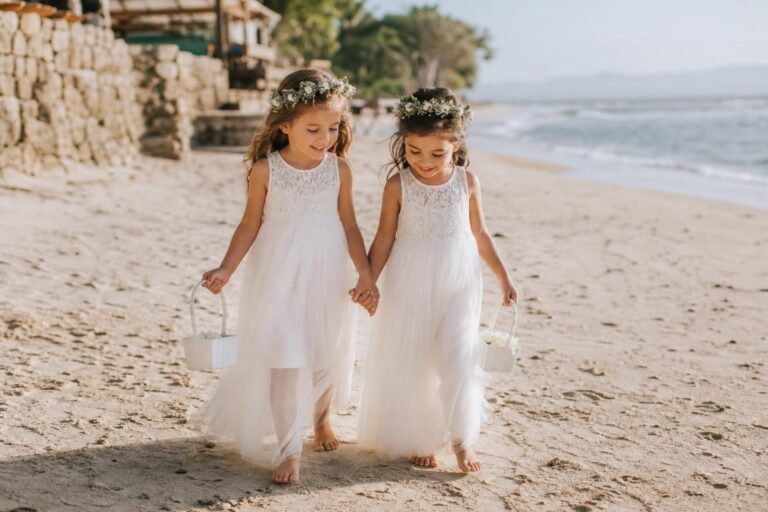
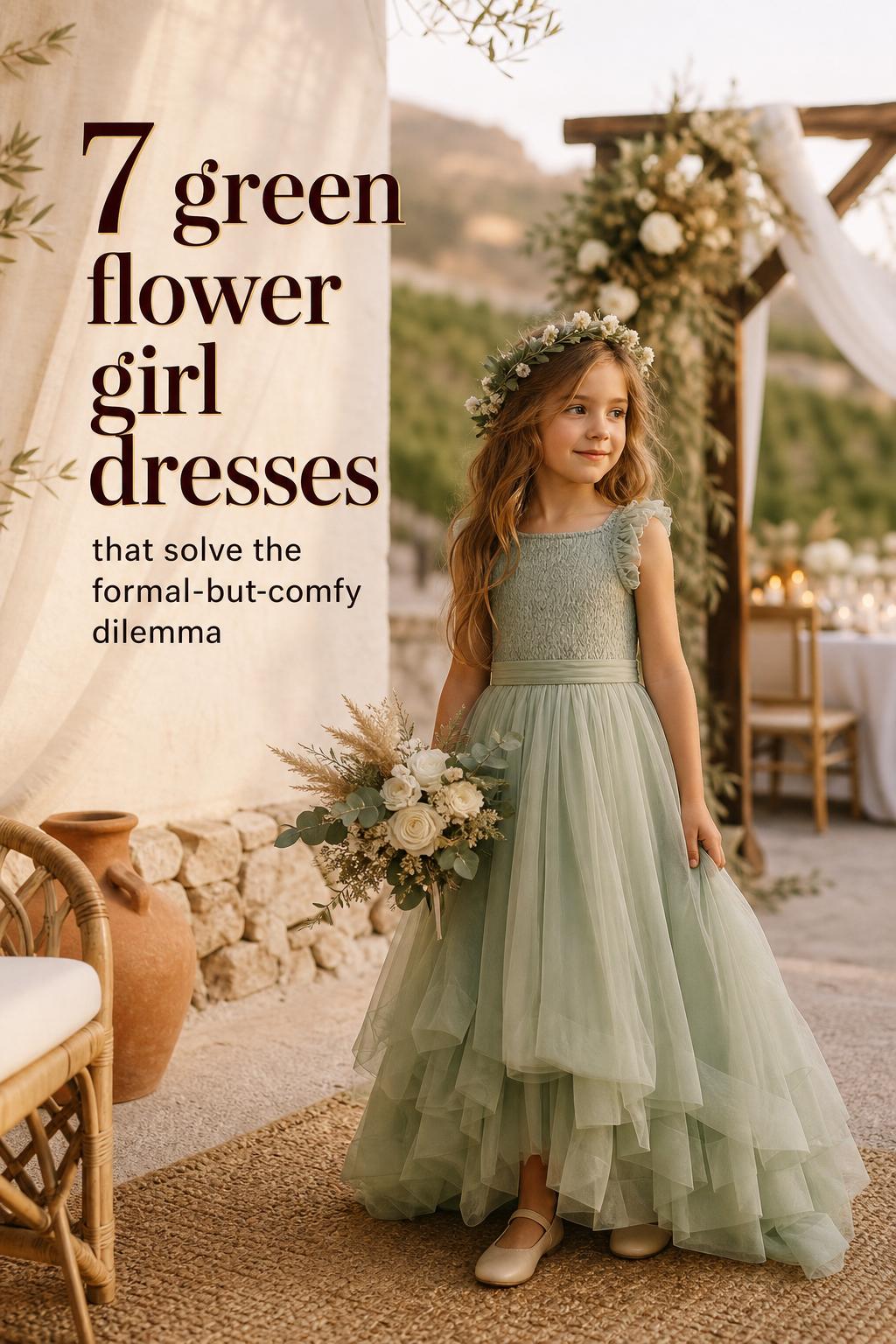
For a garden aisle or vineyard backdrop, chiffon, tulle, and soft A-line silhouettes tend to feel most natural. Sage, willow green, and soft olive blend beautifully with greenery and floral arrangements. The look should feel integrated with the landscape rather than sharply separated from it. This is the environment where airy romantic styles are at their best.
Accessories should remain light as well. A floral crown, delicate sash, or simple shoes preserve the softness. Heavy, overly formal additions can interrupt the ease that makes this style appealing in the first place.
Formal indoor receptions and candlelit evenings
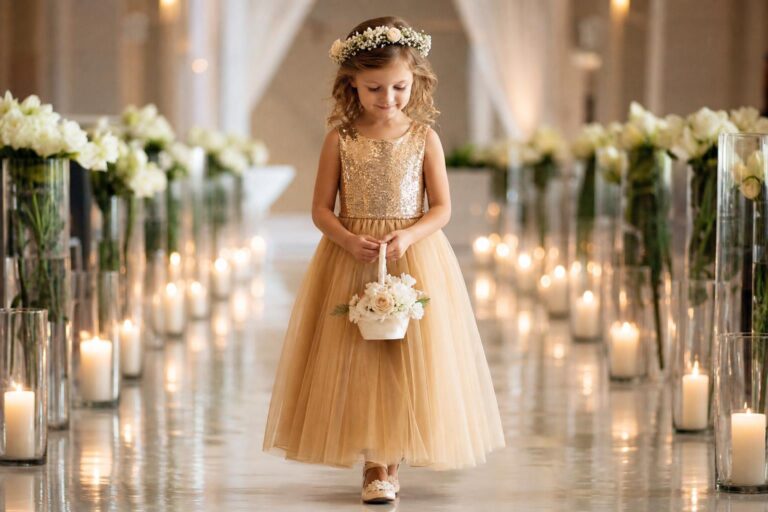
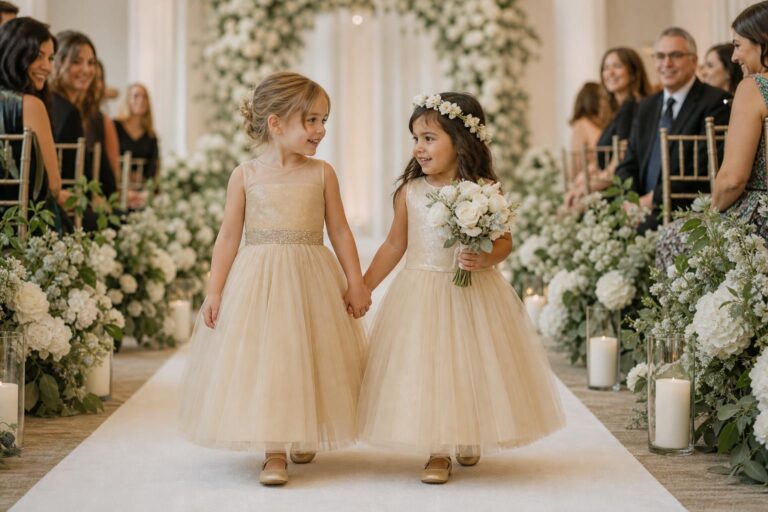
Ballroom-like spaces and evening receptions allow deeper green shades and more polished fabric finishes to shine. A classic ceremony dress in sage silk, or a richer green gown with cleaner lines, can feel especially elegant under indoor lighting. Here, structure is not a drawback; it enhances the sense of occasion.
In these settings, the most successful styling usually avoids excess. If the dress has refined fabric or hand-finished details, understated accessories often look more sophisticated than ornate ones.
Outdoor celebrations with active little attendants
When a flower girl will spend hours moving between ceremony, family photos, and reception spaces, comfort takes on real importance. Lightweight fabrics and manageable skirts tend to outperform highly structured or very full silhouettes. A beautiful dress loses its charm quickly if it restricts movement or becomes difficult to wear over the course of the event.
This is one reason practical value-driven dresses remain relevant. If the event is cheerful and low-pressure, a simpler well-styled option can be more successful than a more precious dress that the child cannot move comfortably in.
Visual style breakdown: accessories, proportions, and finish
Once the dress is chosen, the surrounding styling determines whether the final look feels coherent. In flower girl dressing, the best accessories support the dress rather than compete with it.
- Airy romantic styles pair best with delicate headpieces, light sashes, and simple shoes.
- Classic ceremony styles can handle slightly more refined finishing, but still benefit from restraint.
- Handmade tulle dresses often look strongest when accessories echo the artisanal mood rather than introducing a completely different aesthetic.
- Budget-friendly dresses usually improve most through thoughtful coordination: neat shoes, a considered hair accessory, and a balanced color story.
Proportion matters too. A fuller skirt often needs quieter accessories. A cleaner silhouette can tolerate a bit more ornament at the neckline, waist, or hair. The goal is not to create a miniature bridal look, but a child-appropriate version of the wedding’s visual rhythm.
Tip: coordinate with the bridal party without making the look overly literal
If bridesmaids are wearing green, the flower girl does not always need an exact match to look connected. A willow green chiffon dress, a sage silk ceremony style, or an olive tulle option can all relate to the same palette if the undertone feels harmonious. This often creates a more nuanced result than trying to force perfect sameness across very different garment categories.
Outfit comparison moments for real wedding scenarios
For a soft outdoor daytime wedding
The airy romantic interpretation would choose a willow green chiffon or tulle A-line dress with gentle movement and light accessories, allowing the color to feel natural against a garden or countryside setting. The classic ceremony interpretation would use a more refined sage dress with quieter structure and elevated finishing, creating a slightly more formal silhouette while still respecting the softness of the venue.
For a formal family-centered ceremony
The classic ceremony style becomes stronger here, particularly if the wedding includes portrait-focused dressing or a polished reception. A La Coqueta-inspired look with hand-smocked or silk-led elegance feels composed and special. The romantic version would still work, but it would need cleaner styling and less volume to avoid feeling too casual by comparison.
For a custom color request or boutique-feeling celebration
A handcrafted Etsy approach is often the more logical choice, especially if the family wants olive green, custom measurements, or a one-off tulle-and-lace mood. A major retailer version might offer quicker comparison and policy support, but it may not deliver the same level of personal specificity.
For a practical last-minute wedding purchase
A value-driven retailer such as Walmart or a broad department-store category at Bloomingdale’s usually makes more sense than a craft-focused or highly customized route. Here the styling logic shifts from rarity to reliability. The dress should be event-appropriate, comfortable, and easy to receive in time, with shoes and accessories doing some of the finishing work.
Sizing, fit, and the realities of shopping for children
Dress style is only half the decision. Fit determines whether the flower girl actually looks at ease on the day. Across brand pages, product listings, and marketplaces, sizing guidance appears in different forms, but the practical principle remains the same: rely on measurements, not assumptions based on age alone.
This is particularly important when comparing retailers. A custom Etsy seller may invite detailed measurements, while Walmart product pages and broad catalog pages may emphasize standard size ranges. A dress with a forgiving A-line shape often offers more ease than one with a fitted bodice and polished ceremony structure, so silhouette and sizing should be considered together.
- Check the dress length against the child’s movement needs, especially for aisle walking and stairs.
- Look at fabric behavior as part of fit; fuller tulle can feel larger visually even when the size is correct.
- Review return and shipping details carefully when ordering from large retailers.
- For handmade options, clarify customization and timing before purchase.
Tip: plan the fit around the full wedding day, not just the ceremony
A dress may look lovely for ten minutes of photos, but flower girls often wear it for much longer. If the child will stay through dinner or dancing, comfort and mobility become part of the style decision. In practice, a slightly simpler green flower girl dress that the child can move in confidently often produces better photos and a more relaxed presence than a more elaborate option that feels difficult to wear.
A closer look at common styling mistakes
The most common misstep is overemphasizing color while ignoring texture and setting. Green is a broad family, and not every green dress suits every wedding atmosphere. A rich emerald with heavy structure can feel too formal in a breezy daytime garden. A very soft willow chiffon may look too slight in a highly formal evening room.
Another frequent issue is layering too many decorative elements onto a dress that already has strong visual character. Tulle, lace, embellishments, and statement headpieces can quickly compete with each other. Flower girl styling usually looks most elegant when one idea leads and the rest support it.
Finally, shoppers sometimes treat all retailers as interchangeable. They are not. A customized marketplace purchase, a department-store browse, a ceremony-led heritage brand, and a budget-oriented product listing all require different expectations around finish, guidance, and flexibility. Matching your shopping method to your priorities is part of good style judgment.
When each style works best
The right choice depends less on trend and more on context. The same child could wear very different green dresses beautifully depending on the wedding’s tone, schedule, and setting.
Choose airy romantic styles when the mood is soft and natural
These dresses are at their best for spring and summer weddings, outdoor venues, garden celebrations, vineyard ceremonies, and bridal parties built around movement and lightness. Chiffon, tulle, and lace feel especially appropriate here, particularly in willow green or sage.
Choose classic ceremony styles when the wedding asks for polish
If the event has a more formal structure, a portrait-led family emphasis, or a refined bridal aesthetic, a dress with atelier-inspired details and stronger finishing often feels right. This is where La Coqueta’s style language resonates most clearly, including ceremony pieces connected to the brand’s wider heritage and collaboration story.
Choose handcrafted customizable styles when detail matters most
For an olive green flower girl gown, a handmade tulle-and-lace dress, or a color-specific custom request, marketplace shopping can be especially effective. It suits weddings where individuality matters and the family is willing to manage more direct communication around sizing and timing.
Choose practical value-driven styles when ease is the priority
For shorter timelines, straightforward budgeting, or semi-formal wedding plans, accessible retail options make sense. A simple green party dress suitable for flower girl duties can still feel polished if the fit is right and the styling is thoughtful. This is often the most pragmatic route for busy families.
The final balancing act: color, craft, and comfort
The appeal of green flower girl dresses lies in how many wedding stories they can tell. Willow green chiffon speaks to softness and movement. Sage ceremony dressing suggests refinement and craft. Olive tulle brings warmth and individuality. Emerald offers depth and formality. Brands such as Azazie, La Coqueta, Bloomingdale’s, Princessly, Walmart, and Etsy each represent a different way into the category, not just different places to buy the same thing.
The most successful choice is rarely the dress that looks impressive in isolation. It is the one that suits the wedding setting, respects the child’s comfort, aligns with the wider palette, and feels believable within the day’s atmosphere. Once those elements are working together, even a simple green dress can feel beautifully considered.
FAQ
What shade of green works best for a flower girl dress?
Sage and willow green are often the easiest shades to style because they feel soft, romantic, and naturally suited to weddings. Olive green works well for earthy or greenery-led celebrations, while emerald green is better for more formal or evening settings where a richer tone feels appropriate.
Are green flower girl dresses formal enough for a traditional wedding?
Yes, but the fabric and construction matter. A green dress in silk, satin, refined lace, or a polished ceremony silhouette can feel fully appropriate for a traditional wedding, while lighter chiffon and tulle styles tend to suit softer daytime ceremonies and outdoor venues.
How do I coordinate a flower girl dress with green bridesmaid dresses?
You do not always need an exact color match. It is often more elegant to coordinate by undertone and mood, such as pairing willow green with sage-based bridesmaid styling or using olive as part of a broader natural palette. The goal is visual harmony rather than perfect sameness.
Which fabrics are most comfortable for children at weddings?
Chiffon and softer tulle are popular because they allow movement and still look special. Lace can add texture without overwhelming the dress when used thoughtfully. More structured ceremony fabrics can be beautiful, but they should be chosen with the full wedding day in mind, especially if the child will wear the dress for many hours.
Is a handmade Etsy flower girl dress a good option?
It can be an excellent option for families who want customization, an olive green tone, or a more artisanal look. The key is to confirm materials, measurements, and timing carefully, since handmade purchases usually involve a different process from ordering through a major retailer.
What is the difference between Azazie willow green and La Coqueta sage styles?
Azazie’s willow green pages emphasize color-led wedding coordination, with options across fabrics and silhouettes. La Coqueta’s sage-focused styles feel more heritage-driven and ceremony-oriented, with stronger emphasis on craftsmanship, hand-finished details, and a refined European mood.
Can budget-friendly green flower girl dresses still look elegant?
Yes. A simpler dress from Walmart or a broad catalog retailer can look polished if the fit is correct, the fabric is appropriate for the setting, and the accessories are chosen with restraint. Styling often makes the difference between a dress that feels merely practical and one that feels wedding-ready.
What should I check before ordering a green flower girl dress online?
Focus on color name, fabric, silhouette, size guidance, shipping timeline, and return or customization details. Those points matter more than product photos alone, especially because “green” can include very different shades and formality levels across retailers and marketplaces.
Do fuller tulle gowns or A-line dresses work better for flower girls?
A-line dresses are often easier for comfort and movement, which makes them a reliable choice for long wedding days. Fuller tulle gowns can look magical, especially in photos, but they work best when the child is comfortable managing the volume and the setting supports a more dramatic shape.