Romantic Curls Hairstyles for Wedding That Last All Day
Choosing curls hairstyles for wedding celebrations sounds simple until the details begin to matter: your natural texture, the length of your hair, the mood of the ceremony, the placement of your veil, and whether your curls need to last through golden hour portraits and a late reception. What looks effortless in a photo gallery can feel much more complicated when you are deciding between loose waves, a classic updo, half-up curls, or a vintage Old Hollywood finish that still feels like you.
The challenge is rarely a lack of inspiration. It is narrowing beautiful ideas into one hairstyle that works with your hair texture, wedding vibe, accessories, and the realities of the day. A beach ceremony, a garden aisle, and a ballroom evening all ask something different from curly wedding hair.
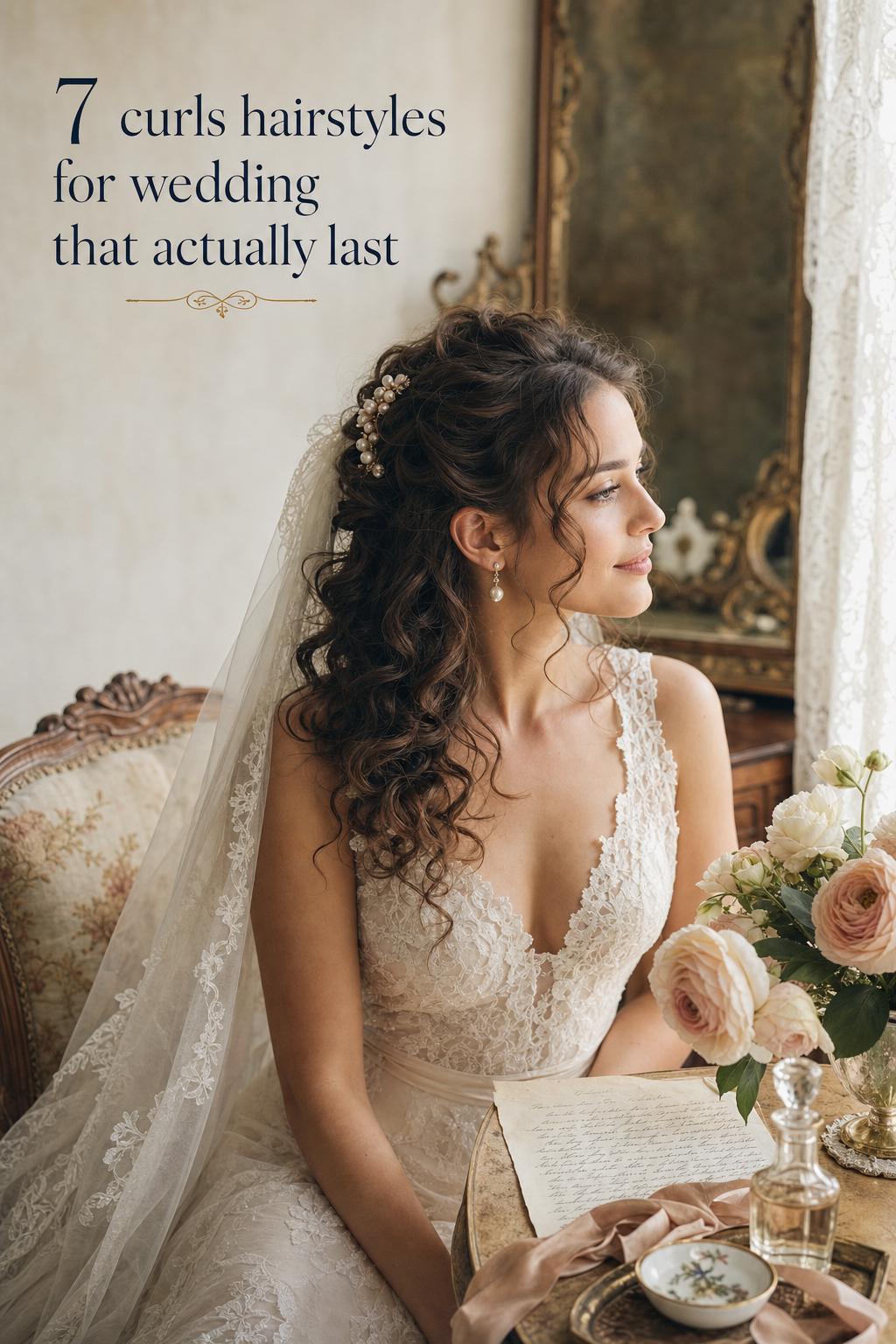
This guide approaches the decision the way a bridal stylist would: by solving the practical questions first, then shaping the romance around them. From soft curls for short hair to cascading long curls, veil-friendly updos, floral accents, and humidity-conscious prep, these ideas are designed to help you choose with confidence.
Why wedding curls can feel harder to choose than they look
Curly bridal hair sits at the intersection of beauty and function. It has to photograph well, feel secure, flatter the dress, and survive movement, weather, and hours of celebration. That is why the same bride who loves textured curls in theory may hesitate when she imagines wind at an outdoor garden wedding, a cathedral veil anchor, or the weight of accessories pinned into long hair.
Your wedding look is only the beginning.
Keep your guest list, vendors, timeline, and every important detail together with Zarellea — so your day feels as considered as your style.
There is also the matter of balance. Voluminous curls can look striking, but they may compete with an ornate neckline. A sleek pinned style may support a veil beautifully, but it can feel too structured for a bohemian ceremony. Brides with short curls face different questions than brides with long, loose waves, and medium-length hair often sits right in the middle, needing shape without losing softness.
That is why the best approach is not simply to pick the prettiest image. It is to choose a curl direction that suits the setting, supports your accessories, and works with your hair rather than against it.
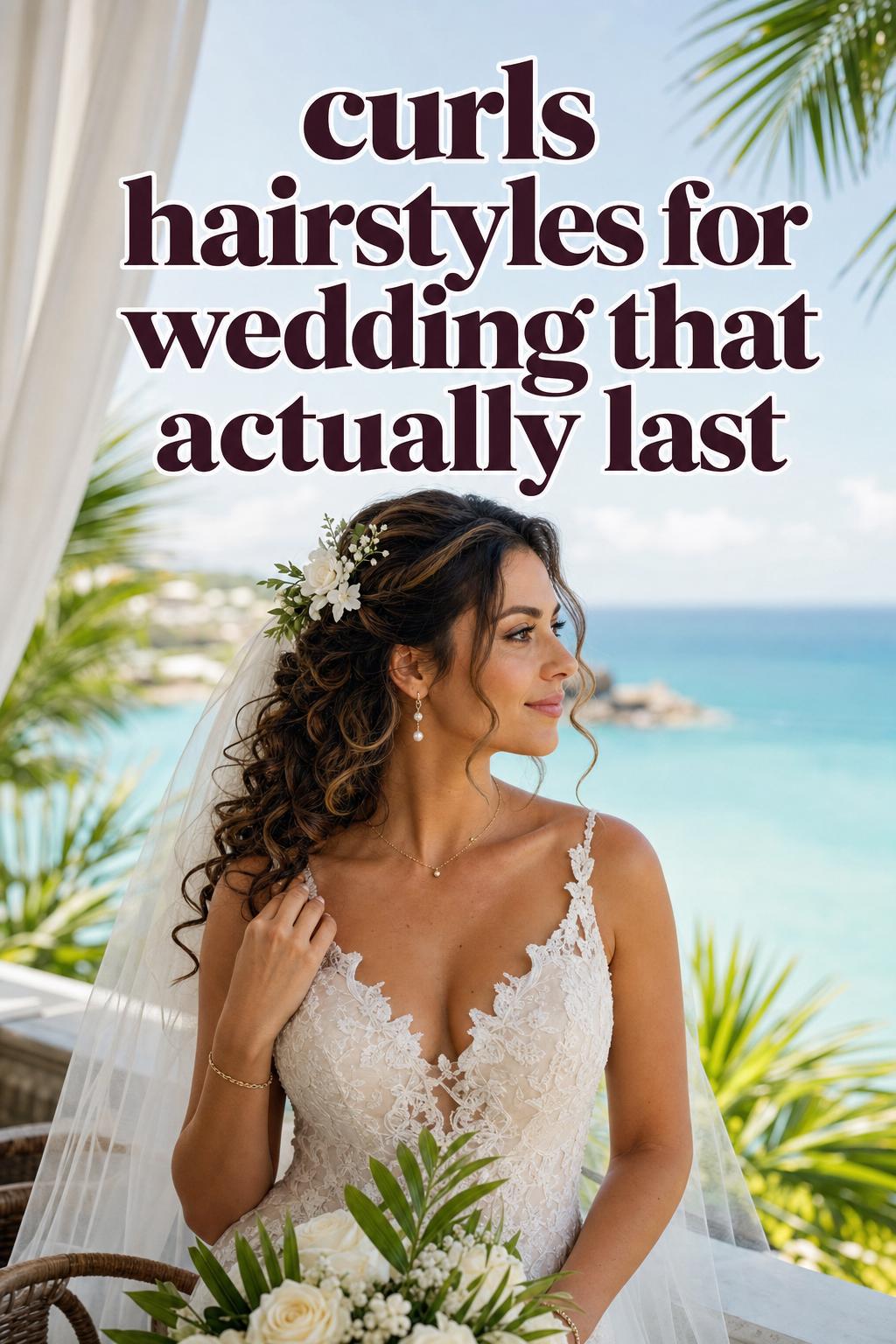
The styling principles that make curly wedding hair work
Before settling on a specific look, it helps to understand the logic behind successful wedding curls. Whether the final choice is a curly chignon, pinned-up curly tresses, a half-up ponytail, or romantic loose waves, a few principles consistently make the style feel polished and wearable.
- Match the hairstyle to the wedding vibe. Boho curls, floral accents, and softly tousled texture suit a relaxed outdoor ceremony, while Old Hollywood curls or a classic updo often feel more at home in a formal ballroom setting.
- Let hair length lead the structure. Short curly styles benefit from shape and controlled softness, medium lengths often shine in half-up designs, and long hair can carry cascading curls or statement updos.
- Consider accessories early. Veils, flowers, ribbons, and decorative pins change where volume should sit and where the hair must be secure.
- Think about longevity, not just the first look. Wedding curls need hold, texture, and finish, which is why product support matters in addition to styling technique.
- Preserve natural movement. Even glamorous bridal hair looks best when curls still feel like curls rather than overly stiff sculpting.
This is also where product logic becomes useful. Some bridal hair guides reference finishing support from brands such as Nexxus and TRESemmé, especially when the goal is grip, definition, and hold for a long event. Products like Nexxus Maxximum Finishing Mist or TRESemmé Compressed Micro Mist Hairspray are typically tied to that practical concern: keeping texture intact without erasing softness.
Start with texture and mood, not just a saved photo
Many brides save one image of Old Hollywood curls, another of a bohemian braid, and another of a floral half-up look, only to realize those ideas belong to very different weddings. The fastest way to edit your options is to decide two things first: what your curl texture wants to do, and what your wedding atmosphere asks the hair to become.
Texture matters because not every curl pattern creates the same silhouette. Some hair naturally falls into soft waves, some into springier ringlets, and some into fuller textured volume. Mood matters because bridal hair should echo the event. A candlelit reception can carry vintage glamour beautifully; a beach ceremony often looks more convincing with looser, touchable movement; a garden wedding invites flowers and airy framing around the face.
If you feel torn, choose the wedding mood first. It is usually easier to soften a glamorous reference or polish a relaxed one than to force your hair into a style that does not fit the setting.
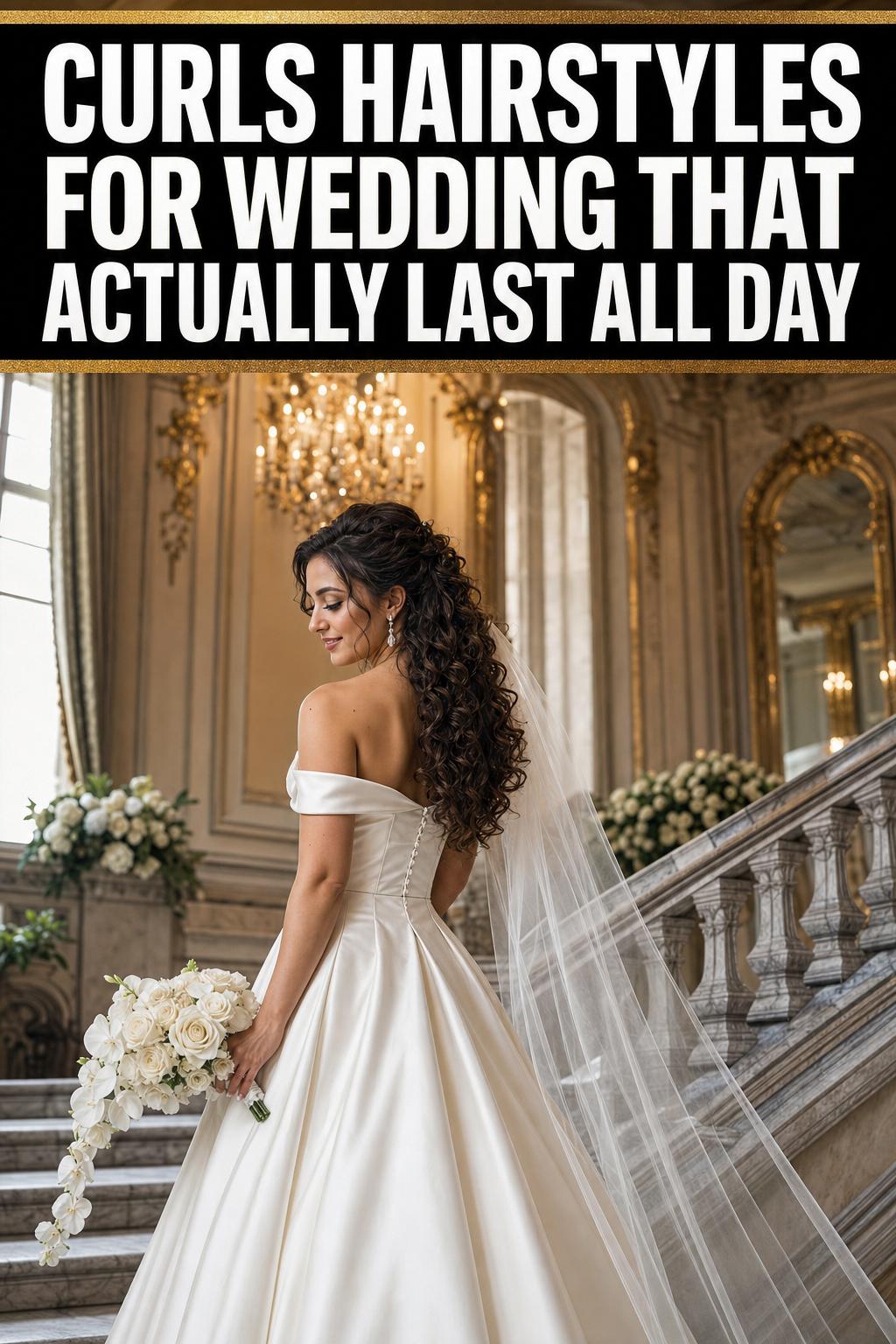
Curly wedding hairstyles by hair length
Short hair: soft structure with visible texture
Short curly wedding hairstyles often succeed when they do not try to imitate long hair. Instead of forcing length or excessive volume, the most flattering looks shape the curls you already have. Soft curl styles, side-pinned pieces, and cropped curls with an accessory can feel modern, romantic, and surprisingly formal.
A short style works especially well for intimate ceremonies, city weddings, and fashion-forward receptions where clean lines matter. If the dress has strong shoulders or an open neckline, short curls can create a beautifully balanced frame. For a softer effect, a floral twist or a delicate pin placed to one side gives the hair a bridal finish without overwhelming it.
The main practical consideration is hold at the hairline and crown. Because there is less length to weight the shape down, short curls benefit from texture support and a light finishing spray that keeps the style defined rather than fluffy.
Medium length: the sweet spot for half-up styling
Medium-length curls are often the easiest to adapt because they can move between relaxed and structured styling. A half-up, half-down shape is especially useful here. It keeps the face open for photographs and makeup, leaves enough hair down to preserve movement, and creates a natural place for a veil or decorative pins.
For a vineyard wedding or a garden ceremony, medium curls with a soft crown lift and pinned sections can feel romantic without looking overworked. For a more polished reception, a medium curly style can shift toward a tucked shape or a partial updo while still allowing tendrils and textured ends to soften the silhouette.
If you are unsure whether to wear your hair fully up or down, medium length is where compromise often looks best. You gain practicality around the face while preserving the softness that makes wedding curls feel special.
Long hair: cascading curls and statement updos
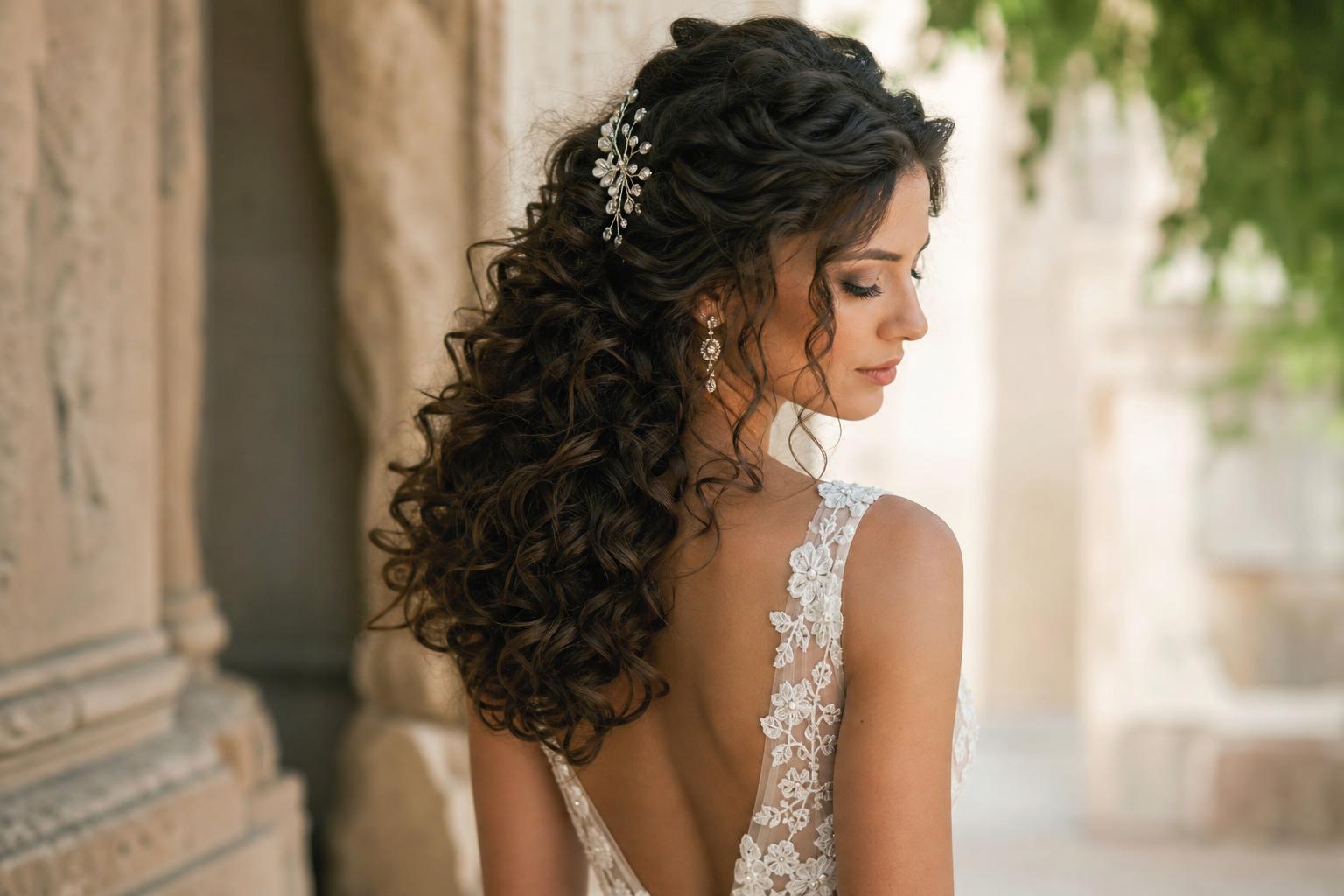
Long curly wedding hair naturally invites drama, but the best version of that drama depends on the dress and venue. Cascading curls are ideal for romantic portraits and open-back gowns, especially in settings like a beach, garden, or outdoor afterparty where movement is part of the atmosphere. They create that aisle-to-afterparty effect many brides want: photogenic, feminine, and still easy to touch up.
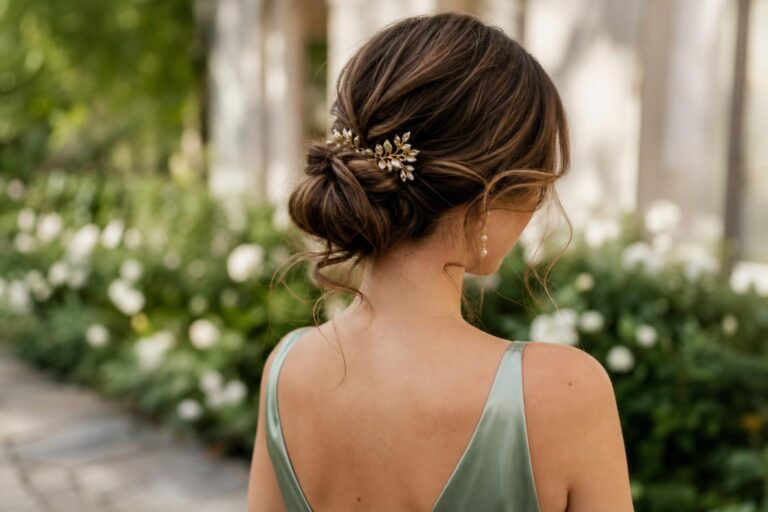
At the same time, long hair can become heavy, particularly when paired with a cathedral-style veil or multiple accessories. That is when a statement updo becomes practical. A classic curly updo, a textured chignon, or an all-pinned-up style keeps the neckline clear, protects the curl shape, and often wears more comfortably through a long reception.
The trade-off is simple. Wearing curls down highlights length and softness, while wearing them up offers more security and stronger accessory support. Neither is better; they simply solve different wedding-day needs.
Style directions that solve different bridal problems
Loose waves for a romantic, low-pressure finish
Loose waves remain one of the most requested wedding looks because they feel universally romantic and adaptable. They work particularly well when the goal is softness rather than precision, and they suit venues such as beach ceremonies, garden celebrations, or relaxed destination-style events. Face-framing waves can also flatter without making the hair feel too formal.
This direction is especially helpful if you worry about looking too “done.” Loose waves keep the bridal look elevated while preserving natural ease. The caution is that they still need enough texture and spray support to prevent them from dropping too quickly over a long day.
Old Hollywood curls when the dress needs polish
Old Hollywood curls bring vintage glamour and visual order. They are ideal for formal settings, sleek gowns, candlelit receptions, and brides who want a style that feels classic in photographs. This look solves a specific problem: how to make curls appear refined and intentional without losing femininity.
Because the style relies on shape, shine, and direction, it tends to work best when the outfit and wedding mood lean elegant rather than rustic. If your ceremony is deeply bohemian or your accessories are floral and airy, this level of polish may feel too controlled. But for black-tie-inspired bridal style, few curl options feel as timeless.
The bohemian bride’s textured curls
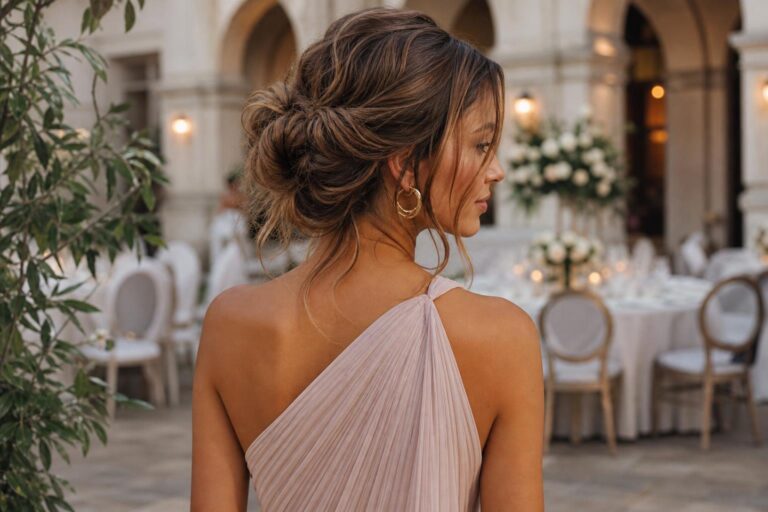
Boho curls are less about perfection and more about atmosphere. Think textured curls, soft movement, pinned sections, and flowers or ribbons woven in with restraint. This approach suits outdoor venues beautifully, especially garden weddings and countryside-style celebrations where the setting already carries romance.
The reason it works is balance. The texture echoes the environment, and the style looks better with a little movement than against it. If you are planning an outdoor day and do not want to fight every breeze, a bohemian shape often feels more believable and easier to wear than a highly sculpted finish.
A classic updo for comfort, neckline, and veil support
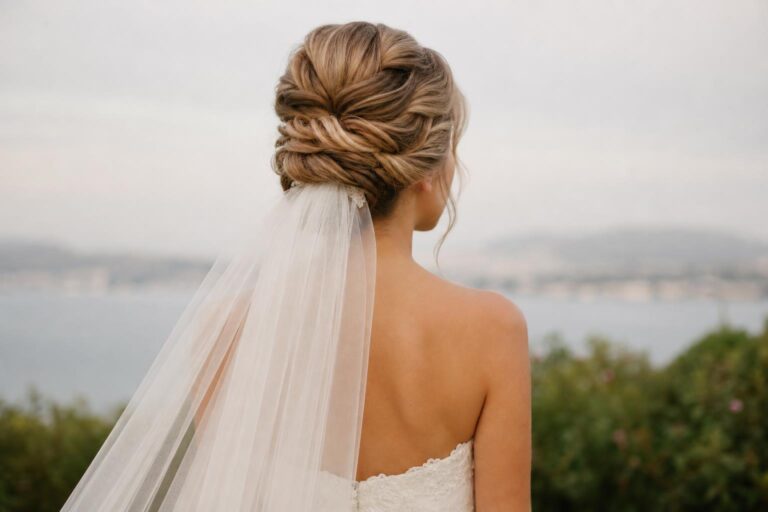
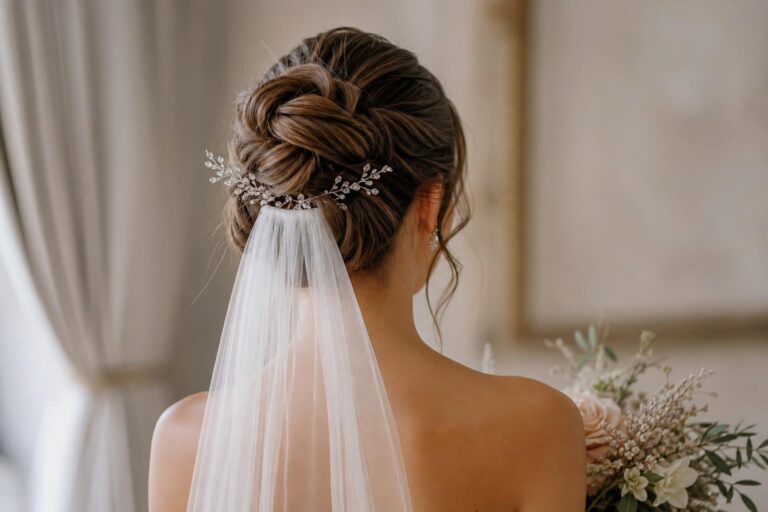
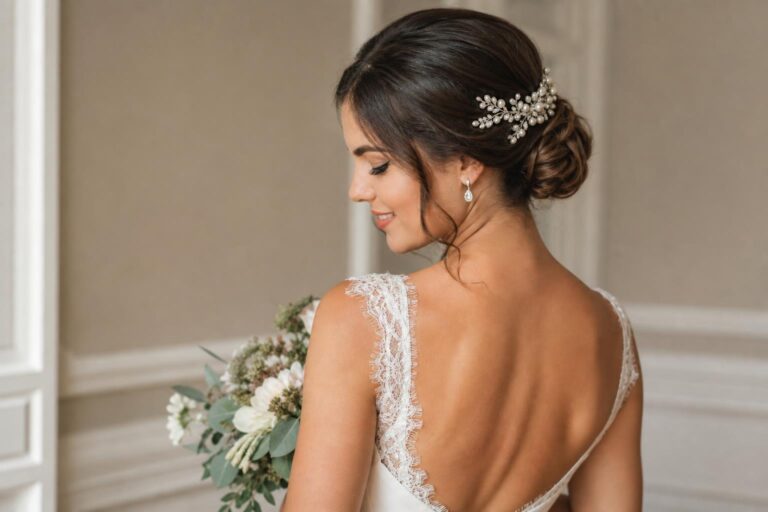
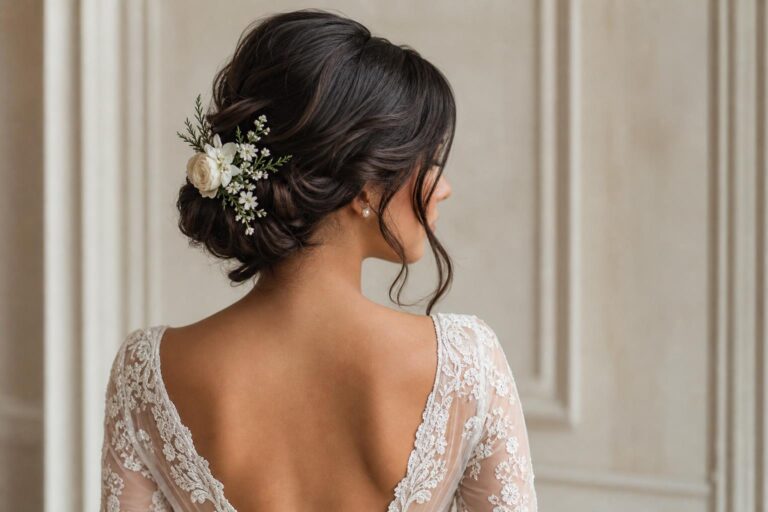
When comfort is a priority, a classic updo remains one of the smartest bridal decisions. Curly updos clear the shoulders, reduce the chance of tangling, and create a dependable foundation for a veil. They also solve the problem of visual competition when the gown features lace, embellishment, or a dramatic neckline.
A curly chignon or softly pinned updo does not have to feel severe. Leaving texture visible keeps it romantic, while strategic pieces around the face can soften the finish. This is often the choice brides appreciate most once the ceremony gives way to hours of greeting, hugging, dancing, and moving from one part of the venue to another.
Braided curls and fishtail details for shape and interest
When curls need more structure but you still want visible texture, braided elements offer a useful middle ground. A curly fishtail braid, side braid, or braided half-up style introduces detail and keeps the design from feeling flat. These looks are often especially effective for medium and long hair.
Braids also pair naturally with floral accents and relaxed wedding settings. They are a thoughtful option when you want the style to feel distinctive without committing to a full updo or a fully loose shape.
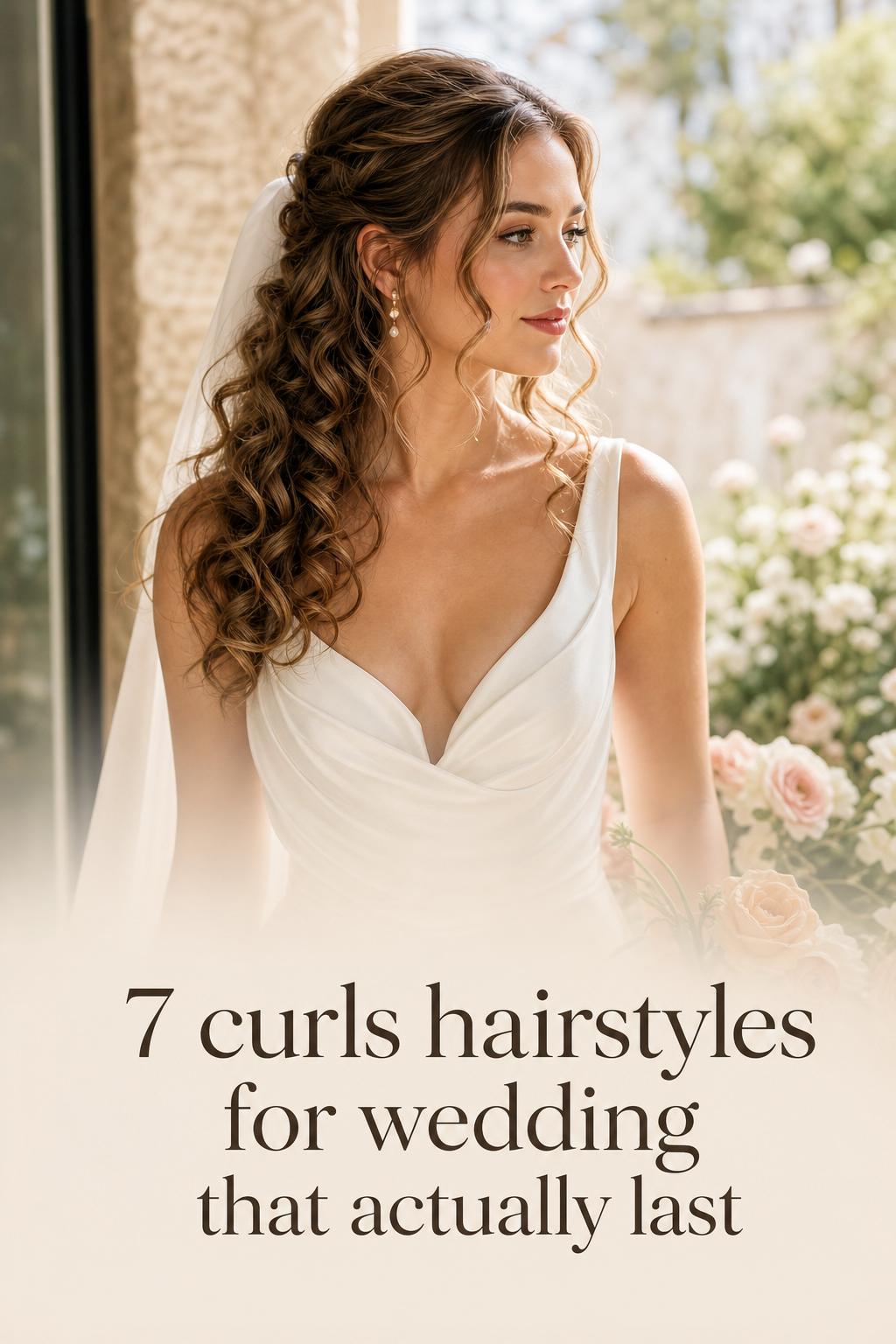
Veils, flowers, ribbons, and pins: where bridal accessories really belong
Accessory styling often determines whether curls feel intentionally bridal or simply event-ready. The most important decision is not which embellishment is prettiest, but where it sits in relation to the curl pattern and hairstyle structure.
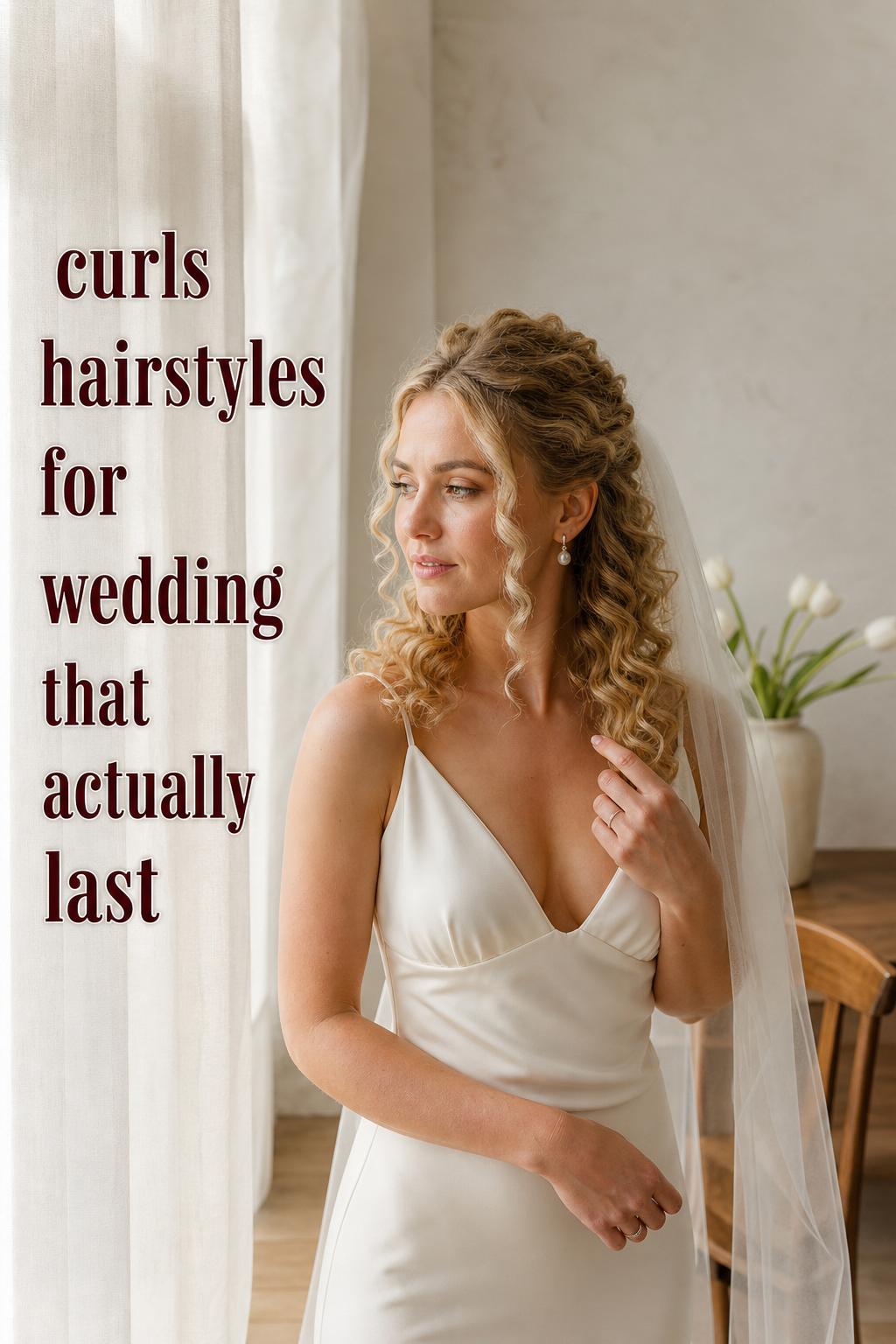
Veils need an anchor. In practical terms, that means some area of the hairstyle must offer support, whether through a half-up section, a pinned crown, or a full updo. Loose curls worn entirely down can still work with a veil, but they generally look best when part of the hair is secured to create placement rather than leaving the veil to float without definition.
Flowers and floral crowns usually shine most in textured or bohemian curls, where they feel integrated rather than added on top. Hairpins suit nearly every direction, from vintage glam to relaxed romance, because they can either disappear into the hair or catch the light gently. Ribbons work best when the wedding mood leans soft and personal, especially in tied-back or half-up styles.
- Use a half-up section if you want hair down but still need a practical veil point.
- Choose pins for subtle sparkle without interrupting the curl pattern.
- Reserve fuller floral accents for garden, outdoor, or boho settings where they feel contextually natural.
- Keep one focal accessory rather than layering too many elements into already voluminous curls.
Venue and weather change the smartest curl choice
A hairstyle that looks beautiful in a studio image may behave differently in a real wedding environment. Venue and climate are not minor details; they influence whether your curls should be relaxed, pinned, polished, or protected.
Garden and outdoor weddings
Outdoor ceremonies favor movement, but they also expose hair to breeze and moisture in the air. Textured curls, side-pinned styles, and half-up shapes tend to handle this setting gracefully because a little softness only adds to the look. Flowers are especially at home here, and face-framing pieces can feel romantic under natural light.
Ballroom and formal evening receptions
Ballrooms invite greater polish. Old Hollywood curls, structured updos, and pinned styles all feel elevated against formal décor and evening lighting. If the gown is dramatic, a cleaner hairstyle often gives the entire bridal look more authority.
Beach or destination-style celebrations
Beach settings usually call for softness with strategy. Fully rigid curls can feel out of place, while completely loose hair may become difficult to manage. A relaxed half-up style, soft waves, or pinned-back curls often provides the right compromise between atmosphere and control.
Humidity deserves special attention across all three settings. Several bridal hair guides highlight humidity-resistant wedding curls as a real concern, and for good reason. The answer is rarely to eliminate texture altogether. It is to build enough grip and hold into the style that the hair remains intentionally textured rather than unpredictably expanded.
Prep, products, and staying power from aisle to afterparty
Beautiful curls on a wedding day are rarely created by styling alone. Longevity begins with preparation, then gets reinforced through finishing products and realistic expectations about the event itself. A trial is useful not only for choosing the look, but for testing whether the curl pattern holds, whether the veil sits securely, and whether your preferred shape still feels right after several hours.
Pre-wedding care should support the final texture. If you want soft waves, your prep should not leave the hair overly slippery. If you want an updo with visible definition, the curls need enough structure before pinning begins. This is where stylists often focus on grip and finish, sometimes drawing on product categories such as mousse, hairspray, and finishing mist.
Among the product references seen across bridal hair content, Nexxus Maxximum Finishing Mist and TRESemmé Compressed Micro Mist Hairspray stand out as examples tied to hold and finishing support. They are typically mentioned in the context of keeping texture in place while maintaining a bridal feel rather than creating an overly hard shell.
Tools matter too. Diffusers are repeatedly implied within curly-hair prep conversations because they support texture without flattening it. Heat tools also appear in broader styling discussions, especially when refining soft curls or waves. The key is not simply using tools, but using them in service of the intended finish: airy, glam, boho, or secure.
Tips for curl longevity on the wedding day
- Test the hairstyle in advance with the veil or accessory you plan to wear.
- Choose hold products based on the final look: flexible support for loose waves, stronger control for updos or vintage glam.
- Build in some pinned structure even when wearing hair mostly down.
- For outdoor weddings, lean toward styles that still look intentional if they soften slightly over time.
- Think in phases of the day: ceremony, portraits, reception, and afterparty may each place different demands on your curls.
Practical bridal style scenarios and the curl choices that solve them
A garden ceremony with flowers and soft light
In a garden setting, curls should feel connected to the landscape. A half-up style with textured lengths, face-framing pieces, and a restrained floral accent creates that balance between bridal detail and natural movement. It keeps the hair away from the face during the ceremony while preserving softness for portraits under daylight. This is also one of the easiest ways to accommodate a veil without sacrificing an airy finish.
A formal ballroom wedding with a dramatic gown
For a more formal room, polished shape becomes the priority. Old Hollywood curls worn to one side or a classic curly updo both work beautifully here. They complement structured satin, lace, or embellished necklines because they look intentional from every angle. If comfort through a long evening matters as much as glamour, the updo usually wins; if the gown is minimalist and the bride wants visual impact in photos, side-swept vintage curls can be striking.
A beach wedding where softness matters but wind is real
A beach ceremony rewards a relaxed silhouette, but it also exposes every style choice. Soft curls pinned back at the sides or a loose half-up ponytail often feel right because they preserve movement while reducing disruption. Fully loose hair can look lovely at first, but many brides find that some discreet structure makes the style far easier to enjoy once the event begins.
An afterparty transition without a full restyle
Some of the most practical curls hairstyles for wedding weekends are the ones that evolve gracefully. A pinned style with removable flowers, a half-up look that can be loosened later, or cascading curls that hold shape after the veil comes off all offer flexibility. This is one reason all-pinned-up styles and half-up curls appear so often in bridal galleries: they are not only beautiful, they adapt.
Common mistakes brides make with curly wedding hair
The most frequent mistake is choosing a style in isolation. Brides fall in love with one image and only later realize it does not suit their dress neckline, wedding vibe, or accessory plan. A boho floral style may feel disconnected from a sleek evening venue, while a highly polished vintage curl may look too formal for a breezy outdoor ceremony.
Another common issue is treating curls as if they only need beauty, not engineering. Veils need support. Flowers need placement. Long hair needs weight management. Humidity changes outcomes. Ignoring these practical points can make even a lovely hairstyle feel unstable.
There is also a tendency to over-accessorize. Curls already provide texture and visual interest, so adding a veil, floral crown, multiple pins, and ribbons all at once can blur the shape. Usually, one strong accessory story is enough.
The better approach is to build the hairstyle around the full look: dress, venue, timing, comfort, and the way you want to feel once the celebration is actually underway.
A shortlist of wedding curl directions worth considering
If you are narrowing options, these are the curl directions that consistently solve real bridal styling needs while still offering strong visual payoff.
- Loose waves for a romantic and low-pressure bridal feel
- Old Hollywood curls for formal glamour and polished photographs
- A classic curly updo for comfort, neckline clarity, and veil support
- Half-up, half-down curls for balance between softness and structure
- Side-pinned curls for outdoor settings and asymmetrical elegance
- Boho textured curls with flowers for garden and countryside weddings
- Pinned-up curly tresses for a versatile ceremony-to-reception transition
- A curly fishtail braid for medium to long hair with shape and detail
- Short soft curls with a statement pin for cropped bridal hair
- Long cascading curls for aisle drama and afterparty movement
The final decision: choose the hairstyle that supports the day
The most memorable bridal hair rarely wins because it is the most complicated. It wins because it makes sense. It suits the wedding atmosphere, supports the accessories, complements the dress, and lasts well enough that the bride stops thinking about her hair and starts living in the celebration.
Whether you are drawn to romantic loose waves, a curly chignon, bohemian texture, or polished Old Hollywood curls, the smartest choice is the one that respects both beauty and practicality. Begin with mood, length, and comfort. Then build in the finishing details—pins, flowers, veil placement, and hold—so the look remains as lovely at the reception as it did walking down the aisle.
FAQ
Will curls hold for a wedding in humidity?
Yes, but the hairstyle needs to be chosen with humidity in mind. Textured curls, half-up styles, and updos usually handle moisture in the air more gracefully than very loose unsupported shapes. Finishing support such as hairspray or finishing mist can also help preserve definition and hold throughout the day.
What are the best curly wedding hairstyles for short hair?
Short curly bridal styles often look best when they emphasize shape rather than trying to imitate length. Soft curls, side-pinned styles, cropped textured looks, and short curls with a floral twist or decorative pin are all strong options because they feel intentional and balanced.
Should I wear my curls up or down for my wedding?
That depends on your dress, venue, and comfort priorities. Wearing curls down highlights softness and length, while an updo offers stronger support for a veil, more comfort through a long reception, and less competition with detailed necklines. A half-up style is often the best middle ground.
How do I choose between boho curls and Old Hollywood curls?
Use the wedding setting as your guide. Boho curls usually suit outdoor, garden, and relaxed celebrations because they feel airy and textured. Old Hollywood curls are better for formal venues and gowns that call for polished glamour. Both are beautiful, but they create very different bridal moods.
Can I wear a veil with my hair down in curls?
Yes, although it usually works best when at least part of the hair is pinned or shaped to create a secure anchor point. A half-up section or discreet crown structure helps the veil sit more naturally and gives the hairstyle a clearer bridal finish.
What accessories work best with curly wedding hair?
Hairpins, flowers, ribbons, and veils all pair well with curls, but the best choice depends on the overall mood. Flowers and floral crowns tend to suit boho or garden weddings, while pins work across almost every style direction. In most cases, one focused accessory story looks more polished than combining too many elements.
What products are commonly used to finish wedding curls?
Bridal hair guides often mention product categories such as mousse, finishing spray, and hairspray for hold and texture. Examples referenced in wedding curl content include Nexxus Maxximum Finishing Mist and TRESemmé Compressed Micro Mist Hairspray, both associated with helping curls keep their shape while staying touchable.
Are half-up curly wedding hairstyles a good choice for medium-length hair?
Yes, medium-length hair is especially well suited to half-up styling. It gives you the softness of visible curls, keeps hair away from the face, and creates a practical place for a veil or accessory. It is one of the most versatile choices for brides who do not want to commit fully to either up or down.
How should I prepare for a curly wedding hair trial?
Bring your accessory plan, think about your venue and weather conditions, and test the hairstyle in its real form rather than discussing it in theory. A trial is most useful when it checks not only the look of the curls, but also how the style holds, how the veil sits, and whether the hair still feels comfortable after time has passed.