Winter Formal Wedding Guest Dress: The Choice Guide
Choosing a winter formal wedding guest dress is easier when you treat the outfit as a decision, not a hunt for one magical garment. The invitation tells you how polished to be, the venue tells you how much drama will feel natural, and the weather tells you which materials and layers will make the evening enjoyable. A floor-length gown may be perfect for a candlelit ballroom, while a tailored formal midi or jumpsuit may be smarter for a city restaurant with a short walk between locations.
The strongest choice is the one that looks formal the moment you enter the room, stays comfortable while you travel, and still feels like you. Use this guide to compare the main routes, then build the rest of the look around your actual wedding setting. Start with the invitation and, when the wording is vague, use the practical dress-code framing from The Knot as a reference: The Knot.
How to Read the Formal Dress Code Before You Shop
Formal is a clear level of dressiness, but it leaves more room than strict black tie. For a formal wedding, women can usually choose a floor-length gown, a refined midi, or a highly polished jumpsuit, depending on the venue and invitation details. The outfit should look intentional from head to toe. A casual knit, daytime sundress, thin jersey, or everyday ankle boot will usually pull the result below the requested level, even if the color is beautiful.
Black tie optional raises the formality target. A gown is the safest route, but a very dressy midi or jumpsuit can work when it has an evening fabric, elegant proportions, and formal accessories. If the invitation says black tie, follow that instruction rather than interpreting the word winter as permission to dress casually. Formal winter dressing can be rich and warm, but it should still read as eveningwear.
Your wedding look is only the beginning.
Keep your guest list, vendors, timeline, and every important detail together with Zarellea — so your day feels as considered as your style.
Start with the invitation wording
Look for formal, black tie optional, black tie, or a creative phrase such as winter glam. If the wording is unclear, ask the couple or a member of the wedding party. That short message can save you from buying a dress that is too relaxed or so dramatic that it competes with the occasion. Also check whether the couple has requested a color family, modest coverage for a religious ceremony, or a specific kind of footwear for an outdoor venue.
Let the venue adjust the answer
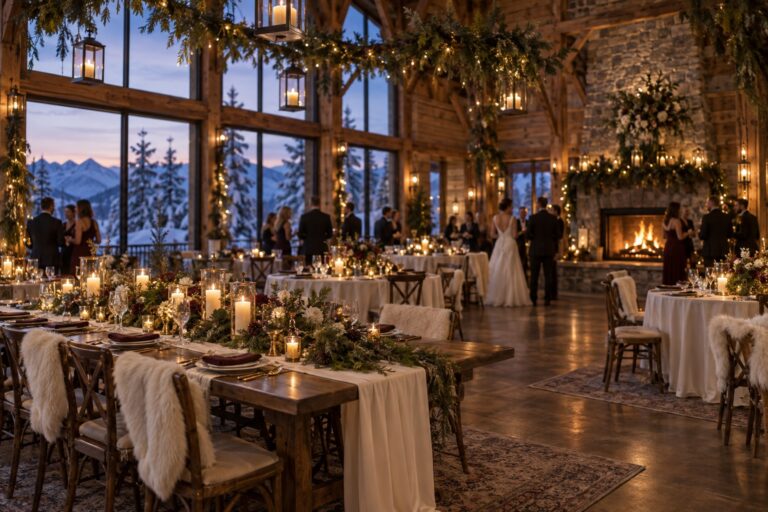
A ballroom, historic hotel, or formal country club supports a longer hem, a richer fabric, and more noticeable jewelry. An upscale restaurant often gives you more freedom to choose a formal midi or jumpsuit, especially if the room is intimate and the ceremony is indoors. A barn, lodge, or outdoor ceremony needs a plan for walking, temperature changes, and the visual weight of your outerwear. The dress code remains formal, but the complete outfit should belong in the space.
Use time and travel as tie-breakers
An evening wedding generally supports deeper color, more shine, and stronger accessories. A daytime formal wedding can still be elegant, but matte crepe, soft satin, or a restrained print may feel more natural than head-to-toe sequins. If you are traveling by train, walking from a parking garage, or changing venues, favor a dress that does not wrinkle easily and shoes that can handle the route. A perfect ceremony look that becomes uncomfortable before dinner is not a successful outfit.
Use this quick decision order: confirm the invitation, study the venue, consider daylight or evening light, map the distance between locations, then check your personal comfort. This sequence prevents a common mistake, choosing a beautiful dress first and trying to force it into a wedding setting where it does not work. The formal line is a starting point, not a reason to ignore the practical details that shape the night.
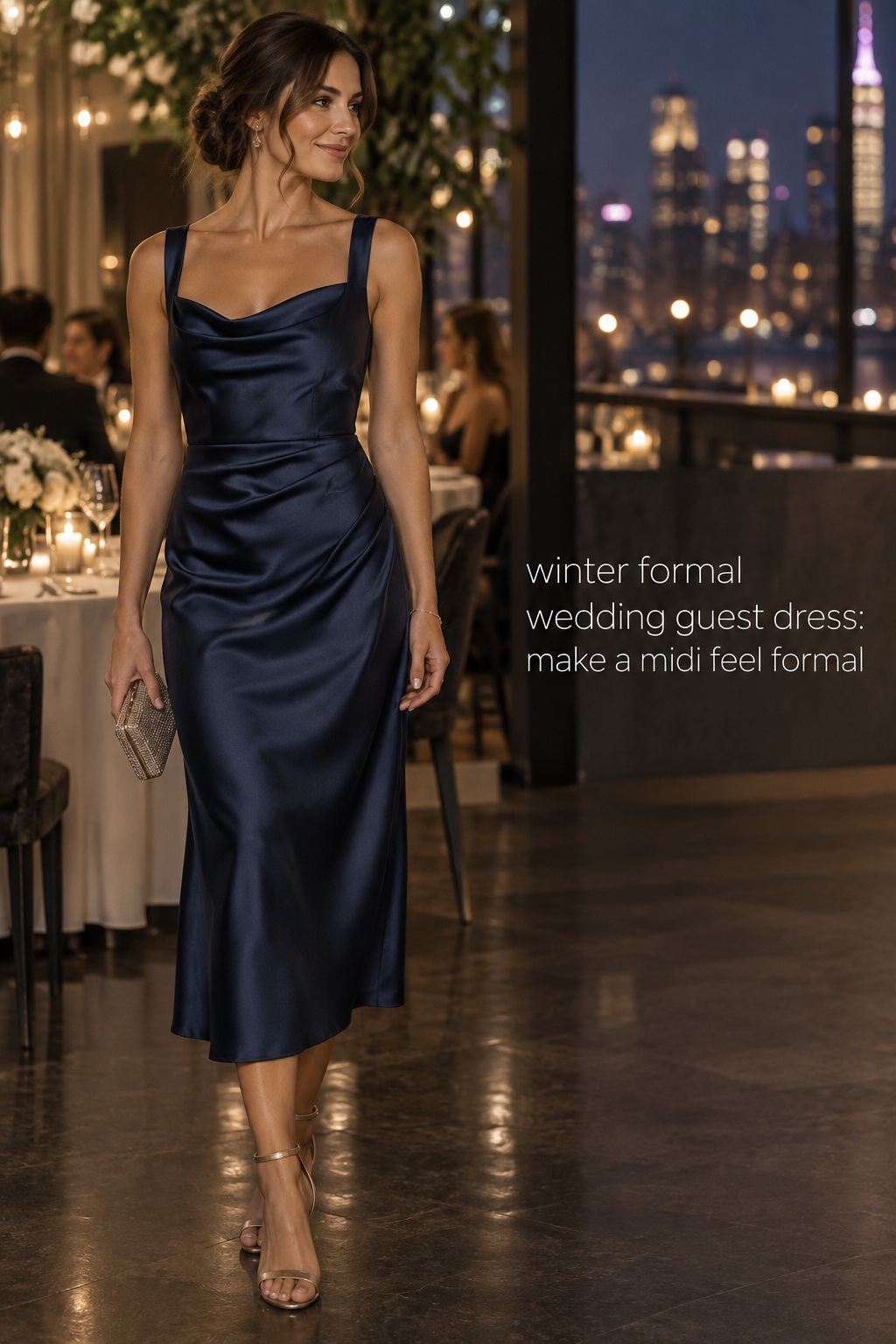
Gown, Midi, or Jumpsuit: Which Formal Route Fits Best
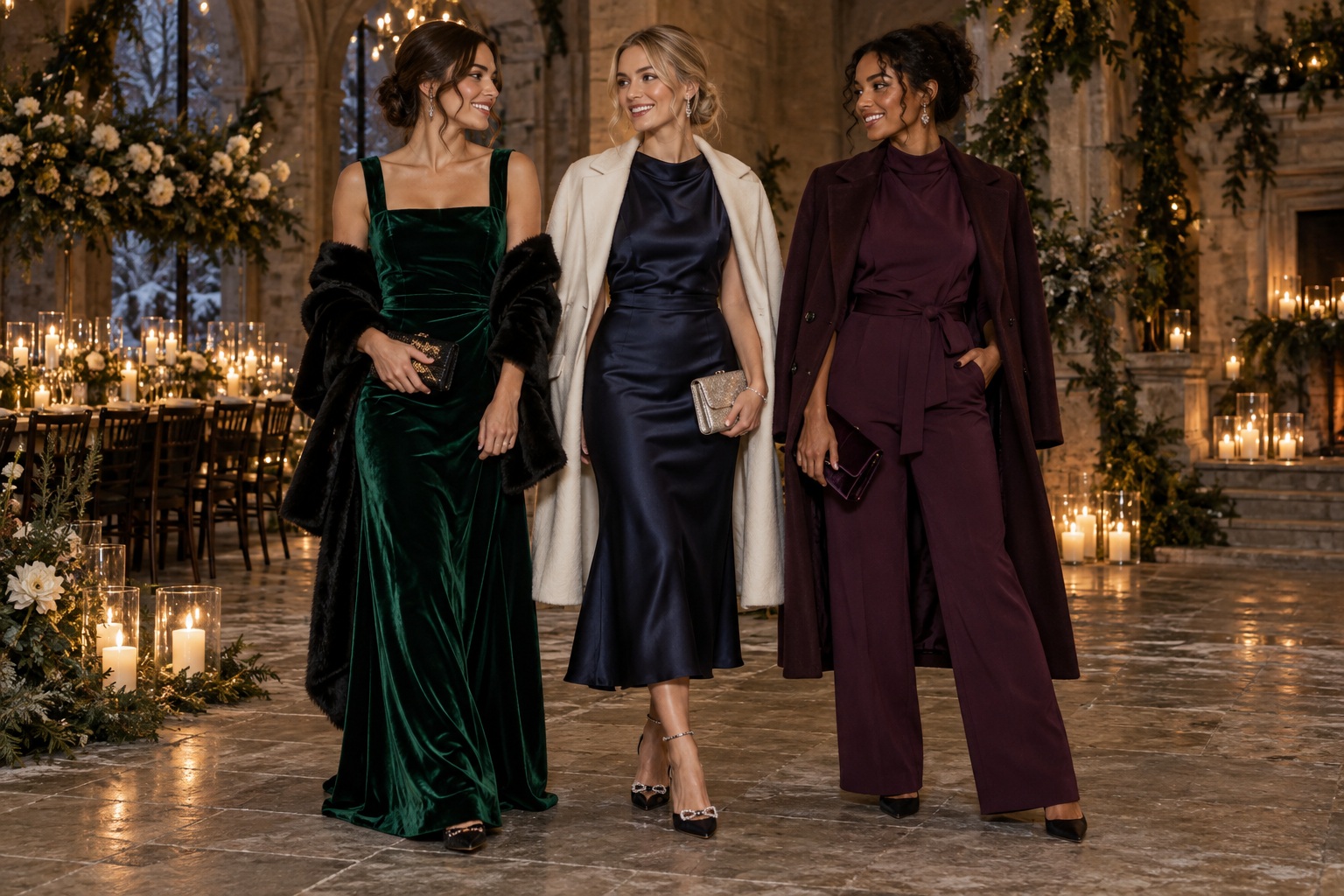
There is no single correct winter formal wedding guest dress. The best silhouette depends on how strictly formal the invitation is, how much warmth you need, and how you want to move through the day. Compare each option by four questions: Does it look formal enough in the first photograph? Can it work with a winter layer? Can you sit, walk, and dance in it? Would you wear it again?
Choose a floor-length gown for maximum formality
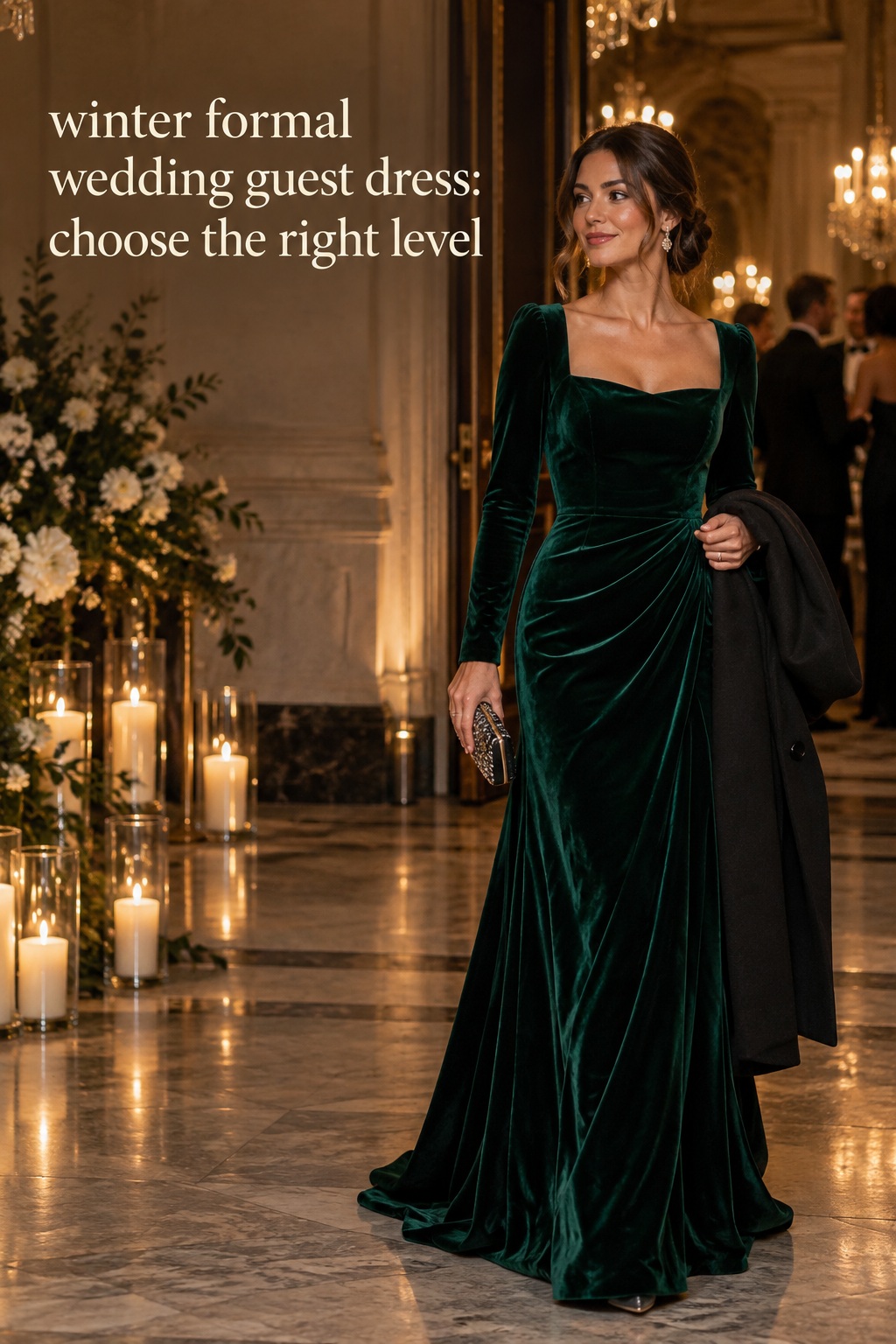
A floor-length gown is the most reliable choice for a formal evening wedding, especially in a ballroom or grand hotel. It creates instant occasion presence and gives a simple color more impact. Look for a clean column, a softly draped skirt, or an A-line shape that allows comfortable movement. Long sleeves, a higher neckline, or a substantial fabric can add winter relevance without making the gown look heavy.
The trade-off is logistics. A long skirt can catch on stairs, collect moisture outside, or become difficult to manage in a crowded coat check. Test the hem with the shoes you plan to wear. If the dress requires a very high heel to clear the floor, consider having it altered or choose a slightly shorter formal length. Ease is part of elegance because it changes how you stand, walk, and participate.
Choose a formal midi for flexibility
A midi can be formal enough when the cut, fabric, and styling do the work together. Choose a sculpted bodice, a fluid bias shape, a full pleated skirt, or a column silhouette in velvet, satin, crepe, or elevated lace. Keep the accessories deliberate: a small evening bag, refined earrings, and dressy shoes will lift the shorter hem. This route is especially effective at an upscale restaurant, a daytime formal wedding, or a venue where a full gown feels visually excessive.
The risk is looking cocktail rather than formal. A bright party print, casual knit texture, small daytime floral, or simple pump can make a midi feel underdressed. Balance the hem with evening details and check the invitation again if you are unsure. A formal midi needs a complete styling story, not just a nice dress.
Choose a jumpsuit when movement matters
A formal jumpsuit is useful when you want trousers, a defined waist, and easy movement. Wide-leg crepe, velvet, or satin can look as polished as a gown, particularly with a refined neckline and a long, clean line through the leg. It is practical for walking, sitting, and dancing, and it can be easier to wear with a tailored coat. Choose a style that looks intentional from a distance, with enough structure to avoid reading as officewear.
The main trade-off is temperature management. A sleeveless jumpsuit may need a layer throughout the evening, while a very wide leg can brush against wet sidewalks. Wear the full outfit at home, including the coat and bag, to check that the proportions still look balanced. If the wedding is black tie rather than formal, select a particularly elegant fabric and accessories, or choose a gown if the invitation leaves no room for interpretation.
In short, choose the gown when formality is the priority, the midi when flexibility and venue scale matter, and the jumpsuit when movement or personal style matters most. None of these choices succeeds by itself. Fabric, finishing, shoes, and outerwear must support the silhouette you select.
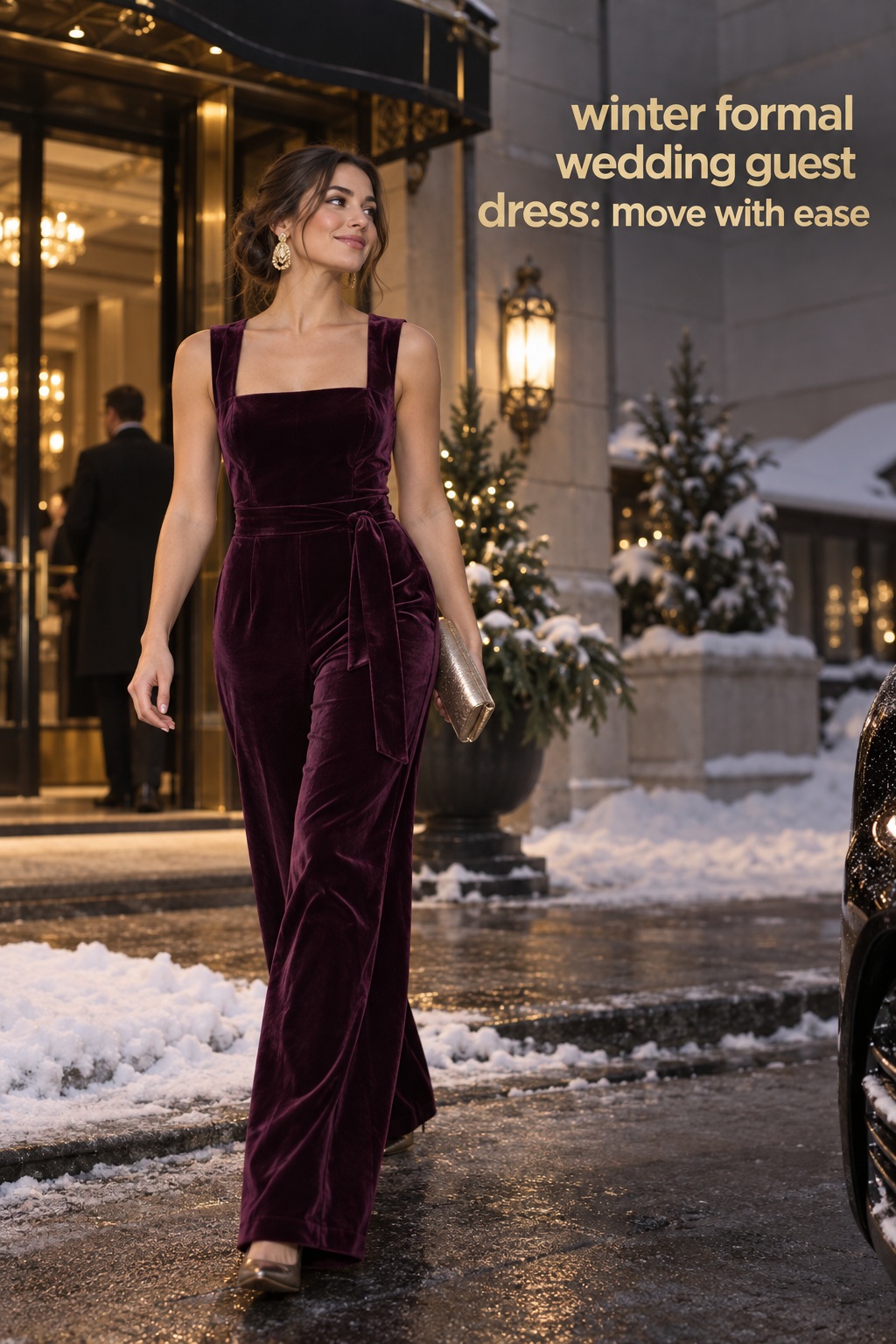
Choose Winter Fabric, Color, and Sleeves as a Set
Winter formality comes from the relationship between texture, color, and proportion. A heavy fabric does not automatically look formal, and a sleeveless dress is not automatically wrong for winter. The goal is a finished outfit that feels appropriate for the season while remaining light enough for an overheated reception room.
Velvet brings warmth and depth
Velvet is a natural winter choice because its surface has visual depth and its weight can make a simple silhouette feel special. A deep green, burgundy, navy, plum, or chocolate velvet dress works beautifully for an evening wedding. Keep the rest of the outfit clean so the texture remains the focal point. Velvet can show pressure marks, so pack it carefully and avoid squeezing it under a rough coat.
Satin and crepe keep the line elegant
Satin gives light and movement, which is useful in a dim room or candlelit reception. It can feel cool against the skin, so pair it with a dressy coat, wrap, or elegant long sleeve rather than relying on the dress alone. Crepe has a more matte, streamlined finish and often travels well. It is a strong choice when you want formal polish without shine, and it pairs easily with metallic or crystal accessories.
Use lace, embellishment, and shine with intention
Heavier lace can add winter texture, especially when it appears on sleeves, a bodice, or a panel over a solid lining. Sequins and beading work best when the rest of the look is restrained. If the dress is highly embellished, choose simpler jewelry and a quiet clutch. If the dress is minimal, let one accessory, such as a sculptural earring or a crystal shoe detail, provide the focus.
Pick color for the light, not only the season
Jewel tones and dark neutrals are reliable winter choices, but they are not rules. Emerald, sapphire, garnet, aubergine, ink, espresso, charcoal, and rich teal can look dimensional under evening light. A soft metallic, icy blue, or muted rose can work in a formal winter setting when the fabric and accessories keep it elevated. Avoid white, ivory, or a shade that could be mistaken for the bridal look unless the couple has specifically requested it.
Think about the room’s lighting before deciding. A very dark dress can lose detail in a dim venue, while a reflective satin may look brighter than expected under flash. Take a phone photograph in both indoor and outdoor light. The test is not whether the color is technically winter, but whether you can still see the shape and finish of the outfit.
Sleeves should solve a real need rather than serve as a shortcut to looking seasonal. A long velvet sleeve can add warmth and drama, a sheer lace sleeve can add coverage without bulk, and a sleeveless gown can remain completely appropriate when the coat or wrap is elegant. Choose the balance that lets you move naturally and stay comfortable.
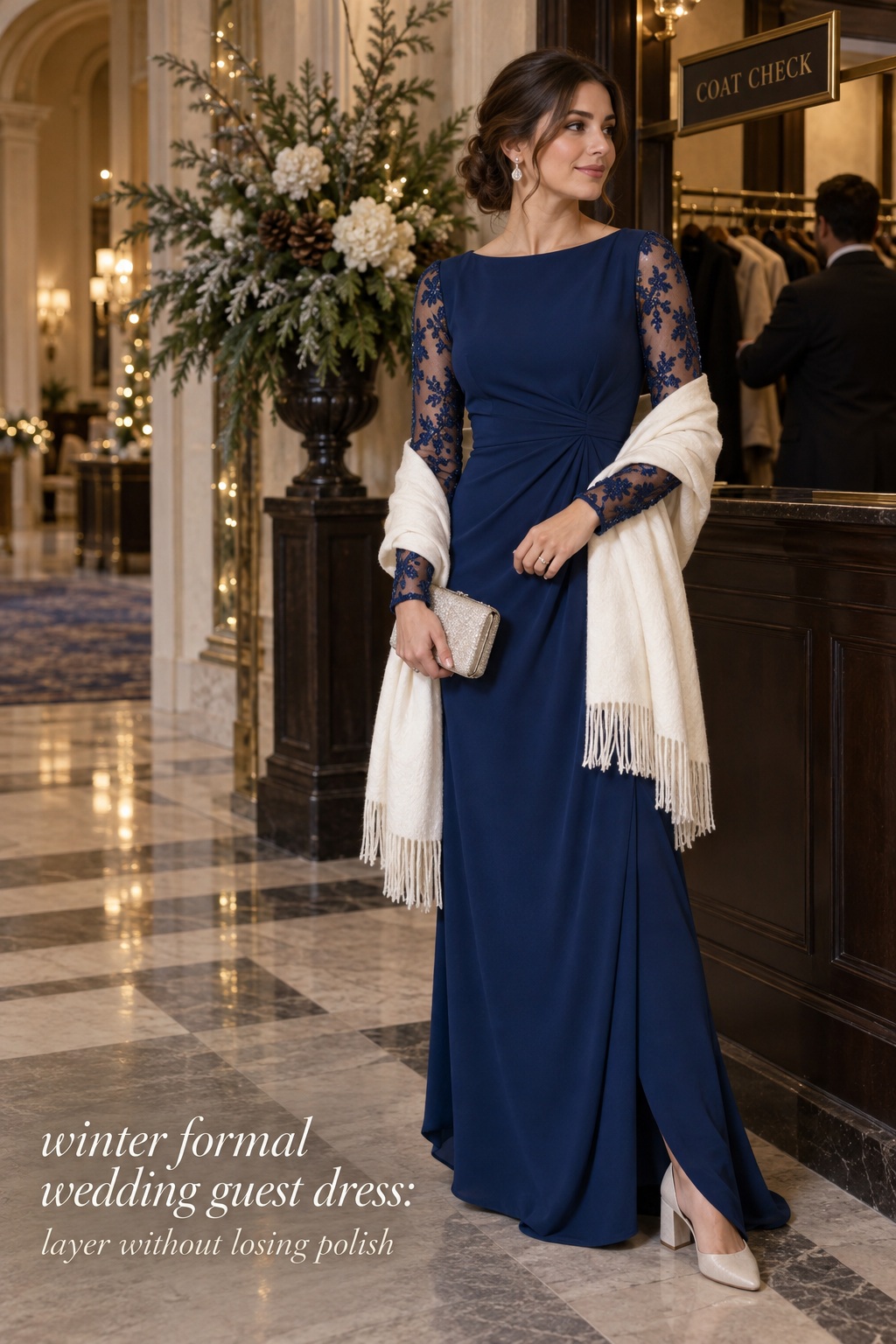
Build the Rest of the Look for the Whole Night
Your winter formal wedding guest dress is only one part of the outfit. Outerwear, shoes, bag, hosiery, and jewelry determine whether the look works between places. Plan them before you buy the dress, especially if the ceremony includes an outdoor arrival or a long walk.
Make the coat part of the formal look
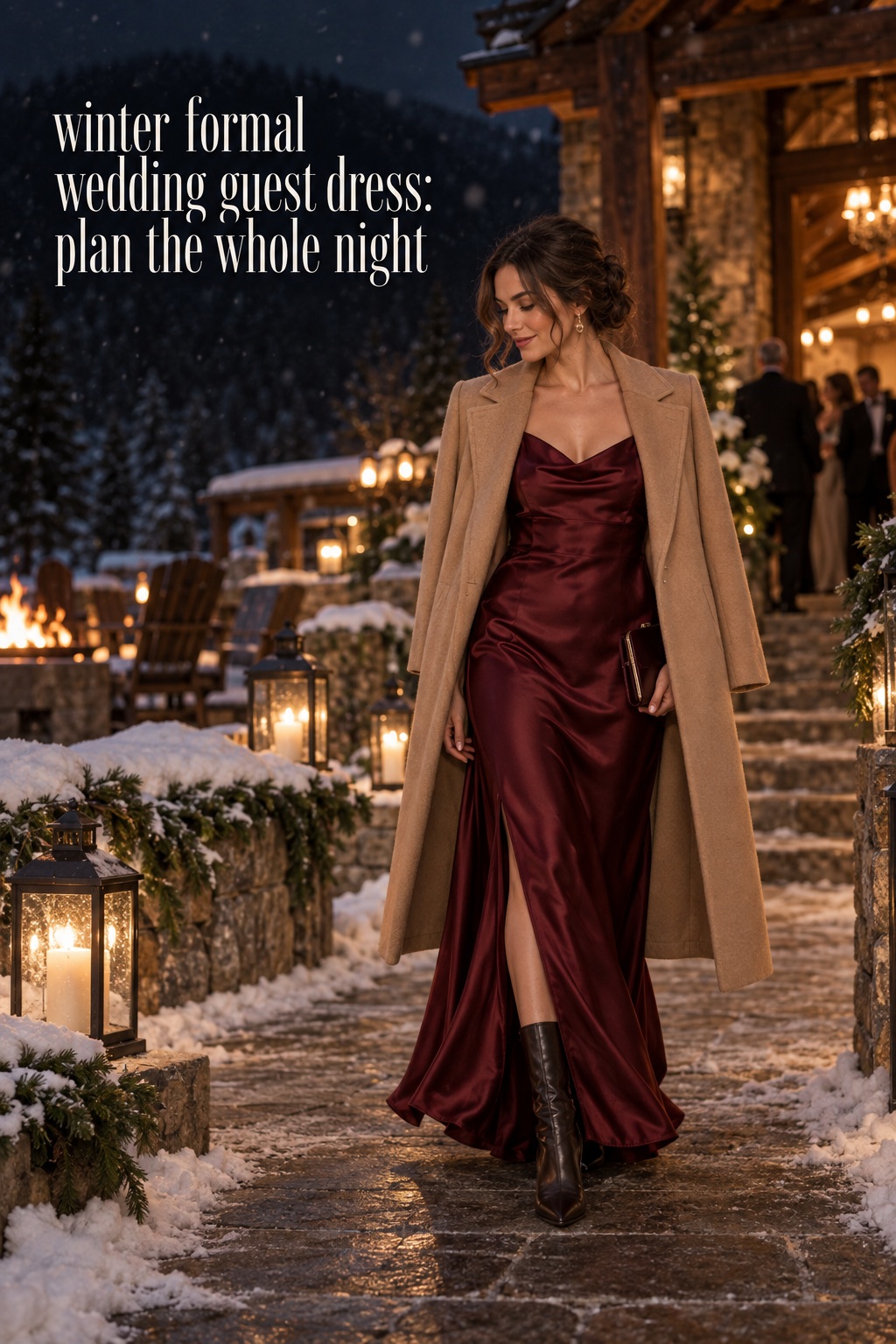
A tailored wool coat, elegant wrap, satin evening coat, or suitable stole can preserve the formality of the dress. Choose a length that works with the hem and a neckline that does not fight the dress. A short everyday puffer may be warm, but it can make a gown look disconnected during arrival photographs. If a casual coat is your only practical option, keep it on until you reach the coat check and make sure the indoor look is complete.
Choose shoes for the surfaces you will cross
Closed-toe pumps, elegant slingbacks, dressy boots, or refined block heels can all work, depending on the venue and weather. A narrow stiletto may sink into grass or become difficult on icy pavement. If you need a practical shoe for travel, bring it in a small bag and change at the venue. The replacement should be tested with the hem, because changing heel height changes the way a long dress falls.
Use hosiery as a quiet comfort layer
Sheer tights can add polish under a midi, while a warmer opaque pair may be more practical for a cold ceremony. Choose a tone that works with the shoes and dress rather than treating hosiery as an unrelated necessity. Test for visibility, comfort, and bunching before the event. With a long gown, hosiery may be invisible, but it can still make the difference between enjoying the evening and thinking about the cold.
Keep accessories focused
Formal accessories should complete the proportion of the dress. A low neckline may need a necklace, while an ornate neckline may look better with earrings alone. A small clutch is more appropriate than a large everyday shoulder bag. Metallics, pearls, colored stones, and crystal can all work, but choose one dominant direction. When every detail sparkles, the eye loses the silhouette that made the dress feel formal.
Pack a small repair solution for a loose hem, broken strap, or snag. Bring the lipstick or powder you actually plan to use, but do not carry a large daily bag into a formal room. Photograph the outfit with the coat on and off, then walk, sit, climb stairs, and dance in the shoes. These simple tests expose problems that a mirror alone will not show.
Make the Final Choice by Wedding Setting
Once you understand the dress code and have compared the silhouettes, let the setting make the final decision. These formulas are starting points that show how the same level of formality can be expressed in different ways.
For a ballroom or grand hotel
Choose a floor-length velvet, satin, or crepe gown in a deep neutral or jewel tone. Add a tailored wool coat for arrival, a compact clutch, and one strong jewelry detail. If the room is richly decorated, a clean silhouette may look more elegant than a dress with multiple competing embellishments. Your priority is presence and proportion, so check that the hem moves cleanly and the coat does not crush the shoulder or sleeve.
For an upscale city restaurant
A formal midi or sleek jumpsuit can feel exactly right in a smaller room. Choose crepe, satin, or velvet, then add a dressy shoe and a refined coat. A midi with a sculpted shape can be more comfortable on stairs and easier to navigate in a crowded dining room. A jumpsuit gives you a modern line, but bring a layer that keeps the neckline and shoulders polished when you are outside.
For an outdoor or lodge ceremony
Keep the formal silhouette, then solve warmth through the system around it. A long-sleeve velvet gown, a lined crepe dress, or a formal midi with opaque tights can work. Choose shoes that will not sink or slip, and select a coat or wrap you can actually keep closed. If the ceremony is brief but the reception is warm, a removable layer gives you more control than choosing a very heavy dress.
For a destination or travel-heavy wedding
Prioritize wrinkle resistance, easy packing, and shoes that can serve more than one part of the trip. A crepe jumpsuit or streamlined midi often travels more simply than a full gown, but a carefully packed gown can still work if the invitation strongly favors it. Carry the dress in your hand luggage when possible, and plan a backup for weather rather than hoping the forecast changes. The most successful travel outfit is formal at the destination and manageable on the way there.
Before you commit, stand in the outfit for ten minutes. Sit at a table, move your arms, walk in the shoes, and put on the coat. If you are still adjusting the neckline, pulling at the hem, or wishing for a warmer layer, keep looking. A formal winter wedding guest dress should give you a clear answer when you see the full look together.
FAQ
What is the safest winter formal wedding guest dress?
A floor-length gown in velvet, satin, or crepe is the safest choice for an evening wedding labeled formal, particularly in a ballroom or hotel. Choose a color that is rich but not bridal, then add a tailored coat and dressy shoes. If the setting is less grand or the event is during the day, a polished midi may be more appropriate.
Can I wear a midi dress to a formal winter wedding?
Yes, when the midi has a formal fabric, intentional shape, and elevated accessories. Velvet, satin, crepe, structured lace, and refined embellishment can make the shorter hem feel appropriate. Avoid casual knits, daytime prints, and everyday shoes, and consider the venue before choosing this route.
Is a jumpsuit formal enough for a winter wedding?
A jumpsuit can be formal enough when it has an evening fabric, tailored structure, and elegant proportions. Wide-leg crepe, velvet, and satin are strong options. Add formal jewelry, a compact bag, and polished shoes. For strict black tie, a gown is the lower-risk choice if the invitation gives no indication that alternatives are welcome.
What should I wear over a formal dress in winter?
Choose a tailored wool coat, dressy evening coat, refined wrap, shawl, or suitable stole. The layer should protect the silhouette and work with the dress neckline. Plan it for the entire journey, including the walk from the car or train to the venue, then remove it at the coat check if the reception is warm.
What colors work for a winter formal wedding guest outfit?
Deep green, navy, burgundy, plum, teal, chocolate, charcoal, and ink are dependable choices. Soft metallics, icy blue, and muted rose can also work when the fabric and styling remain formal. Avoid white, ivory, or a color that could be confused with the bridal gown unless the couple has requested it.
Should formal winter wedding guests wear long sleeves?
Long sleeves are useful but not required. They can add warmth and structure, especially in velvet, lace, or a refined sheer fabric. A sleeveless gown can work when you plan a formal coat or wrap. Choose the amount of coverage that suits the venue, your comfort, and the rest of the outfit rather than treating sleeves as the only measure of winter appropriateness.
Can I wear boots with a formal winter wedding guest dress?
Dressy boots can work for a winter wedding when they are sleek, in good condition, and coordinated with the dress. They are most natural at a lodge, outdoor ceremony, or setting where practical footwear makes sense. For a grand ballroom or strict black-tie invitation, pumps or formal evening shoes are usually the safer choice.